


Indianapolis sits at the convergence of three major waterways and experiences freeze-thaw cycles that stress pipes and foundations throughout winter. The White River, Fall Creek, and Eagle Creek create elevated flood risk across downtown, Broad Ripple, and Meridian-Kessler during spring storms. Clay-heavy soil common in Hamilton County and northern Marion County holds water against foundations, pushing moisture through basement walls.
Summer humidity averages 72%, creating perfect conditions for mold growth within 24 hours of water intrusion. Homes built before 1980 across Fountain Square and the Old Northside often have aging cast iron drain lines that corrode and fail without warning. Winter temperatures drop below freezing 95 days per year, causing pipe bursts in attics and crawl spaces when homeowners leave properties vacant or maintain low heat settings.
The city's rapid development in Fishers, Carmel, and Westfield means newer construction sits on poorly compacted soil that settles, cracking foundations and creating water entry points. Indianapolis receives 42 inches of precipitation annually, with severe thunderstorms dropping 2-3 inches in hours, overwhelming sump pumps and floor drains. These conditions make water damage restoration a critical need, not an occasional emergency.
Apex Water Damage Restoration Indianapolis operates from strategically positioned dispatch centers that put certified technicians in your neighborhood within one hour of contact. We maintain equipment staging areas in Castleton, Greenwood, and near the airport to serve every corner of the metro without delay. Our crews carry industrial extraction units, thermal imaging cameras, and commercial dehumidifiers on every truck, eliminating the delays other companies face waiting for equipment delivery.
We staff 24-hour emergency lines with experienced project managers who assess damage severity over the phone and dispatch appropriate resources immediately. Other restoration companies route calls to answering services that create delays. We answer directly, assess quickly, and move fast because water damage compounds exponentially with every passing hour.
Our technicians hold IICRC certifications in water damage restoration, structural drying, and applied microbial remediation. This training matters when determining moisture levels in subflooring, calculating drying times for plaster walls common in older Indianapolis homes, or identifying hidden water pockets behind brick veneer. We document every step with moisture readings, thermal images, and detailed notes that insurance adjusters accept without dispute.
Indianapolis property owners choose us because we coordinate directly with every major insurance carrier operating in Indiana. We submit estimates in the formats adjusters expect, provide documentation that speeds approval, and communicate throughout the claim process. You get faster payments and fewer disputes because we speak the language insurance companies understand.

Our dispatch system puts certified crews at your property within 60 minutes across Indianapolis. We stage equipment throughout Marion County to eliminate travel delays. When water floods your home at midnight or pipes burst on Sunday morning, we arrive fast with full extraction and drying equipment ready to deploy immediately upon arrival.

We communicate directly with adjusters from every carrier serving Indianapolis, submitting documentation they approve without back-and-forth disputes. Our estimates match insurance company pricing guides, our photos show damage clearly, and our moisture logs prove drying completion. You get faster claim approval and fewer payment delays because we handle the insurance paperwork correctly the first time.
Every crew member holds current certification in water damage restoration and applied structural drying from the Institute of Inspection, Cleaning and Restoration Certification. This training ensures proper moisture measurement, accurate drying time calculations, and effective mold prevention protocols. Certification means your property gets restored using proven methods that prevent future problems, not guesswork that creates callbacks.
We understand how water behaves in Indianapolis homes built across different eras. Balloon-frame construction in Irvington distributes water differently than platform framing in Geist. Clay soil drainage patterns in Lawrence differ from sandy soil in Greenwood. Our local experience means faster damage assessment and more accurate drying plans specific to how your neighborhood's homes were built and how water moves through them.
Water damage restoration requires different approaches depending on the source, severity, and affected materials. A burst supply line demands immediate extraction before water saturates drywall and insulation. A slow foundation leak needs different moisture control than a sewage backup that introduces contamination. Storm flooding creates debris and sediment problems absent from clean water events.
Apex Water Damage Restoration Indianapolis provides emergency water removal, structural drying, mold remediation, and complete reconstruction services under one contract. This eliminates the coordination headaches of hiring multiple contractors who blame each other for delays. We extract standing water, dry affected structures, remove damaged materials, treat for mold, and rebuild to pre-loss condition.
Our service categories address every type of water damage Indianapolis properties face, from burst pipes in Broad Ripple bungalows to flooded basements in Carmel subdivisions. We deploy appropriate equipment and expertise based on water category, affected square footage, and material types. Whether you need emergency extraction at 2 AM or complete reconstruction after your insurance settles, we handle the entire restoration process from first response through final walkthrough.
When water floods your property, immediate extraction prevents damage from spreading into walls, subflooring, and contents. Our emergency crews arrive with truck-mounted extraction units that remove hundreds of gallons per minute from basements, crawl spaces, and living areas. We pull saturated padding from under carpets, extract water from hardwood floor gaps, and pump standing water from mechanical spaces before it damages HVAC systems and water heaters. Emergency mitigation includes temporary roof tarps, board-ups, and content pack-outs that protect your belongings while structures dry.
Removing standing water is only the first step. Materials stay wet for days or weeks without proper drying equipment and monitoring. We position commercial air movers and industrial dehumidifiers that create airflow patterns specific to your property's layout and materials. Thermal imaging identifies hidden moisture in wall cavities and ceiling spaces. Daily moisture readings track drying progress and determine when materials reach acceptable levels. We calculate drying times based on material density, humidity levels, and temperature conditions, adjusting equipment placement as readings change throughout the drying process.
Mold grows within 24 to 48 hours after water damage in Indianapolis's humid climate. When water sits too long or drying happens improperly, mold colonizes drywall, insulation, and framing lumber. Our remediation process includes containment barriers that prevent spore spread, HEPA filtration that captures airborne contamination, removal of affected materials, antimicrobial treatment of remaining surfaces, and post-remediation testing that confirms successful cleanup. We follow IICRC S520 standards for mold remediation, not shortcuts that leave contamination behind walls where it continues growing and releases spores into living spaces.
Indianapolis properties face water damage from multiple sources throughout the year. Winter freeze-thaw cycles burst pipes in attics and crawl spaces when temperatures drop suddenly after mild periods. Spring storms overwhelm drainage systems and push groundwater through foundation walls. Summer humidity accelerates mold growth in any structure that experienced water intrusion. Aging infrastructure in established neighborhoods creates ongoing risks from failing supply lines and corroded drain pipes.
The city's clay soil holds water against foundations rather than draining away, creating hydrostatic pressure that forces moisture through basement walls and floor joints. Older homes in Fountain Square, Woodruff Place, and Butler-Tarkington have limestone foundations that absorb groundwater and release it inside basements during wet periods. Rapid development in northern suburbs often means homes built on poorly compacted fill that settles and cracks foundations, creating water entry points that worsen over time.
These problems require fast response and proper restoration techniques. Water that sits for hours spreads into wall cavities, under flooring, and into insulation where it creates long-term damage even after visible water disappears. Understanding what causes water damage in Indianapolis helps property owners recognize problems early and call for professional restoration before minor leaks become major reconstruction projects.
Indianapolis winter temperatures fluctuate between 15 and 45 degrees, causing pipes to expand and contract repeatedly. Supply lines in unheated attics, exterior walls, and crawl spaces burst when water inside freezes and creates pressure that splits copper or PVC. A single burst pipe releases gallons per minute, flooding rooms in minutes. Fast response prevents water from spreading into multiple levels and saturating structural materials throughout your home.
Heavy spring rainfall overwhelms French drains and sump pumps, pushing groundwater through basement walls and floor cracks. Clay soil common throughout Marion County does not absorb water quickly, creating hydrostatic pressure against foundations. Older homes often lack exterior waterproofing membranes that newer construction includes. Basement flooding introduces contamination from soil contact and requires complete drying to prevent mold growth in finished spaces and storage areas.
Combined sewer systems in older Indianapolis neighborhoods back up during heavy rain events when stormwater and sewage share the same pipes. Sewage enters basements through floor drains and toilet connections, creating Category 3 contamination that requires specialized cleanup protocols. Sewage backup restoration includes complete removal of affected materials, antimicrobial treatment, and proper disposal of contaminated contents. Insurance coverage for sewer backup requires specific policy riders many homeowners lack.
Slow leaks from pinhole corrosion in copper pipes or failed compression fittings damage structures for weeks before visible signs appear. Water accumulates in wall cavities and under flooring, rotting framing lumber and creating mold growth. Thermal imaging and moisture meters detect hidden water before it causes catastrophic damage. These leaks often originate in second-floor bathrooms and damage ceiling structures in rooms below before homeowners notice water stains or sagging drywall.
Water damage creates stress and uncertainty. Your home is flooding, possessions are at risk, and you need help immediately. When you call Apex Water Damage Restoration Indianapolis, you reach an experienced project manager who assesses your situation and dispatches the appropriate crew and equipment within minutes. We ask specific questions about water source, affected areas, and visible damage to send the right resources the first time.
Our crews arrive with truck-mounted extraction units, commercial air movers, industrial dehumidifiers, moisture meters, and thermal imaging cameras. We assess damage severity, photograph conditions for insurance documentation, and begin water removal immediately. You receive a detailed explanation of what happened, what we need to do, and how long restoration will take based on current conditions.
We maintain communication throughout the entire process. Daily moisture readings track drying progress. Photos document our work at each stage. Insurance coordination happens directly between our estimators and your adjuster. You receive updates without needing to chase us for information. When restoration completes, you receive final documentation showing moisture levels returned to normal ranges and all work finished according to industry standards.
Your call triggers immediate crew dispatch from our nearest staging location. We provide estimated arrival times and call en route with updates. Crews arrive with full equipment loads ready to extract water and begin drying without delays for equipment pickup or additional trips. Our project manager explains the restoration process, answers your questions, and begins damage documentation while crews set up extraction equipment. You see action within minutes of our arrival, not hours of assessment before work starts.
We provide daily updates on drying progress, moisture readings, and timeline adjustments based on current conditions. You receive photos showing equipment placement and affected areas. Our project managers explain what we find, why certain steps are necessary, and how decisions impact your timeline and costs. When insurance questions arise, we coordinate directly with adjusters and explain coverage issues in plain language. You never wonder what is happening or when work will finish because we communicate proactively.
Restoration finishes when moisture readings confirm all affected materials returned to normal ranges, not when materials look or feel dry. We document initial moisture content, track daily readings, and provide final verification showing your property meets industry drying standards. This documentation satisfies insurance requirements and prevents mold problems from residual moisture. You receive complete records showing what we dried, how long it took, and final moisture levels that prove successful restoration.
Water damage restoration follows a systematic process that removes water, dries affected structures, and prevents secondary damage. Each step builds on the previous one to achieve complete restoration.
Crews arrive and immediately begin removing standing water with truck-mounted extraction units and portable pumps. We pull saturated carpeting and padding, extract water from hardwood gaps, and pump flooded basements and crawl spaces. Thermal imaging identifies water spread into walls and ceiling cavities. We photograph damage for insurance documentation and establish moisture content baselines with meter readings. Initial extraction removes 95% of water within the first few hours, preventing damage from spreading and reducing overall drying time.
Commercial air movers and industrial dehumidifiers run continuously to dry remaining moisture from structural materials. We position equipment based on airflow patterns, material types, and moisture distribution. Daily visits include moisture meter readings that track drying progress in walls, floors, and ceilings. Thermal imaging verifies hidden moisture levels drop appropriately. Equipment adjustments optimize drying as conditions change. This phase continues until moisture readings reach acceptable levels, typically three to seven days depending on materials affected and initial saturation levels.
Final moisture readings confirm all materials returned to normal ranges before reconstruction begins. We remove equipment, clean affected areas, and complete any necessary repairs or reconstruction. Final documentation includes moisture logs, photos showing completed work, and verification that your property meets industry drying standards. Insurance paperwork goes to your adjuster with complete supporting documentation. You receive copies of all records showing what we did, how long it took, and confirmation that restoration finished successfully without residual moisture that could cause future problems.
The Institute of Inspection, Cleaning and Restoration Certification establishes standards that guide proper water damage restoration. The IICRC S500 Standard and Reference Guide for Professional Water Damage Restoration defines water categories, material classifications, and drying procedures that certified technicians follow. These standards exist because water damage restoration done incorrectly creates long-term problems that cost more to fix than proper initial restoration.
Water falls into three contamination categories. Category 1 comes from clean sources like supply lines and does not pose health risks. Category 2 includes gray water from washing machines, dishwashers, or clean toilet overflow that contains contaminants requiring proper handling. Category 3 is black water from sewage backups, flooding, or long-standing Category 2 water that grew bacteria. Each category requires different safety protocols, disposal methods, and restoration procedures.
Materials absorb and release moisture at different rates. Concrete dries slowly and holds moisture deep within its mass. Drywall wicks water vertically through paper facing. Hardwood flooring cups and crowns as moisture content changes. Proper restoration matches drying equipment and techniques to specific materials affected. Generic approaches that treat all materials the same leave residual moisture that creates mold growth and structural damage weeks after restoration seems complete.
Psychrometrics governs structural drying by measuring relationships between temperature, humidity, and moisture content. Dehumidifiers remove moisture from air, but air movers must create airflow across wet surfaces to transfer moisture into the air where dehumidifiers can capture it. Indianapolis humidity levels average 72% in summer, making dehumidification essential for timely drying. Proper equipment placement based on psychrometric principles reduces drying time from weeks to days and prevents the mold growth that occurs when materials stay wet too long in humid conditions.
The IICRC S500 standard establishes proper water damage restoration procedures, drying goals, and documentation requirements. Certified restorers follow these standards to ensure complete drying and prevent secondary damage. Non-compliant restoration often looks finished but leaves residual moisture that creates mold and rot. We document our work according to S500 requirements, providing verification that your property meets industry standards for successful restoration.
Restoration costs and procedures depend heavily on water category. Clean water extraction and drying costs less than sewage cleanup that requires specialized disposal and antimicrobial treatment. Category 3 water requires removal of porous materials like drywall and insulation that cannot be adequately sanitized. Insurance coverage often differs between categories, with sewage backup requiring specific policy endorsements. Proper category assessment ensures appropriate restoration methods and accurate insurance claims.
Different materials require different drying times based on density, porosity, and moisture absorption characteristics. Carpet and padding dry in two to three days. Drywall takes four to seven days depending on saturation. Hardwood flooring requires seven to fourteen days for moisture content to stabilize. Concrete foundations may need weeks to reach acceptable moisture levels. Rushing drying or declaring completion based on surface conditions rather than meter readings creates problems that appear weeks later when mold grows on materials that never fully dried.
Insurance companies require specific documentation showing damage extent, restoration necessity, and work completion. This includes photos of initial conditions, moisture readings throughout drying, equipment logs showing run times, and final verification that materials meet drying standards. We provide documentation in formats adjusters expect, reducing claim disputes and speeding payment approval. Poor documentation creates delays, underpayment, or claim denials even when restoration work was performed correctly.
Apex Water Damage Restoration Indianapolis maintains rapid response capabilities across Marion County and surrounding areas through strategically positioned equipment staging and crew dispatch locations. We serve downtown Indianapolis from our facility near Lucas Oil Stadium, reaching high-rise apartments and historic properties in the Wholesale District and Fletcher Place within minutes. Our teams know the unique challenges of older buildings in Fountain Square and the Old Northside, where brick construction and limestone foundations require different moisture management than newer suburban homes.
North side neighborhoods including Broad Ripple, Meridian-Kessler, and Butler-Tarkington see frequent water damage from aging infrastructure in homes built between 1920 and 1960. These properties often have galvanized supply lines prone to corrosion, cast iron drain lines that fail, and minimal crawl space access that complicates water extraction. We maintain specialized equipment for these older homes, including compact extraction units that fit through narrow basement access and moisture meters calibrated for plaster walls common in pre-war construction.
The rapidly developing suburbs of Fishers, Carmel, Noblesville, and Westfield in Hamilton County face different water damage patterns. New construction on poorly compacted soil experiences foundation settling that creates cracks allowing water intrusion. Subdivision development that eliminated natural drainage creates flooding problems during heavy rain. Our crews understand how water moves through modern platform-frame construction and where moisture hides in complex roof systems common in contemporary home designs.
Southern Marion County communities including Greenwood, Beech Grove, and areas near Indianapolis International Airport flood during severe storms when tributaries of the White River overflow. Clay soil throughout this region holds water against foundations rather than draining, creating persistent moisture problems. We coordinate with local building departments and understand water table variations across different areas. East side neighborhoods along Washington Street and Shadeland Avenue contain a mix of commercial and residential properties requiring different restoration approaches. Our project managers assess building types quickly and deploy appropriate resources based on structure age, construction methods, and damage severity.
We also serve Plainfield, Avon, Brownsburg, and western suburbs in Hendricks County where property sizes are larger and water damage often affects outbuildings, detached garages, and crawl spaces in addition to main structures. Our equipment inventory includes long-distance extraction hoses and portable generators that reach properties with limited electrical capacity or buildings distant from main power sources. Understanding the greater Indianapolis area's geographic diversity, soil conditions, construction eras, and weather patterns allows us to respond effectively regardless of where water damage occurs.
We are proud to serve the entire Indianapolis area and surrounding communities, providing rapid-response water damage restoration right where you need it most. Our central location allows us to deploy our 24/7 emergency teams quickly across the region. View our service area on the map below and remember that wherever you are in the Indianapolis metropolitan area, Apex Water Damage Restoration Indianapolis is ready to deliver expert and trustworthy service to secure your home or business.
Address:
Indianapolis, IN, 46204
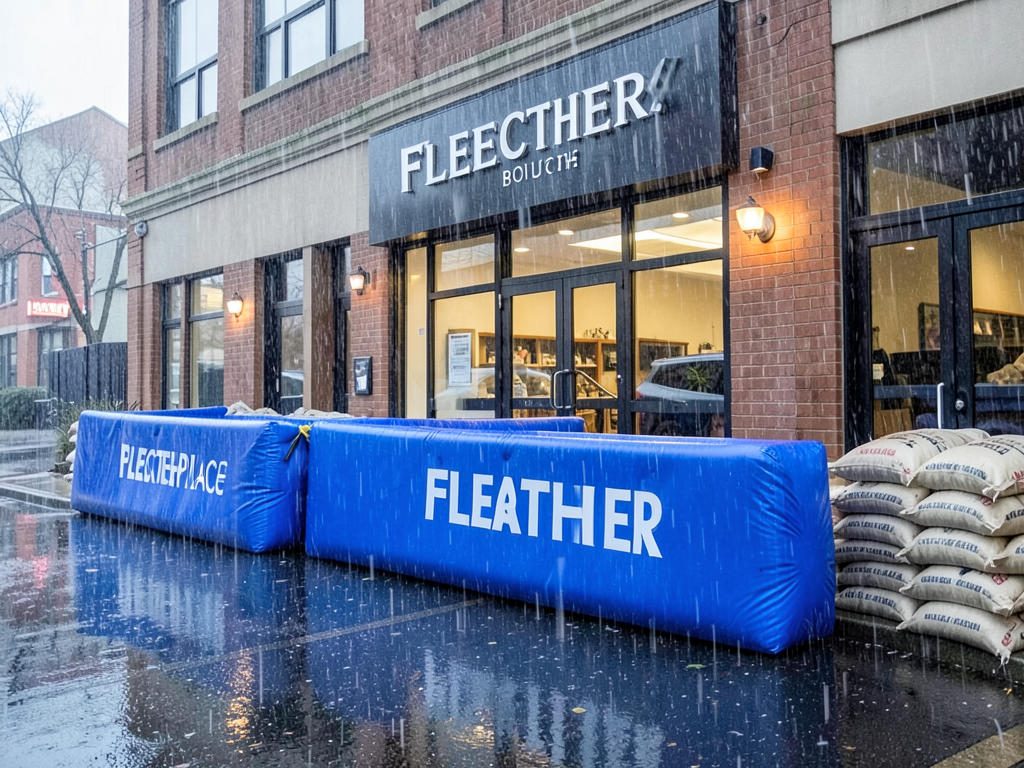
Protecting Your Boutique Floor from Water Damage During Flash Floods in Fletcher Place Flash floods can turn a thriving boutique in Fletcher Place into a disaster zone within minutes. The combination of urban runoff, aging…
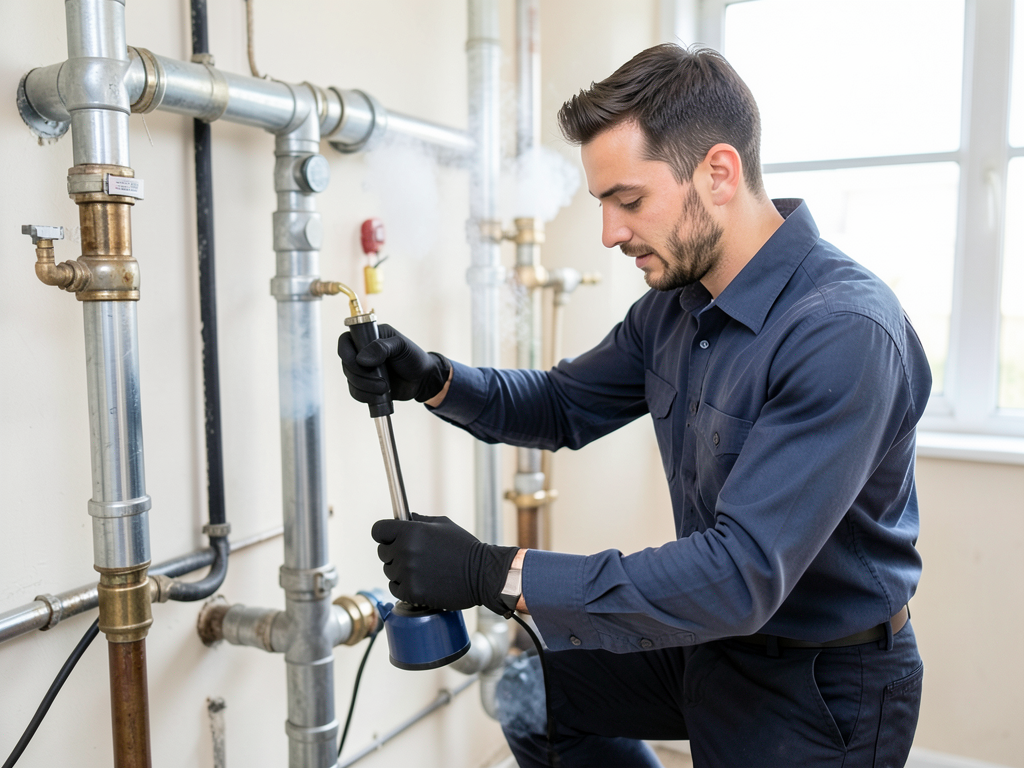
Dealing with That Strange Sewer Smell in Your New Northside Home After a Dry Spell…
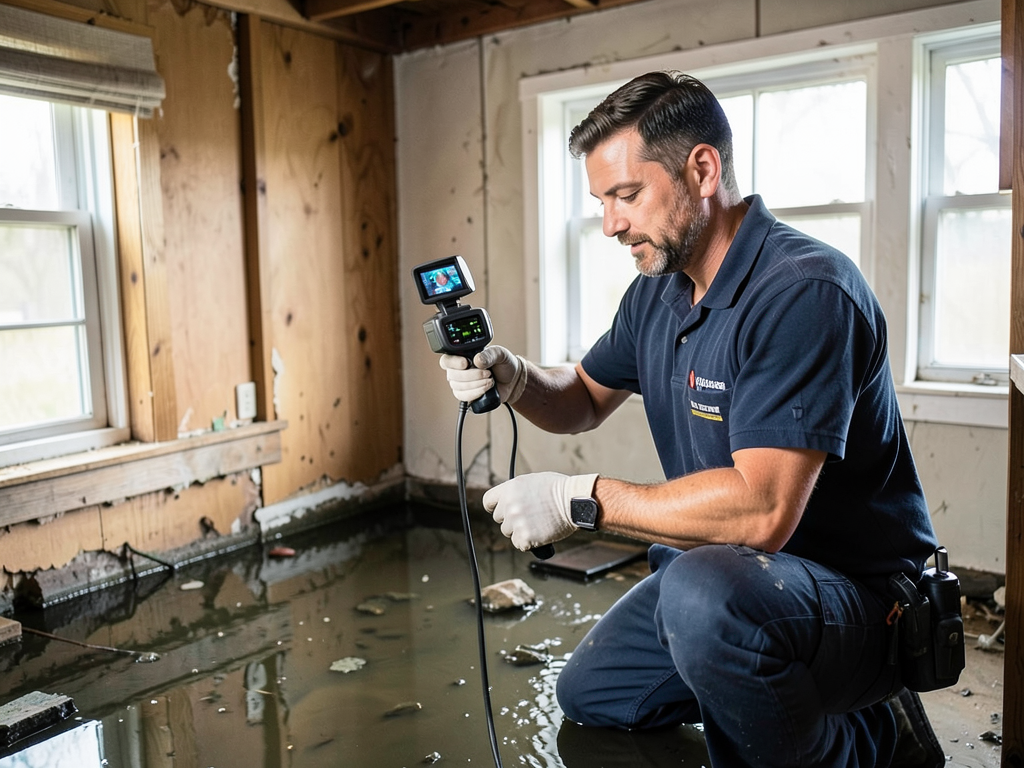
Understanding Why Your Standard Insurance Might Not Cover a Sump Pump Overflow in Greenwood Standard…
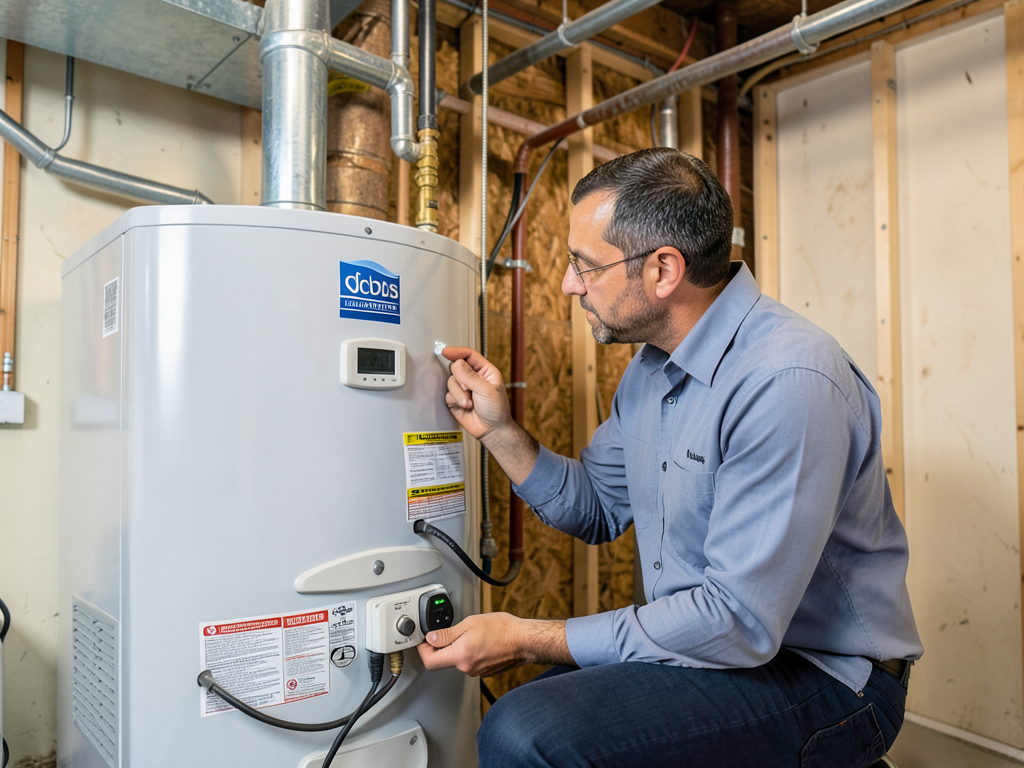
The Most Reliable Smart Leak Detectors for Protecting Your Home in Noblesville Water damage in…
Water damage worsens every hour you wait. Call Apex Water Damage Restoration Indianapolis now at (317) 703-7676 for immediate dispatch and expert restoration. Our crews arrive within 60 minutes with full equipment ready to extract water and begin drying your property today.