menu

Water Heater Burst Cleanup in Indianapolis – 24/7 Emergency Response Within 60 Minutes

When your water heater ruptures, every minute counts. Our certified water heater flood damage restoration teams dispatch immediately across Indianapolis with industrial extraction equipment ready to stop secondary damage before it starts.

Slider Image 1
Slider Image 2
Slider Image 3
Slider Image 4
Slider Image 5
Slider Image 7
Slider Image 8
Slider Image 9
Slider Image 10
Slider Image 11

Why Water Heater Failures Hit Indianapolis Homes Harder

A ruptured water heater releases 40 to 80 gallons of water in minutes. In Indianapolis homes built on clay soil, that water finds every crack in your foundation. The freeze-thaw cycles we experience from November through March stress tank seams and pressure valves. When they fail, you are looking at flooded basements, destroyed drywall, and ruined furnaces.

Indianapolis sits in a high water table zone. Basement flooding from a burst hot water tank does not just wet your carpet. It saturates floor joists, compromises electrical systems, and creates the perfect environment for mold growth within 48 hours. The humidity we get from June through August accelerates this process.

Most homeowners do not realize their water heater is failing until they step into standing water. You might see rust stains near the base, hear popping sounds, or notice the pilot light going out repeatedly. By the time the tank ruptures, you need emergency water heater water removal, not a plumber.

The damage moves fast. Water flows toward your HVAC system, soaks insulation, and seeps into wall cavities. Your homeowner's insurance covers sudden failures, but you need documentation and professional burst water heater extraction to prove the claim. Standing water for more than 24 hours changes your claim from water damage to neglect.

Our crews understand Indianapolis construction. We know where water travels in ranch homes common to Broad Ripple, how it pools in the finished basements throughout Carmel, and why immediate extraction matters for homes near Fall Creek.

Why Water Heater Failures Hit Indianapolis Homes Harder
Our Ruptured Water Heater Cleanup Process

Our Ruptured Water Heater Cleanup Process

We do not just extract water. We stop the cascade of damage that starts the moment your tank fails.

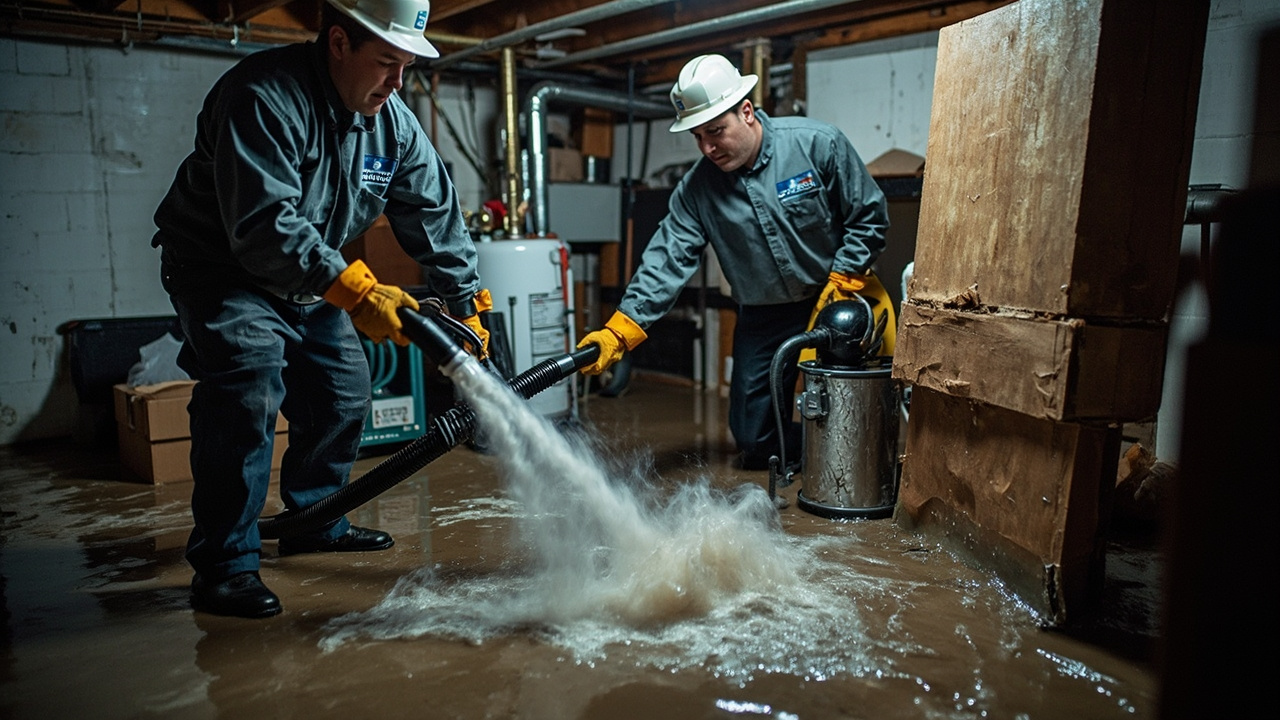
Our teams arrive with truck-mounted extraction units that pull 150 gallons per minute. Portable units cannot match that capacity. We place these units strategically based on water flow patterns in your home. Indianapolis homes built before 1980 often lack proper floor drains. We adapt our extraction approach to your structure.

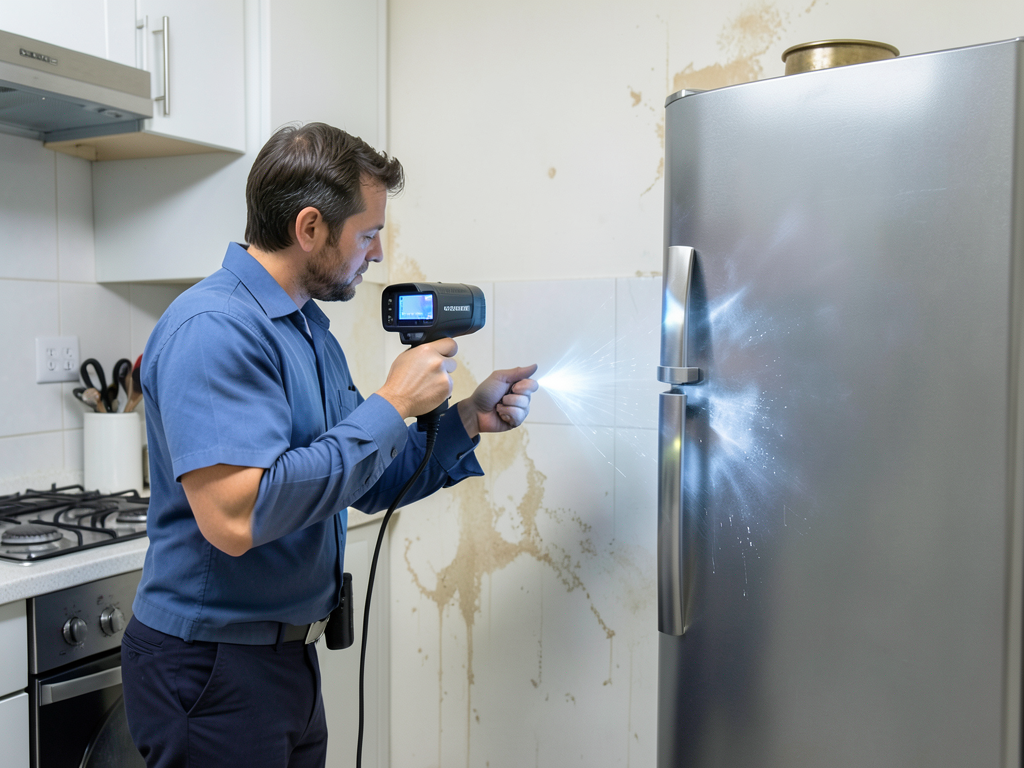
After removal, we deploy commercial dehumidifiers rated for 150 pints per day. Indianapolis humidity sits between 65% and 85% most of the year. Standard fans will not dry structural materials fast enough. We use thermal imaging cameras to identify moisture in walls, subfloors, and insulation you cannot see. Wet insulation loses R-value and grows mold. We document moisture levels with calibrated meters at multiple points.

We remove unsalvageable materials immediately. Drywall wicks water 12 inches above the waterline. Carpet padding acts like a sponge and never fully dries. We cut contaminated materials to salvageable framing and prep for reconstruction.

Our hydroxyl generators neutralize odors at the molecular level while we work. This matters for water heater flood damage restoration because tank water often contains sediment and rust that create persistent smells.

We coordinate with your insurance adjuster before removing materials. Photos, moisture readings, and detailed notes protect your claim. Most Indianapolis adjusters know our documentation standards. That speeds approvals and gets you back to normal faster.

The difference between emergency water heater water removal and professional restoration is what happens in the 72 hours after extraction. We control humidity, monitor drying, and prevent the secondary damage that doubles your loss.

What Happens When You Call for Burst Water Heater Cleanup

Water Heater Burst Cleanup in Indianapolis – 24/7 Emergency Response Within 60 Minutes
01

Immediate Dispatch and Assessment

We dispatch within 15 minutes of your call. Our crews arrive with extraction equipment already loaded. We shut off your main water line, document the scene with photos and video, and measure the affected area. You get a verbal assessment before we move equipment inside. We identify electrical hazards, check for structural concerns, and map the water migration path through your home.
02

Water Extraction and Containment

Our truck-mounted extractors remove standing water in 30 to 90 minutes depending on volume. We contain the affected area with plastic barriers to control humidity transfer to unaffected rooms. Air movers and dehumidifiers start immediately. We pull furniture away from walls, remove wet contents, and document moisture readings in floors, walls, and ceilings. This phase runs continuously for 12 to 24 hours.
03

Structural Drying and Verification

We monitor your property daily with moisture meters and thermal imaging until all materials reach dry standards. This takes 3 to 7 days for most Indianapolis homes. We adjust equipment placement as drying progresses. When readings confirm complete drying, we provide final documentation for your insurance company and clearance for reconstruction. You get a detailed report showing before and after moisture levels in every affected area.

Why Indianapolis Homeowners Choose Apex Water Damage Restoration

We operate in Indianapolis full-time. Our crews know the construction methods used in Fountain Square bungalows, the basement configurations in Irvington homes, and the crawl space designs common to Greenwood developments. That knowledge changes how we approach burst hot water tank cleanup.

Indianapolis building codes require specific ventilation and drainage standards. We follow these during restoration to prevent future problems. Many out-of-town restoration companies do not understand local inspection requirements. That creates problems when you rebuild.

Our equipment staging happens from our Indianapolis facility. We do not drive in from another city. That 60-minute response time is real because our crews live and work here. We have relationships with local plumbers, electricians, and general contractors who understand emergency timelines.

We document for Indianapolis insurance adjusters specifically. State Farm, Nationwide, and Indiana Farmers Mutual all have local offices here. Their adjusters know our reporting standards. That familiarity speeds your claim through underwriting.

Your homeowner's insurance covers sudden water heater failures under dwelling coverage. We handle the claim documentation, meet with adjusters on-site, and provide the technical evidence they need to approve your full loss. Most Indianapolis homeowners do not realize their policy includes emergency mitigation coverage. We bill insurance directly in most cases.

Water heater flood damage restoration requires IICRC certification in water damage restoration. Our technicians hold these credentials. We follow the IICRC S500 standard for water damage mitigation. Insurance companies recognize this standard. Uncertified companies create liability issues for your claim.

We have restored properties throughout Marion County, Hamilton County, and Johnson County. We understand the soil conditions, water table variations, and seasonal humidity patterns that affect drying times across greater Indianapolis.

What to Expect During Emergency Water Heater Cleanup

Response Time and Availability

We answer emergency calls 24 hours a day, 365 days a year. You speak with a technician, not an answering service. We dispatch immediately and arrive within 60 minutes anywhere in Indianapolis. Our crews work through nights and weekends to extract water and start drying. Equipment runs continuously until your property reaches safe moisture levels. Most emergency water heater water removal takes 4 to 6 hours for the initial extraction phase. Complete drying takes 3 to 7 days depending on humidity and materials affected.

Initial Assessment and Documentation

We photograph and video document damage before moving anything. Moisture readings go into a detailed report with room-by-room measurements. You receive a copy immediately. We identify safety hazards including electrical issues, structural concerns, and contamination risks. Our assessment includes a written scope of work that details every step of the ruptured water heater cleanup services process. This documentation goes directly to your insurance company. We explain coverage, deductibles, and what to expect from your adjuster during the first visit.

Restoration Quality and Completion

Your property meets IICRC dry standards before we remove equipment. We verify this with calibrated moisture meters and provide final readings in writing. All removed materials are itemized with photos showing why removal was necessary. We coordinate with your contractor to ensure proper sequencing for reconstruction. Surfaces dry to pre-loss moisture content. We do not leave until humidity levels stabilize and you understand next steps. Final documentation includes equipment logs showing runtime hours, daily moisture readings, and photographic evidence of complete drying.

Follow-Up and Prevention Guidance

We conduct a final walkthrough 48 hours after equipment removal to verify no moisture rebound has occurred. You receive written guidance on water heater replacement, drain pan installation, and leak detection systems. We explain the warning signs that preceded your tank failure so you can monitor the replacement unit. Our reports stay on file for insurance purposes if future issues arise. We provide referrals to licensed Indianapolis plumbers who specialize in water heater installation. You get our direct line for questions during reconstruction.

Frequently Asked Questions

You Have Questions,
We Have Answers

What do you do when your water heater bursts? +

Shut off the water supply immediately at the main valve or the shut-off valve near the tank. Turn off power to the unit at the breaker box for electric heaters or the gas valve for gas models. Do not wade through standing water if electrical outlets are nearby. Move valuables and furniture away from the water. Call a professional water damage restoration company right away. Indianapolis homes with finished basements face higher structural risks from water heater bursts. Standing water can damage drywall, flooring, and subflooring within hours. Document everything with photos for your insurance claim.

What to do if your hot water heater blows? +

Treat a blown water heater as an emergency. Turn off the water supply at the tank or main valve to stop flooding. Cut power to the unit immediately. If you hear hissing or smell gas, evacuate and call your utility company from outside. Do not attempt repairs yourself. Water can discharge at extremely high temperatures and cause severe burns. Contact a restoration team to extract water and dry your home. Indianapolis basements are prone to humidity issues, so quick drying prevents mold growth. Save all damaged materials and take photos for insurance documentation.

Can I do laundry with a broken water heater? +

You can do laundry with a broken water heater, but you will only have cold water. Most washing machines work fine on cold cycles. Check your detergent label, as some formulas require warm water to activate properly. If your water heater burst and caused flooding, wait until cleanup is complete before using appliances in affected areas. Water damage can compromise electrical systems. Indianapolis homes with older wiring should have an electrician inspect outlets and circuits after any flooding event. Running appliances in wet conditions creates serious shock and fire hazards.

How much does it cost to have a water heater flushed? +

Water heater flushing typically costs between modest and moderate amounts, depending on your plumber and tank size. Many Indianapolis plumbing companies include flushing as part of annual maintenance packages. The process removes sediment buildup that reduces efficiency and shortens tank life. Indianapolis water contains moderate mineral content, so annual flushing helps prevent premature failure. While this maintenance task differs from burst cleanup, neglecting it increases rupture risk. If your tank already burst, flushing is no longer relevant. You need immediate water extraction, structural drying, and likely tank replacement instead.

What is the likelihood of a water heater exploding? +

True explosions are rare but catastrophic. They happen when pressure relief valves fail and internal pressure builds beyond tank capacity. More common are ruptures or leaks caused by corrosion, which account for most water heater failures. Proper maintenance drastically reduces explosion risk. Temperature and pressure relief valves must function correctly. Indianapolis homeowners should test these valves annually and replace units older than 10 to 12 years. Sediment buildup from hard water accelerates corrosion. If you hear rumbling, popping, or see rust-colored water, replace the unit before failure occurs. Prevention beats emergency cleanup.

Can I shower if the water heater is broken? +

You can shower with a broken water heater if the water supply still works, but you will only have cold water. If the unit burst and caused flooding, avoid using plumbing in affected areas until a professional inspects for damage. Water can compromise electrical systems, creating shock hazards. Indianapolis homes with basement water heaters face higher risks when flooding reaches outlets or appliances. If you smell gas or see sparking, evacuate immediately. Wait for clearance from restoration and electrical professionals before resuming normal water use. Cold showers are uncomfortable but safe if systems remain intact.

What causes a water tank heater to burst? +

Corrosion is the primary cause. Tanks have a sacrificial anode rod that prevents rust, but once it depletes, the steel tank corrodes and weakens. High water pressure stresses tank walls and seams. Sediment buildup from Indianapolis mineral-rich water insulates the tank bottom, causing overheating and accelerated deterioration. Thermal expansion without a proper expansion tank creates pressure cycles that fatigue the metal. Age is a major factor. Most tanks last 8 to 12 years before failure risk increases sharply. Freezing pipes in unheated spaces can also cause ruptures during Indianapolis winters.

Is a broken hot water heater an emergency? +

Yes. A broken water heater flooding your home requires immediate action. Water spreads quickly through flooring, drywall, and insulation. Indianapolis homes with finished basements can suffer thousands in structural damage within hours. Mold begins growing in 24 to 48 hours once materials stay wet. Standing water also creates electrical hazards and weakens subflooring. Even small leaks cause hidden damage inside walls. Stop the water source, shut off power, and call a restoration company immediately. The faster you respond, the less damage you will face. Do not wait until morning or the weekend.

What are the first signs of a water heater going bad? +

Watch for rust-colored water, which signals internal corrosion. Rumbling or popping sounds indicate sediment buildup. Water pooling around the base means the tank is leaking. Inconsistent water temperature or running out of hot water faster than normal suggests failing heating elements or sediment interference. Visible rust on the tank exterior or connections shows advanced corrosion. Age matters. If your unit is over 10 years old and shows any symptoms, replace it before it bursts. Indianapolis humidity can accelerate external corrosion on basement units. Catching these signs early prevents emergency flooding and costly water damage restoration.

Does homeowners insurance cover a broken hot water heater? +

Homeowners insurance typically covers sudden and accidental water heater bursts, including water damage to your home and belongings. However, coverage excludes damage from lack of maintenance or gradual leaks you ignored. Insurance pays for restoration, structural repairs, and content replacement. It does not cover the water heater itself unless you have equipment breakdown coverage. Indianapolis homeowners should review their policies for water damage limits and deductibles. Document everything with photos immediately. Call your insurer within 24 hours. Start mitigation right away to prevent mold, as delayed action can reduce your claim payout.

How Indianapolis Water Quality Accelerates Water Heater Failures

Indianapolis water comes from White River and Fall Creek with high mineral content. The calcium and magnesium levels cause sediment buildup in tank bottoms. This sediment layer insulates the heating element and causes overheating. The tank bottom corrodes faster. Indianapolis water pressure runs between 60 and 80 PSI in most neighborhoods. That constant pressure stresses weakened seams. When tanks fail here, they fail catastrophically. The combination of hard water corrosion and high pressure means you get total ruptures, not slow leaks. That is why burst water heater extraction becomes an emergency, not a maintenance issue.

Indianapolis contractors understand local water conditions affect restoration timelines. The same mineral content that damages tanks also affects drying. Hard water leaves residue on surfaces as it evaporates. We adjust our cleaning process to address these deposits. Local building inspectors expect proper drainage solutions during restoration. Indianapolis sits in a flood zone along the White River corridor. Properties near Broad Ripple, Butler-Tarkington, and Meridian-Kessler face stricter inspection standards. We coordinate with Marion County building officials to ensure your restoration meets current codes. That local knowledge prevents permit delays during reconstruction.
Water Damage Restoration Services in The Indianapolis Area

We are proud to serve the entire Indianapolis area and surrounding communities, providing rapid-response water damage restoration right where you need it most. Our central location allows us to deploy our 24/7 emergency teams quickly across the region. View our service area on the map below and remember that wherever you are in the Indianapolis metropolitan area, Apex Water Damage Restoration Indianapolis is ready to deliver expert and trustworthy service to secure your home or business.

Address:
Apex Water Damage Restoration Indianapolis, 6767 E Washington St, Indianapolis, IN, 46219

Additional Services We Offer

Our news updates

Latest Articles & News from The Blogs

Is Crawl Space Encapsulation Worth the Investment for Your Home in Wynnedale? Crawl space encapsulation can save Wynnedale homeowners thousands…

Is Crawl Space Encapsulation Worth the Investment for Your Home in Wynnedale?

Is Crawl Space Encapsulation Worth the Investment for Your Home in Wynnedale? Crawl space encapsulation can save Wynnedale homeowners thousands…

How to Decide Which Water Damaged Items to Keep and Which to Throw Away

How to Decide Which Water Damaged Items to Keep and Which to Throw Away When water floods your Indianapolis home…

Battery Backup vs Water Powered Sump Pumps for Your Near Eastside Basement

Why Your Near Eastside Basement Needs a Reliable Backup Sump Pump Living in the Near Eastside means dealing with Indianapolis's…

Contact Us

Every minute counts when water is spreading through your home. Call (317) 703-7676 now for immediate dispatch. Our emergency water heater water removal teams are ready 24/7 with extraction equipment already loaded. We handle insurance directly and document everything your claim needs.