menu

Risks of DIY Water Cleanup in Indianapolis – Why Amateur Water Removal Can Cost You More

Understanding the hidden dangers of DIY water damage restoration protects your Indianapolis home from structural damage, mold growth, and insurance claim denials that self-managed water mitigation often triggers.

Slider Image 1
Slider Image 2
Slider Image 3
Slider Image 4
Slider Image 5
Slider Image 7
Slider Image 8
Slider Image 9
Slider Image 10
Slider Image 11

Why Indianapolis Homeowners Underestimate Water Damage Severity

You walk into your basement after a heavy rain and see standing water. Your first instinct is to grab a shop vac and start sucking it up. That decision could cost you thousands.

Indianapolis sits in a humid continental climate zone where relative humidity averages 72 percent during summer months. This creates perfect conditions for mold colonization within 24 to 48 hours after water intrusion. When you use a consumer-grade wet vac, you remove surface water but leave moisture trapped in drywall cavities, subfloors, and insulation.

The dangers of DIY water damage restoration extend beyond what you can see. Water migrates through porous materials like the limestone foundations common in older Indianapolis neighborhoods near Broad Ripple and Fountain Square. It follows gravity and capillary action, spreading laterally through framing members and vertically through wall assemblies.

The hazards of do-it-yourself water removal include cross-contamination. That basement water you are vacuuming likely contains sewage backflow from overtaxed combined sewer systems during storm events. Indianapolis still operates combined sewers in established neighborhoods, meaning storm runoff mixes with raw sewage during heavy precipitation.

The consequences of amateur water cleanup show up weeks later when you notice that musty smell or dark staining on baseboards. By then, microbial growth has colonized building materials. Insurance adjusters see these delayed claims differently than immediate professional mitigation, often questioning coverage when you wait to report damage.

The hidden risks of self-managed water mitigation include electrical hazards, structural compromise, and chemical exposure from cleaning products that do not address contamination levels. Professional moisture mapping uses thermal imaging and pin-type meters to detect water in places you cannot see or reach.

Why Indianapolis Homeowners Underestimate Water Damage Severity
How Professional Water Extraction Differs From Consumer Methods

How Professional Water Extraction Differs From Consumer Methods

Professional water damage restoration follows IICRC S500 standards for water damage mitigation. This protocol classifies water by contamination level and determines appropriate response procedures.

We use truck-mounted extraction units that pull 200 to 300 cubic feet per minute compared to the 50 CFM your rental unit generates. This difference matters because extraction speed directly correlates with secondary damage prevention. Every hour water sits allows deeper penetration into building materials.

After extraction, we deploy commercial dehumidifiers rated for specific grain depression at measured cubic footage. Your home dehumidifier removes maybe 50 pints daily. Our LGR dehumidifiers process 18 gallons per day while maintaining optimal vapor pressure differentials that accelerate evaporation from dense materials like hardwood subflooring.

Air movement is equally critical. We position axial and centrifugal air movers to create laminar airflow across affected surfaces. This directed air circulation breaks the boundary layer where saturated air clings to wet materials, preventing evaporation. Random fan placement creates turbulence that looks productive but does not dry efficiently.

The pitfalls of DIY water extraction include incomplete moisture removal from wall cavities. We use injecti-dry systems that introduce heated, dehumidified air directly into wall assemblies through small access ports. This addresses trapped moisture without extensive demolition.

We also monitor drying progress with daily moisture readings logged against psychrometric calculations. We know the specific humidity targets for your building materials based on equilibrium moisture content. You are guessing when surfaces feel dry. We verify when materials reach stable, acceptable moisture levels that prevent microbial growth and structural degradation.

Documentation matters for insurance claims. We provide complete moisture mapping, photographic progression records, and equipment logs that adjusters need to process claims efficiently.

What Happens When You Choose Professional Water Mitigation

Risks of DIY Water Cleanup in Indianapolis – Why Amateur Water Removal Can Cost You More
01

Emergency Assessment Protocol

We arrive within 90 minutes of your call to stop ongoing damage. Our technicians identify the water source, shut off supply lines if needed, and classify the contamination level. We document preexisting conditions, take baseline moisture readings in affected and adjacent areas, and establish containment barriers to prevent cross-contamination to unaffected spaces. This initial assessment determines equipment needs and creates your mitigation scope.
02

Controlled Extraction and Monitoring

We extract standing water using truck-mounted units, then place commercial dehumidifiers and air movers in calculated positions based on airflow modeling. Moisture meters and thermal imaging cameras track water migration through building assemblies. We monitor drying chambers twice daily, adjusting equipment placement and calculating grain depression rates. You receive daily progress reports showing moisture level trends. This controlled approach prevents over-drying that can damage hardwood or under-drying that allows mold growth.
03

Verification and Clearance Testing

We do not stop when surfaces feel dry. Final moisture readings must meet IICRC standards for your specific building materials. We verify wall cavities, subfloors, and structural members have returned to normal moisture content ranges. You receive a certificate of completion with documented proof that materials are dry and ready for reconstruction. This documentation protects your insurance claim and gives you confidence that hidden moisture will not cause future problems.

Why Indianapolis Residents Trust Local Water Damage Expertise

Indianapolis presents specific challenges that out-of-town restoration companies miss. Our technicians understand how water behaves in homes built on the glacial till and clay soils common throughout Marion County. These dense soils drain poorly, causing hydrostatic pressure against basement walls and foundation seepage that amateur cleanup cannot address.

We work regularly with Indianapolis building inspectors who enforce the 2014 Indiana Residential Code amendments specific to moisture control and vapor barriers. When your DIY cleanup damages building materials requiring replacement, permits become necessary. We navigate these requirements while protecting your project timeline.

Local insurance adjusters recognize our documentation standards. We have established relationships with carriers operating in the Indianapolis market. They trust our assessments because we follow industry protocols they understand. This relationship speeds your claim processing and reduces disputes over coverage.

We also understand the construction methods used in different Indianapolis neighborhoods. Homes in Irvington feature balloon framing that allows water to travel vertically through wall cavities from basement to attic. Fountain Square properties often have limestone foundations that wick moisture continuously. Butler-Tarkington homes include crawlspaces that require specialized drying techniques.

The Apex Water Damage Restoration Indianapolis team responds to emergency calls throughout Marion County 24 hours daily. We stock equipment locally, meaning no delays waiting for resources to arrive from regional hubs. When water damage happens at 2 AM on Sunday, we are on site quickly with everything needed to stop damage progression.

Our technicians complete continuing education on emerging restoration technology and attend regular training on contamination protocols. Water damage restoration evolves as building materials and construction methods change. We stay current so you benefit from proven techniques that deliver complete drying without unnecessary demolition.

What Professional Water Damage Restoration Includes

Immediate Emergency Response

We dispatch crews within 90 minutes of your call regardless of time or day. Our trucks carry complete extraction equipment, commercial dehumidifiers, air movers, and moisture detection instruments. We begin water removal immediately while you contact your insurance carrier. Every minute counts when preventing secondary damage. Our rapid response stops water migration before it spreads to additional rooms or building levels. We work through the night if necessary to complete initial extraction and establish drying chambers. You do not wait until business hours while water continues damaging your property.

Comprehensive Damage Assessment

Our initial inspection uses thermal imaging cameras that detect temperature differentials indicating hidden moisture. We take moisture readings in multiple locations across affected areas and adjacent spaces to map water migration patterns. This assessment identifies structural concerns, classifies water contamination levels, and determines which materials can be dried versus requiring replacement. You receive a detailed scope of work explaining what we will do and why each step is necessary. This documentation supports your insurance claim and eliminates surprises during the restoration process. We photograph all affected areas before beginning work to establish baseline conditions.

Verified Complete Drying

We monitor moisture levels twice daily using pin-type and non-invasive meters calibrated for different building materials. Our psychrometric calculations track humidity levels and grain depression rates to optimize drying efficiency. Equipment placement follows airflow modeling principles that maximize evaporation without wasting energy. We adjust dehumidifier settings and air mover positions based on measured results, not guesswork. Final readings must meet IICRC standards before we declare a space dry. You receive documentation showing moisture content in all affected materials has returned to normal ranges. This certificate protects you from future problems and provides insurance carriers the proof they require.

Post-Mitigation Support and Documentation

We provide complete records including moisture mapping diagrams, daily monitoring logs, equipment placement photos, and psychrometric charts. This documentation package supports your insurance claim and establishes the scope for reconstruction contractors. We coordinate with your adjuster to answer technical questions and explain our methodology. If mold testing is recommended, we arrange independent laboratory analysis and interpret results. Our team remains available after equipment removal to address questions during the reconstruction phase. We explain what happened, why it happened, and what preventive measures you can take to reduce future risk. This educational component helps you make informed decisions about repairs and upgrades that protect your property long-term.

Frequently Asked Questions

You Have Questions,
We Have Answers

Can you do water remediation yourself? +

You can handle minor water cleanup yourself, like mopping up a small spill. Anything beyond surface water is risky. Hidden moisture seeps into subflooring, wall cavities, and insulation. Indianapolis homes with older crawl spaces or basements face structural threats you cannot see. Professional equipment detects moisture behind drywall and under flooring. Without proper extraction, you invite mold growth within 24 to 48 hours. Sewage backups or contaminated floodwater require hazmat protocols you do not have at home. DIY water cleanup often costs more later when hidden damage surfaces.

Can mold from water damage make you sick? +

Yes. Mold from water damage releases spores and mycotoxins that trigger respiratory issues, allergic reactions, and chronic sinus infections. Indianapolis humidity levels above 60% accelerate mold colonization in damp basements and attics. Black mold and other toxic species cause headaches, fatigue, skin rashes, and worsened asthma. Vulnerable populations like children, elderly residents, and those with compromised immune systems face greater risk. Mold hides behind walls and under carpets, so airborne exposure happens before you spot visible growth. Professional testing identifies the species and concentration levels affecting your indoor air quality.

What is the average insurance payout for water damage? +

The average payout varies widely, typically between $2,000 and $10,000, depending on the damage scope and policy limits. Indianapolis homeowners with comprehensive policies recover more than those carrying basic coverage. Your payout depends on the water source, whether damage is sudden or gradual, and your deductible. Insurance adjusters assess structural damage, personal property loss, and temporary housing costs. Policies often exclude flooding unless you carry separate flood insurance through FEMA. Document everything with photos and keep all receipts. Many claims get denied or underpaid without professional documentation and advocacy.

How long can drywall be wet before mold? +

Drywall starts growing mold within 24 to 48 hours when wet. Indianapolis summer humidity compounds the problem, especially in poorly ventilated basements and crawl spaces. Drywall is porous and absorbs water quickly. Once saturated, the paper backing becomes a food source for mold spores already present in your home. Temperature and moisture levels determine growth speed. You cannot always see mold behind walls until it spreads. Professional moisture meters detect hidden saturation. Cutting out and replacing affected drywall is often cheaper than treating widespread mold contamination later.

Can a DIY filter remove all contaminants? +

No. DIY filters lack the multi-stage filtration needed to remove bacteria, viruses, heavy metals, and chemical contaminants from floodwater or sewage backups. Indianapolis homes near older infrastructure face lead and industrial runoff risks. Basic charcoal filters improve taste but do not address pathogens. Reverse osmosis systems help, but they require proper installation and maintenance. After water damage, contaminated water soaks into porous materials. Surface cleaning does not eliminate microbial threats embedded in subflooring or drywall. Professional remediation uses antimicrobial treatments and air scrubbers to restore safe indoor environments.

Can I safely remove black mold myself? +

No. Black mold removal requires containment, negative air pressure, and proper PPE to prevent spore dispersal. Disturbing colonies without containment spreads spores throughout your home. Indianapolis homes with basement moisture issues face recurring black mold in hidden areas. Bleach does not kill mold on porous surfaces like drywall or wood. You need HEPA filtration, antimicrobial treatments, and proper disposal of contaminated materials. Exposure during DIY removal causes respiratory distress and skin irritation. Certified mold remediation technicians follow IICRC protocols to remove colonies and address the moisture source preventing regrowth.

What are the 10 warning signs of mold toxicity? +

Ten warning signs include chronic fatigue, brain fog, headaches, respiratory issues, skin rashes, joint pain, unexplained weight changes, sensitivity to light, numbness or tingling, and mood swings. Indianapolis residents in older homes with damp basements experience these symptoms without realizing mold is the cause. Symptoms worsen in the home and improve when you leave. Children and pets show signs first. Mold toxicity mimics other conditions, so doctors often misdiagnose it. Testing your indoor air quality and inspecting hidden moisture areas confirms mold presence. Professional remediation eliminates the source.

How long before water damage becomes mold? +

Water damage becomes mold within 24 to 48 hours under the right conditions. Indianapolis humidity, especially during summer months, accelerates colonization. Mold spores are always present. They need only moisture, warmth, and an organic food source like drywall, wood, or carpet. Hidden water behind walls or under flooring creates ideal conditions you cannot monitor. Temperature between 60 and 80 degrees speeds growth. Professional extraction and dehumidification within 24 hours prevents colonization. Waiting too long turns a water damage event into a costly mold remediation project.

How to test your home for mold? +

Test your home by hiring a certified mold inspector who collects air and surface samples. DIY test kits from hardware stores are unreliable and do not identify species or concentration levels. Indianapolis homes with basements, crawl spaces, or past water damage need professional testing. Inspectors use moisture meters, thermal imaging, and lab analysis to detect hidden colonies. Visible mold means you already have a problem. Air testing reveals airborne spore counts affecting your health. Professional reports guide remediation and help with insurance claims. Do not disturb suspected mold before testing.

What is the 80% rule in homeowners insurance? +

The 80% rule requires you to insure your home for at least 80% of its replacement cost to receive full claim payouts. If you underinsure, the insurance company reduces your payout proportionally. Indianapolis homeowners often undervalue their properties, especially older homes in revitalized neighborhoods. After water damage, if your home is insured for only 60% of replacement cost, you receive 75% of the claim amount, even for covered damage. Review your policy annually. Replacement cost coverage is more expensive but pays actual rebuilding costs without depreciation deductions.

How Indianapolis Climate and Construction Create Unique Water Damage Risks

Indianapolis receives 42 inches of precipitation annually, with intense summer thunderstorms dropping two to three inches in hours. This overwhelms the combined sewer systems in neighborhoods east of downtown, causing basement backups that introduce Category 3 black water contamination. The freeze-thaw cycles common from December through March crack foundation walls and damage exterior drainage systems. Indianapolis also sits in a humid climate zone where summer dew points regularly exceed 65 degrees. This elevated humidity means wet building materials do not air-dry effectively without mechanical dehumidification. Amateur cleanup attempts in these conditions almost guarantee mold growth within 72 hours.

The older housing stock in neighborhoods like Herron-Morton and Old Northside features construction methods that complicate water damage. Plaster walls over wood lath absorb water like sponges and require specialized drying techniques. Hardwood floors installed over board subfloors cup and buckle when moisture is not removed quickly from both surface and substrate. Local restoration professionals understand these construction nuances and adjust drying protocols accordingly. We work daily with Indianapolis building inspectors who enforce specific requirements for mold remediation and structural drying. This local knowledge prevents code violations and ensures repairs meet standards that protect your property value and maintain insurability.
Water Damage Restoration Services in The Indianapolis Area

We are proud to serve the entire Indianapolis area and surrounding communities, providing rapid-response water damage restoration right where you need it most. Our central location allows us to deploy our 24/7 emergency teams quickly across the region. View our service area on the map below and remember that wherever you are in the Indianapolis metropolitan area, Apex Water Damage Restoration Indianapolis is ready to deliver expert and trustworthy service to secure your home or business.

Address:
Apex Water Damage Restoration Indianapolis, 6767 E Washington St, Indianapolis, IN, 46219

Additional Services We Offer

Our news updates

Latest Articles & News from The Blogs

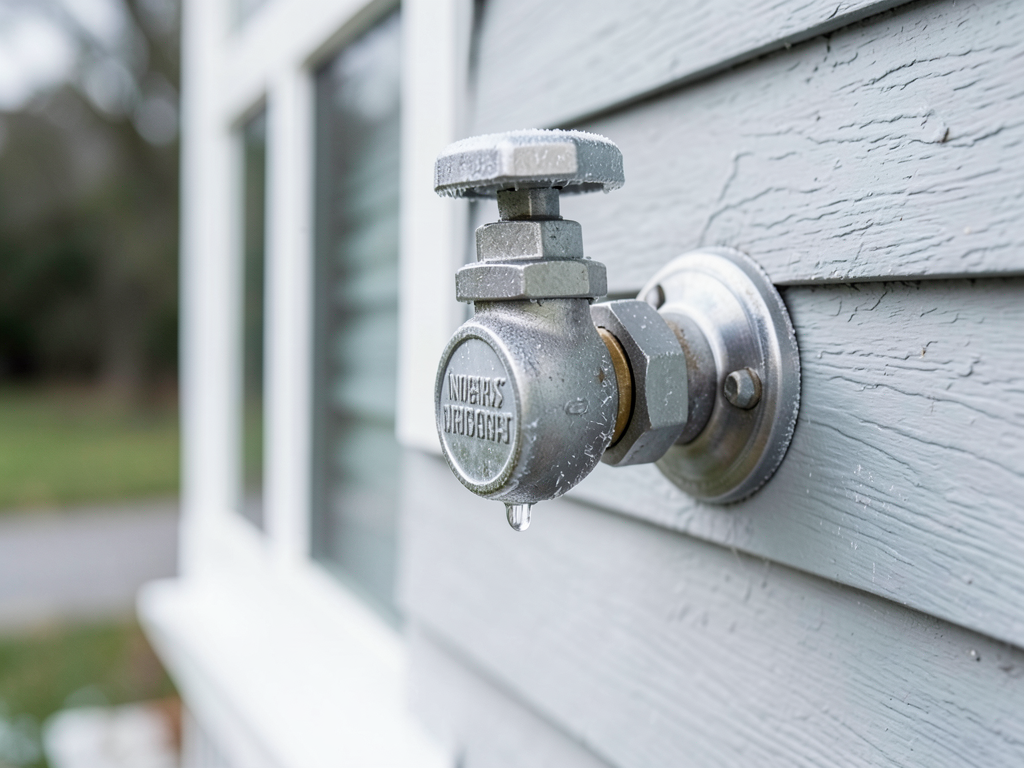
The Hidden Cost of Leaving Your Garden Hose Connected During an Indianapolis Winter Every fall Indianapolis homeowners face the same…

The Hidden Cost of Leaving Your Garden Hose Connected During an Indianapolis Winter

The Hidden Cost of Leaving Your Garden Hose Connected During an Indianapolis Winter Every fall Indianapolis homeowners face the same…

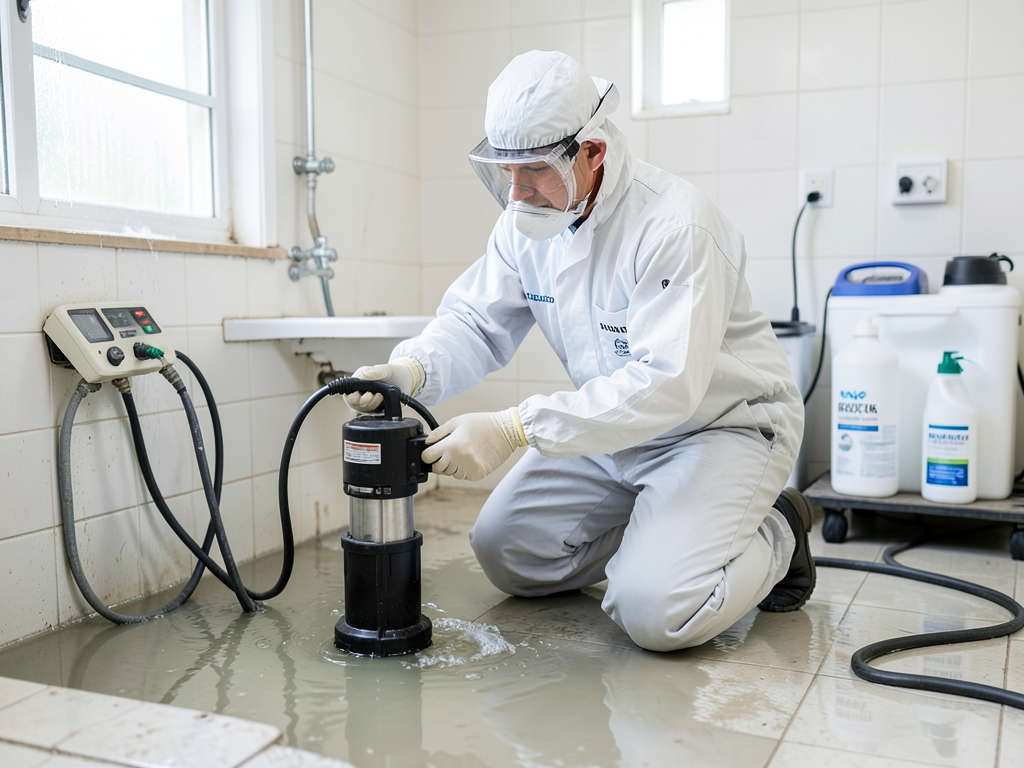
What to Do When Your Toilet Overflows and Drips Through the Ceiling in Fishers

What to Do When Your Toilet Overflows and Drips Through the Ceiling in Fishers Water from a toilet overflow creates…

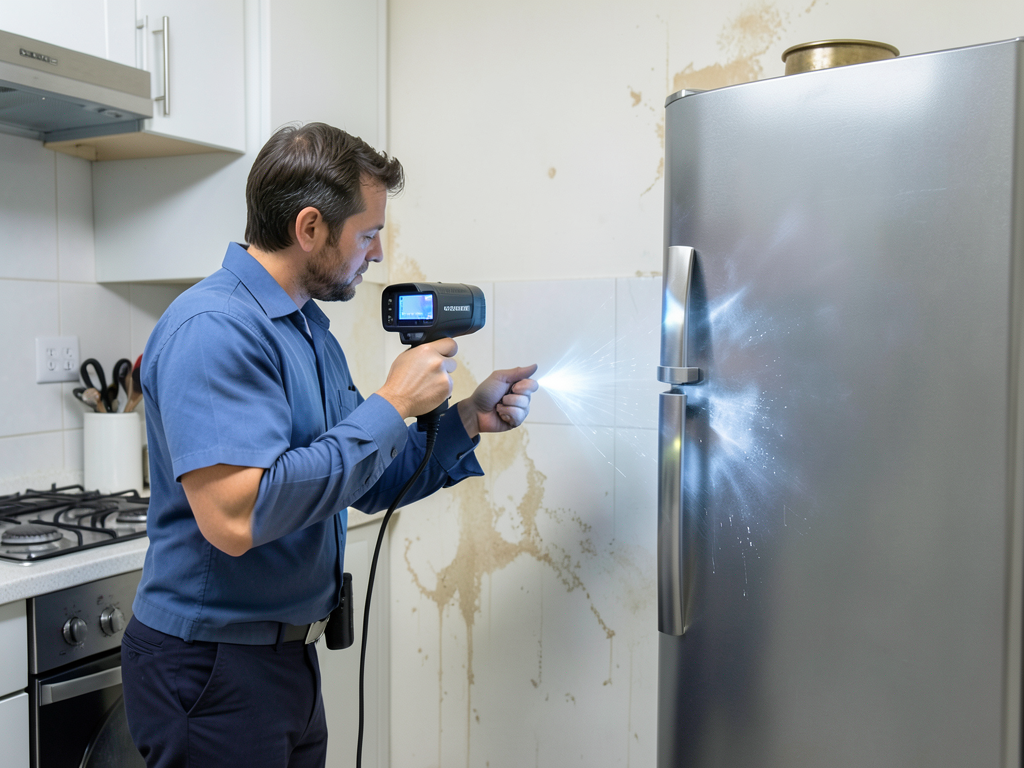
How Your Refrigerator Ice Maker Can Quietly Flood Your Kitchen in Carmel

How Your Refrigerator Ice Maker Can Quietly Flood Your Kitchen in Carmel Your refrigerator's ice maker can leak for weeks…

Contact Us

Water damage worsens every hour you wait. Call Apex Water Damage Restoration Indianapolis now at (317) 703-7676 for immediate assessment and professional mitigation. We respond 24/7 throughout Marion County with equipment and expertise that stops damage progression and protects your insurance claim.