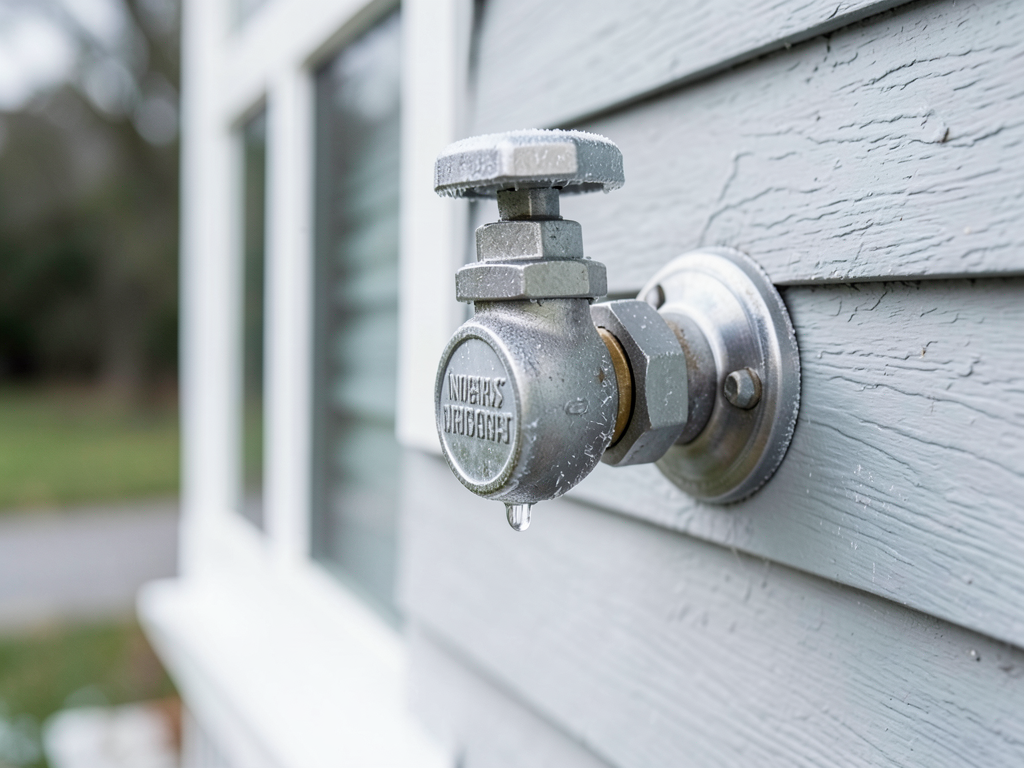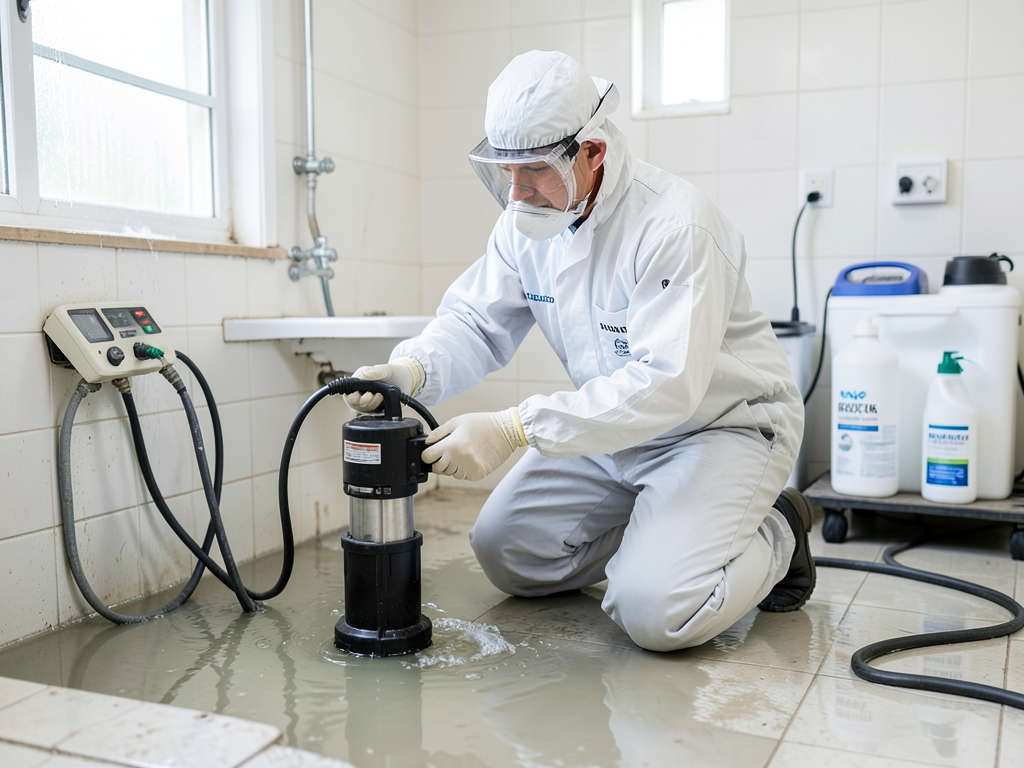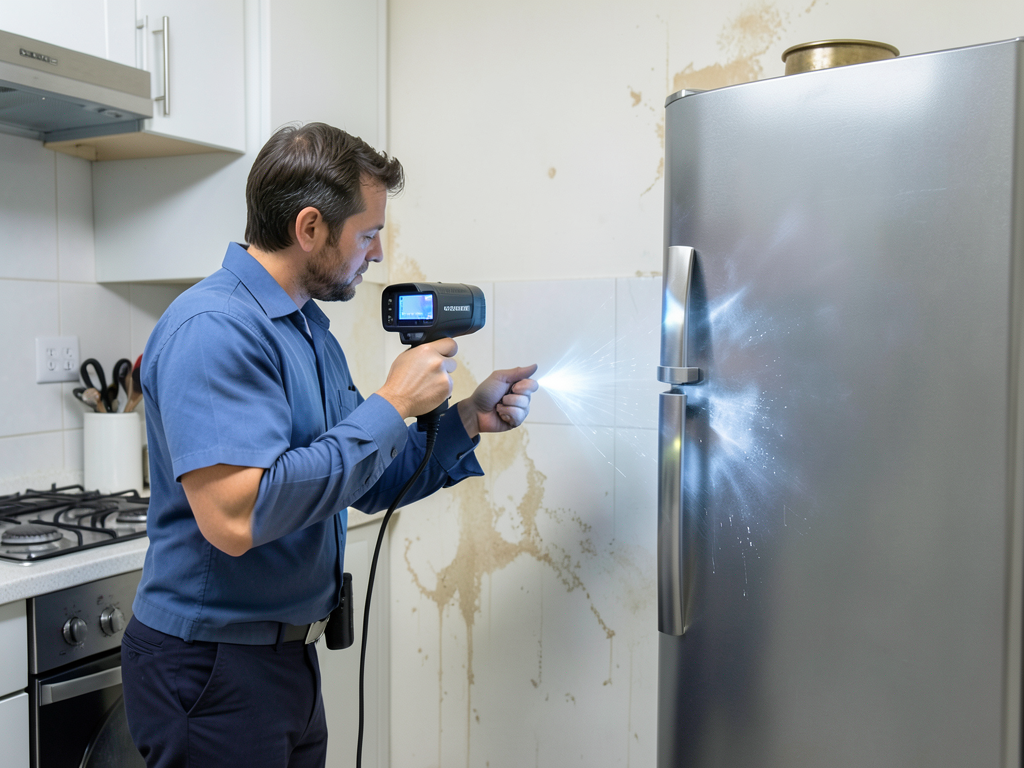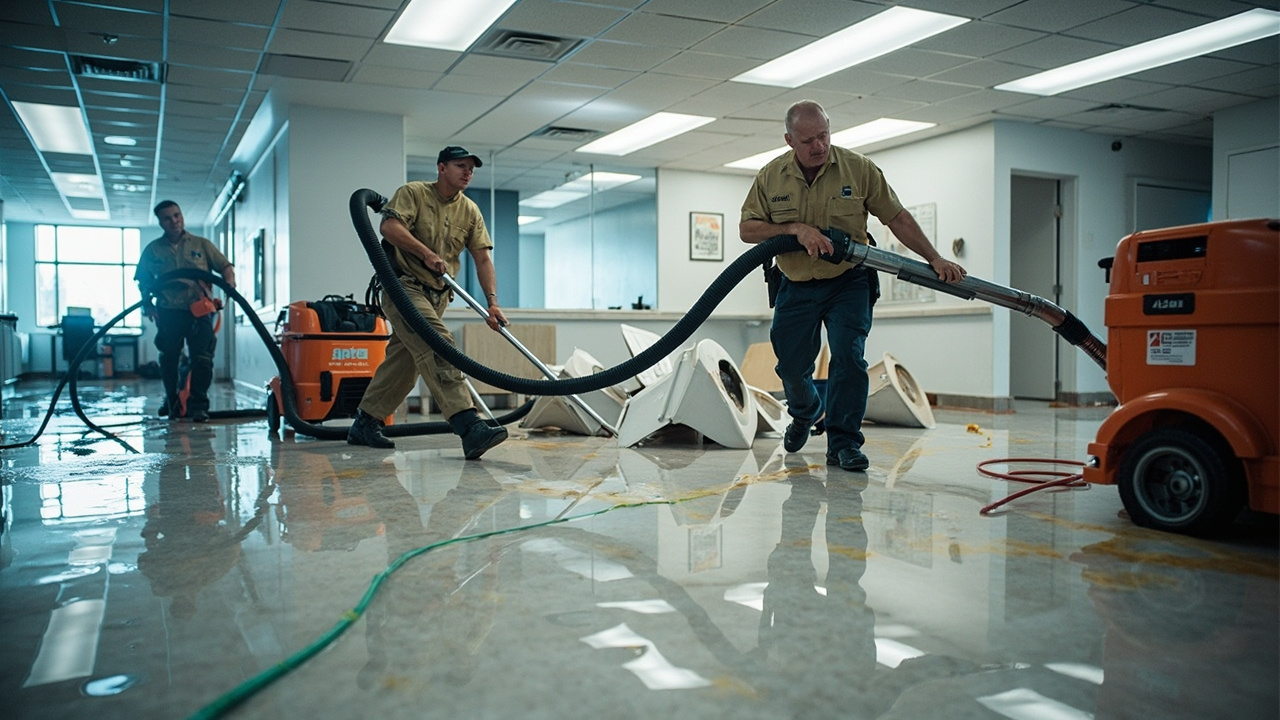

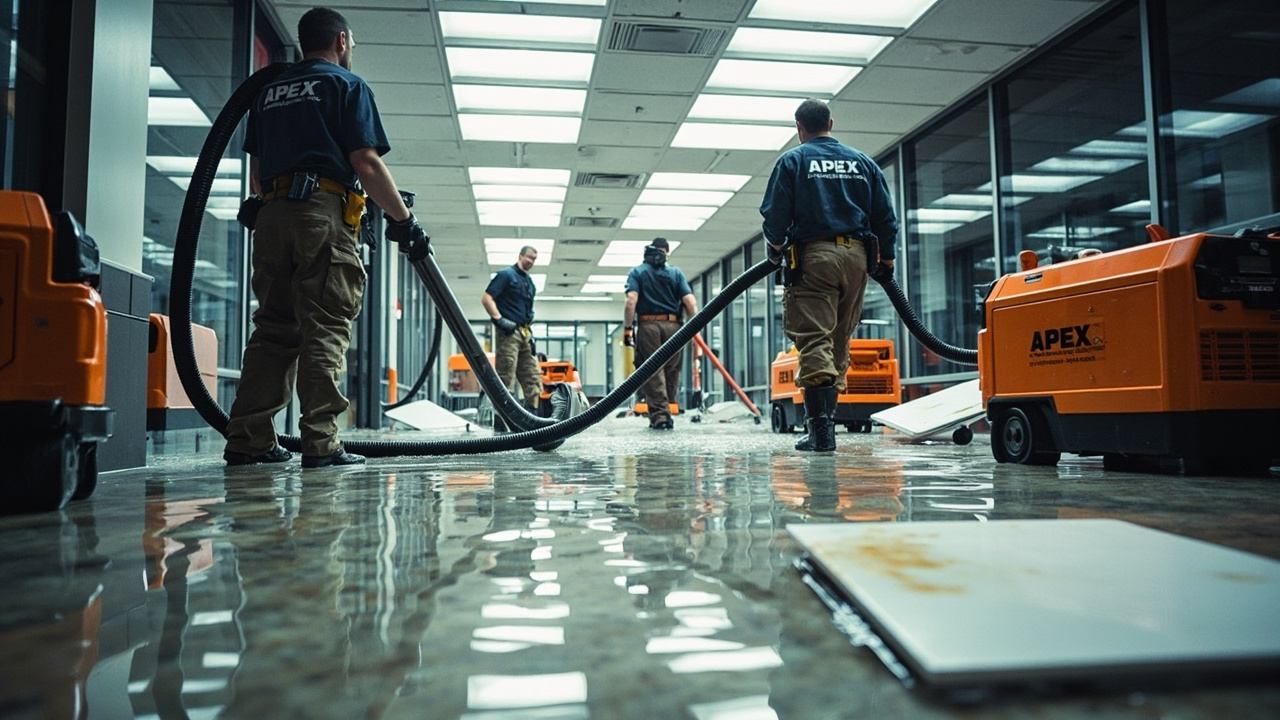
Indianapolis sits in a climate zone where winter temperatures regularly swing 30 to 40 degrees in 24 hours. When a cold front drops overnight lows into the single digits, then daytime sun pushes temperatures back to the mid-30s, fire sprinkler systems face extreme stress. Pipes running along exterior walls or through unheated zones freeze overnight. Morning thaw causes rapid expansion and contraction. Older systems with steel piping and soldered fittings crack at joints. Modern CPVC systems become brittle below 20 degrees and shatter from impact. The result is sudden, high-volume discharge that floods entire floors before anyone locates the shutoff valve. This seasonal risk peaks from December through February across Marion County.
Apex Water Damage Restoration Indianapolis has handled emergency sprinkler water removal in every major commercial corridor across the city. We understand the construction differences between pre-war buildings downtown, the 1970s-era industrial structures on the east side, and modern mixed-use developments in Carmel and Fishers. Local knowledge matters because extraction strategy changes based on whether you are dealing with concrete slab foundations, crawl spaces, or basement levels. We work with Indianapolis fire marshals and building inspectors who verify our methods meet code requirements for restoring fire suppression system areas. You need a team that knows the local landscape, not a national franchise dispatcher routing your call to the lowest bidder three counties away.