menu

Basement Flood Cleanup in Indianapolis – 24-Hour Emergency Response with Direct Insurance Billing

Fast basement water extraction and comprehensive flood restoration for Indianapolis homes and businesses, with same-day emergency dispatch, certified water damage technicians, and full documentation for insurance claims.

Slider Image 1
Slider Image 2
Slider Image 3
Slider Image 4
Slider Image 5
Slider Image 7
Slider Image 8
Slider Image 9
Slider Image 10
Slider Image 11

Why Indianapolis Basements Flood More Than You Think

Indianapolis sits in a unique flood risk zone. The White River watershed, combined with impermeable clay soils common throughout Marion County, creates a perfect storm for basement flooding. When heavy spring rains hit, water has nowhere to go except down. The clay soil does not absorb water quickly. Instead, it channels runoff directly toward foundation walls and basement window wells.

Older homes in neighborhoods like Broad Ripple, Irvington, and Fountain Square face additional risk. Many were built between 1920 and 1960, before modern waterproofing standards existed. Foundation drains clog with sediment. Sump pumps fail during peak demand. A single spring thunderstorm can dump two inches of rain in thirty minutes, overwhelming outdated basement drainage systems.

The result is standing water, soaked drywall, and ruined possessions. But the real danger is not what you see on the surface. Within 24 to 48 hours, mold spores begin colonizing damp building materials. Structural wood absorbs moisture, weakening floor joists and rim boards. Electrical systems submerged in water become shock hazards.

Flooded basement water removal must happen fast. Every hour of delay increases restoration costs and health risks. Professional basement water extraction uses industrial pumps and truck-mounted vacuums to remove standing water in hours, not days. Flooded basement remediation includes antimicrobial treatment, dehumidification, and structural drying to prevent long-term damage. Basement flood restoration is not a DIY project. It requires moisture meters, thermal imaging, and EPA-registered disinfectants to ensure your home is truly safe.

Why Indianapolis Basements Flood More Than You Think
How Professional Basement Flood Cleanup Actually Works

How Professional Basement Flood Cleanup Actually Works

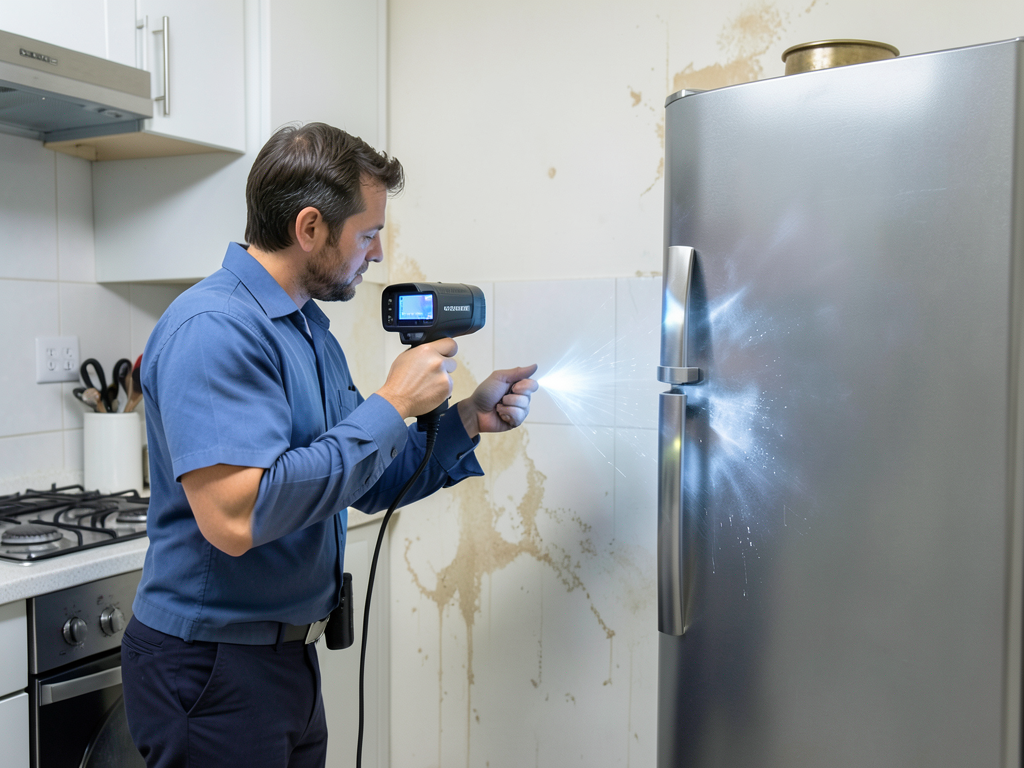
Basement flood restoration starts with damage assessment. Technicians measure moisture content in walls, floors, and structural members using pin-type and non-invasive moisture meters. Thermal imaging cameras identify hidden water migration behind drywall and beneath flooring. This data determines the scope of work and helps document your insurance claim.

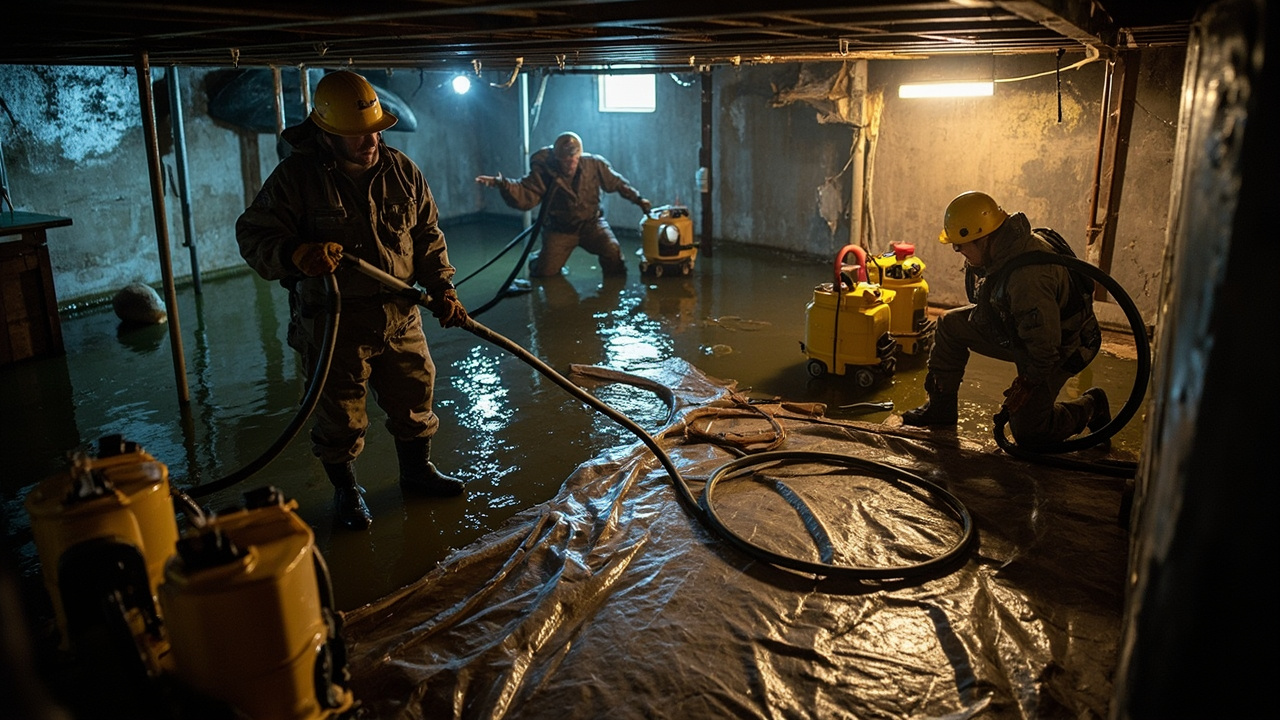
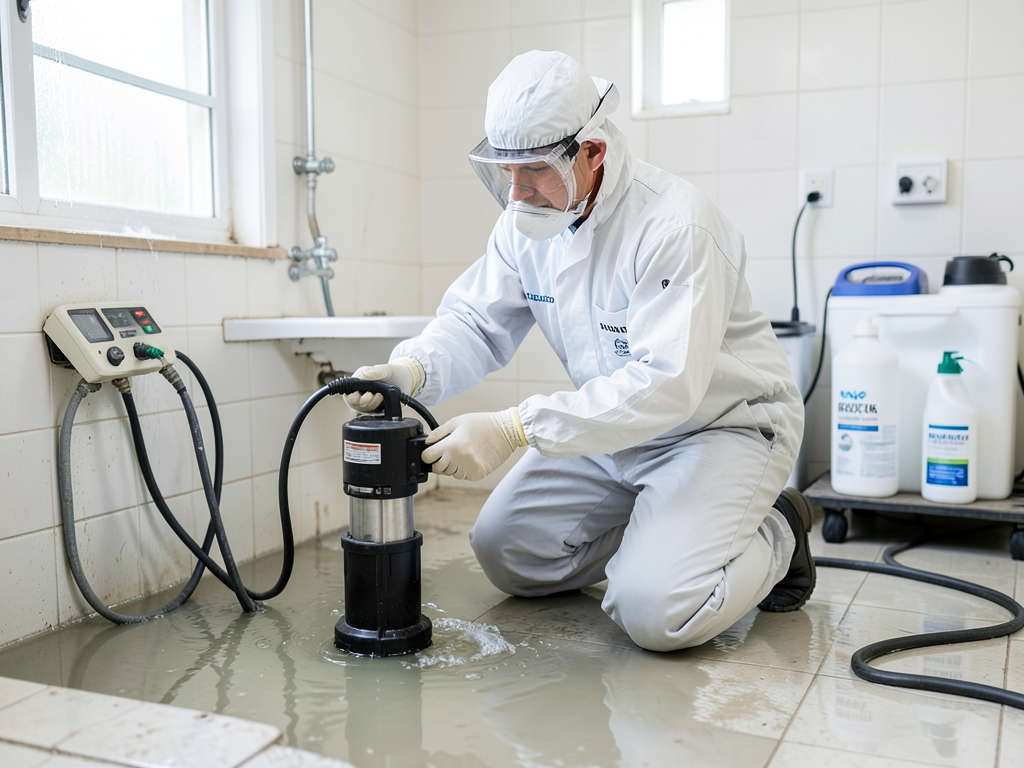
Next comes water extraction. Truck-mounted extractors remove standing water at rates exceeding 200 gallons per minute. Submersible pumps handle deep water in crawl spaces and utility rooms. Once free water is removed, specialized extraction wands pull moisture from carpets, padding, and porous materials. This phase must happen within the first 24 hours to prevent category escalation.

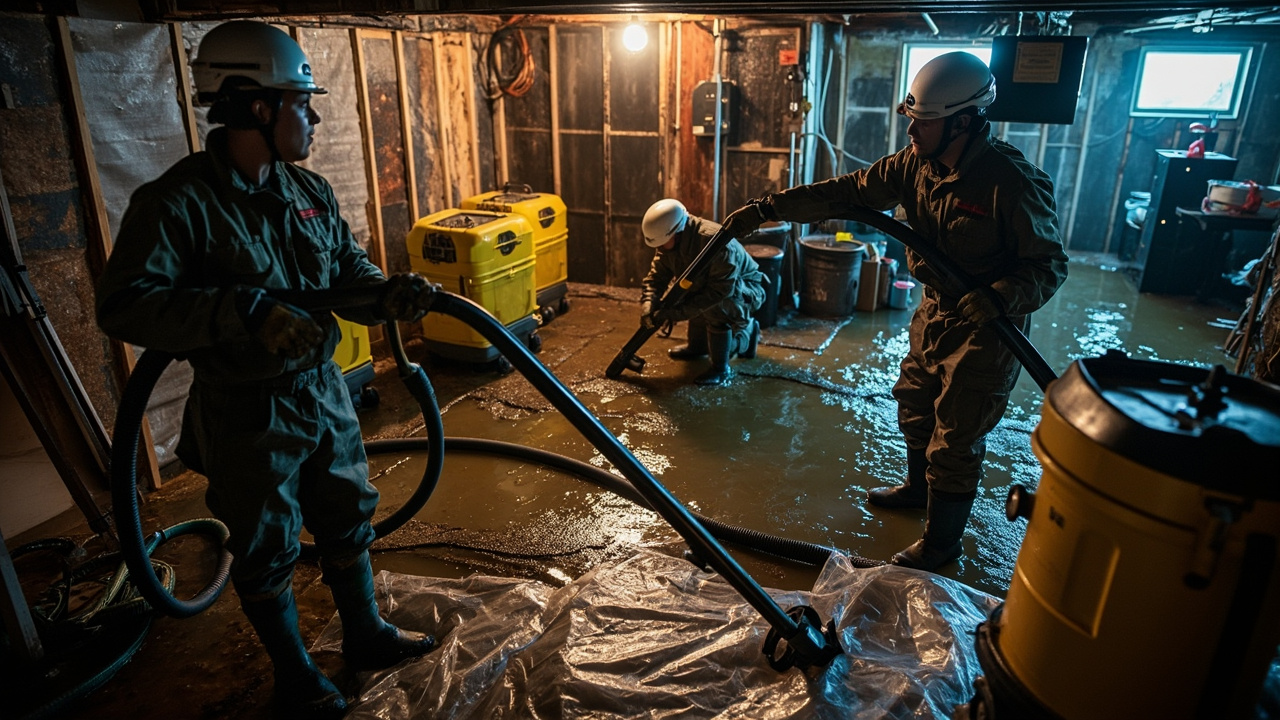
After extraction, structural drying begins. Commercial-grade air movers create high-velocity airflow across wet surfaces, accelerating evaporation. Low-grain refrigerant dehumidifiers remove moisture from the air, preventing it from reabsorbing into building materials. Technicians monitor drying progress daily using moisture mapping, adjusting equipment placement to target stubborn wet spots.

Flooded basement pumping alone does not solve contamination risks. Category 2 water from washing machine overflows or sump pump backups contains bacteria and pathogens. Category 3 water from sewage backups or river flooding requires full containment and antimicrobial treatment. All porous materials in contact with contaminated water must be removed and disposed of according to IDEM guidelines.

The final phase addresses odor control and prevention. HEPA air scrubbers remove airborne mold spores and particulates. Hydroxyl generators neutralize organic odors without leaving chemical residue. Technicians inspect sump pits, foundation drains, and window wells, recommending repairs to prevent future flooding. You receive a complete moisture report and restoration certificate for your insurance file.

What Happens During Your Basement Flood Emergency

Basement Flood Cleanup in Indianapolis – 24-Hour Emergency Response with Direct Insurance Billing
01

Immediate Water Extraction

Technicians arrive within two hours of your call with truck-mounted water extraction equipment. Submersible pumps and industrial vacuums remove standing water from your basement floor, followed by extraction of moisture trapped in carpets, padding, and porous materials. All affected areas are photographed and documented for insurance purposes before equipment deployment begins.
02

Structural Drying Setup

High-velocity air movers and commercial dehumidifiers are positioned based on moisture meter readings and thermal imaging data. Equipment runs continuously, monitored remotely via sensors that track temperature, humidity, and drying progress. Technicians return daily to adjust airflow patterns, measure moisture levels in walls and flooring, and ensure drying stays on schedule to prevent mold growth.
03

Restoration and Prevention

Once moisture levels return to normal, damaged materials are repaired or replaced. Drywall, insulation, and flooring are restored to pre-loss condition. Technicians inspect your sump pump, foundation drains, and grading to identify flood causes. You receive a detailed moisture report, antimicrobial treatment certification, and recommendations to prevent future basement flooding in your Indianapolis home.

Why Indianapolis Homeowners Trust Local Basement Flood Experts

Basement flooding is not a simple cleanup task. It requires understanding local building construction, soil conditions, and drainage patterns specific to Indianapolis. Technicians who work in this city every day know the difference between a 1950s fieldstone foundation in Butler-Tarkington and a modern poured concrete basement in Fishers. That knowledge determines extraction methods, drying equipment placement, and structural risk assessment.

Local teams respond faster because they are already in your area. National franchises dispatch from regional hubs, adding travel time when every minute counts. A local crew knows which neighborhoods flood first during heavy rain, which streets get congested, and the fastest routes to your home. They arrive with equipment already loaded, ready to start extraction immediately.

Indianapolis-specific challenges require Indianapolis-specific solutions. The city's combined sewer system can cause basement backups during heavy rain events when stormwater overwhelms sanitary sewers. Technicians familiar with this issue know to check floor drains and sewage ejector pits for contamination, treating the area as Category 3 water even if it looks clean. This protects your family from hidden pathogens that generic cleanup crews might miss.

Insurance claims move smoother with local documentation. Adjusters in Marion County recognize established restoration companies and trust their moisture readings, photo documentation, and drying logs. Local teams understand Acord forms, Xactimate estimating software, and the specific documentation requirements of major carriers operating in Indiana. They communicate directly with your adjuster, reducing claim delays and ensuring you receive fair compensation.

Building code compliance matters during restoration. Indianapolis adopted the 2014 International Residential Code with local amendments. When basement drywall or electrical systems require replacement, work must meet current code standards. Local contractors know these requirements and coordinate inspections with the city, preventing permit issues that delay your family's return to normal life.

What to Expect During Your Basement Flood Cleanup

Emergency Response Timeline

Calls are answered 24 hours a day, 365 days a year. A technician will ask about the water source, depth, and how long it has been standing. Emergency crews dispatch immediately for active flooding situations, with arrival within two hours for most Indianapolis locations. After-hours calls receive the same priority as daytime emergencies. Extraction equipment is pre-loaded on trucks to begin work the moment technicians arrive. You will not wait days for a crew to become available or for equipment to be delivered from a warehouse.

Comprehensive Damage Assessment

Technicians document every affected area with photos, moisture readings, and thermal imaging before starting work. This creates a baseline for insurance claims and tracks drying progress. Moisture meters measure water content in walls, floors, and structural wood. Thermal cameras identify hidden moisture behind finished surfaces. You receive a written assessment explaining the damage category, contamination risks, and recommended restoration steps. This assessment is shared with your insurance company to support your claim and prevent disputes over covered damages.

Certified Restoration Results

Drying is not complete when surfaces feel dry to the touch. Materials must return to normal moisture content levels measured with calibrated meters. Technicians use IICRC S500 standards to verify complete drying, measuring moisture daily until all readings fall within acceptable ranges. You receive a final moisture report showing before and after readings, equipment logs, and antimicrobial treatment certification. This documentation proves your home is safe and dry, protecting your family's health and supporting insurance claim closure.

Post-Restoration Guidance

After restoration, technicians inspect your basement's flood defenses. They check sump pump operation, test backup systems, and examine foundation drains for clogs or damage. You receive specific recommendations to prevent future flooding, including grading corrections, downspout extensions, or sump pump upgrades. If repairs are needed, technicians coordinate with trusted local contractors who understand Indianapolis drainage challenges. Follow-up moisture checks are available if you notice musty odors or suspect hidden moisture. Restoration certificates are provided for your homeowner's insurance file.

Frequently Asked Questions

You Have Questions,
We Have Answers

How to clean-up after a flooded basement? +

First, shut off electricity to the basement at the breaker panel to prevent shock hazards. Remove standing water using a sump pump or wet-dry vacuum. Extract water from carpets, furniture, and belongings immediately. Set up industrial fans and dehumidifiers to dry all surfaces within 24-48 hours. Remove waterlogged drywall, insulation, and baseboards to prevent mold growth. Disinfect all hard surfaces with antimicrobial solutions. Indianapolis basements often experience secondary moisture from high humidity, so thorough drying is critical. Document everything with photos for insurance claims before discarding damaged items.

How much does it cost to clean-up a flooded basement? +

Basement flood cleanup costs in Indianapolis typically range from several hundred to several thousand dollars depending on water volume, contamination level, and structural damage. Minor clean water floods may cost less, while sewage backups or extensive structural damage increase costs significantly. Factors include square footage, water extraction time, equipment needed, drywall removal, insulation replacement, and mold remediation. Indianapolis homes with older plumbing or poor drainage face higher costs. Most homeowners insurance policies cover sudden flooding from internal sources like burst pipes, but gradual seepage or groundwater infiltration may not be covered.

How much does Servpro cost to clean a basement? +

Servpro pricing varies based on damage severity, square footage, and services required. They typically do not publish fixed rates because each basement flood is unique. Expect charges for water extraction, equipment rental, labor hours, antimicrobial treatments, and materials. Indianapolis residents should request detailed written estimates from Servpro and compare them with local restoration companies. Ask about insurance billing procedures and whether they work directly with your carrier. Many Indianapolis water damage restoration specialists offer comparable or better service at competitive rates. Always verify credentials and read local reviews before committing.

What type of professional fixes flooded basements? +

A water damage restoration specialist or certified water mitigation company handles flooded basements. These professionals hold IICRC certifications in water damage restoration and use commercial-grade extraction equipment, industrial dehumidifiers, and moisture meters. In Indianapolis, you need professionals familiar with local soil conditions, older home foundations, and seasonal flooding patterns. They coordinate with plumbers for source repairs, electricians for safety checks, and mold remediation specialists when necessary. Choose a company with 24/7 emergency response, direct insurance billing, and experience handling Indianapolis basement floods caused by heavy rains, sump pump failures, and sewer backups.

How Indianapolis Clay Soil and Aging Infrastructure Increase Basement Flood Risk

Indianapolis sits on Crosby-Brookston soil, a dense clay mixture that expands when wet and shrinks when dry. This cycle creates hydrostatic pressure against foundation walls, forcing water through cracks and cold joints. Older neighborhoods built before 1970 often lack proper foundation waterproofing or functional perimeter drains. When spring thunderstorms drop two inches of rain in an hour, clay soil channels that water directly toward basements instead of absorbing it. Combined with the city's aging combined sewer system, which can back up during heavy rain events, Indianapolis homeowners face basement flooding from multiple directions. Professional flooded basement remediation addresses both immediate water removal and the underlying causes specific to Marion County soil and infrastructure conditions.

Local expertise matters when your basement floods. Technicians who work in Indianapolis daily understand the difference between storm drain backups, sump pump failures, and foundation seepage. They know which neighborhoods flood first during heavy rain and which streets become impassable, affecting response times. They are familiar with Marion County building codes, city permit requirements, and the specific documentation standards used by insurance adjusters working in this market. When you hire a local water damage restoration company, you get technicians who live in this community and understand the unique challenges Indianapolis homeowners face. They respond faster, work smarter, and deliver results that protect your home against future flooding events specific to this region.
Water Damage Restoration Services in The Indianapolis Area

We are proud to serve the entire Indianapolis area and surrounding communities, providing rapid-response water damage restoration right where you need it most. Our central location allows us to deploy our 24/7 emergency teams quickly across the region. View our service area on the map below and remember that wherever you are in the Indianapolis metropolitan area, Apex Water Damage Restoration Indianapolis is ready to deliver expert and trustworthy service to secure your home or business.

Address:
Apex Water Damage Restoration Indianapolis, 6767 E Washington St, Indianapolis, IN, 46219

Additional Services We Offer

Our news updates

Latest Articles & News from The Blogs

Is Crawl Space Encapsulation Worth the Investment for Your Home in Wynnedale? Crawl space encapsulation can save Wynnedale homeowners thousands…

Is Crawl Space Encapsulation Worth the Investment for Your Home in Wynnedale?

Is Crawl Space Encapsulation Worth the Investment for Your Home in Wynnedale? Crawl space encapsulation can save Wynnedale homeowners thousands…

How to Decide Which Water Damaged Items to Keep and Which to Throw Away

How to Decide Which Water Damaged Items to Keep and Which to Throw Away When water floods your Indianapolis home…

Battery Backup vs Water Powered Sump Pumps for Your Near Eastside Basement

Why Your Near Eastside Basement Needs a Reliable Backup Sump Pump Living in the Near Eastside means dealing with Indianapolis's…

Contact Us

Standing water in your basement gets worse every hour. Call (317) 703-7676 right now for immediate dispatch. Our crews are standing by 24/7 with truck-mounted extraction equipment, ready to protect your home and start your insurance claim documentation.