


Zionsville sits in a transitional climate zone where freeze-thaw cycles wreak havoc on plumbing systems and foundations. The town's beautiful older homes near Eagle Creek and throughout the Village district feature basements that battle groundwater intrusion during Indiana's intense spring storms. Clay-heavy soil common across subdivisions like Barrington and Stone Lake holds water against foundations, creating hydrostatic pressure that forces moisture through basement walls.
Winter brings its own threats. When temperatures swing from below freezing to 50 degrees in 24 hours, pipes burst without warning. Many Zionsville homes feature expansive layouts with plumbing running through exterior walls and unheated spaces, creating vulnerable points when cold snaps hit. The combination of older infrastructure in established neighborhoods and newer construction in developments north of 106th Street means water damage strikes across all property types. Standing water in crawl spaces goes unnoticed until mold develops, particularly in ranch-style homes popular in areas like Union Chapel.
Understanding these local conditions means knowing where to look for hidden moisture, how to prevent secondary damage in your specific home style, and which restoration methods work in Indiana's humidity levels. Water damage restoration in Zionsville requires knowledge of local construction methods, soil conditions, and weather patterns that generic restoration companies miss.
Apex Water Damage Restoration Indianapolis operates on a simple principle - respond faster, extract completely, document thoroughly, and restore correctly the first time. We have built our reputation across the Indianapolis metro by arriving when we say we will and finishing when we promise. Our technicians carry IICRC certification in water damage restoration and applied structural drying, not because it looks good on a website, but because proper training prevents the callbacks and prolonged displacement other companies leave behind.
We maintain extraction equipment, air movers, and dehumidification systems specifically calibrated for Indiana's humidity conditions. Generic restoration companies rent equipment or use undersized units that extend drying time. We own commercial-grade systems that pull moisture from structural cavities and building materials in days, not weeks. Every job gets thermal imaging to verify complete drying before we close the work order. Your insurance company and your home deserve verification, not guesswork.
Our project managers have handled everything from burst pipe floods in Zionsville's historic homes to storm damage across newer subdivisions. We understand how water moves through different foundation types, which materials need removal versus drying, and how to coordinate trades for reconstruction. You get one point of contact who manages extraction, drying, insurance documentation, and restoration from start to finish.
When we commit to a timeline, we staff the job to meet it. Our dispatch system prioritizes emergency response in Zionsville and surrounding Hamilton County communities, putting technicians on site while other companies are still answering phones. That speed difference determines whether you face a cleanup project or a reconstruction nightmare. We take the second option off the table by getting there first.

Our dispatch system activates extraction crews the moment you call. Technicians arrive at Zionsville properties within one hour, equipped with truck-mounted extraction systems that remove standing water immediately. Every minute counts when water spreads through flooring and walls. We stop damage progression while competitors are scheduling appointments for tomorrow.

We document every aspect of damage with detailed photos, moisture readings, and scope reports your insurance adjuster needs. Our project managers communicate directly with your carrier, providing estimates in the format they require. You avoid the back-and-forth that delays approval and payment. We know what documentation prevents claim disputes.
Every technician carries certification in water damage restoration and applied structural drying from the Institute of Inspection, Cleaning and Restoration Certification. This training covers moisture mapping, psychrometry, and drying science that prevents mold growth and structural damage. Certification means your restoration follows industry standards insurance companies recognize and building science requires.
We have restored water damage in Zionsville's historic village homes, newer subdivisions north of town, and everything between. Our crews understand local construction methods, foundation types common to the area, and which materials in Indiana's climate require removal versus drying. Regional expertise prevents the mistakes that create long-term problems in your specific home type.
Water damage restoration encompasses far more than running fans and pulling wet carpet. Proper restoration requires understanding water categories, building science, and drying protocols that prevent secondary damage. Apex Water Damage Restoration Indianapolis provides complete water removal services from emergency extraction through final reconstruction.
Our service approach addresses three critical phases of water damage. Emergency response stops damage progression through immediate water extraction and environmental control. Structural drying removes moisture from building cavities and materials using commercial equipment and scientific monitoring. Restoration rebuilds affected areas to pre-loss condition, coordinating all trades under one project manager. This comprehensive approach means you make one call and get complete resolution.
We handle residential and commercial water damage across all categories - from clean water supply line breaks to contaminated sewage backups. Each situation requires different protocols, equipment, and safety measures. Our technicians assess water category on arrival and implement appropriate remediation procedures for your specific situation. Clean water extraction differs significantly from black water remediation. You get the right response for your particular emergency, not a one-size-fits-all approach that creates liability.
When water invades your property, immediate extraction prevents damage from spreading through flooring systems, walls, and contents. Our emergency crews deploy truck-mounted extraction units that remove hundreds of gallons per minute from basements, crawl spaces, and living areas. We relocate contents to dry areas, remove saturated materials that cannot be saved, and establish drying conditions that halt damage progression. Emergency response includes moisture mapping to identify all affected areas, not just visible water. Hidden moisture in wall cavities and subflooring causes the expensive problems that develop after inadequate initial response.
Removing standing water represents only the first step. Structural drying extracts moisture absorbed into drywall, insulation, framing, and subfloors using commercial dehumidifiers and air movement systems. We monitor moisture levels daily with thermal imaging and moisture meters, adjusting equipment placement as materials dry. Proper drying takes three to five days in most situations, longer for hardwood floors or specialty materials. Rushing this phase or using inadequate equipment leaves moisture that feeds mold growth and structural decay. Our drying protocols follow psychrometric principles and IICRC standards that ensure complete moisture removal before reconstruction begins.
After complete drying verification, reconstruction rebuilds your property to its original state. Our restoration division handles everything from drywall replacement and painting to flooring installation and trim work. You work with one project manager who coordinates all trades, maintains your timeline, and ensures quality across every phase. We match existing finishes, source specialty materials for older homes, and complete punch lists without the runaround common to multi-contractor projects. Restoration includes final cleaning and a walk-through where you verify completion before we close the file. Your insurance receives final documentation that closes your claim.
Zionsville's housing stock ranges from historic properties in the Village to modern construction in northern developments. Each property type faces distinct vulnerabilities to water damage based on age, construction methods, and location. Understanding these common issues helps homeowners recognize problems early and respond appropriately.
Spring storms overwhelm drainage systems, particularly in areas with older infrastructure. Basements flood when sump pumps fail or groundwater exceeds capacity. Winter freeze-thaw cycles burst pipes in exterior walls and unheated spaces. Appliance failures from washing machines, water heaters, and dishwashers cause extensive damage when they occur on upper floors. Roof leaks develop where ice dams form or flashing deteriorates around chimneys and valleys.
Each situation creates different restoration challenges. Basement flooding often involves contaminated water requiring antimicrobial treatment. Burst pipe damage spreads through wall cavities, requiring selective demolition to access hidden moisture. Appliance leaks on second floors saturate ceilings and flooring systems below, creating multi-level restoration projects. Recognizing which issue you face determines the appropriate response and helps you communicate clearly with restoration professionals and insurance adjusters.
Heavy spring rains saturate clay soil, creating hydrostatic pressure that forces water through basement walls and floor joints. Sump pump failures during storms allow water to accumulate rapidly. Groundwater carries contaminants requiring antimicrobial treatment and specialized drying protocols. Finished basements suffer extensive damage when water saturates drywall, insulation, and flooring. Quick response prevents mold development in the humid conditions basements create.
Indiana's temperature swings cause pipes to freeze and rupture in exterior walls, attics, and crawl spaces. A single burst pipe releases hundreds of gallons before discovery, saturating insulation, drywall, and structural framing. Water travels through wall cavities to floors below, creating damage far from the break point. Thermal imaging locates all moisture paths so drying addresses every affected area. Incomplete drying in wall cavities guarantees mold problems.
Washing machine hoses, water heater connections, and refrigerator lines fail without warning. When appliances sit on upper floors, water cascades through ceiling assemblies into rooms below. Drywall, insulation, and flooring in multiple areas require restoration. Supply line breaks release clean water initially, but Category 2 contamination develops quickly once water contacts building materials. The multi-floor nature of these losses extends restoration timelines and complexity.
Severe weather damages roofing systems, allowing water into attics and wall cavities. Ice dams in winter force melt water under shingles, saturating insulation and ceilings below. Wind-driven rain penetrates failed flashing around chimneys and roof penetrations. Attic moisture often goes undetected until staining appears on ceilings or mold develops. Roof leak restoration requires coordinating roofing repairs with interior drying and reconstruction to prevent recurring damage.
Water damage creates stress and uncertainty. Understanding what happens when you call our emergency line helps you know what to expect and how to prepare. From your first call through final restoration, we maintain clear communication and set realistic expectations about timeline, process, and costs.
When you reach our dispatch line, we gather essential information about your situation - water source, affected areas, and immediate concerns. If the water source is still active, we walk you through emergency shut-off procedures. Our dispatcher provides an estimated arrival time and explains what our technicians will do on arrival. You receive a direct callback number that reaches your assigned project manager, not a call center.
Our response focuses on three priorities: stopping damage progression, protecting salvageable contents, and establishing drying conditions. We explain what we find, what needs to happen, and how long each phase takes. You receive written documentation including moisture readings, photo documentation, and a detailed scope of work. This documentation serves your insurance claim and creates a clear roadmap for restoration. Questions get answered in plain language, not industry jargon designed to confuse.
Technicians arrive within 60 minutes carrying extraction equipment, moisture detection tools, and protective gear. The initial assessment identifies water category, maps all affected areas with moisture meters and thermal imaging, and develops an extraction plan. We explain our findings and answer questions about what you see happening. Emergency extraction begins immediately to remove standing water and relocate contents from affected areas. You receive a preliminary scope and timeline before crews leave the first day. This initial response determines whether you face a manageable restoration or an extended reconstruction project.
Structural drying requires three to five days with daily moisture monitoring and equipment adjustments. Technicians arrive each day to document drying progress, move air movers as needed, and address any concerns you raise. Your project manager contacts you daily with updates on moisture levels and projected completion. We explain what the readings mean and why certain areas take longer to dry. You know exactly where the project stands and when to expect each next step. No wondering if anyone is coming or what happens next.
Before reconstruction begins, we verify complete drying with final moisture readings and thermal imaging. You receive documentation showing all affected areas have returned to normal moisture levels. This verification protects you from future mold claims and ensures your insurance company accepts our work. Reconstruction proceeds with the same project manager coordinating all trades. Final walk-through happens with you present, addressing any punch list items before we request final payment. You sign off when satisfied, not when we decide we are done.
Effective water damage restoration follows a systematic process developed through building science and industry standards. We adapt this framework to your specific situation while maintaining the critical steps that ensure complete moisture removal and proper restoration.
Our emergency crews arrive equipped with truck-mounted extraction systems and portable pumps that remove standing water within hours. We document the extent of damage with photos and moisture mapping using thermal imaging and penetrating moisture meters. Affected contents get relocated to dry areas, and unsalvageable materials are identified for removal. Anti-microbial treatment applies to areas contacted by contaminated water. We establish initial drying conditions with commercial air movers and dehumidifiers placed according to psychrometric calculations, not guesswork. Your insurance receives preliminary documentation within 24 hours.
Drying equipment runs continuously while technicians monitor moisture levels daily in all affected materials. We track drying progress with moisture meters, adjusting equipment placement as wet areas dry and ensuring airflow reaches all structural cavities. Dehumidifiers extract moisture from the air while air movers create evaporation at material surfaces. This phase typically requires three to five days depending on materials affected, humidity levels, and extent of saturation. We provide daily updates on moisture readings and projected dry-down completion. Drying stops only when moisture meters confirm all materials have returned to normal levels.
Once complete drying is verified, reconstruction rebuilds affected areas to pre-loss condition. Our restoration crews handle drywall installation, painting, flooring replacement, and trim work under your project manager's coordination. We source materials that match existing finishes, particularly important in older homes requiring specialty products. All work follows building codes and manufacturer specifications. Final walk-through addresses any punch list items before project closeout. You receive final documentation and photos for your insurance claim and your records. Our warranty covers workmanship on all restoration services.
Professional water damage restoration follows specific industry standards developed by the Institute of Inspection, Cleaning and Restoration Certification. These standards provide protocols for water extraction, structural drying, and contamination control that protect property owners and ensure insurance companies accept the work performed. Understanding these standards helps you evaluate restoration companies and recognize quality work.
Water damage falls into three categories based on contamination level. Category 1 involves clean water from supply lines or rainwater that has not contacted contaminated surfaces. Category 2 contains contaminants that can cause discomfort or illness, such as water from dishwashers, washing machines, or toilet overflow without feces. Category 3 includes sewage, flooding from rivers or streams, and any water that has contacted contaminated surfaces. Each category requires different handling protocols, safety equipment, and disposal procedures. Water category can escalate if clean water remains stagnant for 48 hours or contacts contaminated materials.
Structural drying follows psychrometric principles that govern moisture behavior in air and materials. Proper drying requires controlling temperature, humidity, and airflow to create conditions where materials release moisture faster than they absorb it. Commercial dehumidifiers remove moisture from air while air movers create evaporation at wet surfaces. Drying equipment must be properly sized for the affected space using calculations based on cubic footage, materials affected, and humidity levels. Undersized equipment extends drying time and increases secondary damage risk.
Indiana does not require state licensing for water damage restoration contractors, placing responsibility on property owners to verify qualifications. IICRC certification demonstrates technicians have completed training in water damage restoration and applied structural drying. This training covers moisture detection, psychrometry, drying protocols, and documentation requirements. Certified technicians understand when materials require removal versus drying, how to prevent cross-contamination, and what documentation insurance companies need. Restoration companies should carry general liability insurance and workers compensation coverage that protects you from liability during emergency work.
The IICRC S500 Standard provides guidelines for water damage restoration including inspection protocols, moisture detection methods, drying procedures, and documentation requirements. Following these standards ensures restoration meets insurance company expectations and building science principles. Certification demonstrates technicians understand proper protocols for your specific damage category. Ask restoration companies about their IICRC certification status and how they apply S500 standards to your situation. Proper protocol application determines restoration success and claim acceptance.
Water damage restoration costs depend on water category, affected square footage, materials damaged, and drying time required. Category 3 contamination costs more due to safety protocols and disposal requirements. Hardwood floors require longer drying time than carpet, affecting equipment rental duration. Multi-story damage increases complexity and labor. Insurance typically covers sudden and accidental water damage but excludes gradual damage from maintenance failures. Understanding these variables helps you evaluate estimates and discuss coverage with your insurance adjuster. Detailed documentation supports fair claim settlement.
Complete structural drying takes three to five days in most residential situations when using properly sized commercial equipment. Hardwood flooring may require two weeks to release moisture without causing permanent damage. Dense materials like plaster or masonry take longer than drywall. Claims that restoration is complete in 24 hours indicate inadequate drying that leaves moisture in building cavities. Moisture trapped in wall assemblies or subfloors creates mold growth and structural damage within weeks. Trust moisture meter readings and thermal imaging verification, not arbitrary timelines based on what sounds appealing.
Insurance claims require photo documentation of damage, moisture readings showing affected areas, detailed scope of work, and daily logs tracking drying progress. Complete documentation prevents claim disputes and supports proper payment for restoration services. Your restoration company should provide this documentation as standard practice, not an extra service. Photos must show damage clearly with date stamps. Moisture readings need location identification and comparison to baseline dry readings. Proper documentation protects both you and the restoration company if questions arise later about work performed or necessity.
Educational video explaining professional water damage restoration procedures in Zionsville, Indiana. Covers emergency water extraction, structural drying protocols, insurance documentation, and complete restoration processes. Discusses local water damage risks specific to Zionsville properties including freeze-thaw pipe failures, basement groundwater intrusion, and storm damage. Explains IICRC certification standards, proper drying equipment, moisture detection methods, and realistic restoration timelines. Provides homeowners with information to evaluate restoration companies and understand the complete water damage remediation process from emergency response through final reconstruction.
Apex Water Damage Restoration Indianapolis provides emergency water damage services throughout Zionsville and neighboring Hamilton County areas. Our central location enables rapid response to properties from the historic Village district through northern developments approaching Whitestown. We have restored water damage in homes across every Zionsville neighborhood, from established areas near Eagle Creek to newer subdivisions north of 106th Street.
The Village district features Zionsville's oldest homes, many dating to the late 1800s and early 1900s. These properties present unique restoration challenges due to plaster walls, pier and beam foundations, and updated plumbing in older structures. Water damage in historic homes requires careful material matching and respect for original construction methods. We source appropriate materials and use restoration techniques that preserve character while meeting modern building standards.
Subdivisions like Barrington, Stone Lake, and The Preserve of Zionsville feature contemporary construction with finished basements vulnerable to groundwater intrusion during heavy rains. These neighborhoods sit on clay soil that holds water against foundations, creating hydrostatic pressure that forces moisture through basement walls. Our crews understand the specific drainage challenges these areas face and implement drying strategies that address both immediate damage and underlying moisture sources.
Properties along West Oak Street and areas near the Boone County line face different challenges. Many homes feature crawl spaces instead of basements, creating difficult access for water extraction and drying equipment. Standing water in crawl spaces goes unnoticed until odor or mold develops. We use specialized equipment to access tight crawl spaces and implement encapsulation solutions that prevent recurring moisture problems.
Northern Zionsville developments near Eagle Creek continue the town's expansion with modern construction and larger property layouts. These homes often feature expansive finished basements and master suites on second floors, creating significant water damage potential when appliances fail or pipes burst. Distance from the Village can extend response times with some restoration companies, but our dispatch system maintains the same 60-minute response commitment regardless of location within Zionsville.
We serve surrounding communities including Carmel to the east, Whitestown to the northwest, and parts of Pike Township to the south. Each area has distinct characteristics affecting water damage vulnerability and restoration requirements. Properties near Morse Reservoir face different moisture conditions than homes in central Zionsville neighborhoods. Our technicians recognize these variations and adjust restoration approaches accordingly. Regional knowledge prevents the trial-and-error approach that extends restoration timelines and increases damage severity.
Water damage restoration pricing in Zionsville varies based on the damage extent and affected area size. Minor water issues affecting one room typically need less investment than whole-house flooding. The water category plays a role too. Clean water from a broken pipe differs from sewage backups. Your restoration company will assess the damage, measure moisture levels, and identify affected materials before providing a detailed estimate. Most Zionsville restoration companies offer free inspections and work directly with insurance providers to help manage your claim and out-of-pocket expenses.
Most water damage restoration projects in Zionsville take three to five days for standard residential work. Small incidents like a toilet overflow might finish in 24 to 48 hours. Extensive flooding affecting multiple rooms or structural elements needs one to two weeks. The timeline depends on water category, affected materials, and humidity levels. Drying typically takes two to four days. Restoration companies use moisture meters to confirm materials reach safe levels before reconstruction begins. Your technician will provide a timeline after the initial assessment and adjust as conditions change.
Most homeowners insurance policies in Zionsville cover sudden and accidental water damage. Burst pipes, appliance malfunctions, and roof leaks from storms typically qualify for coverage. Insurance usually excludes damage from neglect, gradual leaks, or flood events requiring separate flood insurance. Review your policy and document all damage with photos. Contact your insurance company immediately after calling a restoration company. Many Zionsville restoration professionals work directly with insurance adjusters and help you through the claims process to maximize your coverage benefits.
Water damage restoration pricing in Zionsville varies based on the damage extent and affected area size. Minor water issues affecting one room typically need less investment than whole-house flooding. The water category plays a role too. Clean water from a broken pipe differs from sewage backups. Your restoration company will assess the damage, measure moisture levels, and identify affected materials before providing a detailed estimate. Most Zionsville restoration companies offer free inspections and work directly with insurance providers to help manage your claim and out-of-pocket expenses.
Most water damage restoration projects in Zionsville take three to five days for standard residential work. Small incidents like a toilet overflow might finish in 24 to 48 hours. Extensive flooding affecting multiple rooms or structural elements needs one to two weeks. The timeline depends on water category, affected materials, and humidity levels. Drying typically takes two to four days. Restoration companies use moisture meters to confirm materials reach safe levels before reconstruction begins. Your technician will provide a timeline after the initial assessment and adjust as conditions change.
Most homeowners insurance policies in Zionsville cover sudden and accidental water damage. Burst pipes, appliance malfunctions, and roof leaks from storms typically qualify for coverage. Insurance usually excludes damage from neglect, gradual leaks, or flood events requiring separate flood insurance. Review your policy and document all damage with photos. Contact your insurance company immediately after calling a restoration company. Many Zionsville restoration professionals work directly with insurance adjusters and help you through the claims process to maximize your coverage benefits.
Watch for musty odors in basements, crawl spaces, or closed rooms. Discoloration or staining on walls, ceilings, and floors signals hidden moisture. Warped or buckling flooring, especially hardwood and laminate, indicates water beneath the surface. Peeling paint or wallpaper suggests moisture behind walls. Check for soft spots in drywall or sagging ceilings. Increased humidity and condensation on windows point to excess moisture. Mold growth in corners or along baseboards means long-term water problems. Professional moisture detection equipment finds hidden water damage your eyes miss.
Call a water damage restoration company in Zionsville within the first hour of discovering water damage. Water spreads quickly through porous materials like drywall, insulation, and carpet. Mold begins growing within 24 to 48 hours in humid conditions. The faster you respond, the more you save and the less damage occurs. Even small leaks warrant immediate attention. Water migrates through walls and floors, causing structural damage you cannot see. Most restoration companies offer 24-hour emergency response. Quick action prevents secondary damage and reduces restoration time and expenses.
You might stay home during minor water damage restoration affecting one room. Larger projects involving multiple rooms or floors often require temporary relocation. Safety concerns like electrical hazards, structural instability, or sewage contamination mandate evacuation. The noise from industrial fans, dehumidifiers, and equipment makes staying uncomfortable. Your restoration company will assess the situation and recommend the best option. Some families stay home while technicians work in isolated areas. Others prefer hotels until completion. Your safety and comfort should guide this decision.
Burst or frozen pipes cause significant water damage during Zionsville winters. Appliance failures from washing machines, water heaters, and dishwashers happen frequently in older homes. Sump pump failures lead to basement flooding during heavy rain. Roof leaks from storm damage or aging shingles allow water intrusion. Sewage backups occur when main lines clog or tree roots infiltrate pipes. HVAC condensation line clogs create ceiling and wall damage. Toilet overflows and supply line failures affect bathrooms. Understanding these common sources helps you take preventive measures and respond quickly when problems arise.
Look for IICRC certification, the industry standard for water damage restoration professionals. Check online reviews on Google and the Better Business Bureau. Ask neighbors and friends for recommendations based on their experiences. Verify the company offers 24-hour emergency response and serves Zionsville directly. Request references from recent projects similar to yours. Confirm they use professional-grade moisture detection and drying equipment. A reputable company provides detailed written estimates and works with insurance companies. Meet with multiple companies before choosing. Trust your instincts about their professionalism and communication style.
Water damage restoration addresses moisture sources and dries affected areas, which prevents new mold growth. Restoration companies remove visible mold found during water extraction and drying. Extensive mold infestations need specialized remediation beyond standard restoration. If mold covers large areas or penetrates deep into materials, you need dedicated mold remediation services. Many Zionsville restoration companies offer both services. They test for mold after drying completes and recommend additional treatment if needed. Quick water damage response prevents mold from establishing, making restoration alone sufficient for most situations.
Water damage restoration in Zionsville starts with emergency contact and rapid response. Technicians assess damage extent and identify water sources. They extract standing water using pumps and vacuums. Industrial fans and dehumidifiers dry affected areas over several days. Moisture meters confirm materials reach safe levels. Crews remove unsalvageable materials like soaked drywall and insulation. They clean and sanitize all affected surfaces. Anti-microbial treatments prevent mold growth. Finally, reconstruction rebuilds damaged areas to pre-loss condition. The process follows IICRC standards and includes detailed documentation for insurance claims.
Watch for musty odors in basements, crawl spaces, or closed rooms. Discoloration or staining on walls, ceilings, and floors signals hidden moisture. Warped or buckling flooring, especially hardwood and laminate, indicates water beneath the surface. Peeling paint or wallpaper suggests moisture behind walls. Check for soft spots in drywall or sagging ceilings. Increased humidity and condensation on windows point to excess moisture. Mold growth in corners or along baseboards means long-term water problems. Professional moisture detection equipment finds hidden water damage your eyes miss.
Call a water damage restoration company in Zionsville within the first hour of discovering water damage. Water spreads quickly through porous materials like drywall, insulation, and carpet. Mold begins growing within 24 to 48 hours in humid conditions. The faster you respond, the more you save and the less damage occurs. Even small leaks warrant immediate attention. Water migrates through walls and floors, causing structural damage you cannot see. Most restoration companies offer 24-hour emergency response. Quick action prevents secondary damage and reduces restoration time and expenses.
You might stay home during minor water damage restoration affecting one room. Larger projects involving multiple rooms or floors often require temporary relocation. Safety concerns like electrical hazards, structural instability, or sewage contamination mandate evacuation. The noise from industrial fans, dehumidifiers, and equipment makes staying uncomfortable. Your restoration company will assess the situation and recommend the best option. Some families stay home while technicians work in isolated areas. Others prefer hotels until completion. Your safety and comfort should guide this decision.
Burst or frozen pipes cause significant water damage during Zionsville winters. Appliance failures from washing machines, water heaters, and dishwashers happen frequently in older homes. Sump pump failures lead to basement flooding during heavy rain. Roof leaks from storm damage or aging shingles allow water intrusion. Sewage backups occur when main lines clog or tree roots infiltrate pipes. HVAC condensation line clogs create ceiling and wall damage. Toilet overflows and supply line failures affect bathrooms. Understanding these common sources helps you take preventive measures and respond quickly when problems arise.
Look for IICRC certification, the industry standard for water damage restoration professionals. Check online reviews on Google and the Better Business Bureau. Ask neighbors and friends for recommendations based on their experiences. Verify the company offers 24-hour emergency response and serves Zionsville directly. Request references from recent projects similar to yours. Confirm they use professional-grade moisture detection and drying equipment. A reputable company provides detailed written estimates and works with insurance companies. Meet with multiple companies before choosing. Trust your instincts about their professionalism and communication style.
Water damage restoration addresses moisture sources and dries affected areas, which prevents new mold growth. Restoration companies remove visible mold found during water extraction and drying. Extensive mold infestations need specialized remediation beyond standard restoration. If mold covers large areas or penetrates deep into materials, you need dedicated mold remediation services. Many Zionsville restoration companies offer both services. They test for mold after drying completes and recommend additional treatment if needed. Quick water damage response prevents mold from establishing, making restoration alone sufficient for most situations.
Water damage restoration in Zionsville starts with emergency contact and rapid response. Technicians assess damage extent and identify water sources. They extract standing water using pumps and vacuums. Industrial fans and dehumidifiers dry affected areas over several days. Moisture meters confirm materials reach safe levels. Crews remove unsalvageable materials like soaked drywall and insulation. They clean and sanitize all affected surfaces. Anti-microbial treatments prevent mold growth. Finally, reconstruction rebuilds damaged areas to pre-loss condition. The process follows IICRC standards and includes detailed documentation for insurance claims.
We are proud to serve the entire Indianapolis area and surrounding communities, providing rapid-response water damage restoration right where you need it most. Our central location allows us to deploy our 24/7 emergency teams quickly across the region. View our service area on the map below and remember that wherever you are in the Indianapolis metropolitan area, Apex Water Damage Restoration Indianapolis is ready to deliver expert and trustworthy service to secure your home or business.
Address:
Zionsville, IN, 46077

Why Your Bottleworks District Shop Needs a Water Emergency Plan Before the Next Flash Flood\nThe Bottleworks District sits in a low-lying area near Fall Creek, making it particularly vulnerable to flash flooding during heavy Indiana…
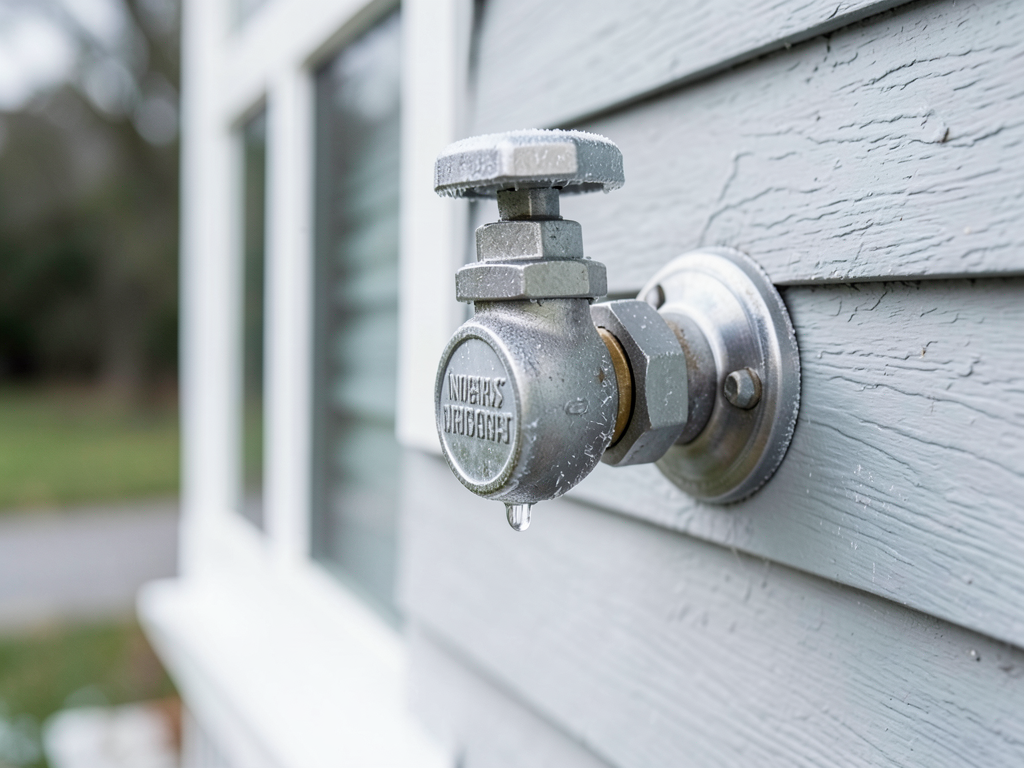
The Hidden Cost of Leaving Your Garden Hose Connected During an Indianapolis Winter Every fall…
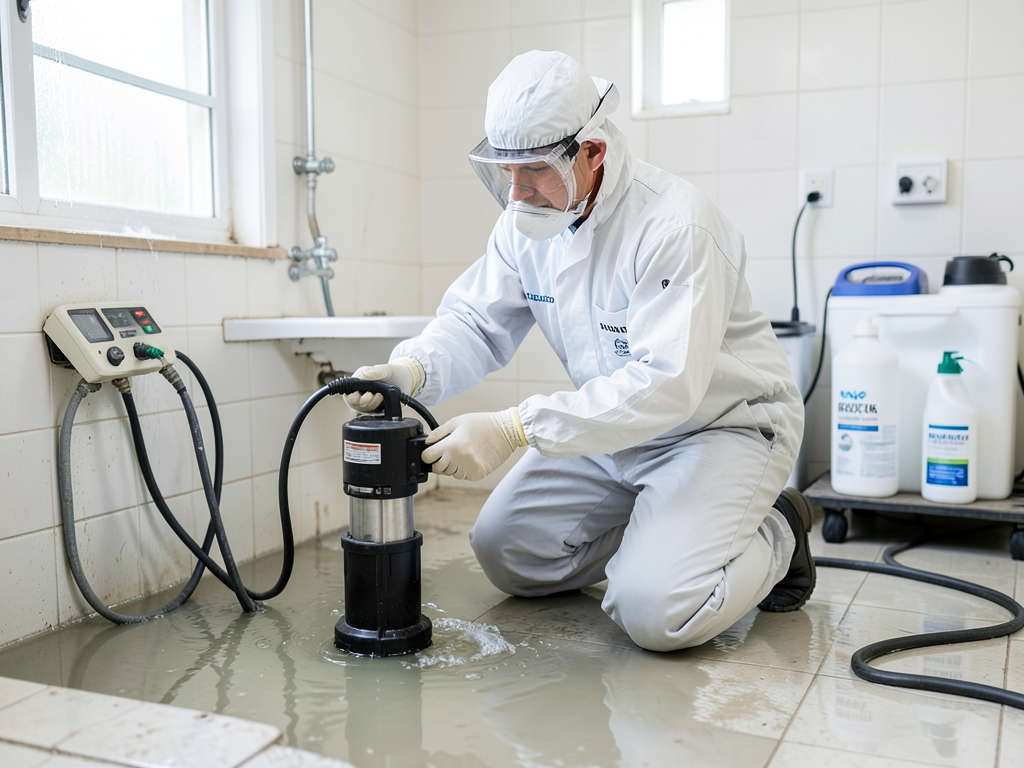
What to Do When Your Toilet Overflows and Drips Through the Ceiling in Fishers Water…
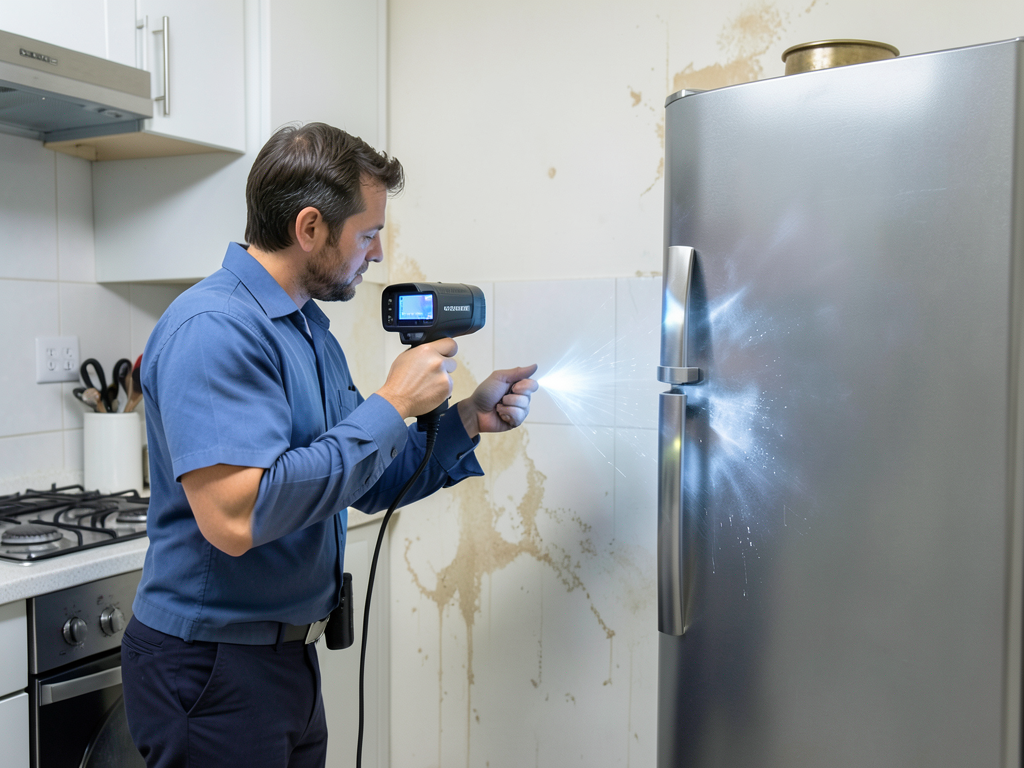
How Your Refrigerator Ice Maker Can Quietly Flood Your Kitchen in Carmel Your refrigerator's ice…
Water damage spreads every minute you wait. Our emergency crews dispatch immediately to stop damage and begin extraction. Call Apex Water Damage Restoration Indianapolis now at (317) 703-7676 for rapid response anywhere in Zionsville. Available 24/7 for emergency water damage restoration.