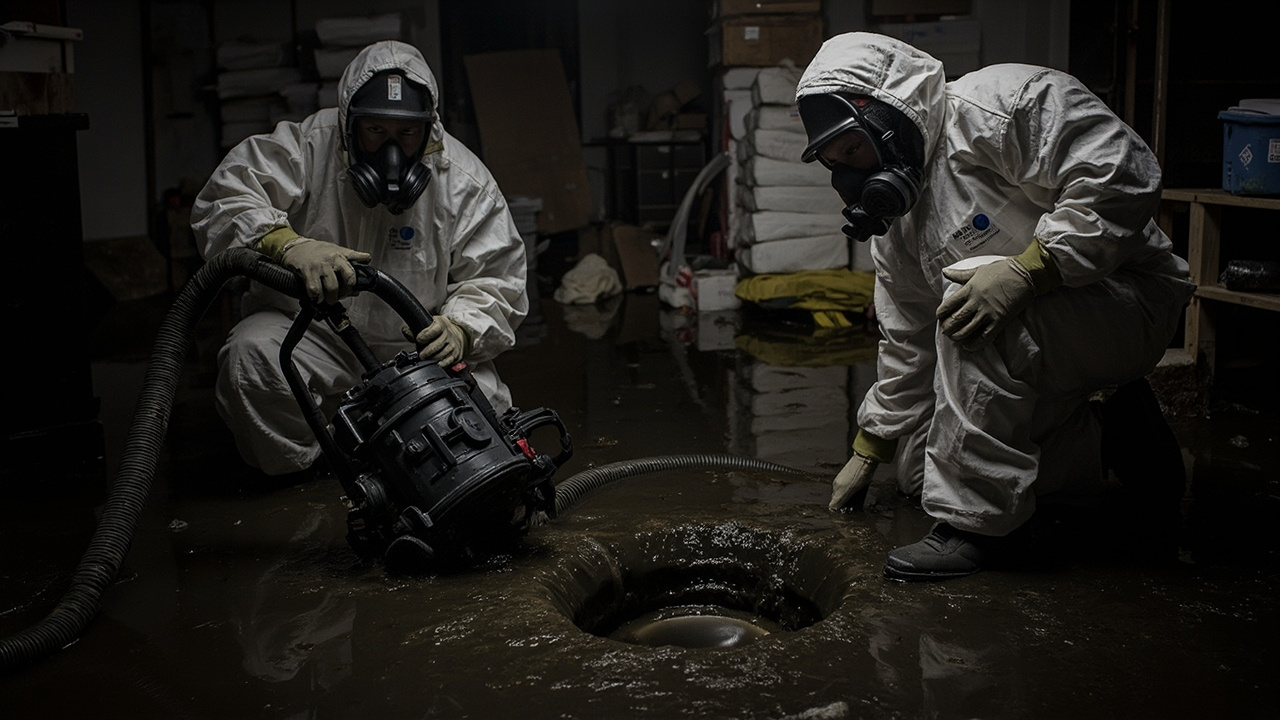
Indianapolis sits on Crosby-Miami clay loam that expands when wet and contracts when dry. This seasonal soil movement stresses underground sewer lines. The city's older neighborhoods contain thousands of homes with original cast iron and clay pipe laterals from the 1920s through 1960s. These lines corrode, crack, and separate at joints. When spring rains saturate the soil, the combined sewer system reaches capacity and creates backpressure. Homes in low-lying areas near Fall Creek, White River, and Pleasant Run see the worst backups because gravity works against proper drainage during flood events.
We have worked with Indianapolis property owners for years and maintain relationships with local plumbers, excavation contractors, and insurance adjusters who specialize in sewer backup claims. We understand Marion County health department requirements for biohazard waste disposal. We know which neighborhoods have the oldest infrastructure and highest backup frequency. When we assess your property, we consider factors specific to Indianapolis like your proximity to the combined sewer overflow areas and whether your home has a backwater valve. This local knowledge means faster, more accurate diagnosis and remediation tailored to conditions you actually face.