


Westfield sits in Hamilton County where clay-heavy soil creates serious drainage problems around foundations. When spring rains hit or snow melts, water pools against basement walls and seeps through cracks. The Monon Trail corridor and neighborhoods near Morse Reservoir face additional risks from high water tables that push groundwater into crawl spaces and lower levels.
Indiana's freeze-thaw cycles cause pipes to burst inside walls where you cannot see the damage spreading. By the time you notice ceiling stains or buckled floors, water has been soaking insulation and framing for days. Westfield's rapid growth means newer subdivisions near Grand Park often have grading issues that direct storm runoff toward homes instead of away from them.
Humidity stays high here from May through September, which means wet building materials grow mold in 24 to 48 hours. Your HVAC system spreads mold spores through every room if remediation does not happen fast. Westfield homes with finished basements face the highest risk because carpet, drywall, and wood paneling trap moisture against concrete foundations. Water damage is not just about what you see on the surface. It is about what is growing and rotting behind your walls right now.
We built our reputation in Hamilton County by showing up fast and doing the job right the first time. Apex Water Damage Restoration Indianapolis operates 24 hours a day because water damage does not keep business hours. Our dispatch system puts certified technicians at your Westfield property within 60 minutes of your call, often faster than your insurance adjuster can arrive.
Our equipment makes the difference between a three-day drying job and a three-week reconstruction project. We deploy truck-mounted water extractors that pull thousands of gallons per hour, industrial dehumidifiers that remove moisture from the air faster than it can soak into materials, and thermal imaging cameras that show us wet insulation and framing hidden behind walls. Most restoration companies rent equipment when they need it. We own our fleet, which means we control response time and quality.
We work directly with every major insurance carrier operating in Indiana. Our estimators document damage with the same software your adjuster uses, which eliminates disputes and speeds up approval. We handle the paperwork, take the photos your carrier requires, and coordinate inspections so you do not spend weeks fighting for coverage you already paid for.
Our technicians hold IICRC certifications in water damage restoration and applied structural drying. These are not weekend courses. These are rigorous programs that teach moisture science, microbial remediation, and building systems. We test moisture levels in wood framing, concrete, and subflooring with calibrated meters, not guesswork. We place equipment based on psychrometric calculations that account for temperature, humidity, and airflow. When we say a structure is dry, we have data proving it meets industry standards for safe reconstruction.

Our dispatch center operates around the clock with technicians staged throughout Hamilton County. When you call, we roll immediately with truck-mounted extraction equipment and industrial drying systems already loaded. We arrive at Westfield properties within one hour, often within 30 minutes, because the first three hours determine whether you need basic drying or full reconstruction.

We eliminate the stress of paying upfront and waiting for reimbursement. Apex works directly with your insurance carrier using their preferred documentation software and pricing systems. We handle all communication with adjusters, provide detailed photo documentation, and coordinate required inspections. You sign one authorization form and we manage the rest of the claims process.
Every technician on our crew holds current certification from the Institute of Inspection, Cleaning and Restoration Certification. We follow ANSI-approved standards for water damage restoration and applied structural drying. Our moisture mapping, equipment placement, and drying protocols meet the technical requirements insurance companies and building inspectors demand. We document everything with calibrated meters and detailed daily logs.
We have restored hundreds of Westfield homes and understand the specific challenges of this area. We know which neighborhoods have clay soil drainage issues, where sump pump failures are common, and how local construction methods affect water intrusion patterns. We maintain relationships with Hamilton County building inspectors and know exactly what documentation they require for permit sign-off after major restoration work.
Water damage is not a single problem with a single solution. A burst pipe in your kitchen requires different equipment and protocols than a flooded basement or roof leak that soaked your attic insulation. Apex Water Damage Restoration Indianapolis provides the full spectrum of water removal services, from emergency extraction to complete structural drying and microbial remediation.
Our approach starts with accurate assessment using thermal imaging and moisture meters to map exactly where water traveled through your structure. We classify the water type (clean, gray, or black) to determine proper safety protocols and disposal requirements. We extract standing water with truck-mounted pumps, then deploy commercial dehumidifiers and air movers in calculated patterns based on building science and psychrometric principles.
Every project includes antimicrobial treatment to prevent mold growth, moisture monitoring until materials reach safe levels for reconstruction, and detailed documentation your insurance company and local building department will accept. We coordinate with plumbers, electricians, and other trades when needed to address the source of damage and prepare for final repairs. Whether you face a small leak or complete flooding, we have the equipment, training, and experience to restore your property correctly.
When water covers your floors, every minute increases damage to flooring, drywall, and personal property. Our emergency water removal service deploys truck-mounted extractors that remove thousands of gallons per hour from basements, crawl spaces, and living areas. We move furniture to dry areas, pull wet carpet and padding, and remove damaged materials that cannot be saved. Our goal is simple: stop water from spreading to unaffected areas and prevent your emergency from becoming a total loss requiring months of reconstruction.
After visible water is gone, moisture remains trapped in wood framing, insulation, concrete, and subflooring. Our structural drying service uses commercial dehumidifiers, high-velocity air movers, and specialized equipment like injecti-dry systems that force heated air into wall cavities. We monitor moisture levels twice daily with calibrated meters and adjust equipment placement based on drying rates. This process typically takes three to five days but prevents warped floors, buckled drywall, and mold growth that develops when structures stay damp.
Mold spores begin growing on wet surfaces within 24 to 48 hours after water exposure. Our mold prevention service applies EPA-registered antimicrobial treatments to all affected surfaces after water removal. We contain work areas with plastic barriers and negative air pressure to prevent cross-contamination. If mold growth has already started, we remove contaminated materials using proper containment and disposal protocols. This service is especially important for sewage backups or flood water containing bacteria and pathogens that pose serious health risks.
Westfield's location in central Indiana creates specific water damage risks that change throughout the year. Spring brings heavy rains that overwhelm sump pumps and drainage systems, especially in neighborhoods with poor grading near Grand Park and new construction areas. Summer humidity keeps basements damp and creates condensation on cold water pipes. Fall storms drive rain through roof penetrations and around aging window seals. Winter freeze-thaw cycles burst pipes inside walls and create ice dams that force water under shingles.
The common thread is that Hamilton County's clay soil does not absorb water quickly. Rain sits on the surface and runs toward foundations instead of soaking into the ground. Westfield's rapid growth means many homes sit on lots that were graded quickly without proper attention to drainage away from structures. Subdivisions built in former agricultural fields often have compacted soil that makes the problem worse. These local conditions make professional water damage restoration more than just drying things out. It requires understanding how water moves through Westfield properties and what long-term solutions prevent the next flood.
Westfield homes with finished basements depend on sump pumps to handle groundwater intrusion and foundation drainage. When pumps fail during heavy rain or lose power, water fills basement spaces rapidly. Carpet, drywall, and furniture soak up hundreds of gallons before homeowners realize the pump stopped working. Battery backup systems help but many homes lack them. The result is thousands of dollars in damage from a mechanical failure that costs less than $300 to prevent.
Indiana winters bring temperatures below zero that freeze water inside pipes. The ice expands and cracks copper or PEX lines hidden inside walls and ceilings. You do not know anything happened until the ice thaws and water sprays behind drywall. By the time you see ceiling stains or wall damage, gallons have soaked insulation and framing. Burst pipe damage spreads fast through multiple rooms because water follows paths through floor joists and wall cavities.
Settlement cracks in poured concrete foundations allow water to seep into basements during heavy rain. The clay soil around Westfield homes expands when wet and pushes against foundation walls, making existing cracks wider. Water enters through these openings and spreads across basement floors or wicks up into finished walls. Many homeowners see minor seepage during every storm but ignore it until a major rain event floods the entire lower level.
When Westfield's sewer system cannot handle heavy rainfall, sewage backs up through floor drains into basements. This contaminated water contains bacteria, viruses, and pathogens that make the space unsafe without professional cleanup. Standard homeowner insurance often does not cover sewer backups unless you purchased a specific rider. The cleanup requires removing all contaminated materials, treating surfaces with antimicrobial solutions, and documenting the work for health department inspections.
Water damage creates panic. You are watching water spread across floors, wondering if your insurance covers this, and trying to figure out who to call. When you contact Apex Water Damage Restoration Indianapolis, we eliminate the confusion immediately. You talk to a real person who asks the right questions about what you are experiencing, dispatches a crew to your Westfield property within the hour, and explains exactly what happens next.
Our process is designed for speed without cutting corners. We know the first 24 hours determine whether you need a three-day drying project or a month-long reconstruction. We arrive with everything needed to extract water, protect salvageable property, and begin structural drying immediately. You do not wait for equipment rental or second trips to get supplies. Everything is on the truck, ready to deploy.
We communicate clearly throughout the project. You receive daily updates on moisture levels, drying progress, and when we expect to finish. We document everything with photos and detailed notes your insurance company requires. We never surprise you with scope changes or unexpected costs. If we discover additional damage during the project, we discuss options before proceeding. When we say the job is complete, we provide documentation showing moisture levels in all affected materials meet IICRC standards for safe reconstruction.
Our dispatch center answers your call immediately and sends a crew to your Westfield property within 60 minutes. The team leader conducts a thorough assessment using thermal imaging and moisture meters to map water damage throughout the structure. We photograph everything for insurance documentation and explain exactly what work needs to happen. You receive a detailed written estimate before any work begins. We never start until you approve the scope and understand what your insurance will likely cover.
We monitor moisture levels twice daily and adjust equipment placement based on drying rates. You receive text or phone updates showing progress in each affected area. We explain when moisture readings drop enough to remove equipment and begin reconstruction. Our project manager maintains contact with your insurance adjuster to coordinate inspections and answer questions. You always know what is happening, why it is happening, and when the next phase begins. No surprises, no guessing, no waiting days for callbacks.
When drying is complete, we provide documentation showing moisture levels in all affected materials. This includes meter readings from wood framing, concrete, and subflooring that prove everything meets safe standards for reconstruction. We photograph the site after equipment removal and provide a detailed report your insurance company and contractor need. If reconstruction is required, we coordinate with qualified builders who understand the scope of work. Your property is safe, dry, and ready for the next phase.
We follow IICRC standards that define the proper sequence for water damage restoration. This is not guesswork or shortcuts. It is a proven methodology that protects your property while meeting insurance requirements and building codes.
We remove standing water immediately using truck-mounted extractors and submersible pumps. Our equipment pulls thousands of gallons per hour from basements, crawl spaces, and living areas. We extract water from carpet and padding using weighted wands that force liquid to the surface. We remove unsalvageable materials like soaked drywall and insulation that trap moisture against framing. The goal is to eliminate standing water and prevent it from spreading to unaffected areas within the first three hours.
After extraction, we deploy commercial dehumidifiers and high-velocity air movers in calculated patterns based on the layout of affected areas. We use thermal imaging to identify hidden moisture in wall cavities and ceiling spaces. We set up injecti-dry systems that force heated air into enclosed areas where traditional equipment cannot reach. We take initial moisture readings in all affected materials and create a baseline for monitoring drying progress. Equipment runs 24 hours a day until materials reach safe moisture levels.
We measure moisture levels twice daily in wood framing, subflooring, and concrete using calibrated meters. We adjust equipment placement based on drying rates and problem areas that retain moisture longer than expected. When readings show all materials meet IICRC standards for safe moisture content, we remove equipment and document final readings. You receive a detailed report showing the structure is ready for reconstruction. This verification protects you from mold growth and structural problems that develop when materials stay damp.
Professional water damage restoration follows technical standards most homeowners never see. The Institute of Inspection, Cleaning and Restoration Certification publishes ANSI-approved standards that define proper procedures for water removal, structural drying, and microbial remediation. These are not suggestions. Insurance companies and building inspectors expect certified restorers to follow these protocols exactly.
Water damage falls into three categories based on contamination level. Category 1 is clean water from supply lines or rain. Category 2 is gray water from appliance discharge or toilet overflow without feces. Category 3 is black water from sewage backups or flood water containing bacteria and chemicals. Each category requires different safety equipment, disposal methods, and treatment protocols. Most homeowners do not know to ask which category applies to their damage, but it determines the entire scope of work and cost.
Indiana building code requires permits for reconstruction work after significant water damage. Hamilton County inspectors want to see documentation proving affected areas were dried properly before new materials cover them. We provide moisture readings, drying logs, and photos that satisfy permit requirements. Without this documentation, you risk failed inspections and requirements to remove new work so inspectors can verify what is hidden behind walls.
The IICRC standard for wood moisture content is 15 percent or lower before reconstruction begins. Concrete must test below 4 percent using calcium chloride tests or 75 percent relative humidity using in-situ probes. These numbers matter because mold grows on materials above these thresholds. We do not remove equipment based on how things look or feel. We remove equipment when calibrated instruments prove materials are safe. This is the difference between professional restoration and amateurs with box fans who leave moisture problems hidden in your walls.
The IICRC S500 standard defines four classes of water damage based on evaporation rate and surface area affected. Class 1 involves minimal water absorption in materials with low evaporation. Class 4 involves specialty drying for materials like hardwood, concrete, and plaster that require specific equipment and longer dry times. Proper classification determines equipment type, placement patterns, and expected drying duration. Insurance estimates depend on accurate classification.
Water damage restoration costs vary based on contamination category, affected square footage, materials involved, and drying difficulty. Black water sewage backups cost more than clean water pipe breaks because of disposal requirements and antimicrobial treatment. Finished basements cost more than unfinished spaces because materials must be removed and replaced. Clay soil foundation issues that cause repeated flooding require permanent drainage solutions that extend beyond basic water removal.
Most water damage projects require three to five days of drying time after extraction. Concrete basement floors take longer because they release moisture slowly. Hardwood flooring may need two weeks to stabilize before refinishing. Humidity levels, temperature, and air movement all affect drying speed. We cannot force materials to dry faster than physics allows. Removing equipment early causes mold growth and structural damage that costs far more than a few extra days of proper drying.
Reconstruction work after water damage requires building permits in Hamilton County when you remove or replace drywall, flooring, electrical, or plumbing systems. The building department wants inspection records showing the structure was dried properly before new materials were installed. We provide the documentation contractors need to pull permits and pass inspections. Skipping permits creates problems when you sell the property or file future insurance claims.
This video demonstrates professional water damage restoration procedures for Westfield, Indiana homes. Apex Water Damage Restoration Indianapolis explains emergency water extraction methods, structural drying techniques, moisture monitoring protocols, and antimicrobial treatment for mold prevention. Viewers learn about IICRC standards, insurance documentation requirements, and common water damage issues specific to Hamilton County properties. The video covers response time expectations, equipment capabilities, and the complete restoration process from initial assessment through final verification.
Apex Water Damage Restoration Indianapolis serves every area of Westfield with the same 60-minute response time. We know this community from Grand Park in the north to the older neighborhoods near downtown. We have restored homes in Cool Creek Estates, Carey Ridge, and the subdivisions along Towne Road where newer construction faces drainage challenges. We respond to water emergencies in the historic downtown district where older homes have basements prone to seepage and foundation issues.
The areas near Monon Trail see high water tables that push groundwater into crawl spaces during wet seasons. Homes in the Bridgewater community and along Wood Creek often call us for sump pump failures that flood finished basements. The eastern sections near Gray Road face storm water runoff issues when heavy rains overwhelm subdivision drainage systems. Each part of Westfield presents different water damage patterns based on soil conditions, home age, and how the land was developed.
Properties near Morse Reservoir and the adjacent wetlands deal with high humidity year-round that accelerates mold growth after any water intrusion. The neighborhoods west of U.S. 31 include both new construction and established homes from the 1980s and 90s. Older homes in this area often have cast iron drain pipes that fail and cause sewage backups. Newer homes face issues with improperly installed sump pump discharge lines that dump water right back against foundations.
We maintain response capability throughout Hamilton County with equipment staged for immediate deployment. Whether your property sits in the Grand Junction community, near Wheeler Road, or in the developing areas north of 146th Street, we reach you fast. Our technicians know which neighborhoods have municipal sewer systems and which use septic tanks. We understand where clay soil creates drainage problems and which subdivisions were built on properly graded lots. This local knowledge helps us respond with the right equipment and realistic expectations for your specific situation. We are not a national franchise following a script. We are Hamilton County water damage specialists who understand Westfield properties inside and out.
Most water damage restoration projects in Westfield homes take 3 to 5 days to complete. Simple cases with minimal water exposure finish in 2 to 3 days. Extensive damage from flooding or sewage backups takes 7 to 10 days or longer. The timeline depends on how much water entered your home, what materials got wet, and how quickly drying equipment removes moisture. Structural repairs and reconstruction add extra time after the drying phase. Your restoration company will assess the damage and give you a specific timeline for your situation.
The price for water damage restoration in Westfield varies based on several factors. Small projects with limited water exposure start lower, while extensive flooding and sewage damage increase expenses. Your total depends on the water source, affected square footage, materials involved, and necessary repairs. Most Westfield restoration companies offer free inspections and estimates. Your insurance coverage significantly impacts your out-of-pocket expenses. Get multiple quotes from local companies to understand pricing for your specific situation. Ask about what services are included in their estimate.
Most homeowners insurance policies in Westfield cover sudden and accidental water damage. Burst pipes, appliance leaks, and roof damage from storms typically qualify for coverage. Your policy often excludes flood damage, which requires separate flood insurance. Gradual damage from neglected maintenance or long-term leaks usually gets denied. Review your policy details or call your insurance agent to understand your specific coverage. Document everything with photos and keep all receipts. Your restoration company can help you navigate the claims process and communicate directly with your adjuster.
Most water damage restoration projects in Westfield homes take 3 to 5 days to complete. Simple cases with minimal water exposure finish in 2 to 3 days. Extensive damage from flooding or sewage backups takes 7 to 10 days or longer. The timeline depends on how much water entered your home, what materials got wet, and how quickly drying equipment removes moisture. Structural repairs and reconstruction add extra time after the drying phase. Your restoration company will assess the damage and give you a specific timeline for your situation.
The price for water damage restoration in Westfield varies based on several factors. Small projects with limited water exposure start lower, while extensive flooding and sewage damage increase expenses. Your total depends on the water source, affected square footage, materials involved, and necessary repairs. Most Westfield restoration companies offer free inspections and estimates. Your insurance coverage significantly impacts your out-of-pocket expenses. Get multiple quotes from local companies to understand pricing for your specific situation. Ask about what services are included in their estimate.
Most homeowners insurance policies in Westfield cover sudden and accidental water damage. Burst pipes, appliance leaks, and roof damage from storms typically qualify for coverage. Your policy often excludes flood damage, which requires separate flood insurance. Gradual damage from neglected maintenance or long-term leaks usually gets denied. Review your policy details or call your insurance agent to understand your specific coverage. Document everything with photos and keep all receipts. Your restoration company can help you navigate the claims process and communicate directly with your adjuster.
You need emergency water damage restoration in Westfield when water actively enters your home or threatens your safety. Call immediately for burst pipes, sewage backups, major appliance failures, or storm damage. Standing water deeper than one inch requires urgent attention. Signs include water spreading to multiple rooms, ceiling stains that grow larger, or electrical hazards near water. Mold starts growing within 24 to 48 hours of water exposure. Quick action prevents secondary damage and reduces restoration expenses. Trust your instincts when water damage occurs in your home.
Water damage restoration refers to the complete process of returning your Westfield home to pre-loss condition. This includes water extraction, drying, dehumidification, cleaning, sanitizing, and monitoring moisture levels. Water damage repair focuses on fixing and rebuilding damaged structures like drywall, flooring, and cabinets. Restoration companies handle both aspects. They first stop the water source and dry everything thoroughly. Then they repair or replace damaged materials. Think of restoration as the entire recovery process, while repair is one component within that larger service. Professional companies do both steps.
Staying in your Westfield home during water damage restoration depends on the extent of damage and affected areas. Minor water damage confined to one room usually allows you to remain home. Extensive damage affecting multiple rooms, bedrooms, kitchens, or bathrooms often requires temporary relocation. Safety concerns like electrical hazards, sewage contamination, or structural instability mean you must leave. Loud drying equipment running 24 hours makes staying uncomfortable. Your restoration company will assess your situation and recommend whether staying is safe and practical. Your insurance may cover hotel expenses.
Westfield water damage restoration companies use specialized equipment to detect hidden moisture. Infrared thermal cameras show temperature differences that indicate wet areas behind walls and ceilings. Moisture meters measure water content in wood, drywall, and other materials. Hygrometers test humidity levels in the air. Technicians check inside wall cavities, under flooring, and above ceilings. They probe suspicious areas and document moisture readings throughout the drying process. This technology prevents mold growth and ensures complete drying. Regular monitoring continues until all materials reach normal moisture levels.
Look for Westfield water damage restoration companies with IICRC certification. The Institute of Inspection, Cleaning and Restoration Certification sets industry standards for water damage restoration. Technicians should hold Water Damage Restoration Technician credentials at minimum. Applied Structural Drying certification demonstrates advanced knowledge. Companies should maintain current training and follow IICRC standards for extraction, drying, and cleaning. Ask to see certification cards and verify credentials online. Certified technicians follow proven protocols and deliver professional results. This certification ensures your restoration company has proper training and expertise.
Call a water damage restoration company in Westfield within one hour of finding water damage. The first 24 hours are critical for preventing permanent damage and mold growth. Water spreads quickly through porous materials and seeps into hidden areas. Immediate response reduces repair expenses and saves more belongings. Many Westfield restoration companies offer 24-hour emergency service. They arrive quickly to assess damage, stop the water source, and begin extraction. Waiting even a few hours allows water to cause more destruction. Fast action makes the difference between minor repairs and major reconstruction.
Most Westfield water damage restoration companies work with all major insurance providers. They understand different policy requirements and claims procedures. Many offer direct billing to your insurance company. They document damage thoroughly, provide detailed estimates, and communicate with adjusters throughout the process. Some companies have preferred relationships with specific insurers. Ask if your restoration company has experience with your insurance provider. They can explain your coverage, help file your claim, and advocate for appropriate repairs. Choose a company familiar with insurance processes to make your claim smoother.
You need emergency water damage restoration in Westfield when water actively enters your home or threatens your safety. Call immediately for burst pipes, sewage backups, major appliance failures, or storm damage. Standing water deeper than one inch requires urgent attention. Signs include water spreading to multiple rooms, ceiling stains that grow larger, or electrical hazards near water. Mold starts growing within 24 to 48 hours of water exposure. Quick action prevents secondary damage and reduces restoration expenses. Trust your instincts when water damage occurs in your home.
Water damage restoration refers to the complete process of returning your Westfield home to pre-loss condition. This includes water extraction, drying, dehumidification, cleaning, sanitizing, and monitoring moisture levels. Water damage repair focuses on fixing and rebuilding damaged structures like drywall, flooring, and cabinets. Restoration companies handle both aspects. They first stop the water source and dry everything thoroughly. Then they repair or replace damaged materials. Think of restoration as the entire recovery process, while repair is one component within that larger service. Professional companies do both steps.
Staying in your Westfield home during water damage restoration depends on the extent of damage and affected areas. Minor water damage confined to one room usually allows you to remain home. Extensive damage affecting multiple rooms, bedrooms, kitchens, or bathrooms often requires temporary relocation. Safety concerns like electrical hazards, sewage contamination, or structural instability mean you must leave. Loud drying equipment running 24 hours makes staying uncomfortable. Your restoration company will assess your situation and recommend whether staying is safe and practical. Your insurance may cover hotel expenses.
Westfield water damage restoration companies use specialized equipment to detect hidden moisture. Infrared thermal cameras show temperature differences that indicate wet areas behind walls and ceilings. Moisture meters measure water content in wood, drywall, and other materials. Hygrometers test humidity levels in the air. Technicians check inside wall cavities, under flooring, and above ceilings. They probe suspicious areas and document moisture readings throughout the drying process. This technology prevents mold growth and ensures complete drying. Regular monitoring continues until all materials reach normal moisture levels.
Look for Westfield water damage restoration companies with IICRC certification. The Institute of Inspection, Cleaning and Restoration Certification sets industry standards for water damage restoration. Technicians should hold Water Damage Restoration Technician credentials at minimum. Applied Structural Drying certification demonstrates advanced knowledge. Companies should maintain current training and follow IICRC standards for extraction, drying, and cleaning. Ask to see certification cards and verify credentials online. Certified technicians follow proven protocols and deliver professional results. This certification ensures your restoration company has proper training and expertise.
Call a water damage restoration company in Westfield within one hour of finding water damage. The first 24 hours are critical for preventing permanent damage and mold growth. Water spreads quickly through porous materials and seeps into hidden areas. Immediate response reduces repair expenses and saves more belongings. Many Westfield restoration companies offer 24-hour emergency service. They arrive quickly to assess damage, stop the water source, and begin extraction. Waiting even a few hours allows water to cause more destruction. Fast action makes the difference between minor repairs and major reconstruction.
Most Westfield water damage restoration companies work with all major insurance providers. They understand different policy requirements and claims procedures. Many offer direct billing to your insurance company. They document damage thoroughly, provide detailed estimates, and communicate with adjusters throughout the process. Some companies have preferred relationships with specific insurers. Ask if your restoration company has experience with your insurance provider. They can explain your coverage, help file your claim, and advocate for appropriate repairs. Choose a company familiar with insurance processes to make your claim smoother.
We are proud to serve the entire Indianapolis area and surrounding communities, providing rapid-response water damage restoration right where you need it most. Our central location allows us to deploy our 24/7 emergency teams quickly across the region. View our service area on the map below and remember that wherever you are in the Indianapolis metropolitan area, Apex Water Damage Restoration Indianapolis is ready to deliver expert and trustworthy service to secure your home or business.
Address:
Westfield, IN, 46074

Why Your Bottleworks District Shop Needs a Water Emergency Plan Before the Next Flash Flood\nThe Bottleworks District sits in a low-lying area near Fall Creek, making it particularly vulnerable to flash flooding during heavy Indiana…
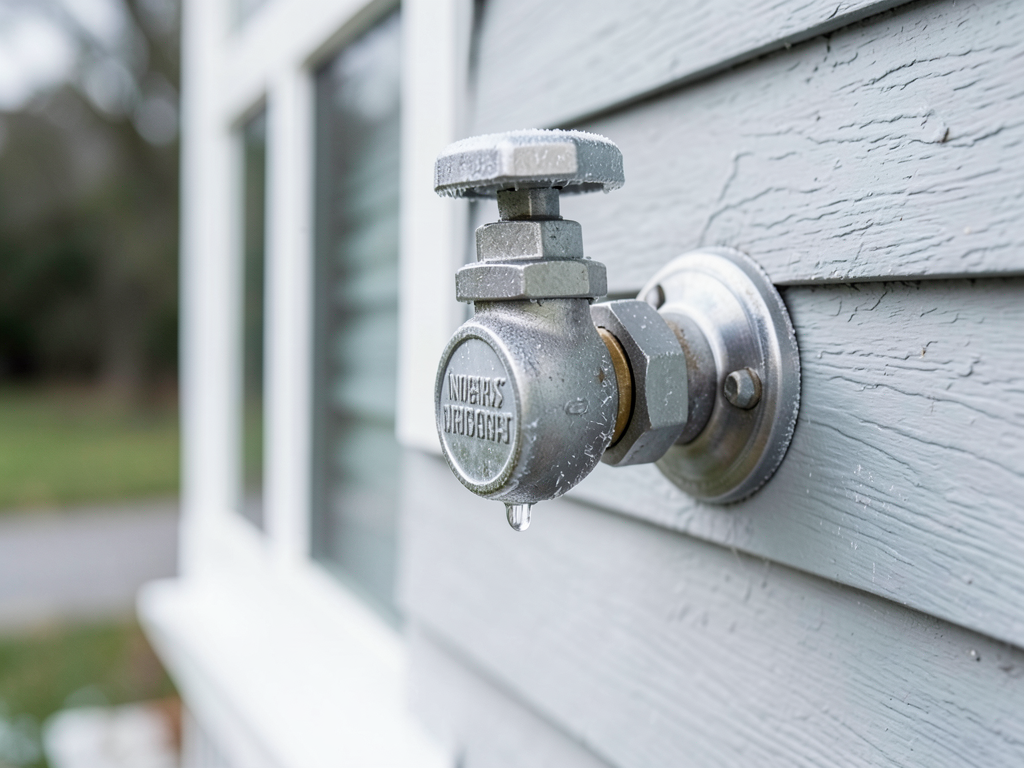
The Hidden Cost of Leaving Your Garden Hose Connected During an Indianapolis Winter Every fall…
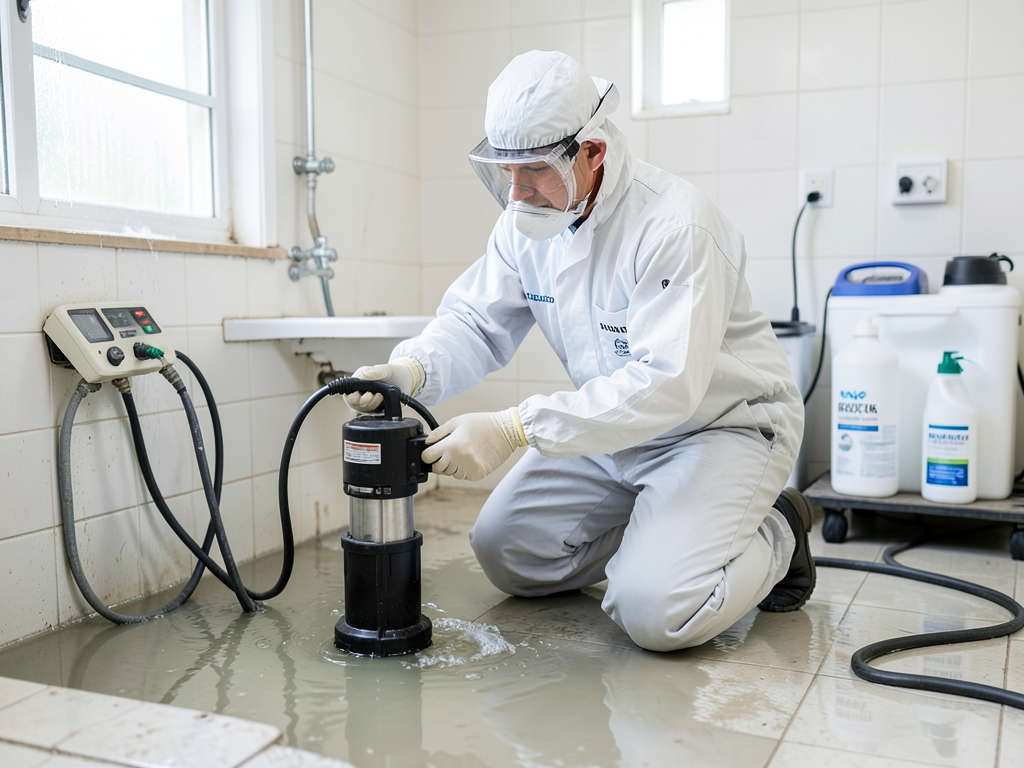
What to Do When Your Toilet Overflows and Drips Through the Ceiling in Fishers Water…
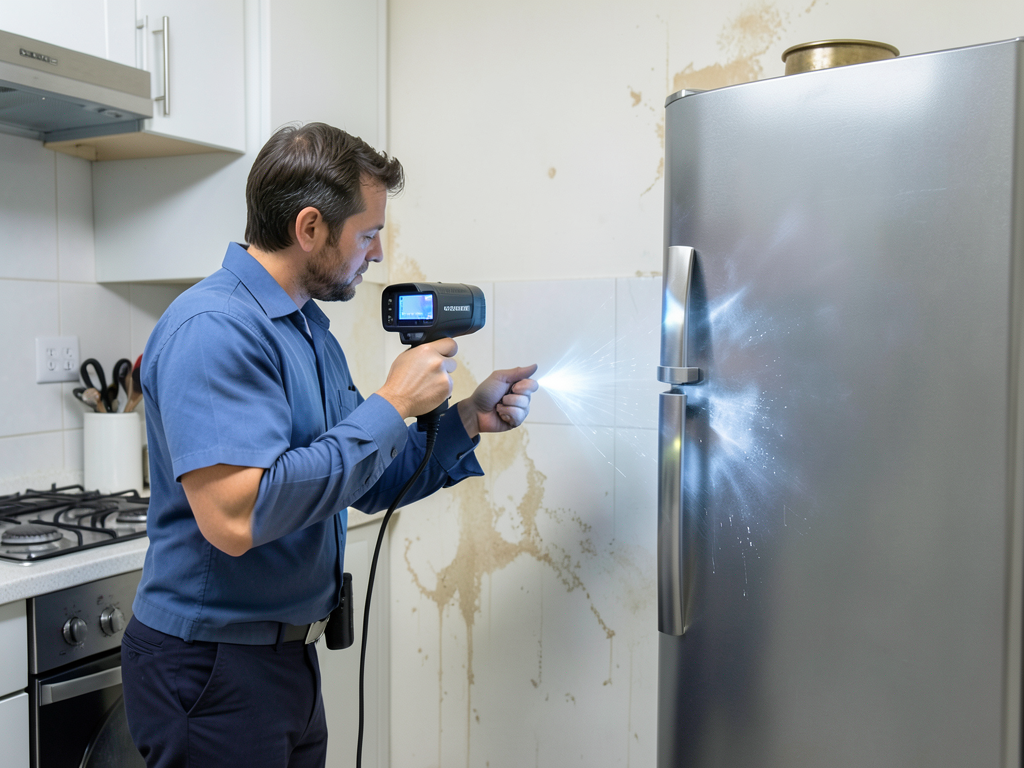
How Your Refrigerator Ice Maker Can Quietly Flood Your Kitchen in Carmel Your refrigerator's ice…
Every hour you wait, water spreads deeper into walls and flooring. Call Apex Water Damage Restoration Indianapolis at (317) 703-7676 right now for 60-minute emergency response. We dispatch immediately with industrial extraction equipment and certified technicians who stop damage before it becomes catastrophic.