menu

High Indoor Humidity Levels in Indianapolis – Expert Diagnosis and Permanent Solutions for Your Home

Apex Water Damage Restoration Indianapolis identifies the root causes of high indoor humidity levels and excessive indoor moisture in your home, protecting your health and property from mold, structural damage, and air quality problems.

Slider Image 1
Slider Image 2
Slider Image 3
Slider Image 4
Slider Image 5
Slider Image 7
Slider Image 8
Slider Image 9
Slider Image 10
Slider Image 11

Why Indianapolis Homes Struggle with Elevated Home Humidity

Indianapolis sits in a humid continental climate zone where summer dew points regularly climb into the uncomfortable 65-75°F range. This creates a persistent battle against excess humidity in house environments. The geography makes it worse. Indianapolis homes are often built over clay-heavy soil that retains water and pushes moisture up through foundation walls and basement floors through capillary action.

When outdoor humidity spikes during June through September, your HVAC system works overtime. If your system is undersized, aging, or has blocked condensate drains, it cannot remove enough moisture from indoor air. The result is high relative humidity indoors that feels sticky, smells musty, and creates the perfect breeding ground for mold spores.

You notice it first in the basement. That damp smell. Condensation on cold water pipes. Efflorescence (white powder) on concrete walls. Then it spreads upstairs. Windows fog up. Wood floors start cupping. Drywall feels soft to the touch. Paint peels near bathrooms and kitchens.

Indianapolis homeowners also face a seasonal challenge. Spring storms dump heavy rain that overwhelms gutters and grades, pushing water toward foundations. If your home lacks proper exterior drainage or has cracks in the foundation, groundwater seeps in and evaporates into your living space, driving up indoor moisture problems year-round.

The issue is not just comfort. Elevated home humidity above 60 percent allows dust mites to thrive, triggers asthma and allergies, and accelerates wood rot in floor joists and roof decking. Insurance companies see water damage claims spike in Indianapolis every summer for exactly this reason.

Why Indianapolis Homes Struggle with Elevated Home Humidity
How We Solve Excessive Indoor Moisture at the Source

How We Solve Excessive Indoor Moisture at the Source

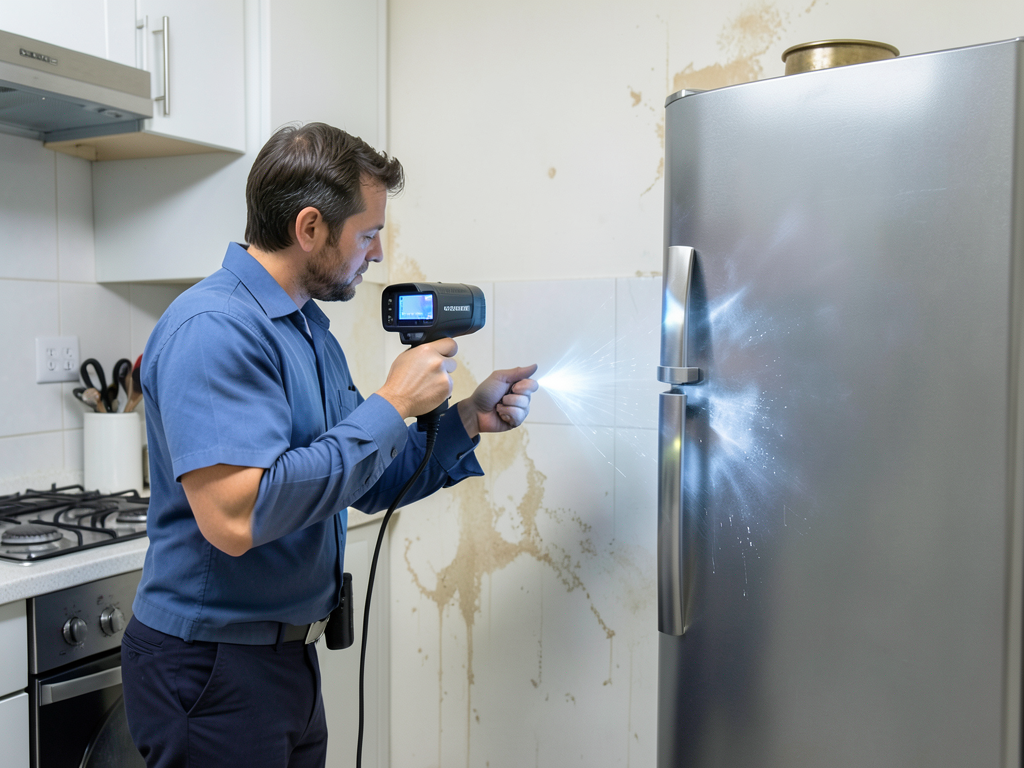
Apex Water Damage Restoration Indianapolis does not sell you a dehumidifier and walk away. We diagnose the source of indoor moisture problems using calibrated thermo-hygrometers, infrared thermal imaging cameras, and moisture meters that measure relative humidity at different elevations in your home. This tells us whether moisture is rising from the foundation, condensing from poor ventilation, or entering through building envelope failures.

We test your HVAC system capacity against your home's square footage and insulation values. An undersized air conditioner cannot dehumidify effectively. We check condensate drain lines for blockages and verify that your evaporator coil is clean and functioning. A dirty coil cannot condense moisture from air passing over it.

We inspect your crawl space and basement for groundwater intrusion, hydrostatic pressure signs, and vapor barrier failures. If your crawl space has exposed dirt, moisture evaporates directly into your home through floor cavities. We check sump pump operation, grading around the foundation, and downspout extensions. If water pools within six feet of your foundation, it will find a way inside.

We use blower door tests to measure air leakage rates. Homes that are too tight without mechanical ventilation trap humidity inside. Homes that are too leaky allow humid outdoor air to infiltrate and overwhelm your HVAC system. We identify the balance point specific to your home's construction and Indianapolis climate conditions.

Our solutions are layered. We address exterior drainage first. Then we seal foundation cracks and install vapor barriers. We verify HVAC performance and recommend supplemental dehumidification only when mechanical systems cannot keep up. We solve the problem, not the symptom.

What Happens During Your Humidity Assessment

High Indoor Humidity Levels in Indianapolis – Expert Diagnosis and Permanent Solutions for Your Home
01

Initial Moisture Mapping

We measure relative humidity in every room and at multiple heights using calibrated digital hygrometers. Basements, crawl spaces, attics, and living areas all get tested. We document readings and use infrared cameras to detect hidden moisture in walls, ceilings, and floors. This creates a moisture map showing where humidity enters and accumulates in your Indianapolis home.
02

Source Identification

We inspect your foundation, grading, gutters, HVAC system, plumbing, and building envelope. We test sump pumps, check crawl space ventilation, verify condensate drain function, and look for air leakage points. We identify whether your excess humidity in house comes from groundwater intrusion, poor ventilation, HVAC failure, or a combination. No guessing. We find the actual source.
03

Solution and Remediation Plan

You receive a written report with humidity readings, thermal images, and a prioritized action plan. We explain which repairs are critical and which are preventive. If mold growth is present, we outline remediation steps that meet IICRC S520 standards. You get a clear path forward with realistic timelines and cost factors, not a sales pitch.

Why Indianapolis Homeowners Choose Apex for Indoor Humidity Problems

Apex Water Damage Restoration Indianapolis has worked in Indianapolis homes for years. We know the building patterns in Broad Ripple, Fountain Square, and the older neighborhoods near downtown where homes were built before modern vapor barriers and foundation waterproofing became standard practice. We understand the difference between a 1920s bungalow with a limestone foundation and a 1980s ranch with a poured concrete basement. The solutions are not the same.

We know Indianapolis soil conditions. The clay-heavy ground in Marion County swells when wet and shrinks when dry, creating foundation movement and cracks that let groundwater seep in. We have seen how poor lot grading in new subdivisions pushes stormwater toward homes instead of away. We have pulled up carpets in finished basements that smell fine until you check the pad underneath and find it soaked from capillary rise.

We also understand Indianapolis weather patterns. The summer humidity is relentless. Spring storms drop two inches of rain in an hour. Fall brings temperature swings that cause condensation on cold surfaces. We design solutions that account for these seasonal stresses, not generic fixes that work in Phoenix but fail here.

Our team is trained in water damage restoration, mold remediation, and building science. We follow IICRC standards for inspection and remediation. We do not subcontract the important work. Our technicians handle the assessment, explain the findings in plain language, and execute the repairs. You deal with one team from start to finish.

We also work directly with your insurance company when elevated home humidity has caused secondary damage like mold growth or wood rot. We document everything with photos, moisture readings, and thermal images. You get the evidence you need to support your claim.

What to Expect When You Call Apex

Fast Response Time

We schedule your humidity assessment within 24 to 48 hours of your call. If you have an active water intrusion problem or visible mold growth, we move faster. Emergency situations get same-day response. We know that high relative humidity indoors creates health risks and structural damage that worsen every day. The assessment takes two to three hours depending on your home size and complexity. You get preliminary findings on-site before we leave.

Comprehensive Inspection Process

Our technician examines your entire home, not just the room where you noticed the problem. We check the attic for roof leaks and ventilation issues, inspect the HVAC system and ductwork, examine the foundation and crawl space, and test humidity levels throughout the home. We take photos and thermal images to document conditions. You receive a written report within 24 hours that explains what we found, why it matters, and what needs to happen next.

Targeted Solutions

We fix the source, not just the symptoms. If your high indoor humidity levels come from foundation seepage, we address exterior drainage, seal cracks, and install vapor barriers. If your HVAC system cannot keep up, we verify sizing and recommend supplemental dehumidification. If mold is present, we follow proper containment and remediation protocols. The result is a dry, healthy home with humidity levels between 30 and 50 percent year-round.

Follow-Up and Prevention

After remediation, we provide humidity monitoring recommendations and maintenance tips specific to Indianapolis climate conditions. We explain how to manage seasonal humidity swings, when to run your dehumidifier, and what warning signs to watch for. If we installed drainage improvements or vapor barriers, we explain how to inspect them annually. You also get direct contact information for our team if questions come up later or if you notice new moisture issues.

Frequently Asked Questions

You Have Questions,
We Have Answers

Why is my house 75% humidity? +

Your house hits 75% humidity when moisture sources overwhelm ventilation. Common culprits in Indianapolis include poor attic ventilation trapping humid summer air, basement moisture seeping through foundation walls, or AC units failing to dehumidify properly. Cooking, showering, and laundry add water vapor daily. Clay soil common in central Indiana holds water near foundations, pushing moisture through concrete. Check for leaks in crawl spaces, clogged condensate drains on HVAC systems, or inadequate bathroom exhaust fans. A whole-home dehumidifier or fixing ventilation issues typically drops levels back to healthy ranges between 30-50%.

What happens if indoor humidity is too high? +

High indoor humidity creates perfect conditions for mold growth within 24-48 hours on damp surfaces. You will notice condensation on windows, musty odors, and peeling paint. Dust mites thrive above 50% humidity, triggering allergies and asthma. Wood floors and furniture absorb moisture, causing warping and rot. In Indianapolis homes, excess humidity accelerates structural damage to wooden beams and drywall. Your HVAC system works harder, spiking energy bills, while failing to cool effectively. Respiratory issues worsen. Health risks multiply as airborne spores spread through ducts. Addressing humidity fast prevents costly repairs.

Can humidity cause nausea? +

Yes, high humidity can trigger nausea in sensitive individuals. When indoor air exceeds 60% humidity, your body struggles to regulate temperature through sweat evaporation. This heat stress causes dizziness, headaches, and nausea. Mold spores from humidity-driven growth release mycotoxins that irritate your respiratory system and stomach. Poor indoor air quality compounds the problem. Indianapolis summers already push outdoor humidity above 70%, so indoor levels climbing higher create genuine discomfort. If you feel nauseous primarily at home, check humidity levels with a hygrometer. Lowering moisture to 30-50% typically resolves symptoms within days.

What is the ideal humidity for a baby? +

Babies need indoor humidity between 30-50%, with 40-45% being optimal. This range keeps nasal passages moist without promoting mold growth or dust mites. Indianapolis winters dry out homes with forced-air heating, requiring humidifiers to prevent cracked skin and respiratory irritation. Summers require dehumidifiers as outdoor humidity spikes. Too high and your baby faces mold exposure, respiratory distress, and overheating since infants cannot regulate body temperature efficiently. Too low and congestion worsens. Use a hygrometer in the nursery. Run bathroom exhaust fans after baths to remove moisture spikes. Consistent levels protect developing lungs.

How do you fix high humidity in your house? +

Start by running bathroom and kitchen exhaust fans during and after use to expel moisture directly outside. Fix plumbing leaks immediately, especially in basements where Indianapolis clay soil pushes groundwater against foundations. Install a whole-home dehumidifier on your HVAC system or use portable units in problem areas. Ensure your AC drain line flows freely. Seal crawl spaces with vapor barriers to block soil moisture. Improve attic ventilation with ridge vents and soffit intake to prevent humid summer air from getting trapped. Clean gutters so water drains away from your foundation. These steps drop humidity to safe 30-50% levels.

Does opening a window reduce humidity? +

Opening windows reduces humidity only when outdoor air is drier than indoor air. In Indianapolis, this works during crisp fall days or winter cold snaps when outdoor humidity drops below 40%. Summer months bring outdoor humidity above 70%, so opening windows actually increases indoor moisture and forces your AC to work harder. Humid outdoor air floods in, condensing on cool surfaces. Spring and fall offer mixed results depending on daily weather. Check outdoor humidity before opening windows. Mechanical ventilation with exhaust fans or dehumidifiers provides reliable moisture control year-round regardless of outdoor conditions.

What is an unsafe indoor humidity level? +

Indoor humidity above 60% is unsafe and accelerates mold growth, dust mites, and structural damage. Levels exceeding 70% create emergency conditions where mold colonies establish within 24 hours. Your health suffers as respiratory irritants multiply. Wood rot begins damaging floor joists and wall studs. In Indianapolis homes, basements and crawl spaces often hit 80% during summer without dehumidification, threatening foundations. Below 30% is also problematic, drying out sinuses and cracking wood, but high humidity poses greater immediate risks. Maintain 30-50% humidity. Anything outside this range requires correction to protect your home and health.

Do dehumidifiers really work for humidity? +

Dehumidifiers work extremely well when sized correctly for your space. They pull moisture from air, condensing it into drain pans or hoses. A 50-pint unit handles most Indianapolis basements effectively. Whole-home systems integrated with HVAC treat entire houses automatically. You will see condensation disappear from windows, musty smells fade, and humidity readings drop within hours. Empty collection tanks daily or run continuous drain lines. Clean filters monthly for efficiency. In humid Indianapolis summers, dehumidifiers are essential for basement and crawl space moisture control. They prevent mold and protect belongings. Portable units cost less but require more maintenance than whole-home systems.

Can you get sick if your house is too humid? +

Yes, high humidity creates illness through multiple pathways. Mold spores trigger allergic reactions, asthma attacks, and respiratory infections. Dust mites thrive above 50% humidity, producing allergens that inflame airways. Bacteria and viruses survive longer in humid air, increasing infection risk. Your immune system weakens under heat stress when humidity prevents cooling through sweat. Indianapolis homes with basement moisture issues often harbor hidden mold behind walls, releasing toxins continuously. Symptoms include coughing, wheezing, headaches, fatigue, and skin rashes. Children and elderly face higher risks. Reducing humidity to 30-50% eliminates these breeding grounds and improves health noticeably within weeks.

How Indianapolis Climate and Construction Create Perfect Conditions for Indoor Moisture Problems

Indianapolis averages 42 inches of precipitation per year, with summer dew points that regularly exceed 65°F. This humid continental climate creates persistent moisture stress on homes. The seasonal freeze-thaw cycles crack foundation walls, allowing groundwater intrusion. Clay-heavy soil in Marion County swells when wet and shrinks when dry, creating foundation movement that opens new cracks every year. Older Indianapolis homes near downtown were built before modern waterproofing standards, with limestone or block foundations that wick moisture through capillary action. Even newer homes in subdivisions struggle with high relative humidity indoors because builders often skip proper lot grading and install undersized HVAC systems that cannot dehumidify effectively during peak summer humidity.

Apex Water Damage Restoration Indianapolis knows how local construction methods and Indianapolis weather patterns combine to create excess humidity in house environments. We have assessed hundreds of homes across Broad Ripple, Fountain Square, Carmel, and Fishers. We understand the difference between foundation types, HVAC system capacities, and drainage solutions that work in this specific climate. Local expertise matters because humidity problems in Indianapolis homes require solutions designed for heavy clay soil, seasonal storms, and high summer dew points. We do not apply generic fixes that work elsewhere but fail here.
Water Damage Restoration Services in The Indianapolis Area

We are proud to serve the entire Indianapolis area and surrounding communities, providing rapid-response water damage restoration right where you need it most. Our central location allows us to deploy our 24/7 emergency teams quickly across the region. View our service area on the map below and remember that wherever you are in the Indianapolis metropolitan area, Apex Water Damage Restoration Indianapolis is ready to deliver expert and trustworthy service to secure your home or business.

Address:
Apex Water Damage Restoration Indianapolis, 6767 E Washington St, Indianapolis, IN, 46219

Additional Services We Offer

Our news updates

Latest Articles & News from The Blogs

Is Crawl Space Encapsulation Worth the Investment for Your Home in Wynnedale? Crawl space encapsulation can save Wynnedale homeowners thousands…

Is Crawl Space Encapsulation Worth the Investment for Your Home in Wynnedale?

Is Crawl Space Encapsulation Worth the Investment for Your Home in Wynnedale? Crawl space encapsulation can save Wynnedale homeowners thousands…

How to Decide Which Water Damaged Items to Keep and Which to Throw Away

How to Decide Which Water Damaged Items to Keep and Which to Throw Away When water floods your Indianapolis home…

Battery Backup vs Water Powered Sump Pumps for Your Near Eastside Basement

Why Your Near Eastside Basement Needs a Reliable Backup Sump Pump Living in the Near Eastside means dealing with Indianapolis's…

Contact Us

High indoor humidity damages your home and health every day you wait. Call Apex Water Damage Restoration Indianapolis at (317) 703-7676 right now to schedule your comprehensive moisture assessment. We will identify the source, explain your options, and give you a clear path to a dry, healthy home.