menu

Efflorescence on Concrete in Indianapolis – Expert Diagnosis and Permanent Moisture Remediation

Apex Water Damage Restoration Indianapolis identifies the moisture source causing white powder on concrete and eliminates it at the foundation level, preventing recurring crystalline deposits across residential and commercial properties.

Slider Image 1
Slider Image 2
Slider Image 3
Slider Image 4
Slider Image 5
Slider Image 7
Slider Image 8
Slider Image 9
Slider Image 10
Slider Image 11

Why White Powder Keeps Appearing on Your Indianapolis Concrete

You scrub the white residue off your basement floor or garage slab, and two weeks later, it reappears. That frustrating cycle is efflorescence, and it signals a deeper moisture problem.

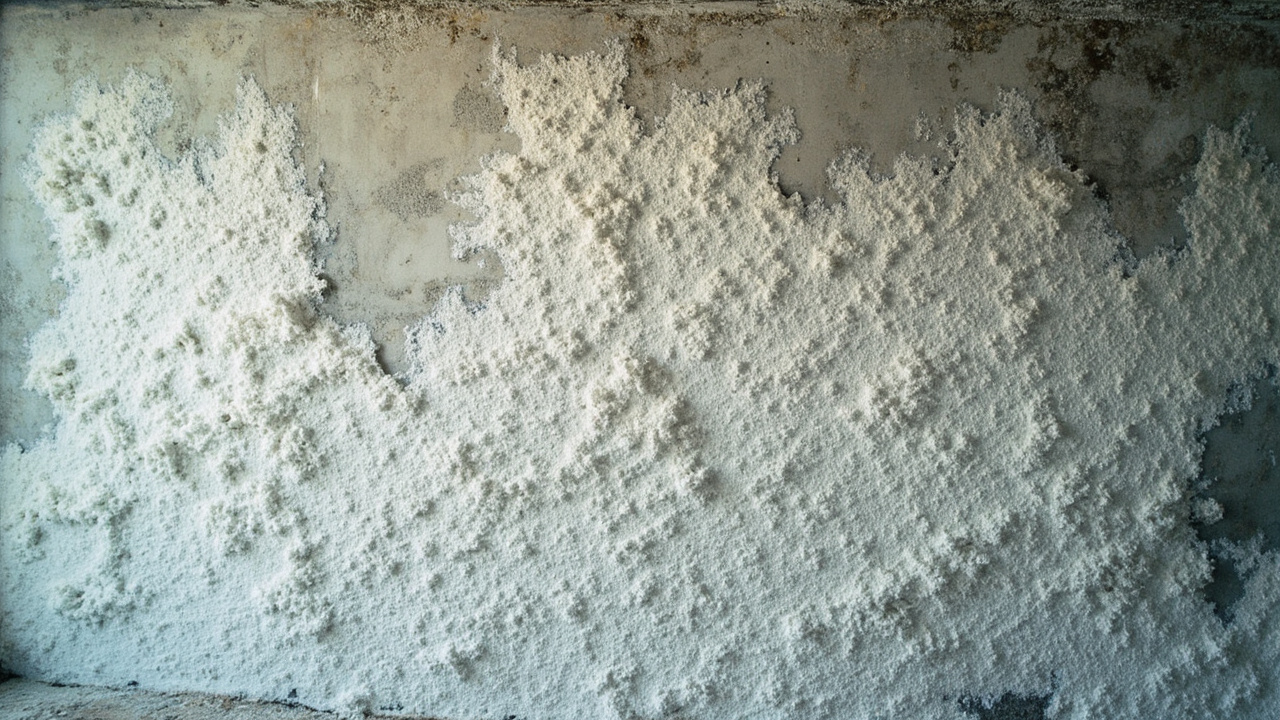
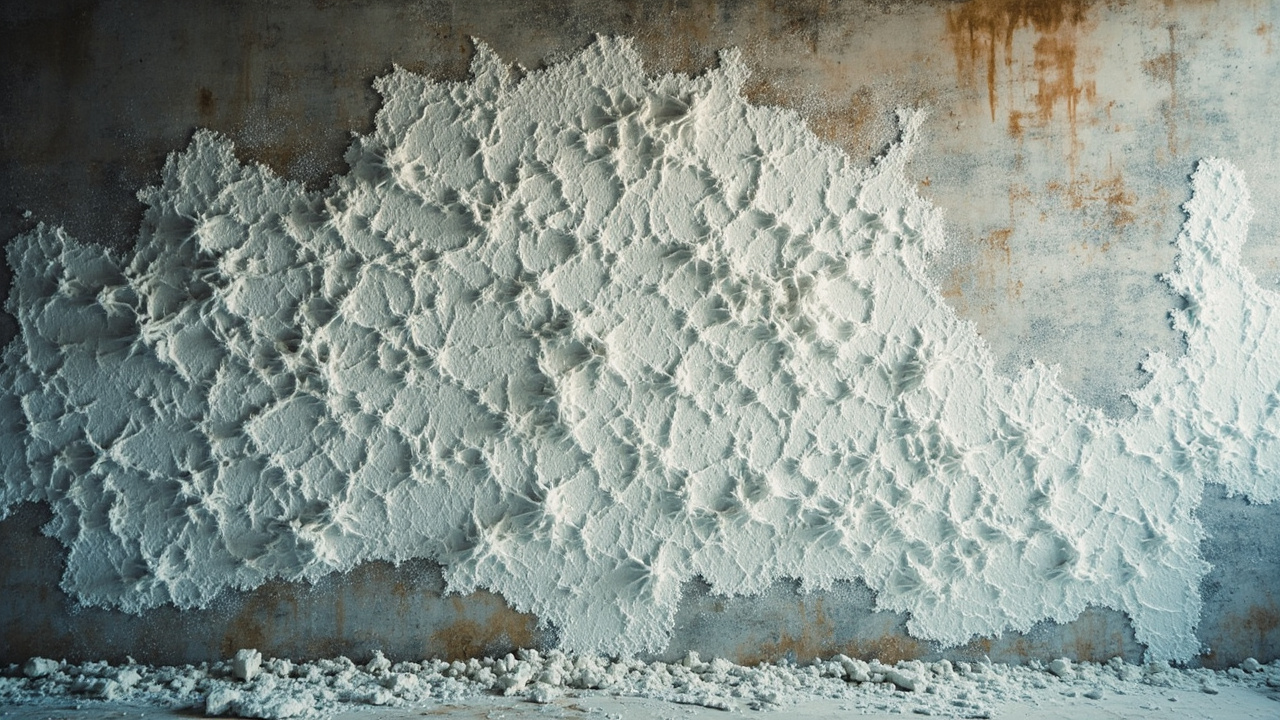
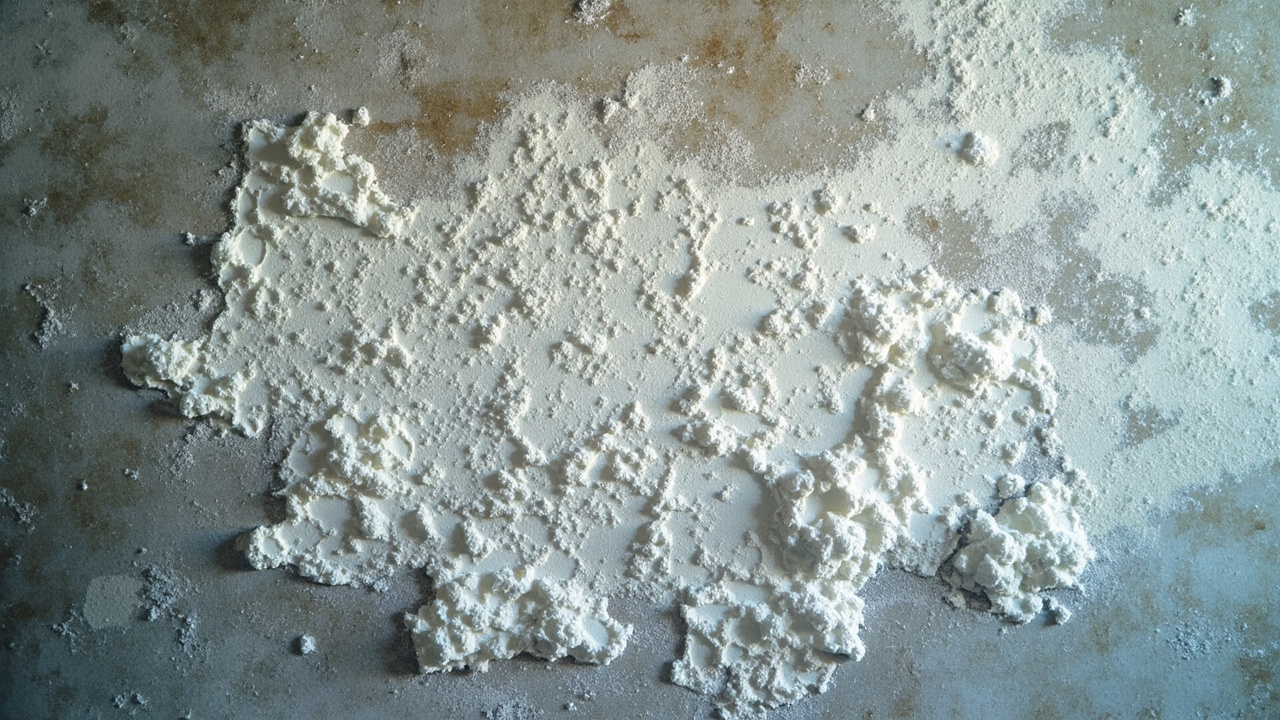
Efflorescence happens when water moves through concrete, dissolves mineral salts embedded in the material, and carries them to the surface. As the water evaporates, it leaves behind those white powder deposits. Indianapolis's clay-heavy soil exacerbates the issue. Clay expands when wet and contracts when dry, creating hydrostatic pressure against foundation walls. This pressure forces groundwater through porous concrete, especially in older basements built before modern waterproofing standards.

The freeze-thaw cycles common to central Indiana winters make it worse. Water seeps into concrete microcracks, freezes, expands, and widens those cracks. When temperatures rise, meltwater floods back through those same paths, depositing more mineral salts on the surface.

You will see concrete salt deposits most often on basement floors, garage slabs, retaining walls, and crawl space footings. The white crystalline deposits look harmless, but they indicate active water intrusion. Left unchecked, that moisture creates conditions for mold growth, wood rot in floor joists, and structural spalling where the concrete surface flakes away.

Efflorescence is not just cosmetic. It is a diagnostic clue. The white residue on concrete tells you exactly where water is entering your structure and how much volume is moving through. Addressing the symptom without fixing the moisture source guarantees the problem will return.

Why White Powder Keeps Appearing on Your Indianapolis Concrete
How We Stop Efflorescence by Eliminating the Moisture Source

How We Stop Efflorescence by Eliminating the Moisture Source

Most contractors clean the surface and call it done. We trace the water to its origin and stop it there.

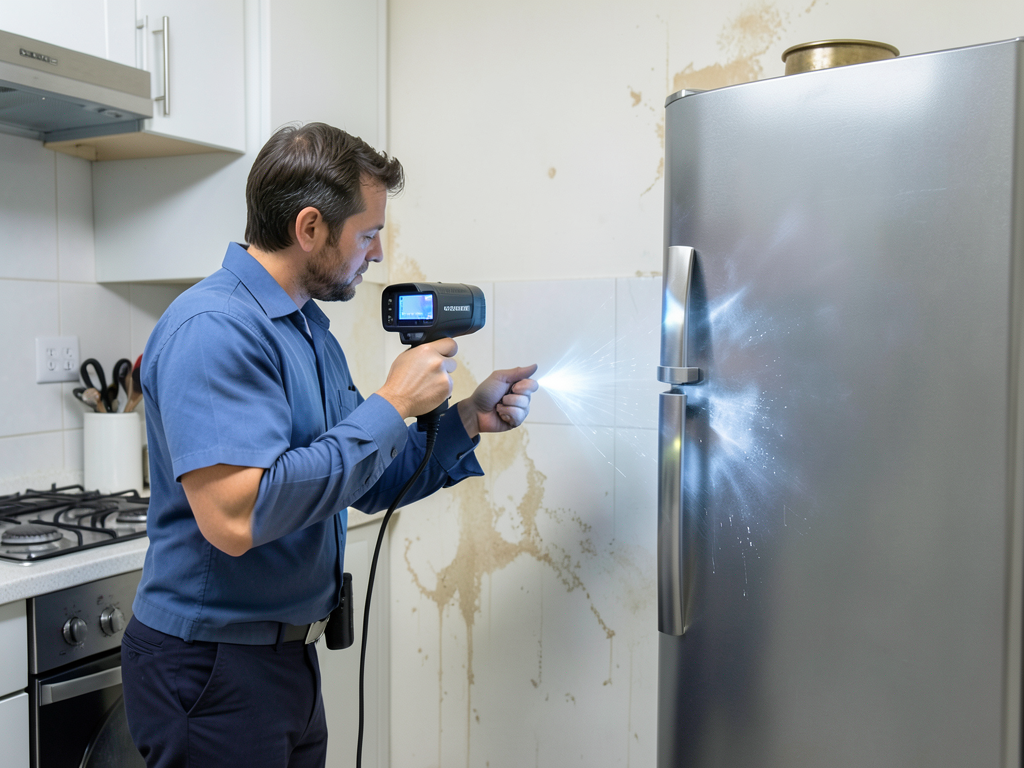
Our diagnostic process starts with moisture mapping using thermal imaging cameras and capacitance meters. We measure moisture content at multiple depths within the concrete slab and along foundation walls. This tells us whether water is wicking up from below the slab, penetrating laterally through walls, or condensing due to vapor transmission.

We pressure test floor drains, inspect sump pump discharge lines, and evaluate grading around the exterior perimeter. In Indianapolis, many properties have inadequate slope away from foundations, allowing stormwater to pool against basement walls. We also check downspout extensions, which often dump water too close to the structure.

If hydrostatic pressure is the culprit, we install interior drainage systems with perforated pipe along the footing perimeter, connected to a sump basin with a redundant pump system. For vapor transmission through slabs, we apply penetrating sealers or epoxy moisture barriers rated for specific vapor emission rates.

We do not guess. We measure vapor emission rates using calcium chloride tests or relative humidity probes embedded in the concrete. This data determines which sealer chemistry will hold under your specific moisture load.

If exterior waterproofing is required, we excavate down to the footing, apply rubberized membrane, install drainage board, and backfill with gravel to redirect water away from the foundation. We coordinate with local building inspectors to ensure compliance with Indianapolis's frost depth and drainage code requirements.

The white powder disappears permanently because we remove the water driving the process.

What Happens When You Call Us About Efflorescence

Efflorescence on Concrete in Indianapolis – Expert Diagnosis and Permanent Moisture Remediation
01

Site Assessment and Testing

We document the location and severity of all visible efflorescence, then use moisture meters and thermal cameras to map subsurface water movement. We measure concrete moisture content at the surface and six inches deep to determine if the source is rising damp, lateral seepage, or vapor transmission. You get a written report with moisture readings and photo documentation before we recommend any corrective work.
02

Source Identification and Remediation

We trace the water to its entry point, whether that is a cracked foundation wall, failed exterior grading, or inadequate subslab drainage. Depending on the diagnosis, we install interior perimeter drains, repair foundation cracks with polyurethane or epoxy injection, regrade exterior soil, or apply waterproof membranes. All drainage systems tie into code-compliant sump basins with battery backup pumps rated for Indianapolis's seasonal water table fluctuations.
03

Surface Treatment and Prevention

Once moisture levels drop below acceptable thresholds, we clean existing salt deposits using low-pressure washing or dry brushing, depending on surface condition. We then apply penetrating sealers or moisture vapor barriers matched to your concrete's permeability and measured vapor emission rate. You receive documentation of final moisture readings and a maintenance protocol to prevent recurrence. We schedule a follow-up inspection after the next heavy rain cycle.

Why Indianapolis Property Owners Choose Apex for Concrete Moisture Problems

Generic waterproofing companies treat efflorescence as a nuisance. We treat it as evidence.

Our technicians understand how Indianapolis's unique soil composition affects foundation drainage. The glacial till and clay soils common throughout Marion County have low permeability, meaning water does not drain away naturally. It sits against your foundation until hydrostatic pressure forces it through. We design drainage solutions that account for this local soil behavior.

We also understand how freeze-thaw cycles in central Indiana accelerate concrete deterioration. A hairline crack in October becomes a quarter-inch gap by March. We time exterior waterproofing projects to avoid freeze conditions and allow proper curing of sealants and membranes before winter arrives.

Our equipment includes commercial-grade dehumidifiers, negative air machines, and HEPA filtration to control humidity while we work. This prevents secondary mold growth in enclosed spaces where we are addressing moisture intrusion. We monitor ambient conditions throughout the remediation process to ensure you are not trading one problem for another.

We work directly with insurance adjusters when water damage is sudden and accidental, such as a sewer backup or sump pump failure. We document pre-loss conditions, quantify moisture damage using IICRC standards, and provide detailed scopes of work that align with Xactimate pricing. This reduces claim disputes and speeds up approval timelines.

You also get transparency on permitting. If your drainage work requires excavation near property lines or alters stormwater runoff, we pull the appropriate permits through the Indianapolis Department of Business and Neighborhood Services. No shortcuts. No code violations that come back to haunt you during a property sale.

What to Expect When You Work With Us

Response Time and Scheduling

We schedule your initial assessment within 48 hours of contact. Emergency moisture intrusion, such as active seepage flooding a basement, gets same-day response. Non-emergency efflorescence issues receive priority scheduling based on severity and weather conditions. We avoid starting exterior excavation work when heavy rain is forecasted or when ground frost makes proper compaction impossible. You get a realistic timeline based on current site conditions, not optimistic guesses. Most interior drainage installations take three to five days. Exterior waterproofing with excavation takes one to two weeks, depending on access and soil conditions.

Diagnostic Process and Reporting

Your assessment includes thermal imaging of all suspect areas, moisture content readings at multiple depths, and visual inspection of grading, gutters, and drainage systems. We provide a written report with annotated photos, moisture maps, and a prioritized list of contributing factors. You see exactly where water is entering and how much moisture is present. We explain the difference between cosmetic efflorescence and active structural damage. If your concrete shows spalling or delamination, we quantify the extent and recommend whether repair or replacement makes more sense. You get options, not sales pressure.

Work Quality and Standards

All drainage work meets or exceeds Indianapolis building code requirements for trench depth, pipe slope, and sump capacity. We use Schedule 40 PVC for perimeter drains, not corrugated flex pipe that clogs with sediment. Sump pumps include cast iron housings, not plastic, and we install them with check valves and battery backup systems. Waterproof membranes receive protection board before backfill to prevent punctures. We compact backfill in six-inch lifts to prevent settlement. Final grading achieves a minimum six-inch drop over the first ten feet away from your foundation. You get work that passes inspection the first time.

Documentation and Follow-Up

You receive final moisture readings, photos of completed work, and copies of all permits and inspections. We provide care instructions for sump pump maintenance and gutter cleaning schedules that prevent future problems. If you experience any recurrence of efflorescence within the first year after remediation, we return for a no-charge re-assessment to determine if additional work is needed or if a new moisture source has developed. Our goal is permanent resolution, not repeat business. We also provide referrals to structural engineers if we identify foundation movement or settling that requires professional evaluation beyond our scope.

Frequently Asked Questions

You Have Questions,
We Have Answers

Is efflorescence on concrete a problem? +

Efflorescence itself does not damage concrete. It signals a water problem. Salt deposits appear when water moves through concrete and evaporates on the surface. The white powder is harmless, but the moisture causing it can lead to cracking, spalling, or mold growth over time. In Indianapolis, freeze-thaw cycles and clay soil shifting create ongoing moisture pressure against basement walls and slabs. If you see recurring efflorescence, you need to address the water source. Ignore the root cause and you risk structural damage or flooding during heavy spring rains.

How do you fix efflorescence on concrete? +

Start with a stiff brush and water to scrub away loose deposits. For stubborn buildup, use a diluted vinegar solution or a concrete efflorescence cleaner. Rinse thoroughly. This removes the visible salt but does not fix the problem. You must stop water intrusion. Check for cracks, poor grading, or failed sump pumps. Indianapolis homes often need exterior drainage improvements or interior waterproofing due to high water tables and clay soil. Seal cracks and apply a waterproof coating only after the surface dries completely. Sealing over active moisture traps water inside.

Should efflorescence be removed? +

Yes. Remove efflorescence before it hardens and becomes difficult to clean. The salt itself does not harm concrete, but the water causing it does. Removing deposits also helps you monitor moisture levels. If efflorescence returns quickly, you have an active water problem that needs professional attention. In Indianapolis, basement moisture often worsens during spring thaw and summer humidity. Cleaning efflorescence regularly lets you see if your drainage fixes are working. Ignoring it means you miss early warning signs of foundation cracks, hydrostatic pressure, or failing waterproofing systems.

Can you seal concrete over efflorescence? +

No. Sealing concrete over efflorescence traps moisture beneath the surface. The sealer prevents evaporation, so water stays inside the concrete and pushes salt deposits deeper. This causes peeling, bubbling, or sealer failure within months. You must remove all efflorescence, identify the water source, and let the concrete dry completely before sealing. In Indianapolis, basements often need weeks to dry after heavy rain. Test moisture levels with a meter. If water intrusion continues, no sealer will hold. Fix drainage, repair cracks, and waterproof properly before applying any topical coating.

How do professionals remove efflorescence? +

Professionals use pressure washing, chemical cleaners, or mechanical brushing to remove heavy deposits. They then investigate the moisture source using thermal imaging or moisture meters. The goal is not just cleaning but stopping water intrusion. In Indianapolis, professionals often install interior drainage systems, sump pumps, or exterior French drains to redirect groundwater. They repair foundation cracks with epoxy or polyurethane injection. After the concrete dries, they apply breathable waterproof coatings or vapor barriers. Cleaning alone is a temporary fix. Professionals address the water problem to prevent efflorescence from returning.

Should I worry about efflorescence? +

Worry about the water, not the salt. Efflorescence is a symptom of moisture moving through concrete. Occasional light deposits after rain may not indicate serious damage. But recurring or heavy buildup means you have active water intrusion. In Indianapolis, persistent efflorescence in basements often signals foundation cracks, poor exterior grading, or failed gutters. Over time, this moisture can cause mold, rot floor joists, or crack foundation walls during freeze-thaw cycles. If you see efflorescence spreading or returning quickly, call a waterproofing professional. Early fixes cost less than foundation repair.

Does efflorescence indicate water damage? +

Yes. Efflorescence proves water is moving through concrete. The white powder forms when dissolved salts evaporate on the surface. That process requires moisture. In Indianapolis, efflorescence often appears after spring rains, snow melt, or summer storms. It signals cracks, leaks, or hydrostatic pressure from saturated clay soil. If you see efflorescence on basement walls, garage floors, or exterior slabs, you have a water management problem. The damage may not be visible yet, but ongoing moisture weakens concrete and creates conditions for mold growth or structural cracking.

How do I stop efflorescence from returning? +

Stop water intrusion at the source. Improve exterior grading so water drains away from the foundation. Clean gutters and extend downspouts at least six feet from the house. Seal foundation cracks with epoxy or polyurethane. Install a sump pump or interior drain tile system if groundwater pressure is high. In Indianapolis, clay soil holds water and pushes it against basement walls. You may need exterior waterproofing or a French drain. After fixing drainage, apply a breathable waterproof coating to the concrete. If moisture stops moving through, efflorescence stops forming.

What is the best efflorescence remover? +

Diluted white vinegar works well for light efflorescence. For heavy deposits, use a masonry cleaner or efflorescence remover with mild acid like phosphoric acid. Apply with a brush, let it sit briefly, then scrub and rinse thoroughly. Avoid muriatic acid unless you have experience. It etches concrete and creates fumes. In Indianapolis, many hardware stores carry concrete cleaners suitable for basement walls. The best remover depends on deposit thickness and concrete type. Always test a small area first. Remember, cleaning is temporary. You must fix the water source to prevent efflorescence from returning.

Does Drylok stop efflorescence? +

Drylok and similar masonry waterproofers can reduce moisture penetration but do not stop efflorescence if water intrusion continues. Drylok blocks water vapor from passing through painted surfaces. If hydrostatic pressure or active leaks push water through cracks, Drylok will fail and peel. You must remove all efflorescence, dry the surface completely, and fix the water source before applying Drylok. In Indianapolis, basement moisture often requires drainage improvements, not just paint. Drylok works best as a secondary barrier after proper waterproofing. It will not solve foundation cracks or groundwater problems alone.

How Indianapolis's Clay Soil and Seasonal Water Table Drive Concrete Efflorescence

Indianapolis sits on glacial till with heavy clay content, which expands significantly when saturated and shrinks during dry periods. This expansion creates hydrostatic pressure against foundation walls, forcing groundwater through porous concrete and depositing mineral salts as efflorescence. The White River and Fall Creek floodplains elevate the seasonal water table across much of Marion County, particularly in the Broad Ripple, Irvington, and Fountain Square neighborhoods. Spring snowmelt and summer thunderstorms spike the water table quickly, overwhelming older drainage systems that were never designed for modern stormwater volumes. Properties near Eagle Creek Reservoir and Geist Reservoir experience similar pressure due to elevated groundwater levels.

We have worked on foundations throughout Indianapolis, from pre-war bungalows in Meridian-Kessler to newer construction in Fishers and Carmel. We understand how local building practices have evolved and where older properties are most vulnerable. Many homes built before 1970 have no subslab vapor barrier and minimal exterior waterproofing. We also work with commercial property managers in the Massachusetts Avenue corridor and downtown to address efflorescence in older industrial buildings converted to office or retail space. Our familiarity with Indianapolis's permitting process and relationships with local inspectors streamlines approvals and keeps your project on schedule.
Water Damage Restoration Services in The Indianapolis Area

We are proud to serve the entire Indianapolis area and surrounding communities, providing rapid-response water damage restoration right where you need it most. Our central location allows us to deploy our 24/7 emergency teams quickly across the region. View our service area on the map below and remember that wherever you are in the Indianapolis metropolitan area, Apex Water Damage Restoration Indianapolis is ready to deliver expert and trustworthy service to secure your home or business.

Address:
Apex Water Damage Restoration Indianapolis, 6767 E Washington St, Indianapolis, IN, 46219

Additional Services We Offer

Our news updates

Latest Articles & News from The Blogs

Is Crawl Space Encapsulation Worth the Investment for Your Home in Wynnedale? Crawl space encapsulation can save Wynnedale homeowners thousands…

Is Crawl Space Encapsulation Worth the Investment for Your Home in Wynnedale?

Is Crawl Space Encapsulation Worth the Investment for Your Home in Wynnedale? Crawl space encapsulation can save Wynnedale homeowners thousands…

How to Decide Which Water Damaged Items to Keep and Which to Throw Away

How to Decide Which Water Damaged Items to Keep and Which to Throw Away When water floods your Indianapolis home…

Battery Backup vs Water Powered Sump Pumps for Your Near Eastside Basement

Why Your Near Eastside Basement Needs a Reliable Backup Sump Pump Living in the Near Eastside means dealing with Indianapolis's…

Contact Us

Do not waste time scrubbing white powder that will return in weeks. Call Apex Water Damage Restoration Indianapolis at (317) 703-7676 for a diagnostic assessment that identifies the moisture source and fixes it permanently. We answer calls seven days a week.