menu

Sanitization & Odor Removal in Indianapolis – Complete Disinfection and Deodorization After Water Damage

Professional antimicrobial treatment and odor control services that eliminate harmful pathogens, neutralize persistent smells, and restore indoor air quality after flooding, sewage backups, or prolonged moisture exposure in Indianapolis properties.

Slider Image 1
Slider Image 2
Slider Image 3
Slider Image 4
Slider Image 5
Slider Image 7
Slider Image 8
Slider Image 9
Slider Image 10
Slider Image 11

Why Indianapolis Water Damage Creates Serious Health Risks Without Proper Sanitization

Water damage in Indianapolis properties creates more than visible stains and warped floors. The high humidity levels throughout central Indiana, combined with seasonal temperature swings, turn damp building materials into breeding grounds for bacteria, viruses, and mold spores within 24 to 48 hours.

When water sits in crawl spaces near the White River floodplain or soaks through basement walls in Broad Ripple, the moisture penetrates porous materials like drywall, insulation, and subflooring. These materials trap organic matter that feeds microbial growth. The result is airborne pathogens that circulate through HVAC systems and compromise indoor air quality throughout your home or business.

Category 2 and Category 3 water intrusions, such as sewage backups or storm flooding along Fall Creek, introduce raw sewage, chemicals, and biological contaminants. Standard drying equipment removes moisture but leaves behind invisible contamination. You need proper disinfection and deodorization to eliminate these threats.

Persistent odors signal ongoing contamination. That musty smell in Fountain Square basements or the sour odor in Meridian-Kessler crawl spaces indicates active bacterial colonies or decomposing organic material. Surface cleaning does not solve the problem. You need antimicrobial treatment that penetrates affected materials and neutralizes pathogens at the source.

Indianapolis properties built on clay soil experience foundation shifting that creates cracks where contaminated water seeps in. Without professional sanitizing and deodorizing, these hidden moisture pockets remain contaminated long after visible water disappears. Apex Water Damage Restoration Indianapolis uses EPA-registered disinfectants and hospital-grade odor abatement technology to ensure complete pathogen elimination and safe indoor environments.

Why Indianapolis Water Damage Creates Serious Health Risks Without Proper Sanitization
Our Multi-Stage Sanitization Process Eliminates Pathogens and Neutralizes Odors Permanently

Our Multi-Stage Sanitization Process Eliminates Pathogens and Neutralizes Odors Permanently

Effective sanitization requires more than spraying disinfectant on visible surfaces. Apex Water Damage Restoration Indianapolis uses a systematic approach that addresses contamination in building materials, air systems, and hidden structural cavities.

We start with containment. Before applying antimicrobial agents, we isolate affected areas using negative air pressure and physical barriers. This prevents cross-contamination to unaffected spaces and stops airborne pathogens from spreading through your property during treatment.

Next, we apply EPA-registered antimicrobial solutions formulated for specific contamination types. Category 2 gray water requires different disinfectants than Category 3 black water. We select agents proven effective against bacteria, viruses, and fungal spores while remaining safe for occupants after proper drying time. These solutions penetrate porous materials like wood framing, drywall, and insulation where pathogens hide.

For persistent odors, surface treatments fail because smell molecules bond to building materials at the molecular level. We use hydroxyl generators and ozone machines that break down odor-causing compounds through oxidation. These systems neutralize smells in furniture, carpets, and structural materials without masking agents or fragrances that only hide problems temporarily.

Air scrubbers with HEPA filtration run continuously during treatment, capturing airborne contaminants and circulating treated air throughout affected spaces. This ensures complete air quality restoration, not just surface sanitization.

We also treat HVAC systems separately. Ductwork and air handlers spread contamination rapidly if left untreated. Our technicians clean and disinfect these systems to prevent recontamination after restoration work finishes.

Final verification uses ATP testing to measure remaining biological contamination. This scientific validation confirms antimicrobial treatment succeeded before we clear the space for reoccupancy. You get documented proof your property is safe, not just our word.

What Happens During Professional Odor Control and Antimicrobial Treatment

Sanitization & Odor Removal in Indianapolis – Complete Disinfection and Deodorization After Water Damage
01

Contamination Assessment and Documentation

Our technicians identify contamination sources, water category classification, and affected material types. We document pre-treatment conditions with photos and moisture readings. This assessment determines which antimicrobial agents and odor control methods your property requires. We test air quality and surface contamination levels to establish baseline measurements for post-treatment verification.
02

Application of Antimicrobials

We apply EPA-registered disinfectants using electrostatic sprayers that coat all surfaces evenly, including hard-to-reach areas behind walls and under flooring. Hydroxyl generators or ozone machines run in sealed spaces to oxidize odor molecules embedded in porous materials. Air scrubbers with HEPA filters capture airborne pathogens during treatment. This phase typically runs 24 to 72 hours depending on contamination severity and property size.
03

Verification and Clearance Testing

After treatment, we conduct ATP surface testing to measure remaining biological activity. Air quality tests confirm pathogen levels meet safe reoccupancy standards. We remove containment barriers only after verification confirms successful sanitization. You receive a detailed report documenting pre-treatment conditions, treatment methods used, and post-treatment test results. This documentation satisfies insurance requirements and proves your property is safe for occupancy.

Why Indianapolis Properties Need Local Expertise for Sanitization and Odor Removal

Indianapolis water damage restoration requires understanding local building construction, regional climate patterns, and municipal codes that affect proper sanitization procedures. Properties in Irvington, Butler-Tarkington, and other historic neighborhoods contain older building materials that absorb contamination differently than modern construction. These homes need tailored antimicrobial treatment approaches that protect original materials while ensuring complete disinfection.

Central Indiana's climate creates specific challenges for odor control. High summer humidity slows drying times and allows bacterial growth to accelerate. Winter freeze-thaw cycles cause pipe bursts that flood basements with contaminated water from compromised sewer lines. Apex Water Damage Restoration Indianapolis knows these patterns and adjusts treatment protocols accordingly.

We maintain relationships with Indianapolis building inspectors and understand Marion County health department requirements for commercial properties. Restaurants, medical offices, and multi-family buildings face strict sanitization standards after water damage. Our treatments meet these regulatory requirements, and we provide documentation needed for occupancy permits and health inspections.

Local properties built on expansive clay soil experience foundation movement that creates hidden pathways for contaminated water. We know where to look for these concealed moisture pockets in Carmel, Fishers, and downtown Indianapolis buildings. Generic restoration companies miss these areas, leaving contamination that causes recurring odor problems months after initial treatment.

Our technicians train specifically on Indiana building codes and understand how local construction practices affect water intrusion patterns. We know which neighborhoods experience frequent basement flooding due to inadequate drainage systems installed during rapid suburban expansion. This knowledge speeds diagnosis and ensures we treat all affected areas, not just visible damage.

You need a restoration company that understands Indianapolis properties, not a national franchise applying one-size-fits-all protocols. Local expertise means faster response, more accurate assessment, and treatment methods proven effective in central Indiana conditions.

What to Expect During Sanitization and Odor Removal Services

Rapid Response and Service Timeline

We dispatch technicians to Indianapolis properties within 60 minutes of your call. Initial assessment takes one to two hours, depending on property size and damage extent. Antimicrobial application begins immediately after containment setup. Most residential sanitization projects finish within 24 to 72 hours. Commercial properties or severe contamination cases may require three to five days for complete treatment and verification testing. We work around your schedule to minimize disruption and maintain clear communication throughout the process about expected completion times.

Detailed Contamination Assessment

Our assessment identifies water category, contamination spread, and materials requiring treatment or removal. We use moisture meters, thermal imaging, and air quality monitors to detect hidden contamination in wall cavities, subfloors, and HVAC systems. You receive a written scope of work explaining which areas need sanitization, why specific antimicrobial agents were selected, and what odor control methods your property requires. This transparency helps you understand the process and provides documentation for insurance claims. We answer all questions before starting work.

Verified Clean and Safe Results

Complete sanitization means eliminating pathogens, not just removing visible water and debris. We use ATP testing to measure biological contamination on surfaces before and after treatment. Air quality testing confirms airborne pathogen levels meet safe reoccupancy standards. You receive lab reports and photographic documentation showing treatment success. Odor control verification involves occupant walkthroughs to confirm smells are eliminated, not masked. If odors persist after initial treatment, we identify the source and apply additional measures at no extra charge until you confirm complete odor elimination.

Post-Treatment Monitoring and Support

After sanitization completes, we provide guidance on preventing future contamination and maintaining indoor air quality. We schedule follow-up visits to verify odors have not returned and moisture levels remain stable. If you notice any recurring smells or moisture problems within 30 days of treatment, we return to reassess the situation and determine if additional treatment is needed. Our detailed documentation supports insurance claims and provides proof of professional remediation if you sell your property. We remain available to answer questions about maintaining your newly sanitized space.

Frequently Asked Questions

You Have Questions,
We Have Answers

What is the strongest odor eliminator? +

Professional-grade hydroxyl generators and thermal foggers are the strongest odor eliminators for severe contamination. These machines neutralize odor molecules at the molecular level rather than masking them. For Indianapolis homes dealing with flood damage or sewage backups, hydroxyl technology works faster than ozone and allows occupancy during treatment. Commercial enzyme cleaners break down organic matter causing persistent smells. Activated carbon filtration removes airborne particles. The strongest solution depends on the source. Smoke damage requires different chemistry than biological contamination. Professional restoration teams assess the odor type first, then deploy targeted equipment to eliminate it permanently.

What do nursing homes use to get rid of urine smell? +

Nursing homes in Indianapolis use enzyme-based cleaners that break down uric acid crystals causing ammonia odors. These bio-enzymatic formulas digest organic waste rather than cover it up. Facilities also deploy air scrubbers with HEPA and carbon filtration to remove airborne particles. Hydroxyl generators provide continuous odor neutralization in occupied spaces. Staff apply encapsulating agents to porous surfaces like grout and subflooring where urine penetrates. For severe contamination, professionals extract affected padding and treat concrete with antimicrobial sealers. The combination of enzymatic cleaning, air filtration, and moisture control prevents odor recurrence in high-humidity conditions common to Indiana.

How do I permanently get rid of a bad smell in my house? +

Permanently removing household odors requires identifying and eliminating the source, not masking it. Start by checking for water damage in basements, crawl spaces, and around HVAC systems. Indianapolis homes with high humidity often develop mold in attics or behind walls. Remove contaminated materials like carpet padding, drywall, or insulation harboring bacteria. Clean all surfaces with enzyme cleaners that digest organic matter. Seal porous materials like concrete with encapsulating primers. Use hydroxyl generators or ozone machines in unoccupied spaces to neutralize remaining molecules. Install proper ventilation and dehumidifiers to prevent moisture buildup. Professional assessment identifies hidden sources homeowners miss.

What do nurses use to block smells? +

Nurses use mentholated ointments like Vicks VapoRub under their nostrils to block strong odors during patient care. This creates a barrier scent that overpowers unpleasant smells. Many also apply peppermint or eucalyptus essential oils to masks. Charcoal-lined masks filter odor particles more effectively than standard surgical masks. Some carry scented alcohol prep pads to inhale before entering rooms. These are temporary solutions for immediate relief. For persistent odor issues in Indianapolis healthcare facilities, professionals deploy air scrubbers and hydroxyl generators that actively neutralize odor molecules rather than just blocking them from the nose.

What kills all smells? +

No single product kills all smells because odors come from different chemical sources requiring specific treatments. Hydroxyl generators neutralize the widest range of odor molecules through oxidation. Ozone machines destroy organic compounds but require vacant spaces. Enzyme cleaners digest biological matter like urine, feces, and food waste. Thermal fogging penetrates porous materials smoke odors cling to. Activated carbon absorbs volatile organic compounds. Indianapolis homes with water damage need antimicrobial treatments for mold odors. Professional restoration teams identify the odor source first, then select the appropriate chemistry and equipment. Combining multiple methods addresses complex contamination more effectively than any single approach.

What do realtors use to make a house smell good? +

Realtors in Indianapolis use neutral air fresheners, open windows for cross-ventilation, and bake cookies before showings to create welcoming scents. Professional home stagers deploy plug-in diffusers with subtle vanilla or citrus oils. For homes with pet or smoke odors, agents hire restoration companies to deep clean carpets and treat surfaces with enzyme cleaners before listing. Hydroxyl generators eliminate persistent odors without leaving chemical residues. Painting with odor-sealing primers traps smells in walls. Smart agents address odor sources rather than mask them. Buyers notice the difference between fresh air and artificial fragrance covering problems. Proper remediation protects sale value.

What is the old lady's smell called? +

The smell associated with elderly individuals is called nonenal. This odor comes from 2-nonenal, a chemical compound produced when omega-7 unsaturated fatty acids in skin break down through oxidation. Production increases after age 40. The scent intensifies in poorly ventilated spaces common in older Indianapolis homes. It clings to fabrics, carpets, and bedding. Regular cleaning with enzyme-based detergents helps. Improving air circulation reduces concentration. Washing fabrics in hot water with oxygen bleach removes buildup. For estate cleanouts or senior living transitions, professional deodorization with hydroxyl generators eliminates nonenal from walls and furnishings without harsh chemicals.

How do professionals remove pee smell? +

Professionals remove urine odor by extracting contaminated materials and treating surfaces at the molecular level. First, moisture meters locate all affected areas, including subflooring and wall cavities. They extract saturated carpet padding and treat concrete with enzyme cleaners that digest uric acid crystals. For Indianapolis homes with humidity issues, antimicrobial sealers prevent bacterial growth. Hydroxyl generators neutralize remaining odor molecules in the air and porous materials. UV lighting identifies hidden contamination. Thermal imaging detects moisture inside walls. Professionals measure humidity levels and deploy dehumidifiers to prevent recurrence. Simply cleaning surfaces leaves crystals deep in materials that reactivate with moisture.

What do morticians use to block smells? +

Morticians use mentholated ointments, scented masks, and ventilation systems to manage odors during embalming procedures. Formaldehyde-based embalming fluids preserve tissue and mask decomposition smells. Facilities install commercial air scrubbers with carbon filtration and ozone generators in preparation rooms. For accident or decomposition cases, they apply masking agents and enzyme sprays before transport. Indianapolis funeral homes maintain negative air pressure in embalming areas to contain odors. These are professional-grade solutions for extreme conditions. For homes dealing with undiscovered death cleanup, restoration companies use similar hydroxyl technology and enzymatic treatments to eliminate biological odors and sanitize affected spaces.

What is the hardest smell to get rid of in a house? +

Smoke damage is the hardest smell to remove because microscopic particles penetrate every porous surface in a home. Soot embeds in drywall, insulation, ductwork, and subflooring. Indianapolis homes with HVAC systems spread smoke throughout during fires. The odor reactivates with heat and humidity. Complete removal requires thermal fogging to penetrate materials, ozone treatment in unoccupied spaces, sealing walls with encapsulating primers, and duct cleaning. Professionals often remove insulation and treat framing. Partial cleaning fails because untreated areas continue releasing odor. Pet urine in concrete and decomposition odors also require extensive material removal and sealing.

How Indianapolis Humidity and Flood-Prone Areas Increase Sanitization Needs

Indianapolis sits in a humid continental climate zone where summer dew points regularly exceed 65 degrees, creating ideal conditions for rapid bacterial growth after water intrusions. Properties near the White River, Fall Creek, and Eagle Creek floodplains experience seasonal flooding that introduces contaminated water carrying agricultural runoff, sewage, and industrial pollutants. Broad Ripple, Riverside, and areas along the Monon Trail see repeated basement flooding during spring storms. These flood-prone neighborhoods require more aggressive antimicrobial treatment because contaminated water carries higher pathogen loads than clean water from pipe bursts or roof leaks.

Marion County building codes require professional sanitization documentation for rental properties and commercial buildings after water damage. Landlords need proof of proper disinfection before re-renting units. Commercial properties must satisfy health department inspections showing contaminated spaces were properly treated. Apex Water Damage Restoration Indianapolis provides the detailed reports and certification local inspectors require. We understand Indianapolis municipal requirements and ensure our sanitization protocols meet or exceed these standards. This local knowledge protects you from code violations and occupancy permit delays.
Water Damage Restoration Services in The Indianapolis Area

We are proud to serve the entire Indianapolis area and surrounding communities, providing rapid-response water damage restoration right where you need it most. Our central location allows us to deploy our 24/7 emergency teams quickly across the region. View our service area on the map below and remember that wherever you are in the Indianapolis metropolitan area, Apex Water Damage Restoration Indianapolis is ready to deliver expert and trustworthy service to secure your home or business.

Address:
Apex Water Damage Restoration Indianapolis, 6767 E Washington St, Indianapolis, IN, 46219

Additional Services We Offer

Our news updates

Latest Articles & News from The Blogs

The Hidden Cost of Leaving Your Garden Hose Connected During an Indianapolis Winter Every fall Indianapolis homeowners face the same…

The Hidden Cost of Leaving Your Garden Hose Connected During an Indianapolis Winter

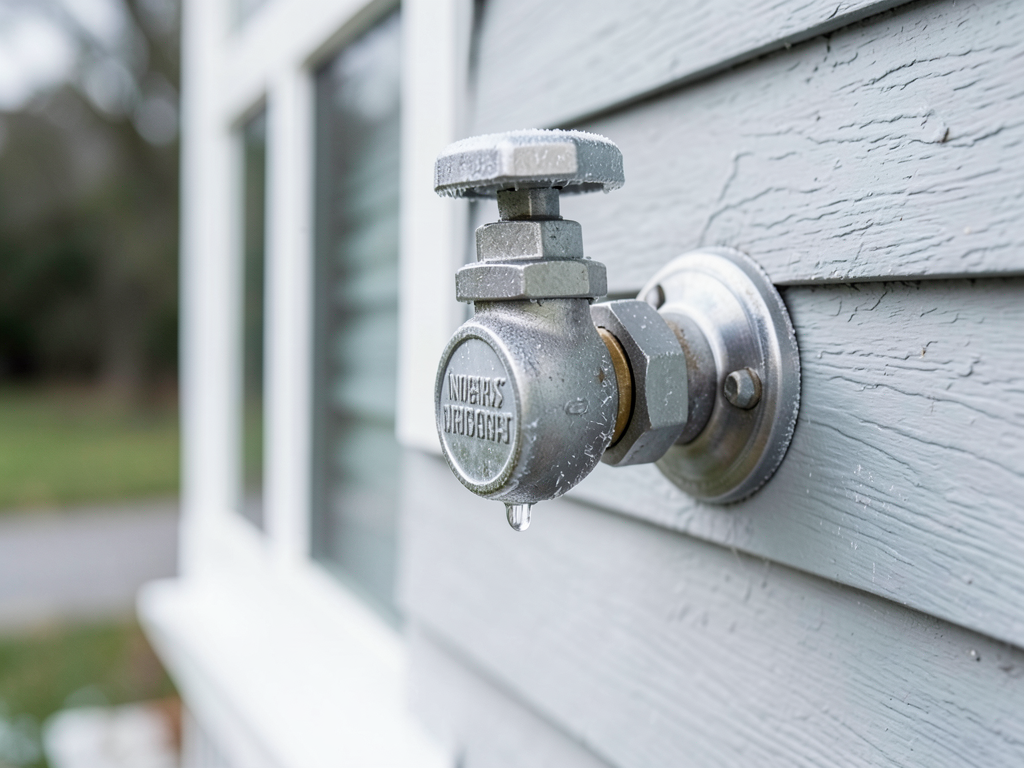
The Hidden Cost of Leaving Your Garden Hose Connected During an Indianapolis Winter Every fall Indianapolis homeowners face the same…

What to Do When Your Toilet Overflows and Drips Through the Ceiling in Fishers

What to Do When Your Toilet Overflows and Drips Through the Ceiling in Fishers Water from a toilet overflow creates…

How Your Refrigerator Ice Maker Can Quietly Flood Your Kitchen in Carmel

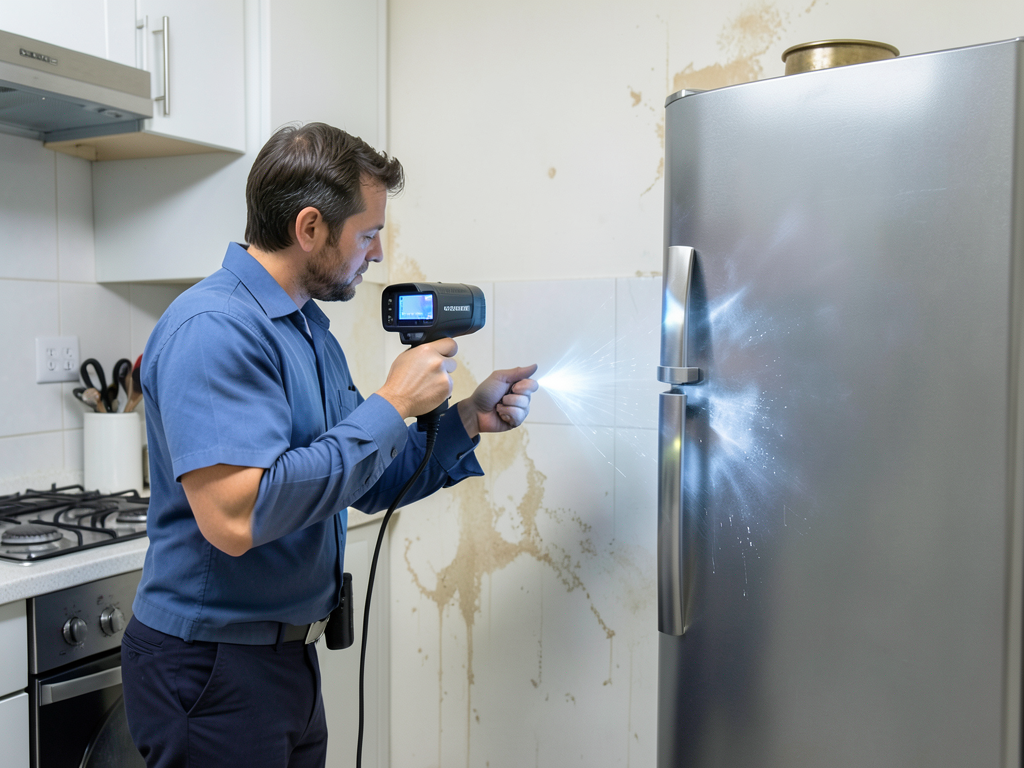
How Your Refrigerator Ice Maker Can Quietly Flood Your Kitchen in Carmel Your refrigerator's ice maker can leak for weeks…

Contact Us

Do not let contaminated water threaten your health or property value. Call Apex Water Damage Restoration Indianapolis at (317) 703-7676 for immediate sanitization services. We respond within 60 minutes and provide verified clean results with documented proof of successful treatment.