menu

School & University Restoration in Indianapolis – Minimizing Campus Downtime with 24/7 Emergency Response

When water damage strikes your educational facility, every hour of disruption affects student learning, faculty operations, and institutional liability. Our school and university restoration services protect Indianapolis campuses with rapid mobilization, scalable crews, and strict adherence to safety protocols that keep your academic mission on track.

Slider Image 1
Slider Image 2
Slider Image 3
Slider Image 4
Slider Image 5
Slider Image 7
Slider Image 8
Slider Image 9
Slider Image 10
Slider Image 11

Why Educational Facilities in Indianapolis Face Unique Water Damage Risks

Indianapolis educational institutions manage aging infrastructure across sprawling campuses. Freeze-thaw cycles during January and February stress pipe joints in buildings constructed before 1980. The White River watershed's high water table compounds basement flooding risks in dormitories and libraries built near canal systems.

When a burst pipe floods a classroom wing at 3 a.m., administrators face immediate operational decisions. Do you close the building? How do you relocate classes? What about mold liability if remediation drags past 72 hours? Educational facility water damage restoration demands more than extraction equipment. It requires coordinated logistics that account for student safety, ADA compliance in evacuation routes, and preservation of irreplaceable research materials.

University flood cleanup services must operate around academic calendars. A flooded science lab during finals week creates cascading problems. Apex Water Damage Restoration Indianapolis understands the stakes. We deploy crews trained in institutional protocols, from containment barriers that isolate affected zones to documentation systems that satisfy insurance adjusters and state facility inspectors.

Indianapolis schools also manage Title IX compliance during restoration. Water damage in locker rooms or residence halls requires gender-specific access controls during repairs. Our project managers coordinate with campus security to maintain these boundaries while executing college campus water remediation on accelerated timelines.

The district's clay soil causes differential settlement in older buildings. Foundation shifts crack waste lines, creating slow leaks that rot structural members before anyone notices. School disaster recovery services must address both the visible water and the hidden decay that threatens long-term building integrity.

Why Educational Facilities in Indianapolis Face Unique Water Damage Risks
How Professional Academic Building Restoration Protects Institutional Operations

How Professional Academic Building Restoration Protects Institutional Operations

Academic building water damage repair follows protocols distinct from commercial office restoration. We begin with zone isolation using negative air pressure containment. This prevents airborne contaminants from migrating into occupied corridors where students and staff continue daily activities. HEPA filtration removes particulates down to 0.3 microns, meeting LEED indoor air quality standards many Indianapolis institutions maintain.

Our moisture mapping uses thermal imaging and penetrating moisture meters to identify saturation in masonry walls common to pre-war campus buildings. Water wicks vertically through porous brick, creating mold growth two floors above the initial leak. Surface drying misses these reservoirs. We drill strategic test holes and insert probes that measure moisture content at varying depths, ensuring complete drying before reconstruction begins.

Structural drying in educational facilities requires calculated airflow management. We position axial air movers to create laminar flow patterns that maximize evaporation without creating cross-contamination between zones. Desiccant dehumidifiers pull moisture from the air more aggressively than refrigerant models, crucial when drying must occur during occupied hours without excessive noise disruption.

Document and equipment salvage separates competent contractors from specialists. When library collections or laboratory instruments face water exposure, we deploy pack-out teams within four hours. Materials go to climate-controlled facilities where freeze-drying and specialized cleaning prevent total loss. This service often recovers 70 to 85 percent of affected items, dramatically reducing replacement costs for budget-constrained institutions.

We coordinate with Indianapolis-area mechanical contractors to address source failures. A corroded boiler feed line that caused the flooding gets replaced during restoration, not after. This integrated approach prevents recurrence and satisfies underwriters who scrutinize claims for preventable losses.

How Campus Water Damage Restoration Unfolds from Emergency Call to Full Operation

School & University Restoration in Indianapolis – Minimizing Campus Downtime with 24/7 Emergency Response
01

Immediate Threat Assessment

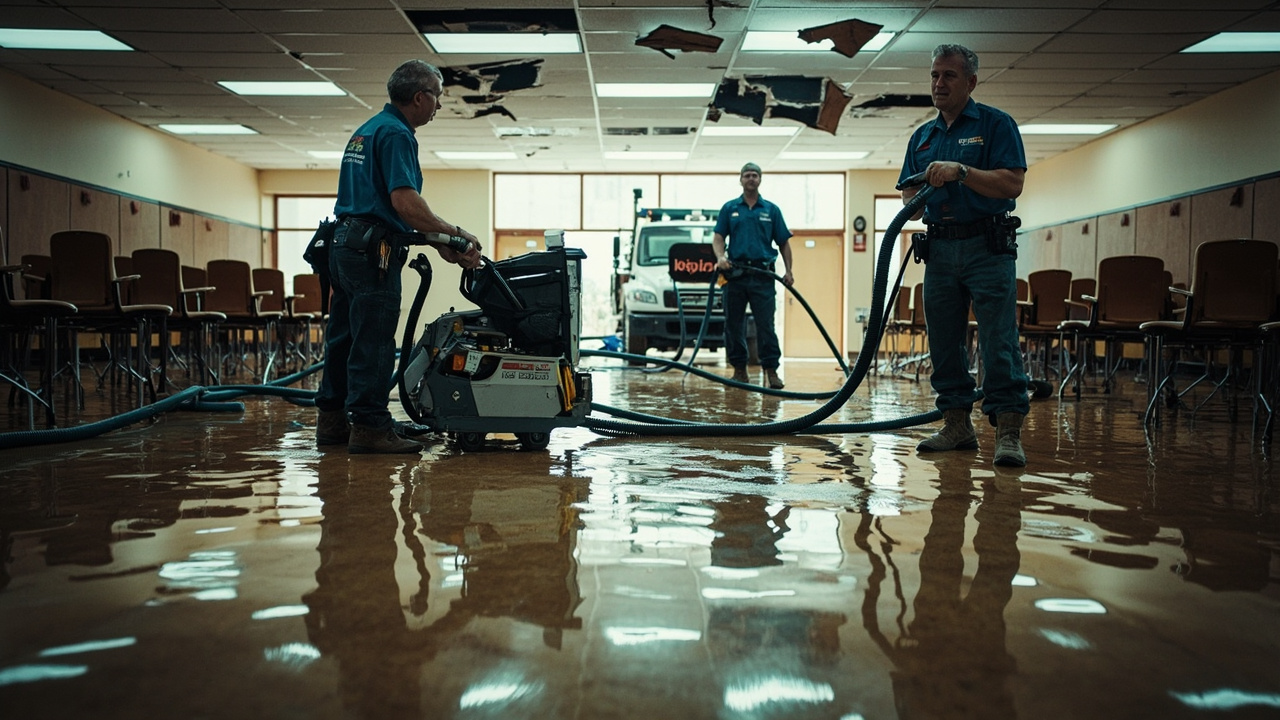
Our dispatch receives your call and mobilizes a crew within 90 minutes. The project lead conducts a safety walkthrough, identifying electrical hazards, structural risks, and contamination levels. We establish containment perimeters using physical barriers and signage that meets campus safety protocols. Water extraction begins immediately using truck-mounted pumps capable of removing thousands of gallons per hour from flooded basements or ground-floor classrooms.
02

Controlled Environment Drying

After extraction, we install industrial dehumidifiers and air movers in calculated placement patterns. Moisture readings taken every 12 hours track drying progress in walls, subfloors, and structural cavities. Our team coordinates with facilities management to maintain HVAC operation during drying, balancing humidity control with energy costs. Antimicrobial treatments prevent microbial amplification on damp surfaces while drying progresses. This phase typically runs three to seven days depending on materials and saturation depth.
03

Reconstruction and Clearance Testing

Once moisture levels return to baseline, reconstruction teams rebuild damaged areas using materials that match existing finishes. We source period-appropriate elements for historic campus buildings, maintaining architectural integrity. Post-remediation verification includes air quality testing and final moisture scans. You receive a certified completion report that documents the restoration process, satisfying insurance requirements and providing records for facility audits. Campus operations resume with full confidence in structural integrity and indoor air safety.

Why Indianapolis Educational Institutions Trust Local Restoration Expertise

Apex Water Damage Restoration Indianapolis operates with institutional memory of local campus infrastructure. We have worked with facilities built during the 1960s expansion era when many Indianapolis colleges added dormitories and academic wings. These structures share common vulnerabilities: cast iron waste stacks prone to corrosion, flat roofs with inadequate drainage, and HVAC systems retrofitted into buildings not designed for modern cooling loads.

Our relationship with Indianapolis building inspectors streamlines permit processes. When structural repairs require code compliance verification, we coordinate inspections without delays that extend campus disruptions. This local knowledge prevents the bureaucratic stalls that plague out-of-region contractors unfamiliar with Marion County procedures.

Educational facility administrators value our understanding of fiscal year budget cycles. We structure payment terms that align with institutional purchasing processes, including Net 30 payment schedules and compatibility with procurement card systems. Our estimates break costs into categories that match your chart of accounts, simplifying approval workflows through business offices.

We maintain capacity to scale crews for large projects. When a catastrophic pipe failure affects multiple buildings, we can deploy eight to twelve technicians simultaneously, compressing timelines that single-crew operations cannot match. This scalability matters during summer maintenance windows when institutions need restoration completed before fall semester.

Insurance coordination represents another differentiator. We document losses using Xactimate estimating software that matches insurance adjuster platforms. Our project managers participate in site meetings with claims representatives, advocating for complete scope coverage while maintaining relationships that facilitate claim approvals. This expertise often results in settlements 15 to 25 percent higher than what institutions achieve negotiating independently.

Indianapolis institutions also appreciate our emergency contact protocols. Facilities directors receive direct mobile numbers for after-hours emergencies, bypassing answering services that delay response during nights and weekends when many catastrophic failures occur.

What Indianapolis Schools and Universities Should Expect During Restoration

Response Time and Crew Availability

We maintain 24/7 dispatch with guaranteed response within 90 minutes across Marion County and adjacent campus locations in Hamilton and Hendricks counties. Emergency calls receive immediate crew assignment, not callback delays. Our equipment inventory includes 40-plus industrial dehumidifiers, 60-plus air movers, and truck-mounted extraction units that deploy simultaneously for multi-building incidents. Night and weekend availability matches the reality of when pipes burst, ensuring your campus never waits until Monday morning for emergency mitigation to begin.

Initial Assessment and Damage Documentation

The first site visit includes comprehensive photo documentation, moisture mapping, and preliminary scope development. We provide a written assessment within four hours that outlines affected areas, equipment requirements, and estimated timelines. This report gives administrators the information needed to make operational decisions about building closures, class relocations, and insurance notifications. Our team walks facilities managers through the restoration sequence, identifying which spaces can remain occupied and which require full evacuation during work. Transparency at this stage prevents surprises that disrupt campus planning.

Quality Standards and Final Outcomes

Completion means more than dry surfaces. We verify moisture levels match pre-loss baselines using calibrated meters that document readings floor by floor. Air quality testing confirms no elevated spore counts or volatile organic compounds remain after remediation. Reconstructed areas receive finish work that matches surrounding spaces, from paint sheen levels to flooring transitions. You receive a bound project close-out package with all moisture logs, equipment placement diagrams, and compliance certificates. This documentation satisfies auditors and provides records for future facility assessments or property transactions.

Post-Restoration Monitoring and Prevention Planning

We offer optional 30-day and 90-day follow-up inspections at no additional cost. These visits include moisture rechecks and visual assessments for any secondary issues. Many Indianapolis institutions also request our vulnerability assessment service. This involves a campus-wide walkthrough identifying high-risk systems such as aging domestic water lines, inadequate sump pump capacity, or roof drainage deficiencies. The resulting report prioritizes capital improvements that prevent future losses, supporting your facility master planning. We also provide emergency preparedness training for maintenance staff, covering shut-off valve locations and initial response protocols.

Frequently Asked Questions

You Have Questions,
We Have Answers

How Indianapolis Water Table and Aging Campus Infrastructure Create Restoration Challenges

Indianapolis sits atop a complex aquifer system influenced by the White River and Fall Creek watersheds. Educational campuses built near these waterways during the 1950s and 1960s face chronic basement moisture intrusion. Spring rainfall events overwhelm perimeter drain systems installed before modern hydrostatic pressure calculations became standard. University flood cleanup services must address not just acute flooding but chronic dampness that degrades building envelopes over decades. Butler University and IUPUI both manage heritage buildings where original waterproofing has failed, requiring specialized below-grade membrane repairs during restoration projects.

Local expertise matters when navigating Indianapolis building code amendments specific to institutional occupancies. The 2021 Indiana Building Code includes provisions for educational facilities that differ from commercial structures. Fire-rated assembly requirements in corridor reconstruction, emergency egress pathway maintenance during repairs, and notification protocols for the Indiana Department of Homeland Security all factor into compliant restoration. Contractors unfamiliar with these regulations create liability exposure for institutions. Our familiarity with Marion County plan review processes and relationships with local inspectors ensure academic building water damage repair meets all regulatory requirements without compliance delays.
Water Damage Restoration Services in The Indianapolis Area

We are proud to serve the entire Indianapolis area and surrounding communities, providing rapid-response water damage restoration right where you need it most. Our central location allows us to deploy our 24/7 emergency teams quickly across the region. View our service area on the map below and remember that wherever you are in the Indianapolis metropolitan area, Apex Water Damage Restoration Indianapolis is ready to deliver expert and trustworthy service to secure your home or business.

Address:
Apex Water Damage Restoration Indianapolis, 6767 E Washington St, Indianapolis, IN, 46219

Additional Services We Offer

Our news updates

Latest Articles & News from The Blogs

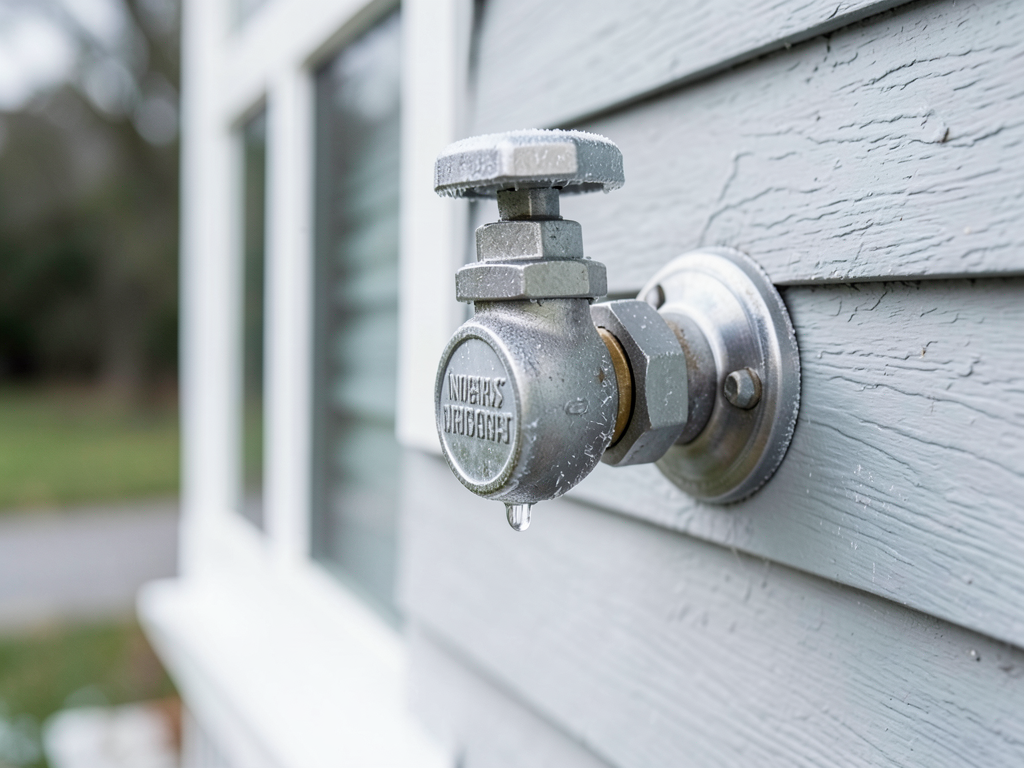
The Hidden Cost of Leaving Your Garden Hose Connected During an Indianapolis Winter Every fall Indianapolis homeowners face the same…

The Hidden Cost of Leaving Your Garden Hose Connected During an Indianapolis Winter

The Hidden Cost of Leaving Your Garden Hose Connected During an Indianapolis Winter Every fall Indianapolis homeowners face the same…

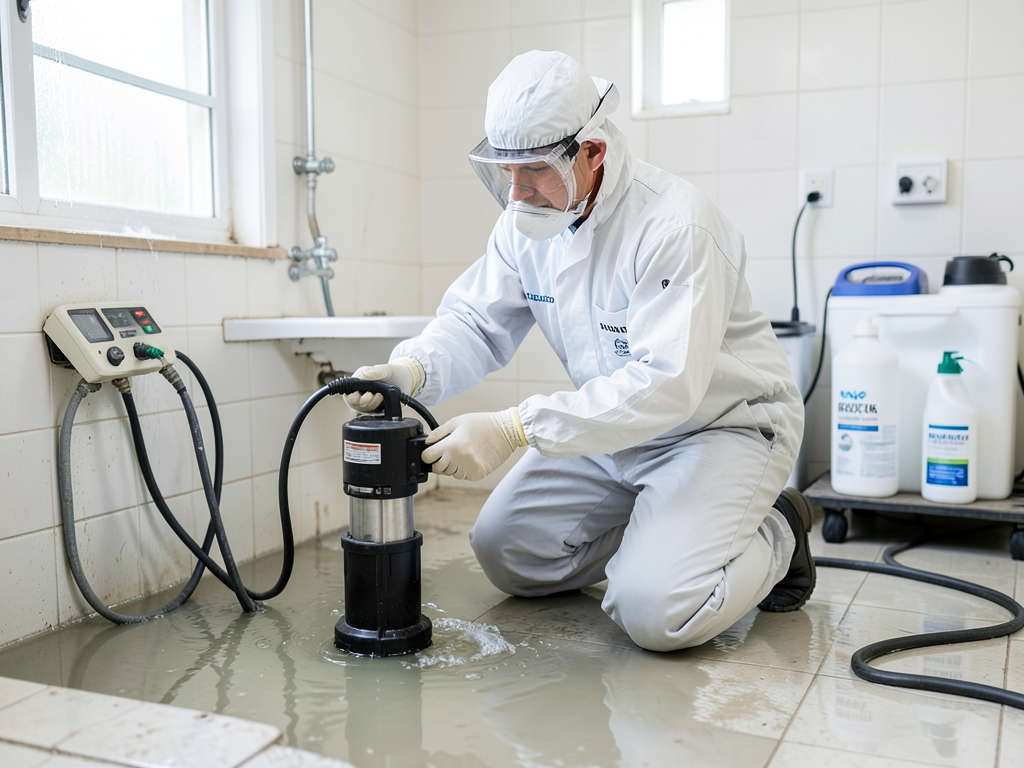
What to Do When Your Toilet Overflows and Drips Through the Ceiling in Fishers

What to Do When Your Toilet Overflows and Drips Through the Ceiling in Fishers Water from a toilet overflow creates…

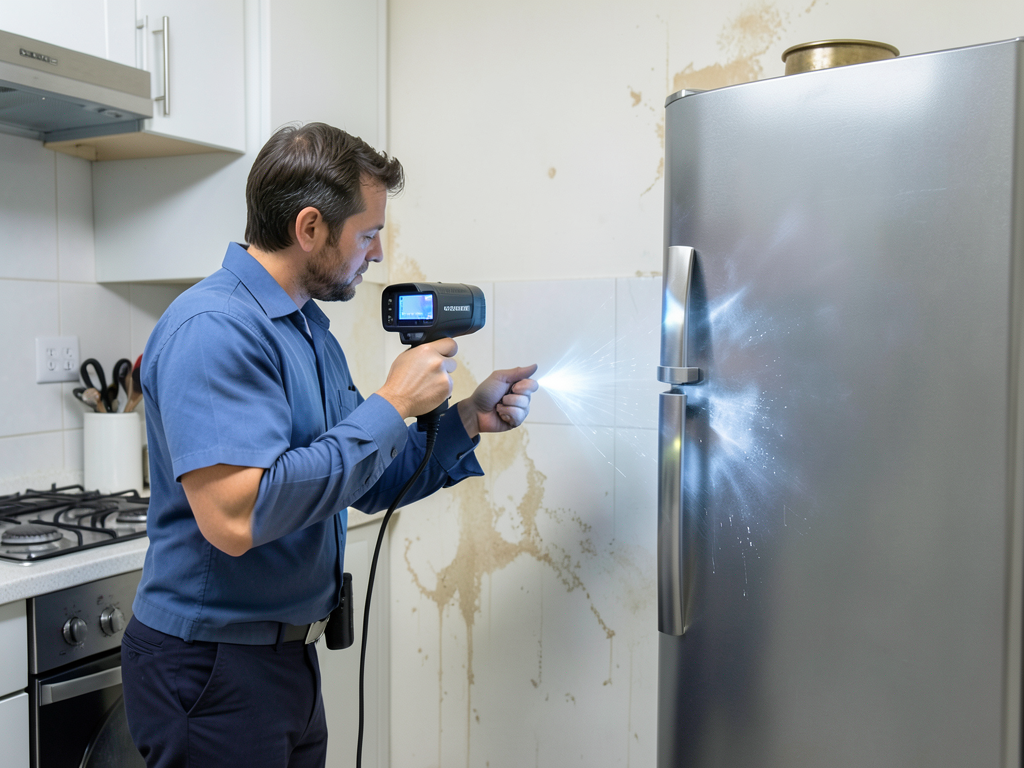
How Your Refrigerator Ice Maker Can Quietly Flood Your Kitchen in Carmel

How Your Refrigerator Ice Maker Can Quietly Flood Your Kitchen in Carmel Your refrigerator's ice maker can leak for weeks…

Contact Us

Water damage does not wait for convenient timing. When your educational facility faces flooding or water intrusion, call Apex Water Damage Restoration Indianapolis at (317) 703-7676. Our emergency response team deploys immediately to minimize disruption and protect your institutional operations.