menu

Wet Carpet & Padding in Indianapolis – Fast Extraction Before Mold Takes Hold

Apex Water Damage Restoration Indianapolis removes soaked carpeting and underlay within hours to prevent structural damage and microbial growth in your home or business.

Slider Image 1
Slider Image 2
Slider Image 3
Slider Image 4
Slider Image 5
Slider Image 7
Slider Image 8
Slider Image 9
Slider Image 10
Slider Image 11

Why Wet Carpet Turns Dangerous in Indianapolis Homes

When water seeps into your flooring, the clock starts ticking. Indianapolis's humid summers accelerate mold colonization on saturated carpet and cushion. Within 24 to 48 hours, airborne spores settle into damp fibers. The padding underneath acts like a sponge, holding moisture against the subfloor and creating conditions for wood rot and delamination.

You might notice a musty odor first. That smell signals microbial activity already underway in the water damaged carpet and pad. The longer flooded carpet and underpad stay wet, the deeper the contamination spreads. Baseboards wick moisture upward. Drywall absorbs water from below. What started as a plumbing leak or appliance overflow becomes a multiroom remediation project if you wait too long.

Indianapolis's clay soil also contributes to basement moisture issues. Poor drainage around foundations can lead to groundwater intrusion during heavy rain. Homes near the White River or Eagle Creek are especially vulnerable during spring flooding. That groundwater carries bacteria and sediments, contaminating wet carpet underlayment with more than just clean water.

Most homeowners underestimate how much water carpet holds. A single saturated room can contain 50 to 100 gallons of trapped moisture. Standard shop vacuums cannot extract water from deep within carpet fibers or dense foam padding. Professional extraction equipment uses high-powered suction and weighted wands to pull moisture from both layers. Delaying this step means replacing flooring that could have been saved with immediate action.

Why Wet Carpet Turns Dangerous in Indianapolis Homes
How We Remove Water From Carpet and Padding

How We Remove Water From Carpet and Padding

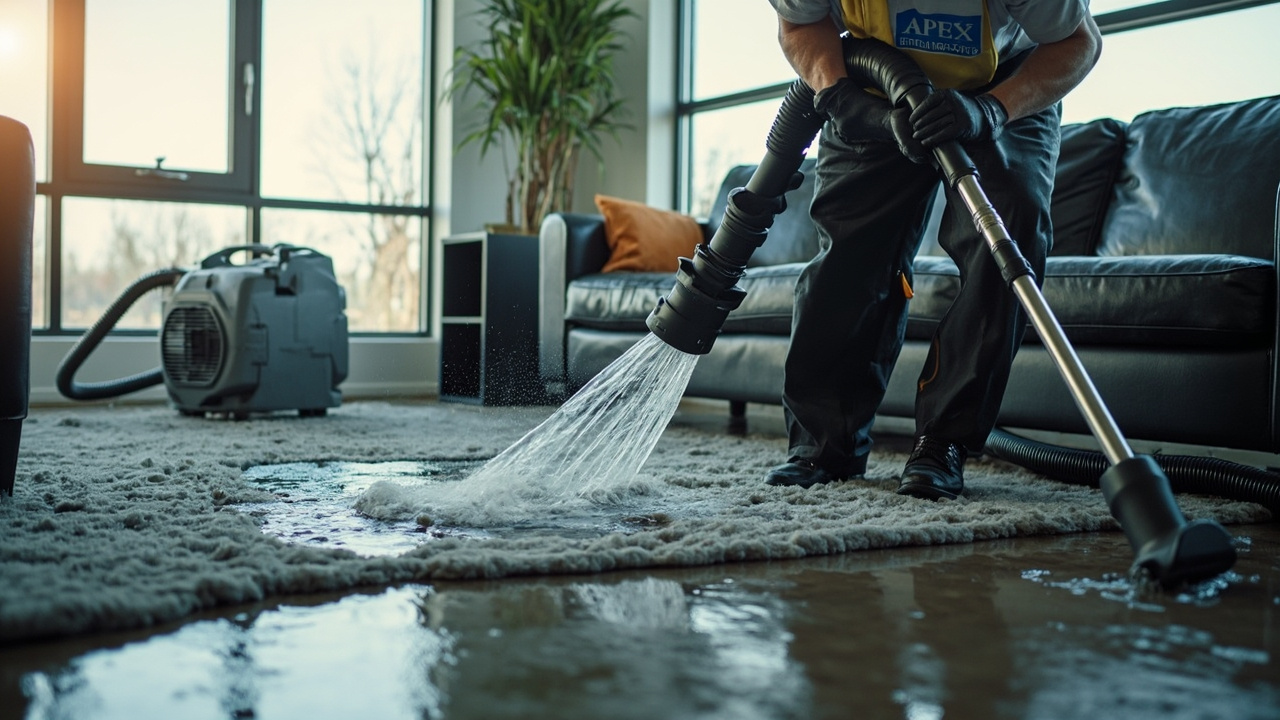
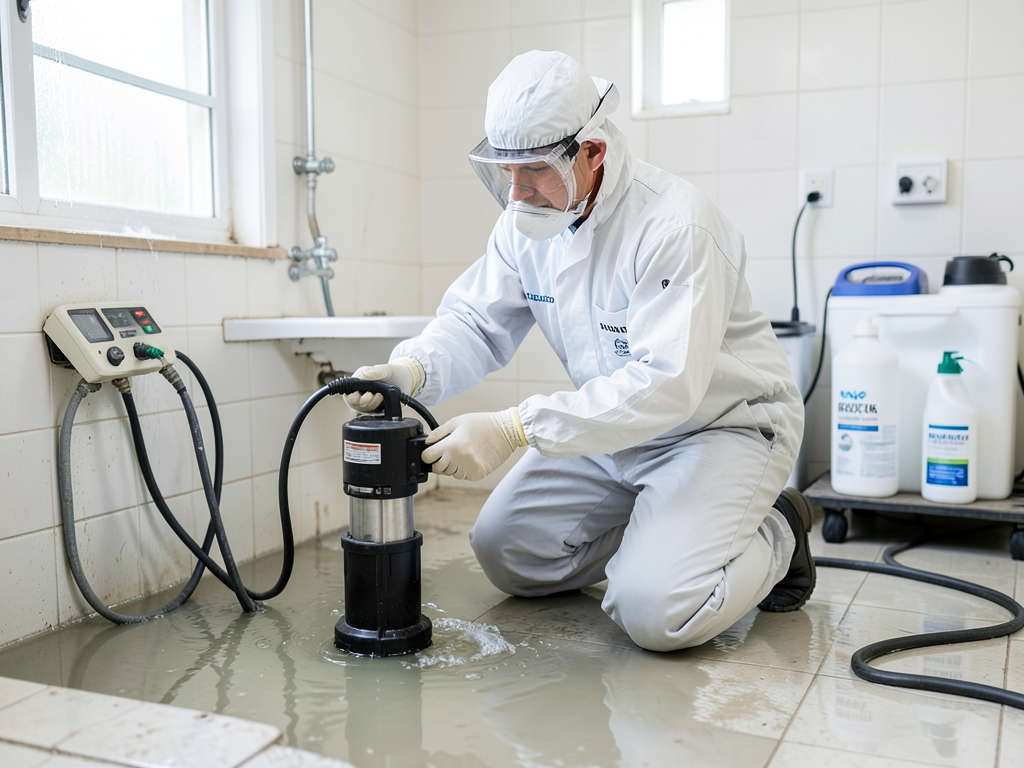
Apex Water Damage Restoration Indianapolis uses truck-mounted extraction units that generate vacuum pressure far beyond portable equipment. We position weighted extraction wands directly on soaked carpeting and underlay, applying concentrated suction to pull water from the carpet backing and into the padding below. This process removes 90 to 95 percent of standing water in the first pass.

After extraction, we lift the carpet edges and inspect the padding. Polyurethane foam padding disintegrates when saturated. Rebond padding holds water like a reservoir. We assess whether the padding can be dried or requires removal. In most cases, padding replacement is necessary to prevent long-term odor and microbial growth. We remove compromised padding and expose the subfloor for drying.

Air movers and dehumidifiers run continuously for 48 to 72 hours. We position low-profile air movers underneath lifted carpet to circulate air across the subfloor and the carpet backing. Commercial dehumidifiers extract moisture from the air, preventing condensation and maintaining ideal drying conditions. We monitor moisture levels daily using penetrating moisture meters. These tools measure moisture content in wood subfloors and concrete slabs. When readings return to baseline levels, we know the structure is dry.

We also perform antimicrobial treatment on affected surfaces. Even clean water events introduce contaminants once organic material begins breaking down. We apply EPA-registered biocides to carpet fibers, tack strips, and subfloors to inhibit microbial growth during the drying process. This step protects your indoor air quality and prevents future odor problems.

What Happens During Emergency Carpet Water Removal

Wet Carpet & Padding in Indianapolis – Fast Extraction Before Mold Takes Hold
01

Immediate Water Extraction

We arrive with truck-mounted extraction units and begin pulling water from flooded carpet and underpad within the first hour. High-powered suction removes gallons of standing water before it migrates to adjoining rooms. We document moisture levels using thermal imaging cameras to identify hidden saturation in walls and subfloors. This initial extraction stops the spread of water damage.
02

Padding Inspection and Removal

We pull back carpet edges to evaluate the condition of the wet carpet underlayment. Saturated padding cannot be salvaged in most cases. We remove and dispose of compromised padding, exposing the subfloor for thorough drying. Tack strips and baseboards are inspected for warping or mold. We clean and treat all surfaces before reinstallation. This step prevents hidden moisture pockets from causing future problems.
03

Controlled Environment Drying

Air movers and dehumidifiers create optimal drying conditions for carpet fibers and subfloors. We monitor temperature, humidity, and moisture content every 24 hours. Once moisture readings return to normal, we reinstall new padding and stretch the carpet back into position. Antimicrobial treatments ensure no residual odors or microbial activity remain. Your flooring is returned to pre-loss condition.

Why Indianapolis Homeowners Trust Apex Water Damage Restoration

Water damage does not wait for business hours. We answer emergency calls 24 hours a day because mold colonization begins within 48 hours of water exposure. Our response time matters. Homes in Broad Ripple, Fountain Square, and Carmel receive the same rapid dispatch. We keep extraction equipment ready to deploy across Marion County and surrounding areas.

Indianapolis building codes require proper moisture mitigation in flooded structures. Insurance adjusters expect documentation of drying efforts, including daily moisture readings and photographic evidence. We provide detailed reports that satisfy claims requirements. Our technicians are trained in IICRC water damage restoration protocols, which align with industry standards recognized by major insurers. This documentation protects your claim and ensures full coverage for eligible repairs.

We also understand the unique construction styles common in Indianapolis. Many homes built before 1950 have hardwood subfloors instead of plywood or concrete. Water damaged carpet and pad can stain oak or maple subflooring if not extracted quickly. We adjust our drying strategies based on the type of subfloor present. Older homes near historic districts like Herron-Morton Place require special care to preserve original flooring underneath carpeting.

Local knowledge also means understanding Indianapolis's water quality. The city's water supply has moderate hardness, which leaves mineral deposits when flooding occurs. We clean these residues from carpet fibers during the restoration process. Well water systems in Hamilton County can introduce iron staining. We treat these issues with specialized cleaning agents to prevent permanent discoloration. Choosing a local team means choosing someone who understands these regional factors.

What to Expect During Carpet Water Removal

Emergency Response Time

We dispatch teams within 60 to 90 minutes of your call. Emergency water removal begins immediately upon arrival. Most extraction work is completed within the first four hours. Drying equipment stays onsite for 48 to 72 hours depending on the extent of saturation. You do not need to stay home while equipment runs, but we monitor progress daily. We schedule all follow-up visits around your availability. Our goal is to restore your home quickly without disrupting your routine more than necessary.

Moisture Assessment and Testing

We use penetrating moisture meters and thermal imaging cameras to map water saturation. These tools detect hidden moisture in subfloors, wall cavities, and insulation. You receive a detailed moisture map showing affected areas and readings taken during each visit. This data helps insurance adjusters verify the scope of damage. We also test for water contamination levels. Clean water from supply lines requires different treatment than gray water from appliances or black water from sewage backups. Our assessment determines the correct drying and decontamination protocols.

Carpet Salvage or Replacement

Most carpet can be saved if extraction occurs within 24 hours. Padding almost always requires replacement after saturation. We remove damaged padding, dry the carpet and subfloor, then reinstall new padding and restretch the carpet. You receive new padding at the same density and thickness as the original. If carpet fibers show staining or microbial contamination, we recommend replacement. Our assessment is honest and based on salvageability, not upselling. You make the final decision on replacement versus restoration.

Post-Restoration Air Quality Testing

After drying is complete, we offer optional air quality testing to verify no mold spores are present. This service provides peace of mind, especially if you have respiratory sensitivities or young children. We also apply antimicrobial coatings to treated areas as a preventative measure. These treatments do not replace proper drying, but they provide an additional layer of protection. We walk you through every completed step and answer questions about maintaining dry conditions going forward.

Frequently Asked Questions

You Have Questions,
We Have Answers

Is carpet padding ruined if it gets wet? +

Yes, most carpet padding is ruined once it gets wet. Standard foam and rebond padding absorbs water like a sponge and becomes a breeding ground for mold and bacteria within 24 to 48 hours. The porous structure traps moisture, which breaks down adhesives and creates persistent odors. In Indianapolis homes, where humidity stays high during summer months, wet padding rarely dries completely before contamination sets in. Professional extraction equipment can remove surface water from carpet fibers, but padding typically needs replacement to prevent long-term issues. Acting fast improves your chances, but expect to replace padding in most water damage scenarios.

How to dry out wet carpet padding? +

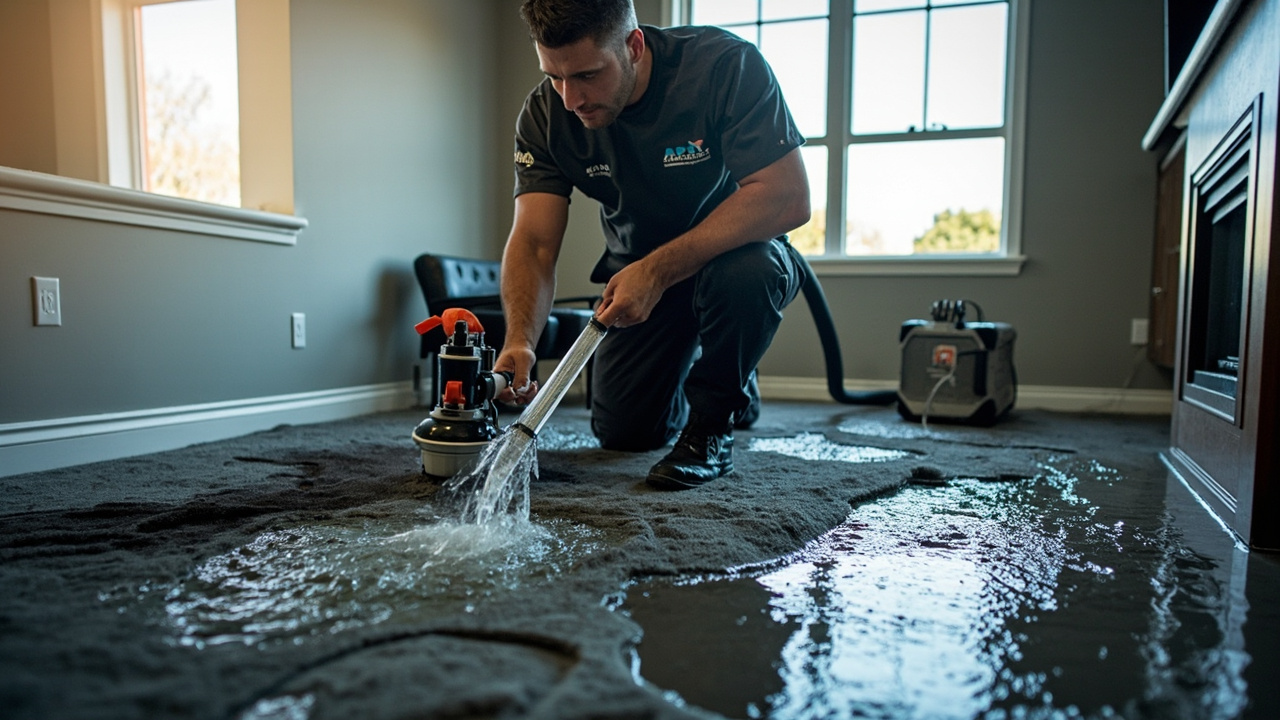
Pull back the carpet and remove the wet padding immediately. Use a wet vacuum to extract standing water from the subfloor, then run air movers and dehumidifiers to dry the area completely. This process takes 24 to 72 hours depending on humidity levels and airflow. In Indianapolis basements where concrete subfloors are common, moisture can wick up from below, so you need proper ventilation and equipment placement. Check the subfloor with a moisture meter before installing new padding. If the padding shows any discoloration or odor, discard it. Attempting to dry contaminated padding in place wastes time and allows mold to spread.

How long can carpet be wet before it is ruined? +

Carpet can survive wet conditions for 24 to 48 hours before permanent damage occurs. After this window, mold spores begin colonizing fibers and backing materials. The timeline shortens in Indianapolis during humid summer months when indoor moisture levels climb. Water type matters too. Clean water from a supply line gives you more time than sewage backup or flooding, which introduces contaminants immediately. Even if carpet looks salvageable after 48 hours, the padding underneath has likely failed. Professional extraction within the first 12 hours gives you the best chance of saving your carpet investment and avoiding replacement costs.

Can mold grow under carpet padding? +

Yes, mold grows aggressively under carpet padding in dark, damp conditions. Padding creates an ideal environment because it traps moisture against the subfloor while blocking airflow and light. Mold spores are always present in Indianapolis homes, waiting for wet conditions to activate. Once padding stays wet for 24 to 48 hours, colonies form and spread quickly. You cannot see this growth until you pull back the carpet. By then, mold has often contaminated the subfloor and carpet backing. The musty smell is your first warning sign. Standard cleaning does not kill embedded mold, so contaminated padding must be removed and discarded.

How quickly can mold grow under wet carpet? +

Mold can begin growing under wet carpet within 24 to 48 hours. In Indianapolis, high humidity during spring and summer accelerates this timeline to as little as 12 hours in poorly ventilated spaces like basements. Temperature plays a role too. Warm conditions speed up spore germination and colony formation. The type of padding matters. Foam padding absorbs more water and holds it longer than synthetic options. Once mold takes hold, it spreads rapidly through carpet fibers and into the subfloor. Visible growth on the surface means heavy contamination underneath. Quick action within the first day prevents this progression.

What does moldy carpet padding look like? +

Moldy carpet padding shows black, green, or gray spots and patches on its surface. The material feels slimy or crumbly when touched, and it gives off a strong musty or earthy odor. In Indianapolis basements, you might see white fuzzy growth along edges where padding meets walls. Discoloration often appears first near seams and under furniture where airflow is restricted. Wet padding that has dried without proper treatment may look normal but still harbor mold spores deep in its structure. If you see any discoloration or smell mildew, the padding is contaminated and needs immediate removal to prevent spread.

Will wet carpet dry on its own? +

Wet carpet will not dry properly on its own. Without professional extraction equipment and controlled airflow, moisture stays trapped in padding and backing layers where mold begins growing within 24 to 48 hours. Indianapolis humidity makes natural drying even less effective. Opening windows or running fans moves air across the surface but does not remove water from deep fibers or padding. The carpet may feel dry to the touch while remaining saturated underneath. This creates hidden mold growth and permanent odors. Professional water extraction, air movers, and dehumidifiers are necessary to dry carpet thoroughly and prevent contamination.

What are signs of mold in carpet? +

Signs of mold in carpet include a persistent musty odor, visible discoloration in spots or patches, and allergic reactions like sneezing or respiratory irritation when you enter the room. You might notice black, green, or white fuzzy growth along baseboards or under furniture. The carpet may feel damp or sticky even when the surface appears dry. In Indianapolis homes, basement carpets often show mold first due to higher moisture levels. Discolored backing visible when you lift a corner confirms contamination. If you see any of these signs, stop using the room and contact a professional to assess the extent of growth.

How long to let baking soda sit on wet carpet? +

Do not use baking soda on wet carpet. Baking soda absorbs minor odors from dry carpet but does nothing to remove water or prevent mold growth. Sprinkling it on wet fibers creates a paste that becomes difficult to vacuum and can damage carpet backing. In Indianapolis, where humidity compounds drying challenges, baking soda traps moisture rather than eliminating it. You need professional water extraction equipment to pull moisture from deep fibers and padding. Air movers and dehumidifiers then complete the drying process. Save baking soda for routine maintenance on dry carpet. For wet carpet, call a water damage professional immediately.

What kills mold in wet carpet? +

Professional antimicrobial treatments kill mold in wet carpet, but only after complete water extraction and drying. You cannot treat active moisture. The process requires removing standing water with truck-mounted extractors, drying fibers and padding with air movers and dehumidifiers, then applying EPA-registered fungicides. In Indianapolis homes, severe contamination often requires carpet and padding removal because mold penetrates backing and subfloors. Bleach damages carpet fibers and does not kill embedded spores. Hydrogen peroxide and vinegar lack the strength for established growth. Professional restoration includes moisture testing, containment, and proper disposal of contaminated materials to prevent spread throughout your home.

How Indianapolis's Humidity and Soil Conditions Affect Wet Carpet Recovery

Indianapolis experiences high relative humidity from June through September, often exceeding 70 percent. This moisture-rich air slows evaporation and extends drying times for soaked carpeting and underlay. Homes without central air conditioning face even greater challenges during summer water events. The clay-heavy soil common throughout Marion County also contributes to basement moisture problems. Poor drainage around foundations allows water to pool and seep through basement walls. This groundwater intrusion saturates carpet from below, complicating extraction efforts. Our drying protocols account for these environmental factors.

Apex Water Damage Restoration Indianapolis has worked with homeowners across Fishers, Noblesville, and Greenwood for years. We understand local construction methods and common problem areas in homes built during different eras. Our technicians are familiar with Marion County building codes and work closely with local insurance adjusters who recognize our documentation standards. When you choose a local restoration company, you gain access to a team that knows Indianapolis's unique challenges. We respond faster because we are already in your area. We communicate clearly because we understand the concerns of our neighbors.
Water Damage Restoration Services in The Indianapolis Area

We are proud to serve the entire Indianapolis area and surrounding communities, providing rapid-response water damage restoration right where you need it most. Our central location allows us to deploy our 24/7 emergency teams quickly across the region. View our service area on the map below and remember that wherever you are in the Indianapolis metropolitan area, Apex Water Damage Restoration Indianapolis is ready to deliver expert and trustworthy service to secure your home or business.

Address:
Apex Water Damage Restoration Indianapolis, 6767 E Washington St, Indianapolis, IN, 46219

Additional Services We Offer

Our news updates

Latest Articles & News from The Blogs

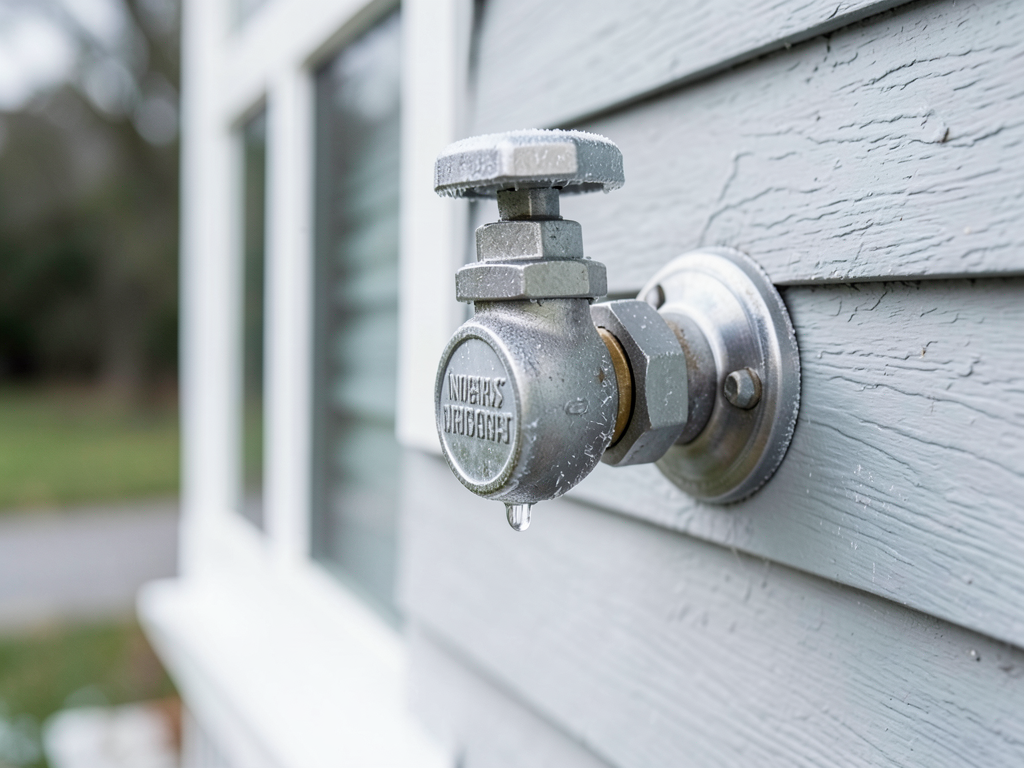
The Hidden Cost of Leaving Your Garden Hose Connected During an Indianapolis Winter Every fall Indianapolis homeowners face the same…

The Hidden Cost of Leaving Your Garden Hose Connected During an Indianapolis Winter

The Hidden Cost of Leaving Your Garden Hose Connected During an Indianapolis Winter Every fall Indianapolis homeowners face the same…

What to Do When Your Toilet Overflows and Drips Through the Ceiling in Fishers

What to Do When Your Toilet Overflows and Drips Through the Ceiling in Fishers Water from a toilet overflow creates…

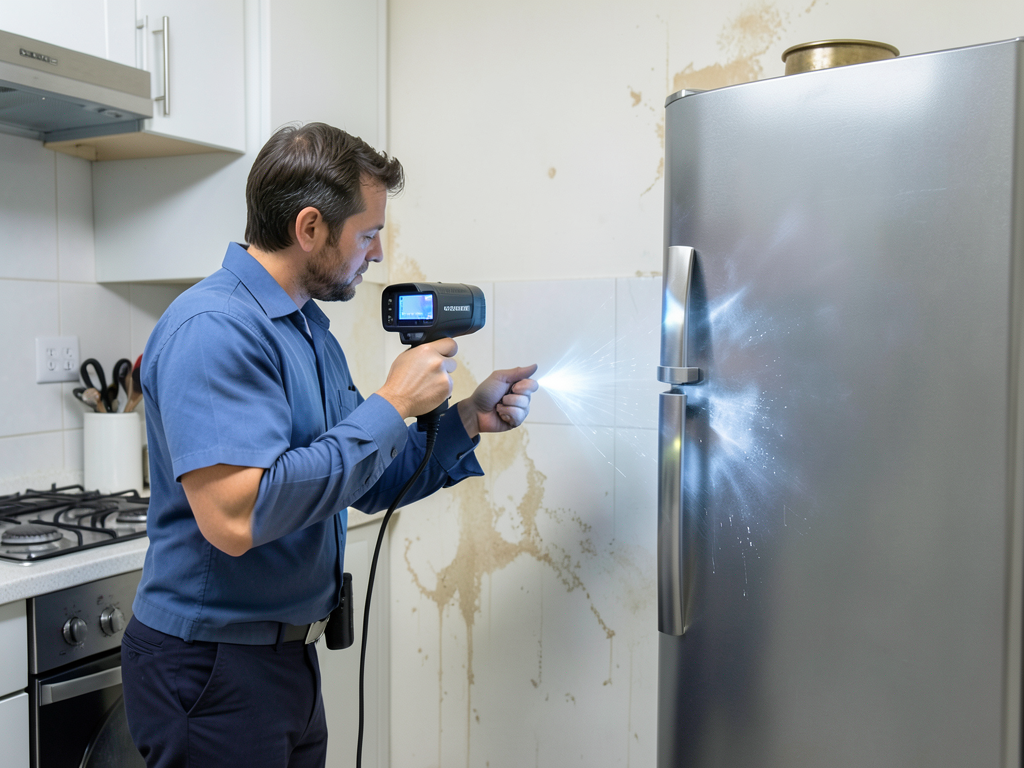
How Your Refrigerator Ice Maker Can Quietly Flood Your Kitchen in Carmel

How Your Refrigerator Ice Maker Can Quietly Flood Your Kitchen in Carmel Your refrigerator's ice maker can leak for weeks…

Contact Us

Water damage worsens every hour you wait. Call (317) 703-7676 now for emergency carpet extraction and drying services. We dispatch teams across Indianapolis 24 hours a day. Protect your home before mold takes hold.