


Greenwood sits in Johnson County where clay soil creates drainage nightmares for homeowners. When heavy rains hit, water pools against foundations instead of draining away. This leads to basement flooding in neighborhoods near Smith Valley Road and around Old City Park. The clay soil also shifts during freeze-thaw cycles, cracking foundation walls and creating entry points for groundwater.
Summer storms move through fast and drop several inches of rain in hours. White River tributaries rise quickly, and homes near Stones Crossing can see water backup through floor drains. Winter brings burst pipe emergencies when temperatures drop below freezing. Older homes near Downtown Greenwood have aging plumbing that fails without warning, flooding finished basements and crawl spaces.
Greenwood's humidity levels make secondary damage worse. Once water enters your home, mold can start growing within 24-48 hours if moisture is not completely removed. The combination of clay soil drainage issues, severe weather patterns, and Indiana's humidity creates perfect conditions for water damage. Fast response and thorough drying prevent small leaks from becoming major restoration projects.
Apex Water Damage Restoration Indianapolis has served Johnson County for years, building relationships with insurance adjusters, plumbers, and restoration contractors throughout Greenwood. We know which neighborhoods flood during storms, where older homes have cast iron plumbing that fails, and how local soil conditions affect foundation water intrusion. This knowledge lets us respond faster and work more efficiently than companies based outside the area.
We keep emergency response trucks staged in Greenwood so we can dispatch crews to Stones Crossing, Smith Valley, or Downtown within an hour of your call. Our technicians arrive with truck-mounted extraction equipment, industrial dehumidifiers, and moisture detection tools to start mitigation immediately. We do not subcontract water removal or drying work. Every technician on your property works directly for Apex and follows our protocols for complete moisture removal.
Insurance coordination separates us from other restoration companies. We photograph damage, document moisture readings, and create detailed estimates that adjusters accept without dispute. We know what Indiana insurance policies cover and what documentation carriers require. This prevents claim denials and gets your repairs approved faster. We also work directly with your adjuster so you do not waste time making phone calls or explaining damage twice.
Our approach focuses on stopping damage from spreading. Water wicks through drywall, soaks into subflooring, and saturates insulation in walls. If moisture is not removed completely, mold grows and structural damage worsens. We use thermal imaging to find hidden moisture, track drying progress with daily readings, and keep equipment running until your home reaches safe moisture levels. This prevents callbacks and ensures your home is truly dry, not just surface dry.

We dispatch crews from our Greenwood staging location within one hour of your emergency call. Trucks arrive loaded with extraction equipment, dehumidifiers, and air movers ready to start water removal immediately. Fast response stops water from spreading through your home and reduces total damage. We answer calls 24/7 including holidays and weekends.

We handle all communication with your insurance adjuster from initial damage documentation through final claim approval. Our estimates include the detailed photos, moisture readings, and scope documentation that Indiana carriers require. We know what policies cover and how to document damage so claims get approved without delays or disputes.
Surface drying leaves moisture trapped in walls, subflooring, and insulation where mold grows. We use thermal imaging cameras to find hidden moisture and track drying progress with calibrated meters. Equipment stays in place until all materials reach safe moisture content. This prevents mold growth and eliminates the musty smell that comes from incomplete drying.
Years serving Greenwood taught us how clay soil affects drainage, which neighborhoods flood during storms, and where homes have plumbing failures. We know local building codes, work with Johnson County inspectors, and have relationships with contractors for repairs after water removal. This local knowledge makes restoration faster and prevents problems that outside companies miss.
Water damage happens fast but restoration takes careful planning and execution. Apex Water Damage Restoration Indianapolis handles every phase from emergency water extraction through final repairs and mold prevention. We divide our services into three categories based on urgency and damage severity.
Emergency water removal focuses on stopping active damage. This includes extracting standing water, removing soaked materials, and setting up drying equipment within hours of flooding. Structural drying and remediation addresses moisture trapped in building materials. We dry walls, floors, and subflooring to safe levels and remove damaged materials that cannot be saved. Restoration and reconstruction rebuilds your home after water damage. This includes drywall replacement, flooring installation, painting, and trim work to return rooms to pre-loss condition.
Each service category requires different equipment, expertise, and timing. Emergency extraction uses truck-mounted pumps and portable extractors to remove thousands of gallons quickly. Structural drying relies on commercial dehumidifiers and air movers running for days to pull moisture from materials. Restoration requires skilled carpenters, flooring installers, and painters who match existing finishes. We coordinate all three phases so your home moves smoothly from emergency response through final completion without gaps or delays.
Standing water spreads damage through your home every minute it remains. Our emergency extraction service deploys within 60 minutes with truck-mounted pumps that remove thousands of gallons per hour. We extract water from basements, crawl spaces, and flooded rooms, then pull moisture from carpets and padding with portable extractors. Technicians remove soaked drywall, insulation, and baseboards that cannot be saved. We set up air movers and dehumidifiers before leaving so drying starts immediately. This service stops damage from spreading and prevents mold growth.
Water soaks into drywall, subflooring, framing lumber, and insulation where it stays trapped even after surface drying. Our structural drying service uses thermal imaging to locate hidden moisture and calibrated meters to track drying progress. We position commercial dehumidifiers and air movers to create airflow through wall cavities and under flooring. Equipment runs continuously with daily moisture readings until all materials reach safe levels below 15 percent. This prevents mold growth, eliminates musty odors, and ensures your home is completely dry before reconstruction starts.
Once your home is completely dry, restoration rebuilds damaged areas to pre-loss condition. Our crews install new drywall, tape and finish seams, and apply texture that matches existing walls. We install new flooring including carpet, vinyl, tile, or hardwood depending on what was damaged. Painters match your existing colors and apply primer and finish coats to new surfaces. We reinstall baseboards, door trim, and other finish carpentry. All work meets Johnson County building codes and passes insurance inspection so your claim closes without complications.
Greenwood homeowners face water damage from multiple sources throughout the year. Clay soil prevents proper drainage around foundations, creating hydrostatic pressure that forces water through basement walls and floor cracks. Summer storms dump heavy rain that overwhelms gutters and floods window wells. Winter freezing causes burst pipes in exterior walls and crawl spaces. Older homes near Downtown Greenwood and around Old City Park have aging plumbing that fails without warning.
Each water source creates different damage patterns and requires specific response strategies. Foundation leaks cause chronic moisture problems that lead to mold and musty odors. Storm flooding brings contaminated water that requires sanitization. Burst pipes flood homes with clean water but cause extensive damage if not extracted immediately. Sewer backups create health hazards that require specialized cleaning protocols. Understanding these common issues helps homeowners recognize warning signs and call for help before damage becomes severe.
Clay soil around Greenwood foundations swells when wet and creates pressure against basement walls. Water seeps through cracks, cold joints, and porous concrete, creating damp walls and standing water on floors. Chronic foundation leaks cause mold growth, musty odors, and damage to stored items. We extract standing water, dry walls completely, and coordinate with foundation repair contractors to fix the source before moisture returns.
Frozen pipes in exterior walls, crawl spaces, and attics burst when temperatures drop below freezing. Water floods through ceilings, walls, and floors before homeowners can shut off the main valve. A single burst pipe releases hundreds of gallons that soak insulation, drywall, and subflooring. We respond immediately to extract water, remove damaged materials, and set up drying equipment before mold starts growing in wall cavities.
Severe weather dumps several inches of rain in hours, overwhelming gutters and creating leaks around chimneys, skylights, and roof penetrations. Water runs down inside walls and pools in ceilings before breaking through drywall. Storm damage also includes water backup through basement floor drains when sewer systems cannot handle volume. We extract water, dry building materials, and document damage for insurance claims that cover storm-related losses.
Water heaters, washing machine hoses, dishwasher connections, and supply lines fail without warning. A failed washing machine hose releases 500 gallons per hour until someone shuts off the valve. Water heater ruptures flood basements and damage furnaces and electrical panels. We respond to appliance failures 24/7, extract water before it spreads to other rooms, and dry affected areas completely to prevent mold and structural damage.
Water damage creates stress and panic. Your basement is flooded, water is spreading through your home, and you need help immediately. When you call Apex Water Damage Restoration Indianapolis, you get a clear response plan and immediate action. We answer emergency calls 24/7 and dispatch crews within 60 minutes.
Our phone team asks questions about the water source, affected areas, and safety concerns. We provide immediate guidance like shutting off water supplies or turning off electricity if needed. We dispatch the closest crew with appropriate equipment and give you an arrival time. Once on site, technicians assess damage, explain the mitigation plan, and start water removal immediately. We document everything for insurance and keep you informed as work progresses.
You should expect clear communication, fast response, and thorough work from first call through final completion. We explain what we are doing and why, answer questions about insurance coverage, and provide daily updates on drying progress. Our goal is removing stress by handling all aspects of water damage restoration while keeping you informed every step of the process.
We dispatch crews within 60 minutes of your call. Technicians arrive with extraction equipment, moisture meters, and thermal imaging cameras. They assess the water source, identify affected areas, and check for safety hazards like electrical issues or structural damage. You receive a clear explanation of damage severity and the mitigation plan. We take photos and moisture readings for insurance documentation. Water extraction starts immediately to stop damage from spreading.
We contact your insurance company within hours of starting work. Our documentation includes photos, moisture readings, equipment lists, and detailed damage descriptions that adjusters need for claim approval. We explain what your policy covers and what out-of-pocket costs you might face. We handle all adjuster communication and provide estimates in the format carriers require. You receive copies of all documentation so you know exactly what was submitted to your insurance company.
Drying takes three to five days depending on damage severity. We visit daily to check moisture levels, adjust equipment, and monitor progress. You receive updates on drying progress and when we expect to reach safe moisture content. Once drying is complete, we explain the restoration process and timeline. We schedule reconstruction work around your availability and keep you informed as rooms are rebuilt. You know what to expect each day from emergency response through final completion.
Water damage restoration follows a structured three-phase process. Each phase builds on the previous one to ensure complete moisture removal and proper reconstruction. This systematic approach prevents mold growth, eliminates recurring moisture problems, and returns your home to pre-loss condition.
Crews arrive within 60 minutes with truck-mounted pumps and portable extractors. We remove standing water from all affected areas including basements, crawl spaces, and flooded rooms. Technicians extract moisture from carpets, padding, and upholstery using high-powered extractors. We remove soaked drywall, insulation, and baseboards that cannot be saved. Air movers and dehumidifiers are positioned to start drying immediately. This phase typically takes four to eight hours depending on water volume and affected area size.
Commercial dehumidifiers and air movers run continuously to pull moisture from walls, floors, and subflooring. We check moisture levels daily using calibrated meters and thermal imaging to find hidden moisture. Equipment placement is adjusted as drying progresses to target areas that retain moisture. This phase takes three to five days until all building materials reach moisture content below 15 percent. We document drying progress for insurance and ensure complete moisture removal before reconstruction begins.
Once your home is completely dry, our crews rebuild damaged areas. We install new drywall, apply texture, and paint to match existing finishes. Flooring is replaced with materials that match or upgrade your original floor. Baseboards, door trim, and other finish carpentry are reinstalled. All work meets Johnson County building codes and passes final inspection. We coordinate with your insurance adjuster for final approval so your claim closes without delays.
Professional water damage restoration follows industry standards established by the Institute of Inspection, Cleaning and Restoration Certification. These protocols ensure complete moisture removal, prevent mold growth, and protect indoor air quality. Apex Water Damage Restoration Indianapolis follows IICRC S500 standards for water damage remediation and documents all work for insurance carriers and Johnson County inspectors.
Water is classified into three categories based on contamination level. Category 1 is clean water from supply lines or rain. Category 2 is gray water from washing machines, dishwashers, or toilet overflow without feces. Category 3 is black water from sewage backups or flood water that contacted soil. Each category requires different handling protocols and safety equipment. Category 3 water requires antimicrobial treatment and disposal of porous materials that contacted contaminated water.
Drying follows psychrometric principles that calculate moisture removal rates based on temperature, humidity, and airflow. We measure grain depression, which is the difference between indoor air moisture and outdoor air moisture. Commercial dehumidifiers remove moisture from air while air movers create circulation that speeds evaporation from materials. Proper equipment placement creates conditions that remove moisture five times faster than air drying alone.
Moisture content is measured using pin meters for wood and drywall and non-invasive meters for concrete and tile. Materials are considered dry when moisture content drops below equilibrium moisture content for Indiana's climate, which is 12 to 15 percent for wood and below 4 percent for concrete. Thermal imaging cameras detect moisture trapped behind walls or under flooring where standard meters cannot reach. This technology prevents hidden moisture from causing mold growth after visible drying is complete.
Johnson County requires permits for reconstruction work including electrical, plumbing, and structural repairs after water damage. We coordinate inspections and ensure all restoration work meets local building codes. Insurance companies require detailed documentation including moisture logs, equipment lists, and daily progress photos. Our documentation meets Indiana carrier requirements and prevents claim disputes during the approval process.
The Institute of Inspection, Cleaning and Restoration Certification establishes restoration industry standards. IICRC S500 defines proper water removal techniques, drying protocols, and moisture measurement procedures. We follow these standards for all mitigation work and document compliance for insurance carriers. This ensures your home is restored properly and your claim is approved without disputes over methods or procedures.
Restoration costs depend on water volume, affected area size, and contamination level. Emergency extraction typically costs less than structural drying because less labor and equipment time is required. Category 3 water damage costs more than clean water because materials must be removed rather than dried. Most homeowner policies cover sudden water damage like burst pipes but exclude flooding and gradual leaks. We provide detailed estimates that separate covered and non-covered work.
Structural drying takes three to five days for standard residential water damage. Basement flooding with minimal wall damage dries faster than burst pipes that saturated walls and ceilings. Hardwood floors take longer to dry than carpet because moisture is trapped between boards. We cannot rush drying by adding more equipment. Materials release moisture at rates determined by physics. Running equipment until moisture readings confirm complete drying prevents mold growth and eliminates callbacks for persistent moisture problems.
Water damage reconstruction requires permits for electrical work, plumbing repairs, and structural modifications. Johnson County inspectors verify work meets Indiana building codes before issuing final approval. We obtain necessary permits and coordinate inspections as part of restoration services. This prevents compliance issues that delay insurance claim closure or create problems when selling your home. All restoration work receives proper inspection and approval.
Educational video covering water damage restoration in Greenwood, Indiana. Explains emergency water extraction procedures, structural drying techniques, and complete restoration processes for flooded basements, burst pipes, and storm damage. Reviews IICRC standards, moisture measurement protocols, insurance claim documentation, and Johnson County building code requirements for water damage remediation. Features local information about clay soil drainage issues, storm flooding patterns, and common water damage causes affecting Greenwood homes.
Apex Water Damage Restoration Indianapolis serves all Greenwood neighborhoods from our local response location. We dispatch crews throughout Johnson County including Downtown Greenwood near Polk Street and Main Street, where older homes face plumbing failures and foundation leaks. The Stones Crossing area on the east side sees storm water flooding during heavy rains when tributaries feeding White River rise quickly. Smith Valley Road neighborhoods deal with basement water intrusion caused by poor lot grading and clay soil drainage issues.
West side developments near Freedom Springs Aquatic Center have newer construction but still face burst pipe emergencies during winter freezes. The Old City Park area and surrounding historic district include homes built before modern waterproofing standards, making them vulnerable to foundation moisture and crawl space flooding. We respond to water emergencies in all these areas within 60 minutes because we know local streets, traffic patterns, and the fastest routes to your neighborhood.
Water damage challenges vary across Greenwood. Homes near Interstate 65 and County Line Road face runoff issues during storms. Properties around Greenwood Park Mall and the commercial district along US Highway 31 deal with different water problems than residential areas. We understand how local geography, soil conditions, and housing ages create specific vulnerability patterns. This knowledge helps us respond appropriately whether you face basement flooding in an older home near Downtown or a burst pipe in newer construction near Stones Crossing.
Our service area extends beyond Greenwood city limits to include Bargersville, Whiteland, and unincorporated Johnson County areas. We work with homeowners throughout the Interstate 65 corridor from Franklin north to Marion County. Each community has unique characteristics that affect water damage patterns. Franklin sees more septic system issues while areas closer to Indianapolis deal with higher water table problems. We adapt our response and restoration approach based on specific local conditions that affect your property.
Response time matters in water damage emergencies. Being based in Greenwood means we reach homes in Stones Crossing, Smith Valley, or Old City Park areas faster than companies dispatching from Indianapolis or other counties. We know local contractors for repairs after water removal, work with Johnson County inspectors regularly, and have relationships with adjusters who handle claims in this area. This local presence makes the entire restoration process smoother and faster from emergency response through final completion.
Most water damage restoration projects in Greenwood take 3 to 7 days to complete. Small jobs like a single room cleanup finish in 2 to 3 days. Larger projects involving multiple floors or extensive structural damage need 1 to 2 weeks. The timeline depends on water category, affected square footage, and material removal needs. Severe flooding with contaminated water takes longer than clean water from a broken pipe. Your restoration team provides a detailed timeline after the initial inspection and moisture assessment.
Water damage restoration expenses in Greenwood vary based on damage severity and affected area size. Minor incidents involving one room typically fall on the lower end of the spectrum. Major flooding affecting multiple rooms or floors increases investment significantly. Factors affecting your total include water category, extraction needs, structural repairs, and mold remediation. Black water from sewage requires specialized treatment and adds to your investment. Request detailed estimates from multiple Greenwood restoration companies to compare services and understand your specific situation.
Most Greenwood homeowners insurance policies cover sudden and accidental water damage. Your policy typically covers burst pipes, appliance malfunctions, and roof leaks from storms. Insurance often excludes flood damage, which requires separate flood insurance. Gradual damage from neglected maintenance or long-term leaks gets denied frequently. Review your policy details and document everything with photos. File your claim immediately after discovering damage. Work with restoration companies experienced in insurance claims to maximize your coverage and navigate the process efficiently.
Most water damage restoration projects in Greenwood take 3 to 7 days to complete. Small jobs like a single room cleanup finish in 2 to 3 days. Larger projects involving multiple floors or extensive structural damage need 1 to 2 weeks. The timeline depends on water category, affected square footage, and material removal needs. Severe flooding with contaminated water takes longer than clean water from a broken pipe. Your restoration team provides a detailed timeline after the initial inspection and moisture assessment.
Water damage restoration expenses in Greenwood vary based on damage severity and affected area size. Minor incidents involving one room typically fall on the lower end of the spectrum. Major flooding affecting multiple rooms or floors increases investment significantly. Factors affecting your total include water category, extraction needs, structural repairs, and mold remediation. Black water from sewage requires specialized treatment and adds to your investment. Request detailed estimates from multiple Greenwood restoration companies to compare services and understand your specific situation.
Most Greenwood homeowners insurance policies cover sudden and accidental water damage. Your policy typically covers burst pipes, appliance malfunctions, and roof leaks from storms. Insurance often excludes flood damage, which requires separate flood insurance. Gradual damage from neglected maintenance or long-term leaks gets denied frequently. Review your policy details and document everything with photos. File your claim immediately after discovering damage. Work with restoration companies experienced in insurance claims to maximize your coverage and navigate the process efficiently.
Call a water damage restoration company in Greenwood immediately after discovering water damage. Water spreads rapidly through floors, walls, and furnishings within minutes. Mold growth starts within 24 to 48 hours in moist environments. Every hour you wait increases structural damage and restoration expenses. Quick response limits damage spread and reduces overall repair needs. Many Greenwood restoration companies offer 24-hour emergency services. Shut off your water source if possible, then call professionals right away to protect your property and belongings.
Water damage restoration addresses the complete recovery process from water intrusion. This includes water extraction, drying, dehumidification, sanitization, and returning your property to pre-damage condition. Water damage repair focuses specifically on fixing damaged materials like drywall, flooring, or cabinets. Restoration encompasses repair but also includes moisture detection, mold prevention, and structural drying. Greenwood restoration companies handle the entire process from emergency response through final repairs. Comprehensive restoration prevents future problems by addressing hidden moisture and potential contamination issues.
Whether you stay home during restoration depends on damage extent and location. Minor water damage confined to one area allows you to remain in unaffected rooms. Extensive damage affecting multiple rooms or essential areas like kitchens and bathrooms requires temporary relocation. Your safety comes first. Leave immediately if you see electrical hazards, structural instability, or sewage contamination. Restoration equipment creates noise and disruption. Your restoration team assesses your specific situation and recommends the safest option for your family during the drying and repair process.
Watch for musty odors, discolored walls or ceilings, and warped flooring in your Greenwood home. Peeling paint or wallpaper indicates moisture problems behind surfaces. Feel for soft spots in walls and check for increased humidity levels. Look for water stains, mold growth, and condensation on windows. Listen for dripping sounds inside walls. Higher water bills suggest hidden leaks. Professional moisture meters and thermal imaging cameras detect water in concealed areas. Schedule an inspection if you notice these signs to prevent extensive damage and expensive repairs.
Greenwood restoration companies use industrial-grade equipment for effective water removal and drying. Water extraction requires powerful pumps and truck-mounted vacuums. Commercial dehumidifiers remove moisture from air and materials. Air movers create airflow to speed drying in walls, floors, and furnishings. Moisture meters and thermal imaging cameras detect hidden water. Air scrubbers filter contaminants and improve air quality. Antimicrobial treatments prevent mold growth. Professional equipment works faster and more thoroughly than consumer products, preventing secondary damage and reducing restoration time significantly.
Prevent mold after water damage by acting within 24 to 48 hours. Remove standing water immediately with extraction equipment. Use commercial dehumidifiers and air movers to dry affected areas completely. Remove wet materials like carpet padding, insulation, and damaged drywall. Clean and disinfect all surfaces with antimicrobial solutions. Monitor moisture levels until readings return to normal. Maintain proper ventilation and control indoor humidity below 50 percent. Professional restoration companies in Greenwood use specialized equipment and techniques to ensure thorough drying and mold prevention.
Most Greenwood water damage restoration companies work with all major insurance providers. Experienced restoration firms understand insurance requirements and documentation needs. They communicate directly with adjusters, provide detailed estimates, and submit required paperwork. This streamlines your claim process and reduces your stress. Some companies offer direct billing arrangements with specific insurers. Ask restoration companies about their insurance experience before hiring. Choose a company familiar with your specific insurance provider to ensure smooth coordination. You always have the right to select your preferred restoration company regardless of insurance recommendations.
Call a water damage restoration company in Greenwood immediately after discovering water damage. Water spreads rapidly through floors, walls, and furnishings within minutes. Mold growth starts within 24 to 48 hours in moist environments. Every hour you wait increases structural damage and restoration expenses. Quick response limits damage spread and reduces overall repair needs. Many Greenwood restoration companies offer 24-hour emergency services. Shut off your water source if possible, then call professionals right away to protect your property and belongings.
Water damage restoration addresses the complete recovery process from water intrusion. This includes water extraction, drying, dehumidification, sanitization, and returning your property to pre-damage condition. Water damage repair focuses specifically on fixing damaged materials like drywall, flooring, or cabinets. Restoration encompasses repair but also includes moisture detection, mold prevention, and structural drying. Greenwood restoration companies handle the entire process from emergency response through final repairs. Comprehensive restoration prevents future problems by addressing hidden moisture and potential contamination issues.
Whether you stay home during restoration depends on damage extent and location. Minor water damage confined to one area allows you to remain in unaffected rooms. Extensive damage affecting multiple rooms or essential areas like kitchens and bathrooms requires temporary relocation. Your safety comes first. Leave immediately if you see electrical hazards, structural instability, or sewage contamination. Restoration equipment creates noise and disruption. Your restoration team assesses your specific situation and recommends the safest option for your family during the drying and repair process.
Watch for musty odors, discolored walls or ceilings, and warped flooring in your Greenwood home. Peeling paint or wallpaper indicates moisture problems behind surfaces. Feel for soft spots in walls and check for increased humidity levels. Look for water stains, mold growth, and condensation on windows. Listen for dripping sounds inside walls. Higher water bills suggest hidden leaks. Professional moisture meters and thermal imaging cameras detect water in concealed areas. Schedule an inspection if you notice these signs to prevent extensive damage and expensive repairs.
Greenwood restoration companies use industrial-grade equipment for effective water removal and drying. Water extraction requires powerful pumps and truck-mounted vacuums. Commercial dehumidifiers remove moisture from air and materials. Air movers create airflow to speed drying in walls, floors, and furnishings. Moisture meters and thermal imaging cameras detect hidden water. Air scrubbers filter contaminants and improve air quality. Antimicrobial treatments prevent mold growth. Professional equipment works faster and more thoroughly than consumer products, preventing secondary damage and reducing restoration time significantly.
Prevent mold after water damage by acting within 24 to 48 hours. Remove standing water immediately with extraction equipment. Use commercial dehumidifiers and air movers to dry affected areas completely. Remove wet materials like carpet padding, insulation, and damaged drywall. Clean and disinfect all surfaces with antimicrobial solutions. Monitor moisture levels until readings return to normal. Maintain proper ventilation and control indoor humidity below 50 percent. Professional restoration companies in Greenwood use specialized equipment and techniques to ensure thorough drying and mold prevention.
Most Greenwood water damage restoration companies work with all major insurance providers. Experienced restoration firms understand insurance requirements and documentation needs. They communicate directly with adjusters, provide detailed estimates, and submit required paperwork. This streamlines your claim process and reduces your stress. Some companies offer direct billing arrangements with specific insurers. Ask restoration companies about their insurance experience before hiring. Choose a company familiar with your specific insurance provider to ensure smooth coordination. You always have the right to select your preferred restoration company regardless of insurance recommendations.
We are proud to serve the entire Indianapolis area and surrounding communities, providing rapid-response water damage restoration right where you need it most. Our central location allows us to deploy our 24/7 emergency teams quickly across the region. View our service area on the map below and remember that wherever you are in the Indianapolis metropolitan area, Apex Water Damage Restoration Indianapolis is ready to deliver expert and trustworthy service to secure your home or business.
Address:
Greenwood, IN, 46142

Why Your Bottleworks District Shop Needs a Water Emergency Plan Before the Next Flash Flood\nThe Bottleworks District sits in a low-lying area near Fall Creek, making it particularly vulnerable to flash flooding during heavy Indiana…
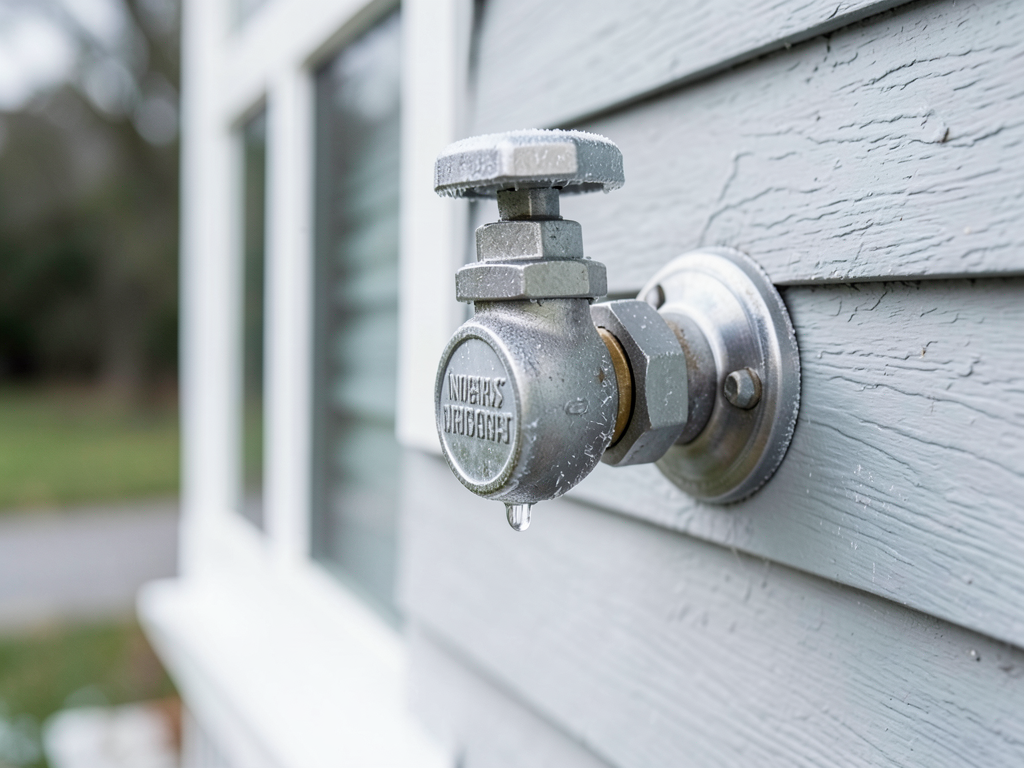
The Hidden Cost of Leaving Your Garden Hose Connected During an Indianapolis Winter Every fall…
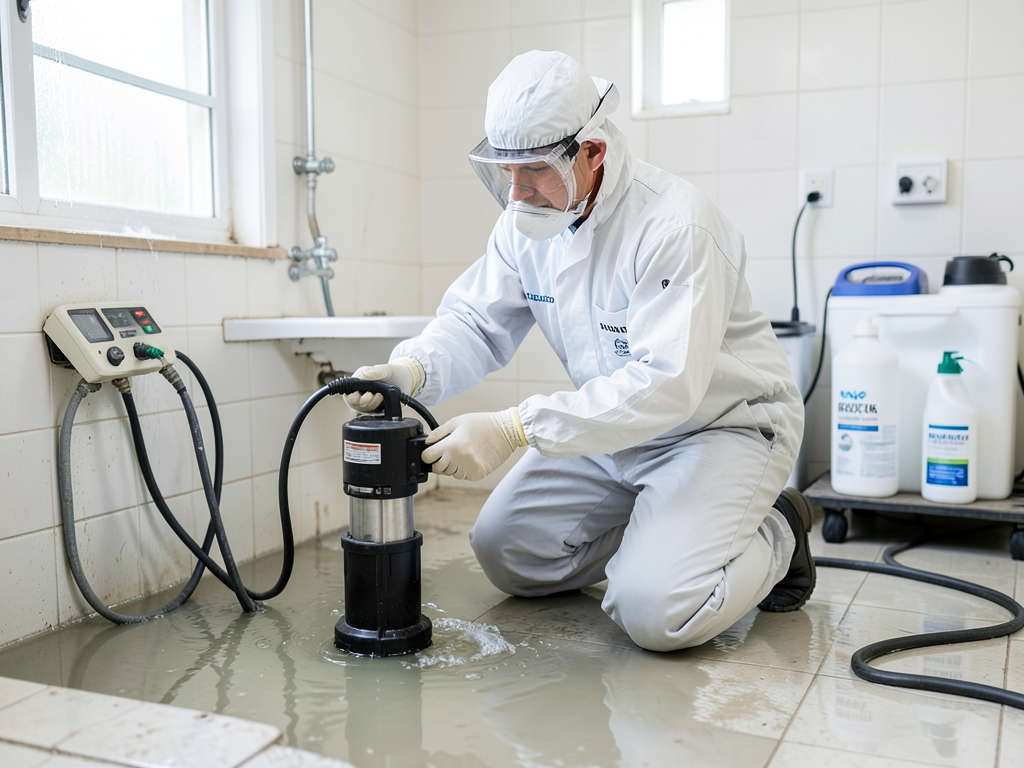
What to Do When Your Toilet Overflows and Drips Through the Ceiling in Fishers Water…
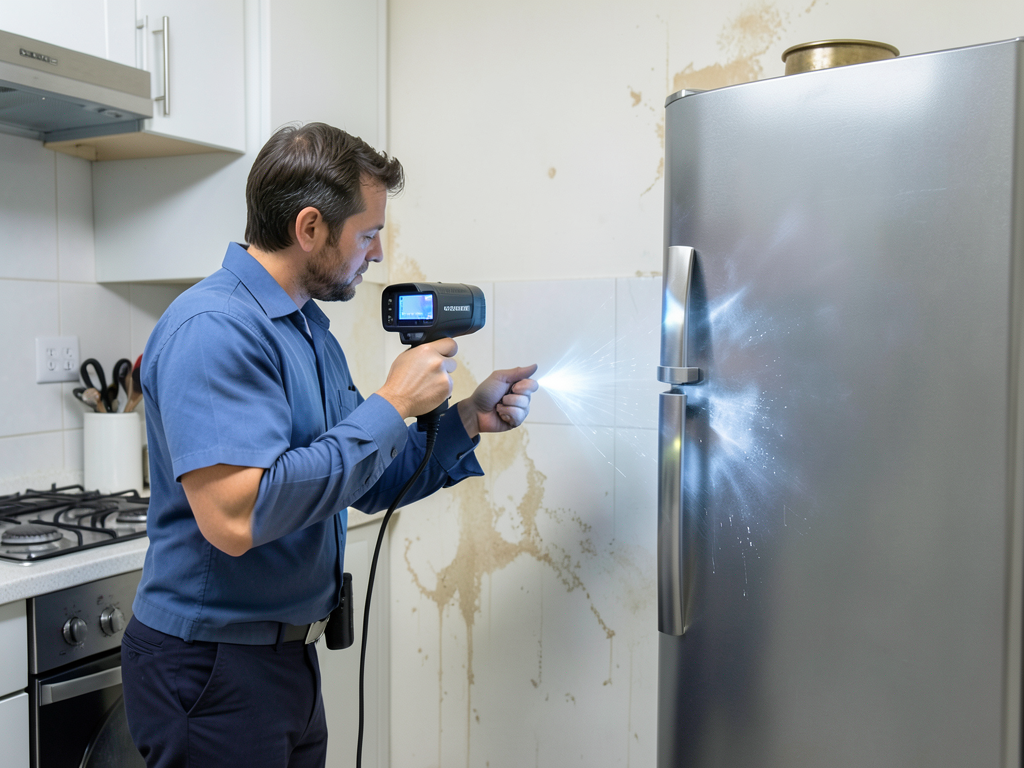
How Your Refrigerator Ice Maker Can Quietly Flood Your Kitchen in Carmel Your refrigerator's ice…
Water damage spreads fast. Every minute counts when your home floods. Call Apex Water Damage Restoration Indianapolis now at (317) 703-7676 for immediate dispatch. Our crews respond 24/7 with equipment ready to start water extraction. We handle insurance coordination and complete all restoration work.