menu

Condensation on Windows & Walls in Indianapolis – Stop Moisture Damage Before Mold Takes Root

Expert diagnosis and permanent repair for window sweating, interior glass condensation, and moisture buildup that threatens your Indianapolis home's structure and air quality.

Slider Image 1
Slider Image 2
Slider Image 3
Slider Image 4
Slider Image 5
Slider Image 7
Slider Image 8
Slider Image 9
Slider Image 10
Slider Image 11

Why Indianapolis Homes Battle Constant Window Sweating and Wall Moisture

You wake up to weeping window panes every morning. Damp drywall patches spread across your bedroom walls. That musty smell gets stronger each week. This is not just annoying. This is structural rot waiting to happen.

Indianapolis sits in a humidity trap. Our location in the White River valley creates temperature swings that slam cold fronts against humid interior air. When winter temperatures drop below freezing and your home's warm air hits cold glass or exterior walls, moisture condenses instantly. Add in our clay-rich soil that prevents natural ground drainage, and you have basements that pump humidity upward through your foundation all year long.

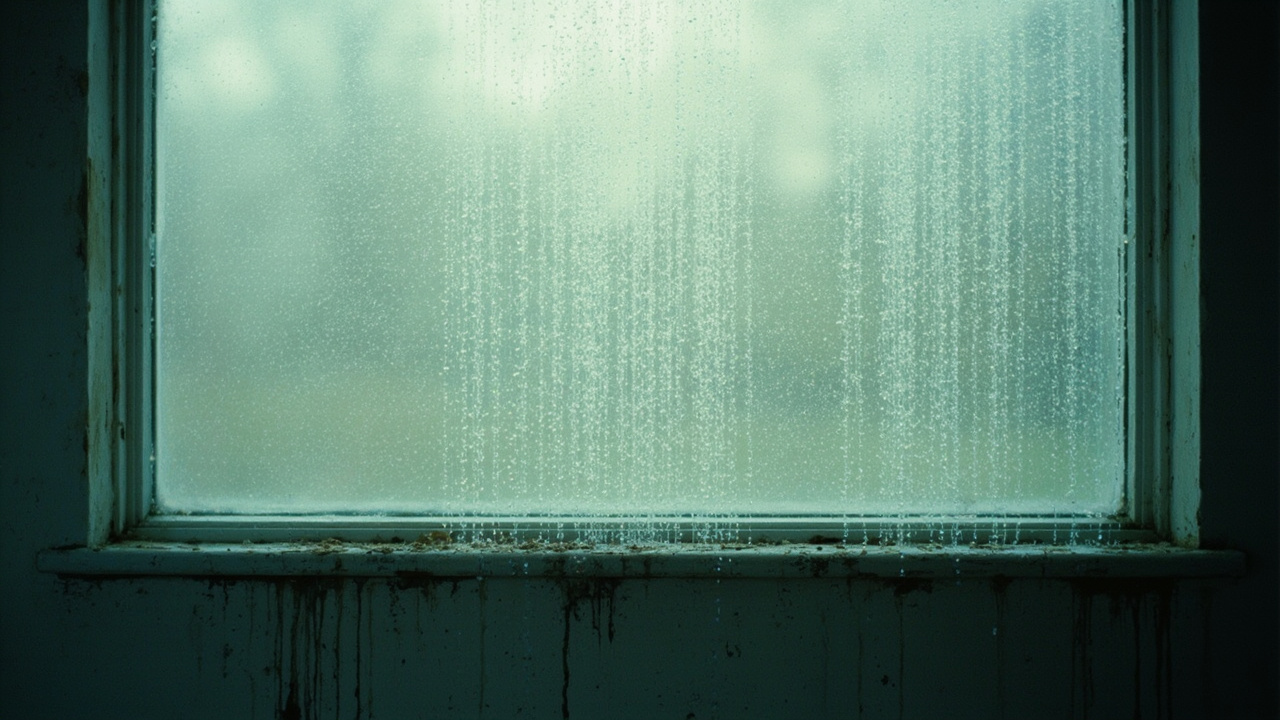
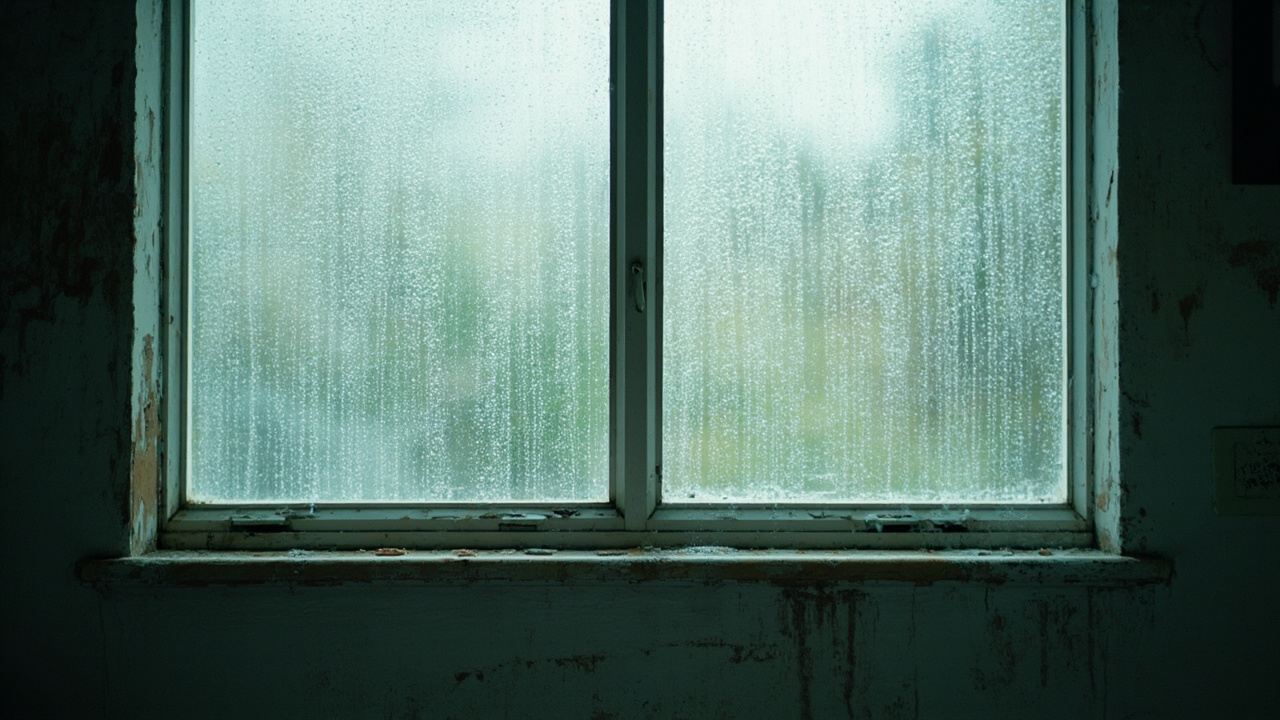
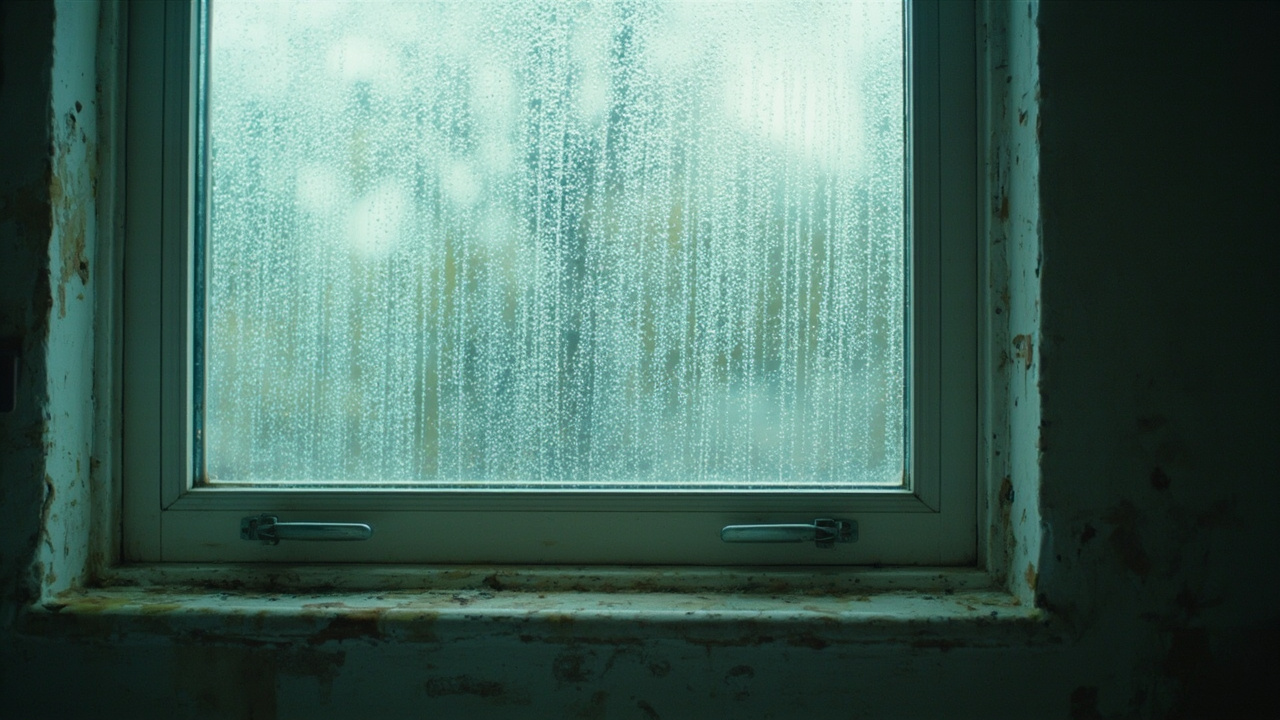
Interior glass condensation tells you one thing: your home has a vapor barrier failure, inadequate ventilation, or both. When you see moisture buildup on walls, especially in corners or near windows, the drywall backing is already saturated. The paper backing becomes a mold farm within 48 hours.

Most homeowners think this is normal for older Indianapolis homes. It is not. Historic districts like Irvington and Fountain Square have homes built before modern vapor barriers existed, but that does not mean you accept decay. Newer construction in Fishers or Carmel can also fail when builders skip proper ventilation or use substandard materials.

Window sweating is not a cosmetic issue. It is a warning light. Behind that damp drywall patch is wood framing that is rotting, insulation that has lost all R-value, and mold colonies releasing spores into your HVAC system. Your family breathes this every day.

The fix is not wiping windows with a towel. The fix is identifying where moisture enters, where it accumulates, and why your home cannot expel it naturally.

Why Indianapolis Homes Battle Constant Window Sweating and Wall Moisture
How We Diagnose and Eliminate Moisture Problems Permanently

How We Diagnose and Eliminate Moisture Problems Permanently

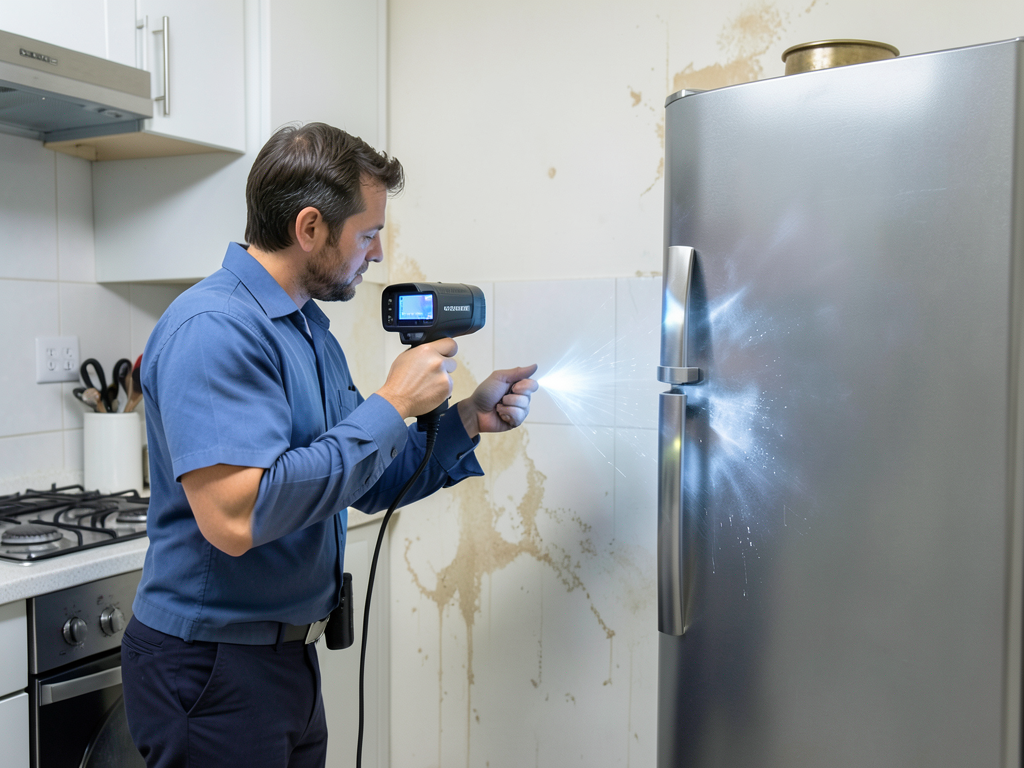
We do not guess. We measure. Apex Water Damage Restoration Indianapolis uses thermal imaging cameras to map temperature differentials across your walls and windows. Cold spots reveal where insulation has failed or where exterior air penetrates your envelope. Hot spots show where moisture accumulates and organic decomposition begins.

We deploy hygrometers to measure relative humidity at multiple points throughout your home. A reading above 60 percent means mold growth is probable. Above 70 percent means it is guaranteed. We check your crawl space, attic, and wall cavities because moisture migrates from the path of least resistance.

Most companies stop at surface symptoms. We trace the source. If your basement slab lacks a proper vapor barrier, ground moisture wicks upward through concrete and into your framing. If your bathroom exhaust vents into your attic instead of outside, you are pumping gallons of water vapor into your insulation daily. If your gutters overflow and saturate the soil against your foundation, capillary action pulls that water through your basement walls.

We remove water-damaged drywall and inspect the framing and insulation behind it. We check for black mold, wood rot, and rust on fasteners. We measure moisture content in studs using pin-type meters. Anything above 19 percent moisture content cannot support drywall. It will fail again.

After identifying every failure point, we design a remediation plan that stops moisture at the source, removes contaminated materials, and rebuilds with proper vapor barriers and ventilation. We do not patch over problems. We eliminate them.

What Happens When You Call About Moisture Problems

Condensation on Windows & Walls in Indianapolis – Stop Moisture Damage Before Mold Takes Root
01

Complete Moisture Assessment

We arrive with thermal cameras, moisture meters, and hygrometers to map every problem area. You show us the visible symptoms, then we find the hidden sources. We check your attic ventilation, crawl space encapsulation, and foundation drainage. We document everything with photos and moisture readings so you understand the scope before we begin work.
02

Source Elimination and Containment

We stop moisture at its entry point, whether that means sealing foundation cracks, redirecting downspouts, or installing proper exhaust venting. We contain the work area with plastic sheeting and negative air pressure to prevent mold spores from spreading. We remove all water-damaged materials down to clean, dry framing. Contaminated insulation, drywall, and baseboards go into sealed bags for disposal.
03

Rebuild With Prevention Built In

We rebuild using mold-resistant drywall, proper vapor barriers on exterior walls, and adequate ventilation pathways. We verify moisture levels in all framing before closing walls. We install dehumidification systems if your home's natural ventilation cannot maintain safe humidity levels. You receive documentation showing pre-work and post-work moisture readings, proving the problem is solved structurally, not just cosmetically.

Why Indianapolis Homeowners Choose Local Moisture Experts

Out-of-state restoration franchises treat Indianapolis like it has the same moisture problems as Phoenix or Seattle. It does not. Our climate is unique. We experience humid summers with 80 percent relative humidity, then winter freeze-thaw cycles that crack foundations and let groundwater seep through. National companies follow a script. We solve the specific problem in front of us.

Apex Water Damage Restoration Indianapolis has worked in every neighborhood from Broad Ripple to Beech Grove. We know which local builders cut corners on vapor barriers in the 1990s construction boom. We know that homes near Fall Creek or the Central Canal face elevated groundwater tables. We understand that historic homes in the Old Northside need moisture solutions that respect original plaster and lathe construction.

We work directly with your insurance adjuster to document damage and justify proper remediation scope. Adjusters try to approve surface repairs that fail within months. We provide moisture readings, thermal images, and scope justifications that get full repairs approved. You do not pay out of pocket for shortcuts that fail.

Our technicians hold IICRC certifications in water damage restoration and mold remediation. We follow EPA guidelines for containment and disposal. We pull permits when structural work requires inspection. We do not hide from code enforcement. We work with them.

You will find cheaper companies. You will not find more thorough companies. Cheap repairs mean you call someone else in six months when mold returns or drywall sags again. Proper repairs mean you forget the problem existed because it is solved at the source.

We serve Indianapolis because we live here. Our families breathe this air. We would not accept a surface patch job in our homes, and we will not deliver one to yours.

What to Expect When You Hire Us for Moisture Remediation

Fast Response and Scheduling

We answer calls within minutes, not hours. If you have active water intrusion or visible mold growth, we can schedule an assessment within 24 hours. Non-emergency moisture problems typically get assessed within 48 to 72 hours. Assessment takes 60 to 90 minutes depending on your home's size. You receive a written diagnosis and scope estimate before we begin any work. Remediation timelines depend on scope, but most single-room projects take three to five days from demolition to final inspection.

Thorough Diagnosis Before Any Demo

You do not pay for unnecessary demolition. We use non-invasive tools first to map moisture distribution. Thermal cameras show us what is wet behind walls without cutting holes. Moisture meters confirm saturation levels. We only remove materials that are contaminated or structurally compromised. You see the thermal images and moisture readings so you understand why specific areas need repair. If drywall reads below 16 percent moisture content and shows no thermal anomalies, we leave it alone. We demo only what science proves is damaged.

Complete Structural Drying and Verification

We do not close walls until moisture meters confirm all framing is below 16 percent moisture content. This is the threshold where mold cannot establish colonies and wood maintains structural integrity. We use commercial dehumidifiers and air movers to accelerate drying if needed. You receive dated moisture logs showing readings before, during, and after remediation. The final inspection includes thermal imaging to confirm no residual moisture pockets exist. This documentation protects you if you sell your home and buyers ask about past water damage.

Long-Term Prevention and Monitoring

Fixing current damage is half the job. Preventing recurrence is the other half. We provide written recommendations for ventilation improvements, dehumidification systems, or drainage corrections. If your home needs a crawl space encapsulation or better attic venting, we explain why and what it costs. We do not require you to use us for preventive work, but we give you the roadmap. We offer optional six-month follow-up inspections to verify moisture levels remain stable after our work. Prevention is cheaper than repeated remediation.

Frequently Asked Questions

You Have Questions,
We Have Answers

How to stop condensation on windows and walls? +

Stop condensation by reducing indoor humidity and improving ventilation. Run exhaust fans in bathrooms and kitchens during and after use. Use a dehumidifier, especially in basements where Indianapolis homes often trap moisture. Open window coverings during the day to warm glass surfaces. Check that dryer vents exhaust outside, not into crawl spaces. Ensure attic insulation is adequate and ventilation is unobstructed. Crack a window slightly during cooking or showers. Address plumbing leaks immediately. In winter, maintain consistent indoor temperatures to prevent cold spots where moisture collects. If condensation persists despite these steps, you may have a hidden moisture source or inadequate vapor barriers.

Is it normal to have condensation on the inside of house windows? +

Some interior window condensation is normal during Indianapolis winters when outdoor temperatures drop below freezing. Cold glass meets warm, humid indoor air and creates moisture. However, excessive condensation signals a ventilation or humidity problem. Occasional light condensation on cold mornings is not a concern. Persistent heavy condensation, water pooling on sills, or frost buildup indicates your home traps too much moisture. This often happens in tightly sealed homes without proper mechanical ventilation. Check indoor humidity levels. They should stay between 30 and 50 percent. If condensation appears daily or on multiple windows, take action to improve air circulation and reduce moisture sources.

Does condensation on windows mean the house is too cold? +

Condensation does not mean your house is too cold. It means your windows are too cold relative to indoor humidity levels. When warm, moist indoor air contacts cold glass, water vapor condenses. This happens more in Indianapolis winters when outdoor temperatures plunge and window surfaces cool dramatically. Single-pane windows condensate more than double-pane units. Raising your thermostat may slightly reduce condensation by warming glass, but it wastes energy and does not fix the root cause. The real solution is lowering indoor humidity through ventilation and dehumidification. Cold windows are a symptom. High indoor moisture is the problem. Address humidity first before adjusting temperatures.

Should you wipe condensation off windows? +

Yes, wipe condensation off windows promptly. Standing water damages wood frames, causes paint to peel, and creates conditions for mold growth. Use a squeegee or absorbent cloth to remove moisture daily. Pay attention to sills and corners where water pools. However, wiping is a temporary fix, not a solution. If you wipe windows every morning, you have a humidity problem that needs correction. In Indianapolis homes, persistent condensation often points to inadequate ventilation, especially in bathrooms and kitchens. Install or use exhaust fans. Check that your dryer vents properly. Consider a whole-home dehumidifier. Wiping buys time while you address the underlying moisture issue.

Does condensation on windows mean poor insulation? +

Condensation on windows does not always mean poor insulation, but the two connect. Single-pane windows or windows with broken seals lose heat quickly, creating cold interior glass surfaces where moisture condenses. However, even well-insulated windows condensate if indoor humidity is too high. Many Indianapolis homes built before 1980 have inadequate insulation in walls and attics, which creates cold interior surfaces. Check for drafts around window frames. Feel walls near windows on cold days. If they are cold to touch, insulation may be insufficient. Upgrade to double or triple-pane windows with low-E coatings. Add weatherstripping. But also control humidity, because insulation alone will not stop condensation in a damp home.

What to put on walls to stop condensation? +

You cannot put anything on walls to stop condensation. You must eliminate the moisture source. Condensation on walls signals a serious humidity problem, often from groundwater seepage, plumbing leaks, or inadequate vapor barriers. In Indianapolis basements, clay soil and high water tables drive moisture through foundation walls. Install a dehumidifier rated for your square footage. Seal basement walls with hydraulic cement or waterproofing membrane. Ensure gutters and downspouts direct water away from the foundation. Check for roof leaks. Run exhaust fans. Painting over condensation with mold-resistant paint does not fix the problem. It only hides it temporarily. Address moisture intrusion first, then repair damaged surfaces.

When should I be worried about condensation on windows? +

Worry about condensation when it appears daily, pools on sills, soaks into wood, or triggers mold growth. Occasional light condensation on cold mornings is not alarming. However, if you see frost buildup on interior glass, water stains on walls below windows, or black mold spots forming, act immediately. In Indianapolis, freeze-thaw cycles make condensation damage worse. Water trapped in wood frames freezes, expands, and cracks materials. Check for musty odors near windows. Inspect attic spaces for moisture stains or mold. If condensation wets drywall or insulation, structural damage and health risks escalate quickly. Do not ignore persistent condensation. It signals a moisture imbalance that worsens over time.

What are signs of excessive condensation? +

Signs of excessive condensation include water pooling on windowsills, frost on interior glass, peeling paint around windows, warped wood frames, musty odors, visible mold growth on walls or ceilings, damp insulation in attics or crawl spaces, and staining on drywall. You may notice foggy windows that never clear or black spots forming in corners. In Indianapolis basements, efflorescence on concrete walls signals moisture movement. Check for condensation on cold-water pipes, toilet tanks, and exterior walls. If humidity levels consistently exceed 60 percent or your dehumidifier runs constantly without lowering moisture, you have a serious ventilation or intrusion problem. These signs require immediate investigation and correction.

How to stop condensation on windows overnight in winter? +

Stop overnight winter condensation by lowering indoor humidity before bed. Run exhaust fans for 20 minutes after evening showers. Crack a bedroom window slightly to increase ventilation. Keep bedroom doors open to circulate air. Use a dehumidifier set to maintain 35 to 45 percent humidity. Close curtains or blinds loosely rather than tightly against glass, allowing air to reach windows. Avoid drying laundry indoors overnight. Check that bathroom and kitchen exhaust fans vent outside, not into attics where moisture recirculates. In Indianapolis winters, extreme outdoor cold makes condensation worse. Consistent indoor temperatures help. Do not turn the heat down drastically at night, which chills windows further.

What temperature should I keep my house to prevent condensation? +

Keep your Indianapolis home between 68 and 72 degrees in winter to prevent condensation, but temperature alone does not solve the problem. Indoor humidity matters more. Maintain humidity between 30 and 50 percent year-round. In winter, aim for the lower end when outdoor temperatures drop below 20 degrees. Colder outdoor air means colder window glass, which condensates more easily. A programmable thermostat helps maintain consistent temperatures and prevents cold spots. Avoid large temperature swings. Do not let your home get too cold overnight, then blast heat in the morning. Consistent warmth reduces surface condensation. However, if humidity exceeds 50 percent, condensation will occur regardless of temperature. Address moisture sources first.

How Indianapolis Humidity and Clay Soil Create Year-Round Moisture Threats

Indianapolis sits in USDA Hardiness Zone 6a with summer dew points regularly exceeding 70 degrees and winter temperatures dropping below 20 degrees. This creates the perfect condensation environment. When exterior temperatures fall and interior humidity stays elevated from cooking, showers, and breathing, moisture condenses on any cold surface. Our clay-heavy soil compounds this because it drains poorly. After heavy rain, water sits against your foundation for days, wicking moisture through concrete and block walls. Homes near Eagle Creek Reservoir or the White River face even higher groundwater tables. Window sweating and wall moisture are not just winter problems here. They are year-round structural threats.

Indianapolis building codes have evolved significantly since the 1970s, but thousands of homes predate modern vapor barrier and ventilation requirements. If you live in Fountain Square, Irvington, or Butler-Tarkington, your home likely lacks proper moisture barriers. Even newer construction in Fishers or Westfield can fail if builders used insufficient insulation or vented bathrooms into attics instead of outside. Local moisture experts understand these specific vulnerabilities. We know which eras of construction need retrofit solutions and which materials perform in our climate. Choosing a restoration company that operates nationally means you get generic solutions. Choosing local means you get fixes designed for Indianapolis's specific moisture challenges.
Water Damage Restoration Services in The Indianapolis Area

We are proud to serve the entire Indianapolis area and surrounding communities, providing rapid-response water damage restoration right where you need it most. Our central location allows us to deploy our 24/7 emergency teams quickly across the region. View our service area on the map below and remember that wherever you are in the Indianapolis metropolitan area, Apex Water Damage Restoration Indianapolis is ready to deliver expert and trustworthy service to secure your home or business.

Address:
Apex Water Damage Restoration Indianapolis, 6767 E Washington St, Indianapolis, IN, 46219

Additional Services We Offer

Our news updates

Latest Articles & News from The Blogs

Is Crawl Space Encapsulation Worth the Investment for Your Home in Wynnedale? Crawl space encapsulation can save Wynnedale homeowners thousands…

Is Crawl Space Encapsulation Worth the Investment for Your Home in Wynnedale?

Is Crawl Space Encapsulation Worth the Investment for Your Home in Wynnedale? Crawl space encapsulation can save Wynnedale homeowners thousands…

How to Decide Which Water Damaged Items to Keep and Which to Throw Away

How to Decide Which Water Damaged Items to Keep and Which to Throw Away When water floods your Indianapolis home…

Battery Backup vs Water Powered Sump Pumps for Your Near Eastside Basement

Why Your Near Eastside Basement Needs a Reliable Backup Sump Pump Living in the Near Eastside means dealing with Indianapolis's…

Contact Us

Call Apex Water Damage Restoration Indianapolis at (317) 703-7676 right now. We assess moisture problems within 24 hours and provide written diagnoses before starting work. Do not wait until mold forces you out of your home. Fix it now.