menu

Water Damage Restoration in Indianapolis – 24/7 Emergency Response and Certified Structural Drying

When water invades your Indianapolis property, certified water damage restoration experts deploy thermal imaging and industrial dehumidification to stop secondary damage before mold takes hold.

Slider Image 1
Slider Image 2
Slider Image 3
Slider Image 4
Slider Image 5
Slider Image 7
Slider Image 8
Slider Image 9
Slider Image 10
Slider Image 11

Why Indianapolis Properties Face Hidden Water Damage Risks

Indianapolis sits at the intersection of unpredictable weather and aging infrastructure. The city's freeze-thaw cycles crack foundation walls and stress pipe joints throughout winter. Spring storms dump heavy rainfall that overwhelms aging sump pumps in neighborhoods built on clay soil that drains poorly. Summer humidity creates condensation issues in crawl spaces across Broad Ripple and Fountain Square.

Water damage remediation in Indianapolis requires understanding these specific challenges. A burst pipe in Meridian-Kessler homes built in the 1920s behaves differently than flooding in newer construction near Fishers. Clay soil shifts during seasonal temperature swings, creating foundation microcracks that channel water into basements. The White River and Fall Creek flood zones add risk for properties in low-lying areas.

Many property owners miss the warning signs. A musty smell in your basement signals active microbial growth. Ceiling stains mean water damage cleanup needs to start immediately, not next week. Warped flooring indicates moisture has compromised the subfloor structure. Peeling paint hides water intrusion behind walls.

Water damage mitigation becomes exponentially more expensive after 48 hours. What starts as a Category 1 clean water event from a supply line becomes a Category 2 gray water problem when bacteria multiply. Water removal services must extract standing water, then address moisture trapped in drywall cavities, insulation, and structural lumber. Indianapolis's humid summers slow natural drying, creating perfect conditions for mold colonization.

Your property needs professional water damage repair before secondary damage destroys what water did not reach initially.

Why Indianapolis Properties Face Hidden Water Damage Risks
How Professional Water Damage Restoration Works

How Professional Water Damage Restoration Works

Professional water damage restoration follows IICRC S500 standards for water damage remediation. This is not about running box fans and hoping for the best. Certified technicians use moisture mapping to identify every wet material in your structure.

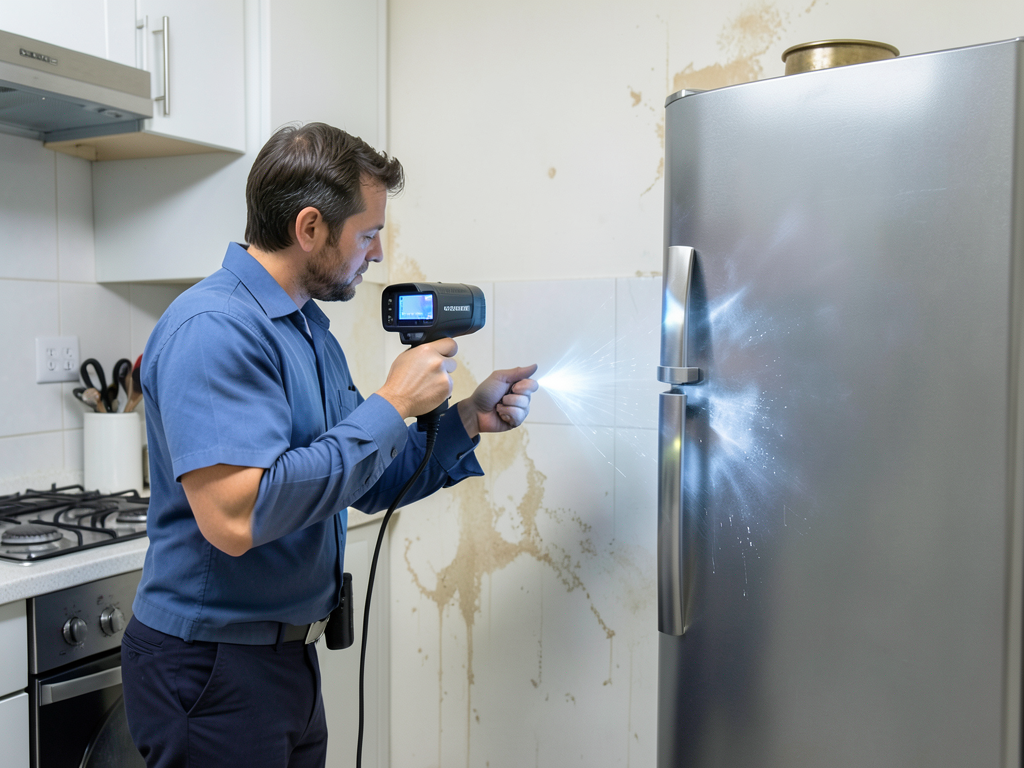
Thermal imaging cameras detect temperature differentials that reveal hidden moisture in wall cavities and above ceilings. Penetrating moisture meters measure water content in wood framing and subflooring. Hygrometers track relative humidity and vapor pressure to calculate proper drying conditions.

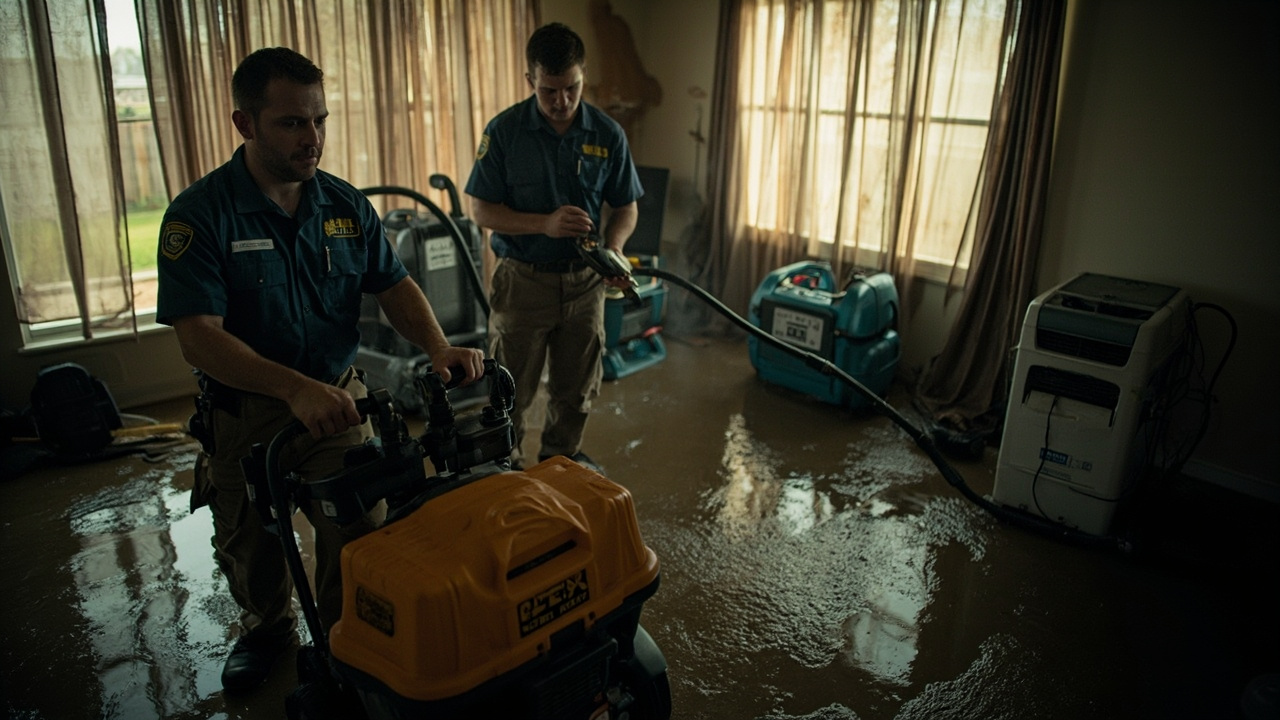
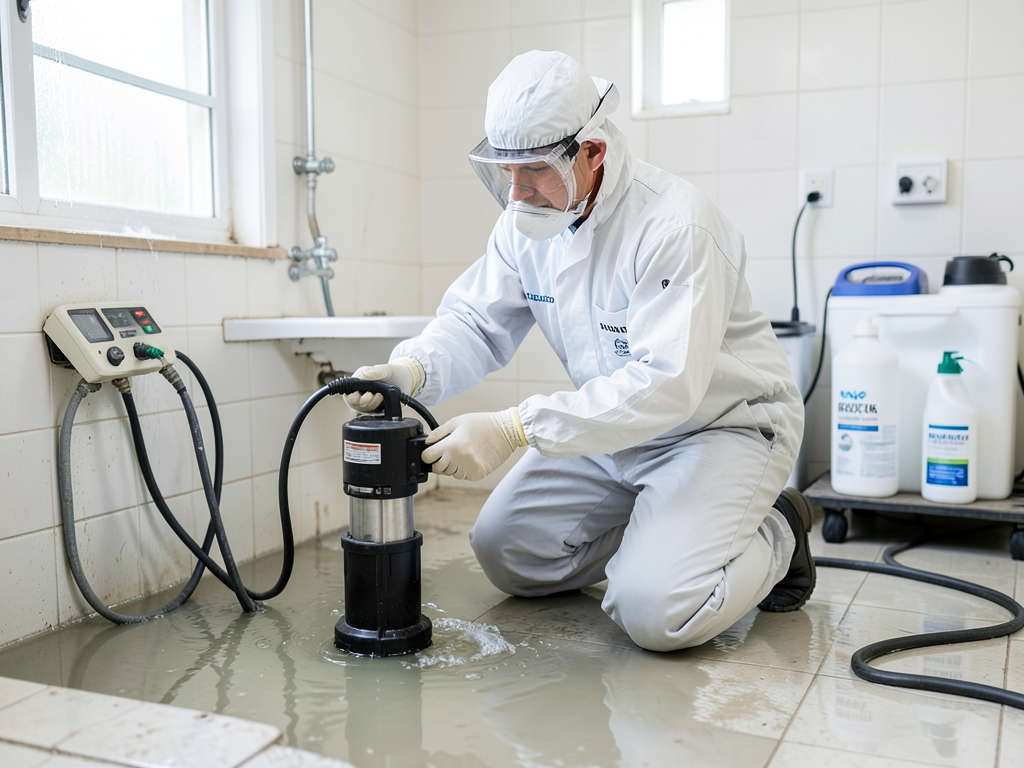
Water removal services begin with truck-mounted extractors that pull thousands of gallons from carpeting and padding. Submersible pumps handle standing water in basements. Then comes controlled demolition. Wet drywall cut to two feet above the waterline prevents wicking. Soaked insulation gets removed because it cannot dry in place.

Commercial-grade dehumidifiers pull 150+ pints per day while air movers create rapid air circulation across wet surfaces. This is not comfort cooling. The goal is evaporation. Technicians monitor grain depression, the difference between ambient air moisture and material moisture content, to determine when drying is complete.

Antimicrobial application prevents microbial amplification on organic materials. HEPA air scrubbers capture airborne particles during the water damage cleanup process. Hydroxyl generators neutralize odors at the molecular level without ozone's corrosive effects.

Daily moisture readings document progress. Drying logs show insurance adjusters exactly when materials reached industry-standard dry goals. This documentation protects you during the claims process and proves the job was completed correctly.

What Happens During Your Water Damage Emergency

Water Damage Restoration in Indianapolis – 24/7 Emergency Response and Certified Structural Drying
01

Immediate Damage Assessment

Within 60 minutes of your call, technicians arrive with moisture detection equipment to map the full extent of water intrusion. They identify the water source, categorize contamination level, and determine which materials require removal versus drying. You receive a documented scope of work before extraction begins. Emergency board-up or roof tarping happens immediately if needed to prevent additional water entry.
02

Water Extraction and Containment

Truck-mounted extractors remove standing water from flooring and carpeting. Technicians pull wet contents from affected areas and isolate contaminated zones using plastic sheeting barriers. Controlled demolition removes materials that cannot be saved. Drying equipment deployment begins immediately with commercial dehumidifiers and air movers positioned based on psychrometric calculations. The goal is preventing secondary damage during the critical first 48 hours.
03

Structural Drying and Verification

Daily moisture readings track drying progress in all affected materials. Equipment adjustments optimize evaporation rates as conditions change. When materials reach dry standard, technicians document final readings and photograph conditions. You receive a complete drying log showing moisture levels from start to finish. This documentation satisfies insurance requirements and confirms your property is ready for reconstruction without hidden moisture that could cause future problems.

Why Indianapolis Property Owners Choose Local Water Damage Experts

Indianapolis building codes and insurance requirements demand specific documentation and procedures. Local water damage restoration teams understand Marion County permit requirements when reconstruction involves structural repairs. They know which insurance adjusters serve Indianapolis and what documentation those adjusters expect.

Experience with Indianapolis construction matters. Homes in historic neighborhoods like Lockerbie Square feature plaster walls and horsehair insulation that require different drying techniques than modern drywall. Craftsman bungalows in Irvington have unique crawl space configurations. Mid-century ranch homes in Broad Ripple were built before modern vapor barriers existed.

Local teams respond faster because they are already in your area. A crew serving all of central Indiana from a single location cannot match the response time of technicians based in Indianapolis. Minutes matter when water is actively damaging your property.

Relationships with local contractors speed reconstruction. When your water damage repair requires a plumber to fix the source or an electrician to address water-damaged wiring, local restoration companies have established networks. They know which trades deliver quality work and respond quickly.

Insurance claims move faster with local documentation. Adjusters recognize local company names and trust their moisture readings. When you need emergency mitigation before the adjuster arrives, local companies understand Indiana insurance regulations about emergency services authorization.

Indianapolis properties face specific water damage risks from seasonal flooding, aging infrastructure, and clay soil conditions. You need a restoration partner who has solved these exact problems in your neighborhood before.

What to Expect During Water Damage Restoration

Emergency Response Timeline

Water damage restoration companies operate 24/7 because water does not wait for business hours. Expect initial contact within minutes of your call and technician arrival within 60-90 minutes for Indianapolis properties. Emergency mitigation begins immediately to stop additional damage. Water extraction and equipment placement happen the same day. The full drying process typically requires three to five days depending on materials affected and extent of saturation. Technicians visit daily to take moisture readings and adjust equipment. You receive regular updates on drying progress and timeline adjustments if conditions require extended drying.

Initial Property Inspection

Certified technicians perform room-by-room moisture mapping using thermal imaging and penetrating moisture meters. They document water category, affected materials, and moisture levels with photographs and detailed notes. You receive an explanation of what can be saved versus what requires removal. The inspection identifies safety hazards like electrical issues or structural concerns. Technicians explain the drying process, equipment placement, and expected timeline. This initial assessment creates the scope of work for insurance claims and establishes baseline moisture readings that document drying progress throughout the project.

Restoration Quality Standards

Professional water damage restoration achieves specific moisture content goals defined by industry standards. Wood framing must reach 15% moisture content or less. Concrete floors require specific readings based on planned flooring materials. Every measurement gets documented in drying logs that prove materials reached dry standard. Antimicrobial treatment prevents microbial growth on affected surfaces. Air quality testing confirms no elevated particle counts before reconstruction begins. The completed job includes photographic documentation, moisture reading logs, and equipment operation records. This documentation protects you if problems emerge later and satisfies insurance company requirements.

Post-Restoration Support

After drying completion, you receive recommendations for reconstruction contractors if needed. Technicians explain how to prevent similar damage in the future, including maintenance tips for sump pumps, drainage systems, and plumbing fixtures. Many restoration companies coordinate directly with reconstruction teams to ensure continuity between drying and rebuilding. You keep all documentation including moisture logs, photographs, and scope of work for insurance records. If questions arise during reconstruction about dried areas, restoration teams provide consultation. Understanding your property's specific vulnerabilities helps prevent future water damage events.

Frequently Asked Questions

You Have Questions,
We Have Answers

How much does water damage remediation cost? +

Cost depends on the extent of damage, water category, and affected materials. Class 1 damage (minimal absorption) costs less than Class 4 (deep saturation in hardwood or plaster). Gray water or black water requires specialized extraction and disposal, increasing price. Most Indianapolis homeowners pay insurance deductibles rather than full out-of-pocket costs. Structural drying, antimicrobial treatment, and content restoration add to the total. Basements in Indianapolis often require sump pump repairs or foundation waterproofing after flooding. Get a detailed estimate that breaks down extraction, drying equipment rental days, and reconstruction scope before you commit.

What does water damage restoration include? +

Restoration includes water extraction, structural drying, moisture monitoring, antimicrobial application, and reconstruction. Technicians remove standing water with truck-mounted pumps, place air movers and dehumidifiers, and track moisture levels in walls and subflooring using thermal cameras and moisture meters. Contents are inventoried, packed out if needed, and cleaned or discarded. Affected drywall, insulation, and flooring are removed if saturation exceeds salvage thresholds. In Indianapolis, crawl spaces and basements require mold remediation if humidity stays above 60 percent for 48 hours. Final steps include odor control, HEPA vacuuming, and repairs to restore your home to pre-loss condition.

Can water damage be repaired? +

Yes, if you act within 24 to 48 hours. Water wicks through drywall, insulation, and subflooring fast. Indianapolis humidity accelerates mold growth, especially in basements and crawl spaces. Extraction and industrial drying equipment can salvage hardwood floors, cabinets, and framing if technicians respond quickly. Porous materials like carpet padding and insulation usually require disposal. Structural wood can be dried and treated if moisture content drops below 15 percent. Delayed response leads to warping, delamination, and microbial growth that forces replacement. Professional equipment and monitoring prevent secondary damage that DIY fans and shop vacs cannot address.

Is water damage restoration worth it? +

Yes. Unmitigated water damage causes mold, wood rot, and structural failure that cost more to fix later. Insurance typically covers sudden and accidental water damage, making professional restoration affordable. In Indianapolis, untreated basement flooding leads to foundation issues and decreased home value. Professional drying prevents hidden moisture in wall cavities that triggers mold months later. Restoration companies document losses, communicate with adjusters, and provide detailed estimates that protect your claim. Trying to dry a home yourself without moisture meters or dehumidifiers leaves you vulnerable to denial or underpayment. Fast, thorough restoration protects your investment and health.

How Indianapolis Weather Patterns Create Year-Round Water Damage Risks

Indianapolis averages 42 inches of precipitation annually with weather extremes that stress residential and commercial structures. Winter temperatures drop below freezing for extended periods, causing pipe bursts when uninsulated supply lines freeze and rupture. Spring brings severe thunderstorms that dump several inches of rain in hours, overwhelming French drains and foundation waterproofing in neighborhoods built on poorly draining clay soil. Summer humidity above 70% creates condensation issues in crawl spaces and attics where temperature differentials cause moisture accumulation. Fall freeze-thaw cycles crack concrete and stress expansion joints, creating new water entry points each season.

Indianapolis water damage restoration requires understanding local construction methods and Marion County building codes. Many historic Indianapolis homes feature stone foundations and plaster walls that demand different drying techniques than modern construction. Local restoration teams recognize the difference between water damage in a Meridian-Kessler Tudor and a Carmel subdivision home. They understand Indianapolis insurance claim procedures and work directly with adjusters who serve the central Indiana market. This local expertise speeds insurance approval and ensures restoration meets code requirements for permits when reconstruction involves structural repairs or electrical work affected by water intrusion.
Water Damage Restoration Services in The Indianapolis Area

We are proud to serve the entire Indianapolis area and surrounding communities, providing rapid-response water damage restoration right where you need it most. Our central location allows us to deploy our 24/7 emergency teams quickly across the region. View our service area on the map below and remember that wherever you are in the Indianapolis metropolitan area, Apex Water Damage Restoration Indianapolis is ready to deliver expert and trustworthy service to secure your home or business.

Address:
Apex Water Damage Restoration Indianapolis, 6767 E Washington St, Indianapolis, IN, 46219

Our news updates

Latest Articles & News from The Blogs

Is Crawl Space Encapsulation Worth the Investment for Your Home in Wynnedale? Crawl space encapsulation can save Wynnedale homeowners thousands…

Is Crawl Space Encapsulation Worth the Investment for Your Home in Wynnedale?

Is Crawl Space Encapsulation Worth the Investment for Your Home in Wynnedale? Crawl space encapsulation can save Wynnedale homeowners thousands…

How to Decide Which Water Damaged Items to Keep and Which to Throw Away

How to Decide Which Water Damaged Items to Keep and Which to Throw Away When water floods your Indianapolis home…

Battery Backup vs Water Powered Sump Pumps for Your Near Eastside Basement

Why Your Near Eastside Basement Needs a Reliable Backup Sump Pump Living in the Near Eastside means dealing with Indianapolis's…

Contact Us

Water damage spreads every hour you wait. Call (317) 703-7676 now for 24/7 emergency response. Certified technicians arrive within 60 minutes to stop damage and start drying your Indianapolis property. Do not let water destroy what can be saved today.