


Lawrence sits in the White River floodplain, where seasonal flooding combines with aging infrastructure to create perfect conditions for water intrusion. Homes built in the 1960s and 70s around Fort Benjamin Harrison often have original plumbing that fails without warning. Spring thaws send groundwater through basement foundations, particularly in the neighborhoods near Fall Creek. Summer storms overwhelm gutters and downspouts, pooling water against foundations until it finds a way inside.
The clay-heavy soil common throughout Marion County compounds the problem. Water doesn't drain naturally. It sits against foundations, creating hydrostatic pressure that forces moisture through cracks and seams. Sump pumps work overtime during wet seasons, and when they fail, basements flood fast. The humid Indiana climate accelerates mold growth. What starts as a small leak on Monday becomes a mold problem by Friday if not handled correctly. Lawrence homeowners face a two-front battle: stopping the water and preventing secondary damage.
We built our reputation on response time and insurance expertise. When your basement floods at 2 AM, our crew arrives with truck-mounted extractors and industrial dehumidifiers, not excuses. We've worked hundreds of water damage claims in Marion County, and we know exactly what State Farm, Nationwide, and Erie expect in documentation. We photograph everything, track moisture readings daily, and provide the detailed estimates adjusters need to approve your claim fast.
Our technicians hold IICRC certifications in water damage restoration and applied structural drying. That's not marketing language. It means we follow science-based protocols for moisture removal, not guesswork. We use thermal imaging to find hidden water in wall cavities. We monitor humidity levels hourly and adjust equipment accordingly. We pull baseboards and drill weep holes when needed to dry spaces other companies miss.
We're local to Indianapolis and understand Lawrence's housing stock. We know which homes have crawl spaces prone to standing water and which subdivisions battle foundation seepage. We've dried out ranch homes near Shadeland Avenue and two-story colonials in Oaklandon. We source materials locally and return for follow-up inspections until the job is complete. When we say we'll be there in an hour, we mean it. When we say your home will be dry, we guarantee it.

We dispatch crews to Lawrence within one hour of your call, 24 hours a day. Fast water extraction prevents structural damage and stops mold before it starts. Our trucks carry commercial-grade pumps, extractors, and drying equipment so we start work immediately upon arrival.

We handle your insurance paperwork from first call to final payment. Our detailed documentation, moisture logs, and photo evidence streamline the claims process. We work directly with adjusters and provide exactly what they need for fast claim approval.
Our team holds certifications in water damage restoration and applied structural drying from the Institute of Inspection, Cleaning and Restoration Certification. We follow industry protocols for moisture removal, antimicrobial treatment, and structural drying validated by decades of restoration science.
We understand Lawrence's flood-prone areas, clay soil drainage issues, and common plumbing failures in older neighborhoods. Our crews know the fastest routes to every Lawrence subdivision and carry equipment specific to the water damage patterns we see throughout Marion County.
Water damage restoration requires more than shop vacuums and fans. Proper water removal, structural drying, and contamination control follow specific protocols developed through decades of restoration science. We provide emergency water extraction, complete structural drying, mold remediation, and full reconstruction services. Every job starts with water classification and category assessment. Clean water from supply lines requires different treatment than contaminated water from sewage backups. We adjust our approach based on what's in your home and where it came from. Our services cover everything from initial emergency response through final reconstruction, coordinating trades and managing timelines so you deal with one company, not six.
When water floods your home, immediate extraction prevents structural damage and reduces restoration costs. We arrive with truck-mounted pumps and portable extractors, removing standing water within hours. Our crew extracts water from carpets, pads, and flooring, then removes damaged materials that can't be saved. We document pre-loss conditions, take moisture readings throughout the structure, and create drying plans based on IICRC standards.
Removing visible water is only the first step. Wood framing, drywall, and insulation hold moisture for weeks if not dried properly. We position commercial dehumidifiers and air movers strategically throughout affected areas, creating airflow that pulls moisture from structural materials. We monitor humidity levels and moisture content daily, adjusting equipment until readings return to normal ranges. This prevents warping, swelling, and mold growth.
Mold colonizes wet materials within 48 to 72 hours. If water damage sits untreated or drying is incomplete, mold becomes a secondary problem. We contain affected areas, remove contaminated materials following EPA guidelines, and treat surfaces with antimicrobial solutions. We use HEPA filtration during removal to prevent spore spread. After remediation, we verify clearance with post-remediation testing, documenting that your home is safe.
Lawrence's combination of aging infrastructure, clay soil, and seasonal flooding creates predictable water damage patterns. Homes near Fall Creek and the White River face flood risk during spring storms. Neighborhoods built in the 1960s and 70s battle plumbing failures as original supply lines reach end of life. Clay soil prevents proper drainage, creating hydrostatic pressure against foundations during wet periods. Sump pump failures during power outages leave basements vulnerable. Understanding these common problems helps homeowners recognize warning signs before minor leaks become major disasters. We respond to these issues daily and know exactly how to address each one.
Sump pumps protect Lawrence basements from groundwater intrusion, but they fail during storms when you need them most. Power outages, mechanical failure, or overwhelmed capacity sends water pouring across basement floors. We extract water immediately, dry the space completely, and coordinate sump pump replacement to prevent repeat flooding.
Indiana winters freeze pipes in exterior walls, crawl spaces, and unheated garages. When temperatures spike, ice thaws and pipes burst, sending gallons of water into living spaces. Supply line failures flood homes fast. We shut off water, extract what's pooled, and dry structural cavities behind walls where damage hides.
Tree roots infiltrate aging sewer laterals throughout Lawrence, causing backups that send contaminated water into basements. Category 3 water damage requires specialized cleanup protocols. We remove contaminated materials, disinfect surfaces, and follow safety procedures that protect your family from bacterial and viral contamination common in sewage.
Heavy spring rains overwhelm gutters and pool water against foundations. Clay soil prevents drainage, creating pressure that forces water through foundation cracks and seams. Finished basements suffer carpet damage, drywall wicking, and insulation saturation. We dry structural elements thoroughly and coordinate waterproofing repairs to prevent future intrusion.
Water damage creates panic. You're standing in water, unsure what to do first, worried about costs and insurance coverage. We handle the chaos. From your first call, we guide you through every step with clear communication and transparent processes. You'll know when we're arriving, what we're doing, and why each step matters. We coordinate directly with your insurance company, removing that burden from your shoulders. Our goal is simple: restore your home quickly while making the process as painless as possible.
When you call (317) 703-7676, you reach a live person who dispatches a crew immediately. We provide an accurate arrival time and call when we're en route. Our technician arrives with a fully equipped truck, performs an initial assessment, and starts water extraction within minutes. We explain what we're doing, answer questions, and provide a clear plan for the days ahead.
Water damage restoration takes days, not hours. Proper structural drying requires monitoring equipment, adjusting humidity levels, and verifying moisture content in building materials. We visit daily to check equipment, take readings, and update you on progress. You receive written moisture logs and know exactly when your home will be dry. We don't disappear after placing equipment.
We photograph every step, document all moisture readings, and provide detailed scope of work estimates that insurance adjusters approve quickly. We communicate directly with your insurance company, answer their questions, and provide the technical documentation they require. Most customers never speak to their adjuster because we handle those conversations on your behalf.
We follow IICRC protocols for water damage restoration, applying proven methods refined through decades of industry research. Our process stops damage, removes moisture, and restores your home efficiently.
Our crew arrives within 60 minutes, assesses the water category and classification, and begins extraction immediately. We remove standing water with truck-mounted pumps and portable extractors, pull wet carpets and pads, and remove damaged materials that can't be saved. We photograph pre-loss conditions, document affected areas, and create a drying plan specific to your home's construction and moisture levels.
We position commercial dehumidifiers and air movers throughout affected areas, creating controlled drying conditions. Our technicians visit daily to monitor moisture levels in walls, floors, and structural materials. We adjust equipment placement and settings based on readings, ensuring complete moisture removal. Drying typically takes three to five days depending on materials affected and initial moisture levels.
Once moisture readings return to normal, we remove drying equipment and begin reconstruction. We replace drywall, reinstall flooring, paint, and coordinate any necessary trades. We perform a final walkthrough, verify your satisfaction, and provide all documentation for your records. Your home returns to pre-loss condition, backed by our workmanship warranty.
Professional water damage restoration follows specific protocols developed by the Institute of Inspection, Cleaning and Restoration Certification. These standards exist because improper drying causes long-term problems that surface months later. Water damage classification determines equipment needs and drying strategies. Class 1 damage affects minimal materials and dries quickly. Class 4 damage involves specialty materials like hardwood and requires low-grain refrigerant dehumidifiers and extended drying times.
Water category determines safety protocols and material disposal. Category 1 water from supply lines is initially clean but becomes Category 2 after contacting building materials. Category 3 water from sewage or flooding contains harmful bacteria and requires antimicrobial treatment and material removal. We test moisture content using penetrating and non-penetrating meters, tracking readings in wood framing, drywall, and subflooring. Normal moisture content for wood framing ranges from 7 to 15 percent depending on species and climate. We don't remove equipment until readings fall within acceptable ranges.
Psychrometry guides our drying strategy. We measure temperature, relative humidity, and specific humidity to calculate grain depression and determine drying potential. High grain depression accelerates evaporation. We create optimal conditions through strategic equipment placement and controlled airflow. Dehumidification happens through refrigerant or desiccant systems depending on temperature and humidity levels. We position air movers to create circulation patterns that maximize evaporation without creating dead spots. Every decision follows measurable data, not guesswork.
The IICRC S500 Standard for Professional Water Damage Restoration provides science-based protocols for water removal, structural drying, and contamination control. We follow these guidelines on every job, ensuring our methods meet industry standards recognized by insurance companies and building professionals nationwide. Compliance protects your home and validates our process.
Restoration costs depend on water volume, affected square footage, material types, and damage classification. Clean water extraction costs less than sewage cleanup. Drying carpet differs from drying hardwood. Most insurance policies cover sudden and accidental water damage. We provide detailed estimates breaking down extraction, drying, demolition, and reconstruction costs for adjuster review.
Structural drying typically requires three to five days for standard construction materials. Hardwood flooring, plaster, and specialty materials need longer. We monitor moisture daily and remove equipment only when readings confirm complete drying. Rushing this process causes mold growth, warping, and material failure weeks later. Proper drying takes time but prevents bigger problems.
Most homeowner policies cover water damage from burst pipes, appliance failures, and storm-related roof leaks. They typically exclude flood damage and gradual leaks. We document everything for claims submission, work directly with adjusters, and provide the technical justification insurance companies require. Our detailed reporting streamlines approval and accelerates payment.
This video explains the water damage restoration process for Lawrence, Indiana homeowners, covering emergency response procedures, structural drying techniques, and insurance claim coordination. Viewers learn about common water damage causes in Lawrence including sump pump failures, burst pipes, and foundation flooding, plus the IICRC-certified methods professionals use for water removal and mold prevention. The video details response times, drying timelines, and what to expect when calling for emergency water damage restoration services.
We serve every neighborhood throughout Lawrence and respond to water damage calls across the greater Indianapolis metro area. Our central location allows fast response to homes near Fort Benjamin Harrison, where military families and civilian residents battle foundation seepage in older housing stock. We regularly work in the subdivisions around Oaklandon, where homes built in the 1970s experience plumbing failures and sump pump issues during wet seasons.
The neighborhoods along Shadeland Avenue from 56th Street to the Marion County line see frequent water damage from aging infrastructure and storm water intrusion. We've dried basements and restored finished lower levels in dozens of homes throughout this corridor. East Lawrence near Sunnyside Road faces unique challenges with crawl space flooding and standing water that requires specialized extraction equipment and vapor barriers.
Properties near Fall Creek battle seasonal flooding when spring storms send water levels rising. We coordinate with homeowners in these flood-prone zones, responding quickly when water breaches foundations or overwhelms drainage systems. The area surrounding Skiles Test Nature Park sees groundwater intrusion during heavy rain periods, particularly in homes built on lower elevations near the creek.
We also serve surrounding Marion County communities including Fishers, McCordsville, and Indianapolis proper. Our crews know the fastest routes throughout the metro area and respond to emergencies regardless of time or weather conditions. Whether you're dealing with a burst pipe in Geist, basement flooding near Lawrence Central High School, or storm damage along Interstate 465, we dispatch immediately and arrive prepared to stop water damage in its tracks.
Water damage restoration in Lawrence IN takes 3 to 7 days for most residential projects. Small incidents like a burst pipe finish in 2 to 3 days. Extensive flooding from storms or sewage backups needs 5 to 10 days. The timeline depends on water category, affected square footage, and material damage. Standing water extraction takes hours. Drying equipment runs 3 to 5 days. Structural repairs add time. Mold remediation extends the process if growth starts. Restoration teams work systematically through extraction, drying, cleaning, and repairs to return your home to pre-loss condition.
Water damage restoration expenses in Lawrence IN depend on damage severity and affected areas. Minor incidents affecting one room fall on the lower end. Major flooding throughout multiple levels costs significantly more. Key factors include water category, square footage, equipment needs, and repair extent. Clean water from supply lines costs less to address than contaminated sewage water. Most homeowners insurance policies cover sudden water damage events. Get multiple written estimates from local Lawrence restoration companies. Compare services included and response times. Emergency water extraction and prevention of secondary damage take priority over final repair expenses.
Most homeowners insurance policies in Lawrence IN cover sudden and accidental water damage. Burst pipes, appliance malfunctions, and storm damage typically qualify for coverage. Gradual damage from slow leaks or poor maintenance gets denied. Flood damage requires separate flood insurance through FEMA. Review your policy declarations page for water damage coverage limits and exclusions. Document all damage with photos before cleanup starts. Call your insurance company within 24 hours of discovering damage. Keep receipts for emergency repairs and temporary lodging. Your adjuster reviews the claim and determines covered expenses based on your policy terms.
Water damage restoration in Lawrence IN takes 3 to 7 days for most residential projects. Small incidents like a burst pipe finish in 2 to 3 days. Extensive flooding from storms or sewage backups needs 5 to 10 days. The timeline depends on water category, affected square footage, and material damage. Standing water extraction takes hours. Drying equipment runs 3 to 5 days. Structural repairs add time. Mold remediation extends the process if growth starts. Restoration teams work systematically through extraction, drying, cleaning, and repairs to return your home to pre-loss condition.
Water damage restoration expenses in Lawrence IN depend on damage severity and affected areas. Minor incidents affecting one room fall on the lower end. Major flooding throughout multiple levels costs significantly more. Key factors include water category, square footage, equipment needs, and repair extent. Clean water from supply lines costs less to address than contaminated sewage water. Most homeowners insurance policies cover sudden water damage events. Get multiple written estimates from local Lawrence restoration companies. Compare services included and response times. Emergency water extraction and prevention of secondary damage take priority over final repair expenses.
Most homeowners insurance policies in Lawrence IN cover sudden and accidental water damage. Burst pipes, appliance malfunctions, and storm damage typically qualify for coverage. Gradual damage from slow leaks or poor maintenance gets denied. Flood damage requires separate flood insurance through FEMA. Review your policy declarations page for water damage coverage limits and exclusions. Document all damage with photos before cleanup starts. Call your insurance company within 24 hours of discovering damage. Keep receipts for emergency repairs and temporary lodging. Your adjuster reviews the claim and determines covered expenses based on your policy terms.
You need water damage restoration services in Lawrence when you see visible water pooling, water stains on ceilings or walls, or warped flooring. A musty smell indicates hidden moisture and potential mold growth. Peeling paint and bubbling drywall show water intrusion behind surfaces. Soft spots in floors or walls mean structural damage from moisture. Check your water bill for unexplained increases. Listen for dripping sounds in walls. Mold appears as black, green, or white spots. Even small leaks cause major damage over time. Professional moisture detection equipment finds hidden water your eyes miss.
Water removal in Lawrence IN means extracting standing water from your property. Technicians use pumps and vacuums to remove visible water from floors and carpets. This emergency service happens first to stop additional damage. Water damage restoration includes the complete recovery process. It starts with water removal and continues through drying, dehumidification, cleaning, sanitizing, and repairs. Restoration addresses structural damage, removes damaged materials, prevents mold growth, and rebuilds affected areas. Water removal takes hours. Full restoration takes days or weeks. You need both services for proper recovery after significant water intrusion.
Staying in your Lawrence home during water damage restoration depends on damage extent and affected areas. Minor water damage confined to one room allows you to stay. Major flooding, sewage contamination, or extensive structural damage requires temporary relocation. Health risks from mold, bacteria, and airborne contaminants make some properties unsafe. Lack of power or running water forces evacuation. Loud drying equipment and construction noise disrupts daily life. Restoration teams need clear access to work efficiently. Your insurance policy covers additional living expenses for temporary housing when your home becomes uninhabitable. Discuss safety with your restoration team.
Call a water damage restoration company in Lawrence IN within one hour of finding water damage. Water spreads quickly through porous materials and into wall cavities. Mold growth starts within 24 to 48 hours in damp conditions. Immediate response limits damage severity and reduces restoration time. Every minute counts when water sits on hardwood floors or soaks into drywall. Professional extraction equipment removes water faster than shop vacuums. Quick response prevents secondary damage like warped floors and structural weakening. Emergency restoration services operate 24 hours daily in Lawrence. Delaying professional help increases damage and repair complexity.
Lawrence IN homes experience water damage from burst pipes during winter freezes. Aging water heaters leak or rupture without warning. Washing machine hoses crack and flood laundry rooms. Clogged gutters cause water to back up under roof shingles. Heavy storms overwhelm drainage systems and cause basement flooding. Sump pump failures allow groundwater intrusion. Toilet overflows and sewage backups contaminate living spaces. Roof leaks from missing shingles or ice dams damage ceilings. HVAC condensation lines clog and overflow. Tree roots penetrate underground pipes. Poor grading directs rainwater toward foundations. Regular maintenance prevents many common causes.
Professional water damage restoration companies in Lawrence IN regularly work with insurance adjusters. Experienced teams document damage with photos and detailed notes for your claim. They provide written estimates breaking down services and materials. Many companies bill your insurance directly after your deductible. Restoration teams understand insurance requirements for proper documentation. They communicate with adjusters about scope changes and additional damage found during work. This partnership streamlines your claim process and reduces your stress. Some restoration companies have preferred vendor relationships with major insurance carriers. Ask if your chosen company has insurance claim experience before hiring.
Choose a water damage restoration company in Lawrence IN with 24-hour emergency response and local presence. Verify they have proper training certifications from industry organizations. Check online reviews from Lawrence residents about response time and work quality. Confirm they use professional moisture detection equipment and industrial drying tools. Ask about their process from initial assessment through final repairs. Get written estimates from three companies. Choose a team with clear communication and insurance experience. Local companies respond faster than distant franchises. Experience with Lawrence homes and common regional issues matters. Avoid companies demanding full payment upfront before starting work.
You need water damage restoration services in Lawrence when you see visible water pooling, water stains on ceilings or walls, or warped flooring. A musty smell indicates hidden moisture and potential mold growth. Peeling paint and bubbling drywall show water intrusion behind surfaces. Soft spots in floors or walls mean structural damage from moisture. Check your water bill for unexplained increases. Listen for dripping sounds in walls. Mold appears as black, green, or white spots. Even small leaks cause major damage over time. Professional moisture detection equipment finds hidden water your eyes miss.
Water removal in Lawrence IN means extracting standing water from your property. Technicians use pumps and vacuums to remove visible water from floors and carpets. This emergency service happens first to stop additional damage. Water damage restoration includes the complete recovery process. It starts with water removal and continues through drying, dehumidification, cleaning, sanitizing, and repairs. Restoration addresses structural damage, removes damaged materials, prevents mold growth, and rebuilds affected areas. Water removal takes hours. Full restoration takes days or weeks. You need both services for proper recovery after significant water intrusion.
Staying in your Lawrence home during water damage restoration depends on damage extent and affected areas. Minor water damage confined to one room allows you to stay. Major flooding, sewage contamination, or extensive structural damage requires temporary relocation. Health risks from mold, bacteria, and airborne contaminants make some properties unsafe. Lack of power or running water forces evacuation. Loud drying equipment and construction noise disrupts daily life. Restoration teams need clear access to work efficiently. Your insurance policy covers additional living expenses for temporary housing when your home becomes uninhabitable. Discuss safety with your restoration team.
Call a water damage restoration company in Lawrence IN within one hour of finding water damage. Water spreads quickly through porous materials and into wall cavities. Mold growth starts within 24 to 48 hours in damp conditions. Immediate response limits damage severity and reduces restoration time. Every minute counts when water sits on hardwood floors or soaks into drywall. Professional extraction equipment removes water faster than shop vacuums. Quick response prevents secondary damage like warped floors and structural weakening. Emergency restoration services operate 24 hours daily in Lawrence. Delaying professional help increases damage and repair complexity.
Lawrence IN homes experience water damage from burst pipes during winter freezes. Aging water heaters leak or rupture without warning. Washing machine hoses crack and flood laundry rooms. Clogged gutters cause water to back up under roof shingles. Heavy storms overwhelm drainage systems and cause basement flooding. Sump pump failures allow groundwater intrusion. Toilet overflows and sewage backups contaminate living spaces. Roof leaks from missing shingles or ice dams damage ceilings. HVAC condensation lines clog and overflow. Tree roots penetrate underground pipes. Poor grading directs rainwater toward foundations. Regular maintenance prevents many common causes.
Professional water damage restoration companies in Lawrence IN regularly work with insurance adjusters. Experienced teams document damage with photos and detailed notes for your claim. They provide written estimates breaking down services and materials. Many companies bill your insurance directly after your deductible. Restoration teams understand insurance requirements for proper documentation. They communicate with adjusters about scope changes and additional damage found during work. This partnership streamlines your claim process and reduces your stress. Some restoration companies have preferred vendor relationships with major insurance carriers. Ask if your chosen company has insurance claim experience before hiring.
Choose a water damage restoration company in Lawrence IN with 24-hour emergency response and local presence. Verify they have proper training certifications from industry organizations. Check online reviews from Lawrence residents about response time and work quality. Confirm they use professional moisture detection equipment and industrial drying tools. Ask about their process from initial assessment through final repairs. Get written estimates from three companies. Choose a team with clear communication and insurance experience. Local companies respond faster than distant franchises. Experience with Lawrence homes and common regional issues matters. Avoid companies demanding full payment upfront before starting work.
We are proud to serve the entire Indianapolis area and surrounding communities, providing rapid-response water damage restoration right where you need it most. Our central location allows us to deploy our 24/7 emergency teams quickly across the region. View our service area on the map below and remember that wherever you are in the Indianapolis metropolitan area, Apex Water Damage Restoration Indianapolis is ready to deliver expert and trustworthy service to secure your home or business.
Address:
Lawrence, IN, 46226

Why Your Bottleworks District Shop Needs a Water Emergency Plan Before the Next Flash Flood\nThe Bottleworks District sits in a low-lying area near Fall Creek, making it particularly vulnerable to flash flooding during heavy Indiana…
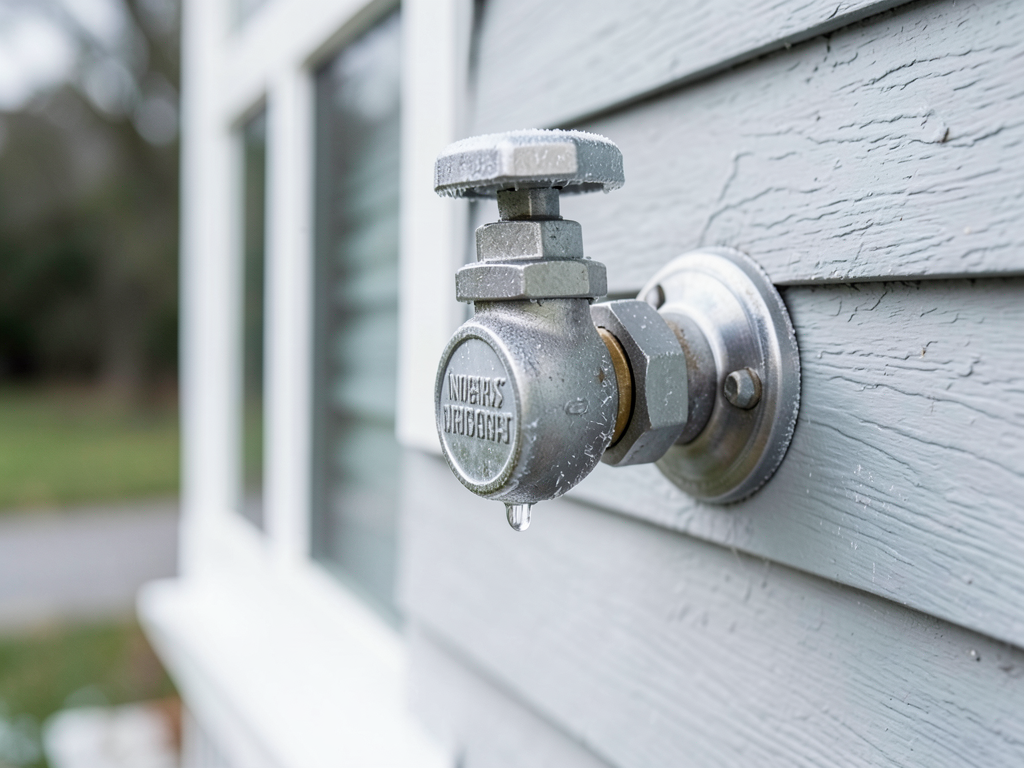
The Hidden Cost of Leaving Your Garden Hose Connected During an Indianapolis Winter Every fall…
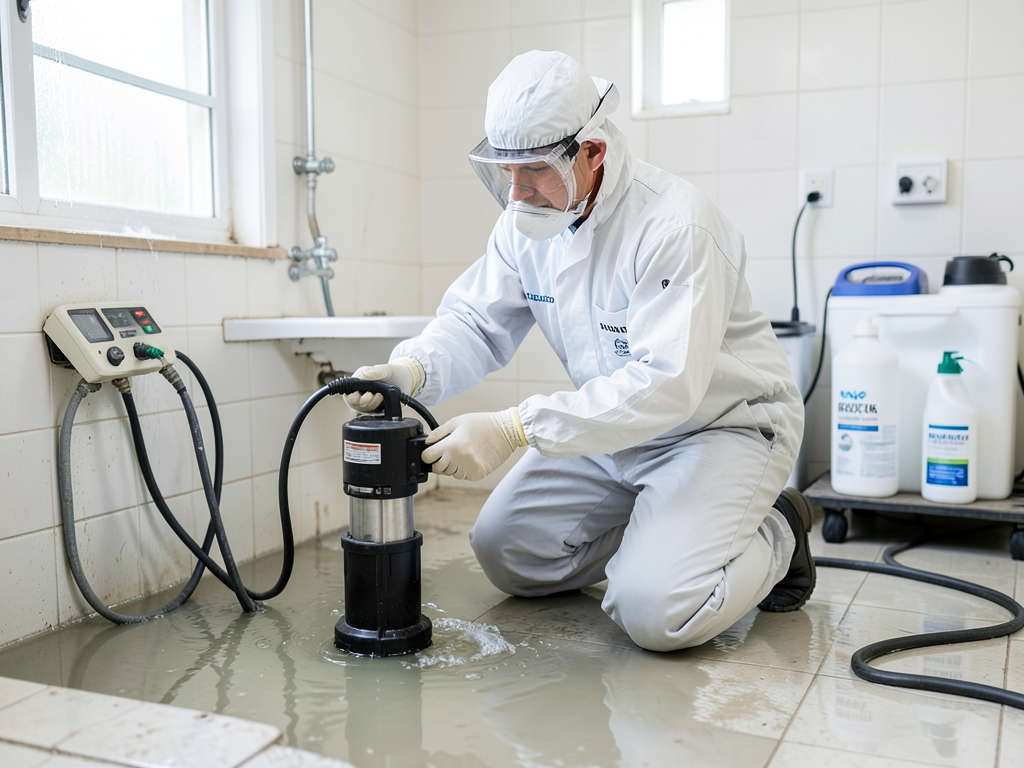
What to Do When Your Toilet Overflows and Drips Through the Ceiling in Fishers Water…
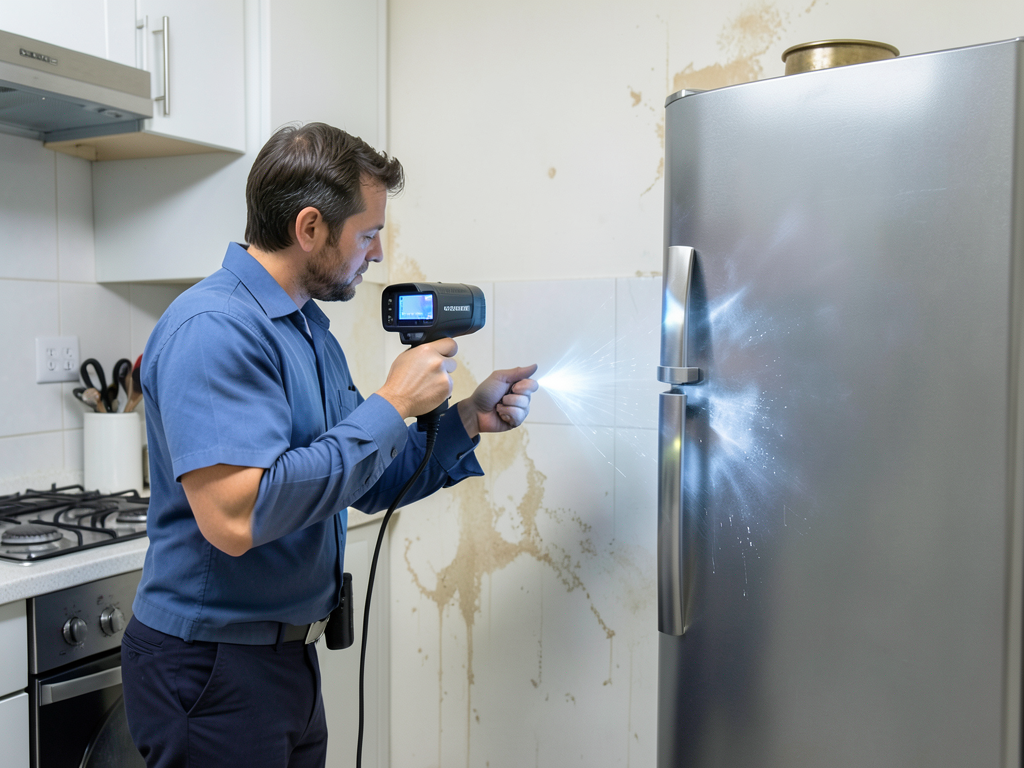
How Your Refrigerator Ice Maker Can Quietly Flood Your Kitchen in Carmel Your refrigerator's ice…
Call (317) 703-7676 now for immediate dispatch to your Lawrence property. Our crew responds within 60 minutes, extracts water fast, and starts drying before mold takes hold. Available 24/7 for emergencies.