menu

Mold Remediation & Removal in Indianapolis – Fast Containment and Safe Decontamination for Homes and Businesses

Professional mold abatement that stops spore spread, removes contaminated materials, and restores air quality using IICRC-certified protocols for mold remediation and removal throughout Marion County.

Slider Image 1
Slider Image 2
Slider Image 3
Slider Image 4
Slider Image 5
Slider Image 7
Slider Image 8
Slider Image 9
Slider Image 10
Slider Image 11

Why Indianapolis Properties Struggle with Mold Growth

Indianapolis sits at the convergence of humid summers and freeze-thaw winters, a climate pattern that creates perfect conditions for mold colonization. When summer humidity peaks above 70 percent and basements stay damp from poor drainage through our dense clay soil, spores germinate fast. The older housing stock in neighborhoods like Irvington and Fountain Square often lacks modern vapor barriers, which means moisture migrates through foundations and walls year-round.

Mold does not just stain surfaces. It degrades structural materials like drywall, insulation, and floor joists. It releases mycotoxins that trigger respiratory problems, especially in children and individuals with asthma. You might notice a musty odor, discoloration on walls, or peeling paint. Those signs indicate active colonization, not surface dirt.

Professional mold removal in Indianapolis requires containment, negative air pressure, and HEPA filtration to prevent spore spread during demolition. Mold abatement is not a DIY project. Disturbing colonies without containment sends millions of spores airborne, contaminating rooms that were previously clean. Our humid climate means any moisture intrusion from roof leaks, plumbing failures, or basement seepage can trigger visible growth within 48 hours.

Mold mitigation starts with identifying the moisture source. If you fix the visible mold but ignore the water problem, the colony returns within weeks. Indianapolis properties need both mold decontamination and moisture control to stay clean long term.

Why Indianapolis Properties Struggle with Mold Growth
How Apex Water Damage Restoration Indianapolis Removes Mold Safely

How Apex Water Damage Restoration Indianapolis Removes Mold Safely

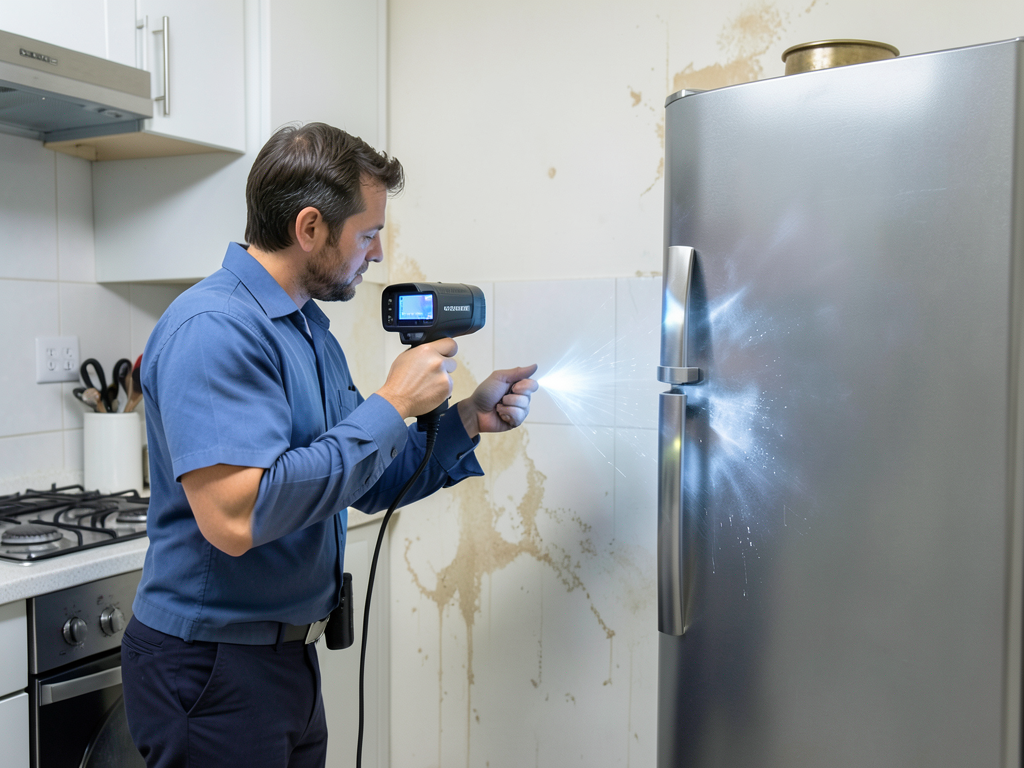
We treat mold remediation as a contamination event, not a cleaning job. Our process starts with air sampling and moisture mapping using thermal imaging cameras to locate hidden water intrusion. Indianapolis basements often show elevated readings near rim joists and along foundation walls where capillary action pulls groundwater through porous concrete.

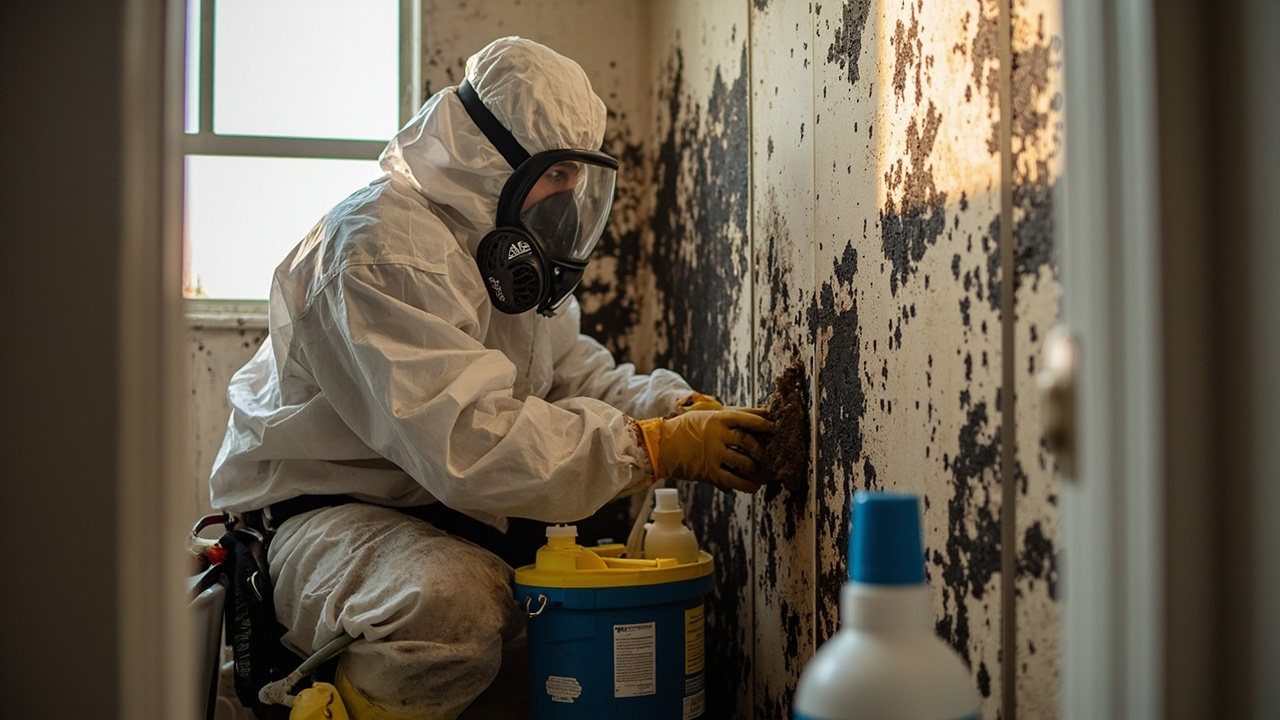
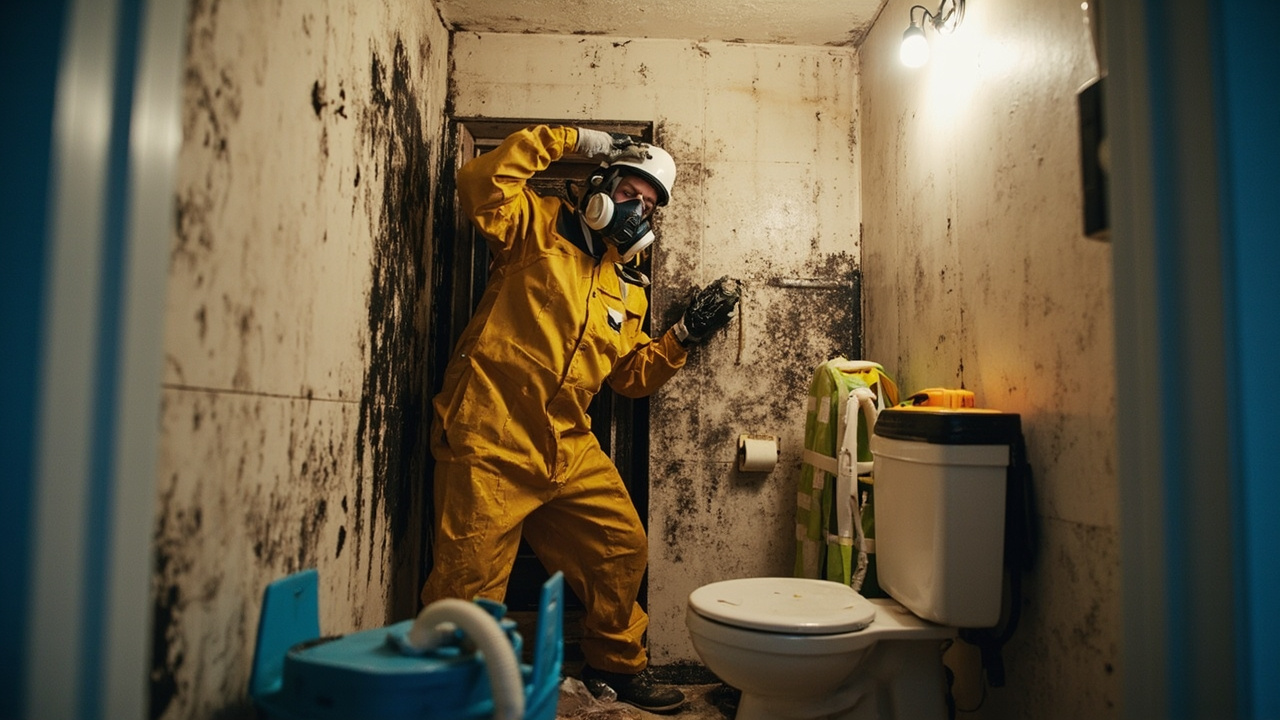
Containment comes next. We seal the work area with polyethylene sheeting and create negative air pressure using HEPA-filtered air scrubbers. This prevents cross-contamination to adjacent rooms. We remove all porous materials that show growth, including drywall, insulation, carpeting, and ceiling tiles. Mold penetrates porous surfaces at the cellular level, which means surface cleaning does not work. The material must go.

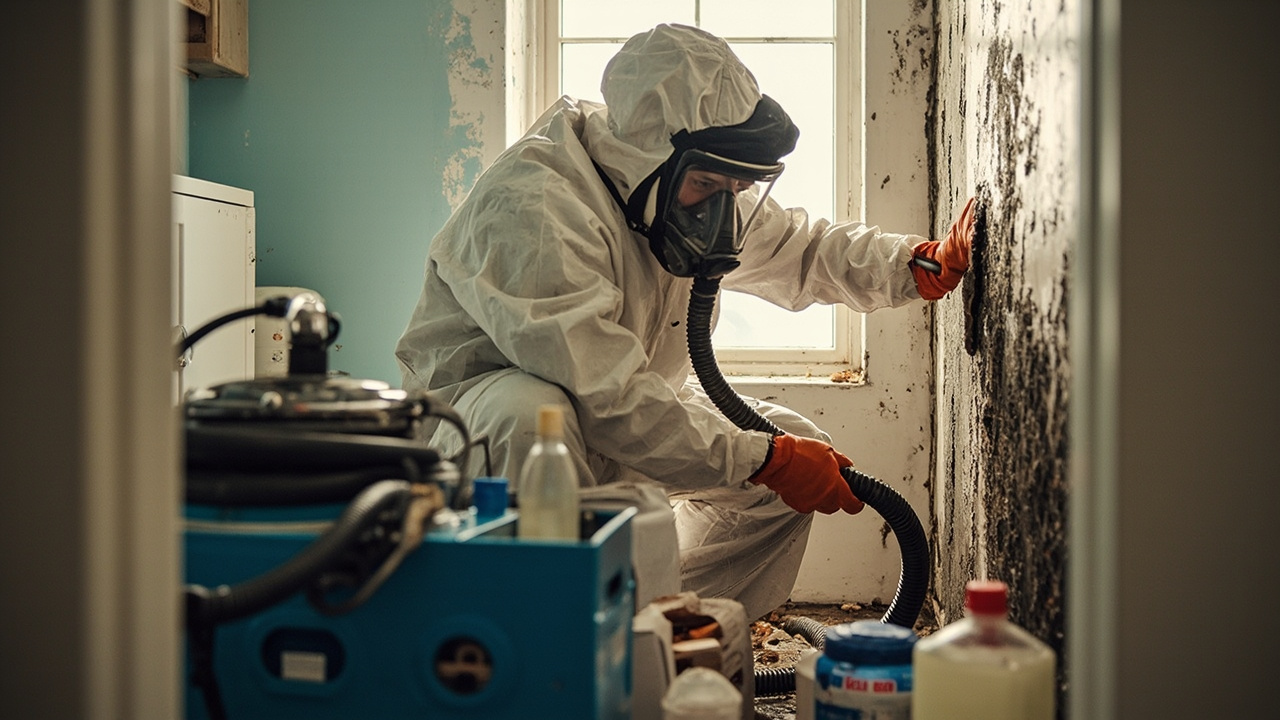
Non-porous surfaces like metal ductwork, concrete, and studs get treated with antimicrobial solutions, then HEPA-vacuumed to remove residual spores. We monitor air quality throughout the process using particle counters to verify spore levels drop below baseline.

The final phase addresses the moisture source. If mold grew from a roof leak, we coordinate repairs before closing walls. If basement humidity caused the problem, we recommend dehumidification or drainage improvements. Mold cleanup services are worthless if the environment stays damp.

Our IICRC-certified technicians follow the S520 Standard for professional mold removal, which governs containment, disposal, and clearance testing. We document every phase with photos and moisture readings so you have proof of proper remediation if you sell the property or file an insurance claim. Indianapolis properties need this level of rigor because our climate does not forgive shortcuts.

What Happens During Your Mold Remediation

Mold Remediation & Removal in Indianapolis – Fast Containment and Safe Decontamination for Homes and Businesses
01

Inspection and Containment

We start with moisture mapping and air sampling to determine spore concentration and locate hidden water sources. Thermal imaging reveals damp insulation and wall cavities. We establish physical containment with poly sheeting and negative air machines to isolate the work zone from clean areas. This prevents spore migration during demolition and protects your family.
02

Removal and Decontamination

All contaminated porous materials go into sealed bags and leave the property immediately. Non-porous surfaces get scrubbed with antimicrobial agents and HEPA-vacuumed. We run air scrubbers continuously to capture airborne spores. Structural components like studs and joists are treated and verified clean before reconstruction. This phase eliminates the active contamination.
03

Clearance and Prevention

Post-remediation air sampling confirms spore levels match outdoor baseline counts. We provide detailed documentation for insurance and property records. Before we close walls, we address the moisture source, whether that means sealing foundation cracks, improving ventilation, or coordinating roof repairs. Without moisture control, mold returns. We make sure your environment stays dry long term.

Why Indianapolis Properties Trust Apex Water Damage Restoration

Mold remediation is not regulated in Indiana, which means anyone can claim to remove mold. That creates risk for property owners. You need a provider who follows national standards and understands how Indianapolis buildings behave.

Apex Water Damage Restoration Indianapolis employs IICRC-certified technicians trained in the S520 Standard for mold abatement. We use professional-grade equipment, including thermal cameras, moisture meters, HEPA air scrubbers, and negative air machines. Our containment protocols prevent cross-contamination, and our documentation protects your property value.

We have worked in every Indianapolis neighborhood, from the crawl spaces in Broad Ripple bungalows to the finished basements in Carmel subdivisions. We know how Indianapolis foundations behave during spring thaw. We understand how poor attic ventilation creates condensation problems in older homes near downtown. That local knowledge shapes our approach.

Insurance companies require proper documentation for mold claims. We provide detailed reports with photos, moisture readings, and air sample results. If your carrier disputes the scope, we communicate directly with adjusters to explain the science behind our recommendations. Many Indianapolis property owners have received full claim approvals because we document everything correctly.

We also coordinate with trades when structural repairs are necessary. If mold grew because of a roof leak, we work with roofers. If plumbing caused the problem, we bring in licensed plumbers before closing walls. Mold remediation is only half the solution. Fixing the water source is the other half, and we manage both.

You should not trust mold removal to a company that treats it like a cleaning project. Apex Water Damage Restoration Indianapolis treats it like the contamination event it is, with the rigor and safety protocols your property deserves.

What You Can Expect from Our Mold Remediation Process

Response Time and Availability

We respond to Indianapolis mold emergencies within hours, not days. Mold spreads fast when moisture levels stay high, so containment and moisture control need to happen immediately. We dispatch teams seven days a week and provide emergency containment to stop spore spread while we plan full remediation. If you discovered mold during a real estate transaction, we work within your closing timeline to minimize delays. Speed matters because every day of delay allows more colonization and higher remediation costs.

Inspection and Testing Protocol

Our initial inspection includes moisture mapping, visual assessment, and air sampling when needed. We use thermal imaging to locate hidden water damage behind walls and under flooring. Air samples measure spore concentration and help determine contamination severity. This data drives our remediation plan and provides baseline numbers for post-remediation clearance testing. We explain findings in plain language so you understand what needs to happen and why. Transparency matters because mold remediation involves trust, and you should never feel confused about the scope or process.

Final Air Quality and Results

Remediation is complete only when post-remediation air samples show spore levels at or below outdoor baseline. We provide lab-certified test results and a detailed report documenting all work performed. Your property is safe when the numbers prove it, not when someone eyeballs the space and calls it done. We also address odor using hydroxyl generators or ozone treatment if necessary. The goal is complete decontamination, verified by independent lab testing, so you have confidence the environment is safe for occupancy.

Moisture Control Recommendations

We provide a written summary of moisture sources and recommend corrective actions to prevent recurrence. This might include foundation waterproofing, dehumidification, improved ventilation, or drainage improvements. Indianapolis properties often need sump pumps or interior drain tile systems to manage groundwater intrusion through basement floors. We do not just remove mold and walk away. We help you understand what caused the problem and how to prevent it from returning. Long-term success depends on controlling moisture, and we give you a clear roadmap.

Frequently Asked Questions

You Have Questions,
We Have Answers

How much does it cost to remove mold? +

Mold removal costs in Indianapolis typically range based on the size and severity of the infestation. Small areas under 10 square feet may run a few hundred dollars, while larger infestations affecting crawl spaces, basements, or multiple rooms can reach several thousand. Cost factors include containment requirements, air filtration equipment, antimicrobial treatments, and structural repairs. Indianapolis homes with older foundations or poor ventilation often face higher costs due to moisture intrusion issues. A professional inspection identifies the extent of growth and moisture sources, providing an accurate estimate before work begins.

What is the difference between mold removal and mold remediation? +

Mold removal refers to physically cleaning visible mold from surfaces. Mold remediation is a comprehensive process that addresses the root cause. Remediation includes identifying moisture sources, containing affected areas, removing contaminated materials, HEPA air filtration, antimicrobial application, and preventing future growth. In Indianapolis, where humidity and basement moisture are common, remediation tackles underlying problems like foundation leaks or poor drainage. Simply removing visible mold without fixing moisture issues guarantees regrowth. Professional remediation restores indoor air quality and prevents structural damage that Indianapolis homeowners often face in crawl spaces and basements.

How much does full mold remediation cost? +

Full mold remediation costs in Indianapolis depend on square footage, contamination level, and structural damage. Moderate whole-home projects typically involve containment barriers, negative air pressure systems, removal of affected drywall or insulation, antimicrobial treatments, and dehumidification. Homes in flood-prone Indianapolis neighborhoods or properties with chronic basement seepage require extensive work. Costs increase if HVAC systems are contaminated or structural wood shows decay. Most full remediation projects address moisture control through sump pump installation, vapor barriers, or drainage corrections. A certified inspector provides a scope of work and detailed estimate based on your specific situation.

Is professional mold removal worth it? +

Professional mold removal is worth it for Indianapolis homeowners facing health risks, structural damage, or resale concerns. DIY approaches miss hidden growth in wall cavities, HVAC systems, or crawl spaces common in older Indianapolis homes. Professionals use moisture meters, thermal imaging, and containment protocols that prevent cross-contamination. They identify why mold grew, whether from foundation cracks, poor grading, or humidity issues typical in Indiana's climate. Professional remediation protects your investment, ensures proper disposal of contaminated materials, and provides documentation for insurance claims or future home sales. Your family's health and home value justify the investment.

What kills mold permanently? +

Nothing kills mold permanently without eliminating the moisture source. Antimicrobial solutions and EPA-registered fungicides kill active mold, but spores remain dormant until moisture returns. Effective permanent control requires fixing water intrusion, improving ventilation, and maintaining humidity below 50 percent. In Indianapolis, this means addressing basement seepage, foundation drainage, and attic ventilation issues common to the region. Professionals use HEPA vacuums to remove spores, apply antimicrobial coatings, and install dehumidifiers or vapor barriers. Without moisture control, mold returns. Permanent solutions focus on environmental changes, not just chemical treatments.

What are signs of mold exposure? +

Mold exposure signs include persistent coughing, sneezing, watery eyes, skin rashes, headaches, and fatigue. Sensitive individuals experience worsened asthma or respiratory distress. You may notice a musty odor in basements, crawl spaces, or bathrooms before seeing visible growth. Indianapolis homes with poor ventilation or water damage often harbor hidden mold in wall cavities or under flooring. If symptoms improve when you leave home and return indoors, mold may be the culprit. Children, elderly residents, and those with compromised immune systems face higher risks. Professional testing identifies mold types and concentrations, guiding appropriate remediation.

Do you have to throw everything away with mold in the house after? +

You do not have to throw everything away after mold contamination. Non-porous items like metal, glass, and hard plastics can be cleaned and disinfected. Porous materials such as drywall, insulation, carpeting, and upholstered furniture often require disposal if heavily contaminated. Indianapolis basements with flooding or chronic moisture may have extensive material loss. Professionals assess salvageability based on contamination depth and material type. Personal items like clothing or books can sometimes be cleaned using HEPA vacuuming and antimicrobial treatments. Contents restoration specialists handle valuable belongings. The goal is safe restoration, not automatic disposal.

Can I remediate mold myself? +

You can handle very small mold areas under 10 square feet using proper safety equipment and EPA guidelines. Wear N95 respirators, gloves, and eye protection. Contain the area, scrub with detergent, and dry completely. However, DIY remediation in Indianapolis homes often fails because hidden moisture sources and concealed growth in wall cavities or crawl spaces go unaddressed. You risk cross-contaminating your HVAC system or spreading spores throughout your home. If mold results from sewage, flooding, or affects structural materials, professionals have specialized equipment and training. Improper DIY work worsens problems and complicates insurance claims.

Is it hard to sell a house that has had mold remediation? +

Selling a house after professional mold remediation is manageable with proper documentation. Buyers want proof the problem was identified, remediated by certified professionals, and moisture sources were corrected. Indianapolis sellers should provide inspection reports, remediation invoices, and post-remediation clearance testing showing spore counts returned to normal levels. Transparency builds trust. Homes with undisclosed mold history face legal liability. Properties with documented professional remediation often sell without issues, especially when buyers see moisture control improvements like new sump pumps, vapor barriers, or drainage systems. Remediation protects your sale, concealment destroys it.

Does homeowners insurance cover mold? +

Homeowners insurance coverage for mold in Indianapolis depends on the cause. Policies typically cover mold resulting from sudden, accidental water damage like burst pipes or appliance leaks. They exclude mold from long-term neglect, flooding, or maintenance issues like chronic basement seepage or roof leaks. Indiana policies often have mold damage caps, limiting payouts. Review your policy for specific exclusions and caps. Document water damage immediately and start mitigation within 24 to 48 hours to maintain coverage eligibility. Flood-related mold requires separate flood insurance. Contact your insurer before remediation begins to understand your coverage and claim requirements.

How Indianapolis Humidity and Clay Soil Drive Mold Growth

Indianapolis averages 76 percent relative humidity during summer months, well above the 60 percent threshold where mold colonies thrive. Our heavy clay soil holds water and creates hydrostatic pressure against foundation walls, forcing moisture into basements through capillary action. Older homes in Fountain Square, Irvington, and near downtown often lack exterior waterproofing or proper drainage, which means basement humidity stays elevated year-round. That environment supports continuous mold growth on drywall, insulation, and stored materials. Professional mold mitigation in Indianapolis must address both the visible colonization and the underlying moisture intrusion, or the problem returns within weeks.

Indianapolis property owners need mold decontamination providers who understand local building construction and climate challenges. We have worked in hundreds of Marion County properties and know how Indianapolis foundations behave during spring thaw and summer storms. Our familiarity with local building practices means we anticipate problem areas before we open walls. We also coordinate with local trades for structural repairs and provide documentation that meets lender and insurance requirements. Choosing a local mold cleanup provider means working with someone who knows your property type and understands how Indianapolis weather drives contamination risk.
Water Damage Restoration Services in The Indianapolis Area

We are proud to serve the entire Indianapolis area and surrounding communities, providing rapid-response water damage restoration right where you need it most. Our central location allows us to deploy our 24/7 emergency teams quickly across the region. View our service area on the map below and remember that wherever you are in the Indianapolis metropolitan area, Apex Water Damage Restoration Indianapolis is ready to deliver expert and trustworthy service to secure your home or business.

Address:
Apex Water Damage Restoration Indianapolis, 6767 E Washington St, Indianapolis, IN, 46219

Additional Services We Offer

Our news updates

Latest Articles & News from The Blogs

Is Crawl Space Encapsulation Worth the Investment for Your Home in Wynnedale? Crawl space encapsulation can save Wynnedale homeowners thousands…

Is Crawl Space Encapsulation Worth the Investment for Your Home in Wynnedale?

Is Crawl Space Encapsulation Worth the Investment for Your Home in Wynnedale? Crawl space encapsulation can save Wynnedale homeowners thousands…

How to Decide Which Water Damaged Items to Keep and Which to Throw Away

How to Decide Which Water Damaged Items to Keep and Which to Throw Away When water floods your Indianapolis home…

Battery Backup vs Water Powered Sump Pumps for Your Near Eastside Basement

Why Your Near Eastside Basement Needs a Reliable Backup Sump Pump Living in the Near Eastside means dealing with Indianapolis's…

Contact Us

Do not let mold contamination spread or put your family at risk. Call Apex Water Damage Restoration Indianapolis at (317) 703-7676 for immediate containment and safe removal. We respond fast, document everything, and restore air quality using proven protocols.