menu

Water Stains on Drywall in Indianapolis – Expert Diagnosis and Permanent Moisture Fixes

We locate hidden moisture sources behind brown water spots on walls and yellow ceiling stains, then deliver complete structural drying and mold prevention to stop water damage from spreading through your Indianapolis home.

Slider Image 1
Slider Image 2
Slider Image 3
Slider Image 4
Slider Image 5
Slider Image 7
Slider Image 8
Slider Image 9
Slider Image 10
Slider Image 11

Why Indianapolis Homes Show Water Stains on Drywall More Than You Think

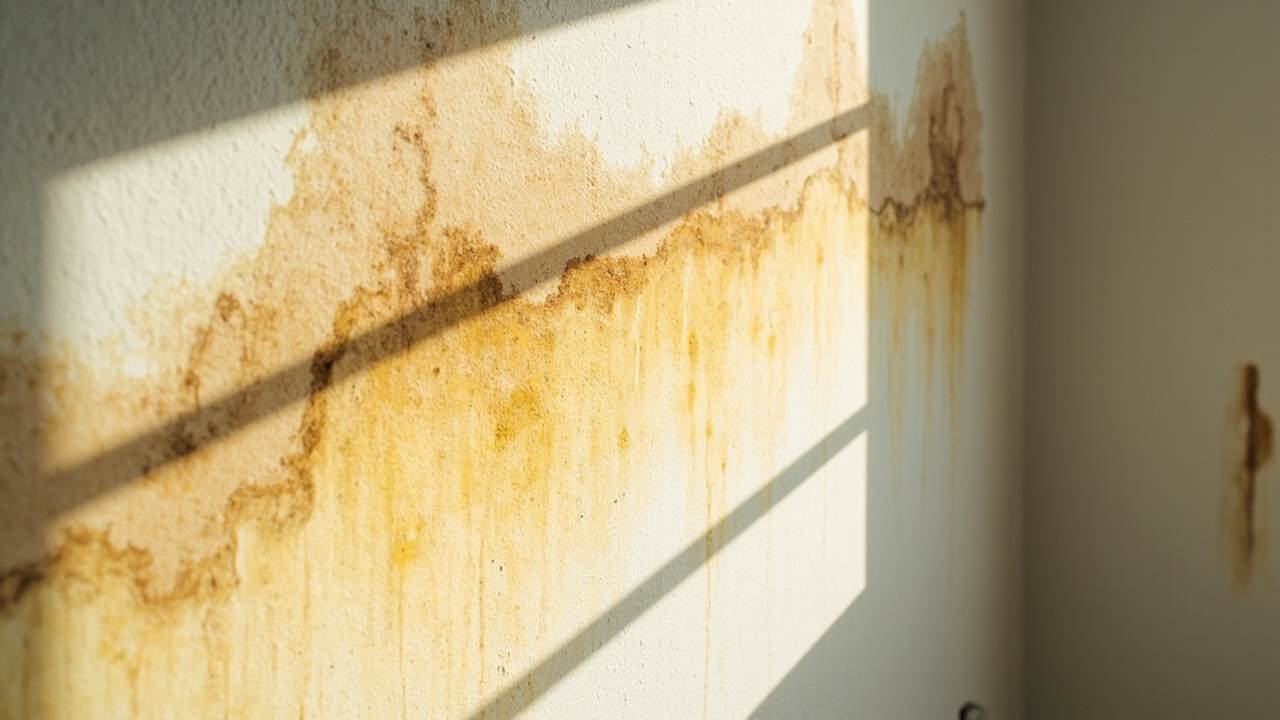
You notice a brown water spot on the wall near your bathroom. Maybe yellow stains on drywall in the corner of your bedroom ceiling. At first, you think it's just old paint or a shadow. Then the wet patches on plasterboard grow larger. The moisture discoloration on sheetrock spreads. That's when you realize something is actively leaking behind the surface.

Indianapolis homes face specific moisture challenges. Our humid summers push indoor humidity above 60 percent, especially in older homes without proper vapor barriers. When air conditioning runs constantly, condensation forms inside wall cavities. Our freeze-thaw cycles crack siding and loosen flashing around chimneys and roof penetrations. Water finds its way in through those gaps. Clay soil around Indianapolis shifts with seasonal moisture changes, creating foundation cracks that let groundwater seep into crawl spaces and basements. That moisture wicks up through studs and shows as water marks on ceiling drywall or discoloration along baseboards.

Many homeowners assume water stains mean roof leaks. That's sometimes true. But in Indianapolis, just as many brown water spots on walls come from plumbing leaks inside walls, failed HVAC drain lines, or condensation from poorly insulated ductwork. The stain you see is just the visible symptom. Behind that drywall, wood framing may be soaked. Insulation may be compressed and useless. Mold spores may already be colonizing damp cellulose. The longer moisture sits, the more expensive the fix becomes.

Water stains do not dry out and disappear. They signal active or recent moisture intrusion that requires professional assessment and remediation.

Why Indianapolis Homes Show Water Stains on Drywall More Than You Think
How We Find and Fix the Real Source Behind Water Stains

How We Find and Fix the Real Source Behind Water Stains

Most homeowners try to paint over water stains. The stain bleeds through again in a few weeks. That's because the moisture source was never addressed. At Apex Water Damage Restoration Indianapolis, we treat water stains as diagnostic clues, not cosmetic problems.

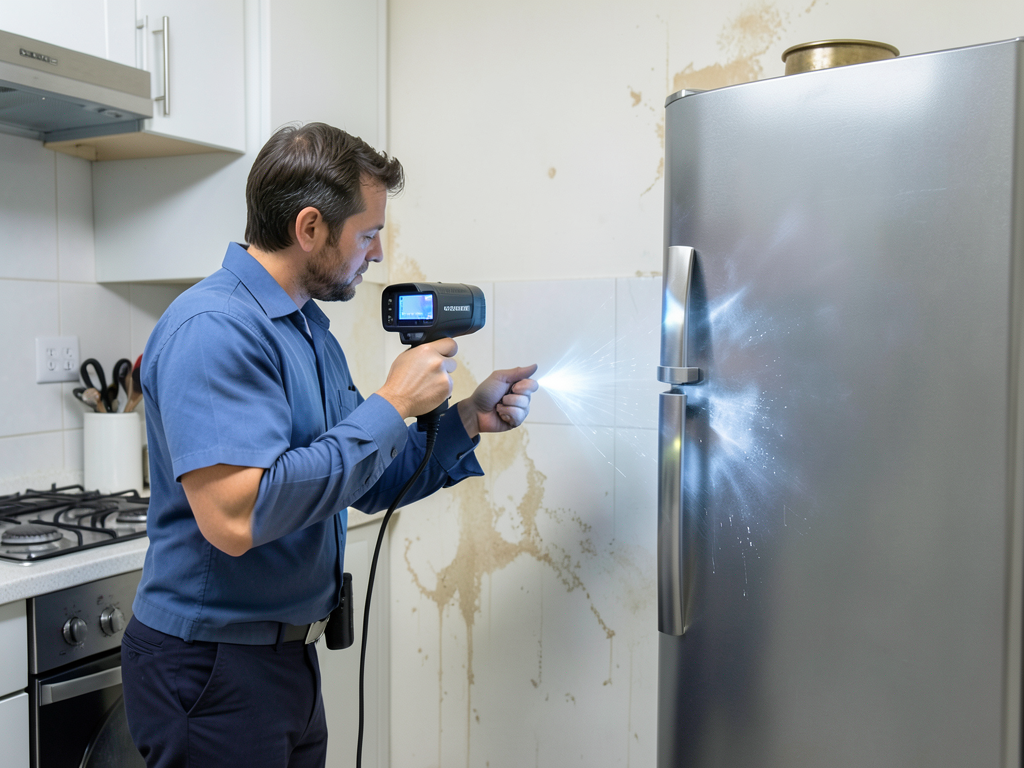
We start with moisture mapping. We use infrared thermal cameras to scan walls and ceilings, identifying temperature differentials that indicate wet building materials behind the surface. We use pin-type and non-invasive moisture meters to measure moisture content in drywall, studs, and insulation without unnecessary demolition. This tells us if the moisture is active or historical, and how far it has spread beyond the visible stain.

Next, we trace the source. If brown water spots appear on a first-floor ceiling, we inspect second-floor bathrooms, HVAC pans, and plumbing chases. If yellow stains on drywall appear along exterior walls, we examine roof flashing, window seals, and siding penetrations. If wet patches show on plasterboard in a basement, we check foundation cracks, sump pump discharge, and grading around the home. We do not guess. We find the entry point.

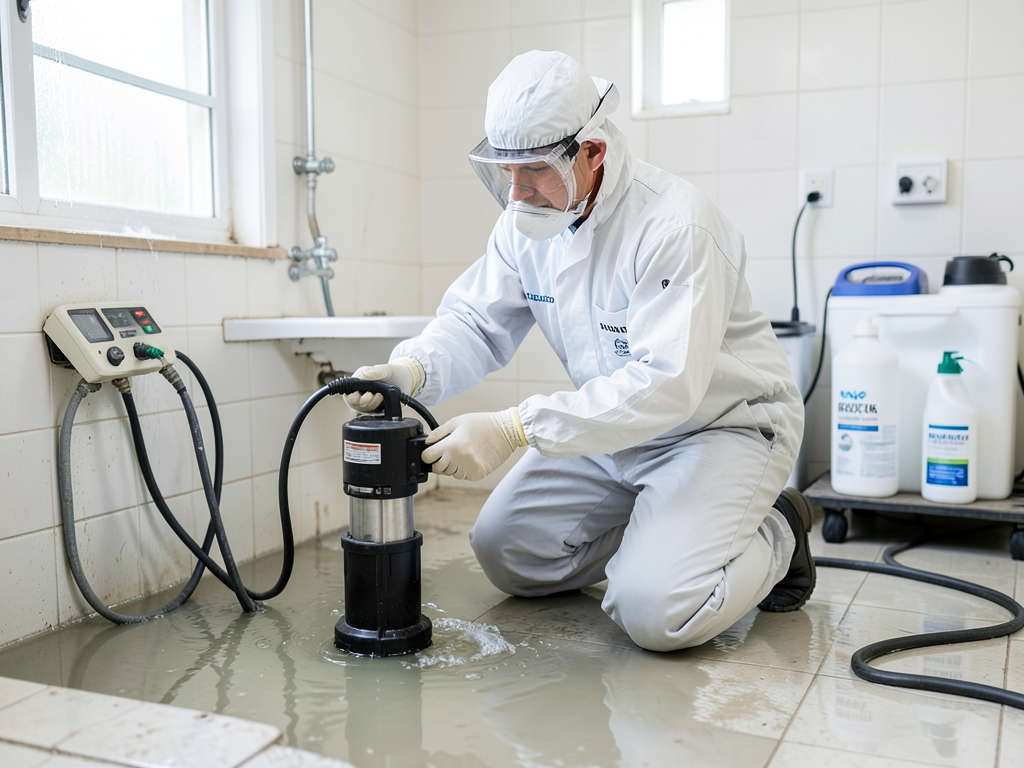
Once the source is identified and repaired, we begin controlled structural drying. We remove wet insulation and compromised drywall sections. We set up commercial dehumidifiers and air movers to dry framing lumber to below 15 percent moisture content, the threshold where mold growth stops. We monitor daily with moisture meters until readings stabilize. Only then do we proceed with antimicrobial treatment, insulation replacement, and drywall restoration. This process ensures you do not pay twice to fix the same problem.

What Happens When You Call About Water Stains

Water Stains on Drywall in Indianapolis – Expert Diagnosis and Permanent Moisture Fixes
01

Moisture Assessment and Source Tracing

We arrive with thermal imaging cameras and moisture meters to map the full extent of moisture behind visible water marks on ceiling and wall surfaces. We trace the water source by inspecting plumbing, HVAC systems, roofing, and structural penetrations. You receive a written report identifying the cause, affected materials, and required repairs before any work begins.
02

Controlled Structural Drying

We remove wet drywall, insulation, and baseboards to expose studs and sheathing. High-velocity air movers and commercial dehumidifiers run continuously to pull moisture from wood framing and concrete. We monitor moisture levels daily with calibrated meters, adjusting equipment placement to ensure uniform drying. This phase typically takes three to five days depending on material saturation levels.
03

Restoration and Mold Prevention

Once framing moisture drops below 15 percent, we apply antimicrobial treatment to all exposed surfaces. We install new insulation, vapor barriers, and mold-resistant drywall. Seams are taped, mudded, and sanded smooth. Primer is applied before finish paint. You receive documentation of final moisture readings and photos showing completed work. The restored area matches existing finishes and remains dry long-term.

Why Indianapolis Property Owners Choose Local Water Damage Specialists

Water damage restoration requires more than equipment and labor. It requires understanding how homes in your area are built and what makes them vulnerable. Indianapolis has a mix of housing stock. Older neighborhoods near Broad Ripple and Fountain Square feature balloon-framed homes with plaster walls and no vapor barriers. Subdivisions built in the 1980s and 1990s around Castleton and Fishers use 2x4 framing with fiberglass insulation and polyethylene sheeting. Newer construction in Carmel and Zionsville includes engineered lumber and spray foam insulation. Each construction type responds differently to moisture intrusion and requires tailored drying protocols.

We understand Indianapolis building codes and how they have evolved. Homes built before 1980 may lack proper flashing around windows and doors. Homes built before 2000 may have uninsulated HVAC ducts in attics, leading to summer condensation. Homes in flood-prone areas near Fall Creek or the White River may have experienced previous water damage that was improperly dried, leaving hidden mold in wall cavities. We ask the right questions during assessment because we know what to look for based on your home's age, location, and construction type.

Local expertise also matters when dealing with insurance claims. We document findings with calibrated moisture readings, thermal images, and detailed photo logs that meet adjuster requirements. We provide itemized estimates that align with Xactimate pricing used by major carriers. We communicate directly with your insurance company to expediate approvals and reduce your out-of-pocket costs. You need an advocate who understands both the technical restoration process and the insurance claims process. That combination is rare, and it makes a significant difference in how quickly your home returns to normal.

What to Expect During Water Stain Remediation

Response Time and Availability

We dispatch technicians within two hours of your call for active leaks or emergency situations. For non-emergency water stains, we schedule assessments within 24 hours. Our teams work seven days a week because moisture damage does not wait for business hours. During assessment, we provide a written scope of work and timeline before starting any remediation. Most residential water stain projects take five to ten days from initial assessment to final walkthrough, depending on the extent of hidden moisture and drying requirements.

Diagnostic Process and Documentation

Every project begins with comprehensive moisture mapping using thermal imaging and calibrated meters. We document moisture content percentages in all affected materials and photograph findings from multiple angles. You receive a detailed report identifying the moisture source, affected building materials, and necessary repairs. We explain findings in plain language and answer questions before proceeding. This diagnostic clarity prevents scope creep and ensures you understand exactly what work is required and why each step matters for long-term performance.

Quality of Final Restoration

We match existing wall textures and paint finishes so restored areas blend seamlessly with surrounding surfaces. Drywall seams are properly taped and feathered to prevent future cracking. We use mold-resistant drywall in areas with previous moisture intrusion. All work meets Indianapolis building code requirements for moisture barriers and insulation R-values. Final moisture readings are documented and provided to you as proof that structural drying was completed to industry standards. The restored area will not show stains again because the source was fixed and materials were properly dried before closure.

Monitoring and Follow-Up Inspections

We return 30 days after project completion to verify that restored areas remain dry and stain-free. This follow-up inspection includes moisture meter readings and visual examination of repaired surfaces. If any issues appear, we address them immediately at no additional charge. You also receive guidance on preventing future moisture problems, including humidity control recommendations, gutter maintenance tips, and signs of early moisture intrusion to watch for. Our goal is not just to fix the current problem but to give you the knowledge to protect your home long-term.

Frequently Asked Questions

You Have Questions,
We Have Answers

How do you get water stains out of drywall? +

You need to fix the source first. Stop the leak, then dry the area completely with fans or dehumidifiers for 48-72 hours. Once dry, scrape off loose paint or texture. Apply a stain-blocking primer like Kilz or BIN shellac-based primer. This seals the stain so it does not bleed through. Let it cure fully, then repaint with two coats of ceiling or wall paint. If the drywall is soft, spongy, or sagging, you need replacement, not just cosmetic repair. Indianapolis humidity can slow drying, so ventilate well.

How to tell if water is leaking behind drywall? +

Look for soft or spongy spots when you press on the wall. You may see discoloration, bubbling paint, or texture peeling away from the surface. Check for a musty smell, which signals trapped moisture. Listen for dripping sounds behind the wall. Use a moisture meter to confirm hidden dampness. In Indianapolis homes, leaks often occur near older plumbing stacks, around bathroom fixtures, or where roof lines meet exterior walls. If you suspect a hidden leak, cut power to that area and call a professional before opening the wall.

Can I paint over water stained drywall? +

Never paint over an active water stain without treating it first. The stain will bleed through standard paint and reappear. You must stop the moisture source, dry the wall completely, then apply a stain-blocking primer. Use oil-based or shellac-based primer, not latex. Standard wall paint does not seal tannins or mineral deposits that cause the brown or yellow marks. If the drywall feels soft or crumbles when you touch it, painting is pointless. You need to replace the damaged section before finishing.

Are water stains on walls bad? +

Yes. Water stains signal an active or past leak. Even if the stain is old and dry, the damage may already extend into the wall cavity. Mold can grow behind drywall within 24-48 hours of water exposure. You may not see it, but spores can spread through your HVAC system. Water also weakens the gypsum core, causing sagging or structural failure. Indianapolis homes with older plumbing or roof systems are especially vulnerable. Ignoring stains can lead to costly repairs, health risks, and insurance claim complications.

Is drywall ruined once it gets wet? +

Not always, but it depends on exposure time and water type. Clean water from a supply line is less destructive than sewage or floodwater. If drywall dries within 48 hours and shows no sagging, soft spots, or mold growth, you can often salvage it with proper drying and treatment. If the paper facing delaminates, the core crumbles, or you see visible mold, replacement is necessary. Indianapolis humidity slows drying, so act fast. Use fans, dehumidifiers, and remove baseboards to promote airflow behind the wall.

How to get rid of brown water stains on walls? +

Brown stains come from tannins in the water, rust, or organic material. First, eliminate the moisture source. Dry the wall completely. Scrape away loose paint or bubbled texture. Apply a shellac-based stain blocker like BIN or an oil-based primer like Kilz Original. These seal the tannins so they do not bleed through. Let the primer dry fully, then apply two coats of finish paint. If the stain reappears, you missed trapped moisture or did not use the correct primer. Replace the drywall if it feels soft.

How long can drywall be wet before mold? +

Mold can begin growing within 24 to 48 hours in warm, humid conditions. Indianapolis summers create ideal conditions for rapid mold colonization, especially in poorly ventilated spaces like basements or crawl spaces. The longer drywall stays wet, the deeper mold penetrates. Even if you dry the surface, spores may already be growing inside the wall cavity. If drywall has been wet for more than 48 hours, assume mold contamination and plan for professional remediation and replacement. Speed is critical to prevent long-term health risks and structural damage.

What are the first signs of water damage on walls? +

Watch for discoloration or streaking on walls and ceilings. You may notice peeling paint, bubbling texture, or soft spots when you press the surface. A musty odor often signals hidden moisture. Baseboards may warp or pull away from the wall. Look for visible mold growth, which appears as black, green, or white patches. In Indianapolis homes, check areas near plumbing fixtures, under windows, and around roof penetrations after heavy rain or snowmelt. Early detection prevents expensive structural repairs and mold remediation.

Does homeowners insurance cover water leaks in walls? +

It depends on the cause. Most homeowners policies cover sudden, accidental leaks like burst pipes or appliance malfunctions. They typically exclude gradual leaks from poor maintenance, such as a slow drip you ignored for months. Flood damage from external sources requires separate flood insurance. Review your policy and document everything with photos. In Indianapolis, insurers may scrutinize claims related to older plumbing or roof systems. File your claim immediately and have a professional assess the damage to support your documentation. Delayed claims often face denial.

Will Kilz cover water stains on drywall? +

Kilz can cover water stains if you use the right formula. Kilz Original is oil-based and blocks most stains, but BIN shellac-based primer works better for severe tannin bleed-through. Standard Kilz 2 latex primer is not strong enough for water stains. You must dry the drywall completely first. If moisture remains, the stain will reappear. Apply one coat of stain blocker, let it cure fully, then finish with two coats of paint. If the stain bleeds through after priming, the drywall likely needs replacement.

How Indianapolis Humidity and Freeze-Thaw Cycles Create Hidden Water Damage

Indianapolis sits in a humid continental climate zone with summer dew points regularly exceeding 65 degrees and winter temperatures dropping below 20 degrees. This combination creates moisture stress on building envelopes. Summer humidity condenses inside air-conditioned walls when warm exterior air meets cold interior surfaces. Winter freeze-thaw cycles crack mortar joints, loosen flashing, and split siding seams. Water enters through those openings during spring rains and fall storms. Many Indianapolis homeowners discover brown water spots on walls or moisture discoloration on sheetrock weeks after the actual intrusion occurred because the water traveled horizontally inside wall cavities before saturating drywall enough to show visible staining. By the time you see the stain, structural damage may already be significant.

Apex Water Damage Restoration Indianapolis has worked with homeowners in Broad Ripple, Meridian-Kessler, Irvington, and surrounding neighborhoods for years. We understand how older homes with balloon framing allow water to travel vertically from roof leaks down to first-floor walls. We know that homes near the White River and Fall Creek require additional moisture monitoring in basements due to high water tables. We work with local insurance adjusters who recognize our documentation standards and trust our moisture assessments. Choosing a local restoration company means working with professionals who understand your home's specific vulnerabilities and have relationships with local building inspectors, insurance adjusters, and suppliers. That local expertise translates to faster approvals, accurate repairs, and long-term moisture control.
Water Damage Restoration Services in The Indianapolis Area

We are proud to serve the entire Indianapolis area and surrounding communities, providing rapid-response water damage restoration right where you need it most. Our central location allows us to deploy our 24/7 emergency teams quickly across the region. View our service area on the map below and remember that wherever you are in the Indianapolis metropolitan area, Apex Water Damage Restoration Indianapolis is ready to deliver expert and trustworthy service to secure your home or business.

Address:
Apex Water Damage Restoration Indianapolis, 6767 E Washington St, Indianapolis, IN, 46219

Additional Services We Offer

Our news updates

Latest Articles & News from The Blogs

The Hidden Cost of Leaving Your Garden Hose Connected During an Indianapolis Winter Every fall Indianapolis homeowners face the same…

The Hidden Cost of Leaving Your Garden Hose Connected During an Indianapolis Winter

The Hidden Cost of Leaving Your Garden Hose Connected During an Indianapolis Winter Every fall Indianapolis homeowners face the same…

What to Do When Your Toilet Overflows and Drips Through the Ceiling in Fishers

What to Do When Your Toilet Overflows and Drips Through the Ceiling in Fishers Water from a toilet overflow creates…

How Your Refrigerator Ice Maker Can Quietly Flood Your Kitchen in Carmel

How Your Refrigerator Ice Maker Can Quietly Flood Your Kitchen in Carmel Your refrigerator's ice maker can leak for weeks…

Contact Us

Do not wait for water stains to spread or mold to develop. Call Apex Water Damage Restoration Indianapolis at (317) 703-7676 for same-day moisture assessment and transparent pricing. We find the source, dry the structure, and restore your home correctly the first time.