menu

Carpet Water Extraction in Indianapolis – Fast Response to Stop Mold and Structural Damage

Professional carpet water removal that protects your home from hidden moisture damage, using truck-mounted extractors and infrared moisture mapping to dry flooring systems completely in 24-48 hours.

Slider Image 1
Slider Image 2
Slider Image 3
Slider Image 4
Slider Image 5
Slider Image 7
Slider Image 8
Slider Image 9
Slider Image 10
Slider Image 11

Why Indianapolis Homes Face Repeated Carpet Flooding Issues

Indianapolis sits in a floodplain region where White River and Fall Creek tributaries create chronic basement moisture problems. The city's clay-heavy soil does not drain well. Water pools against foundations during spring thaw and summer thunderstorms. Your carpet acts like a sponge, pulling water into padding and subfloors.

Most homes in Broad Ripple, Fountain Square, and Irvington were built before modern vapor barriers existed. Older basements lack proper waterproofing. A single inch of standing water can saturate 300 square feet of carpet in under two hours. The padding beneath your carpet holds five times more water than the visible surface.

You might see wet spots near exterior walls or smell musty odors near floor registers. These are warning signs. Indianapolis's humidity stays above 70% for much of the year. Wet carpet creates the perfect environment for mold spores to colonize within 24 to 48 hours. Flooded carpet extraction is not optional if you want to avoid health risks and permanent flooring damage.

Water damage carpet extraction requires industrial equipment. Household wet-dry vacuums remove surface moisture but leave 80% of water trapped in padding and subflooring. Professional emergency carpet water removal uses truck-mounted extractors that pull moisture from deep within flooring assemblies. Delayed action turns a manageable cleanup into a full flooring replacement project.

Why Indianapolis Homes Face Repeated Carpet Flooding Issues
How Professional Carpet Water Removal Works

How Professional Carpet Water Removal Works

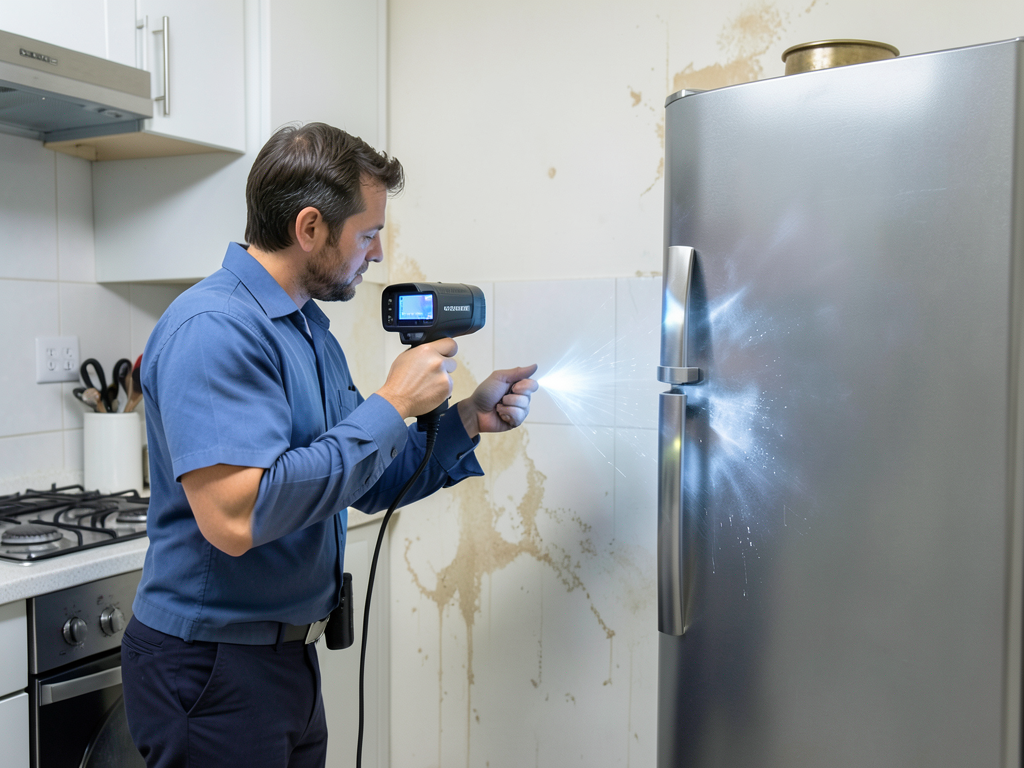
Apex Water Damage Restoration Indianapolis uses thermal imaging cameras to map moisture levels beneath carpet surfaces. You cannot see trapped water with your eyes. Infrared technology shows us exactly where moisture has migrated into tack strips, baseboards, and wall cavities.

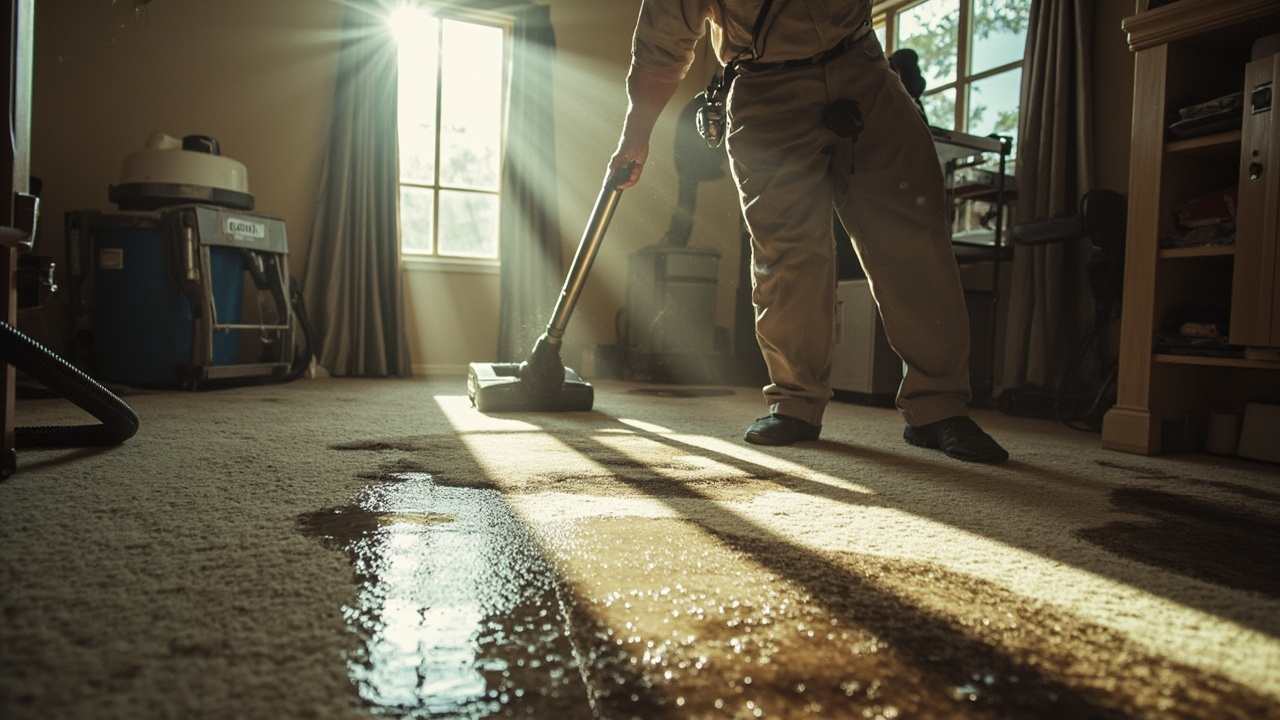
We deploy truck-mounted extraction units that generate 500+ horsepower of suction. These systems pull water through wands inserted directly into carpet fibers and padding. Wet carpet extraction is not the same as steam cleaning. We are removing contaminated water, not cleaning fibers. Each pass removes gallons of water that gravity cannot drain.

After initial extraction, we lift carpet edges to inspect padding condition. Padding that has absorbed sewage water or remained wet for over 48 hours gets removed and disposed of properly. Clean padding can often be dried in place using air movers and dehumidifiers. We inject antimicrobial agents into padding seams to prevent microbial growth during the drying process.

Air movers position at strategic angles to create laminar airflow across carpet surfaces. We place one air mover per 100 square feet of affected area. Commercial-grade dehumidifiers pull moisture from the air, preventing it from reabsorbing into dried materials. We monitor moisture levels every 12 hours using pin-type and pinless meters.

Drying typically takes 48 to 72 hours depending on water volume and carpet thickness. We do not consider a job complete until moisture readings match unaffected areas of your home. Rushing the process leaves residual moisture that causes delamination and odor problems months later.

What Happens During Emergency Carpet Water Extraction

Carpet Water Extraction in Indianapolis – Fast Response to Stop Mold and Structural Damage
01

Initial Contact and Assessment

You call our emergency line at any hour. We dispatch a technician to your Indianapolis property within 60 to 90 minutes. The technician identifies the water source, categorizes contamination level, and measures the affected square footage. You receive a detailed scope of work before extraction begins. We document everything for insurance claims.
02

Water Removal and Padding Inspection

Truck-mounted extractors connect to your home through entry points closest to the affected area. We make multiple extraction passes until water stops flowing into recovery tanks. Carpet edges lift to expose padding and subfloor conditions. Moisture meters determine if padding can be saved or requires removal. Antimicrobial treatment applies to all affected surfaces.
03

Drying and Final Verification

Air movers and dehumidifiers run continuously for 48 to 72 hours. Technicians return every 12 hours to rotate equipment and take new moisture readings. Once readings stabilize in the normal range, we remove equipment and re-stretch carpet if necessary. You receive documentation showing moisture levels returned to pre-loss conditions, which satisfies insurance requirements.

Why Indianapolis Property Owners Choose Apex Water Damage Restoration

Indianapolis building codes require water damage contractors to follow IICRC S500 standards for water damage restoration. Apex Water Damage Restoration Indianapolis employs IICRC-certified technicians who understand Marion County building department requirements. We know which situations require permits and how to document work for inspectors.

We have restored flooring in historic Lockerbie Square homes where original hardwood sits beneath carpet. These projects require careful moisture monitoring to prevent cupping and warping in irreplaceable wood floors. We understand the construction methods used in Indianapolis's older neighborhoods. Homes built in the 1920s through 1950s often have balloon framing that allows water to travel vertically through wall cavities. Our extraction process accounts for these hidden migration paths.

Our response time matters because Indianapolis's high humidity accelerates mold growth. We stock enough equipment to handle multi-room flooding events without waiting for rental equipment. You get truck-mounted extractors, not portable units that take three times longer to remove the same volume of water.

We work directly with Indianapolis-area insurance adjusters who trust our documentation methods. You receive detailed moisture logs, photo documentation, and equipment placement diagrams. These records streamline your claim process and reduce the chance of coverage disputes. We have helped hundreds of Indianapolis homeowners navigate the insurance process after basement floods, appliance failures, and storm damage events.

Local expertise means we understand the difference between treating carpet in a Butler-Tarkington bungalow versus a newer home in Fishers. Construction methods, soil conditions, and drainage patterns vary across Marion County. We adjust our approach based on your property's specific characteristics.

What to Expect During Your Carpet Water Extraction Service

Emergency Response Time

We answer emergency calls 24 hours a day, seven days a week. A technician arrives at your Indianapolis property within 60 to 90 minutes of your call. We keep fully stocked trucks ready for immediate dispatch. Night and weekend calls receive the same priority as weekday requests. The first four hours after water intrusion are critical. Our rapid response limits secondary damage to baseboards, drywall, and subfloors. You do not wait until morning when mold has already begun colonizing damp surfaces.

Moisture Assessment and Documentation

Technicians use thermal imaging cameras to map moisture patterns across your floors and walls. Pin-type moisture meters take readings at carpet edges, baseboards, and subfloor surfaces. We document contamination level using IICRC categories. Category 1 is clean water from supply lines. Category 2 is gray water from washing machines or dishwashers. Category 3 is black water from sewage backups or flooding. These categories determine treatment protocols and health precautions. You receive written assessment reports that insurance companies accept without question.

Complete Drying and Restoration

We do not remove equipment until moisture readings return to normal levels. Typical drying takes 48 to 72 hours for standard carpet over concrete. Carpet over wood subfloors may require longer drying times. Technicians monitor progress every 12 hours and adjust equipment placement as needed. Once drying is complete, we re-stretch carpet if water caused buckling or rippling. Your carpet looks and feels exactly as it did before water damage occurred. Final documentation includes moisture logs proving the structure returned to pre-loss condition.

Post-Extraction Monitoring and Prevention

We provide guidance on preventing future water intrusion based on what caused your current problem. Many Indianapolis basement floods trace back to foundation cracks, failed sump pumps, or improper grading around the home. You receive recommendations for addressing root causes, not just symptoms. We offer optional follow-up moisture checks 30 days after service to verify no hidden moisture problems developed. This catches rare situations where moisture migrated into wall cavities and requires additional attention. Our goal is permanent solutions, not temporary fixes that fail during the next storm.

Frequently Asked Questions

You Have Questions,
We Have Answers

How to extract water from carpet? +

Start by removing standing water with a wet vacuum. Work in overlapping passes to pull moisture from carpet fibers and padding. Lift furniture and place foil or blocks underneath to prevent staining. Open windows and run fans to increase airflow. For significant water damage in Indianapolis homes, professional extraction equipment uses truck-mounted pumps that generate far stronger suction than consumer units. Technicians also use moisture meters to check subfloors and padding, which often hold hidden water. Fast action prevents mold growth and saves your carpet investment.

How much does it cost to extract water from carpet? +

Professional carpet water extraction in Indianapolis typically ranges from $150 to $500 per room, depending on water category, carpet size, and damage severity. Clean water from supply lines costs less than contaminated water from sewage backups. Extraction alone may not include padding replacement, antimicrobial treatment, or subfloor drying. Many restoration companies offer free inspections and work directly with your insurance carrier to cover eligible costs. The faster you act, the lower your total restoration bill will be.

What draws urine out of carpet? +

Enzyme-based cleaners break down uric acid crystals that cause persistent odor in carpet fibers. These biological solutions digest the organic compounds rather than masking smells. For pet urine, professionals use black lights to identify all affected areas, then inject enzyme treatments deep into padding where urine pools. In Indianapolis homes with high humidity, untreated urine encourages bacterial growth and permanent staining. Avoid ammonia-based cleaners, which smell like urine to pets and encourage repeat accidents in the same spot.

How long can carpet be wet before mold? +

Mold can begin growing in wet carpet within 24 to 48 hours, especially in Indianapolis during humid summer months. Carpets laid over concrete slabs or in basements with poor ventilation create ideal conditions for rapid mold colonization. The padding underneath stays wet longer than surface fibers and becomes a mold reservoir. Water category matters too. Clean water gives you slightly more time than contaminated water carrying mold spores. If carpet stays wet beyond 72 hours, replacement becomes more likely than restoration.

What tool is used to get water out of carpet? +

Professional water damage technicians use truck-mounted extraction units that generate powerful suction to remove water from carpet and padding. These industrial systems pull hundreds of gallons per hour. Portable extractors handle upper floors or tight spaces. Air movers create high-velocity airflow to dry fibers, while dehumidifiers pull moisture from the air. Moisture meters measure hidden water in subfloors and walls. Consumer wet vacuums help with small spills but lack the extraction power needed for flooding or significant water damage in Indianapolis homes.

Does Stanley Steemer do water extraction? +

Stanley Steemer primarily focuses on carpet cleaning rather than emergency water damage restoration. While they offer some water extraction services in certain markets, they do not typically provide the comprehensive structural drying, mold remediation, and 24-hour emergency response that water damage restoration companies deliver. For significant flooding or Category 2 or 3 water in Indianapolis homes, you need a certified water damage restoration specialist with thermal imaging, industrial dehumidifiers, and direct insurance billing capabilities to prevent long-term structural damage.

Does insurance cover water remediation? +

Most homeowners insurance policies cover sudden and accidental water damage, such as burst pipes, appliance malfunctions, or roof leaks. Insurance typically covers carpet water extraction, drying, and restoration when the damage is unexpected. However, policies exclude gradual damage from neglected maintenance or flooding from external water sources, which requires separate flood insurance. In Indianapolis, insurers expect you to mitigate damage immediately. Document everything with photos and call your carrier within 24 hours to start the claims process and confirm coverage.

How much does it cost to remove 1000 square feet of carpet? +

Professional carpet removal for 1000 square feet typically costs between $200 and $400 for labor and disposal in the Indianapolis area. This includes pulling up carpet, removing tack strips, and hauling material away. The price increases if you need padding removal, subfloor cleaning, or mold remediation. Removal alone does not include new carpet installation. If water damage requires subfloor drying or replacement, total restoration costs climb significantly. Many water damage companies bundle removal with extraction and drying services for insurance claims.

Should you replace carpet after water damage? +

Replace carpet after water damage if it stayed wet beyond 72 hours, if the water was contaminated, or if mold growth started. Category 3 water from sewage or flooding always requires carpet disposal due to health hazards. In Indianapolis homes, carpet over concrete slabs often needs replacement because moisture trapped underneath causes mold in the padding. Clean water from supply lines caught within 24 hours can often be saved with professional extraction and antimicrobial treatment. Your restoration company will assess salvageability using moisture meters and visual inspection.

What do professional carpet cleaners use for urine? +

Professional carpet cleaners use enzyme-based treatments and oxidizing agents specifically formulated to break down uric acid crystals and eliminate bacteria causing urine odor. Technicians apply sub-surface injection tools to saturate carpet padding where urine penetrates deepest. Some use hydroxyl generators or ozone machines to neutralize odors at the molecular level. For severe contamination in Indianapolis homes, professionals may remove carpet sections to treat or replace padding directly. Black light inspection ensures all affected areas receive treatment, preventing recurring odors that surface during humid weather.

How Indianapolis Clay Soil and Seasonal Flooding Affect Carpet Water Damage

Indianapolis sits on Crosby-Brookston soil series, which is poorly drained clay loam. Spring snowmelt and summer thunderstorms create hydrostatic pressure against basement walls. Water finds its way through foundation cracks, floor-wall joints, and outdated waterproofing systems. Neighborhoods near White River and Fall Creek experience seasonal high water tables that push groundwater up through basement floors. Carpet water extraction becomes an annual emergency for many Indianapolis homeowners. The clay soil compounds problems because water has nowhere to drain once it enters your basement.

Apex Water Damage Restoration Indianapolis understands Marion County building code requirements for water damage restoration projects. We know which repairs require permits and how to document work for insurance adjusters familiar with local flooding patterns. Our technicians have restored flooring in every Indianapolis neighborhood, from historic Fountain Square bungalows to modern subdivisions in Lawrence Township. We stock equipment specifically for Indianapolis's challenging soil and drainage conditions. Local expertise means faster response times and better outcomes for your property.
Water Damage Restoration Services in The Indianapolis Area

We are proud to serve the entire Indianapolis area and surrounding communities, providing rapid-response water damage restoration right where you need it most. Our central location allows us to deploy our 24/7 emergency teams quickly across the region. View our service area on the map below and remember that wherever you are in the Indianapolis metropolitan area, Apex Water Damage Restoration Indianapolis is ready to deliver expert and trustworthy service to secure your home or business.

Address:
Apex Water Damage Restoration Indianapolis, 6767 E Washington St, Indianapolis, IN, 46219

Additional Services We Offer

Our news updates

Latest Articles & News from The Blogs

Is Crawl Space Encapsulation Worth the Investment for Your Home in Wynnedale? Crawl space encapsulation can save Wynnedale homeowners thousands…

Is Crawl Space Encapsulation Worth the Investment for Your Home in Wynnedale?

Is Crawl Space Encapsulation Worth the Investment for Your Home in Wynnedale? Crawl space encapsulation can save Wynnedale homeowners thousands…

How to Decide Which Water Damaged Items to Keep and Which to Throw Away

How to Decide Which Water Damaged Items to Keep and Which to Throw Away When water floods your Indianapolis home…

Battery Backup vs Water Powered Sump Pumps for Your Near Eastside Basement

Why Your Near Eastside Basement Needs a Reliable Backup Sump Pump Living in the Near Eastside means dealing with Indianapolis's…

Contact Us

Water damage spreads every hour you wait. Call Apex Water Damage Restoration Indianapolis at (317) 703-7676 right now. We dispatch technicians 24/7 and arrive within 90 minutes anywhere in Marion County. Stop mold growth before it starts.