menu

Hidden Moisture Detection in Indianapolis – Stop Mold Growth Before It Spreads Through Your Home

Thermal imaging cameras and moisture meters locate water trapped inside walls, under floors, and behind cabinets before structural damage forces expensive repairs or dangerous mold colonies threaten your family's health.

Slider Image 1
Slider Image 2
Slider Image 3
Slider Image 4
Slider Image 5
Slider Image 7
Slider Image 8
Slider Image 9
Slider Image 10
Slider Image 11

Why Hidden Water Damage Is a Silent Threat in Indianapolis Homes

You smell something musty near the bathroom. Your hardwood floor feels spongy in one corner. The drywall looks fine, but you know something is wrong.

Indianapolis homes face a specific hidden moisture problem that many property owners miss until it is too late. The region's high humidity levels, combined with freeze-thaw cycles that stress foundations and plumbing, create perfect conditions for concealed dampness. Water intrudes silently through basement foundation cracks common in our clay soil, through aging pipe joints in crawl spaces, or from roof valleys damaged by ice dams during harsh Midwest winters.

The problem with identifying unseen water intrusion is simple. Water follows gravity and spreads laterally through wall cavities, insulation, and subflooring. By the time you see a stain or feel wetness, moisture has already been trapped for days or weeks. Mold spores colonize within 24 to 48 hours in dark, damp environments. Structural wood begins to soften and rot. Metal fasteners corrode.

Detecting invisible leaks requires specialized equipment that measures what your eyes cannot see. Standard visual inspections miss 70 percent of actual water damage because drywall, paint, and flooring hide the evidence. Homeowners in neighborhoods like Broad Ripple and Fountain Square often discover hidden moisture only after a ceiling collapses or a wall crumbles during renovation work.

You need to find trapped water before it destroys your home's structural integrity and creates a health hazard for your family. Waiting until damage becomes visible means you are already facing thousands in additional repair costs.

Why Hidden Water Damage Is a Silent Threat in Indianapolis Homes
How Professional Moisture Detection Technology Finds Water You Cannot See

How Professional Moisture Detection Technology Finds Water You Cannot See

Spotting hidden water damage requires three types of diagnostic tools working together, not guesswork or surface-level checks.

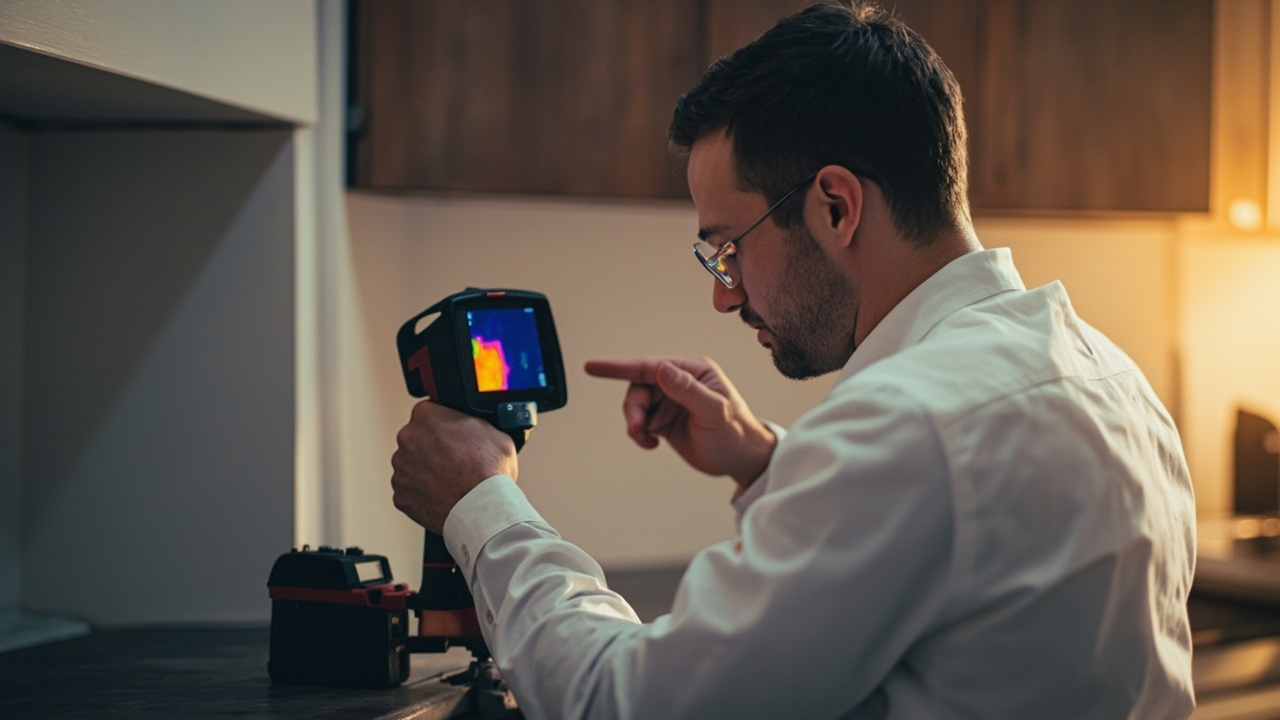
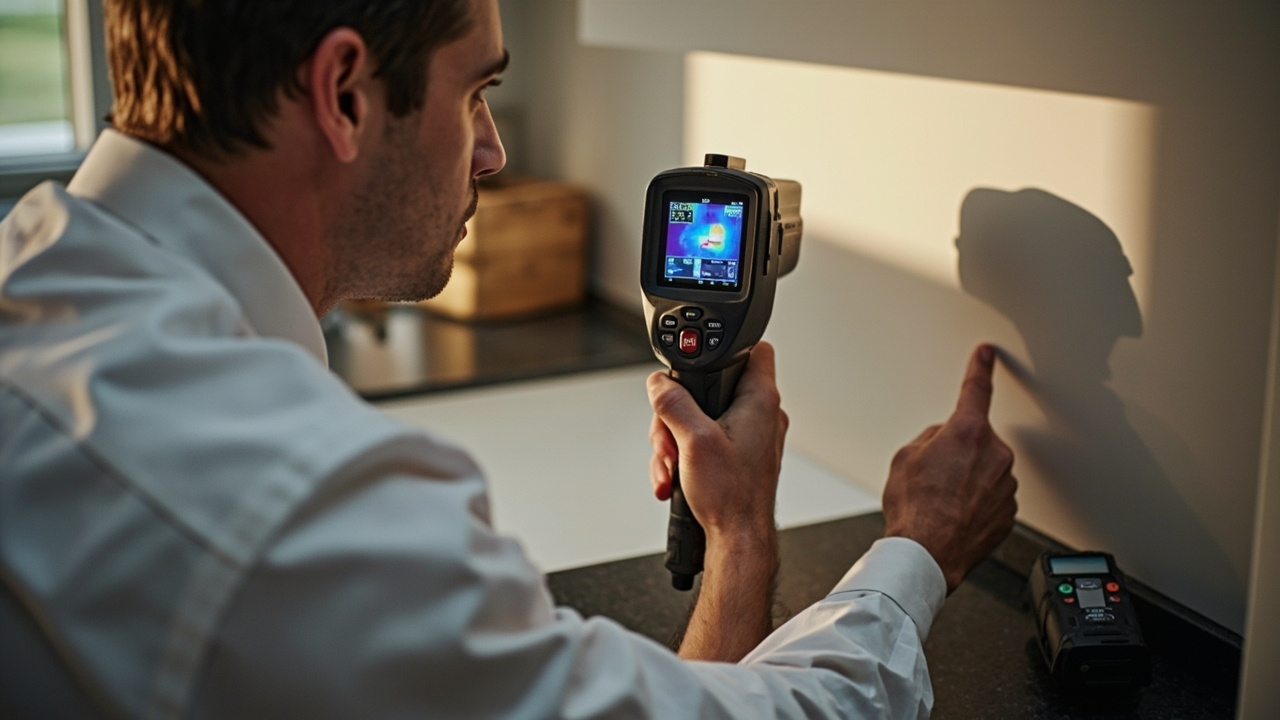
Thermal imaging cameras detect temperature variations across wall and ceiling surfaces. Water-saturated materials register cooler than dry materials because moisture retains heat differently. Technicians scan entire rooms, tracing thermal anomalies back to their source. This locates concealed dampness behind finished surfaces without demolition.

Moisture meters provide quantitative readings of water content in building materials. Pin-type meters penetrate drywall, wood, and insulation to measure electrical resistance, which changes based on moisture levels. Non-invasive meters scan surfaces without damaging finishes. Readings above 16 percent moisture content in wood indicate active water intrusion requiring immediate attention.

Hygrometers measure relative humidity and dew point in confined spaces like wall cavities and crawlspaces. Elevated humidity readings signal ongoing evaporation from hidden water sources. When combined with infrared data and moisture meter readings, this creates a complete diagnostic picture.

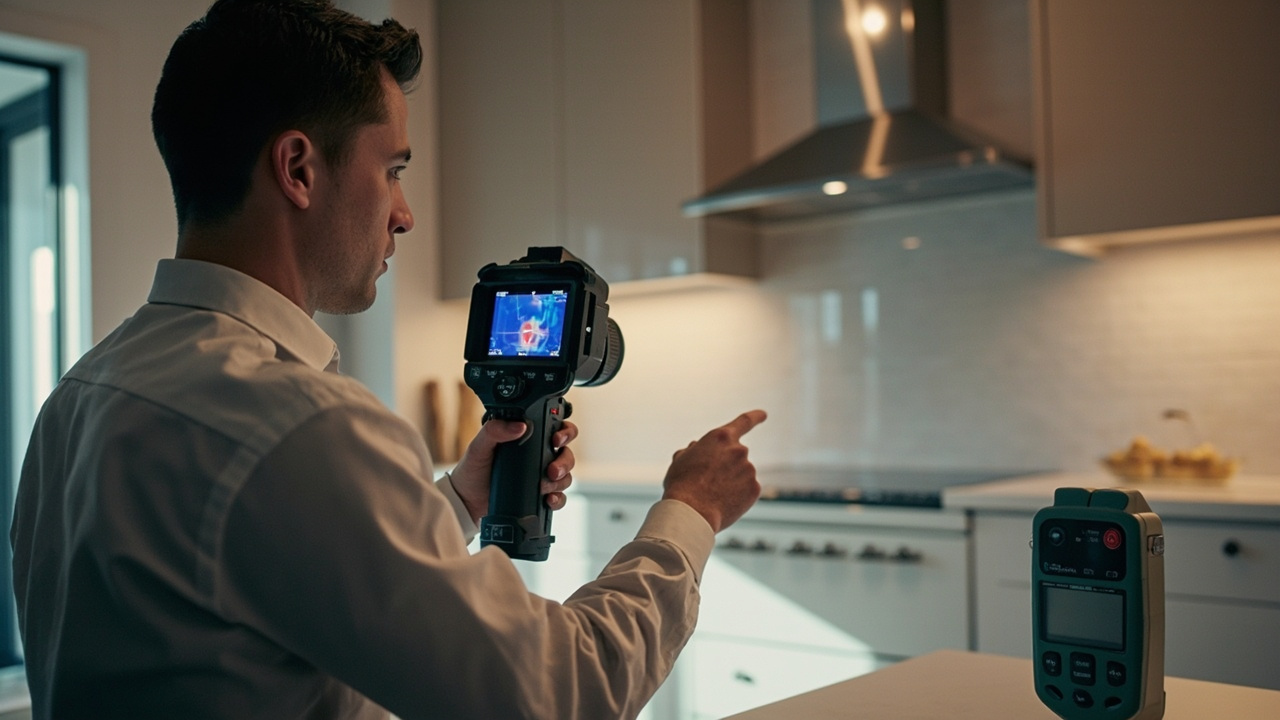
Apex Water Damage Restoration Indianapolis uses all three technologies during every inspection because each tool reveals different aspects of the problem. A thermal scan might show a cold spot near a bathroom, pin meters confirm wet drywall, and humidity readings indicate water is still evaporating from the subflooring below.

We map the full extent of damage before starting repairs. This prevents the common mistake of fixing visible damage while leaving hidden moisture to cause future problems. Documentation includes moisture maps showing exact locations and saturation levels, which insurance companies require for claims processing.

What Happens During Your Hidden Moisture Inspection

Hidden Moisture Detection in Indianapolis – Stop Mold Growth Before It Spreads Through Your Home
01

Comprehensive Property Scan

Technicians arrive with thermal cameras, moisture meters, and humidity sensors. We start by interviewing you about symptoms you have noticed, then scan all areas where water commonly hides. This includes exterior walls, bathrooms, kitchens, basements, and any rooms above or adjacent to plumbing. The infrared scan identifies temperature anomalies indicating moisture presence. This takes 45 to 90 minutes depending on property size.
02

Targeted Moisture Measurement

After thermal imaging identifies suspect areas, we use pin and non-invasive meters to measure exact moisture content in walls, floors, and ceilings. We test multiple depths and locations to map the full saturation zone. Readings get recorded on a moisture map showing percentage levels throughout affected areas. This data reveals whether moisture is active or residual from a previous incident, guiding repair strategy.
03

Detailed Findings Report

You receive a written report with thermal images, moisture readings, affected square footage, and identified water sources. We explain what repairs are necessary, what materials need replacement versus drying, and estimated timeline for remediation. The report includes photos annotated with moisture levels, which insurance adjusters use to approve claims. You get a clear action plan before any work begins, with no surprises during the restoration process.

Why Indianapolis Property Owners Trust Local Moisture Detection Experts

National restoration chains send different technicians to every job, using generic checklists designed for average conditions. They miss problems specific to Indianapolis homes.

Apex Water Damage Restoration Indianapolis knows how water behaves in buildings constructed on Marion County's expansive clay soils. We know that homes built before 1950 in neighborhoods like Irvington and Butler-Tarkington lack vapor barriers, making basements prone to condensation moisture. We understand that ranch-style homes common in Pike Township and Lawrence Township have shallow crawlspaces where plumbing freezes during January cold snaps, causing slow leaks that go undetected for months.

Our technicians recognize the difference between acute water intrusion from a burst pipe and chronic moisture problems from poor grading around foundations. This matters because treatment approaches differ completely. Acute flooding requires aggressive extraction and drying. Chronic moisture requires identifying the root cause, whether that is improper drainage, missing gutters, or foundation settlement cracks.

We also understand local building codes and insurance requirements. Marion County requires specific moisture thresholds before reconstruction can begin after water damage. Insurance companies serving the Indianapolis market want documentation showing moisture levels dropped below 15 percent before they approve final payment. We provide the detailed reports adjusters need to process your claim quickly.

Local expertise means faster diagnosis, accurate repair scoping, and fewer callbacks. We have worked with every major insurance carrier operating in Indianapolis and know their documentation requirements. You get restoration done right the first time, with no arguments over whether hidden damage was part of the original loss.

What to Expect From Professional Hidden Moisture Detection Services

Rapid Response and Scheduling

We dispatch technicians within two to four hours for emergency moisture concerns and offer same-day appointments for non-emergency inspections. Indianapolis property owners dealing with suspected hidden water damage need answers quickly before mold colonization begins. Our inspection schedule accommodates your availability, including evenings and weekends. Technicians arrive with all necessary equipment in fully stocked vehicles, eliminating return trips for additional tools. You get diagnostic results before the technician leaves your property, not days later after lab analysis or equipment rental delays.

Thorough Diagnostic Assessment Process

The inspection begins with a detailed interview about when you first noticed problems, what symptoms appeared, and whether any recent events could have introduced water. Technicians then conduct room-by-room thermal scans, focusing on high-risk areas like bathrooms, kitchens, basements, and exterior walls. Moisture meters verify thermal readings, providing quantitative data on saturation levels. We test both affected areas and adjacent dry zones to establish baseline readings. Humidity measurements in wall cavities and confined spaces reveal ongoing evaporation. The entire process generates documentation suitable for insurance claims, including annotated photos and moisture maps showing exact problem locations.

Accurate Damage Scope and Repair Plan

You receive a written assessment detailing every area affected by hidden moisture, moisture content percentages, identified water sources, and recommended remediation steps. The report distinguishes between materials that can be dried and materials requiring replacement. We explain structural implications, mold risk based on moisture duration, and realistic timelines for drying or reconstruction. Cost estimates break down by room and repair type, giving you clarity on what insurance should cover versus what falls under your deductible. Our goal is complete transparency so you can make informed decisions about proceeding with restoration work.

Post-Remediation Verification Testing

After moisture remediation completes, we conduct verification testing using the same equipment to confirm all affected materials have dried to acceptable levels. This typically means moisture content below 15 percent for structural wood and below 12 percent for finish materials like hardwood flooring. You receive a clearance certificate documenting final moisture readings, which insurance companies require before authorizing reconstruction. We also provide guidance on preventing future moisture problems, including maintenance tips for gutters, grading recommendations, and plumbing inspection schedules. This follow-up ensures your property stays dry long after restoration concludes.

Frequently Asked Questions

You Have Questions,
We Have Answers

Why does my phone say moisture detected when there is no moisture? +

Your phone's moisture sensor can trigger from condensation, humidity, or residue left from previous exposure. Indianapolis weather creates temperature swings that cause condensation inside charging ports. Dust, lint, or even sweat can also register as moisture. The sensor sits in the charging port and reacts to anything conductive. Clean the port gently with compressed air or a dry toothbrush. Let it sit in a dry, room-temperature space for 30 minutes. If the alert persists after cleaning and drying, the sensor may need professional inspection or the port could have corrosion from past water contact.

Do moisture detectors really work? +

Yes, professional moisture meters work when used correctly by trained technicians. These tools measure electrical resistance or capacitance in building materials to detect hidden water. Pin-type meters penetrate surfaces for precise readings. Pinless meters scan larger areas without damage. Accuracy depends on calibration, material type, and operator skill. Cheap consumer models often give false readings. In Indianapolis homes, professionals use meters to find leaks behind siding, under flooring, or in crawl spaces where visual inspection fails. The technology is reliable when paired with thermal imaging and experience interpreting moisture patterns in Midwest construction.

How do I find out where my moisture is coming from? +

Start by checking common sources like roofs, windows, basements, and plumbing. Look for water stains, peeling paint, or musty odors. In Indianapolis, foundation cracks and poor grading cause many moisture problems due to clay soil expansion. Check gutters and downspouts for clogs. Inspect crawl spaces and attics during rain. If you cannot locate the source visually, hire a restoration professional with thermal imaging cameras and moisture meters. These tools detect hidden leaks behind walls or under floors. Early detection prevents mold growth and structural damage common in humid Midwest climates.

Is there a tool to detect moisture in walls? +

Yes, professionals use moisture meters and thermal imaging cameras to detect water inside walls without demolition. Pin-type meters insert small probes into drywall or wood to measure moisture content. Pinless meters scan wall surfaces using electromagnetic signals. Thermal cameras reveal temperature differences caused by wet materials. In Indianapolis homes, these tools locate pipe leaks, ice dam damage, and condensation issues inside exterior walls. Consumer-grade meters exist but lack accuracy. Professional equipment calibrates for specific materials like plaster, drywall, or brick common in older Indianapolis neighborhoods. Proper detection prevents unnecessary wall removal.

How do I bypass the moisture detection? +

Do not bypass moisture detection on phones or in buildings. Phone alerts protect your device and charging port from short circuits and corrosion. Forcing a charge risks permanent damage or fire. For buildings, ignoring moisture leads to mold, rot, and structural failure. Indianapolis humidity and seasonal temperature changes accelerate these problems. If your phone shows false alerts, clean and dry the port completely. For building moisture, address the source immediately. Temporary fixes like fans or dehumidifiers help, but professional assessment prevents costly damage. Bypassing warnings trades short-term convenience for long-term disaster.

Will the moisture detection go away on its own? +

Phone moisture alerts may clear after the port dries completely. This takes 30 minutes to several hours depending on humidity and temperature. Indianapolis weather affects drying time. Do not use heat sources like hair dryers, which damage internal components. For building moisture, the problem will not resolve on its own. Water intrusion worsens over time, causing mold within 24 to 48 hours. Indianapolis homes experience foundation settling and seasonal groundwater shifts that require active intervention. Waiting allows secondary damage like wood rot and insulation failure. Address moisture immediately to prevent escalation.

What can throw off a moisture meter? +

Moisture meters can misread from metal, concrete, or chemicals in building materials. High mineral content in Indianapolis water leaves deposits that affect readings. Temperature extremes, electromagnetic interference, and improper calibration cause errors. Different materials require different meter settings. Wood reads differently than drywall or concrete. Surface moisture from recent cleaning or rain skews results. Dense materials like brick or tile block signals from pinless meters. Experienced technicians account for these variables and cross-reference multiple readings with visual inspection. Consumer meters often lack material-specific settings and produce unreliable data without proper training.

How long do moisture sensors last? +

Commercial moisture sensors in buildings typically last five to ten years with proper maintenance. Battery-powered sensors need replacement every two to four years. Lifespan depends on environment, quality, and exposure to moisture. In Indianapolis basements and crawl spaces, high humidity and temperature fluctuations reduce sensor longevity. Professional-grade meters require annual calibration to maintain accuracy. Phone moisture sensors last the device's lifetime but lose sensitivity after repeated water exposure. Replace sensors showing false positives, delayed alerts, or inconsistent readings. Regular testing ensures reliability before you need them during actual water events.

How do phones detect moisture? +

Phones use sensors in charging ports that detect electrical conductivity changes caused by water. When liquid bridges the contact points, resistance drops and triggers the alert. The system protects against short circuits and corrosion. Most phones use simple contact-based detection rather than advanced moisture analysis. The sensor cannot distinguish between water, sweat, or condensation. Indianapolis temperature changes between air-conditioned interiors and humid outdoors create condensation inside ports. The alert activates charging blocks until the port dries. This protection extends device lifespan by preventing internal damage from wet charging attempts.

Can mold grow in 50% humidity? +

Mold can grow at 50% humidity if other conditions exist. Mold needs moisture, organic material, and temperatures between 60 and 80 degrees. While 60% humidity creates ideal conditions, 50% allows growth on porous surfaces with existing moisture problems. In Indianapolis homes, 50% indoor humidity during summer combines with cool basement walls or poor ventilation to create localized condensation. This supports mold on drywall, wood, or insulation. Maintain humidity below 50% and fix water leaks immediately. Use dehumidifiers in basements and crawl spaces where Indianapolis clay soil traps moisture against foundations.

How Indianapolis Climate and Housing Stock Create Hidden Moisture Challenges

Indianapolis experiences 40 inches of annual precipitation spread across all four seasons, combined with high summer humidity that keeps basements and crawlspaces damp even without active leaks. Freeze-thaw cycles stress foundation walls and create hairline cracks where groundwater seeps through during spring thaws. The region's expansive clay soils shift with moisture changes, causing foundation settlement that opens gaps around basement windows and creates negative grading that directs rainwater toward homes instead of away. Older homes in established neighborhoods like Meridian-Kessler and Broad Ripple often lack proper waterproofing because they were built before modern building codes required foundation drainage systems and vapor barriers.

Detecting concealed dampness in Indianapolis properties requires understanding local construction methods and common failure points. Homes built during the post-war housing boom used building techniques that prioritized speed over moisture management. Technicians who understand these regional patterns spot problems faster and recommend solutions that address root causes rather than symptoms. Apex Water Damage Restoration Indianapolis has worked with properties across Marion County, from historic Fountain Square bungalows to newer developments in Carmel and Fishers. We know where water hides in different home styles and how to find trapped moisture before it compromises structural integrity or creates dangerous mold growth.
Water Damage Restoration Services in The Indianapolis Area

We are proud to serve the entire Indianapolis area and surrounding communities, providing rapid-response water damage restoration right where you need it most. Our central location allows us to deploy our 24/7 emergency teams quickly across the region. View our service area on the map below and remember that wherever you are in the Indianapolis metropolitan area, Apex Water Damage Restoration Indianapolis is ready to deliver expert and trustworthy service to secure your home or business.

Address:
Apex Water Damage Restoration Indianapolis, 6767 E Washington St, Indianapolis, IN, 46219

Additional Services We Offer

Our news updates

Latest Articles & News from The Blogs

The Hidden Cost of Leaving Your Garden Hose Connected During an Indianapolis Winter Every fall Indianapolis homeowners face the same…

The Hidden Cost of Leaving Your Garden Hose Connected During an Indianapolis Winter

The Hidden Cost of Leaving Your Garden Hose Connected During an Indianapolis Winter Every fall Indianapolis homeowners face the same…

What to Do When Your Toilet Overflows and Drips Through the Ceiling in Fishers

What to Do When Your Toilet Overflows and Drips Through the Ceiling in Fishers Water from a toilet overflow creates…

How Your Refrigerator Ice Maker Can Quietly Flood Your Kitchen in Carmel

How Your Refrigerator Ice Maker Can Quietly Flood Your Kitchen in Carmel Your refrigerator's ice maker can leak for weeks…

Contact Us

Call (317) 703-7676 now for same-day moisture inspection. Our technicians use thermal imaging and professional meters to locate water you cannot see. Stop guessing about hidden damage and get answers today.