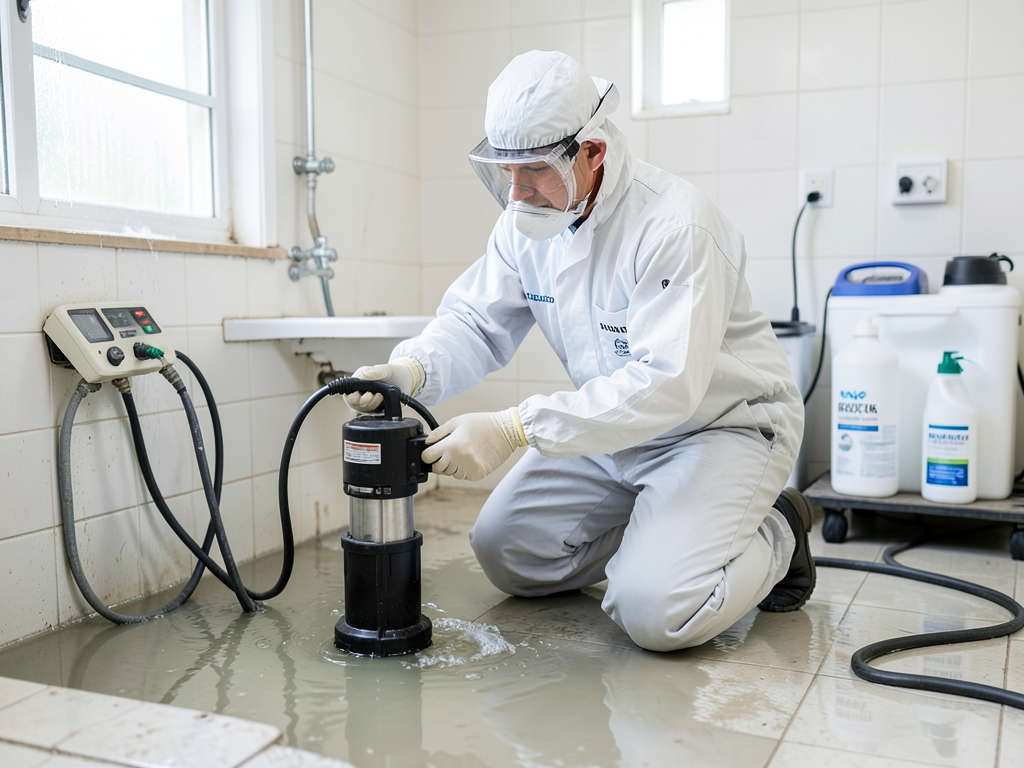
Indianapolis sits atop dense clay soil that expands when wet and contracts during drought cycles, creating foundation stress that manifests as basement seepage and slab cracks. Properties near Eagle Creek Reservoir and the White River floodplain face elevated groundwater tables that saturate crawlspaces during spring thaw and summer storm events. This geological reality means water damage remediation expenses often include foundation waterproofing, sump pump installation, and exterior drainage correction that properties in sandy-soil regions avoid. The city's combined sewer system, which serves older neighborhoods, backs sewage into basements during heavy rainfall, creating Category 3 black water situations that triple cleanup costs compared to clean water events.
Indianapolis restoration specialists understand Marion County's specific building code requirements for water-damaged structures, including mandatory electrical inspections after flooding and insulation R-value upgrades during reconstruction. Local expertise matters when navigating historic district regulations in areas like Chatham Arch, where exterior changes require preservation board approval that affects timeline and material costs. Established Indianapolis water damage companies maintain direct relationships with city inspectors and insurance adjusters who process claims daily, streamlining approvals that out-of-state operators struggle to obtain. This local network reduces your total restoration time and prevents compliance issues that delay insurance settlements and certificate of occupancy approvals.