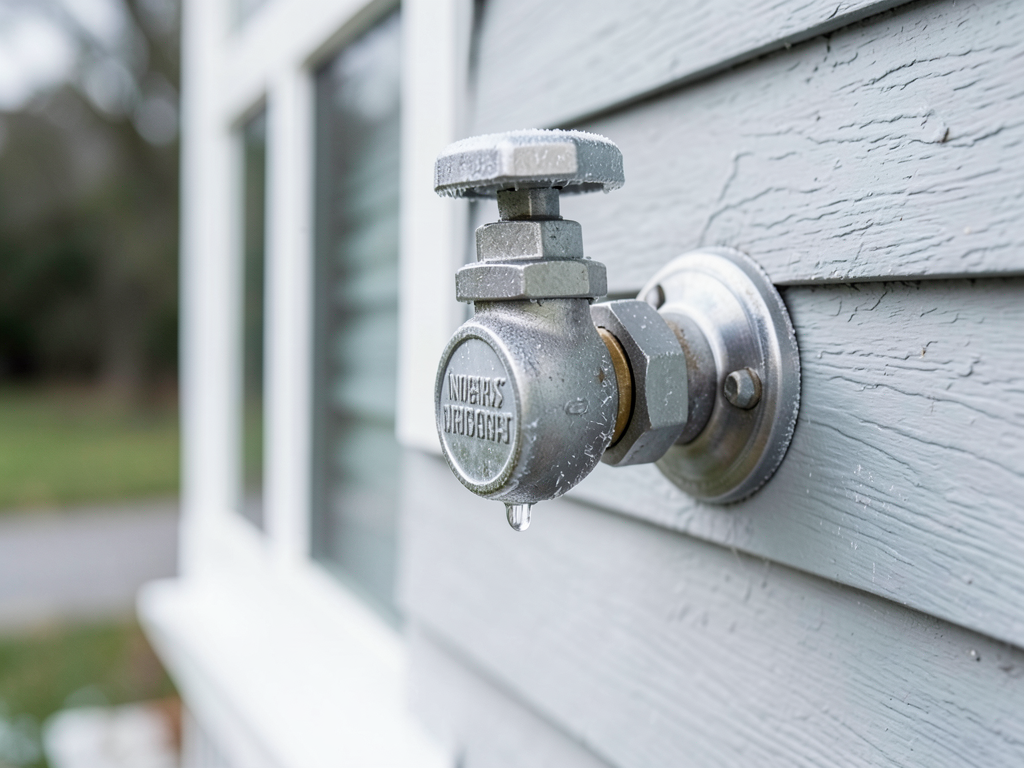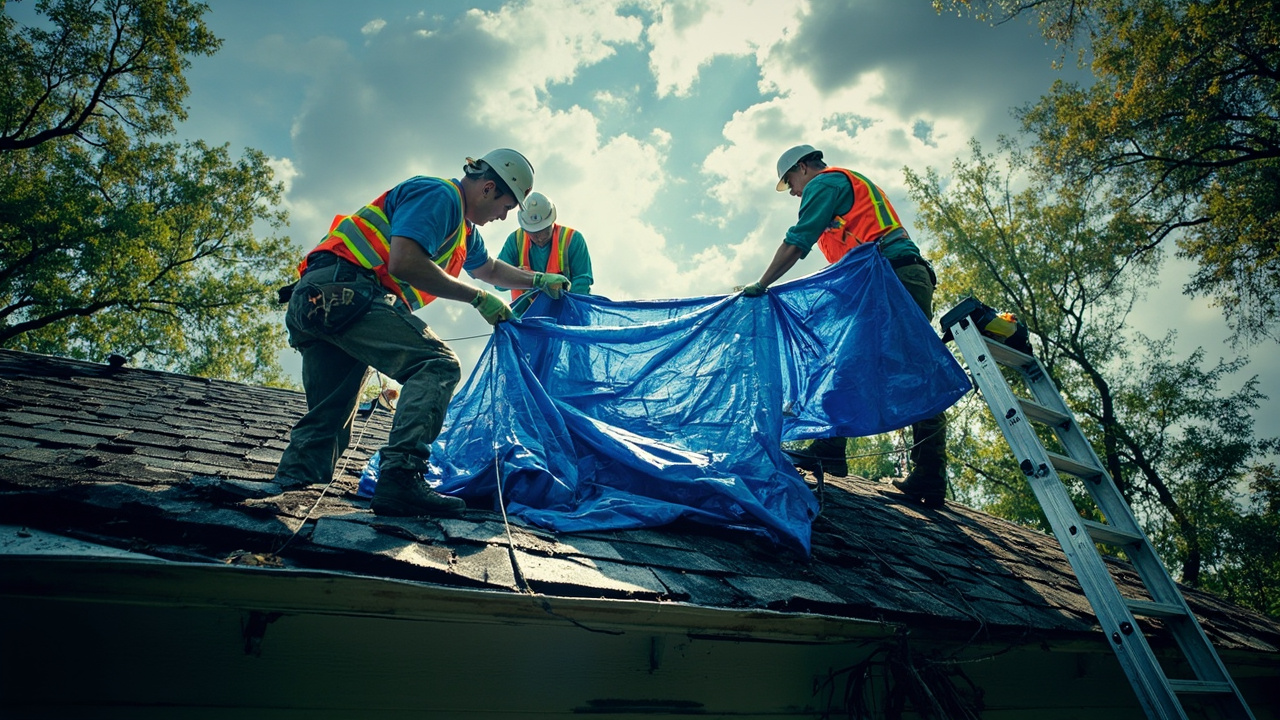
Indianapolis temperatures swing from 15 degrees in January to 90 degrees in July. This freeze-thaw cycling causes shingle adhesive to fail and underlayment to crack. Water seeps under shingles during winter thaws, then freezes overnight and expands. The expansion lifts shingles and opens gaps in flashing around chimneys and skylights. By the time spring storms arrive, your roof has dozens of micro-breaches that turn into full leaks under heavy rain. Older homes in Fountain Square and Bates-Hendricks with original 20-year shingles are especially vulnerable. Emergency roof leak tarping stops the damage spiral until permanent repairs restore your roof envelope.
Indianapolis building codes require roof work to meet IRC Chapter 9 standards for weather resistance. Our emergency temporary roof covering methods align with these requirements because we work alongside local roofers who perform code-compliant permanent repairs. Insurance adjusters at State Farm and Nationwide in Indianapolis recognize our documentation standards. When you file a claim, our itemized reports include photos, moisture readings, and a clear timeline of when the damage occurred versus when we mitigated it. This documentation separates emergency mitigation costs from permanent repair costs, which matters during claims negotiations.