menu

Signs of Hidden Mold in Indianapolis – Expert Detection Resources to Protect Your Home and Health

Comprehensive guides and diagnostic tools to help Indianapolis homeowners identify symptoms of concealed mold before it threatens your family's health and your property's structural integrity.

Slider Image 1
Slider Image 2
Slider Image 3
Slider Image 4
Slider Image 5
Slider Image 7
Slider Image 8
Slider Image 9
Slider Image 10
Slider Image 11

Why Indianapolis Homes Are Breeding Grounds for Hidden Mold

Indianapolis sits in a humid continental climate zone where summer dew points regularly hit 65 to 75 degrees. That moisture does not just make August uncomfortable. It creates perfect conditions for mold growth in places you cannot see.

Your crawl space, wall cavities, and attic insulation trap humidity. When temperatures swing 40 degrees between day and night during spring and fall, condensation forms on cold surfaces behind your drywall. That is where mold starts.

The clay-heavy soil common throughout Marion County shifts with moisture changes. Foundation cracks open up. Groundwater seeps into basements. You might not see standing water, but the elevated humidity levels feed mold colonies behind finished walls and under carpeting.

Detecting hidden mold requires understanding where moisture hides in Indianapolis homes. Older neighborhoods like Broad Ripple and Irvington have homes built before modern vapor barriers existed. Newer developments in Fishers and Carmel use energy-efficient construction that traps moisture inside when HVAC systems fail to balance ventilation.

Indicators of invisible mold include musty odors that come and go, unexplained respiratory issues that improve when you leave the house, and peeling paint or wallpaper in bathrooms and kitchens. These symptoms of concealed mold tell you spores are reproducing somewhere in your building envelope.

Water damage from roof leaks, plumbing failures, or sump pump malfunctions creates the initial moisture source. Even after surfaces dry, residual dampness in wood framing and insulation sustains mold growth for months. Evidence of unseen mold often shows up as discoloration on ceiling tiles, warped baseboards, or efflorescence on basement walls.

Why Indianapolis Homes Are Breeding Grounds for Hidden Mold
How Professional Mold Detection Works

How Professional Mold Detection Works

Identifying signs of mold behind walls requires more than a visual inspection. Apex Water Damage Restoration Indianapolis uses thermal imaging cameras to detect temperature differentials that indicate moisture intrusion. Cold spots on interior walls during summer often signal active water infiltration feeding mold colonies.

Moisture meters measure water content in building materials without destructive testing. We probe drywall, wood framing, and concrete to find elevated readings that correlate with mold-friendly conditions. Readings above 16 percent in wood or 2 percent in drywall warrant further investigation.

Air sampling captures airborne mold spores and compares indoor concentrations to outdoor baselines. Elevated levels of Aspergillus, Penicillium, or Stachybotrys indoors suggest an active source within the structure. We take multiple samples from different rooms to triangulate contamination zones.

Surface sampling uses tape lifts or swabs to collect mold from suspected growth areas. Lab analysis identifies specific species and quantifies colony density. This data guides remediation scope and helps determine if professional abatement is necessary.

Borescope inspections allow visual assessment inside wall cavities, above ceilings, and under floors without major demolition. We drill small access holes and insert fiber optic cameras to document actual mold growth, not just conditions that favor it.

Hygrometers monitor relative humidity over time. Sustained levels above 60 percent create environments where mold spores germinate within 24 to 48 hours. We place data loggers in problem areas to identify patterns linked to HVAC cycling, seasonal changes, or specific weather events.

The goal is definitive answers. You need to know if you have a mold problem, where it is, and what is causing it before remediation begins.

What Happens During a Mold Assessment

Signs of Hidden Mold in Indianapolis – Expert Detection Resources to Protect Your Home and Health
01

Initial Consultation and History

We start by gathering information about your concerns. When did you first notice symptoms? What parts of the house smell musty? Has there been recent water damage or plumbing work? Understanding the timeline helps us focus on high-probability areas. We review HVAC maintenance records, past water intrusion events, and any previous mold issues. This background shapes our testing strategy and prevents wasted effort on low-risk zones.
02

Comprehensive Property Inspection

Our technicians methodically examine your property from foundation to roofline. We check crawl spaces for standing water and ground moisture. Basements get scrutinized for efflorescence and foundation cracks. Attics are inspected for roof leaks and ventilation failures. Bathrooms, kitchens, and laundry rooms receive extra attention due to high moisture exposure. We use thermal cameras and moisture meters throughout to map conditions conducive to mold growth and locate active moisture sources.
03

Testing and Documentation

Based on findings, we deploy appropriate testing methods. Air samples go to certified labs for spore analysis. Surface samples document visible growth. Moisture mapping creates a clear picture of affected areas. You receive a detailed report with photos, lab results, moisture readings, and specific recommendations. This documentation supports insurance claims and provides a baseline for post-remediation verification testing to confirm successful mold removal.

Why Indianapolis Property Owners Trust Local Mold Experts

Mold problems in Indianapolis differ from those in Phoenix or Seattle. You need professionals who understand local building practices and climate patterns. Apex Water Damage Restoration Indianapolis has assessed hundreds of homes in Marion County and surrounding areas. We know where mold hides in ranch homes built in the 1960s versus new construction in Hamilton County.

Local expertise matters when interpreting test results. A certain level of outdoor mold spores is normal for central Indiana. We compare your indoor air quality against regional baselines, not generic national standards. That context prevents unnecessary remediation and focuses resources on actual problems.

We understand Indianapolis building codes and work with local contractors, insurance adjusters, and property managers daily. When remediation requires coordination with plumbers, roofers, or HVAC technicians, we connect you with qualified professionals familiar with Indianapolis construction standards.

Our response time beats national chains because we are based here. When you discover water damage that could lead to mold growth, we arrive within hours, not days. Fast mitigation prevents small moisture problems from becoming expensive mold remediation projects.

We also recognize seasonal patterns. Spring flooding along Fall Creek and the White River creates predictable mold risks in low-lying neighborhoods. Summer humidity spikes tax undersized HVAC systems. Fall temperature swings cause condensation issues. Winter ice dams lead to attic mold. This local knowledge helps us diagnose root causes faster.

Trust is built through transparency. We explain what we find, why it matters, and what options you have. You get straightforward information without scare tactics or pressure to buy services you do not need. Our reputation depends on solving problems correctly, not maximizing invoices.

What to Expect from Professional Mold Detection Services

Response Time and Scheduling

We schedule mold assessments within 24 to 48 hours of your call. Emergency water damage situations get same-day response because stopping moisture intrusion is the first step in preventing mold growth. Inspections typically take two to four hours depending on property size and complexity. We work around your schedule, including evenings and weekends. You receive a preliminary verbal report on-site, followed by a detailed written report within 48 hours. Lab results for air and surface samples arrive in three to five business days. We walk you through findings and answer questions before any remediation work is proposed.

Comprehensive Assessment Process

Our assessment goes beyond looking for visible mold. We investigate moisture sources using infrared thermography, moisture meters, and hygrometers. You get a complete moisture map showing current and historical water intrusion points. Air quality testing measures spore concentrations in multiple rooms and compares them to outdoor baselines. Surface sampling identifies specific mold species when visible growth is present. We inspect HVAC systems, plumbing, roofing, and drainage because fixing mold without addressing the moisture source guarantees recurrence. The assessment includes photos, diagrams, and clear explanations of findings in terms you understand.

Accurate Documentation and Reporting

Your report includes all testing data, lab results, photos, and a scope of work if remediation is needed. Documentation meets insurance company requirements and includes moisture readings, affected square footage, contamination levels, and recommended containment protocols. We identify mold species, explain health risks, and prioritize remediation tasks. Cost estimates break down labor, materials, and disposal separately. The report serves as your roadmap whether you hire us for remediation or choose another contractor. Clear documentation protects you during insurance claims and provides a baseline for post-remediation verification testing.

Post-Remediation Verification

After mold removal, verification testing confirms successful remediation. We perform clearance air sampling to ensure spore counts return to normal levels. Moisture testing verifies that underlying water problems are resolved and conditions no longer support mold growth. Visual inspections document that all contaminated materials were properly removed and affected areas were cleaned or encapsulated. You receive a clearance certificate showing your property meets industry standards for safe occupancy. We also provide guidance on preventing future mold problems through proper ventilation, humidity control, and routine maintenance of plumbing and roofing systems.

Frequently Asked Questions

You Have Questions,
We Have Answers

How can you tell if you have hidden mold in your house? +

Hidden mold often announces itself through musty odors, even when you cannot see growth. Check for water stains on ceilings or walls, peeling paint, and warping drywall. In Indianapolis homes, basements and crawl spaces are common hiding spots due to high humidity and seasonal moisture. Look behind appliances, under sinks, and around HVAC systems. Condensation on windows or persistent dampness signals conditions where mold thrives. If you notice allergic symptoms that worsen indoors or discoloration in hidden areas, you likely have a problem requiring professional inspection.

What are signs of mold sickness? +

Mold sickness triggers respiratory symptoms like coughing, wheezing, and nasal congestion. You may experience headaches, fatigue, and difficulty concentrating. Skin irritation and itchy eyes are common reactions. Some people develop sinus infections that refuse to clear up. Indianapolis residents often mistake mold symptoms for seasonal allergies due to local pollen levels. If symptoms improve when you leave your home and return when you come back, mold exposure is the likely culprit. Immunocompromised individuals and children face greater risks and may develop more severe reactions requiring immediate medical attention.

Can mold make a baby cough? +

Yes, mold exposure can cause persistent coughing in babies. Their developing respiratory systems are vulnerable to mold spores and mycotoxins. You may notice your baby coughing more at night or during naps when lying down. Other signs include wheezing, difficulty breathing, and increased fussiness. Indianapolis homes with basement nurseries or rooms near bathrooms face higher risk due to moisture accumulation. If your baby's cough continues despite treatment or worsens at home, inspect for hidden mold growth. Prompt remediation protects your child's health and prevents long-term respiratory issues.

Can mold cause UTIs? +

Research does not support a direct link between mold exposure and urinary tract infections. UTIs result from bacterial infections, not fungal exposure. However, mold weakens your immune system, making you more susceptible to all types of infections, including UTIs. If you experience recurrent UTIs alongside respiratory symptoms, headaches, or fatigue, mold exposure may be compromising your body's defenses. Address the mold problem to restore your immune function. Focus on eliminating moisture sources in bathrooms and basements where mold thrives in Indianapolis's humid climate.

Is there such a thing as a mold detector? +

Yes, mold detection tools exist for homeowners. Moisture meters identify damp areas where mold grows. Air quality monitors measure spore counts and humidity levels. Test kits collect samples you send to labs for analysis, though results vary in accuracy. Infrared cameras detect temperature differences indicating moisture behind walls. For Indianapolis homes with basements or crawl spaces, these tools help identify problem areas. However, DIY detection has limits. Professional inspectors use industrial-grade equipment and training to find hidden growth and determine mold species, providing reliable results you can act on.

Will mold go away if it dries out? +

No, mold does not disappear when it dries out. It becomes dormant but remains viable. Spores can survive for years without moisture, reactivating when conditions improve. Dead mold still triggers allergic reactions and respiratory problems. In Indianapolis, where humidity fluctuates seasonally, dormant mold often reactivates during spring and summer. Dried mold requires physical removal and proper cleaning of affected materials. Surface cleaning alone fails because roots penetrate porous materials like drywall and wood. Complete remediation removes both visible growth and hidden contamination, preventing future recurrence.

What are the 10 warning signs of mold toxicity? +

Mold toxicity warning signs include chronic fatigue, brain fog, and memory problems. You may experience frequent headaches, dizziness, and difficulty concentrating. Respiratory issues like persistent coughing and shortness of breath develop. Skin rashes and sensitivity to light appear in some cases. Joint pain, muscle aches, and unexplained numbness occur. Digestive problems and mood changes like anxiety or depression emerge. Increased urination and excessive thirst signal kidney stress. Metallic taste and temperature regulation issues round out the symptoms. Indianapolis residents often attribute these signs to other causes, delaying proper mold remediation.

What kills mold permanently? +

Complete mold removal requires eliminating moisture sources first. Professional remediation removes contaminated materials like drywall, insulation, and carpeting that cannot be salvaged. HEPA vacuuming captures loose spores. EPA-registered antimicrobial solutions kill remaining growth on non-porous surfaces. Proper ventilation and dehumidification prevent recurrence. In Indianapolis, addressing basement moisture, improving ventilation, and fixing roof leaks stops future growth. DIY cleaning with bleach only treats surfaces temporarily. Permanent elimination demands removing the food source, controlling humidity below 60 percent, and repairing water damage that allows mold to establish.

How do I test my house for mold? +

Start with a visual inspection of moisture-prone areas like basements, bathrooms, and attics. Look behind appliances and inside HVAC systems. DIY test kits provide basic screening but lack accuracy. Professional inspections deliver comprehensive results. Certified inspectors use moisture meters, infrared cameras, and air sampling to detect hidden growth. They identify mold species and concentration levels. For Indianapolis homes, focus on crawl spaces and areas affected by the city's clay soil moisture issues. Professional testing costs vary but provides actionable data for remediation. Avoid companies offering free inspections, then inflating remediation quotes.

Can air purifiers remove mold spores? +

Air purifiers with HEPA filters capture airborne mold spores but do not solve the underlying problem. They reduce spore concentration temporarily, helping with symptoms. However, purifiers cannot remove mold growing on surfaces or inside walls. Active growth continues releasing spores faster than purifiers can capture them. For Indianapolis homes, use air purifiers as part of a larger strategy including moisture control and remediation. Position units in rooms with confirmed mold issues. Replace filters regularly to maintain effectiveness. Air purifiers help during remediation but never replace proper mold removal and moisture correction.

How Indianapolis Humidity and Basement Construction Complicate Mold Detection

Indianapolis averages 40 inches of precipitation annually with relative humidity regularly exceeding 70 percent during summer months. This moisture saturates the clay soil common throughout Marion County, creating hydrostatic pressure against basement walls. Many older homes in Fountain Square, Woodruff Place, and Butler-Tarkington have poured concrete or block foundations without exterior waterproofing membranes. Water wicks through porous concrete and evaporates inside finished basements. You cannot see the moisture source, but evidence of unseen mold appears as musty odors, efflorescence on walls, and elevated indoor humidity even when dehumidifiers run constantly.

Local building practices also affect where mold hides. Homes built before 1980 often lack vapor barriers in crawl spaces and walls. Balloon framing common in early 20th century construction creates open cavities from basement to attic where moisture and mold spread undetected. Modern homes in Geist, Fishers, and Westfield use spray foam insulation and tight building envelopes. While energy efficient, these designs trap moisture from cooking, showering, and laundry if mechanical ventilation fails. Apex Water Damage Restoration Indianapolis understands these local construction variables and knows where to look for indicators of invisible mold based on your home's age, location, and building style.
Water Damage Restoration Services in The Indianapolis Area

We are proud to serve the entire Indianapolis area and surrounding communities, providing rapid-response water damage restoration right where you need it most. Our central location allows us to deploy our 24/7 emergency teams quickly across the region. View our service area on the map below and remember that wherever you are in the Indianapolis metropolitan area, Apex Water Damage Restoration Indianapolis is ready to deliver expert and trustworthy service to secure your home or business.

Address:
Apex Water Damage Restoration Indianapolis, 6767 E Washington St, Indianapolis, IN, 46219

Additional Services We Offer

Our news updates

Latest Articles & News from The Blogs

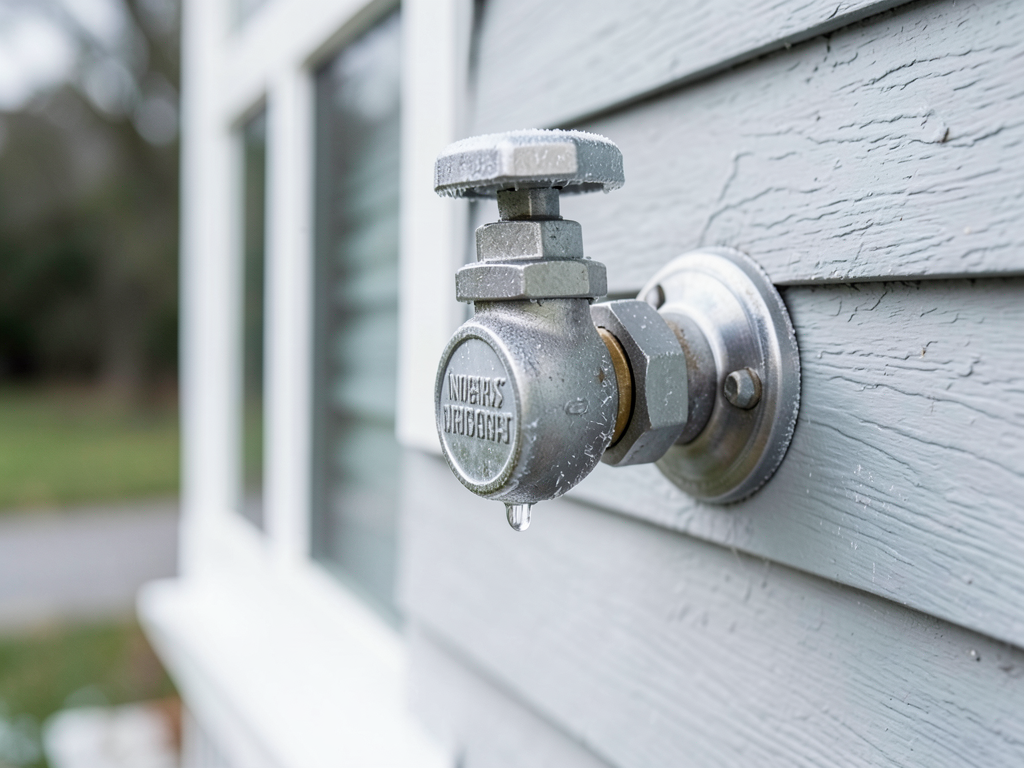
The Hidden Cost of Leaving Your Garden Hose Connected During an Indianapolis Winter Every fall Indianapolis homeowners face the same…

The Hidden Cost of Leaving Your Garden Hose Connected During an Indianapolis Winter

The Hidden Cost of Leaving Your Garden Hose Connected During an Indianapolis Winter Every fall Indianapolis homeowners face the same…

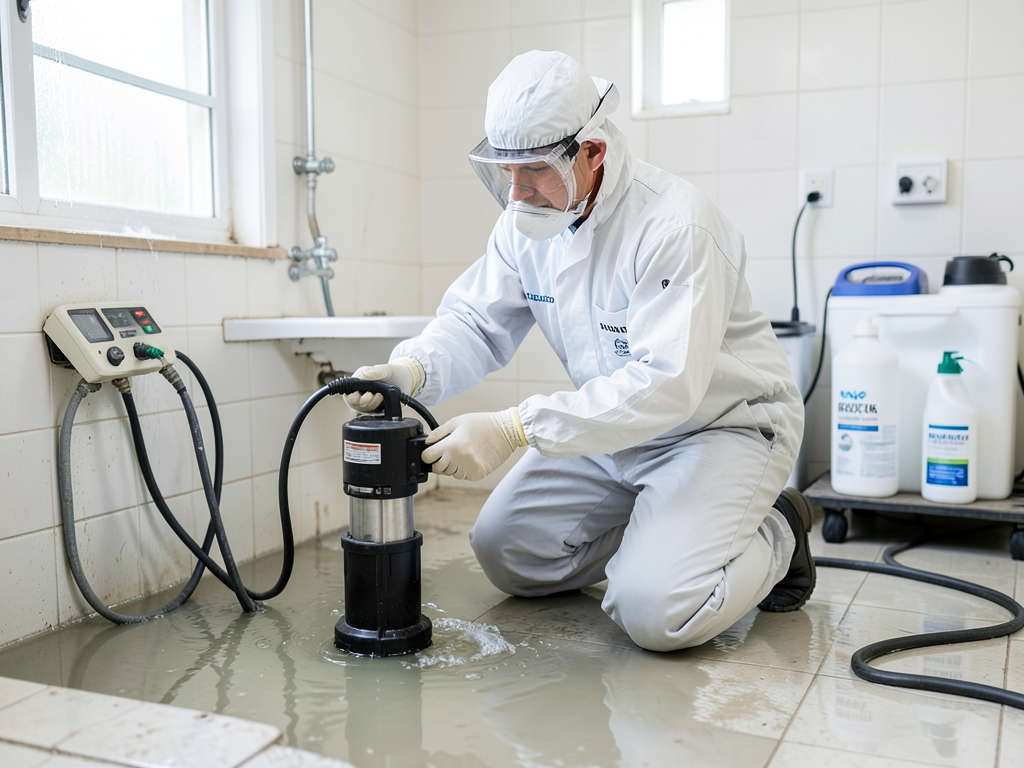
What to Do When Your Toilet Overflows and Drips Through the Ceiling in Fishers

What to Do When Your Toilet Overflows and Drips Through the Ceiling in Fishers Water from a toilet overflow creates…

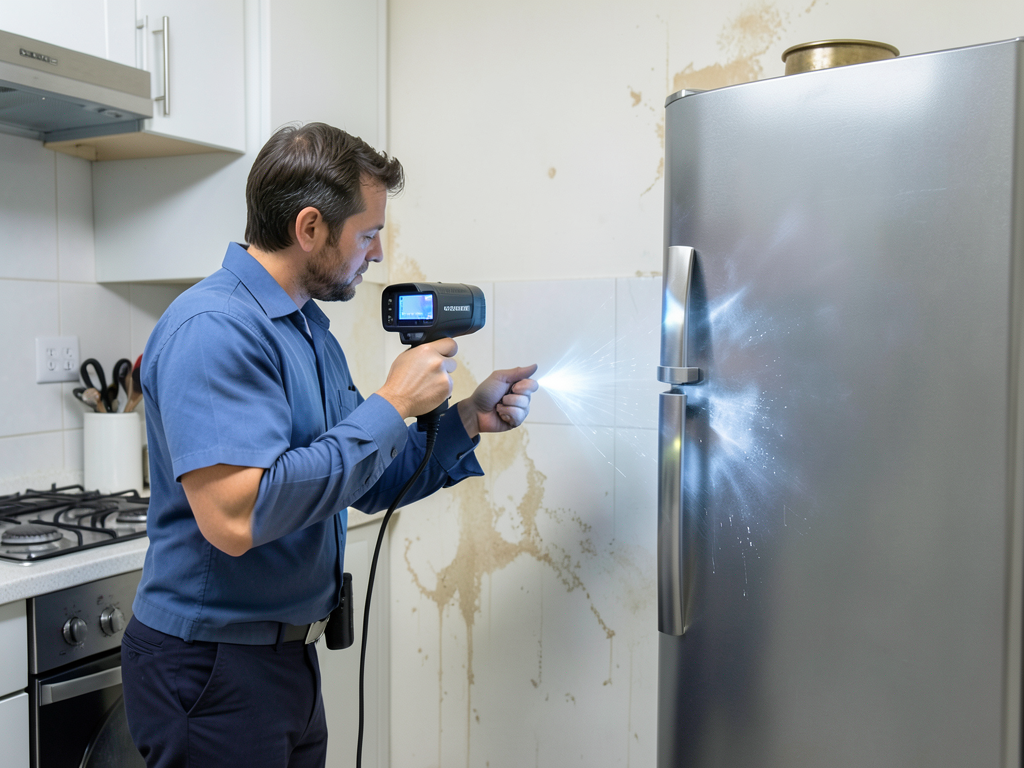
How Your Refrigerator Ice Maker Can Quietly Flood Your Kitchen in Carmel

How Your Refrigerator Ice Maker Can Quietly Flood Your Kitchen in Carmel Your refrigerator's ice maker can leak for weeks…

Contact Us

Stop guessing about hidden mold. Get definitive answers from local experts who understand Indianapolis homes. Call Apex Water Damage Restoration Indianapolis at (317) 703-7676 for a comprehensive mold assessment. We respond fast, test thoroughly, and give you the information you need to protect your health and property.