menu

Business Interruption Mitigation in Indianapolis – Minimize Downtime and Restore Operations Fast

Get your facility operational again with rapid water damage response, strategic coordination, and 24/7 emergency deployment designed to protect revenue and preserve business continuity across the greater Indianapolis metro.

Slider Image 1
Slider Image 2
Slider Image 3
Slider Image 4
Slider Image 5
Slider Image 7
Slider Image 8
Slider Image 9
Slider Image 10
Slider Image 11

Why Water Damage Threatens Business Operations in Indianapolis

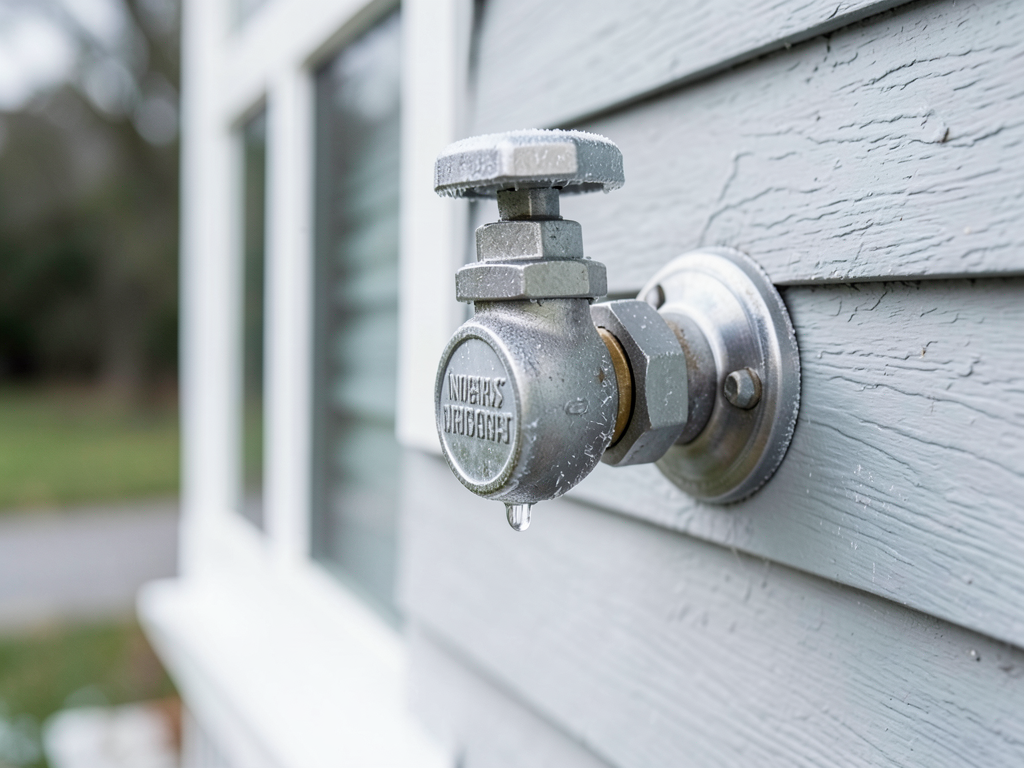
Indianapolis's freeze-thaw cycles between November and March create unique vulnerabilities for commercial facilities. Water expands when it freezes. Pipe bursts happen without warning, flooding warehouses, retail spaces, and office buildings during the coldest nights. The White River and Fall Creek flood zones add another layer of risk for properties in low-lying areas near downtown and Broad Ripple.

When water intrudes, every hour counts. Inventory gets ruined. Equipment fails. Employees cannot work. Customers go elsewhere. The cost is not just cleanup. It is lost revenue, damaged reputation, and stalled operations.

You need a response team that understands the urgency of minimizing business downtime. Generic residential restoration crews move too slowly. They do not prioritize business continuity restoration. They lack the equipment capacity to handle large commercial spaces quickly.

Indianapolis business owners face another challenge. Clay soil beneath most structures shifts with moisture. When flooding occurs, water migration patterns are unpredictable. Basements and crawl spaces hold water longer. Structural drying takes more time. This extends your operational downtime if the restoration team does not use the right approach.

Mitigating commercial downtime requires industrial-grade extraction equipment, rapid deployment protocols, and coordination with your insurance adjuster from hour one. You cannot afford to wait. You need a team that treats your business like the asset it is, not just another job site.

Why Water Damage Threatens Business Operations in Indianapolis
How We Minimize Operational Disruption After Water Events

How We Minimize Operational Disruption After Water Events

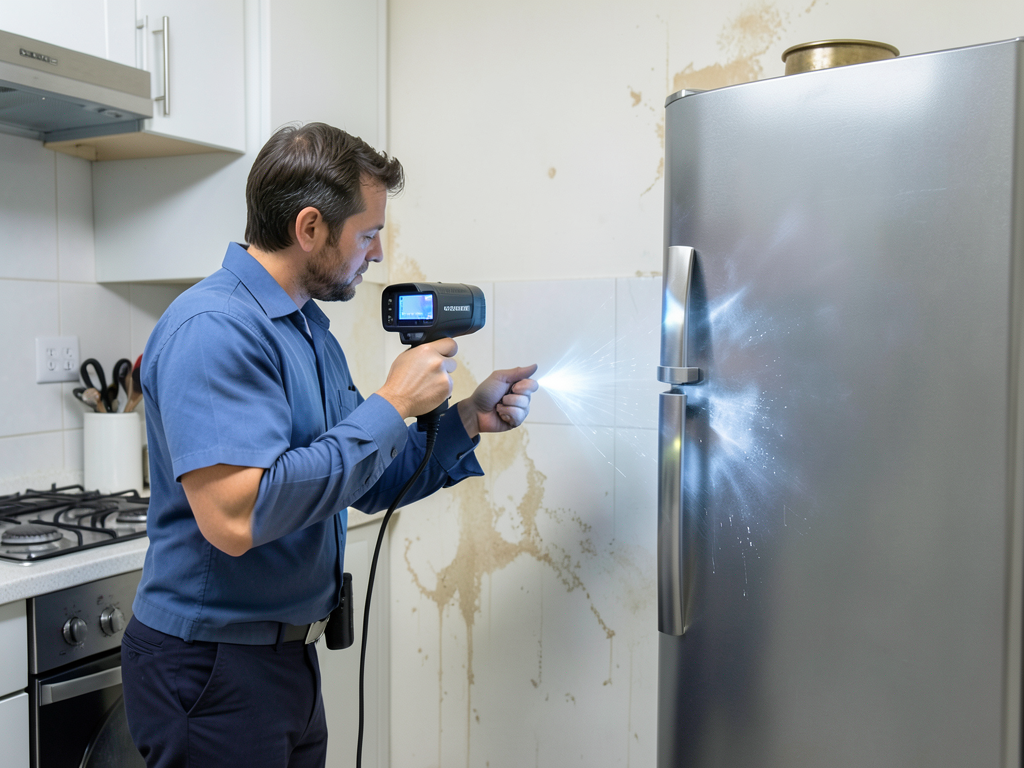
We deploy within 90 minutes of your call. Our teams arrive with truck-mounted extractors, low-grain refrigerant dehumidifiers, and thermal imaging cameras to map moisture intrusion patterns. We do not guess. We measure.

First, we establish containment zones. We isolate affected areas using polyethylene barriers and negative air machines. This allows unaffected sections of your facility to remain operational. Your team keeps working while we handle the damage.

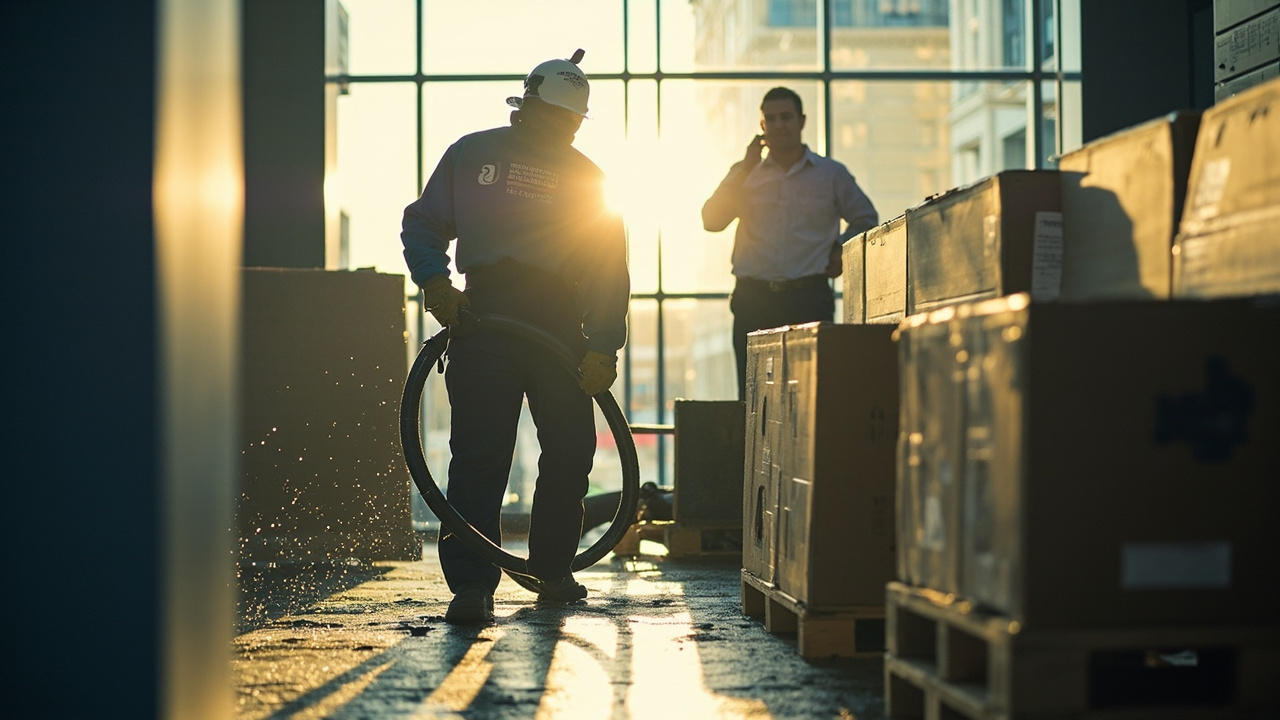
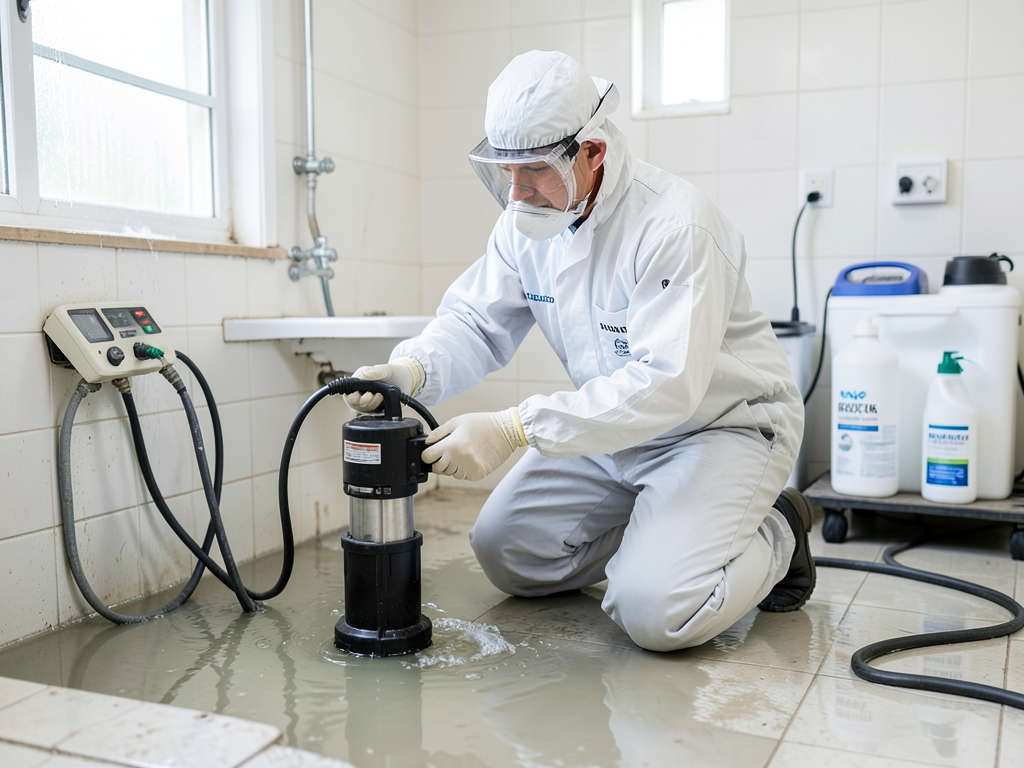
Next, we extract standing water using weighted wands and submersible pumps. We remove water before it migrates deeper into flooring systems or wall cavities. Speed here determines how much structural material we can save.

Then we deploy desiccant dehumidifiers for large open spaces like warehouses and air movers positioned at floor level to accelerate evaporation. We monitor moisture levels every 12 hours using pin-type and non-invasive moisture meters. We document everything for your insurance claim.

We coordinate directly with your property manager, insurance adjuster, and vendors. We handle the documentation burden. We provide daily progress reports. We adjust staffing levels to meet your reopening timeline.

Our approach focuses on limiting business disruption. We work overnight shifts when necessary. We schedule around your peak hours. We protect undamaged inventory with shrink wrap and climate-controlled storage if needed.

This is not standard restoration work. This is business interruption mitigation. We understand that every day your doors stay closed, you lose money. We structure our response around your operational priorities, not our convenience.

What Happens During Emergency Commercial Water Extraction

Business Interruption Mitigation in Indianapolis – Minimize Downtime and Restore Operations Fast
01

Immediate Facility Assessment

Our lead technician walks your facility within 90 minutes to identify water source, measure affected square footage, and classify contamination level. We use thermal imaging to detect hidden moisture in walls and ceilings. We photograph everything for documentation. We develop a mitigation plan specific to your facility layout and business needs before equipment deployment begins.
02

Containment and Extraction

We isolate damaged zones using vapor barriers to prevent cross-contamination and allow unaffected areas to stay operational. Truck-mounted extractors remove standing water at 150 gallons per minute. We position air movers and dehumidifiers based on psychrometric calculations, not guesswork. We monitor ambient temperature and humidity every six hours to ensure drying progresses on schedule and within acceptable parameters.
03

Verification and Clearance

We test all affected materials using moisture meters until readings match unaffected control areas. We provide written certification that your facility meets industry drying standards. We remove all equipment and containment barriers. We coordinate final inspections with your insurance adjuster. You receive a complete documentation package including moisture logs, equipment deployment records, and photographic evidence for your claim file.

Why Indianapolis Businesses Trust Local Water Damage Experts

You need a restoration partner who understands Marion County building codes and commercial property regulations. Apex Water Damage Restoration Indianapolis operates exclusively in the greater Indianapolis metro. We know which insurance adjusters move quickly. We know which equipment suppliers stock industrial dehumidifiers. We know the layout of older buildings in Fountain Square and the construction methods used in newer facilities near Fishers.

Our technicians understand how Indianapolis's humid summers slow drying times. Relative humidity above 60 percent reduces evaporation rates. We adjust our equipment deployment accordingly. We do not use the same drying protocol in July that we use in February.

We maintain relationships with local commercial contractors, electricians, and plumbers. When water damage exposes secondary issues like faulty wiring or corroded supply lines, we coordinate repairs through trusted local vendors. You do not waste time vetting contractors during an emergency.

Our response time matters because we stage equipment locally. We do not dispatch teams from other cities. Our trucks are parked in Indianapolis. When you call at 2 a.m. because a sprinkler line burst, we arrive before the water reaches your server room.

We also understand the business landscape here. We have handled water damage for manufacturing facilities in the industrial corridor, retail spaces along Mass Ave, and office buildings downtown. We know what matters to Indianapolis business owners. It is not just fixing the damage. It is getting back to business.

We provide transparent communication throughout the process. You get our lead technician's direct cell number. You get daily progress updates. You get answers when you call, not voicemail.

What to Expect When You Call for Commercial Water Damage Response

Response Time and Availability

We deploy 24 hours a day, 365 days a year. You reach a live dispatcher, not an answering service. Our average response time is 90 minutes from your initial call. We arrive with a full crew, not a single estimator. We bring extraction equipment, dehumidifiers, air movers, and moisture detection tools on the first visit. We start mitigation work immediately if you authorize service. We do not schedule a return visit to begin work.

Facility Evaluation Process

Our lead technician conducts a complete facility walkthrough using thermal imaging and moisture meters. We identify the water source, measure affected square footage, and classify water contamination level according to IICRC standards. We assess structural damage to flooring, walls, and ceiling systems. We photograph all damage for insurance documentation. You receive a detailed scope of work outlining required mitigation steps, estimated timeline, and equipment deployment plan before work begins.

Mitigation and Drying Results

We extract standing water, establish containment zones, and deploy drying equipment within the first four hours. Most commercial facilities reach dry standard within three to five days depending on affected square footage and materials. We monitor moisture levels twice daily using calibrated meters. We document all readings. You receive daily progress reports via email or text. We do not remove equipment until moisture readings match unaffected control areas in your facility.

Documentation and Insurance Coordination

We handle all communication with your insurance adjuster. We provide detailed documentation including moisture logs, equipment deployment records, and before-and-after photographs. We prepare estimates using Xactimate software that adjusters recognize and accept. We coordinate site inspections at your convenience. You receive a complete documentation package at project completion. We also offer direct billing to most commercial insurance carriers to simplify your accounts payable process and reduce out-of-pocket expenses.

Frequently Asked Questions

You Have Questions,
We Have Answers

What does business interruption coverage cover? +

Business interruption coverage compensates you for lost income when physical damage forces you to suspend operations. It covers net profit you would have earned, continuing fixed expenses like rent and utilities, payroll for key employees, and relocation costs if you need temporary space. The policy triggers when a covered peril—fire, storm damage, or water loss—forces you to close or reduce hours. Indianapolis businesses face seasonal flooding risks and aging infrastructure that can trigger claims. Coverage typically requires you to maintain minimum safety standards and document income accurately.

What is not covered under a BOP policy? +

A Business Owner's Policy excludes flood damage, earthquakes, professional errors, pollution liability, employee injuries covered under workers' compensation, vehicle accidents, cyber attacks, and pandemic-related closures. Many Indianapolis properties sit in floodplains near the White River and Fall Creek, making separate flood insurance necessary. BOP policies also exclude loss of income from utilities failure unless physical damage occurs on your property. Contractual disputes, government-ordered closures without physical damage, and intentional acts by ownership are not covered. Review your policy with your carrier to identify gaps.

What actions can be taken to reduce or mitigate business risks? +

Document and update your business continuity plan annually. Install water sensors, backup power systems, and automatic shutoff valves to prevent catastrophic losses. Maintain accurate financial records and income documentation to streamline claims. Conduct quarterly risk assessments of your building systems, especially HVAC units and roofing given Indianapolis freeze-thaw cycles. Cross-train employees so operations continue if key personnel are unavailable. Establish relationships with restoration contractors before disasters occur. Review your insurance coverage limits annually to match current revenue. Store critical data offsite or in cloud systems to enable remote operations during building closures.

What does business interuption insurance cover? +

Business interruption insurance replaces lost income when covered property damage forces you to close temporarily. It covers the net profit you lose during downtime, ongoing fixed costs like lease payments and loan obligations, employee wages for essential staff, and costs to operate from a temporary location. The policy calculates payouts based on your historical financial records and projected income. Indianapolis businesses dealing with water damage from pipe bursts or storm flooding can claim lost revenue during restoration. Coverage ends when you reopen or reach your policy limit, whichever comes first.

What is not covered under business interruption? +

Business interruption excludes losses from undamaged property, pandemics without physical damage, voluntary closures, market changes, utility failures off your premises, and periods beyond your policy's restoration period. You cannot claim income loss from contracts you terminated, seasonal revenue fluctuations, or business decisions unrelated to physical damage. Indianapolis businesses cannot claim losses from nearby construction disruptions or reputation damage without property loss. Extended closures due to permit delays or code upgrades may exceed your policy period. Pandemics and communicable disease exclusions became standard after 2020, requiring separate epidemic coverage.

What is the 80% rule in insurance? +

The 80% rule requires you to insure your property for at least 80% of its replacement value to receive full reimbursement for partial losses. If you underinsure, the carrier pays proportionally based on the coverage-to-value ratio. For example, if your Indianapolis building worth $500,000 is insured for only $300,000, you carry 60% coverage. A $100,000 claim pays only $75,000. This coinsurance penalty protects carriers from moral hazard. Review replacement costs annually since Indianapolis construction costs fluctuate with demand. Commercial properties require professional appraisals to establish accurate values.

What is included in business interruption? +

Business interruption includes lost net income during closure, continuing fixed expenses, temporary relocation costs, employee payroll for critical staff, loan payments, lease obligations, and costs to expedite repairs. Coverage can extend to dependent properties like your sole supplier's facility or your primary customer location if damage there halts your operations. Indianapolis businesses can claim extra expenses to minimize downtime, like renting temporary equipment or paying overtime to restore operations faster. The policy uses your financial statements to calculate loss, typically based on the previous 12 months of operation.

Will insurance pay to replace the entire floor? +

Insurance pays to replace the entire floor only if the damage meets policy terms and replacement is necessary to restore the area to pre-loss condition. Carriers assess whether partial replacement creates mismatched materials or leaves safety hazards. Water damage affecting hardwood floors in Indianapolis commercial spaces often requires full replacement due to cupping and warping that extends beyond visible stains. If only one section is damaged and materials match, carriers may approve partial replacement. Your deductible applies, and depreciation reduces payouts unless you carry replacement cost coverage.

Which is not a coverage provided by the BOP's business liability coverage? +

BOP business liability coverage excludes professional errors and omissions, pollution liability, aircraft and watercraft liability, intentional acts, workers' compensation claims, and employer liability. Employment practices liability, cyber liability, and liquor liability require separate policies. Indianapolis businesses cannot claim coverage for damage to property in your care, custody, or control. Vehicle accidents need commercial auto policies. If you provide professional services like consulting or engineering, you need errors and omissions coverage. Personal injury claims from employment disputes require employment practices liability insurance beyond your BOP.

What are 5 examples of mitigation? +

Five mitigation examples include installing water detection systems with automatic shutoffs, maintaining emergency power generators to prevent spoilage and maintain climate control, conducting quarterly roof inspections to prevent ice dam formation common in Indianapolis winters, cross-training staff to maintain operations during personnel shortages, and storing critical documents and data offsite. Additional strategies include establishing vendor agreements with restoration contractors before disasters, upgrading to impact-resistant roofing materials, installing sump pumps with battery backup in basement spaces, maintaining accurate inventory and income records for claims, and scheduling preventive maintenance on HVAC systems.

How Indianapolis Flood Zones and Clay Soil Complicate Business Water Damage

Properties near the White River, Fall Creek, and Eagle Creek flood zones face higher risk during spring thaw and heavy rainfall events. Indianapolis sits on clay soil with low permeability. Water does not drain naturally. Basements and ground-level facilities hold water longer after flooding. This extends drying time and increases the risk of secondary damage like mold growth and concrete spalling. Standard residential drying protocols fail in these conditions. Commercial properties need industrial-grade dehumidification and longer monitoring periods to reach dry standard.

Marion County building codes require commercial properties to meet specific ventilation and moisture control standards after water damage. Facilities housing food service, medical equipment, or sensitive electronics face additional regulatory requirements. Local restoration crews understand these compliance issues. We work with Indianapolis building inspectors and insurance adjusters daily. We know what documentation satisfies code enforcement. We know which drying methods meet industry standards. Choosing a local provider eliminates the compliance risks that come with out-of-state restoration companies unfamiliar with Indianapolis regulations.
Water Damage Restoration Services in The Indianapolis Area

We are proud to serve the entire Indianapolis area and surrounding communities, providing rapid-response water damage restoration right where you need it most. Our central location allows us to deploy our 24/7 emergency teams quickly across the region. View our service area on the map below and remember that wherever you are in the Indianapolis metropolitan area, Apex Water Damage Restoration Indianapolis is ready to deliver expert and trustworthy service to secure your home or business.

Address:
Apex Water Damage Restoration Indianapolis, 6767 E Washington St, Indianapolis, IN, 46219

Additional Services We Offer

Our news updates

Latest Articles & News from The Blogs

Is Crawl Space Encapsulation Worth the Investment for Your Home in Wynnedale? Crawl space encapsulation can save Wynnedale homeowners thousands…

Is Crawl Space Encapsulation Worth the Investment for Your Home in Wynnedale?

Is Crawl Space Encapsulation Worth the Investment for Your Home in Wynnedale? Crawl space encapsulation can save Wynnedale homeowners thousands…

How to Decide Which Water Damaged Items to Keep and Which to Throw Away

How to Decide Which Water Damaged Items to Keep and Which to Throw Away When water floods your Indianapolis home…

Battery Backup vs Water Powered Sump Pumps for Your Near Eastside Basement

Why Your Near Eastside Basement Needs a Reliable Backup Sump Pump Living in the Near Eastside means dealing with Indianapolis's…

Contact Us

Every hour of delay increases your losses. Call Apex Water Damage Restoration Indianapolis now at (317) 703-7676. We deploy within 90 minutes. We minimize downtime. We restore operations fast.