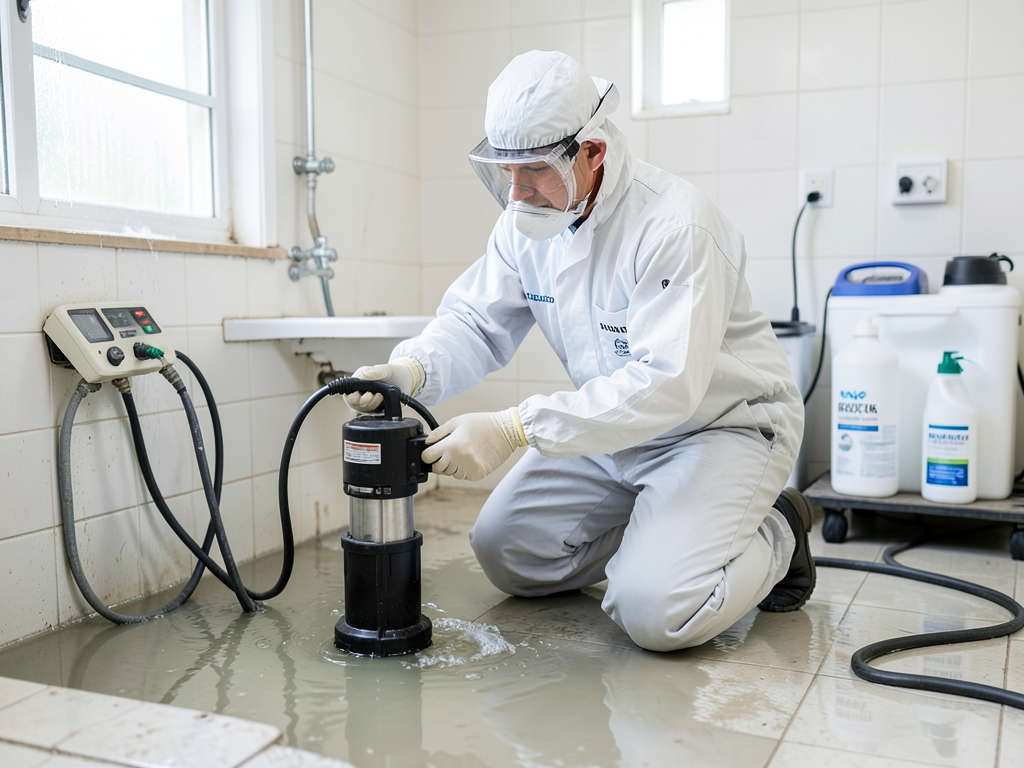

Indianapolis averages 40 inches of annual precipitation with peak rainfall from April through June. Spring storms drop several inches in hours, overwhelming storm sewers built in the 1950s. The city's location at the confluence of major waterways means groundwater tables rise quickly during wet periods. Basements in low-lying neighborhoods near the White River experience seepage even without direct flooding. This persistent moisture creates ideal conditions for mold growth on contents. Summer humidity regularly exceeds 70%, which slows natural drying and accelerates microbial colonization on wet materials. Contents restoration services in Indianapolis must account for these environmental factors by using controlled drying environments rather than relying on ambient conditions.
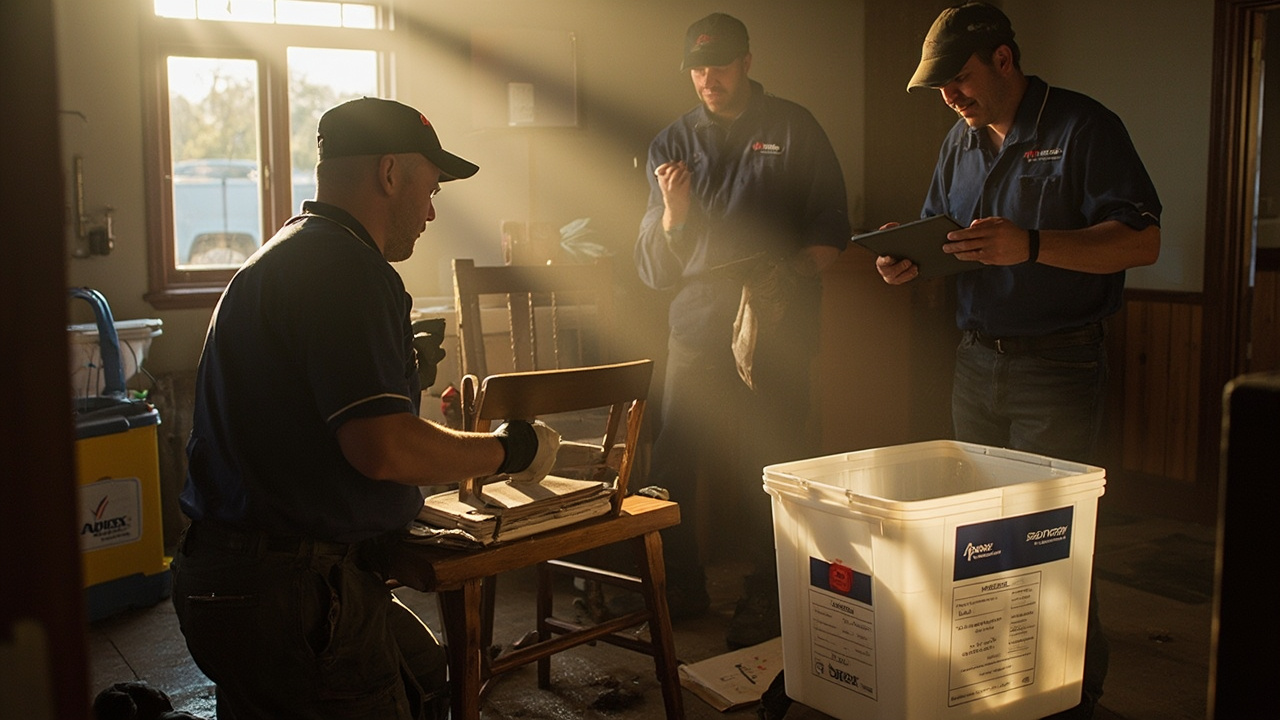
Local building codes and insurance requirements in Marion County specify documentation standards for contents claims. Indianapolis adjusters expect itemized inventories with replacement cost estimates based on current local market values, not national averages. We maintain relationships with local insurance agents and adjusters who know our work meets their documentation requirements. Our emergency packout services follow Indiana Department of Homeland Security guidelines for handling contaminated materials, particularly important when dealing with combined sewer overflows common in older downtown Indianapolis neighborhoods. Choosing a local contents restoration provider means working with teams who understand Indianapolis-specific challenges and regulatory requirements.