menu

Attic Water Damage Cleanup in Indianapolis – Expert Restoration Before Mold Takes Over

Apex Water Damage Restoration Indianapolis provides comprehensive attic water damage cleanup, targeting hidden moisture, structural decay, and airborne contaminants before they compromise your home's integrity or your family's health.

Slider Image 1
Slider Image 2
Slider Image 3
Slider Image 4
Slider Image 5
Slider Image 7
Slider Image 8
Slider Image 9
Slider Image 10
Slider Image 11

Why Indianapolis Attics Are Especially Vulnerable to Water Damage

Indianapolis experiences dramatic freeze-thaw cycles throughout winter, combined with heavy spring storms and high summer humidity. These conditions create a perfect storm for attic water intrusion. When ice dams form along rooflines during January and February, melting snow refreezes at eaves, forcing water backward under shingles and directly into attic spaces. By the time you notice ceiling stains in your Broad Ripple bungalow or Fountain Square Victorian, microbial growth has already begun colonizing insulation and roof decking.

The older housing stock in neighborhoods like Irvington and Butler-Tarkington compounds this risk. Many homes feature inadequate attic ventilation, outdated flashing details, and original plaster ceilings that mask water migration for weeks. When a roof leak occurs, water travels horizontally along joists before appearing as a stain three rooms away from the actual breach. This delayed detection allows contamination to spread through cellulose insulation and compromise structural framing.

Attic water damage restoration requires immediate intervention. Water-saturated insulation loses all R-value and becomes a microbial incubator within 24 to 48 hours. Attic leak cleanup addresses not just the visible moisture, but the hidden saturation within wall cavities and between ceiling joists. Professional attic flood restoration includes thermal imaging to map moisture migration patterns, targeted extraction to remove trapped water, and antimicrobial treatment to prevent secondary damage. Attic water removal services must account for Indianapolis's clay soil settlement patterns, which can shift roof planes and create new vulnerability points even after the initial breach is sealed.

Why Indianapolis Attics Are Especially Vulnerable to Water Damage
The Technical Process Behind Effective Attic Water Damage Cleanup

The Technical Process Behind Effective Attic Water Damage Cleanup

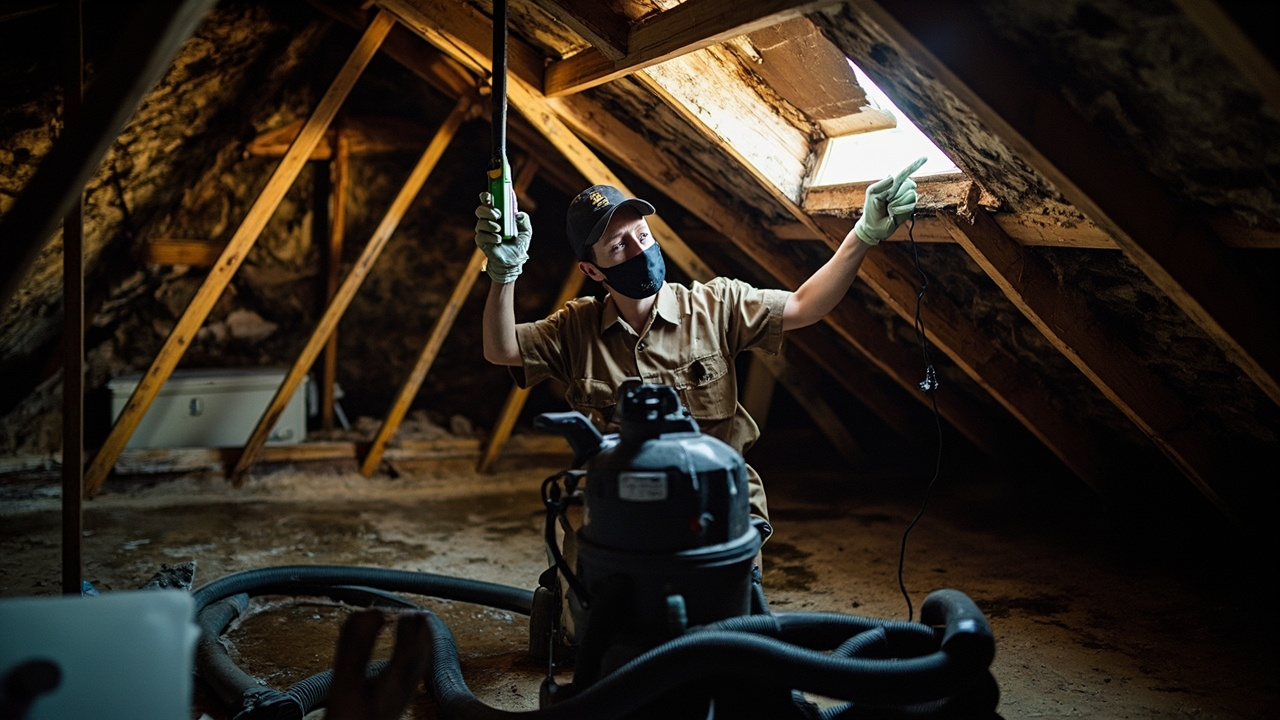
Attic water damage cleanup begins with source identification, not symptom treatment. We deploy moisture meters and infrared thermography to trace water migration patterns back to entry points. A ceiling stain in your living room might originate from a compromised pipe boot on the opposite side of the attic. Without thermal imaging, you address the symptom while the source continues saturating structural components.

Once we map the contamination zone, controlled demolition removes compromised materials. Wet insulation cannot be salvaged. It must be extracted and disposed of properly because it harbors bacteria, dust mites, and mold spores. We document pre-loss insulation R-values to ensure insurance restoration matches original specifications. Roof decking and framing members are evaluated for delamination and structural integrity. Wood moisture content above 19 percent requires drying or replacement.

Air movement is the foundation of attic water damage repair. We establish negative air pressure to prevent cross-contamination into living spaces, then deploy axial fans and low-grain refrigerant dehumidifiers to create rapid evaporation conditions. Target moisture levels for wood framing are below 15 percent. For plaster and drywall, below 12 percent. We monitor these levels with daily readings until equilibrium is reached.

Antimicrobial application follows drying. We use EPA-registered fungicides on all affected surfaces, including hidden areas behind knee walls and within soffit cavities. This treatment prevents future colonization even if humidity levels rise seasonally. The final phase involves insulation replacement with proper baffling to maintain ventilation pathways, sealing of penetrations, and documentation for insurance carriers. Attic water removal services are not complete until airborne particle counts return to baseline and no residual odor remains.

What Happens During Your Attic Water Damage Cleanup

Attic Water Damage Cleanup in Indianapolis – Expert Restoration Before Mold Takes Over
01

Emergency Assessment and Containment

We arrive within two hours of your call to assess attic conditions and stop ongoing water intrusion. Thermal imaging maps the full extent of saturation, while moisture meters quantify damage levels in framing and insulation. We establish containment barriers to isolate the attic from living spaces, preventing airborne contaminant spread. Tarping or temporary roof patching stops additional water entry while we develop a comprehensive restoration plan.
02

Extraction and Structural Drying

Contaminated insulation is removed and bagged for disposal. Standing water is extracted using truck-mounted vacuums. Industrial dehumidifiers and air movers are positioned to create optimal drying conditions, targeting wood moisture content below 15 percent. Negative air machines prevent cross-contamination into occupied rooms. We monitor drying progress with daily moisture readings and adjust equipment placement based on real-time data until all materials reach equilibrium moisture content.
03

Restoration and Prevention

After antimicrobial treatment of all affected surfaces, we rebuild the attic space to pre-loss condition or better. New insulation is installed with proper ventilation baffles. Roof penetrations are sealed with appropriate flashing materials. We provide documentation for insurance claims, including moisture logs, thermal images, and material invoices. Final verification includes airborne particle testing to confirm the space is safe for re-occupancy and free from residual contamination.

Why Indianapolis Homeowners Trust Local Attic Water Damage Expertise

Attic water damage cleanup requires specific knowledge of Indianapolis building practices and climate challenges. Homes built before 1950 in neighborhoods like Meridian-Kessler often feature balloon framing, where wall cavities connect directly to attic spaces. Water travels unimpeded through these vertical chases, appearing in basement walls days after an attic leak. Restoration teams unfamiliar with this construction style miss hidden saturation zones, leading to recurring mold problems.

Local building codes dictate specific ventilation ratios for attic spaces. Indianapolis requires one square foot of ventilation for every 150 square feet of attic floor space when vapor barriers are present. Improper ventilation contributes to condensation buildup during winter months, creating chronic moisture problems that mimic roof leaks. We assess ventilation adequacy during every attic flood restoration project, identifying code deficiencies that compromise long-term building performance.

Indianapolis's clay soil creates unique foundation settlement patterns. As homes shift, roof planes change pitch, creating low spots where water pools instead of shedding. These subtle changes are invisible from ground level but catastrophic during heavy rain events. We evaluate roof drainage patterns as part of attic leak cleanup, identifying structural issues that will cause repeat failures if left unaddressed.

Insurance restoration in Marion County involves specific documentation requirements. Local adjusters expect detailed moisture mapping, antimicrobial protocols, and material invoices that align with Xactimate pricing databases. We handle this documentation process directly, ensuring claims are processed efficiently without disputes over scope or pricing. Our familiarity with local insurance carriers and their preferred vendors streamlines approval timelines, getting your attic restored faster than out-of-area contractors who lack these established relationships.

What to Expect During Your Attic Water Damage Cleanup

Rapid Response Timeline

We dispatch crews within two hours of initial contact, 24 hours a day, seven days a week. Emergency response includes source mitigation, moisture mapping, and containment setup on the first visit. Full drying equipment is deployed within four hours for active flooding situations. Standard attic water damage cleanup projects require three to seven days of drying time, depending on saturation levels and outdoor humidity conditions. We provide daily progress updates and adjust timelines based on real-time moisture readings, ensuring you understand exactly when your home will return to normal.

Comprehensive Damage Assessment

Initial assessment includes infrared thermography to identify hidden moisture in wall cavities and ceiling assemblies. We test wood moisture content at multiple points throughout affected framing to map saturation zones accurately. Insulation R-values are documented for insurance restoration. Roof decking is inspected for delamination, rot, or structural compromise. We provide detailed photo documentation of pre-restoration conditions, moisture readings at each checkpoint, and antimicrobial treatment application. This documentation package supports insurance claims and provides a permanent record of restoration scope.

Complete Restoration Standards

Final restoration returns your attic to pre-loss condition with verified dry readings throughout all structural components. Wood framing must measure below 15 percent moisture content before reconstruction begins. All surfaces receive EPA-registered antimicrobial treatment to prevent future microbial growth. New insulation matches or exceeds original R-values, installed with proper ventilation baffling to maintain airflow pathways. Airborne particle testing confirms the space is safe for occupancy. You receive final documentation including moisture logs, treatment records, and material specifications for your permanent home records.

Post-Restoration Support

We provide follow-up moisture checks at 30 and 90 days post-restoration to verify stability. You receive specific guidance on attic ventilation maintenance, gutter cleaning schedules, and early warning signs of future water intrusion. Our team remains available for questions about insurance claim processing, warranty coverage on restored materials, and seasonal maintenance recommendations. If issues arise during the warranty period, we return to assess and address them at no additional charge. This ongoing support ensures your attic restoration delivers lasting protection against future water damage events.

Frequently Asked Questions

You Have Questions,
We Have Answers

How to fix water damage in an attic? +

Start by stopping the water source. If a roof leak or pipe burst caused the damage, address it immediately. Remove all wet insulation, drywall, and materials to prevent mold. Use industrial fans and dehumidifiers to dry structural wood thoroughly. Inspect joists and rafters for rot or structural compromise. In Indianapolis, high humidity slows drying, so professional extraction equipment speeds the process. Disinfect all surfaces with antimicrobial treatments to kill bacteria. Replace damaged insulation with new material once everything is bone dry. Document all damage with photos for insurance claims before removing materials.

What is the 7 and 7 rule for a finished attic? +

The 7 and 7 rule requires finished attics to have at least 7 feet of ceiling height and 7 feet of width at that height to meet building codes. This ensures livable space that passes inspection. In Indianapolis, Marion County enforces this standard strictly for finished attic conversions. The rule applies to habitable rooms, not storage attics. If you plan to convert your attic into living space, measure carefully before investing in improvements. Failing this rule means your finished space will not pass code inspection and could impact resale value or insurance coverage.

How much does it cost to repair water damage in the attic? +

Attic water damage repair costs depend on the extent of damage and materials affected. Minor leaks affecting insulation may run a few hundred dollars, while extensive structural damage to joists and rafters can reach several thousand. In Indianapolis, expect higher costs during peak storm seasons when contractors are busy. Mold remediation adds expense if water sat for more than 48 hours. Insurance may cover sudden damage like burst pipes, but not neglect. Get multiple quotes from local contractors familiar with Indianapolis building codes and typical attic construction in older homes.

How much does water damage remediation cost? +

Water damage remediation costs vary based on the affected area, water category, and damage severity. Residential jobs typically involve extraction, drying, disinfection, and material removal. Commercial projects cost more due to larger square footage and business interruption factors. In Indianapolis, basement flooding from heavy rain and attic leaks from ice dams are common issues. Gray water and black water contamination increase costs due to biohazard protocols. Professional remediation prevents secondary damage like mold growth, which becomes expensive if ignored. Always get a written estimate detailing scope, timeline, and equipment used.

Will homeowners insurance cover water damage from a roof leak? +

Homeowners insurance typically covers sudden and accidental roof leaks, such as storm damage or falling tree branches. However, coverage excludes damage from poor maintenance or wear and tear. If your Indianapolis roof leaked due to missing shingles you ignored, the claim may be denied. Document the event immediately with photos and contact your insurer within 24 hours. Many policies require prompt mitigation to prevent mold, so start cleanup quickly. Review your policy for exclusions related to age of roof or pre-existing conditions. Keep all receipts for emergency repairs.

Will a one-time water leak cause mold? +

Yes, a one-time water leak can cause mold if conditions are right. Mold spores need moisture, organic material, and 24 to 48 hours to colonize. Attic insulation, drywall, and wood framing provide ideal food sources. In Indianapolis, high summer humidity accelerates mold growth after leaks. Even if the leak seems minor, hidden moisture in wall cavities or insulation creates problems. Dry affected areas within 48 hours using fans and dehumidifiers. Remove wet insulation immediately. Visible mold requires professional remediation to prevent spreading spores throughout your home.

What happens if you finish an attic without a permit? +

Finishing an attic without a permit in Indianapolis can lead to fines, forced removal of work, and insurance complications. Marion County requires permits for structural changes, electrical work, and HVAC modifications. Unpermitted work may not meet fire safety codes or structural load requirements, creating liability. If you sell your home, inspections will reveal unpermitted improvements, reducing buyer confidence and property value. Insurance may deny claims for damage related to unpermitted work. Always pull permits before starting attic conversions. The inspection process protects you and ensures safe, code-compliant construction.

How much does it cost to renovate an attic? +

Attic renovation costs depend on scope and finish level. Basic storage conversions with flooring and lighting cost less than full living space conversions requiring HVAC, insulation upgrades, and dormers. In Indianapolis, expect to address ventilation issues and insulation upgrades to handle humid summers and cold winters. Structural reinforcement for floor joists may be necessary if the attic was not built for living loads. Electrical and plumbing additions increase costs. Permits and inspections add fees but ensure code compliance. Budget for unexpected issues like roof repairs or inadequate framing discovered during construction.

Is attic restoration worth it? +

Attic restoration is worth it if water damage compromised insulation, air sealing, or structural integrity. Restored attics improve energy efficiency, reduce heating and cooling costs, and prevent future mold growth. In Indianapolis, proper attic insulation and ventilation are critical for managing humidity and temperature extremes. If your attic has persistent moisture issues, restoration prevents rot and extends roof lifespan. Restoration also increases home value and improves indoor air quality by eliminating contaminated materials. Weigh restoration costs against long-term energy savings and potential structural repairs if you delay. Professional assessment determines your best option.

Will homeowners insurance cover water damage to a ceiling? +

Homeowners insurance typically covers sudden and accidental water damage to ceilings caused by events like burst pipes or storm-related roof leaks. Coverage excludes damage from gradual leaks, poor maintenance, or wear and tear. If an Indianapolis storm damaged your roof and water leaked through to your ceiling, insurance will likely cover repairs. File your claim immediately and document all damage with photos. Insurers may require proof you maintained your roof and plumbing. Review your policy for coverage limits and deductibles. Prompt mitigation prevents claim denial due to negligence.

How Indianapolis Freeze-Thaw Cycles Drive Attic Water Damage Emergencies

Indianapolis experiences an average of 25 freeze-thaw cycles each winter, creating relentless stress on roofing systems. When daytime temperatures climb above 35 degrees, snow melts and runs toward gutters. Overnight refreezing creates ice dams at eaves, blocking drainage and forcing water backward under shingles. This water enters attic spaces through nail penetrations and flashing gaps, saturating insulation and roof decking. Homes in historic districts like Lockerbie Square and Old Northside face additional risk due to aged roofing materials and inadequate attic insulation. Professional attic water damage restoration addresses both the immediate water intrusion and the underlying thermal deficiencies that allow ice dams to form repeatedly.

Local building codes in Indianapolis require specific attic ventilation ratios and insulation R-values to prevent condensation and ice dam formation. Apex Water Damage Restoration Indianapolis understands these requirements and ensures all attic water damage cleanup projects meet current code standards. Our familiarity with Marion County building inspectors, local insurance adjusters, and Indianapolis construction practices means faster permit approvals and smoother claim processing. When you choose local expertise for attic leak cleanup, you get teams who understand how Butler-Tarkington bungalows differ from Fountain Square shotgun houses, and how those differences affect restoration approach and material selection.
Water Damage Restoration Services in The Indianapolis Area

We are proud to serve the entire Indianapolis area and surrounding communities, providing rapid-response water damage restoration right where you need it most. Our central location allows us to deploy our 24/7 emergency teams quickly across the region. View our service area on the map below and remember that wherever you are in the Indianapolis metropolitan area, Apex Water Damage Restoration Indianapolis is ready to deliver expert and trustworthy service to secure your home or business.

Address:
Apex Water Damage Restoration Indianapolis, 6767 E Washington St, Indianapolis, IN, 46219

Additional Services We Offer

Our news updates

Latest Articles & News from The Blogs

The Hidden Cost of Leaving Your Garden Hose Connected During an Indianapolis Winter Every fall Indianapolis homeowners face the same…

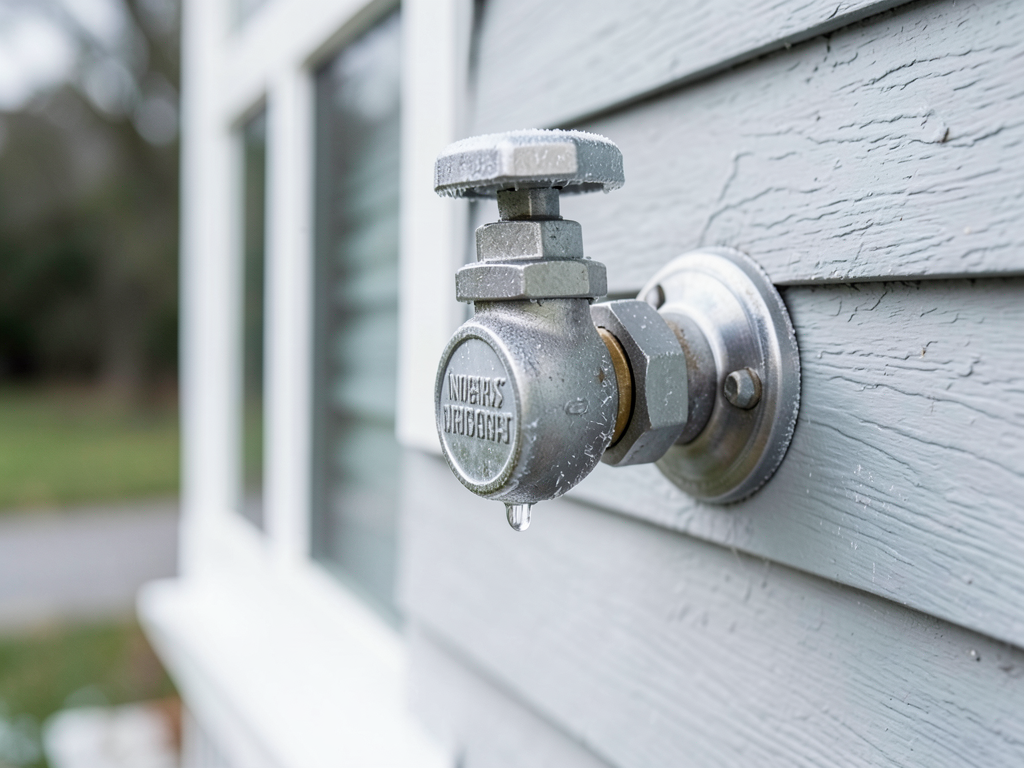
The Hidden Cost of Leaving Your Garden Hose Connected During an Indianapolis Winter

The Hidden Cost of Leaving Your Garden Hose Connected During an Indianapolis Winter Every fall Indianapolis homeowners face the same…

What to Do When Your Toilet Overflows and Drips Through the Ceiling in Fishers

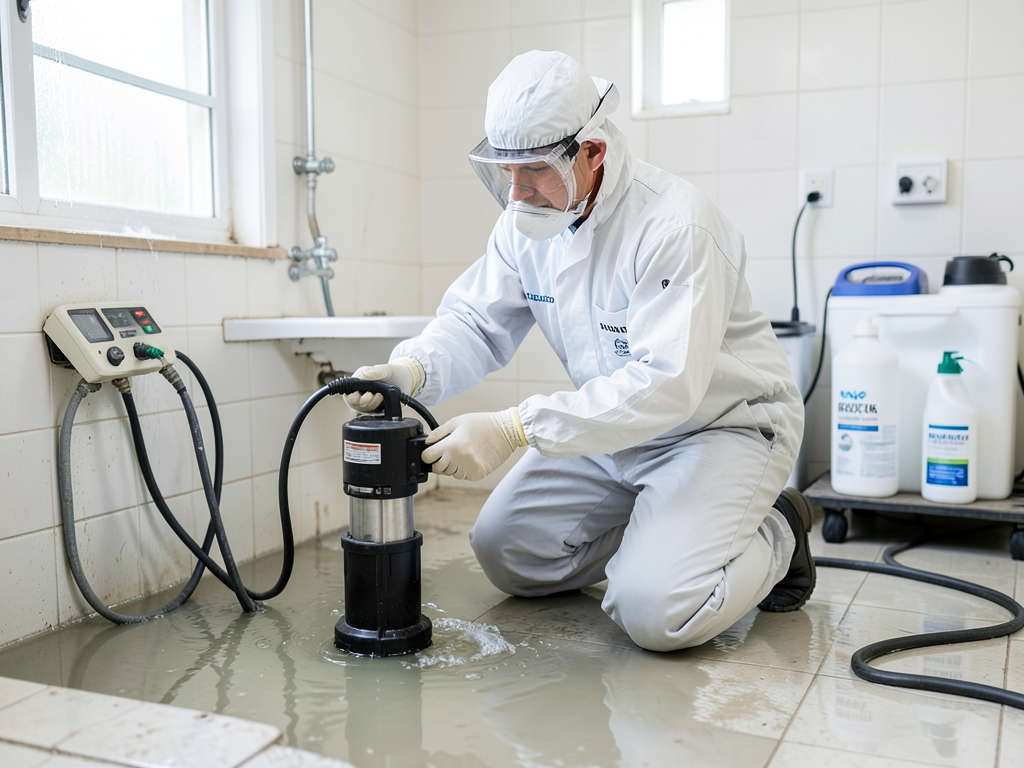
What to Do When Your Toilet Overflows and Drips Through the Ceiling in Fishers Water from a toilet overflow creates…

How Your Refrigerator Ice Maker Can Quietly Flood Your Kitchen in Carmel

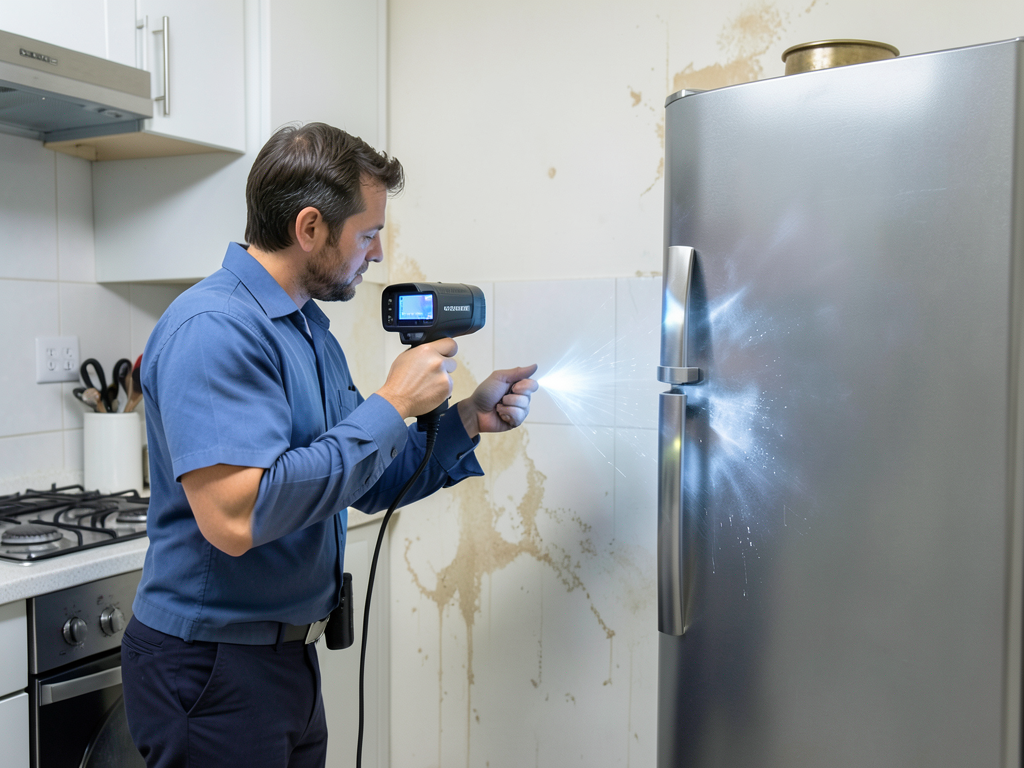
How Your Refrigerator Ice Maker Can Quietly Flood Your Kitchen in Carmel Your refrigerator's ice maker can leak for weeks…

Contact Us

Every hour of delay allows microbial growth to colonize more surfaces. Call Apex Water Damage Restoration Indianapolis at (317) 703-7676 right now for immediate assessment and containment. We respond within two hours, document everything for insurance, and restore your attic to safe, dry conditions.