menu

Emergency Mold Containment in Indianapolis – 24/7 Response Teams Dispatched in Under 90 Minutes

When mold spreads, every minute counts. Our certified containment crews arrive fast with hospital-grade barriers and negative air machines to stop cross-contamination before it threatens your family or business in the greater Indianapolis metro.

Slider Image 1
Slider Image 2
Slider Image 3
Slider Image 4
Slider Image 5
Slider Image 7
Slider Image 8
Slider Image 9
Slider Image 10
Slider Image 11

Why Indianapolis Homes Face Sudden Mold Emergencies

Indianapolis sits in a climate zone where summer humidity regularly pushes past 70 percent. Add in the White River floodplain, aging infrastructure in neighborhoods like Fountain Square and Broad Ripple, and the freeze-thaw cycles that crack foundation walls each winter, and you have a perfect recipe for hidden water intrusion.

When a pipe bursts in your crawlspace or a roof leak saturates attic insulation, mold colonies can establish in 24 to 48 hours. You smell the musty odor. You see the black patches spreading across drywall. Your child starts coughing at night. That is when you need immediate mold mitigation, not next week.

Mold does not wait for business hours. It releases spores into your HVAC system. It eats through wooden floor joists. It triggers respiratory distress in anyone with asthma or allergies. Urgent mold isolation stops this cascade before it becomes a five-figure remediation nightmare or a liability claim if you run a commercial property.

Indianapolis homes built before 1980 often lack proper vapor barriers. The clay soil common to Marion County shifts and settles, creating foundation cracks that funnel groundwater straight into your basement. When that water hits organic material like drywall or carpet padding, you have hours before mold takes hold.

Emergency mold abatement is not about cleaning visible patches with bleach. It is about rapid mold containment services that seal off affected zones with polyethylene barriers, establish negative air pressure to prevent spore migration, and extract contaminated materials before the colony spreads to clean areas. That requires trained crews, not a handyman with a spray bottle.

Why Indianapolis Homes Face Sudden Mold Emergencies
How Professional Containment Stops Mold Migration

How Professional Containment Stops Mold Migration

Most homeowners panic and start scrubbing mold with household cleaners. That is the worst thing you can do. Disturbing a mold colony without proper containment releases millions of spores into the air, turning a localized problem into a whole-house contamination event.

Professional 24/7 mold damage containment starts with establishing a controlled work zone. Our teams build physical barriers using six-mil polyethylene sheeting and seal every seam with mold-resistant tape. We create an airlock entry system so crew members move in and out without breaking containment integrity.

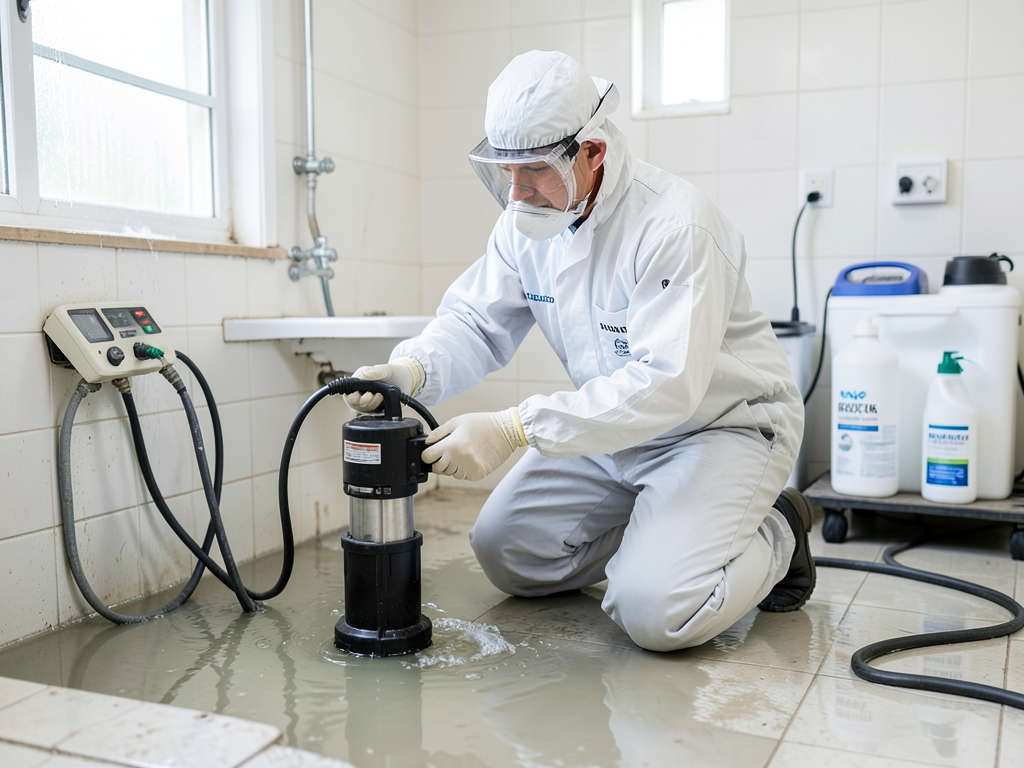
Next, we establish negative air pressure inside the work zone using HEPA-filtered air scrubbers. These machines pull contaminated air through a three-stage filtration system that captures particles down to 0.3 microns, then exhaust clean air outside the containment area. This pressure differential prevents spores from migrating into unaffected rooms through doorways, vents, or ceiling cavities.

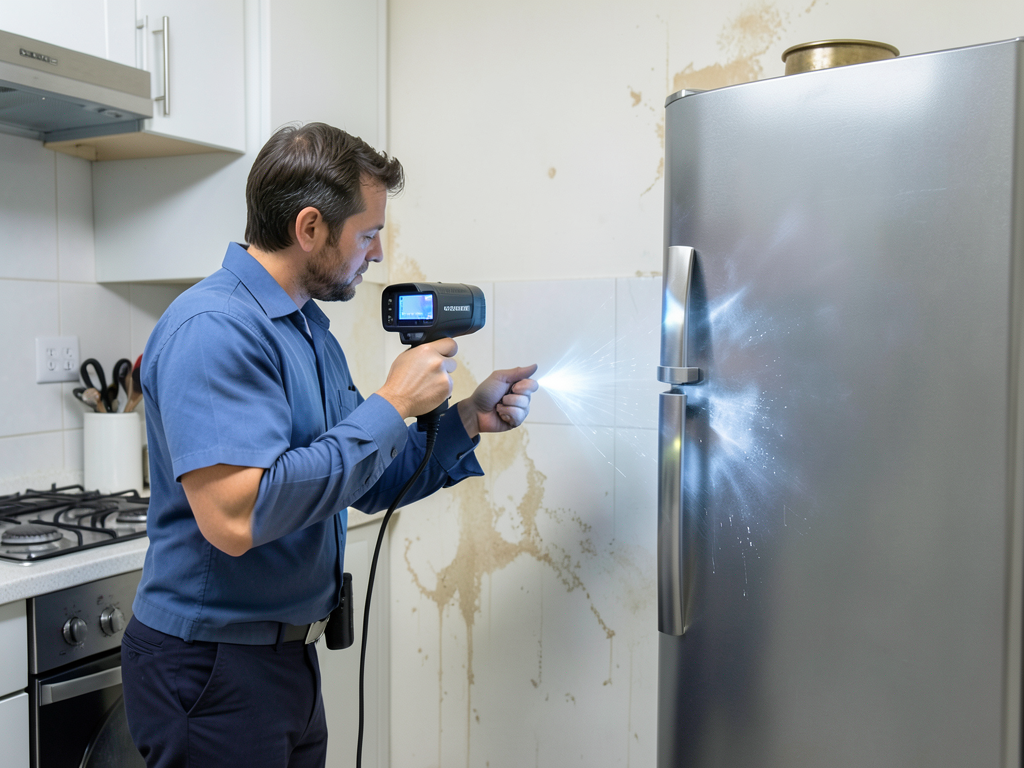
We document moisture levels using thermal imaging cameras and pin-type moisture meters. Mold grows where moisture lingers, so we trace the water source whether it is a leaking supply line, condensation on cold pipes, or groundwater seepage through foundation walls. Stopping the water stops future growth.

Contaminated materials get removed following IICRC S520 mold remediation standards. That means double-bagging porous materials like drywall and insulation, HEPA-vacuuming non-porous surfaces, and applying antimicrobial treatments to structural elements like studs and joists. We do not cut corners. We do not leave spores behind.

Apex Water Damage Restoration Indianapolis technicians carry certifications in applied microbial remediation and work under negative air protocols that meet or exceed EPA guidelines for mold containment. We treat your emergency like the health hazard it is.

What Happens When You Call for Emergency Containment

Emergency Mold Containment in Indianapolis – 24/7 Response Teams Dispatched in Under 90 Minutes
01

Immediate Dispatch and Assessment

You call (317) 703-7676 and speak with a live dispatcher, not a voicemail system. We ask targeted questions about visible mold, water damage, and occupant symptoms. A certified crew arrives within 90 minutes carrying containment supplies, moisture detection equipment, and air quality monitors. We conduct a thermal scan to map hidden moisture and identify the full scope of contamination before any work begins.
02

Containment Setup and Extraction

Our team seals off the affected zone with floor-to-ceiling polyethylene barriers and establishes negative air pressure using commercial HEPA air scrubbers. We remove contaminated materials, bag them in six-mil polyethylene, and transport them through the airlock system to prevent cross-contamination. Every surface inside the containment area gets HEPA-vacuumed. We apply EPA-registered antimicrobial treatments to remaining structural elements and monitor air quality throughout the process.
03

Clearance Testing and Documentation

Before we remove containment barriers, we conduct post-remediation air sampling to verify spore counts have returned to normal background levels. You receive a detailed scope of work report, moisture readings, and photographic documentation for your insurance claim. We coordinate directly with your adjuster to streamline the claims process. The containment zone does not open until we confirm the space is safe for reoccupation.

Why Indianapolis Property Owners Trust Local Mold Containment Experts

Indianapolis building codes require specific ventilation standards for basements and crawlspaces, especially in flood-prone areas near Fall Creek or Eagle Creek. Our crews know these codes because we work with Marion County inspectors every week. We understand the moisture challenges posed by the local water table and the vapor permeability requirements for foundation sealants.

When you hire a national franchise or an out-of-state crew, they follow a generic playbook. They do not know that homes in the Butler-Tarkington neighborhood often have stone foundations that wick moisture, or that midcentury homes in Broad Ripple frequently lack proper attic ventilation. That local knowledge prevents future recurrence.

We maintain relationships with industrial hygienists who conduct independent air quality testing. If your situation requires third-party clearance testing for a real estate transaction or a legal dispute, we coordinate that process. We do not gatekeep information. We provide transparent documentation so you can make informed decisions.

Apex Water Damage Restoration Indianapolis operates 24 hours a day, 365 days a year. We do not outsource emergency calls to answering services in other time zones. You get a local crew who knows Indianapolis street layouts and can navigate traffic patterns to reach you fast, whether you are in Fishers, Greenwood, or downtown.

Our trucks carry enough containment supplies to handle jobs ranging from a single bathroom to a 10,000-square-foot commercial space. We scale our response to your need, not the other way around. If your situation requires additional air scrubbers or dehumidification equipment, we pull from our local inventory and deploy within hours, not days.

You are not gambling with your health or your property value. You are hiring professionals who do this work every day in your community.

What to Expect During Emergency Mold Containment

Rapid Response and Availability

We dispatch crews within 90 minutes of your call, day or night. Mold containment cannot wait until Monday morning or after the holiday weekend. Our teams work in two-hour response windows, not vague same-day promises. You get a precise arrival time when you call. We carry full containment setups in every truck, so there are no delays waiting for equipment deliveries. If you call at 2 a.m. because your sump pump failed and your basement flooded, we arrive before sunrise and establish containment before your family wakes up.

Comprehensive Damage Assessment

Our initial assessment includes thermal imaging to detect hidden moisture in wall cavities, moisture meter readings on all suspect materials, and visual inspection of HVAC ductwork for spore contamination. We photograph every affected area and document moisture levels in a written report. You receive this assessment before any work begins, so you understand the full scope and can make informed decisions about next steps. We identify the water source, whether it is a plumbing leak, roof penetration, or condensation issue. Fixing the mold without fixing the moisture problem guarantees recurrence.

Safe and Complete Remediation

We follow IICRC S520 protocols for all containment and extraction work. That means building physical barriers, maintaining negative air pressure, removing contaminated materials in sealed bags, HEPA-vacuuming all surfaces, and applying antimicrobial treatments to structural elements. We do not use ozone generators or foggers that mask odors without removing spores. Our goal is verifiable clearance, not cosmetic fixes. You receive post-remediation air quality data showing spore counts have returned to safe levels. The space does not reopen until it passes inspection.

Insurance Coordination and Documentation

We provide detailed scope of work documents, moisture logs, and photographic evidence formatted for insurance claims. Our teams work directly with adjusters to answer technical questions and justify the remediation approach. We understand policy language around sudden and accidental water damage versus long-term maintenance issues. While we cannot guarantee coverage, we document everything your insurer needs to process the claim efficiently. You get copies of all reports, air quality data, and material disposal records for your files.

Frequently Asked Questions

You Have Questions,
We Have Answers

What is the proper containment for mold? +

Proper mold containment uses physical barriers to stop spores from spreading during removal. Professionals seal off the contaminated area with 6-mil polyethylene sheeting, creating a negative air pressure chamber using HEPA-filtered air scrubbers. Critical entry points get covered, and workers use airlocks to enter and exit. In Indianapolis homes, where basement flooding and humidity issues are common, containment prevents mold from migrating through HVAC systems to upper floors. You need professional-grade equipment. DIY plastic sheeting rarely works. Containment protects your family and prevents a small mold problem from becoming a whole-house contamination. Call for emergency containment immediately if you see active growth.

What plant removes 78% of airborne mold? +

The English Ivy plant removes approximately 78% of airborne mold spores within 12 hours, according to research. While this sounds promising, plants alone cannot solve active mold infestations in Indianapolis homes. They work only as a supplemental air quality tool in clean spaces. If you have visible mold growth from water damage, roof leaks, or the high humidity common in our area, you need professional remediation first. Plants cannot remove mold colonies growing inside walls, on subflooring, or in crawl spaces. They help maintain air quality after proper removal and moisture control. Do not rely on houseplants during an active mold emergency.

Does FEMA pay for mold remediation? +

FEMA typically does not pay for mold remediation directly. Their disaster assistance covers immediate safety and habitability repairs after declared disasters, but mold that develops weeks later from unaddressed water damage usually falls outside their scope. However, if you experienced flooding during a federally declared disaster in Indianapolis, FEMA may cover water extraction and structural drying that prevents mold growth. You must act fast. Document everything. Your homeowner's insurance is your primary resource for mold coverage, depending on your policy terms. If mold results from a covered peril like sudden pipe bursts, you may have coverage. Review your policy immediately.

Is mold an OSHA violation? +

Yes, mold exposure can trigger OSHA violations in commercial properties and workplaces. OSHA does not have a specific mold standard, but employers must provide safe working conditions under the General Duty Clause. If employees report respiratory issues, allergic reactions, or work in visibly moldy environments, you risk citations. Indianapolis business owners face liability if workers get sick from mold exposure. You must address contamination immediately, provide proper PPE during remediation, and document corrective actions. Commercial spaces with water damage from roof leaks or HVAC condensation need professional assessment. Ignoring mold puts your team at risk and opens you to regulatory penalties and lawsuits.

How do Japanese bathrooms not get mold? +

Japanese bathrooms resist mold through superior ventilation, rapid drainage, and water-resistant materials. They use enclosed wet rooms with sloped floors, powerful exhaust fans, and materials like hinoki cypress that naturally resist moisture. Unlike many Indianapolis homes with poor bathroom ventilation and grout-heavy tile, Japanese designs minimize standing water and humidity. They also practice immediate post-shower drying. You can adopt these principles by improving exhaust ventilation, using squeegees after showers, and upgrading to mold-resistant materials during renovations. However, if you already have mold growth from leaks or condensation, these prevention steps come after professional removal. Address active contamination first.

What kills mold permanently? +

Nothing kills mold permanently if moisture remains. You can kill surface mold with professional-grade antimicrobial treatments, but spores return within days if the water source continues. Permanent mold elimination requires three steps: remove contaminated materials, fix the moisture source, and control humidity below 60%. In Indianapolis, where basement seepage and roof leaks are common, you must address the root cause. Bleach only whitens mold on non-porous surfaces. It does not penetrate wood or drywall. Professional remediation removes contaminated materials entirely, treats affected areas with EPA-registered fungicides, and identifies moisture sources. Without moisture control, mold always returns.

What pulls mold out of the air? +

HEPA air scrubbers and air purifiers with True HEPA filters pull mold spores from the air. These machines trap particles as small as 0.3 microns, capturing airborne spores during containment and remediation. Professionals use commercial-grade HEPA air scrubbers to create negative air pressure during mold removal, preventing spores from spreading to clean areas. Consumer HEPA air purifiers help maintain air quality after remediation but cannot address active mold colonies. In Indianapolis homes dealing with mold from water damage, you need both source removal and air filtration. Running a home air purifier while visible mold grows on walls wastes time. Remove the source first, then filter the air.

Is it true that English Ivy absorbs mold? +

Yes, research shows English Ivy absorbs airborne mold spores effectively, removing up to 78% within hours. The plant's leaves trap and neutralize spores through natural processes. However, this works only as a passive air quality improvement in already-clean spaces. If you have active mold growth in your Indianapolis home from flooding, leaks, or crawl space moisture, English Ivy cannot solve the problem. You need professional remediation to remove colonies from walls, floors, and HVAC systems. Plants help after remediation as part of ongoing air quality maintenance, but they do not replace proper water damage restoration and moisture control. Address the emergency first.

How long do airborne mold spores last? +

Airborne mold spores can remain viable for months to years, depending on environmental conditions. In typical indoor conditions, spores settle within hours to days but can reactivate when moisture returns. Dormant spores wait for the right conditions: humidity above 60%, organic material, and warmth. In Indianapolis homes, spores from past water damage can colonize instantly when new leaks occur. This is why proper containment during remediation matters. Professional HEPA filtration captures spores during removal, preventing recontamination. After remediation, controlling humidity below 60% and fixing moisture sources keeps spores dormant. You cannot eliminate all spores, but you can prevent growth.

What to do if I can't afford mold removal? +

If you cannot afford mold removal, prioritize stopping the moisture source first. Fix leaks, improve ventilation, and reduce humidity below 60% using dehumidifiers. Many Indianapolis homeowners qualify for insurance coverage if mold results from covered perils like sudden pipe bursts. Review your policy immediately. For small areas under 10 square feet, you can attempt DIY removal using proper PPE and disposal, but this carries health risks. Community action agencies and local nonprofits sometimes offer assistance for low-income homeowners facing health hazards. Contact your insurance company first. Many remediation companies offer payment plans. Do not ignore mold. It worsens and threatens your health daily.

How Indianapolis Humidity and Aging Infrastructure Fuel Mold Emergencies

Indianapolis averages 186 days per year with humidity above 60 percent. That persistent moisture combines with temperature swings that cause condensation on cold surfaces like basement walls and uninsulated pipes. Add in the aging housing stock throughout neighborhoods like Fountain Square, where homes built in the 1920s lack modern vapor barriers, and you face constant moisture infiltration. The White River floodplain affects drainage patterns across the entire metro area. Heavy spring rains saturate clay soil that stays wet for weeks, pushing groundwater through foundation cracks and overwhelming outdated sump pump systems. These conditions make rapid mold containment services critical for preventing small leaks from becoming structural disasters.

Local building inspectors in Marion County require specific mold remediation protocols when contamination exceeds 10 square feet. Apex Water Damage Restoration Indianapolis maintains working relationships with these inspectors and understands the documentation requirements for passing final inspections. We also coordinate with industrial hygienists who conduct third-party air quality testing recognized by local real estate attorneys and title companies. When you need clearance certification for a property transaction or a tenant dispute, our remediation work meets the standards that Indianapolis professionals expect. That local credibility protects your investment and your liability exposure.
Water Damage Restoration Services in The Indianapolis Area

We are proud to serve the entire Indianapolis area and surrounding communities, providing rapid-response water damage restoration right where you need it most. Our central location allows us to deploy our 24/7 emergency teams quickly across the region. View our service area on the map below and remember that wherever you are in the Indianapolis metropolitan area, Apex Water Damage Restoration Indianapolis is ready to deliver expert and trustworthy service to secure your home or business.

Address:
Apex Water Damage Restoration Indianapolis, 6767 E Washington St, Indianapolis, IN, 46219

Additional Services We Offer

Our news updates

Latest Articles & News from The Blogs

The Hidden Cost of Leaving Your Garden Hose Connected During an Indianapolis Winter Every fall Indianapolis homeowners face the same…

The Hidden Cost of Leaving Your Garden Hose Connected During an Indianapolis Winter

The Hidden Cost of Leaving Your Garden Hose Connected During an Indianapolis Winter Every fall Indianapolis homeowners face the same…

What to Do When Your Toilet Overflows and Drips Through the Ceiling in Fishers

What to Do When Your Toilet Overflows and Drips Through the Ceiling in Fishers Water from a toilet overflow creates…

How Your Refrigerator Ice Maker Can Quietly Flood Your Kitchen in Carmel

How Your Refrigerator Ice Maker Can Quietly Flood Your Kitchen in Carmel Your refrigerator's ice maker can leak for weeks…

Contact Us

Call (317) 703-7676 and speak with a live dispatcher who will send a certified containment crew to your property within 90 minutes. We operate 24/7 because mold does not wait. Get your home or business safe today.