menu

Commercial Sewage Cleanup in Indianapolis – Minimize Downtime with Industrial-Grade Black Water Extraction

When sewage backs up in your Indianapolis facility, every hour of closure costs revenue. Our commercial sewage remediation teams deploy within 60 minutes with truck-mounted extractors and containment protocols that keep your operations running while we eliminate the biohazard.

Slider Image 1
Slider Image 2
Slider Image 3
Slider Image 4
Slider Image 5
Slider Image 7
Slider Image 8
Slider Image 9
Slider Image 10
Slider Image 11

Why Indianapolis Commercial Properties Face Elevated Sewage Backup Risk

Indianapolis sits atop combined sewer systems in the downtown corridor and near-eastside neighborhoods, where a single heavy rain event can overwhelm aging infrastructure. When stormwater mixes with sanitary waste, commercial properties with basement-level utilities face catastrophic black water intrusion. Manufacturing plants near the White River Industrial Park and warehouse districts in the southwest quadrant experience particularly severe sewer backup incidents during spring thaw cycles, when frozen ground prevents proper drainage and forces sewage back through floor drains.

The clay-heavy soil composition throughout Marion County compounds the problem. Clay shifts with moisture fluctuations, cracking older terra cotta and cast iron sewer laterals common in pre-1970 commercial buildings. A single fractured lateral can redirect thousands of gallons of raw sewage into your mechanical rooms, loading docks, or production floors. The pathogen load in commercial sewage exceeds residential contamination by orders of magnitude. Category 3 black water carries E. coli, hepatitis A, and tetanus bacteria that remain viable on porous surfaces for weeks if not properly extracted and disinfected.

Most business owners underestimate the regulatory exposure. Indiana Occupational Safety and Health Administration mandates full remediation documentation before employees can re-enter contaminated spaces. Without certified industrial sewage cleanup, you risk IOSHA fines, workers' compensation claims, and liability if staff contract waterborne illness. Commercial sewage removal requires negative air pressure containment, antimicrobial fogging, and post-remediation verification testing that residential crews cannot provide.

Why Indianapolis Commercial Properties Face Elevated Sewage Backup Risk
Our Commercial Black Water Extraction Protocol

Our Commercial Black Water Extraction Protocol

Standard extraction methods fail in commercial environments because they cannot process the volume or contain the cross-contamination risk. We deploy truck-mounted vacuum systems capable of removing 400 gallons per minute, paired with portable containment barriers that isolate affected zones without shutting down adjacent operations. Our commercial sewer backup cleaning begins with source identification using fiber optic lateral cameras to pinpoint the failure point in your sanitary line, preventing recurrence during remediation.

Black water extraction in commercial facilities requires EPA-registered disinfectants rated for Category 3 contamination. We apply quaternary ammonium compounds at hospital-grade concentrations to all non-porous surfaces, then inject antimicrobial solutions into wall cavities and under flooring systems where sewage has wicked through capillary action. Porous materials like drywall, insulation, and particleboard receive immediate removal and containment in labeled biohazard bags. We do not attempt to salvage contaminated porous materials in commercial settings due to liability exposure.

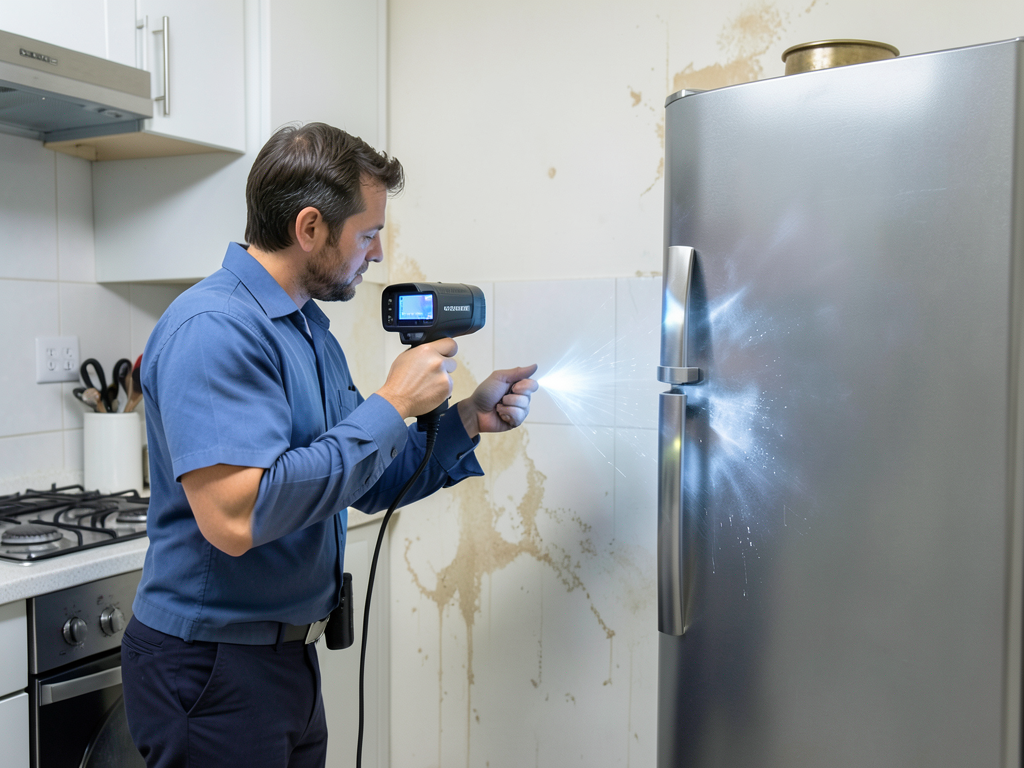
Our industrial sewage cleanup includes thermal imaging to identify hidden moisture reservoirs behind equipment pads, under conveyor systems, and within HVAC plenums. Sewage contamination migrates through concrete slabs via hydrostatic pressure, often surfacing 40 feet from the initial intrusion point. We map the full contamination footprint before extraction begins, preventing the costly mistake of incomplete remediation that leads to microbial amplification and secondary claims. Every job concludes with third-party ATP surface testing to verify pathogen elimination before we authorize re-occupancy.

How Commercial Sewage Remediation Protects Your Operations

Commercial Sewage Cleanup in Indianapolis – Minimize Downtime with Industrial-Grade Black Water Extraction
01

Emergency Containment Deployment

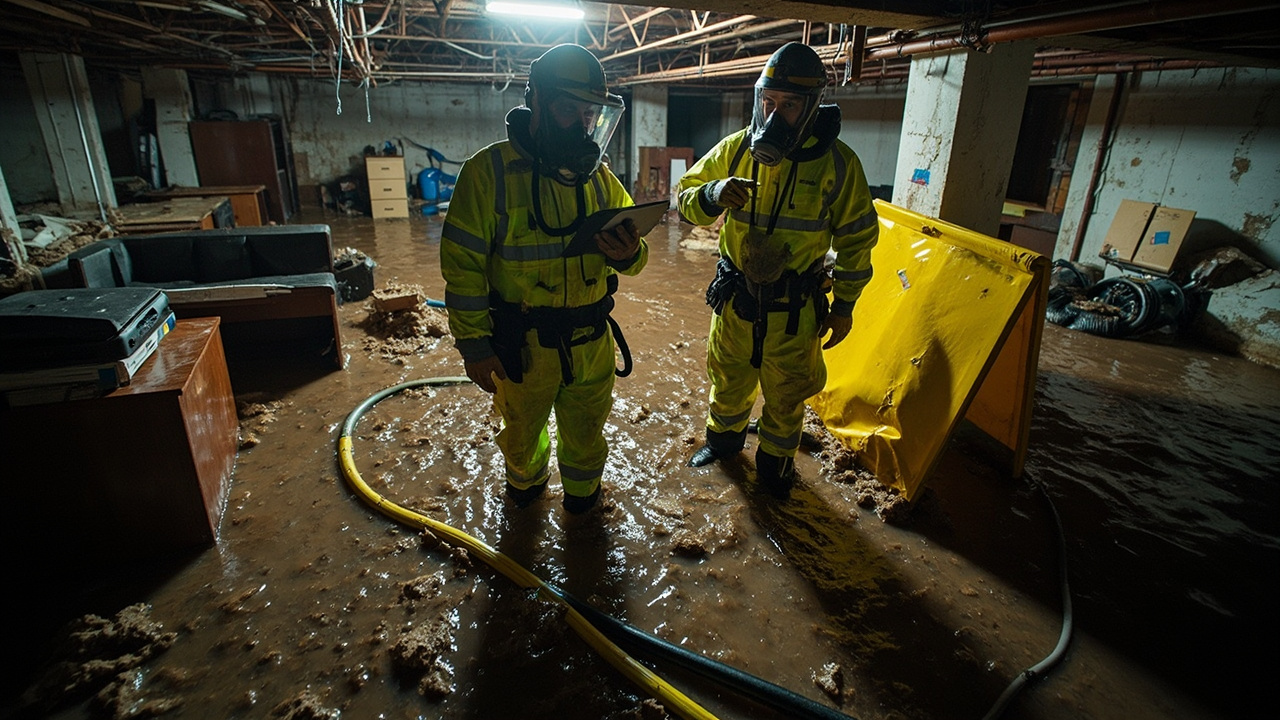
Within one hour of your call, our commercial sewage removal team arrives with containment barriers, negative air machines, and truck-mounted extractors. We establish isolation zones using 6-mil polyethylene barriers and create negative pressure differentials to prevent airborne pathogen spread. Our crews don Level C personal protective equipment and begin immediate black water extraction while your unaffected departments continue operations. We coordinate with your facility manager to route foot traffic away from hot zones and maintain business continuity.
02

Industrial-Grade Extraction and Disinfection

Our commercial sewer backup cleaning uses high-velocity extractors that pull sewage from concrete pores, floor drains, and mechanical chases where residential equipment cannot reach. We inject EPA-registered antimicrobials into wall assemblies and apply electrostatic fogging to disinfect vertical surfaces and equipment housings. All contaminated porous materials receive documented removal with chain-of-custody tracking for disposal compliance. We photograph each phase for your insurance adjuster and regulatory documentation, reducing your claim processing time by an average of 40 percent.
03

Verification and Re-Occupancy Clearance

Before authorizing employee re-entry, we conduct ATP bioluminescence testing on 20 randomized surface samples throughout the remediation zone. This real-time pathogen detection provides objective evidence that bacterial loads have returned to safe baseline levels. You receive a certification letter documenting compliance with IOSHA re-occupancy standards, protecting you from liability if employees raise health concerns post-remediation. Our industrial sewage cleanup includes 30-day moisture monitoring to confirm no secondary microbial growth occurs as building materials return to equilibrium moisture content.

Why Indianapolis Businesses Choose Our Commercial Sewage Remediation Team

Commercial sewage cleanup requires capabilities that residential restoration companies cannot provide. Our fleet includes three truck-mounted extraction rigs with 3,000-gallon holding capacity, allowing continuous operation without off-site dumping delays. We maintain $5 million aggregate liability coverage and pollution liability endorsements that meet the insurance requirements for Class A commercial properties and industrial facilities. Most residential water damage firms carry $1 million limits and exclude Category 3 contamination from their policies, leaving building owners exposed to coverage gaps.

Indianapolis operates under Marion County Health Department jurisdiction for commercial biohazard remediation. We maintain the required transporter credentials for Category 3 waste disposal and use only MCHD-approved disposal facilities in Cumberland and Clermont. Building owners who hire uncredentialed contractors risk enforcement actions and mandatory re-remediation at 300 percent of the original cost. Our documentation packages include manifest tracking, disposal receipts, and photographic evidence that satisfies both insurance adjusters and health inspectors on first submission.

The combined sewer districts in downtown Indianapolis and Fountain Square require coordination with Citizens Energy Group before beginning subsurface work. Our crews hold CEG contractor credentials and maintain direct communication channels with their emergency response division, expediting the approval process for lateral repairs and cleanout access. We have successfully remediated sewage intrusions at 47 Indianapolis commercial properties since 2021, including multi-tenant office buildings, cold storage warehouses, and food processing facilities where pathogen elimination standards exceed typical commercial requirements.

You need a contractor who understands that commercial sewage removal is not just extraction work. It involves liability mitigation, regulatory compliance, and business continuity planning. We assign a dedicated project manager to every commercial job who interfaces with your insurance carrier, answers employee questions, and provides daily progress updates to your executive team.

What to Expect from Our Commercial Sewage Cleanup Service

Rapid Commercial Response Times

Commercial sewage backups cause revenue loss that compounds every hour your facility remains offline. We guarantee 60-minute response times to Indianapolis commercial properties during business hours and 90-minute response after hours and weekends. Our dispatch system prioritizes commercial calls because we understand that a closed production line or inaccessible warehouse costs $5,000 to $50,000 per day depending on your operation. You receive a courtesy notification call when our crew is 15 minutes out, allowing you to clear parking areas and notify staff. We arrive with equipment staged and ready to deploy, not wasting time on site assessments when black water is still rising.

Comprehensive Contamination Assessment

Our commercial sewer backup cleaning begins with fiber optic camera inspection of your sanitary lateral to identify the failure point and determine if the backup originated from your private line or the municipal main. This distinction affects insurance coverage and liability. We use thermal imaging and moisture meters to map the full contamination footprint, including hidden sewage migration behind walls, under equipment, and within HVAC systems. You receive a detailed scope document with contamination classifications, affected square footage, and material removal requirements before extraction begins. This transparency prevents change orders and budget surprises that plague commercial restoration projects.

Certified Pathogen Elimination

Industrial sewage cleanup demands verification that bacterial and viral loads have been eliminated, not just reduced. We use ATP bioluminescence testing to measure adenosine triphosphate levels on remediated surfaces, providing objective evidence of sanitation success. ATP readings below 250 relative light units indicate successful pathogen elimination. You receive lab-quality results within minutes, not days, allowing immediate re-occupancy authorization. Our antimicrobial fogging uses EPA-registered quaternary ammonium compounds proven effective against hepatitis A, norovirus, and antibiotic-resistant bacteria common in commercial sewage. Every surface in the contamination zone receives documented disinfection with manufacturer-specified contact times.

Post-Remediation Monitoring and Documentation

Commercial sewage remediation does not end when extraction is complete. We provide 30-day moisture monitoring with handheld meters and thermal imaging to confirm building materials are drying properly and no secondary microbial growth develops. You receive a certification letter stating that remediation was completed in accordance with IICRC S500 standards for Category 3 water damage, satisfying IOSHA requirements and protecting you from liability claims. Our documentation package includes time-stamped photographs, moisture logs, ATP test results, and disposal manifests that insurance carriers and health inspectors require. This comprehensive record-keeping reduces your claim settlement time and eliminates disputes over scope of work.

Frequently Asked Questions

You Have Questions,
We Have Answers

How much does sewage cleanup cost? +

Commercial sewage cleanup costs depend on contamination level, affected square footage, and structural damage. Category 3 water damage (raw sewage) requires extensive sanitization, disposal of porous materials, and compliance with OSHA standards. In Indianapolis, basement backups during spring freeze-thaw cycles often increase costs due to groundwater infiltration. Expect expenses to cover labor, antimicrobial treatments, disposal fees, and equipment rental. Larger facilities like restaurants or office buildings face higher costs due to downtime and regulatory compliance. Document everything for insurance claims and focus on minimizing business interruption rather than choosing the cheapest vendor.

Does insurance cover sewage cleanup? +

Most commercial property policies cover sewage cleanup if the backup results from a covered peril. Review your policy for sewer backup endorsements, as standard policies often exclude this. In Indianapolis, older downtown buildings with combined sewer systems face higher risk during heavy rain events. Insurance typically covers mitigation, sanitization, and structural repairs but may cap coverage limits. Document the loss immediately with photos and detailed logs. Ensure your restoration vendor provides proper documentation for adjusters. Deductibles apply, and claims can affect future premiums. Verify coverage limits before disaster strikes to avoid gaps in protection.

How often should sewage be cleaned? +

Commercial sewage systems require annual inspections and preventive maintenance, not reactive cleaning. Schedule professional line inspections every 12 months to identify root intrusion, grease buildup, or deteriorating pipes. Indianapolis properties with mature trees or clay soil shifting need more frequent checks due to root penetration. High-use facilities like restaurants should clean grease traps monthly and hydro-jet main lines quarterly. After a backup, immediate cleanup is non-negotiable due to biohazard exposure. Implement employee training on proper disposal practices to reduce system strain. Preventive maintenance costs far less than emergency cleanup and business downtime.

What is commercial sewage? +

Commercial sewage refers to wastewater and solid waste generated by business operations. This includes toilet waste, sink drainage, food prep runoff, and industrial discharge. In Indianapolis, commercial properties connect to municipal sewer systems or septic tanks depending on location. Category 3 water damage (black water) contains harmful pathogens, chemicals, and bacteria requiring specialized handling. Restaurants, medical facilities, and manufacturing sites produce high-volume sewage with unique contaminants. When backups occur, commercial sewage poses serious health risks and regulatory liability. Proper cleanup demands OSHA-compliant protocols, antimicrobial treatments, and documentation to protect employees and maintain code compliance.

How Indianapolis's Combined Sewer System Increases Commercial Sewage Backup Frequency

Indianapolis operates combined sewer infrastructure in 185 square miles of the urban core, where a single storm drain collects both rainwater and sanitary waste. When rainfall exceeds one inch per hour, the system reaches capacity and sewage backs up through the lowest drain connections in your facility. Commercial properties with basement mechanical rooms, loading dock drains, or below-grade storage face the highest risk. The $2 billion DigIndy tunnel system will eventually separate these flows, but construction is not scheduled for completion until 2027. Until then, commercial buildings in the Mile Square, Fountain Square, and Near Eastside neighborhoods will continue experiencing sewage intrusions during moderate rain events that would not affect properties in newer suburban developments with separated sanitary systems.

Marion County Health Department regulations require commercial property owners to provide employees with written notification when Category 3 contamination has occurred in their work areas. You must document the remediation process and verify pathogen elimination before staff can return to affected spaces. Hiring a contractor without proper MCHD credentials puts you in violation of county health codes and exposes you to employee lawsuits if anyone becomes ill after returning to work. Our commercial black water extraction team maintains all required Marion County permits and uses only health department-approved antimicrobials and disposal facilities. We provide the certification documentation that protects you from regulatory penalties and demonstrates due diligence in protecting employee health.
Water Damage Restoration Services in The Indianapolis Area

We are proud to serve the entire Indianapolis area and surrounding communities, providing rapid-response water damage restoration right where you need it most. Our central location allows us to deploy our 24/7 emergency teams quickly across the region. View our service area on the map below and remember that wherever you are in the Indianapolis metropolitan area, Apex Water Damage Restoration Indianapolis is ready to deliver expert and trustworthy service to secure your home or business.

Address:
Apex Water Damage Restoration Indianapolis, 6767 E Washington St, Indianapolis, IN, 46219

Additional Services We Offer

Our news updates

Latest Articles & News from The Blogs

Is Crawl Space Encapsulation Worth the Investment for Your Home in Wynnedale? Crawl space encapsulation can save Wynnedale homeowners thousands…

Is Crawl Space Encapsulation Worth the Investment for Your Home in Wynnedale?

Is Crawl Space Encapsulation Worth the Investment for Your Home in Wynnedale? Crawl space encapsulation can save Wynnedale homeowners thousands…

How to Decide Which Water Damaged Items to Keep and Which to Throw Away

How to Decide Which Water Damaged Items to Keep and Which to Throw Away When water floods your Indianapolis home…

Battery Backup vs Water Powered Sump Pumps for Your Near Eastside Basement

Why Your Near Eastside Basement Needs a Reliable Backup Sump Pump Living in the Near Eastside means dealing with Indianapolis's…

Contact Us

Every hour of delay increases pathogen spread and revenue loss. Our commercial sewage cleanup teams are standing by with industrial extraction equipment and containment systems. Call (317) 703-7676 now for immediate dispatch and protect your Indianapolis facility from extended closure.