menu

Complete Basement Waterproofing Guide for Indianapolis Homeowners – Protect Your Foundation from Water Damage

Learn proven basement sealing techniques and foundation waterproofing methods designed specifically for Indianapolis's unique soil conditions, seasonal water tables, and freeze-thaw cycles that threaten your home's structural integrity.

Slider Image 1
Slider Image 2
Slider Image 3
Slider Image 4
Slider Image 5
Slider Image 7
Slider Image 8
Slider Image 9
Slider Image 10
Slider Image 11

Why Indianapolis Basements Are Vulnerable to Water Damage

Indianapolis sits on a foundation of dense clay soil that expands when saturated and contracts during dry periods. This constant shifting creates hydrostatic pressure against basement walls, opening pathways for water infiltration through cracks, mortar joints, and floor seams. The problem intensifies during spring thaw when frozen ground suddenly releases trapped moisture, overwhelming drainage systems and pushing water directly into your basement.

The city's position in central Indiana means you face weather extremes. Heavy rainfall events combined with rapid snowmelt create water table spikes that test every weakness in your foundation. Without proper basement waterproofing methods, you are looking at persistent dampness, mold growth, efflorescence deposits, and eventual structural compromise.

Understanding how to waterproof a basement starts with recognizing these local conditions. Indianapolis homeowners deal with specific challenges that generic wet basement solutions cannot address. The freeze-thaw cycle cracks concrete. Clay soil creates uneven settling. Poor grading from decades-old construction sends water toward foundations instead of away from them.

Ignoring early warning signs like musty odors, white mineral deposits on walls, or damp spots after rain leads to expensive repairs. Water damage compounds quickly in basements. What starts as minor seepage becomes standing water, damaged belongings, compromised air quality, and foundation instability. The key is addressing vulnerabilities before they escalate into emergencies requiring extensive remediation.

This leaky basement repair guide focuses on solutions that work specifically for Indianapolis's geography and climate patterns.

Why Indianapolis Basements Are Vulnerable to Water Damage
Professional Basement Waterproofing Methods That Work

Professional Basement Waterproofing Methods That Work

Effective basement sealing techniques require a multi-layered approach that addresses both interior and exterior water pathways. Surface treatments alone cannot stop hydrostatic pressure or groundwater infiltration. You need comprehensive foundation waterproofing methods that create redundant barriers against moisture intrusion.

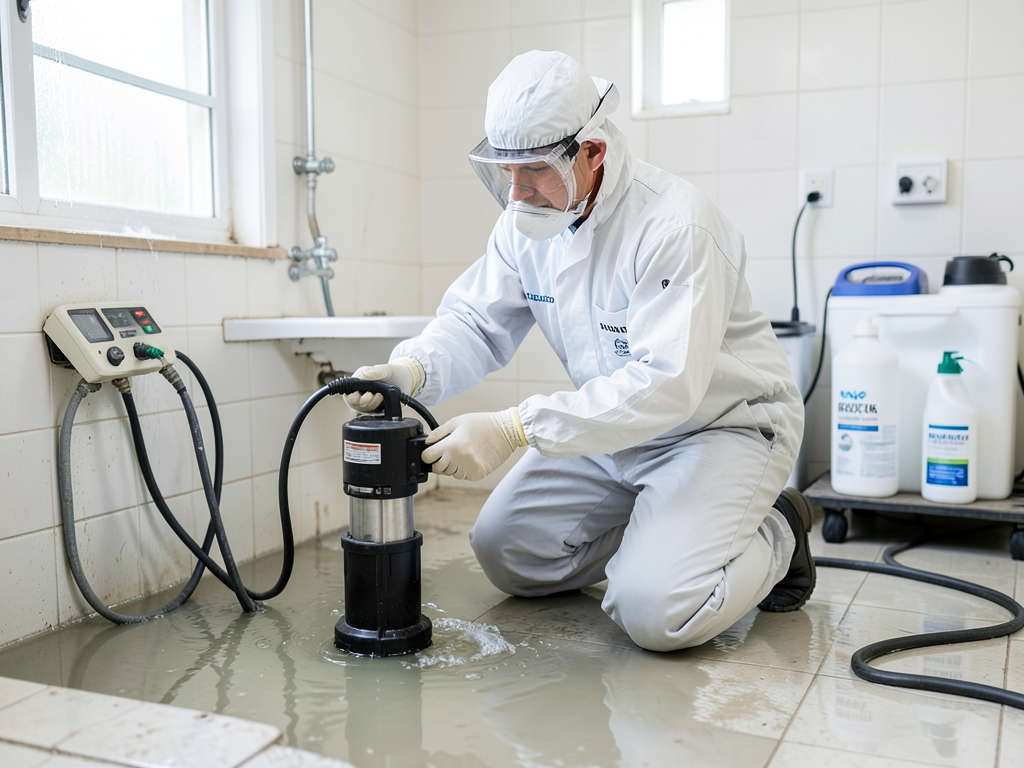
Interior waterproofing starts with installing a perimeter drainage system. We install a French drain along the basement footer, creating a collection point for water before it enters living space. The drain connects to a sump pump system that actively removes accumulated water. For Indianapolis basements, we recommend battery backup systems because power outages often coincide with severe storms when you need pumps working most.

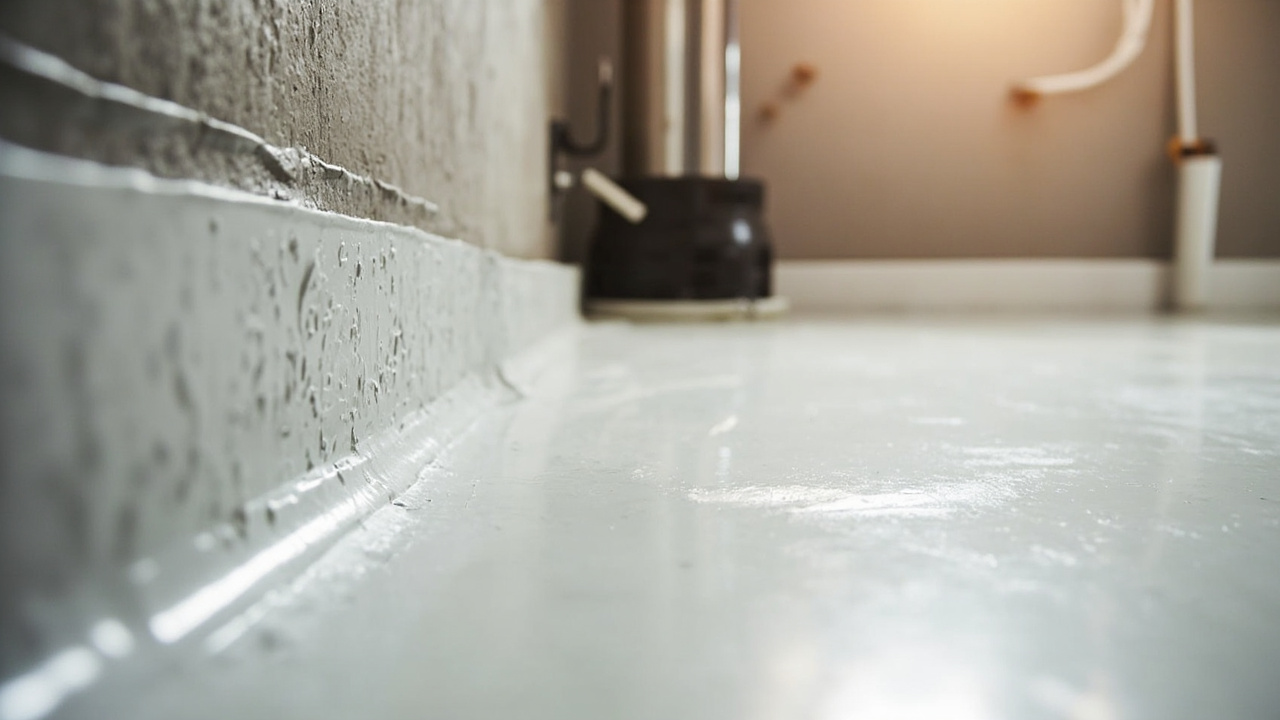
Wall treatments involve applying waterproof membrane coatings to bare concrete or masonry surfaces. These penetrating sealants fill pores and create a moisture barrier. For active leaks through cracks, we use hydraulic cement or polyurethane injection systems that expand to fill voids and stop water flow under pressure.

Exterior waterproofing requires excavation to expose foundation walls. We apply rubberized asphalt or polymer-modified coatings directly to the exterior surface, then install drainage board that channels water down to footer drains rather than against the foundation. This approach addresses the source rather than just managing symptoms.

The most effective wet basement solutions combine interior drainage with exterior waterproofing and proper grading. Indianapolis clay soil requires attention to downspout extensions, proper slope away from foundations, and sometimes curtain drains that intercept groundwater before it reaches your home.

Apex Water Damage Restoration Indianapolis evaluates each property individually because cookie-cutter approaches fail. We test for moisture sources, measure hydrostatic pressure, assess soil conditions, and design systems that address your specific vulnerabilities.

What You Can Expect During Professional Basement Waterproofing

Complete Basement Waterproofing Guide for Indianapolis Homeowners – Protect Your Foundation from Water Damage
01

Comprehensive Property Assessment

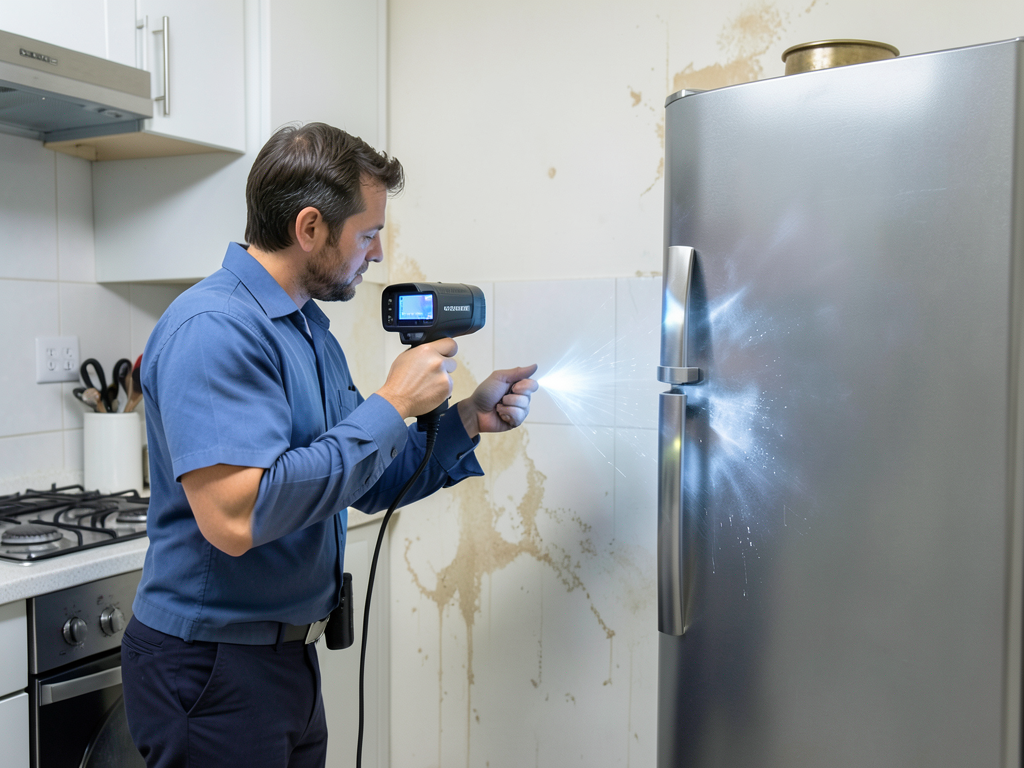
We begin with a thorough inspection of your basement, foundation, grading, and drainage systems. Our technicians use moisture meters to identify active leaks, check for hydrostatic pressure indicators, examine floor-wall joints, and assess exterior grading. We photograph problem areas, measure moisture levels in concrete and walls, and determine whether water enters through cracks, seepage, or inadequate drainage. This diagnostic phase identifies all contributing factors so we design the right solution.
02

Customized Waterproofing Installation

Based on assessment findings, we implement the appropriate combination of drainage systems, sealants, and waterproofing membranes. This might involve installing perimeter drains, applying foundation coatings, injecting crack sealants, or excavating for exterior waterproofing. We use commercial-grade materials designed for Indianapolis soil conditions and ensure proper slope on all drainage components. Each installation follows manufacturer specifications and building code requirements. You receive a detailed explanation of what we install and why it addresses your specific water problems.
03

Testing and Long-Term Protection

After installation, we test all systems under simulated water conditions to verify proper function. Sump pumps are cycled, drains are flushed, and sealed areas are inspected for complete coverage. We provide documentation of all work performed, maintenance recommendations for pumps and drainage systems, and guidance on monitoring for future issues. You receive instructions on what to watch for during heavy rain events and seasonal maintenance tasks that extend system life and maintain protection.

Why Indianapolis Homeowners Trust Local Waterproofing Expertise

National companies push standardized solutions that ignore local conditions. Indianapolis requires knowledge of specific challenges that only local contractors understand. We know where the water table rises during spring thaw. We understand how Marion County's clay soil behaves during wet and dry cycles. We have seen which foundation types in which neighborhoods develop specific problems.

Local building codes in Indianapolis have evolved to address regional water management issues. Proper installations must meet these standards while accounting for soil composition, frost depth requirements, and drainage regulations specific to central Indiana. We pull permits when required and ensure all work complies with current codes so you avoid issues during home sales or insurance claims.

Apex Water Damage Restoration Indianapolis has addressed water intrusion in homes from Broad Ripple to Fountain Square, from historic districts with stone foundations to modern developments with poured concrete. Each area presents unique challenges based on age, construction methods, and local topography. We have worked in crawl spaces, full basements, and walkout configurations across every soil type in the Indianapolis metro.

Our familiarity with local suppliers means we source materials quickly and maintain inventory of critical components like sump pumps and backup systems. When you need emergency repairs during a flooding event, we respond immediately with everything required to stop active water intrusion and begin remediation.

Trust matters when you are making decisions about your home's structural integrity. We provide references from Indianapolis neighborhoods, explain exactly what we find during assessments, and design solutions based on your budget and priorities. No high-pressure sales tactics. No unnecessary upsells. Just honest evaluation and effective waterproofing that stops water where it enters your home.

What to Expect from Professional Basement Waterproofing Services

Project Timeline and Scheduling

Most interior waterproofing projects take two to four days depending on basement size and system complexity. Exterior excavation work requires additional time for digging, coating application, and backfill. We schedule around your availability and work efficiently to minimize disruption. Emergency water intrusion gets same-day response to stop active flooding and protect your belongings. We provide clear timelines during the estimate phase so you know exactly what to expect. Weather can affect exterior work schedules, but we communicate any delays immediately and adjust as needed.

Detailed Property Evaluation

Our assessment goes beyond surface symptoms to identify root causes. We inspect both interior and exterior conditions, check grading and drainage, examine foundation walls for cracks or deterioration, and test moisture levels in multiple locations. You receive a written evaluation explaining what we found, what is causing water entry, and recommended solutions with cost estimates for each component. We explain technical findings in plain language so you understand the problems and proposed fixes. Photos document current conditions for your records and insurance purposes if needed.

Quality Results That Last

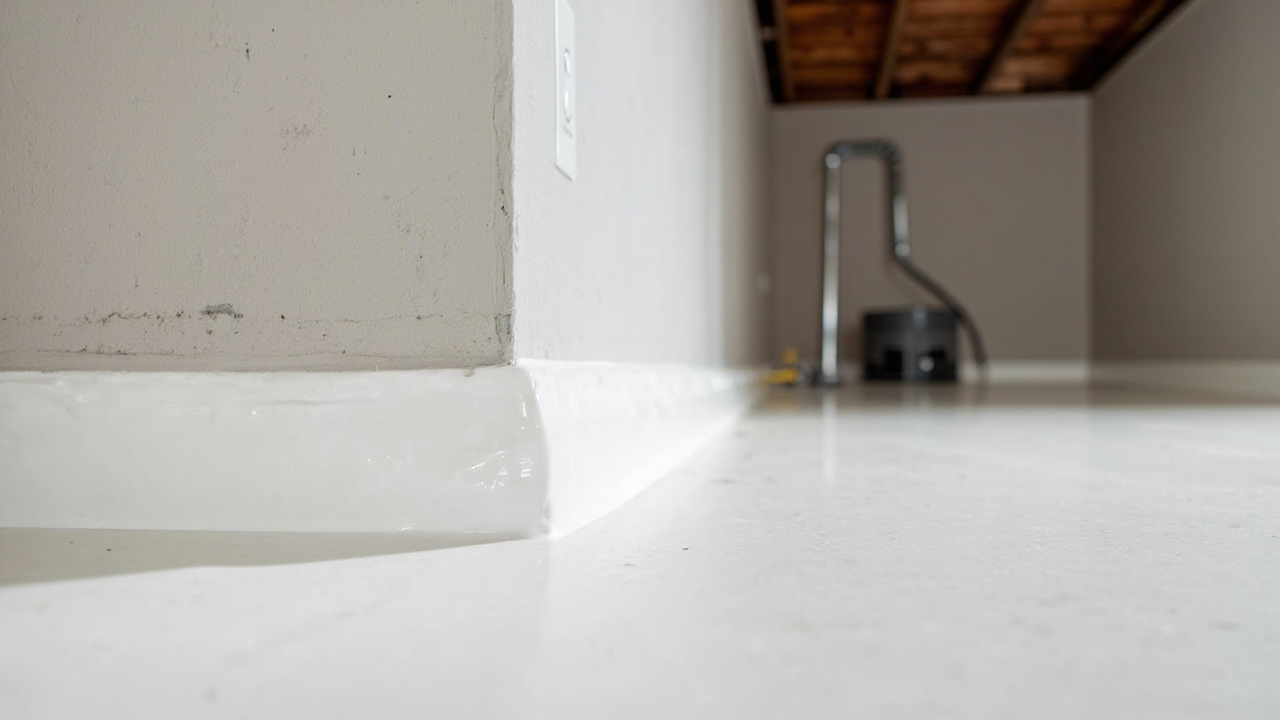
Proper waterproofing eliminates musty odors, prevents mold growth, protects stored items, and maintains your home's structural integrity. You gain usable space that stays dry during heavy rain and seasonal flooding events. Sump pump systems with battery backup provide protection even during power outages. Applied sealants and membranes create lasting barriers against moisture intrusion. We use materials rated for decades of service when properly maintained. The result is a basement that remains dry, comfortable, and safe regardless of weather conditions or groundwater levels.

Ongoing Support and Maintenance

We provide maintenance guidelines for all installed systems including sump pump testing schedules, drain cleaning recommendations, and seasonal inspection checklists. You receive documentation of all work performed including materials used, installation specifications, and system diagrams. We remain available to answer questions, address concerns, or perform follow-up inspections if you notice changes. Annual maintenance services keep drainage systems flowing properly and pumps operating reliably. If problems develop, we troubleshoot quickly to determine whether issues stem from system failure or new water sources requiring additional work.

Frequently Asked Questions

You Have Questions,
We Have Answers

What is the best waterproofing method for basements? +

The best method combines exterior excavation with interior drainage. Exterior waterproofing involves digging around your foundation, applying a waterproof membrane, and installing drain tile to divert water away. Interior systems use a perimeter drain channel connected to a sump pump. For Indianapolis homes, exterior work addresses clay soil expansion and freeze-thaw cycles that crack foundations. Interior systems handle groundwater intrusion common near the White River and Fall Creek. Most effective solutions pair both approaches. Epoxy injection seals active cracks. The right method depends on your specific water source and foundation type.

How much does it cost to waterproof a 1000 sq ft basement? +

Waterproofing a 1000 sq ft basement varies widely based on the system you need. Interior perimeter drain systems with sump pump installation typically cost less than full exterior excavation and membrane application. Indianapolis clay soil conditions often require more extensive solutions than sandy regions. Factors affecting price include foundation depth, existing drainage problems, crack repair needs, and sump pump requirements. Crawl space encapsulation differs from full basement work. External factors like landscaping restoration and driveway removal add to the total. Get multiple assessments to identify your specific water intrusion source before committing.

What are common waterproofing mistakes? +

The biggest mistake is applying waterproof paint without addressing the water source. Paint traps moisture inside foundation walls, causing spalling and structural damage. Another error is grading soil toward your foundation instead of away. Many Indianapolis homeowners ignore clogged gutters, which dump thousands of gallons directly against basement walls. Installing interior systems without proper sump pump capacity fails during heavy rain. Ignoring hydrostatic pressure from high water tables pushes water through any barrier. Not sealing rim joists allows humid air infiltration. Delaying crack repairs lets small problems become foundation failures. Surface solutions never fix subsurface water problems.

Why not use Drylok on basement walls? +

Drylok traps moisture inside your foundation walls rather than stopping water intrusion. When groundwater pushes against your foundation from outside, paint creates a vapor barrier that forces moisture to stay in the concrete. This causes efflorescence, spalling, and structural deterioration. Indianapolis homes face significant hydrostatic pressure from clay soil and high water tables near Eagle Creek and the White River. Drylok fails when water finds the path of least resistance through cracks or floor joints. It masks symptoms without addressing the source. Professional waterproofing redirects water away from your foundation before it becomes a problem.

What are the three types of basement waterproofing? +

The three types are interior, exterior, and drainage systems. Interior waterproofing manages water that enters your basement through perimeter drains, vapor barriers, and sump pumps. It controls moisture after it penetrates your foundation. Exterior waterproofing prevents water from reaching your foundation through excavation, waterproof membranes, and exterior drain tile. Drainage solutions include French drains, proper grading, and downspout extensions that move water away from your home. Indianapolis properties often need combination approaches because clay soil retains water and freeze-thaw cycles crack foundations. Each type addresses different water sources and entry points.

What is better than Drylok for basement walls? +

Proper exterior waterproofing is better than any paint product. Excavating your foundation and applying rubberized asphalt or polymer membranes creates a true water barrier. Pair this with exterior drain tile that captures water before it reaches your walls. For interior applications, hydraulic cement stops active leaks in cracks and joints. Crystalline waterproofing penetrates concrete and seals from within through chemical reaction. Bentonite clay panels expand when wet to seal foundation walls. These solutions address water intrusion rather than covering it. Indianapolis freeze-thaw cycles and clay soil movement require structural solutions, not cosmetic fixes.

Will insurance pay for basement waterproofing? +

Standard homeowners insurance typically does not cover basement waterproofing because insurers consider it preventive maintenance. Insurance covers sudden, accidental water damage like burst pipes or sewer backups, not gradual seepage or foundation issues. If water damage results from a covered peril like storm flooding, you may get partial coverage. Flood insurance through FEMA covers specific scenarios. Some Indianapolis carriers offer optional water backup coverage for sump pump failures. Document all water intrusion immediately and review your policy exclusions. Preventive waterproofing remains your responsibility, but protecting your investment prevents costly claims later.

How to 100% waterproof a basement? +

Complete waterproofing requires a multi-layer approach. Start with exterior excavation, applying waterproof membrane, and installing drain tile around your footer. Grade soil away from your foundation with a six-inch drop over ten feet. Install and maintain gutters with downspout extensions. Add interior perimeter drainage connected to a sump pump with battery backup. Seal all cracks with epoxy or polyurethane injection. Install a vapor barrier on walls and dehumidification system. For Indianapolis homes near waterways, consider exterior French drains. Test your sump pump quarterly. No single product delivers 100 percent protection. Layered systems address multiple water sources.

How much is it to finish a 2000 sq ft basement? +

This question asks about finishing a basement, not waterproofing. Finishing costs depend on materials, layout complexity, plumbing additions, and finishes you select. However, you must waterproof before finishing. Installing drywall and flooring over water problems creates mold, structural damage, and wasted investment. Indianapolis humidity and water table issues require proper moisture control first. Address foundation cracks, install vapor barriers, ensure adequate drainage, and test for moisture for several months. Finishing a wet basement guarantees failure. Waterproof properly, then finish. Separate these projects in your planning and budget to protect your investment.

Why can't you DIY waterproofing? +

DIY waterproofing fails because you cannot diagnose the actual water source without experience and equipment. You lack access to professional-grade materials like bentonite panels and commercial sump systems. Excavating your foundation requires heavy machinery and structural knowledge to avoid collapse. Improper grading makes problems worse. You cannot inject epoxy into cracks under correct pressure without training. Indianapolis clay soil and groundwater conditions require engineered solutions. Incorrectly installed drainage systems flood during heavy rain. Foundation work affects structural integrity. One mistake causes thousands in additional damage. Professional assessment identifies root causes, not symptoms.

How Indianapolis Clay Soil and Seasonal Water Tables Demand Specialized Waterproofing

Indianapolis sits atop expansive clay soil that behaves drastically different than sandy or loamy soils found in other regions. When saturated, clay expands and creates intense hydrostatic pressure against foundation walls. During dry periods, it contracts and pulls away, creating gaps that fill with water during the next rain event. This cycle stresses foundation walls, widens existing cracks, and creates new pathways for water entry. Generic basement waterproofing methods designed for other soil types fail because they do not account for this pressure. Effective solutions must include robust drainage systems that relieve hydrostatic pressure and exterior barriers that prevent saturation in the first place.

Water Damage Restoration Services in The Indianapolis Area

We are proud to serve the entire Indianapolis area and surrounding communities, providing rapid-response water damage restoration right where you need it most. Our central location allows us to deploy our 24/7 emergency teams quickly across the region. View our service area on the map below and remember that wherever you are in the Indianapolis metropolitan area, Apex Water Damage Restoration Indianapolis is ready to deliver expert and trustworthy service to secure your home or business.

Address:
Apex Water Damage Restoration Indianapolis, 6767 E Washington St, Indianapolis, IN, 46219

Additional Services We Offer

Our news updates

Latest Articles & News from The Blogs

Is Crawl Space Encapsulation Worth the Investment for Your Home in Wynnedale? Crawl space encapsulation can save Wynnedale homeowners thousands…

Is Crawl Space Encapsulation Worth the Investment for Your Home in Wynnedale?

Is Crawl Space Encapsulation Worth the Investment for Your Home in Wynnedale? Crawl space encapsulation can save Wynnedale homeowners thousands…

How to Decide Which Water Damaged Items to Keep and Which to Throw Away

How to Decide Which Water Damaged Items to Keep and Which to Throw Away When water floods your Indianapolis home…

Battery Backup vs Water Powered Sump Pumps for Your Near Eastside Basement

Why Your Near Eastside Basement Needs a Reliable Backup Sump Pump Living in the Near Eastside means dealing with Indianapolis's…

Contact Us

Stop worrying about the next heavy rain. Call Apex Water Damage Restoration Indianapolis at (317) 703-7676 for a comprehensive basement evaluation. We identify why water enters your home and design solutions that keep it dry permanently. Schedule your assessment today.