


Mooresville sits in Morgan County where clay-heavy soil and seasonal freeze-thaw cycles create persistent water intrusion problems. When spring rains saturate the ground, basements flood through foundation cracks and failing sump pumps. The White Lick Creek watershed means homes near Bluff Road and Pioneer Drive face elevated flood risk during heavy storms. Winter brings frozen pipes in older homes around the historic downtown square, while summer thunderstorms overwhelm gutters and cause roof leaks.
The town's mix of older construction and newer developments means different vulnerabilities. Homes built before modern moisture barriers absorb water through concrete foundations. Crawl spaces in ranch-style homes trap moisture that damages floor joists and breeds mold. Split-level homes common in neighborhoods off State Road 67 channel water into lower levels during storms. These local conditions demand fast response and proper drying equipment to prevent permanent structural damage and toxic mold growth that threatens your family's health.
We built our reputation on showing up when Mooresville families need us most. Our dispatch center operates around the clock because water emergencies do not respect business hours. When you call at 2 AM with a flooded basement, a certified technician answers and sends a crew immediately. We keep fully stocked trucks ready to deploy with industrial extraction pumps, air movers, dehumidifiers, and moisture detection equipment.
Our technicians hold IICRC certifications in water damage restoration and applied structural drying. This means we follow proven protocols to dry your home completely, not just remove visible water. We document moisture levels in walls, floors, and ceilings using thermal imaging and moisture meters. Insurance companies trust our reports because we follow industry standards that prevent disputes over coverage.
We handle the insurance process from first contact through final payment. Our estimators photograph damage, compile detailed loss inventories, and submit claims documentation directly to adjusters. You get a dedicated project manager who communicates progress daily and coordinates with your insurance company so you are not stuck in the middle.
Mooresville homeowners choose us because we treat water damage as the emergency it is. We protect your belongings, dry the structure properly, and restore your home to pre-loss condition. Our crews show up with the equipment and expertise to stop water damage from becoming a total loss.

Our Mooresville crews deploy within one hour of your call, day or night. Fast response stops water from spreading through walls and floors. We arrive with truck-mounted extraction equipment ready to start pumping immediately. The first hour determines whether you face a cleanup or a major reconstruction project.

We work directly with your insurance company from estimate through final payment. Our claims specialists handle all documentation, photo evidence, and adjuster communication. You pay only your deductible while we manage the entire claims process. This eliminates out-of-pocket expenses and speeds up restoration work.
Every crew member holds current certification in water damage restoration and applied structural drying. We follow Institute of Inspection, Cleaning and Restoration protocols that insurance companies recognize and approve. This certification means we dry your home using proven science, not guesswork, which prevents mold growth and structural failure.
We understand how Morgan County soil conditions cause foundation seepage and how White Lick Creek flooding affects homes near the watershed. Our crews know which Mooresville neighborhoods have older plumbing systems prone to failure and where storm drainage overwhelms during heavy rain. Local knowledge means faster diagnosis and proper solutions.
Water damage takes many forms, from catastrophic flooding to hidden leaks that destroy homes over months. Apex Water Damage Restoration Indianapolis handles every type of water intrusion with specialized equipment and proven protocols. Our services range from emergency flood response to surgical moisture removal in contained areas.
We categorize water by contamination level, which determines the drying approach and safety protocols. Clean water from supply lines requires different handling than sewage backups or storm flooding. Our technicians assess the water source, measure affected areas, and deploy the right equipment for complete moisture removal.
Each project follows a structured process from initial extraction through final moisture verification. We remove standing water first, then dry structural materials using commercial dehumidifiers and air movers positioned based on airflow science. Thermal imaging locates hidden moisture in walls and ceilings that standard meters miss. We monitor drying progress daily and adjust equipment placement until moisture levels return to normal ranges. This systematic approach prevents the mold growth and structural damage that occur when water remains trapped in building materials.
Standing water spreads through your home and destroys everything it contacts. Our truck-mounted extraction pumps remove thousands of gallons per hour from flooded basements and living spaces. We use weighted extraction wands to pull water from carpets and padding, then remove soaked materials that cannot be salvaged. Speed matters because water wicks up drywall and into insulation within hours, turning a floor problem into a wall and ceiling problem.
Removing visible water is just the start. Moisture trapped in framing, subfloors, and wall cavities causes mold and rot that compromise structural integrity. We place industrial dehumidifiers and air movers in precise configurations to create airflow patterns that draw moisture from building materials. Daily monitoring tracks drying progress until moisture meters confirm all materials have returned to dry standards. This prevents callbacks and ensures your home is truly dry.
Sewage backups and toilet overflows contain bacteria and pathogens that make your home unsafe. Our crews wear protective equipment and follow strict containment protocols to remove contaminated water and materials. We apply antimicrobial treatments to affected surfaces and dispose of porous materials that absorbed sewage. Air scrubbers with HEPA filters remove airborne contaminants during the cleanup process. This specialized handling protects your family from illness and makes your home safe again.
Mooresville's climate and housing stock create predictable water damage patterns. Spring brings heavy rains that saturate the clay soil common throughout Morgan County. This soil does not drain well, which puts constant pressure against foundations and basement walls. Winter freeze-thaw cycles burst pipes in exterior walls and attics of older homes around the downtown area.
The White Lick Creek watershed affects neighborhoods near the floodplain, where storm drainage systems overflow during heavy rain. Homes built before modern moisture barriers absorb groundwater through concrete foundations and block walls. Sump pumps fail during storms when you need them most, often because backup systems were never installed. These local conditions mean water finds its way into Mooresville homes through multiple entry points, and fast response makes the difference between a manageable cleanup and a major loss.
Spring storms dump inches of rain that saturate Morgan County's clay soil. Water pools against foundations and seeps through cracks and failed seals. Sump pumps overwhelm or fail completely. Finished basements take on inches of standing water that ruins flooring, drywall, and belongings stored below grade.
Mooresville winters bring subfreezing temperatures that freeze water inside pipes. When ice expands, it ruptures copper and PEX lines in exterior walls, crawl spaces, and attics. You discover the damage when temperatures rise and water floods through ceilings and walls. Older homes near downtown face higher risk from inadequate insulation.
Water heaters fail without warning, dumping 40 to 80 gallons across basement floors and into finished living spaces below. Washing machine hoses burst under constant pressure. Dishwasher supply lines corrode and spray water inside cabinets. These sudden failures flood homes quickly, and damage spreads through floors before you notice the leak.
Water emergencies create chaos and panic. You need someone to take control and start fixing the problem immediately. When you call Apex Water Damage Restoration Indianapolis, you reach a real person who understands the emergency and dispatches a crew within one hour.
Our process starts the moment you call and continues through final restoration. You get clear communication at every stage so you know what is happening and when. We explain the work in plain language, not technical jargon that confuses you. Our project managers stay in constant contact through text and phone updates so you never wonder about progress.
We treat your home with respect and protect undamaged areas while we work. Crews wear boot covers and place plastic sheeting over floors. We move furniture carefully and document its condition. You are not just a job number to us. We understand this is your home and your belongings, and we handle everything with that in mind. Our goal is to restore your property to pre-loss condition while minimizing the disruption to your life.
Your call triggers immediate crew dispatch. A project manager arrives with extraction and drying equipment ready to deploy. We assess the damage source, measure affected areas, and explain the restoration process in detail. You receive a written scope of work and timeline before we start. We document everything with photos and moisture readings for insurance purposes. The assessment takes 30 to 45 minutes, then extraction begins immediately.
You hear from your project manager every day with progress updates and moisture readings. We explain what work happened that day and what comes next. If we discover additional damage during the drying process, we notify you and your insurance company immediately with documentation. You receive daily photos showing equipment placement and drying progress. This transparency eliminates surprises and keeps everyone informed throughout the restoration.
We do not consider the job complete until moisture meters confirm all materials have dried to industry standards. Final inspection includes thermal imaging to verify no hidden moisture remains. You receive a completion certificate that documents final moisture readings for your insurance company. If reconstruction is needed, our crews handle everything from drywall replacement to paint and flooring. We leave your home restored and ready to occupy.
We follow a systematic approach proven to dry homes completely and prevent secondary damage. This process removes all moisture, not just what you can see, which stops mold growth and structural problems.
Crews arrive with truck-mounted pumps and portable extractors to remove standing water from all affected areas. We extract water from carpets, padding, and porous materials using weighted wands that apply pressure and suction. Soaked materials that cannot be saved get removed immediately to prevent contamination spread. We also extract water from crawl spaces and wall cavities using specialized equipment. This phase takes one to four hours depending on water volume.
Industrial dehumidifiers and air movers create controlled drying conditions that pull moisture from building materials. We position equipment based on airflow science to maximize evaporation and moisture removal. Technicians monitor progress daily using moisture meters and thermal imaging cameras. We adjust equipment placement as materials dry to maintain optimal drying conditions. This phase takes three to seven days depending on materials affected and moisture levels.
Final moisture testing confirms all materials have returned to dry standards before we remove equipment. You receive documentation showing moisture readings at the start and completion of the project. If reconstruction is needed, our crews replace drywall, insulation, flooring, and trim. We match paint colors and textures to blend repairs seamlessly with existing finishes. The restoration leaves your home looking and functioning exactly as it did before the water damage occurred.
Professional water damage restoration follows strict protocols established by the Institute of Inspection, Cleaning and Restoration Certification. These standards exist because improper drying causes problems that appear weeks or months after the visible water disappears. Mold grows in walls when moisture remains trapped behind drywall. Wood framing rots when moisture content stays elevated. Floors buckle and delaminate when subflooring stays wet.
The IICRC S500 Standard guides every decision we make during the restoration process. This document specifies moisture levels for different building materials, equipment placement strategies, and drying timelines based on material type. We follow psychrometric principles that govern how air temperature, humidity, and airflow affect evaporation rates. This science determines how many dehumidifiers and air movers your home needs and where to place them for maximum effectiveness.
Insurance companies require IICRC standards because they prevent callbacks and disputes over whether work was done properly. When we document that hardwood flooring measured 12 percent moisture content before drying and six percent after, the insurance company knows the floor was dried to acceptable standards. This documentation protects you from future claims denials if problems appear later.
We also follow Indiana building codes for any reconstruction work. This includes proper vapor barriers in crawl spaces, correct insulation installation, and electrical work that meets National Electric Code requirements. Our crews pull permits when required and arrange inspections so your home meets all regulatory requirements. This attention to codes and standards protects your investment and ensures the restoration work adds value rather than creating future problems.
We measure moisture content in all affected materials using penetrating and non-penetrating meters. Readings get recorded daily to track drying progress. Thermal imaging locates moisture in walls and ceilings where standard meters cannot reach. This documentation proves to insurance companies that materials dried completely and prevents disputes over scope of work.
Water gets classified by contamination level, which affects cleanup costs and protocols. Clean water from supply lines costs less to remediate than gray water from appliances or black water from sewage. Category 3 water requires antimicrobial treatment and disposal of porous materials. Understanding these classifications helps you know what to expect when insurance adjusters review your claim.
Proper drying takes three to seven days for most residential projects. Concrete and hardwood require longer drying times than carpet and drywall. Anyone promising same-day drying is cutting corners that lead to mold growth. We monitor moisture daily and remove equipment only when readings confirm complete drying. Rushing this process creates problems that cost more to fix later.
Most homeowner policies cover sudden water damage from burst pipes and appliance failures but exclude flood damage and gradual leaks. We document the loss thoroughly to support your claim and work directly with adjusters to explain the scope of work. Our detailed estimates and moisture readings help maximize your coverage and speed up approval for emergency work.
This video explains the professional water damage restoration process for Mooresville homeowners. Learn about emergency water extraction, structural drying protocols, moisture measurement techniques, and realistic timelines. See how IICRC certified technicians use industrial equipment to completely dry homes and prevent mold growth. Includes information about insurance claims, local Morgan County water damage risks, and proper restoration standards.
Apex Water Damage Restoration Indianapolis provides emergency response throughout Mooresville and the greater Morgan County area. We serve homeowners in established neighborhoods around the historic downtown square where older homes face plumbing and foundation challenges common to pre-1970 construction. Our crews respond quickly to properties along North Indiana Street and East High Street where beautiful older homes require specialized care during restoration work.
We handle water damage calls in newer subdivisions off Allison Road and SR 67 where modern construction still faces problems from burst supply lines and failed appliances. The Northwood and Edgewood subdivisions see regular calls for basement flooding during spring storms when sump pumps fail or drainage systems overwhelm. Our local knowledge helps us respond faster because we know these neighborhoods and understand their specific vulnerabilities.
Properties near White Lick Creek and the surrounding floodplain face elevated risk during heavy rain events. We have restored homes throughout the Pioneer Drive area and neighborhoods adjacent to the creek where storm drainage cannot handle the volume during severe weather. Our crews understand flood patterns in this watershed and bring the right equipment for these larger-scale events.
We also serve surrounding Morgan County communities including Martinsville, Brooklyn, and Monrovia. Our 60-minute response time covers the entire county because we position crews strategically to reach any location quickly. Rural properties on larger lots face unique challenges from septic backups and well water contamination that our technicians handle with specialized protocols.
The southern portions of Mooresville near the Hendricks County line see different problems than older areas near downtown. Split-level homes and ranch-style construction common in these neighborhoods channel water differently during floods. Our experience across all these areas means we arrive prepared for your specific situation with the right equipment and approach. Whether you are dealing with a frozen pipe in a historic downtown home or storm flooding in a new subdivision off Old SR 67, we have the local knowledge and equipment to handle it properly.
Water damage restoration in Mooresville IN typically takes 3 to 5 days for minor damage. Extensive flooding or structural damage extends the timeline to 1 to 2 weeks. The process includes water extraction, drying, cleaning, and repairs. Factors affecting duration include water category, affected square footage, and materials involved. Carpet and drywall dry faster than hardwood floors or plaster walls. Your restoration team provides a specific timeline after assessing your property. Quick response shortens restoration time and reduces secondary damage.
Water damage restoration pricing in Mooresville varies based on damage severity and affected area size. A small leak affecting one room differs from whole-house flooding. The water source matters too. Clean water from supply lines requires less treatment than sewage backups. Most projects involve water extraction, drying equipment rental, antimicrobial treatment, and reconstruction. Your restoration company provides a detailed estimate after inspection. Many accept insurance assignment for direct billing.
Most homeowners insurance policies in Mooresville IN cover sudden and accidental water damage. This includes burst pipes, appliance malfunctions, and storm damage. Your policy excludes flood damage, which requires separate flood insurance. Gradual damage from neglected maintenance typically gets denied. Review your policy declaration page for coverage limits and deductibles. Document everything with photos and keep receipts. Your restoration company helps navigate the claims process and communicates directly with your adjuster when authorized.
Water damage restoration in Mooresville IN typically takes 3 to 5 days for minor damage. Extensive flooding or structural damage extends the timeline to 1 to 2 weeks. The process includes water extraction, drying, cleaning, and repairs. Factors affecting duration include water category, affected square footage, and materials involved. Carpet and drywall dry faster than hardwood floors or plaster walls. Your restoration team provides a specific timeline after assessing your property. Quick response shortens restoration time and reduces secondary damage.
Water damage restoration pricing in Mooresville varies based on damage severity and affected area size. A small leak affecting one room differs from whole-house flooding. The water source matters too. Clean water from supply lines requires less treatment than sewage backups. Most projects involve water extraction, drying equipment rental, antimicrobial treatment, and reconstruction. Your restoration company provides a detailed estimate after inspection. Many accept insurance assignment for direct billing.
Most homeowners insurance policies in Mooresville IN cover sudden and accidental water damage. This includes burst pipes, appliance malfunctions, and storm damage. Your policy excludes flood damage, which requires separate flood insurance. Gradual damage from neglected maintenance typically gets denied. Review your policy declaration page for coverage limits and deductibles. Document everything with photos and keep receipts. Your restoration company helps navigate the claims process and communicates directly with your adjuster when authorized.
You need emergency water damage restoration in Mooresville when you face active flooding, sewage backups, or significant water intrusion. Standing water deeper than one inch requires immediate attention. Call right away if water contacts electrical outlets or appliances. Ceiling water stains indicate urgent problems above. Notice musty odors or visible mold within 48 hours of water exposure. Quick action prevents structural damage, mold growth, and increased restoration expenses.
Water mitigation in Mooresville IN means stopping additional damage through immediate emergency response. Technicians extract standing water, remove wet materials, and place drying equipment. This happens within hours of your call. Water damage restoration includes mitigation plus complete repair and reconstruction. You get cleaned carpets, replaced drywall, repaired flooring, and fresh paint. Mitigation stabilizes your property. Restoration returns it to pre-loss condition. Most companies provide both services under one contract for streamlined recovery.
Staying in your Mooresville home during water damage restoration depends on damage extent and location. Minor kitchen or bathroom water damage allows you to remain home. Whole-house flooding or sewage contamination requires temporary relocation. Your safety comes first. Restoration companies run loud equipment 24 hours daily during drying. You face limited access to affected rooms and possible power shutdowns. Discuss living arrangements with your technician during initial assessment. Many insurance policies cover temporary housing expenses.
Call a water damage restoration company in Mooresville IN within 60 minutes of discovering water damage. Water spreads quickly through building materials. Drywall absorbs moisture in minutes. Wood flooring warps within hours. Mold spores start growing within 24 to 48 hours in wet conditions. Each hour of delay increases damage severity and restoration expenses. Emergency services operate 24 hours daily, including weekends and holidays. Immediate response saves your belongings and reduces structural damage.
Water damage restoration companies in Mooresville use industrial-grade equipment for efficient drying. Truck-mounted extractors remove standing water at hundreds of gallons per hour. Commercial dehumidifiers pull moisture from air and materials. Air movers create targeted airflow across wet surfaces. Moisture meters measure water content in walls, floors, and ceilings. Thermal imaging cameras detect hidden water behind surfaces. Technicians use air scrubbers with HEPA filters to clean airborne contaminants. Professional equipment dries your property faster than consumer-grade fans.
Choose a water damage restoration company in Mooresville IN with IICRC certification for trained technicians. Look for 24-hour emergency response availability. The company should handle insurance claims and provide direct billing options. Read online reviews on Google and Facebook. Ask about their equipment and drying techniques. Request references from recent local projects. Verify they offer comprehensive services from extraction through final reconstruction. A good company provides written estimates, communicates clearly, and responds quickly to your questions.
Water damage restoration prevents mold growth in Mooresville homes when completed within 48 hours. Professional drying equipment removes moisture from visible and hidden areas. Technicians monitor humidity levels and material moisture content throughout the process. They apply antimicrobial treatments to affected surfaces. Complete drying eliminates the wet conditions mold needs to thrive. Delayed restoration allows mold spores to colonize. Proper restoration includes inspection for hidden moisture pockets where mold develops undetected. Fast professional intervention protects your home from mold contamination.
You need emergency water damage restoration in Mooresville when you face active flooding, sewage backups, or significant water intrusion. Standing water deeper than one inch requires immediate attention. Call right away if water contacts electrical outlets or appliances. Ceiling water stains indicate urgent problems above. Notice musty odors or visible mold within 48 hours of water exposure. Quick action prevents structural damage, mold growth, and increased restoration expenses.
Water mitigation in Mooresville IN means stopping additional damage through immediate emergency response. Technicians extract standing water, remove wet materials, and place drying equipment. This happens within hours of your call. Water damage restoration includes mitigation plus complete repair and reconstruction. You get cleaned carpets, replaced drywall, repaired flooring, and fresh paint. Mitigation stabilizes your property. Restoration returns it to pre-loss condition. Most companies provide both services under one contract for streamlined recovery.
Staying in your Mooresville home during water damage restoration depends on damage extent and location. Minor kitchen or bathroom water damage allows you to remain home. Whole-house flooding or sewage contamination requires temporary relocation. Your safety comes first. Restoration companies run loud equipment 24 hours daily during drying. You face limited access to affected rooms and possible power shutdowns. Discuss living arrangements with your technician during initial assessment. Many insurance policies cover temporary housing expenses.
Call a water damage restoration company in Mooresville IN within 60 minutes of discovering water damage. Water spreads quickly through building materials. Drywall absorbs moisture in minutes. Wood flooring warps within hours. Mold spores start growing within 24 to 48 hours in wet conditions. Each hour of delay increases damage severity and restoration expenses. Emergency services operate 24 hours daily, including weekends and holidays. Immediate response saves your belongings and reduces structural damage.
Water damage restoration companies in Mooresville use industrial-grade equipment for efficient drying. Truck-mounted extractors remove standing water at hundreds of gallons per hour. Commercial dehumidifiers pull moisture from air and materials. Air movers create targeted airflow across wet surfaces. Moisture meters measure water content in walls, floors, and ceilings. Thermal imaging cameras detect hidden water behind surfaces. Technicians use air scrubbers with HEPA filters to clean airborne contaminants. Professional equipment dries your property faster than consumer-grade fans.
Choose a water damage restoration company in Mooresville IN with IICRC certification for trained technicians. Look for 24-hour emergency response availability. The company should handle insurance claims and provide direct billing options. Read online reviews on Google and Facebook. Ask about their equipment and drying techniques. Request references from recent local projects. Verify they offer comprehensive services from extraction through final reconstruction. A good company provides written estimates, communicates clearly, and responds quickly to your questions.
Water damage restoration prevents mold growth in Mooresville homes when completed within 48 hours. Professional drying equipment removes moisture from visible and hidden areas. Technicians monitor humidity levels and material moisture content throughout the process. They apply antimicrobial treatments to affected surfaces. Complete drying eliminates the wet conditions mold needs to thrive. Delayed restoration allows mold spores to colonize. Proper restoration includes inspection for hidden moisture pockets where mold develops undetected. Fast professional intervention protects your home from mold contamination.
We are proud to serve the entire Indianapolis area and surrounding communities, providing rapid-response water damage restoration right where you need it most. Our central location allows us to deploy our 24/7 emergency teams quickly across the region. View our service area on the map below and remember that wherever you are in the Indianapolis metropolitan area, Apex Water Damage Restoration Indianapolis is ready to deliver expert and trustworthy service to secure your home or business.
Address:
Mooresville, IN, 46158

Why Your Bottleworks District Shop Needs a Water Emergency Plan Before the Next Flash Flood\nThe Bottleworks District sits in a low-lying area near Fall Creek, making it particularly vulnerable to flash flooding during heavy Indiana…
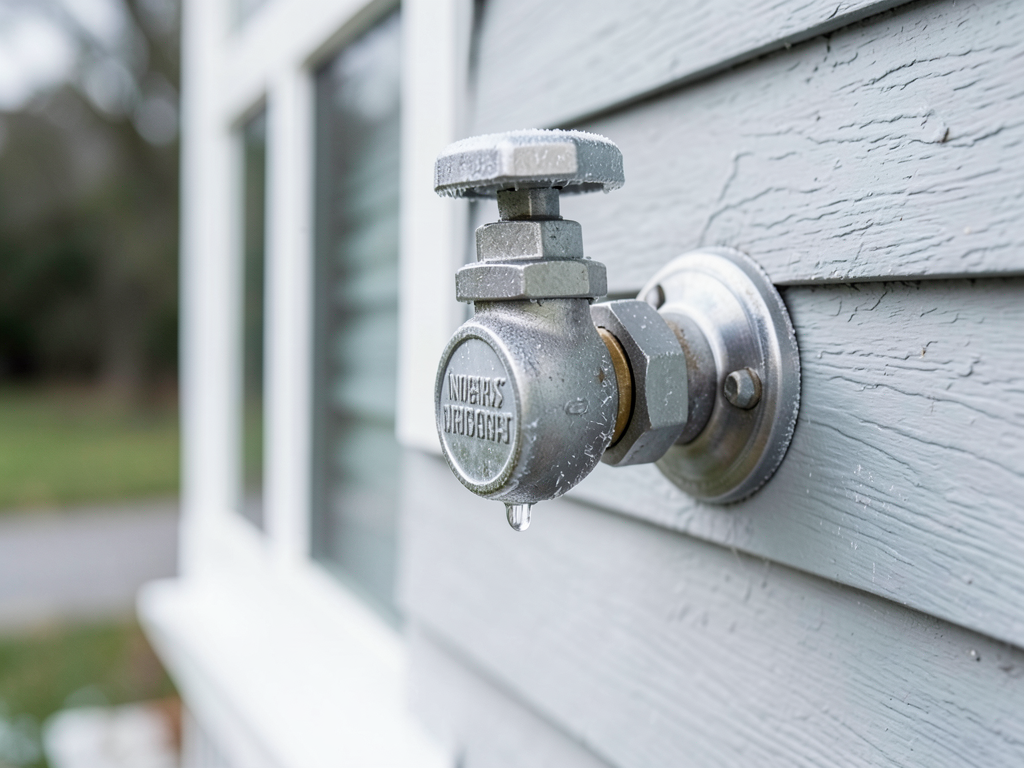
The Hidden Cost of Leaving Your Garden Hose Connected During an Indianapolis Winter Every fall…
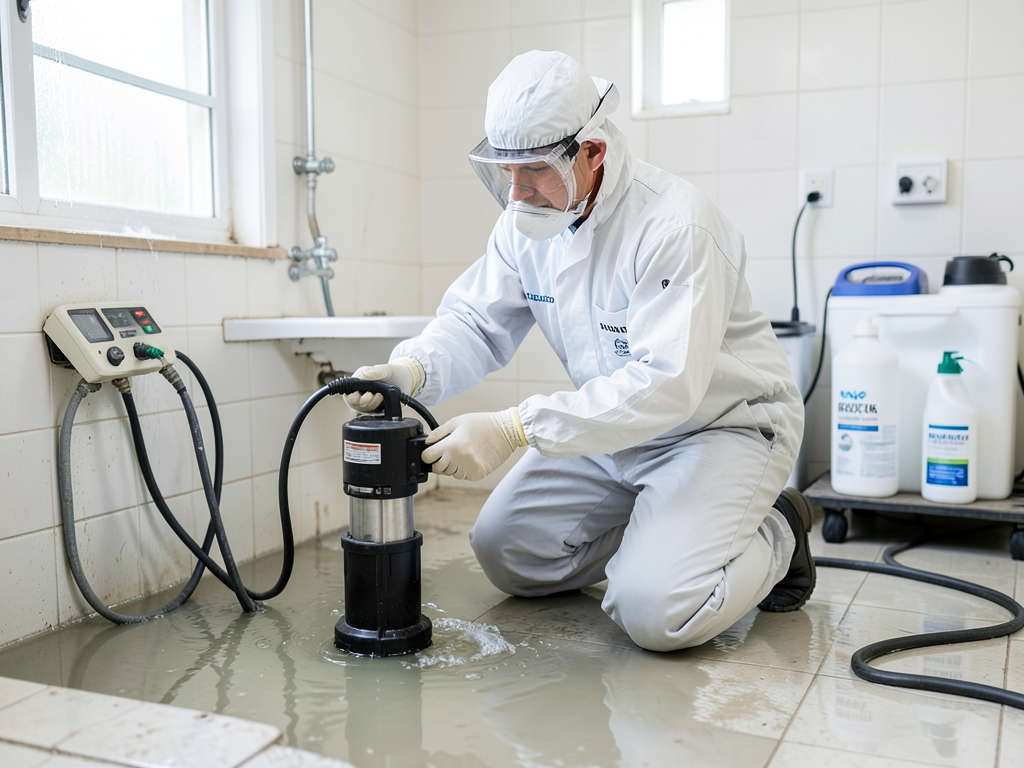
What to Do When Your Toilet Overflows and Drips Through the Ceiling in Fishers Water…
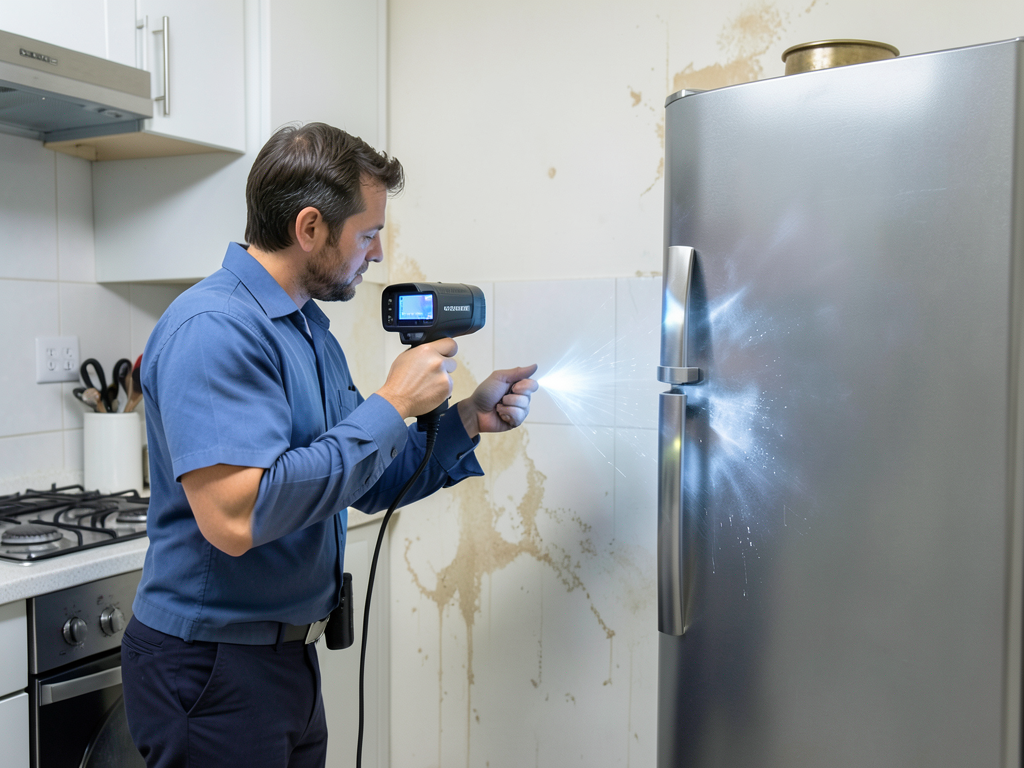
How Your Refrigerator Ice Maker Can Quietly Flood Your Kitchen in Carmel Your refrigerator's ice…
Water damage gets worse every hour you wait. Call (317) 703-7676 now for immediate dispatch. Our crews are standing by 24/7 to stop the damage and start drying your Mooresville home. We work directly with your insurance company so you pay only your deductible.