menu

Structural Drying Services in Indianapolis – Industrial-Grade Equipment and Climate-Specific Protocols for Complete Moisture Removal

When water invades your building, amateur drying efforts only hide the problem. Our structural drying services use thermal imaging, moisture mapping, and high-capacity dehumidifiers calibrated for Indiana's humidity swings to eliminate hidden moisture that causes mold, rot, and structural failure.

Slider Image 1
Slider Image 2
Slider Image 3
Slider Image 4
Slider Image 5
Slider Image 7
Slider Image 8
Slider Image 9
Slider Image 10
Slider Image 11

Why Indianapolis Buildings Need Professional Structural Drying After Water Events

Indianapolis sits in a humid continental climate zone where summer dew points regularly hit 70 degrees and winter freeze-thaw cycles crack foundations. When water infiltrates a structure here, it does not just sit on surfaces. It migrates into porous materials like drywall, insulation, and subflooring, then gets trapped by fluctuating outdoor humidity.

You cannot see this moisture with your eyes. A wet carpet might feel dry after three days with fans running, but the pad underneath and the wood subfloor below that can still hold enough water to grow mold colonies within 48 to 72 hours. The clay soil common in Marion County exacerbates this. When basements flood or foundations crack, water seeps into block walls and concrete, where it stays until professional structural drying services extract it.

Most property owners underestimate the scope. A burst pipe on the second floor does not just damage that room. Water follows gravity through wall cavities, soaks ceiling joists, and pools in the crawlspace. By the time you notice a stain or smell mildew, structural damage has already started. Rapid structural drying stops this cascade. It requires negative air pressure, strategic placement of air movers, and continuous monitoring with calibrated moisture meters.

The longer water sits, the more expensive the repair. Wood loses its load-bearing capacity. Drywall crumbles. Electrical systems corrode. Restorative drying services address the hidden damage before it compounds. You need equipment that pulls moisture from materials, not just the air. That means professional structural drying, not box fans from the hardware store.

Why Indianapolis Buildings Need Professional Structural Drying After Water Events
How Structure Drying Solutions Work in Water-Damaged Buildings

How Structure Drying Solutions Work in Water-Damaged Buildings

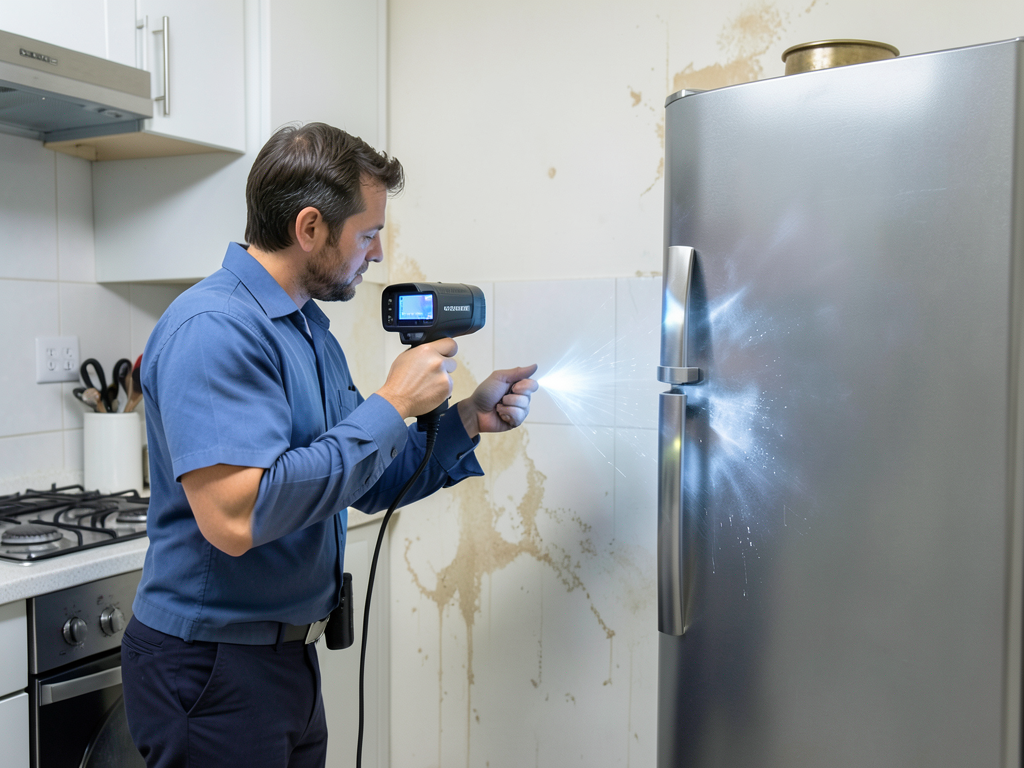
Professional structural drying is not guesswork. It starts with a moisture map. Technicians use infrared thermal cameras to identify temperature differentials that indicate trapped water. They take baseline moisture readings in affected materials using pin and pinless meters. Drywall should read below 15 percent. Wood framing should stay under 19 percent. Anything higher needs aggressive intervention.

Next comes containment. If water damage is localized, we isolate the affected zone with poly sheeting and negative air machines. This prevents contaminated air from spreading through HVAC systems and stops cross-contamination. For larger losses, whole-structure dehumidification services become necessary. We calculate the grain depression needed based on cubic footage, outdoor conditions, and material saturation levels.

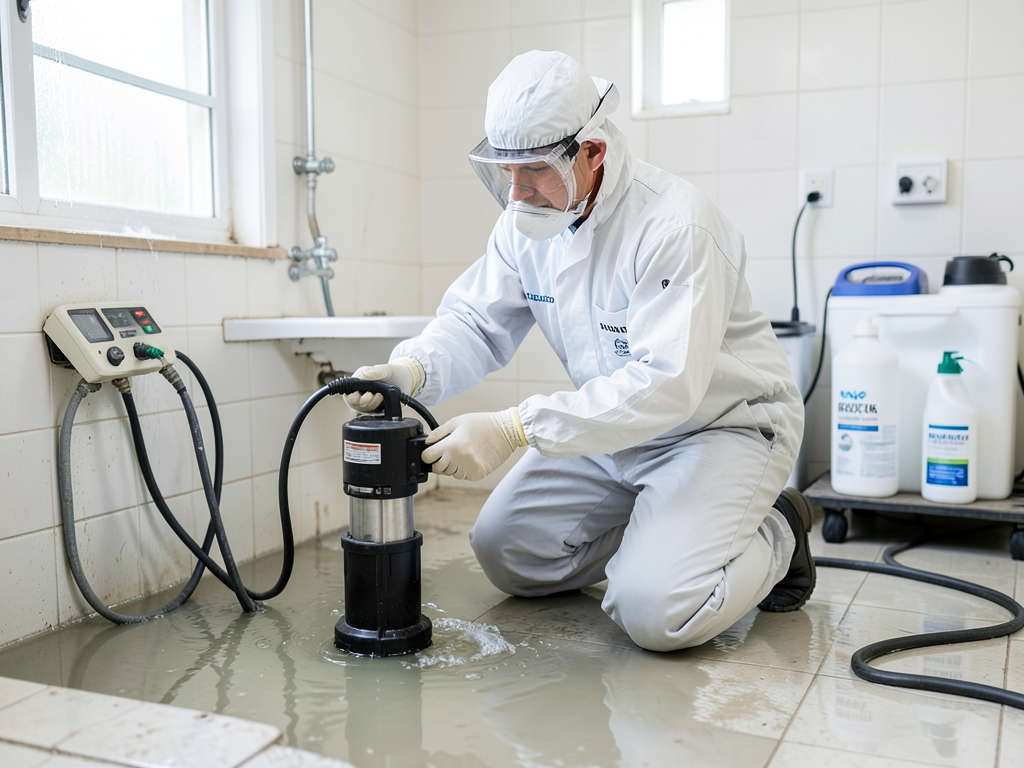
Equipment placement is strategic. Low-grain refrigerant dehumidifiers pull moisture from the air. High-velocity air movers create laminar airflow across wet surfaces, accelerating evaporation. We place axial fans to move air horizontally along floors and walls. Centrifugal fans push air into tight spaces like wall cavities. The goal is to create a consistent vapor pressure gradient that draws moisture out of materials and into the air, where dehumidifiers can capture it.

We monitor daily. Moisture readings should drop consistently. If they plateau, we adjust equipment placement or add desiccant dehumidifiers for stubborn pockets. Structural dehumidification services continue until all affected materials return to their dry standard. This process takes three to seven days for most residential losses, longer for commercial buildings with dense materials like concrete or masonry. Cutting the process short guarantees future problems. Apex Water Damage Restoration Indianapolis runs the cycle until the science confirms the structure is dry.

What Happens During a Structural Drying Project

Structural Drying Services in Indianapolis – Industrial-Grade Equipment and Climate-Specific Protocols for Complete Moisture Removal
01

Moisture Assessment and Documentation

We map every affected surface with thermal imaging and moisture meters. This identifies hidden water in walls, ceilings, and subfloors that you cannot see. We document moisture content percentages and photograph damage for insurance claims. You get a written moisture map showing exactly where water has traveled and which materials need drying or replacement.
02

Equipment Deployment and Monitoring

We place commercial dehumidifiers and air movers based on the moisture map and airflow calculations. Equipment runs continuously, pulling moisture from materials and air. Technicians visit daily to take new readings, adjust placement, and download data from monitoring devices. You see measurable progress each day as moisture levels drop toward the dry standard for each material type.
03

Final Verification and Clearance

Drying continues until all materials meet industry dry standards. We take final moisture readings and compare them to initial documentation. You receive a completion certificate showing before and after measurements. Once cleared, reconstruction can begin safely. No hidden moisture remains to cause mold, odors, or structural decay. The building is restored to its pre-loss condition at the molecular level.

Why Indianapolis Property Owners Choose Local Structural Drying Experts

Structural drying is not a DIY project. The equipment alone costs tens of thousands of dollars. More importantly, incorrect drying creates worse problems than the original water damage. Sealing a wet structure traps moisture inside. Running fans without dehumidifiers just redistributes moisture. Using household dehumidifiers designed for 500 square feet in a 2,000-square-foot basement accomplishes nothing.

Apex Water Damage Restoration Indianapolis understands local building construction. Most Indianapolis homes built before 1970 have plaster walls, which dry differently than modern drywall. Homes in Broad Ripple, Fountain Square, and Irvington often have balloon framing, where water travels unobstructed from attic to basement through open wall cavities. Commercial buildings downtown have steel-reinforced concrete that requires specialized drying chambers and extended drying times.

We also navigate local insurance protocols. Most carriers in Marion County require daily moisture logs and photographic documentation. They want to see psychrometric calculations proving the drying chamber is functioning efficiently. We provide this documentation automatically. It speeds up claims and prevents disputes over whether the structure was properly dried.

Local also means faster response. Water damage worsens exponentially in the first 48 hours. A crew dispatched from another city loses critical hours. We arrive quickly, assess accurately, and deploy equipment immediately. Our trucks carry enough dehumidifiers, air movers, and monitoring devices to handle residential and commercial losses without waiting for equipment rentals.

You also get continuity. The technician who performs the initial assessment monitors your project daily and signs off on completion. No handoffs between crews who do not know your building. One team, one project, one accountable point of contact. That consistency prevents mistakes and ensures nothing gets overlooked during the drying process.

What to Expect from Professional Structural Drying Services

Response Time and Deployment Speed

We respond to calls within two hours during business hours and within four hours after hours. Once on site, the initial moisture assessment takes 30 to 60 minutes. Equipment deployment begins immediately after assessment. Most residential projects have drying equipment running within three hours of your first call. Commercial projects may require additional equipment staging, but initial mitigation equipment is deployed the same day. Speed matters because mold can begin colonizing within 48 hours in Indianapolis's humid climate.

Inspection and Moisture Mapping Process

The inspection covers all potentially affected areas, not just visible damage. We check adjacent rooms, floors above and below the loss, and enclosed spaces like wall cavities. Thermal imaging reveals temperature anomalies that indicate trapped moisture. Moisture meters provide quantified readings in wood, drywall, concrete, and other materials. You receive a detailed moisture map showing readings by location and material type. This document becomes the baseline for tracking drying progress and serves as evidence for insurance claims.

The Quality of the Dry-Down

Structure drying solutions are complete when all materials return to their dry standard, not when they look or feel dry. Drywall must read below 15 percent moisture content. Wood framing must drop below 19 percent. Concrete slabs need to reach equilibrium relative humidity levels appropriate for flooring installation. We verify these standards with calibrated instruments and provide written documentation. The goal is not just surface drying but complete moisture removal that prevents future mold growth, odors, and material degradation.

Post-Drying Follow-Up and Documentation

After final readings confirm the structure meets dry standards, we provide a completion certificate with before and after moisture measurements. This document is critical for insurance claims and for contractors beginning reconstruction. We also offer post-restoration moisture checks to verify that rebuilt areas remain dry. If you experience any moisture-related issues within 30 days of project completion, we return to reassess at no additional charge. Proper documentation protects you from future liability and ensures reconstruction proceeds on a truly dry structure.

Frequently Asked Questions

You Have Questions,
We Have Answers

Why Indianapolis's Humidity Swings Make Structural Drying More Complex

Indianapolis experiences dramatic humidity shifts between seasons. Summer dew points average 65 to 70 degrees, creating outdoor relative humidity above 80 percent on many mornings. Winter indoor heating drops indoor humidity below 30 percent. These swings affect how quickly materials dry and how aggressively you need to control the drying environment. Rapid structural drying requires creating an artificial climate inside the drying chamber that overrides outdoor conditions. Without professional structural dehumidification services, outdoor humidity simply rehydrates materials as fast as air movement dries them. This is especially problematic in spring and fall when outdoor humidity fluctuates wildly day to day.

Indianapolis also sits in a region with specific construction practices that affect drying. Many homes have basements with poured concrete walls and block foundations. These materials are hygroscopic, meaning they absorb and release moisture based on ambient humidity. Older homes in neighborhoods like Butler Tarkington and Meridian Kessler have plaster walls on wood lath, which requires different drying protocols than drywall. Commercial buildings downtown often have terrazzo floors over concrete slabs, which trap moisture if not dried properly before reinstallation. Local expertise matters because drying protocols must match local construction methods and materials. Apex Water Damage Restoration Indianapolis has dried hundreds of structures across Marion County and understands how local buildings respond to water intrusion.
Water Damage Restoration Services in The Indianapolis Area

We are proud to serve the entire Indianapolis area and surrounding communities, providing rapid-response water damage restoration right where you need it most. Our central location allows us to deploy our 24/7 emergency teams quickly across the region. View our service area on the map below and remember that wherever you are in the Indianapolis metropolitan area, Apex Water Damage Restoration Indianapolis is ready to deliver expert and trustworthy service to secure your home or business.

Address:
Apex Water Damage Restoration Indianapolis, 6767 E Washington St, Indianapolis, IN, 46219

Additional Services We Offer

Our news updates

Latest Articles & News from The Blogs

Is Crawl Space Encapsulation Worth the Investment for Your Home in Wynnedale? Crawl space encapsulation can save Wynnedale homeowners thousands…

Is Crawl Space Encapsulation Worth the Investment for Your Home in Wynnedale?

Is Crawl Space Encapsulation Worth the Investment for Your Home in Wynnedale? Crawl space encapsulation can save Wynnedale homeowners thousands…

How to Decide Which Water Damaged Items to Keep and Which to Throw Away

How to Decide Which Water Damaged Items to Keep and Which to Throw Away When water floods your Indianapolis home…

Battery Backup vs Water Powered Sump Pumps for Your Near Eastside Basement

Why Your Near Eastside Basement Needs a Reliable Backup Sump Pump Living in the Near Eastside means dealing with Indianapolis's…

Contact Us

Water does not wait. Every hour of delay increases damage and cost. Call (317) 703-7676 now for immediate structural drying services in Indianapolis. We deploy equipment today and monitor daily until your structure is verified dry.