menu

Water Mitigation vs Restoration in Indianapolis – Understanding the Difference Can Save You Thousands

Learn Why Water Mitigation vs Restoration Are Two Distinct Services and How Knowing the Difference Protects Your Indianapolis Property from Costly Delays and Insurance Disputes

Slider Image 1
Slider Image 2
Slider Image 3
Slider Image 4
Slider Image 5
Slider Image 7
Slider Image 8
Slider Image 9
Slider Image 10
Slider Image 11

Why Indianapolis Property Owners Confuse Water Mitigation and Restoration

When your basement floods after a spring storm or your pipes burst during Indianapolis's freeze-thaw cycles, you hear conflicting terms. Water mitigation, water restoration, water remediation, water cleanup. Insurance adjusters and contractors use these words interchangeably, but they describe completely different processes with different timelines and costs.

The difference between water mitigation and restoration matters because your insurance claim depends on it. Water damage mitigation vs restoration determines who gets paid when and what work gets done first. In Indianapolis, where the White River can overflow and aging infrastructure causes frequent pipe failures, this confusion creates serious problems. Homeowners delay critical mitigation work thinking restoration comes first. Business owners in Fountain Square or Mass Ave pay out of pocket for work insurance should cover because they filed claims incorrectly.

Water mitigation means stopping the damage immediately. You extract standing water, remove wet materials, and dry the structure within 24 to 48 hours. Water restoration means rebuilding what was damaged after everything is dry and stable. This includes replacing drywall, installing new flooring, and repainting. Water remediation vs restoration is another layer. Remediation focuses on contamination and mold, while restoration rebuilds the space. Mitigation vs reconstruction highlights the emergency phase versus the rebuilding phase.

Understanding water cleanup vs water repair changes how you respond to damage. Cleanup is mitigation. Repair is restoration. One happens in the first 72 hours. The other happens weeks later. Indianapolis properties face higher humidity in summer and rapid temperature swings in winter. Both create mold risks if you skip proper mitigation before jumping to restoration.

Why Indianapolis Property Owners Confuse Water Mitigation and Restoration
How Apex Water Damage Restoration Indianapolis Separates Mitigation from Restoration

How Apex Water Damage Restoration Indianapolis Separates Mitigation from Restoration

Water damage mitigation vs restoration requires two different skill sets, two different phases, and two different documentation processes. We handle both, but we never confuse them.

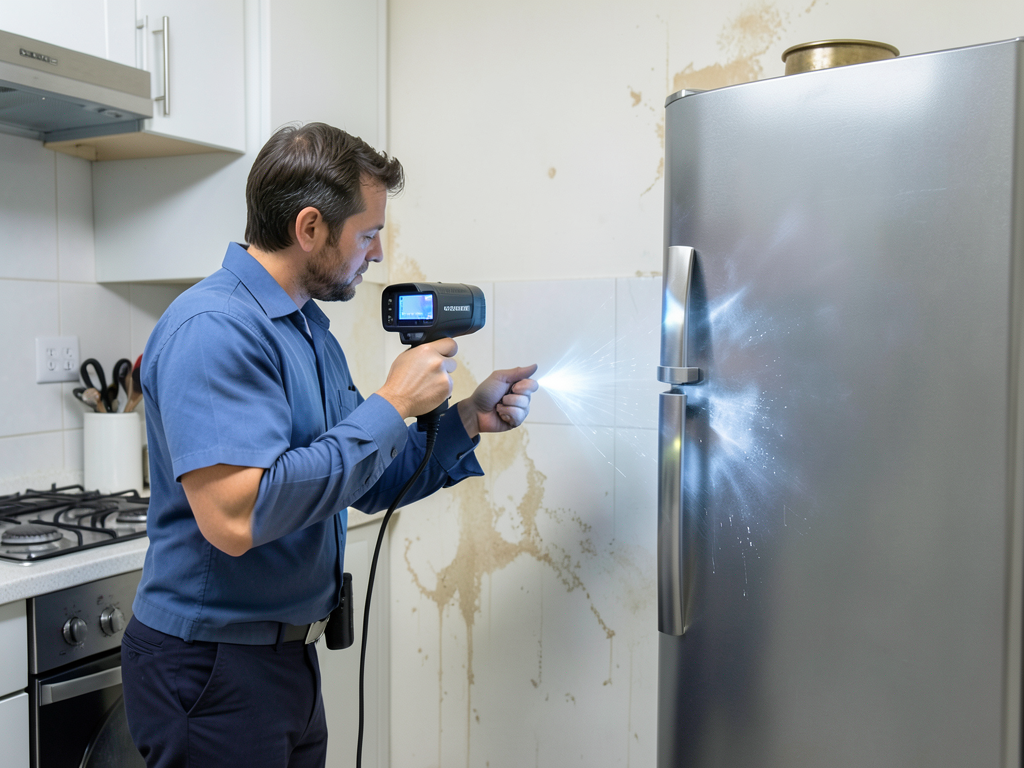
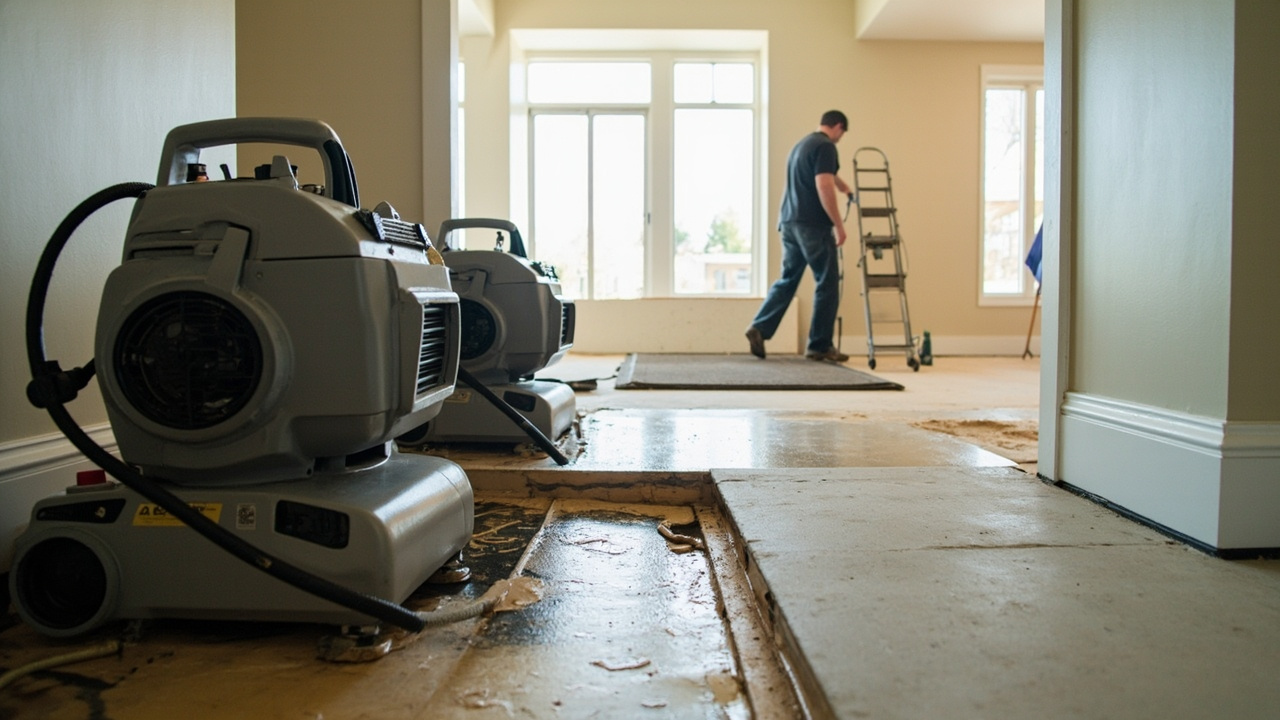
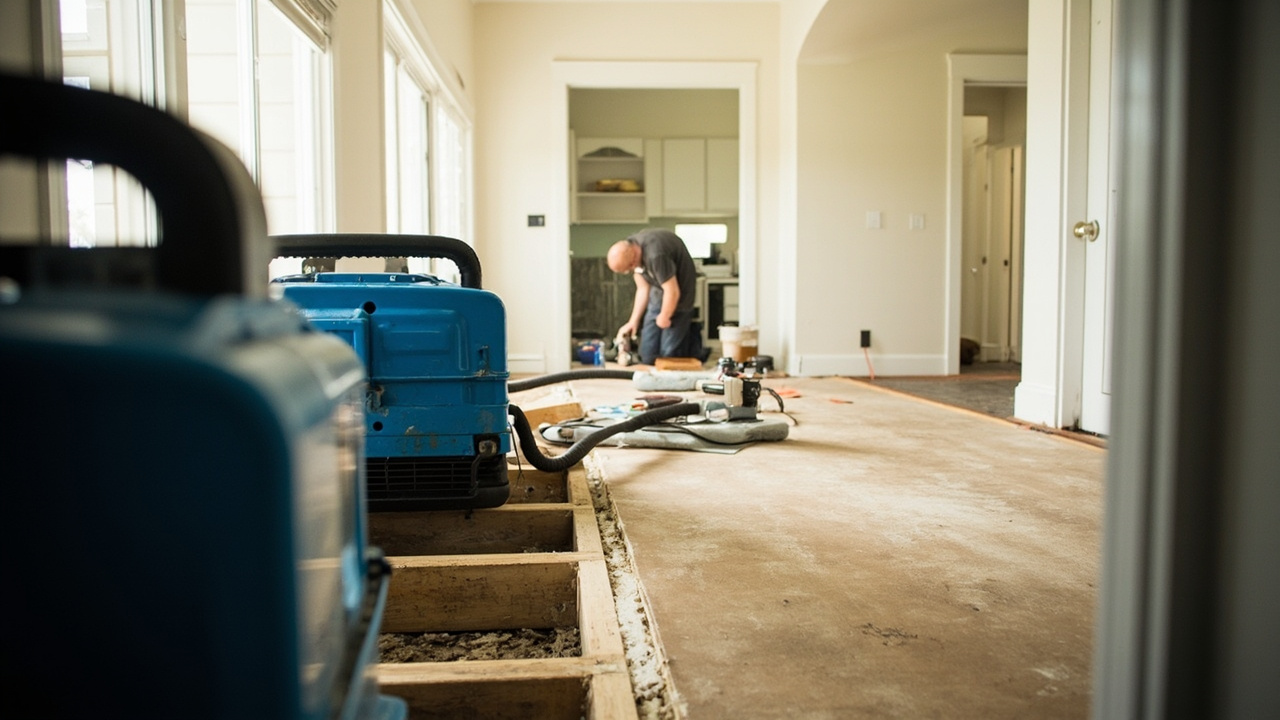
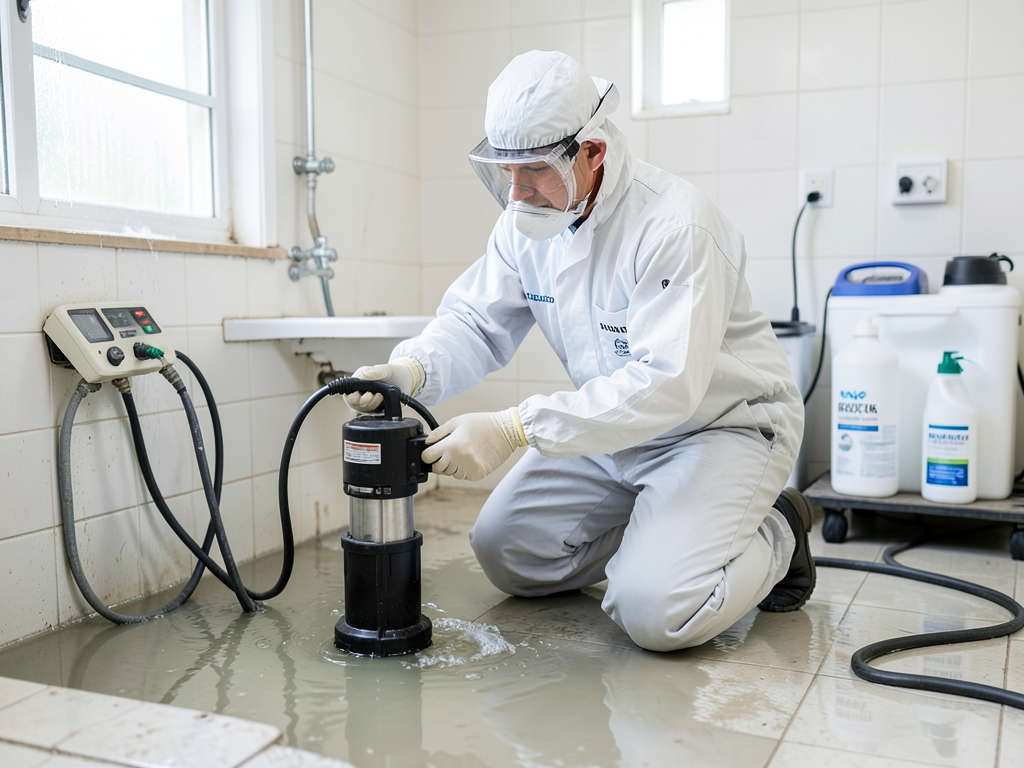
Mitigation starts the moment you call. Our technicians arrive with truck-mounted extractors, commercial air movers, and low-grain refrigerant dehumidifiers. We map moisture levels using thermal imaging cameras and moisture meters. Every wet surface gets documented with photos and psychrometric readings. We pull baseboards, drill weep holes in wall cavities, and set up containment barriers if the water contains sewage or chemicals. This is emergency stabilization. The goal is drying the structure to 12 percent moisture content or lower within three to five days. We document daily moisture readings and send them directly to your insurance adjuster. This creates a clear record that mitigation happened quickly and correctly.

Restoration begins only after mitigation is complete and the insurance adjuster signs off on scope. We rebuild walls, replace subfloors, install new trim, and match paint. This is construction work, not emergency response. It requires different contractors, different permits, and different timelines. In historic Indianapolis neighborhoods like Irvington or Meridian-Kessler, restoration might involve matching original plaster or locating period-correct millwork. That takes weeks, not hours.

Water remediation vs restoration adds another step if contamination is present. Remediation means applying antimicrobial treatments, removing mold colonies, and replacing porous materials that cannot be salvaged. This happens between mitigation and restoration. We test air quality, establish negative air pressure, and follow IICRC S520 mold remediation standards. Only after clearance testing do we move to restoration.

The difference between water mitigation and restoration is the difference between stopping a crisis and fixing what the crisis damaged.

How We Handle Mitigation and Restoration in Sequence

Water Mitigation vs Restoration in Indianapolis – Understanding the Difference Can Save You Thousands
01

Emergency Mitigation Response

We deploy extraction and drying equipment within hours of your call. Our technicians assess the water source, categorize contamination level, and measure moisture penetration into walls, subfloors, and ceiling cavities. We remove standing water, pull saturated materials, and establish airflow patterns that maximize evaporation. Every step is photographed and logged for insurance documentation. Mitigation continues until moisture readings confirm the structure is dry and stable.
02

Remediation and Testing

If water sat for more than 48 hours or originated from a contaminated source, we conduct mold testing and apply antimicrobial treatments. Porous materials like drywall, insulation, and carpet padding are removed and disposed of according to EPA guidelines. We establish containment zones to prevent cross-contamination and run HEPA air scrubbers until air quality tests confirm safe levels. This phase protects your health and prevents future mold growth during restoration.
03

Reconstruction and Restoration

Once mitigation and remediation are complete and your insurance adjuster approves the scope, we rebuild. We install new drywall, replace damaged framing, lay new flooring, and restore trim and finishes. For older Indianapolis homes, we source materials that match existing architecture. We pull permits where required and schedule inspections. The goal is returning your property to pre-loss condition, not just functional, but finished and move-in ready.

Why Indianapolis Property Owners Trust Apex Water Damage Restoration for Both Services

Most water damage companies handle mitigation or restoration, not both. You get stuck coordinating between an emergency response company and a general contractor. That delay costs you. Mold starts growing. Insurance claims stall because no one takes responsibility for the gap between drying and rebuilding.

Apex Water Damage Restoration Indianapolis manages the entire process. We own the mitigation equipment and employ licensed contractors for restoration work. You make one call, work with one project manager, and get one comprehensive estimate. This eliminates the finger-pointing and delays that plague multi-vendor water damage projects.

Indianapolis properties face specific challenges. The clay soil common in Marion County causes foundation settling and plumbing stress. Older homes in neighborhoods like Broad Ripple and Butler-Tarkington have cast iron drain lines that corrode and fail. Commercial buildings downtown deal with aging HVAC condensate lines and roof drainage issues. We know these problems because we work in Indianapolis every day. Our mitigation crews understand where water hides in crawl spaces with vapor barriers and how Indianapolis's humidity affects drying times.

We document every phase for insurance. Mitigation reports include moisture maps, equipment logs, and daily progress photos. Restoration estimates break down labor and materials by line item. We communicate directly with adjusters and attend on-site inspections. This reduces claim disputes and speeds up approvals.

Indianapolis building codes require permits for structural repairs and electrical work. We pull permits, schedule inspections, and ensure all restoration work meets city and county requirements. This protects you from liability and ensures your property passes inspection when you sell or refinance.

Choosing a company that handles both mitigation and restoration means faster timelines, clearer communication, and better outcomes. You do not coordinate between vendors. You do not wait weeks for restoration bids. You get one team accountable for the entire job.

What to Expect When You Call Apex Water Damage Restoration Indianapolis

Immediate Mitigation Dispatch

We answer calls 24 hours a day and dispatch mitigation crews within two hours. Our trucks carry extraction equipment, air movers, dehumidifiers, and moisture detection tools. Technicians arrive ready to start work, not just assess damage. We begin water removal immediately and set up drying equipment before leaving your property. You get a written mitigation plan within 24 hours that outlines the scope, timeline, and daily monitoring schedule. Mitigation typically takes three to five days depending on the extent of water penetration and humidity levels.

Detailed Damage Assessment

Our initial assessment identifies the water source, measures moisture levels in all affected materials, and categorizes contamination risk. We use thermal imaging to detect hidden moisture in wall cavities and subfloors. You receive a written report with photos, moisture readings, and a recommended action plan. This report goes directly to your insurance company. We explain the difference between mitigation costs and restoration costs so you understand what happens when. Our assessment includes air quality testing if mold or sewage contamination is suspected.

Complete Restoration and Finishing

After mitigation is complete and insurance approves the scope, we move to restoration. We rebuild walls, replace flooring, install new trim, and repaint. Our contractors match existing finishes and materials so restored areas blend seamlessly with undamaged sections. We coordinate plumbing and electrical work if needed and pull permits for structural repairs. Restoration timelines vary based on the scope, but most residential projects finish within two to four weeks. You get a final walkthrough and a written warranty on all construction work.

Post-Restoration Monitoring

We schedule a follow-up inspection 30 days after restoration is complete. This visit includes moisture testing to confirm no hidden water remains and a visual inspection of all restored areas. If we performed mold remediation, we conduct air quality testing to verify safe levels. You receive documentation of all post-restoration checks for your records and insurance file. We remain available for questions or concerns and provide guidance on preventing future water damage based on your property's specific vulnerabilities.

Frequently Asked Questions

You Have Questions,
We Have Answers

What is the difference between water restoration and mitigation? +

Water mitigation stops damage from spreading after a leak or flood. You remove standing water, dry surfaces, and extract moisture from walls and floors. Water restoration comes after mitigation. You repair drywall, replace flooring, repaint, and rebuild damaged structures. Think of mitigation as emergency triage and restoration as long-term repair. Indianapolis homes often face both challenges after basement flooding from heavy storms or burst pipes during freeze-thaw cycles. Mitigation happens within 24 to 48 hours. Restoration can take days or weeks depending on the extent of structural damage. Both steps protect your home and prevent mold.

What is mitigation and restoration? +

Mitigation reduces immediate water damage through extraction, drying, and dehumidification. You stop the spread of moisture to prevent secondary issues like mold and structural rot. Restoration repairs and rebuilds your property to its original condition. This includes replacing damaged drywall, flooring, insulation, and repainting. Indianapolis homes with older plumbing or clay soil foundations need fast mitigation during spring storms or winter pipe bursts. Mitigation protects the structure. Restoration makes your home livable again. Most insurance policies cover both processes, but documentation matters. Always photograph damage before work begins and keep detailed records for claims adjusters.

What is the difference between restoration and remediation? +

Restoration rebuilds your property after water damage. You replace drywall, flooring, and fixtures to match the pre-loss condition. Remediation removes contaminants like mold, sewage, or bacteria that pose health risks. Restoration fixes visible structural damage. Remediation addresses hidden biological or chemical hazards. Indianapolis basements often need both after flooding or sewer backups. Remediation involves antimicrobial treatment and air scrubbing to eliminate spores. Restoration follows once the space is safe. You cannot restore a home until you remediate contamination. Proper remediation prevents recurring mold growth, which is common in humid climates like central Indiana during summer months.

What is included in water mitigation? +

Water mitigation includes immediate water extraction using pumps and vacuums, removal of saturated materials like carpet padding or insulation, placement of industrial fans and dehumidifiers to dry structures, moisture mapping with infrared cameras to detect hidden water, and antimicrobial treatment to prevent mold growth. Indianapolis properties require fast mitigation due to high humidity and seasonal flooding risks. Mitigation teams assess the water category, whether clean, gray, or black water, to determine safety protocols. You also get documentation for insurance claims. Mitigation stops ongoing damage. It does not repair walls or replace flooring. That comes during restoration once your property is dry.

Is it hard to sell a house that has had mold remediation? +

You can sell a house with past mold remediation if the work was professionally documented and the issue was fully resolved. Buyers request proof of remediation, clearance testing, and any structural repairs completed. Indianapolis homes with basement moisture issues are common, so transparency builds trust. Disclose the remediation history upfront. Provide invoices, moisture readings, and before-and-after photos. Buyers fear hidden problems, not solved ones. If mold returns, your sale falls through. Ensure proper ventilation and dehumidification post-remediation. Homes in neighborhoods near White River or areas with poor drainage need ongoing moisture control. A clean bill of health from an inspector makes your sale easier.

What is the average cost of water mitigation? +

Water mitigation costs vary based on water volume, affected square footage, contamination level, and drying time required. Small jobs like a burst pipe in one room run lower than basement floods affecting multiple levels. Indianapolis homes with finished basements or crawl spaces face higher costs due to difficult access and material removal. Expect costs to increase if you have black water contamination from sewage or if structural drying takes longer than 72 hours. Insurance typically covers mitigation if the damage results from a covered peril. Always get a detailed estimate before work begins. Pricing depends on the scope, not your ZIP code.

What are the 4 types of mitigation? +

The four types of mitigation are avoidance, reduction, transfer, and acceptance. Avoidance eliminates the risk entirely, like relocating from a floodplain. Reduction minimizes impact through preventive measures such as sump pumps or backflow valves, which Indianapolis homeowners install due to clay soil and drainage issues. Transfer shifts financial risk to insurance policies or third parties. Acceptance acknowledges the risk and prepares for consequences, common in older homes with outdated plumbing. Water damage mitigation specifically focuses on reduction by stopping active water intrusion and drying your property quickly. You reduce secondary damage like mold, rot, and structural failure before costly restoration begins.

When to call a water restoration company? +

Call a water restoration company immediately after discovering standing water, burst pipes, sewage backups, or storm flooding. Indianapolis properties face risks during spring storms, winter freeze-thaw cycles, and summer humidity spikes. If you see water pooling on floors, ceiling stains spreading, or smell musty odors, you need professional help within 24 hours. Delay causes mold growth and structural damage. Call before moving furniture or attempting DIY extraction. Professionals use moisture meters and thermal imaging to find hidden water in walls and subfloors. Do not wait for visible damage to worsen. Fast response limits repair costs and protects your insurance claim.

What does water restoration mean? +

Water restoration means returning your property to its pre-damage condition after a flood, leak, or storm. You remove water, dry structures, repair drywall and flooring, and rebuild affected areas. Restoration includes replacing damaged insulation, repainting walls, installing new baseboards, and restoring electrical or HVAC systems. Indianapolis homes often need restoration after basement flooding or roof leaks during severe weather. Restoration happens after mitigation stops active water intrusion. The process can take days or weeks depending on damage severity. Professional restoration ensures your home is structurally sound and safe from mold. It also helps your insurance claim by documenting losses and repairs properly.

Do I need water mitigation? +

You need water mitigation if you have standing water, saturated materials, or ongoing leaks in your home. Indianapolis properties face risks from basement seepage, burst pipes, and storm flooding. Mitigation prevents mold growth, structural rot, and electrical hazards. If water touches drywall, insulation, or flooring, you need professional drying within 24 to 48 hours. Skip mitigation and you face exponentially higher restoration costs plus health risks from mold exposure. Even small leaks require mitigation if moisture penetrates walls or subfloors. Do not rely on fans alone. Industrial dehumidifiers and moisture mapping ensure complete drying. Act fast to protect your home and insurance coverage.

Why Indianapolis's Freeze-Thaw Cycles Make Understanding Water Mitigation vs Restoration Critical

Indianapolis experiences dramatic temperature swings between December and March. Pipes freeze, thaw, and burst. Homeowners discover water damage days after the initial failure because frozen pipes do not leak until they thaw. This delay increases mold risk and complicates insurance claims. Understanding the difference between water mitigation and restoration becomes critical because insurance companies scrutinize delayed response times. Proper mitigation must start immediately after discovery, not after you get repair bids. Indianapolis's humid summers compound the problem. Water that sits for 48 hours in July will grow mold by the weekend. Mitigation cannot wait for restoration estimates.

Indianapolis water damage restoration requires familiarity with local building practices and insurance requirements. Many homes in Marion County have basements with sump pumps that fail during spring storms. Commercial properties downtown deal with flat roofs and aging drainage systems. We work with every major insurance carrier active in Indianapolis and understand how local adjusters process water damage claims. Our mitigation documentation meets Indiana insurance requirements, and our restoration work complies with Indianapolis building codes. Choosing a local company means faster response times, familiarity with Indianapolis's climate challenges, and contractors who understand regional construction methods.
Water Damage Restoration Services in The Indianapolis Area

We are proud to serve the entire Indianapolis area and surrounding communities, providing rapid-response water damage restoration right where you need it most. Our central location allows us to deploy our 24/7 emergency teams quickly across the region. View our service area on the map below and remember that wherever you are in the Indianapolis metropolitan area, Apex Water Damage Restoration Indianapolis is ready to deliver expert and trustworthy service to secure your home or business.

Address:
Apex Water Damage Restoration Indianapolis, 6767 E Washington St, Indianapolis, IN, 46219

Additional Services We Offer

Our news updates

Latest Articles & News from The Blogs

Is Crawl Space Encapsulation Worth the Investment for Your Home in Wynnedale? Crawl space encapsulation can save Wynnedale homeowners thousands…

Is Crawl Space Encapsulation Worth the Investment for Your Home in Wynnedale?

Is Crawl Space Encapsulation Worth the Investment for Your Home in Wynnedale? Crawl space encapsulation can save Wynnedale homeowners thousands…

How to Decide Which Water Damaged Items to Keep and Which to Throw Away

How to Decide Which Water Damaged Items to Keep and Which to Throw Away When water floods your Indianapolis home…

Battery Backup vs Water Powered Sump Pumps for Your Near Eastside Basement

Why Your Near Eastside Basement Needs a Reliable Backup Sump Pump Living in the Near Eastside means dealing with Indianapolis's…

Contact Us

Water damage does not wait. Call (317) 703-7676 now for immediate mitigation dispatch or to schedule a restoration estimate. We handle both phases, manage your insurance claim, and restore your Indianapolis property completely.