


Lebanon sits in Boone County where clay-heavy soil creates persistent drainage problems. When heavy rains hit, water pools around foundations instead of draining away. Basements in older neighborhoods near downtown flood repeatedly during spring storms. The same clay soil that made this area farmland now traps moisture against concrete, pushing water through cracks and seams.
Indiana's freeze-thaw cycles crack pipes inside walls. A pipe freezes overnight when temperatures drop to 15 degrees, then bursts when morning sun warms the house. Water floods finished basements, soaks insulation, and saturates drywall before anyone notices. Properties near Sugar Creek face seasonal flooding when snowmelt combines with spring rain.
Lebanon's mix of century-old homes and newer construction creates different vulnerabilities. Historic homes downtown have stone foundations that wick moisture. Newer builds in developments off State Road 39 have modern vapor barriers but shortcuts during construction leave gaps. Sump pumps fail during power outages from summer storms. Washing machine hoses burst on second floors. Water heaters leak in closets overnight. Every scenario demands immediate response to prevent secondary damage and mold growth.
Apex Water Damage Restoration Indianapolis operates from Indianapolis, giving us rapid access to Lebanon via Interstate 65. Our crews reach most Lebanon properties within 60 minutes of your call, arriving with truck-mounted extraction equipment, industrial dehumidifiers, and thermal imaging cameras that locate hidden moisture. We have restored hundreds of Indiana properties damaged by burst pipes, sewer backups, and storm flooding.
Our technicians hold IICRC certifications in water damage restoration and applied structural drying. They understand how water moves through different building materials common to Lebanon homes. They know that water trapped in oak flooring requires different drying protocols than water in carpet padding. They document everything with photos and moisture readings because insurance companies demand proof.
We work directly with your insurance carrier, translating technical restoration language into claim documentation they accept. Most Lebanon homeowners have never filed a water damage claim. We have filed thousands. We know what State Farm, Nationwide, and Erie Insurance require for approval. We create estimates that match their formats, provide daily progress reports, and handle their questions so you do not have to.
Speed determines the difference between a cleanup and a complete restoration. Mold starts growing within 48 hours of water exposure. Drywall that stays wet for three days must be replaced instead of dried. Wood flooring that sits in water for 24 hours warps permanently. We extract water immediately, set up drying equipment within the first hour, and monitor moisture levels until readings confirm complete dryness. Fast response saves you money and prevents health hazards.

We dispatch crews to Lebanon locations within one hour of your emergency call. Our trucks carry professional-grade extraction equipment, commercial dehumidifiers, and air movers. We arrive ready to stop water damage immediately, not hours later when mold has already started growing in your walls.

Our team handles all communication with your insurance carrier from first contact through final approval. We document damage with detailed photos and moisture readings, create estimates in formats adjusters recognize, and translate technical restoration work into claim language. Most Lebanon customers never speak to their adjuster directly.
Every technician on our Lebanon jobs holds current IICRC certification in water damage restoration and applied structural drying. They follow industry protocols for moisture detection, extraction, and drying. They know when to save materials and when replacement is required. Certification means your restoration meets national standards insurers expect.
We have restored Lebanon properties for years. Our crews understand local construction methods, know which neighborhoods flood during heavy rain, and recognize drainage problems caused by Boone County clay soil. Local knowledge means faster diagnosis and more effective solutions for your specific property and location.
Water damage restoration requires different approaches depending on the water source, contamination level, and affected materials. Clean water from a burst pipe demands immediate extraction and drying. Sewage backup requires complete removal of contaminated materials and antimicrobial treatment. Storm flooding brings mud and debris that must be cleaned before drying begins.
Apex provides emergency water removal, structural drying, content restoration, mold remediation, and complete reconstruction under one contract. You make one call and get one team that handles everything from initial extraction through final repairs. We categorize water damage by contamination level and adjust our protocols accordingly. Category 1 clean water gets different treatment than Category 3 sewage. Our crews follow IICRC S500 standards for every job, ensuring thorough remediation that passes insurance inspection.
We serve Lebanon residential properties, commercial buildings, and industrial facilities. A flooded basement gets the same professional response as a warehouse with roof leak damage. Our equipment scales to match job size, from portable extractors for small bathroom floods to truck-mounted systems that remove thousands of gallons from commercial spaces.
When water floods your Lebanon property, immediate extraction prevents further damage. Our crews arrive with truck-mounted pumps that remove standing water within minutes. We extract water from carpets, pull soaked padding, and remove wet contents to prevent staining and deterioration. Thermal imaging cameras locate water in walls and ceilings you cannot see. We contain the affected area to stop water from spreading to dry rooms, then begin drying protocols immediately.
Removing standing water is only the first step. Moisture trapped in walls, subfloors, and insulation causes mold growth and structural damage if not properly dried. We deploy commercial dehumidifiers and air movers in strategic locations to create airflow that pulls moisture from building materials. Our technicians monitor humidity levels and material moisture content daily, adjusting equipment until readings confirm complete dryness. Proper drying typically takes three to five days.
Sewage backups and toilet overflows require specialized handling to protect your health. Our crews wear protective equipment and follow biohazard protocols when removing contaminated water. We dispose of porous materials that cannot be sanitized, including carpet, padding, and drywall that contacted sewage. All surfaces get antimicrobial treatment to kill bacteria and pathogens. We use hospital-grade disinfectants and verify sanitation before reconstruction begins.
Lebanon properties face water damage from multiple sources throughout the year. Winter freeze-thaw cycles burst pipes. Spring storms flood basements. Summer humidity creates condensation in crawl spaces. Fall leaves clog gutters and cause roof leaks. Each scenario creates unique challenges based on water source, volume, and duration.
Understanding common failure points helps Lebanon homeowners recognize warning signs before catastrophic damage occurs. A water stain on the ceiling means a slow leak has been active for weeks. Musty odors in the basement indicate moisture problems even without visible water. Rising water bills suggest hidden pipe leaks inside walls. The following issues represent the most frequent emergency calls we receive from Lebanon properties. Early detection and immediate response minimize damage and restoration costs.
Frozen pipes burst without warning when temperatures drop below 20 degrees. A single crack in a half-inch pipe releases hundreds of gallons per hour. Water floods finished basements, soaks insulation, and damages electrical systems. Most Lebanon homeowners discover the damage when they hear rushing water or see ceiling stains. Immediate shutoff and extraction prevent total loss.
Heavy rain overwhelms foundation drainage systems in Lebanon properties built on clay soil. Water seeps through foundation cracks, floods window wells, and backs up through floor drains. Sump pumps fail during power outages from thunderstorms. Finished basements flood with several inches of water that damages drywall, carpet, and stored belongings. Fast extraction prevents mold in wall cavities.
Main sewer line blockages force sewage back through lowest drains, typically basement toilets and floor drains. Tree roots infiltrate older clay pipes common in downtown Lebanon neighborhoods. The backup floods basements with contaminated water containing bacteria and pathogens. All porous materials that contact sewage must be removed and disposed of properly to protect health.
Water heaters last 10 to 12 years before tanks corrode and leak. A failing water heater releases 40 to 50 gallons across basement floors, soaking drywall, carpet, and stored items. Slow leaks go unnoticed until significant damage occurs. Water heaters in upstairs closets cause ceiling collapse and flood multiple floors when tanks rupture completely.
Water damage creates panic. You see water spreading across your floor and imagine thousands of dollars in repairs. Our process removes uncertainty and puts you back in control. From the moment you call our emergency line to final walkthrough after reconstruction, we communicate clearly about what happens next.
Our intake specialist asks specific questions about the water source, volume, and affected areas. This information determines which equipment we load and how many technicians we dispatch. We give you an honest arrival time and call if conditions delay us. When our crew arrives, they assess damage, explain the restoration plan, and begin work immediately. You know what we are doing and why at every step. The following three commitments guide every Lebanon water damage job we handle.
Our project manager calls you daily with moisture readings and progress updates. You receive photos showing equipment placement and drying areas. We explain why certain materials must be removed and when drying will be complete. If we discover additional damage during demolition, we contact you before proceeding. Our estimates include detailed line items so you understand exactly what you are paying for. No surprise charges appear on final invoices.
We contact your insurance carrier within hours of starting work. Our documentation includes photos, moisture readings, and detailed scope of work their adjusters expect. We handle all communication with the claims department, answer their questions, and provide supplemental estimates if they request changes. Most Lebanon customers never speak directly to their adjuster because we manage the entire claim process. You get copies of all correspondence.
We handle everything from emergency extraction through final reconstruction. You do not coordinate between a water removal company, mold remediation specialist, and general contractor. One team removes water, dries structure, treats for mold, replaces drywall, installs new flooring, and paints walls. Our reconstruction crew matches existing finishes so repairs blend invisibly. Single-source responsibility means no finger-pointing if problems arise. We own the entire job.
Speed and thoroughness determine restoration success. We follow proven protocols developed through thousands of water damage jobs across Indiana. Each phase builds on the previous step, ensuring complete moisture removal and proper reconstruction.
Our crew arrives at your Lebanon property within 60 minutes carrying extraction equipment and moisture detection tools. We locate the water source and stop active flooding. Truck-mounted pumps remove standing water. We move furniture to dry areas, pull wet carpet padding, and extract water from soaked materials. Thermal imaging cameras map moisture in walls and ceilings. Equipment placement begins immediately to start the drying process.
Commercial dehumidifiers and air movers run continuously to pull moisture from building materials. Our technicians visit daily to record humidity levels and take moisture readings in floors, walls, and ceilings. We adjust equipment placement based on readings to maximize drying efficiency. Antimicrobial treatment prevents mold growth during the drying phase. Most structures reach acceptable dryness within three to five days depending on materials affected and initial saturation levels.
Once moisture readings confirm complete dryness, our reconstruction crew rebuilds damaged areas. We replace insulation, drywall, flooring, and trim removed during remediation. Paint matches your existing colors. Flooring installations blend with surrounding areas. Our goal is making repairs invisible so your property looks exactly as it did before water damage occurred. Final walkthrough confirms you approve all work before we close the project.
Professional water damage restoration follows strict protocols established by the Institute of Inspection, Cleaning and Restoration Certification. The IICRC S500 Standard guides water damage restoration, defining proper procedures for assessment, water removal, drying, and verification. Insurance companies require compliance with these standards for claim approval.
Water damage falls into three categories based on contamination level. Category 1 clean water comes from supply lines, appliance leaks, and rainwater that has not contacted contaminants. Category 2 gray water contains some contamination from sources like washing machine overflows, dishwasher leaks, or toilet bowls without feces. Category 3 black water is grossly contaminated and includes sewage, flooding from rivers, and any water that has sat stagnant for over 48 hours.
Each category requires different handling protocols. Category 1 water can saturate materials that we dry and save. Category 3 water demands complete removal of all porous materials that contacted contamination. We cannot dry and reuse carpet that contacted sewage. It must be disposed of according to biohazard regulations. Drywall that wicks Category 3 water must be cut out and replaced.
Structural drying requires achieving specific moisture content levels in building materials. Wood framing should reach 15 percent moisture content or less. Concrete should drop below 5 percent on a moisture meter. We use psychrometry to calculate proper equipment placement and air exchange rates. Dehumidifiers must remove enough water vapor to maintain proper vapor pressure gradient that pulls moisture from materials into the air. Simply running fans does not constitute professional drying. Our technicians hold IICRC Applied Structural Drying certification that teaches the science behind effective moisture removal.
The S500 Standard establishes protocols for inspection, documentation, water extraction, dehumidification, and verification. Insurance adjusters expect restoration companies to follow these guidelines. Our crews document moisture readings at initial assessment and throughout drying. We create psychrometric calculations showing proper equipment placement. Compliance ensures insurance approval and prevents claim disputes.
Water category, affected square footage, and material types drive restoration costs. Clean water requires less disposal than sewage. Hardwood flooring costs more to dry than vinyl. Finished basements with drywall and insulation cost more to restore than unfinished concrete spaces. Response speed affects costs because delayed drying requires more demolition. Fast extraction minimizes material replacement.
Complete structural drying takes three to seven days depending on initial saturation and materials affected. Drywall dries faster than hardwood. Concrete takes longer than carpet. We cannot rush drying without risking mold growth or material damage. Our technicians monitor moisture content daily and remove equipment only when readings confirm safe levels across all affected materials.
Mold begins growing within 24 to 48 hours of water exposure. Prevention requires immediate water removal, rapid drying, and antimicrobial treatment. We apply EPA-registered antimicrobials to all affected surfaces during initial extraction. Dehumidification maintains humidity below 60 percent to prevent spore germination. Complete drying within 72 hours prevents most mold growth.
Professional water damage restoration company explains emergency response procedures, structural drying protocols, and insurance claim processes for Lebanon, Indiana properties. Video covers IICRC restoration standards, water damage categories, mold prevention, and common causes of residential water damage including burst pipes, basement flooding, and sewage backups. Viewers learn proper restoration timelines, moisture monitoring techniques, and how Lebanon's clay soil and climate create unique water damage challenges requiring immediate professional response.
Apex Water Damage Restoration Indianapolis serves all Lebanon neighborhoods and surrounding Boone County areas. We respond to emergency calls from historic properties in downtown Lebanon near the courthouse square, where century-old brick homes face foundation water intrusion and basement flooding. The older housing stock between Main Street and Grant Street contains beautiful architecture but outdated plumbing that fails without warning.
North Lebanon developments off State Road 39 represent newer construction with modern drainage systems, but shortcuts during the building boom create water problems. Homes in the Winding Ridge and Northfield subdivisions call us for sump pump failures and roof leaks from storm damage. These properties sit on former farmland where clay soil creates drainage challenges despite newer construction methods.
East Lebanon properties near Lebanon Junction and areas along State Road 32 experience flooding during heavy spring rains when Sugar Creek rises. Basements flood when groundwater overwhelms foundation drainage systems. We extract water, dry structures, and install vapor barriers to prevent recurring moisture problems. Properties in this area often lack proper grading that directs water away from foundations.
West Lebanon homes near Interstate 65 and properties extending toward Whitestown face water damage from burst pipes during winter freezes. The expansion in this corridor brought mixed-quality construction. Some builders installed proper insulation in exterior walls while others cut corners. We restore properties throughout this growth area and know which developments used quality materials versus budget shortcuts.
South Lebanon properties along State Road 47 toward Thorntown include rural homes on larger lots. These properties rely on well water and septic systems. Water damage often involves well pump failures or septic backups that contaminate basements. We handle both emergency water removal and sewage cleanup for properties across southern Boone County. Our crews understand rural property challenges that differ from city water and sewer systems.
Water damage restoration in Lebanon typically takes 3-5 days for standard jobs. Minor water damage might resolve in 2-3 days. Extensive flooding or structural damage extends the timeline to 1-2 weeks. Drying time depends on water category, affected materials, and humidity levels. Class 1 damage dries faster than Class 4. Your restoration team monitors moisture levels daily to ensure complete drying. Hidden moisture in walls or subfloors adds time. Weather conditions affect drying speed. Professional equipment speeds up the process compared to DIY methods.
Water damage restoration expenses in Lebanon vary based on damage severity and affected area size. Minor incidents affecting one room cost less than whole-house flooding. Clean water damage costs less to address than contaminated water. The price includes water extraction, drying, antimicrobial treatment, and restoration work. Your specific situation determines the final amount. Get a detailed written estimate before work begins. Most Lebanon companies offer free inspections. Insurance coverage often reduces your out-of-pocket expenses significantly. Multiple estimates help you understand fair market rates.
Most homeowners insurance policies in Lebanon cover sudden and accidental water damage. Burst pipes, appliance malfunctions, and storm damage typically qualify for coverage. Your policy excludes flood damage and long-term leaks from poor maintenance. Review your policy details or call your agent to confirm coverage. Document all damage with photos before restoration begins. Keep receipts for temporary repairs and lodging expenses. Deductibles apply to covered claims. Working with insurance-approved restoration companies streamlines the claims process. File your claim immediately after discovering water damage.
Water damage restoration in Lebanon typically takes 3-5 days for standard jobs. Minor water damage might resolve in 2-3 days. Extensive flooding or structural damage extends the timeline to 1-2 weeks. Drying time depends on water category, affected materials, and humidity levels. Class 1 damage dries faster than Class 4. Your restoration team monitors moisture levels daily to ensure complete drying. Hidden moisture in walls or subfloors adds time. Weather conditions affect drying speed. Professional equipment speeds up the process compared to DIY methods.
Water damage restoration expenses in Lebanon vary based on damage severity and affected area size. Minor incidents affecting one room cost less than whole-house flooding. Clean water damage costs less to address than contaminated water. The price includes water extraction, drying, antimicrobial treatment, and restoration work. Your specific situation determines the final amount. Get a detailed written estimate before work begins. Most Lebanon companies offer free inspections. Insurance coverage often reduces your out-of-pocket expenses significantly. Multiple estimates help you understand fair market rates.
Most homeowners insurance policies in Lebanon cover sudden and accidental water damage. Burst pipes, appliance malfunctions, and storm damage typically qualify for coverage. Your policy excludes flood damage and long-term leaks from poor maintenance. Review your policy details or call your agent to confirm coverage. Document all damage with photos before restoration begins. Keep receipts for temporary repairs and lodging expenses. Deductibles apply to covered claims. Working with insurance-approved restoration companies streamlines the claims process. File your claim immediately after discovering water damage.
Choose a Lebanon water damage restoration company with IICRC certification and local experience. Check online reviews and ask neighbors for recommendations. Verify the company responds 24/7 for emergencies. Request references from recent Lebanon projects. Confirm they have proper equipment and trained technicians. Ask about their restoration process and timeline estimates. The company should provide detailed written estimates. Look for businesses with experience handling insurance claims. Local companies understand Lebanon's climate and common water damage issues. Avoid companies requiring large upfront payments.
Lebanon water damage restoration follows a structured five-step process. First, technicians inspect and assess damage severity and water category. Second, they extract standing water using pumps and vacuums. Third, specialized drying equipment removes moisture from structures and materials. Fourth, crews clean and sanitize affected areas to prevent mold growth. Fifth, they restore and repair damaged materials like drywall, flooring, and trim. Throughout the process, technicians monitor moisture levels daily. Documentation includes photos and moisture readings for insurance claims. The timeline adjusts based on your specific damage.
You might stay in your Lebanon home during minor water damage restoration affecting one room. Extensive damage requiring whole-house drying often means temporary relocation. Safety concerns like electrical hazards, structural instability, or mold contamination require you to leave. Noise from industrial fans and dehumidifiers runs 24/7 during drying. Your restoration team assesses safety and provides recommendations. Insurance often covers temporary housing for uninhabitable homes. Keep pets away from work areas and equipment. Children should stay elsewhere during major restoration projects. Follow your technician's guidance for your specific situation.
Call for water damage restoration in Lebanon within 24 hours of discovering water damage. Water spreads quickly through flooring, walls, and belongings. Mold begins growing within 24-48 hours in moist conditions. Immediate response prevents secondary damage and reduces restoration time. Even small leaks need prompt attention before they worsen. Standing water damages structural materials and promotes bacterial growth. Fast action saves money and protects your home's integrity. Emergency services operate 24/7 in Lebanon for urgent situations. Delaying response increases damage severity and restoration expenses.
Look for Lebanon restoration companies with IICRC certification in Water Damage Restoration. This certification proves technicians completed industry-standard training. The Institute of Inspection, Cleaning and Restoration Certification sets professional standards nationwide. Additional valuable certifications include Applied Structural Drying and Mold Remediation. EPA Lead-Safe certification matters for older Lebanon homes. Training in contaminated water handling ensures safe cleanup. Ask to see current certification cards or certificates. Certified technicians understand proper drying techniques, moisture testing, and antimicrobial treatments. Experience working in Lebanon's climate and housing stock also matters.
Professional Lebanon water damage companies regularly work with insurance adjusters. They provide detailed documentation including photos, moisture readings, and damage assessments. Experienced companies understand insurance claim requirements and terminology. They prepare estimates in formats adjusters recognize and accept. Many offer direct billing to insurance companies. They communicate directly with adjusters to expedite claims processing. This partnership reduces stress and paperwork for you. Companies familiar with major insurance carriers streamline the approval process. They advocate for complete restoration coverage. Choose a company with proven insurance experience for smoother claims.
Lebanon restoration companies use industrial-grade water extractors to remove standing water quickly. Truck-mounted and portable extraction units handle different volumes. Air movers create airflow to speed evaporation from wet surfaces. Commercial dehumidifiers remove moisture from the air. Moisture meters and thermal imaging cameras detect hidden water in walls and floors. Air scrubbers filter airborne contaminants and odors. Injection drying systems target water in wall cavities. Hydroxyl generators and ozone machines eliminate odors. Professional equipment dries structures faster and more thoroughly than household fans.
Choose a Lebanon water damage restoration company with IICRC certification and local experience. Check online reviews and ask neighbors for recommendations. Verify the company responds 24/7 for emergencies. Request references from recent Lebanon projects. Confirm they have proper equipment and trained technicians. Ask about their restoration process and timeline estimates. The company should provide detailed written estimates. Look for businesses with experience handling insurance claims. Local companies understand Lebanon's climate and common water damage issues. Avoid companies requiring large upfront payments.
Lebanon water damage restoration follows a structured five-step process. First, technicians inspect and assess damage severity and water category. Second, they extract standing water using pumps and vacuums. Third, specialized drying equipment removes moisture from structures and materials. Fourth, crews clean and sanitize affected areas to prevent mold growth. Fifth, they restore and repair damaged materials like drywall, flooring, and trim. Throughout the process, technicians monitor moisture levels daily. Documentation includes photos and moisture readings for insurance claims. The timeline adjusts based on your specific damage.
You might stay in your Lebanon home during minor water damage restoration affecting one room. Extensive damage requiring whole-house drying often means temporary relocation. Safety concerns like electrical hazards, structural instability, or mold contamination require you to leave. Noise from industrial fans and dehumidifiers runs 24/7 during drying. Your restoration team assesses safety and provides recommendations. Insurance often covers temporary housing for uninhabitable homes. Keep pets away from work areas and equipment. Children should stay elsewhere during major restoration projects. Follow your technician's guidance for your specific situation.
Call for water damage restoration in Lebanon within 24 hours of discovering water damage. Water spreads quickly through flooring, walls, and belongings. Mold begins growing within 24-48 hours in moist conditions. Immediate response prevents secondary damage and reduces restoration time. Even small leaks need prompt attention before they worsen. Standing water damages structural materials and promotes bacterial growth. Fast action saves money and protects your home's integrity. Emergency services operate 24/7 in Lebanon for urgent situations. Delaying response increases damage severity and restoration expenses.
Look for Lebanon restoration companies with IICRC certification in Water Damage Restoration. This certification proves technicians completed industry-standard training. The Institute of Inspection, Cleaning and Restoration Certification sets professional standards nationwide. Additional valuable certifications include Applied Structural Drying and Mold Remediation. EPA Lead-Safe certification matters for older Lebanon homes. Training in contaminated water handling ensures safe cleanup. Ask to see current certification cards or certificates. Certified technicians understand proper drying techniques, moisture testing, and antimicrobial treatments. Experience working in Lebanon's climate and housing stock also matters.
Professional Lebanon water damage companies regularly work with insurance adjusters. They provide detailed documentation including photos, moisture readings, and damage assessments. Experienced companies understand insurance claim requirements and terminology. They prepare estimates in formats adjusters recognize and accept. Many offer direct billing to insurance companies. They communicate directly with adjusters to expedite claims processing. This partnership reduces stress and paperwork for you. Companies familiar with major insurance carriers streamline the approval process. They advocate for complete restoration coverage. Choose a company with proven insurance experience for smoother claims.
Lebanon restoration companies use industrial-grade water extractors to remove standing water quickly. Truck-mounted and portable extraction units handle different volumes. Air movers create airflow to speed evaporation from wet surfaces. Commercial dehumidifiers remove moisture from the air. Moisture meters and thermal imaging cameras detect hidden water in walls and floors. Air scrubbers filter airborne contaminants and odors. Injection drying systems target water in wall cavities. Hydroxyl generators and ozone machines eliminate odors. Professional equipment dries structures faster and more thoroughly than household fans.
We are proud to serve the entire Indianapolis area and surrounding communities, providing rapid-response water damage restoration right where you need it most. Our central location allows us to deploy our 24/7 emergency teams quickly across the region. View our service area on the map below and remember that wherever you are in the Indianapolis metropolitan area, Apex Water Damage Restoration Indianapolis is ready to deliver expert and trustworthy service to secure your home or business.
Address:
Lebanon, IN, 46052

Why Your Bottleworks District Shop Needs a Water Emergency Plan Before the Next Flash Flood\nThe Bottleworks District sits in a low-lying area near Fall Creek, making it particularly vulnerable to flash flooding during heavy Indiana…
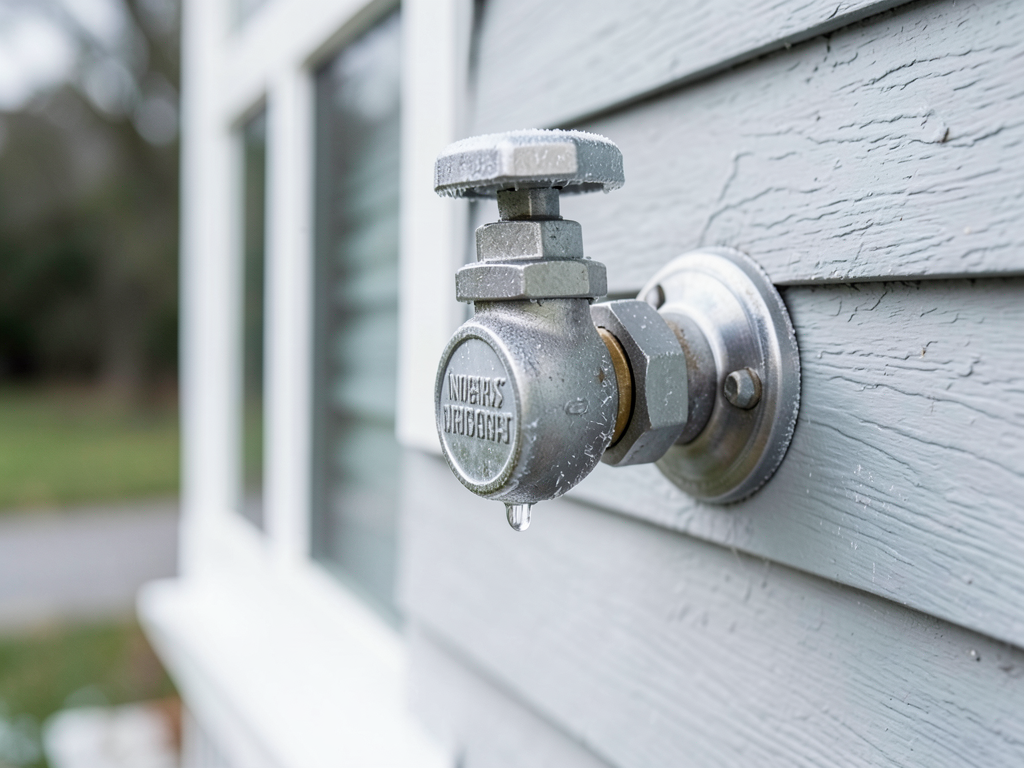
The Hidden Cost of Leaving Your Garden Hose Connected During an Indianapolis Winter Every fall…
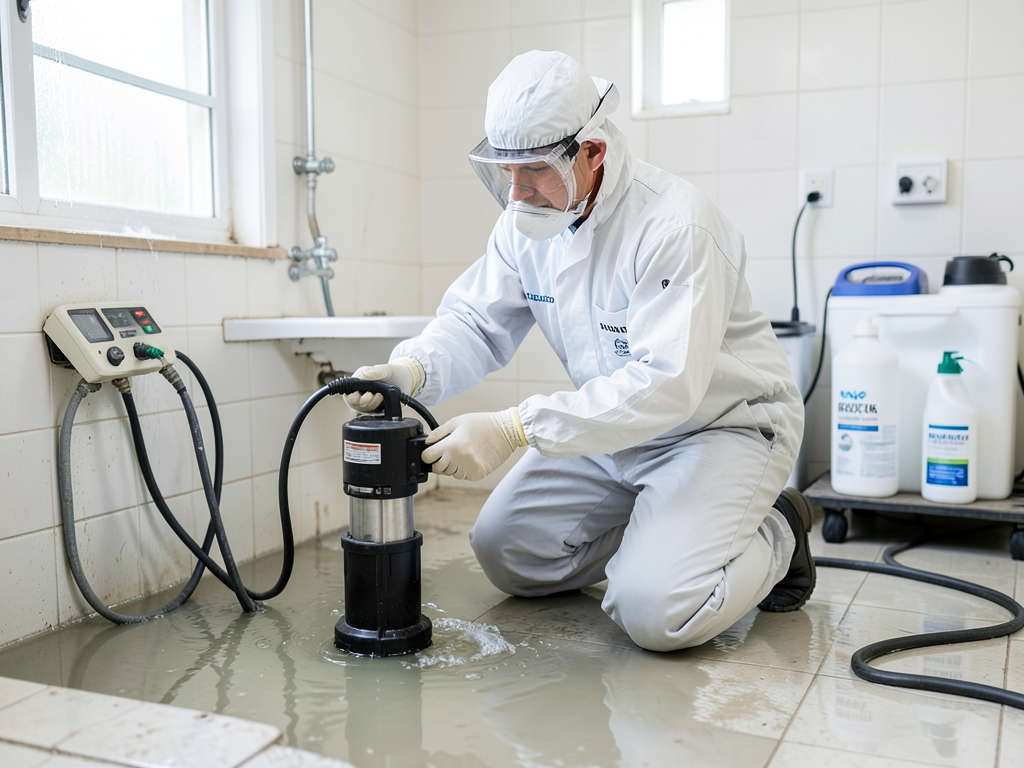
What to Do When Your Toilet Overflows and Drips Through the Ceiling in Fishers Water…
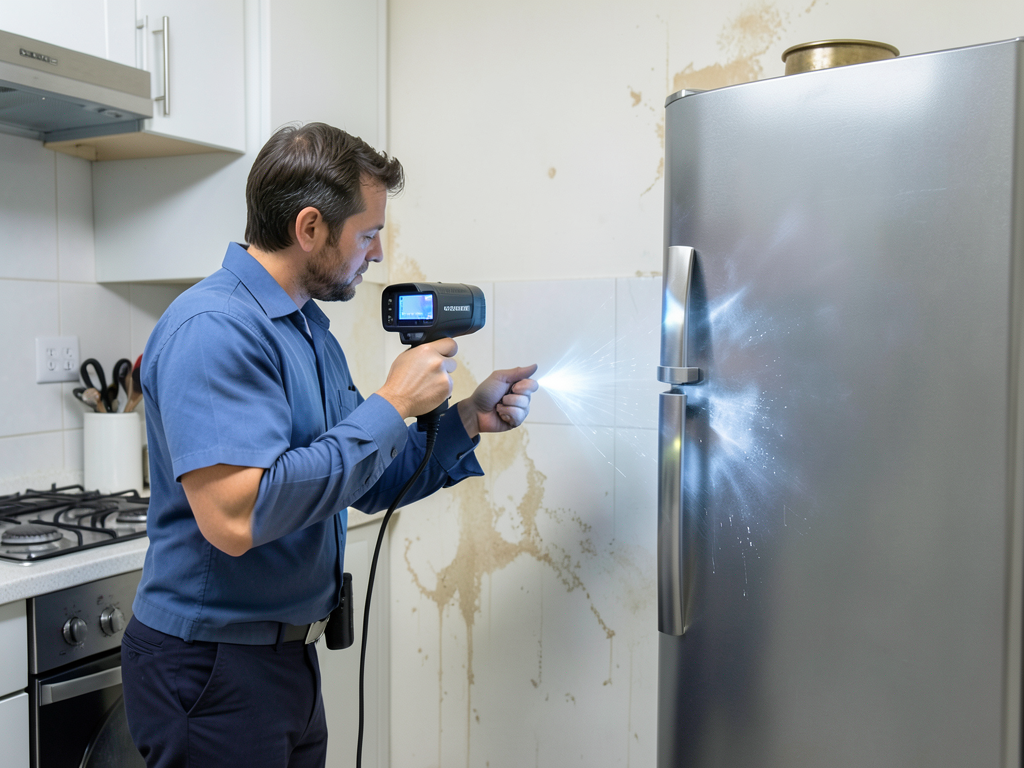
How Your Refrigerator Ice Maker Can Quietly Flood Your Kitchen in Carmel Your refrigerator's ice…
Every hour of delay allows more water absorption, higher restoration costs, and greater mold risk. Our emergency crews are ready to dispatch to your Lebanon property now. Call Apex Water Damage Restoration Indianapolis at (317) 703-7676 for immediate response.