menu

Flood Cleanup & Extraction in Indianapolis – 24/7 Emergency Response Teams Standing By

When floodwater invades your property, every minute counts. Apex Water Damage Restoration Indianapolis deploys certified flood cleanup and extraction crews immediately to stop structural damage, prevent mold growth, and restore your space safely.

Slider Image 1
Slider Image 2
Slider Image 3
Slider Image 4
Slider Image 5
Slider Image 7
Slider Image 8
Slider Image 9
Slider Image 10
Slider Image 11

Why Indianapolis Properties Face Unique Flood Risks

Indianapolis sits at the confluence of the White River and Fall Creek, making flooding a persistent threat for residential and commercial properties across Marion County. When heavy spring rains combine with snowmelt, basements in Broad Ripple, Butler-Tarkington, and Fountain Square experience rapid water intrusion. The clay-heavy soil common throughout central Indiana prevents proper drainage, forcing water toward foundations and into crawl spaces.

Flash flooding from summer storms overwhelms aging storm sewers in older neighborhoods like Irvington and Herron-Morton Place. Water backs up through floor drains and toilet bases, bringing contaminated water into living spaces. The freeze-thaw cycles throughout winter crack foundation walls, creating entry points for groundwater during spring thaw events.

Emergency water extraction becomes critical within the first 24 hours. Standing water wicks into drywall, insulation, and subflooring. Wood framing absorbs moisture and begins to warp. Mold spores activate in humid conditions, spreading through HVAC systems to unaffected areas. Water mitigation services must begin immediately to prevent secondary damage that multiplies restoration expenses.

Flood damage restoration requires more than shop vacuums and fans. Professional water removal services use truck-mounted extraction units that pull thousands of gallons from carpets, padding, and porous materials. Industrial dehumidifiers create controlled drying environments. Moisture meters track hidden water in wall cavities and beneath flooring. Water damage cleanup involves antimicrobial treatment of all affected surfaces to prevent microbial growth.

The longer water sits, the more expensive repairs become. Baseboards separate from walls. Hardwood floors cup and buckle. Electrical systems corrode. Insurance companies scrutinize delayed mitigation efforts, potentially reducing claim payouts for damages that could have been prevented.

Why Indianapolis Properties Face Unique Flood Risks
How Professional Flood Cleanup Works

How Professional Flood Cleanup Works

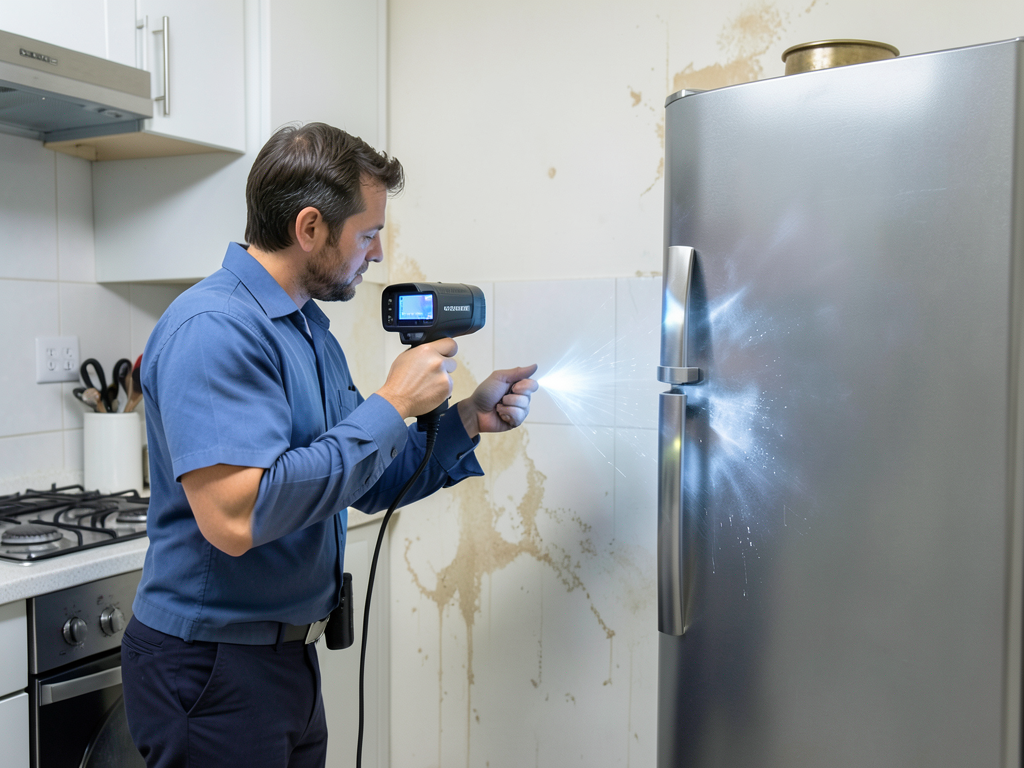
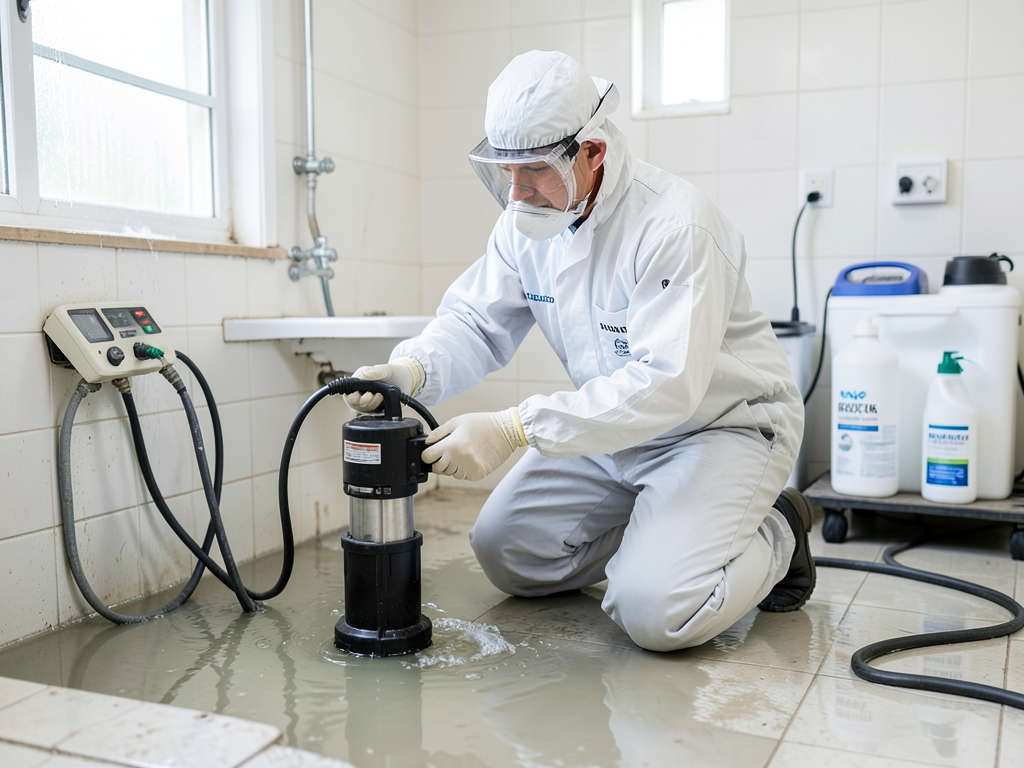
Flood cleanup begins with rapid water extraction using high-capacity submersible pumps and truck-mounted vacuum systems. Our crews arrive with thermal imaging cameras to identify water migration patterns behind walls and under flooring. We map moisture levels throughout the structure to determine the full scope of saturation.

Category classification determines the treatment protocol. Category 1 water from supply line breaks requires standard extraction and drying. Category 2 water from washing machine overflows or sump pump failures contains contaminants requiring antimicrobial treatment. Category 3 water from sewage backups or river flooding demands full demolition of porous materials and intensive disinfection protocols.

We remove unsalvageable materials immediately. Soaked carpet padding, wet insulation, and water-damaged drywall get stripped to the studs. This prevents trapped moisture from feeding mold colonies and allows air circulation to structural components. We document all removed materials with photographs for insurance documentation.

Air movement and dehumidification create the controlled drying environment. We position axial fans to create airflow across wet surfaces while commercial dehumidifiers pull moisture from the air. This creates negative pressure that draws water vapor from wall cavities and subflooring. Refrigerant dehumidifiers work efficiently in temperatures above 60 degrees, while desiccant units handle cold basement environments common in Indianapolis properties.

We monitor drying progress with daily moisture readings using penetrating and non-invasive meters. Wood framing must reach 15 percent moisture content before reconstruction begins. Concrete slabs require vapor emission testing to ensure proper drying before new flooring installation. Our technicians adjust equipment placement based on daily readings to optimize drying speed.

The process typically runs three to five days for minor flooding and up to two weeks for major events. We maintain equipment until all materials reach acceptable moisture levels, preventing callbacks for mold issues months later.

What Happens During Your Flood Cleanup

Flood Cleanup & Extraction in Indianapolis – 24/7 Emergency Response Teams Standing By
01

Immediate Water Removal

Our crews arrive with truck-mounted extraction units and submersible pumps to remove standing water. We extract water from carpets, padding, and hard surfaces using high-powered vacuum systems. Thermal imaging identifies hidden water behind walls and under flooring. We document initial moisture levels throughout affected areas and photograph all damage for insurance claims. Emergency water extraction begins within 60 minutes of your call.
02

Controlled Structural Drying

We position commercial dehumidifiers and air movers to create optimal drying conditions. Axial fans direct airflow across wet surfaces while dehumidifiers pull moisture from the air. We remove soaked insulation, carpet padding, and damaged drywall to expose structural components. Daily moisture readings track drying progress in wood framing, concrete, and subflooring. Equipment runs continuously until all materials reach safe moisture levels.
03

Sanitization and Restoration

Once drying completes, we apply antimicrobial treatments to all affected surfaces. This prevents mold growth and eliminates bacteria from floodwater contamination. We clean and sanitize salvageable contents using specialized techniques. Our crews remove all drying equipment and prepare the space for reconstruction. You receive a detailed moisture report showing final readings that confirm proper drying. The property is ready for rebuilding.

Why Indianapolis Property Owners Choose Apex Water Damage Restoration

Indianapolis properties require flood cleanup teams who understand local construction methods and soil conditions. We work regularly with homes built on the clay-heavy soil throughout Marion County, which creates unique drainage challenges and foundation water intrusion patterns. Our technicians recognize the difference between surface water from overwhelmed storm sewers and groundwater seepage through foundation cracks common in pre-1950s homes throughout Fountain Square and Old Northside.

We maintain relationships with insurance adjusters from every major carrier operating in central Indiana. This familiarity speeds claim processing and reduces disputes over covered damages. Our documentation meets insurance requirements for moisture mapping, material removal justification, and equipment usage logs. You get faster claim approval and fewer coverage battles.

Our response times matter during flood events. We station equipment and crews throughout the Indianapolis metro area for rapid deployment. When the White River floods low-lying areas near Broad Ripple Park or flash floods hit commercial properties along the Keystone corridor, we arrive quickly with the equipment capacity to handle large-scale water removal.

We understand Indianapolis building codes and permit requirements for flood restoration work. Electrical systems exposed to floodwater require inspection before re-energizing. HVAC ductwork contaminated by sewage backup needs replacement, not cleaning. Load-bearing walls damaged by prolonged water exposure need structural engineering evaluation before reconstruction. We coordinate these inspections and incorporate requirements into restoration timelines.

Our technicians hold IICRC certifications in water damage restoration and applied structural drying. This training ensures proper equipment use, appropriate material removal decisions, and effective drying techniques. We follow industry standards for moisture mapping, category classification, and antimicrobial application. Your property gets restored correctly, preventing future problems from improper cleanup methods.

We work directly with your insurance company or provide detailed estimates for out-of-pocket restoration. You receive transparent pricing, clear timelines, and regular communication throughout the cleanup process.

What to Expect During Flood Cleanup

Emergency Response Timeline

We answer calls 24 hours a day, seven days a week, including holidays. Our dispatch center sends the nearest crew to your property within 60 minutes of your call. We arrive with extraction equipment, moisture detection tools, and protective gear ready to begin water removal immediately. Initial assessment and water extraction typically complete within the first four hours. We establish the drying environment on day one, positioning all dehumidifiers and air movers before our crew leaves. You get immediate action when you need it most.

Thorough Property Assessment

Our technicians map your entire property with moisture meters and thermal imaging cameras. We check wall cavities, crawl spaces, and ceiling spaces for hidden water migration. You receive a detailed moisture map showing affected areas and saturation levels. We identify the water source, classify the contamination category, and determine which materials require removal versus drying. This assessment drives our restoration plan and insurance documentation. We explain our findings in clear terms and answer your questions about the scope of work before beginning material removal.

Complete Property Restoration

You get a property dried to industry standards, ready for reconstruction. All structural components reach safe moisture levels verified by daily meter readings. We provide detailed documentation showing initial moisture levels, daily readings during drying, and final measurements proving proper drying. Affected areas receive antimicrobial treatment to prevent future mold growth. Salvageable contents get cleaned and returned to you. We coordinate with your insurance adjuster throughout the process, providing documentation that supports your claim and speeds settlement.

Post-Cleanup Support

After drying completes, we provide a comprehensive moisture report documenting all final readings. This report satisfies insurance requirements and protects you from future liability. We offer guidance on rebuilding decisions and contractor selection. If mold concerns arise during reconstruction, we provide testing and remediation services. Our team remains available to answer questions about the restoration process or address any concerns during rebuilding. You get continued support beyond the initial cleanup, ensuring your property returns to pre-loss condition completely.

Frequently Asked Questions

You Have Questions,
We Have Answers

How much does flood removal cost? +

Flood removal costs in Indianapolis vary based on water category, affected square footage, and extraction complexity. Class 1 flooding (minimal absorption) typically costs less than Class 4 (deep saturation into hardwood or stone). Expect costs to increase if sewage contamination is present, requiring specialized disposal. Basement flooding averages differently than main-floor water intrusion due to access and dehumidification needs. Most Indianapolis homeowners pay between modest and significant amounts depending on structural drying time. Emergency extraction within the first 24 hours reduces total costs by preventing secondary mold damage. Always request an on-site assessment before work begins to understand your specific situation and potential insurance coverage.

How much does it cost to clean a basement after a flood? +

Basement flood cleanup in Indianapolis depends on water source, square footage, and saturation depth. Clean water from burst pipes costs less than contaminated floodwater carrying soil and debris from White River overflow events. Concrete basements dry faster than finished spaces with drywall and carpeting. You will pay more if mold remediation becomes necessary after 48 hours of standing water. Most Indianapolis basements require industrial dehumidifiers running three to five days. The cost includes water extraction, antimicrobial treatment, debris removal, and structural drying. Get an inspection within hours of discovery to minimize damage and control expenses. Insurance may cover costs depending on your policy and flood source.

How much does Servpro charge to clean a basement? +

Servpro pricing varies by franchise location, damage extent, and service scope. Indianapolis-area rates differ from national averages. They typically charge for extraction equipment, labor hours, dehumidification days, and antimicrobial applications. You may see additional fees for content pack-out, storage, or reconstruction coordination. Request a detailed written estimate before authorizing work. Compare multiple local water damage companies to understand fair pricing for your situation. Many Indianapolis restoration firms offer comparable service quality at different price points. Focus on response time, equipment quality, and IICRC certification rather than brand name alone. Ask about direct insurance billing to simplify the claims process and payment timeline.

Does flood insurance pay for clean-up? +

Flood insurance through NFEMA covers structural cleanup and repairs from rising water events. Your policy includes debris removal, water extraction, and drying services up to your coverage limits. Standard policies cover building structure and systems separately from personal belongings. You must file claims within 60 days of flood damage. Document everything with photos before cleanup begins. Flood insurance does not cover additional living expenses while your Indianapolis home is uninhabitable. Coverage excludes moisture or mold discovered more than 72 hours after the flood event ends. Review your declarations page to understand deductibles and coverage caps. Most Indianapolis properties near Fall Creek or Eagle Creek qualify for flood insurance.

Is flood damage covered under homeowners insurance? +

Standard homeowners insurance excludes flood damage from external water sources like river overflow, storm surge, or ground saturation. Your policy covers burst pipes, appliance malfunctions, and roof leaks if damage is sudden and accidental. Indianapolis homeowners near floodplains need separate NFEMA flood insurance for rising water events. Review your policy exclusions carefully. Water backup coverage can be added as an endorsement to cover sump pump failures or sewer backups common in older Indianapolis neighborhoods. Insurance adjusters distinguish between flood and water damage based on the source. Interior water damage from storms may be covered under wind-driven rain provisions. Contact your agent immediately after any water intrusion.

How much does it cost to lift a house in a flood zone? +

House lifting in Indianapolis flood zones requires engineering assessments, foundation excavation, hydraulic jacks, and new foundation construction. Costs vary dramatically based on home size, foundation type, and elevation height needed. Single-story homes cost less than multi-story structures. You will pay more for homes with basements, attached garages, or complex utility disconnections. Indianapolis soil conditions and frost line depth affect foundation work. Permits, inspections, and temporary relocation add to total expenses. NFEMA may provide grants for flood mitigation if you meet income and risk requirements. Most Indianapolis homeowners explore flood vents, sump systems, or drainage improvements as more affordable alternatives. Consult structural engineers before committing to elevation projects.

Will insurance pay for a flooded basement? +

Basement flooding coverage depends on the water source. Homeowners insurance covers sudden pipe bursts, water heater failures, or appliance leaks in Indianapolis homes. It excludes groundwater seepage, sewer backups, or surface water intrusion without additional endorsements. You need separate flood insurance for rising water from White River or Eagle Creek events. Sump pump failure coverage requires a specific endorsement on your policy. Insurance adjusters investigate the cause before approving claims. Document damage immediately with photos and videos. Many Indianapolis homeowners discover coverage gaps after flooding occurs. Review your policy annually and add water backup coverage if you have a basement. File claims within your policy timeframe to avoid denial.

How much does it cost to finish a 2000 sq ft basement? +

Basement finishing costs are unrelated to flood cleanup services. However, if you are rebuilding after flood damage in Indianapolis, finishing a 2000 square foot basement involves framing, drywall, flooring, electrical, plumbing, and HVAC work. Costs vary based on material quality, bathroom additions, and egress window requirements. Indianapolis building codes require proper moisture barriers and flood-resistant materials in flood-prone areas. Many homeowners choose vinyl plank flooring and mold-resistant drywall after experiencing basement flooding. Consider water damage prevention measures like interior drainage systems and battery backup sump pumps before finishing. Professional restoration companies can coordinate rebuilding after water damage. Focus on flood prevention first to protect your investment.

How much should I charge to deep clean a 1000 sq ft house? +

Deep cleaning rates for residential homes differ entirely from flood cleanup services. Flood extraction requires industrial equipment, antimicrobial treatments, and structural drying unavailable through house cleaning services. Water damage restoration involves IICRC-trained technicians, moisture mapping, and dehumidification monitoring. Do not confuse routine cleaning with emergency water removal. If you experienced flooding in your Indianapolis home, you need specialized restoration services, not a cleaning company. Standard house cleaners lack the equipment and training for water extraction, sewage remediation, or mold prevention. Focus on finding certified water damage professionals who respond 24/7. Time matters critically in flood situations. Every hour of delay increases damage severity and total restoration costs.

How long does it take to deep clean a 2000 sq ft house? +

Deep cleaning timeframes are irrelevant to flood restoration work. Water damage requires immediate extraction, not scheduled cleaning appointments. Flood cleanup in Indianapolis demands 24-hour emergency response to prevent mold growth and structural damage. Restoration teams work continuously until moisture levels return to normal, typically three to seven days depending on saturation levels. Industrial air movers and dehumidifiers run around the clock. You cannot simply clean up flood water with household methods. Standing water penetrates subflooring, wall cavities, and insulation within hours. Professional water extraction removes thousands of gallons using truck-mounted pumps. Contact certified restoration specialists immediately after discovering flooding. Do not wait or attempt DIY cleanup for significant water intrusion events.

How Indianapolis Soil and Drainage Patterns Increase Flood Cleanup Urgency

The clay-based soil throughout Marion County creates poor drainage conditions that trap water near foundations. When heavy rains saturate the ground, water has nowhere to go except into basements and crawl spaces. This soil type also causes foundation settling and cracking over time, creating pathways for groundwater intrusion. Properties in low-lying areas near the White River, Fall Creek, and Pleasant Run face additional risk from rising water tables during wet seasons. Emergency water extraction must begin immediately because the clay soil keeps ground saturated for days after rain events end, creating continuous pressure against foundation walls and prolonging water intrusion.

Indianapolis properties built before 1970 often lack proper foundation waterproofing and modern drainage systems. Historic neighborhoods like Irvington, Cottage Home, and Woodruff Place contain homes with limestone foundations that absorb water readily. Our crews understand these construction patterns and adjust restoration approaches accordingly. We work with local building inspectors who know Indianapolis code requirements for flood-damaged properties. This local expertise ensures your restoration meets all permit requirements and passes final inspections. Choosing a water damage restoration company familiar with Indianapolis construction methods, soil conditions, and local regulations produces better outcomes and fewer complications during insurance claims and rebuilding.
Water Damage Restoration Services in The Indianapolis Area

We are proud to serve the entire Indianapolis area and surrounding communities, providing rapid-response water damage restoration right where you need it most. Our central location allows us to deploy our 24/7 emergency teams quickly across the region. View our service area on the map below and remember that wherever you are in the Indianapolis metropolitan area, Apex Water Damage Restoration Indianapolis is ready to deliver expert and trustworthy service to secure your home or business.

Address:
Apex Water Damage Restoration Indianapolis, 6767 E Washington St, Indianapolis, IN, 46219

Additional Services We Offer

Our news updates

Latest Articles & News from The Blogs

Is Crawl Space Encapsulation Worth the Investment for Your Home in Wynnedale? Crawl space encapsulation can save Wynnedale homeowners thousands…

Is Crawl Space Encapsulation Worth the Investment for Your Home in Wynnedale?

Is Crawl Space Encapsulation Worth the Investment for Your Home in Wynnedale? Crawl space encapsulation can save Wynnedale homeowners thousands…

How to Decide Which Water Damaged Items to Keep and Which to Throw Away

How to Decide Which Water Damaged Items to Keep and Which to Throw Away When water floods your Indianapolis home…

Battery Backup vs Water Powered Sump Pumps for Your Near Eastside Basement

Why Your Near Eastside Basement Needs a Reliable Backup Sump Pump Living in the Near Eastside means dealing with Indianapolis's…

Contact Us

Floodwater causes permanent damage within hours. Our crews are ready to respond immediately with professional extraction equipment and drying systems. Call Apex Water Damage Restoration Indianapolis now at (317) 703-7676. We answer 24/7 and arrive within 60 minutes to stop the damage.