menu

Hardwood Floor Water Damage in Indianapolis – Expert Restoration That Saves Your Investment

Specialized moisture extraction and drying protocols designed specifically for Indianapolis's wet hardwood flooring challenges, preventing permanent cupping, warping, and mold growth in your most valuable floors.

Slider Image 1
Slider Image 2
Slider Image 3
Slider Image 4
Slider Image 5
Slider Image 7
Slider Image 8
Slider Image 9
Slider Image 10
Slider Image 11

Why Indianapolis Hardwood Floors Face Unique Water Damage Risks

Indianapolis sits in a humid continental climate zone where seasonal temperature swings create perfect conditions for hardwood floor water damage. Summer humidity hovers between 70 and 80 percent, causing wood to absorb moisture from the air. When water intrusion happens, wet hardwood flooring pulls in moisture faster than in drier climates.

The city's clay-heavy soil shifts with freeze-thaw cycles. This movement cracks foundation walls and floors, creating pathways for groundwater to seep into basements where many Indianapolis homes feature finished hardwood. When you see hardwood floor cupping or boards that crown in the center, that usually means moisture entered from below.

Historic neighborhoods like Fountain Square and Broad Ripple feature older homes with original hardwood. These floors lack modern moisture barriers. A burst pipe, roof leak, or sump pump failure means water damaged wood floors within hours. The finish acts like a sponge, trapping water between boards and the subfloor.

Most homeowners notice warping too late. You walk across the floor and feel a slight give. Boards start to separate. That gap means moisture is already deep in the wood structure. Drying hardwood floors requires industrial equipment, not box fans. Surface drying leaves subsurface moisture that causes permanent damage and mold growth within 48 hours.

Wood floor water damage repair in Indianapolis must account for the specific species used in local construction. Red oak and maple dominate older homes. Each species has different moisture absorption rates. A generic approach fails because the wood reacts differently to extraction methods.

Why Indianapolis Hardwood Floors Face Unique Water Damage Risks
The Science Behind Effective Hardwood Floor Water Extraction

The Science Behind Effective Hardwood Floor Water Extraction

Proper wood floor water damage repair starts with moisture mapping using thermal imaging and pin meters. We measure moisture content at multiple depths, not just surface readings. Hardwood should register between 6 and 9 percent moisture content. Water damaged wood floors often spike to 20 percent or higher.

Extraction happens in phases. First, we remove standing water using truck-mounted extractors that pull moisture through negative pressure. This prevents water from migrating deeper into the subfloor. Standard wet vacs push water down into the wood grain, making the problem worse.

Drying hardwood floors requires controlled dehumidification. We establish drying chambers using air movers positioned at specific angles to create airflow without over-drying. Too much heat causes the wood to shrink rapidly, creating permanent gaps. Too little airflow leaves trapped moisture that feeds mold colonies.

Hardwood floor cupping happens when the bottom of the board absorbs more moisture than the top. The edges rise higher than the center. Crowning is the opposite. Both indicate improper drying. We monitor moisture gradients every 12 hours, adjusting equipment placement based on readings.

Subfloor assessment determines whether we can save your hardwood. If the plywood or OSB underneath shows delamination or black mold growth, we remove affected sections before drying the hardwood. Skipping this step means the contamination migrates back into your restored floor within weeks.

Apex Water Damage Restoration Indianapolis uses low-grain refrigerant dehumidifiers that remove moisture without raising ambient temperature. This prevents the thermal shock that causes boards to crack. Our drying protocols match the specific wood species and finish type in your home.

What Happens During Professional Hardwood Restoration

Hardwood Floor Water Damage in Indianapolis – Expert Restoration That Saves Your Investment
01

Initial Damage Assessment

We arrive within hours of your call and map the affected area using infrared cameras to detect hidden moisture. Pin meters measure moisture content in the hardwood, subfloor, and wall base. This data determines whether your floor is salvageable or requires replacement. We document everything for your insurance claim, including photos of moisture readings, visible damage, and the water source.
02

Controlled Moisture Removal

Industrial extraction equipment removes standing water without damaging the wood surface. We position air movers and dehumidifiers to create consistent airflow across the entire floor. Drying happens gradually over 3 to 7 days, depending on the saturation level. We check moisture readings twice daily and adjust equipment to prevent over-drying. Rapid drying causes more damage than the original water intrusion.
03

Final Inspection and Prevention

Once moisture content returns to normal ranges, we inspect for residual cupping, mold growth, or structural damage. Minor cupping often corrects itself as the wood acclimates. Severe cases require sanding and refinishing after complete drying. We provide a detailed report showing before and after moisture readings, plus recommendations to prevent future water damage. This documentation is critical for insurance claims.

Why Indianapolis Homeowners Choose Local Water Damage Specialists

National franchise operations follow generic protocols that ignore Indianapolis's specific construction methods. Homes built before 1960 in neighborhoods like Irvington and Butler-Tarkington use tongue-and-groove hardwood installed over skip-sheathing, not plywood. This construction type requires different drying techniques.

We understand local building codes and permit requirements. Any structural work related to water damage requires inspection by the Department of Code Enforcement. Out-of-town companies miss these requirements, creating liability issues when you sell your home.

Indianapolis experiences dramatic weather shifts. A 40-degree temperature drop in 24 hours is common between October and April. This affects how quickly we need to respond to water damage. Frozen pipes burst on weekends when temperatures plummet. We staff local technicians who live in Marion County and surrounding areas, cutting response time to under two hours.

Insurance claims in Indiana follow specific documentation standards. We work directly with adjusters from State Farm, Nationwide, and other carriers with large Indianapolis customer bases. Our reports include the thermal imaging, moisture logs, and equipment placement diagrams that local adjusters expect. This speeds up claim approval and gets you paid faster.

Apex Water Damage Restoration Indianapolis keeps industrial drying equipment staged locally. Franchise operations ship equipment from regional hubs, adding 24 to 48 hours before drying starts. That delay turns salvageable hardwood into a replacement project.

We know which hardwood suppliers in Indianapolis stock red oak and maple that match the grain patterns in older homes. When replacement is necessary, we source materials that blend with your existing floor. National companies use whatever the big box stores carry, creating visible patches that hurt your home's value.

What to Expect When You Call for Hardwood Floor Water Damage Help

Emergency Response Timeline

We dispatch technicians within two hours of your call, 24 hours a day. Our trucks carry extraction equipment, air movers, dehumidifiers, and moisture detection tools. You will have equipment running within three hours of initial contact. We operate on weekends, holidays, and overnight because water damage does not wait for business hours. The faster we start drying, the more likely we can save your hardwood floor and prevent secondary damage like mold growth or subfloor rot.

Complete Moisture Analysis

Our initial assessment takes 30 to 45 minutes. We use thermal imaging to find hidden moisture in walls, subfloors, and adjacent rooms. Pin meters measure moisture content at multiple points across the affected area. You receive a written report with moisture readings, photos, and a scope of work. This documentation goes directly to your insurance company. We explain what equipment we will use, how long drying will take, and what results you can expect.

Restoration Quality Standards

Your hardwood floor must return to its pre-loss moisture content before we consider the job complete. We do not remove equipment based on time estimates. We remove equipment when moisture readings confirm the wood, subfloor, and wall bases have dried completely. Minor cupping often self-corrects within two weeks as the wood acclimates. If cupping persists, we coordinate sanding and refinishing after complete drying. You receive final moisture readings and photos showing the restored floor.

Post-Restoration Monitoring

We schedule a follow-up inspection 30 days after equipment removal to check for latent issues. Hardwood continues to acclimate for weeks after initial drying. This visit catches any minor warping or separation before it becomes a major problem. You receive a final report confirming your floor has stabilized. We also identify the original water source and provide recommendations to prevent future damage, whether that means fixing foundation drainage, upgrading sump pumps, or repairing leaking appliances.

Frequently Asked Questions

You Have Questions,
We Have Answers

Can hardwood floors be repaired after water damage? +

Yes, hardwood floors can often be repaired after water damage, depending on severity and response time. Minor surface moisture may require drying and refinishing. Deeper saturation can cause cupping, crowning, or buckling that needs board replacement. Indianapolis homes with older oak or maple flooring respond better to restoration than engineered products. A professional assessment within 24 to 48 hours determines if repair or replacement is needed. Factors include water type (clean versus sewage), exposure duration, and subfloor condition. Quick action prevents permanent warping and mold growth under the planks.

What to do if water gets under hardwood floors? +

If water gets under hardwood floors, act immediately. First, stop the source and remove standing water with a wet vacuum. Pull up affected flooring sections to expose the subfloor and joists. Indianapolis homes often have crawl spaces or basements that trap moisture, creating mold risk. Use commercial air movers and dehumidifiers to dry the subfloor completely before reinstalling planks. Check for mold growth on joists and treat with antimicrobial solutions. Document damage for insurance claims. Do not wait. Trapped moisture warps wood and breeds mold within 48 hours in humid conditions.

What happens to hardwood floors when they get wet? +

When hardwood floors get wet, wood fibers absorb moisture and expand. This causes cupping, where plank edges rise higher than centers. Prolonged exposure leads to crowning, where centers swell above edges. You may see discoloration, dark stains, or grayish tinting. Indianapolis homes with solid hardwood experience swelling faster than engineered products. The finish cracks or peels. Nails loosen as boards shift. Subfloor adhesive fails. If water sits beyond 24 hours, mold colonizes underneath. The wood loses structural integrity. Quick extraction and drying minimize permanent damage and costly replacement.

How to flatten a wood floor after water damage? +

Flattening a wood floor after water damage requires professional drying and acclimation. Remove all moisture with industrial dehumidifiers and air movers for seven to ten days. Monitor moisture content with a meter until it matches surrounding wood. Indianapolis humidity fluctuates seasonally, so acclimate boards to local conditions. Minor cupping may self-correct as wood dries and contracts. Severe warping requires sanding or board replacement. Never sand immediately after drying. Wait two to four weeks for full stabilization. Force-flattening wet wood causes cracking. Patience and controlled drying restore flatness without creating new problems.

How much does it cost to repair a water-damaged hardwood floor? +

Repairing water-damaged hardwood floors varies widely by severity and scope. Minor surface drying and refinishing may cost less than replacing several warped boards. Full room replacements with subfloor repairs run significantly higher. Indianapolis pricing reflects labor rates, material type, and accessibility. Factors include water exposure time, contamination level, and finish matching. Insurance may cover sudden incidents like burst pipes but not gradual leaks. Get three written estimates. Avoid quotes without moisture testing or subfloor inspection. Cost depends on whether you need drying, board replacement, sanding, or complete reinstallation.

Can mold grow under hardwood floors? +

Yes, mold grows under hardwood floors when moisture persists beyond 48 hours. Dark, damp subfloors create ideal conditions for spore colonization. Indianapolis homes with crawl spaces or poor ventilation face higher risk. Mold feeds on wood fibers, paper backing, and organic debris. You may notice musty odors, black staining on joist undersides, or visible growth when planks are lifted. Health risks include respiratory irritation and allergic reactions. Professional remediation requires removing affected boards, treating joists with antimicrobial solutions, and drying the subfloor completely before reinstalling flooring.

Will a one-time water leak cause mold? +

A one-time water leak can cause mold if moisture remains trapped for 24 to 48 hours. Mold spores exist everywhere and only need water, warmth, and organic material to colonize. Indianapolis humidity accelerates growth, especially in basements or crawl spaces. Even a small leak under hardwood floors creates hidden saturation. If you dry the area completely within 24 hours, mold risk drops significantly. However, water often seeps into subfloors and wall cavities unnoticed. Professional moisture testing confirms complete drying. Do not assume visible drying means hidden areas are safe.

Is there a way to reverse water damage on wood? +

Reversing water damage on wood depends on timing and severity. Surface moisture caught early can be dried and refinished without lasting effects. Deep saturation causing warping, cupping, or mold requires board replacement. You cannot reverse structural fiber breakdown or mold contamination. Indianapolis homes with solid hardwood have better restoration odds than engineered products. Professional drying, sanding, and refinishing restore appearance if wood integrity remains. Stains may lighten with oxalic acid treatment. However, buckled or rotted boards cannot be salvaged. Quick response within hours determines whether you repair or replace.

What do water damaged hardwood floors look like? +

Water-damaged hardwood floors show cupping, where plank edges curl upward. You may see crowning, where centers bulge higher than edges. Dark stains, grayish discoloration, or white spots indicate moisture penetration. The finish appears cloudy, cracked, or peeling. Boards feel spongy underfoot or squeak excessively. Gaps widen between planks as wood swells then contracts. Indianapolis homes with older finishes show faster deterioration. Mold appears as black or green spotting. Severe damage includes buckling, where entire sections lift from the subfloor. Musty odors signal hidden moisture and microbial growth.

How long can water sit on a hardwood floor? +

Water should not sit on hardwood floors for more than a few minutes. Surface moisture begins penetrating within 10 to 15 minutes. After one hour, absorption accelerates. Beyond 24 hours, cupping, staining, and mold growth become likely. Indianapolis homes with high humidity see faster damage. Polyurethane finishes offer limited protection but do not make floors waterproof. Standing water for 48 hours almost guarantees warping and subfloor damage. Extract water immediately with towels or a wet vacuum. Use fans and dehumidifiers to dry completely. Every minute counts in preventing permanent damage.

How Indianapolis's Seasonal Flooding Patterns Accelerate Hardwood Floor Damage

Indianapolis averages 42 inches of precipitation annually, with peak rainfall in May and June. The White River and Fall Creek flood their banks during heavy rain events, saturating the water table across Marion County. Homes in low-lying areas near Broad Ripple, Rocky Ripple, and areas south of downtown experience basement seepage that wicks up into hardwood floors. The clay soil common throughout central Indiana holds water instead of draining it away. This creates hydrostatic pressure against foundation walls, forcing groundwater through cracks and flooding basements where many Indianapolis families have finished living spaces with hardwood floors.

Indianapolis enforces specific building codes for water damage restoration that require documentation of moisture levels before and after remediation. Local contractors familiar with Marion County inspection standards ensure your restoration meets code requirements. This matters when you file insurance claims or sell your home. Out-of-town companies miss these local nuances, creating compliance issues. Apex Water Damage Restoration Indianapolis maintains relationships with local building inspectors and insurance adjusters, streamlining the approval process. We understand which neighborhoods have older homes with unique hardwood installations and which areas face recurring flooding issues that require enhanced prevention strategies.
Water Damage Restoration Services in The Indianapolis Area

We are proud to serve the entire Indianapolis area and surrounding communities, providing rapid-response water damage restoration right where you need it most. Our central location allows us to deploy our 24/7 emergency teams quickly across the region. View our service area on the map below and remember that wherever you are in the Indianapolis metropolitan area, Apex Water Damage Restoration Indianapolis is ready to deliver expert and trustworthy service to secure your home or business.

Address:
Apex Water Damage Restoration Indianapolis, 6767 E Washington St, Indianapolis, IN, 46219

Additional Services We Offer

Our news updates

Latest Articles & News from The Blogs

The Hidden Cost of Leaving Your Garden Hose Connected During an Indianapolis Winter Every fall Indianapolis homeowners face the same…

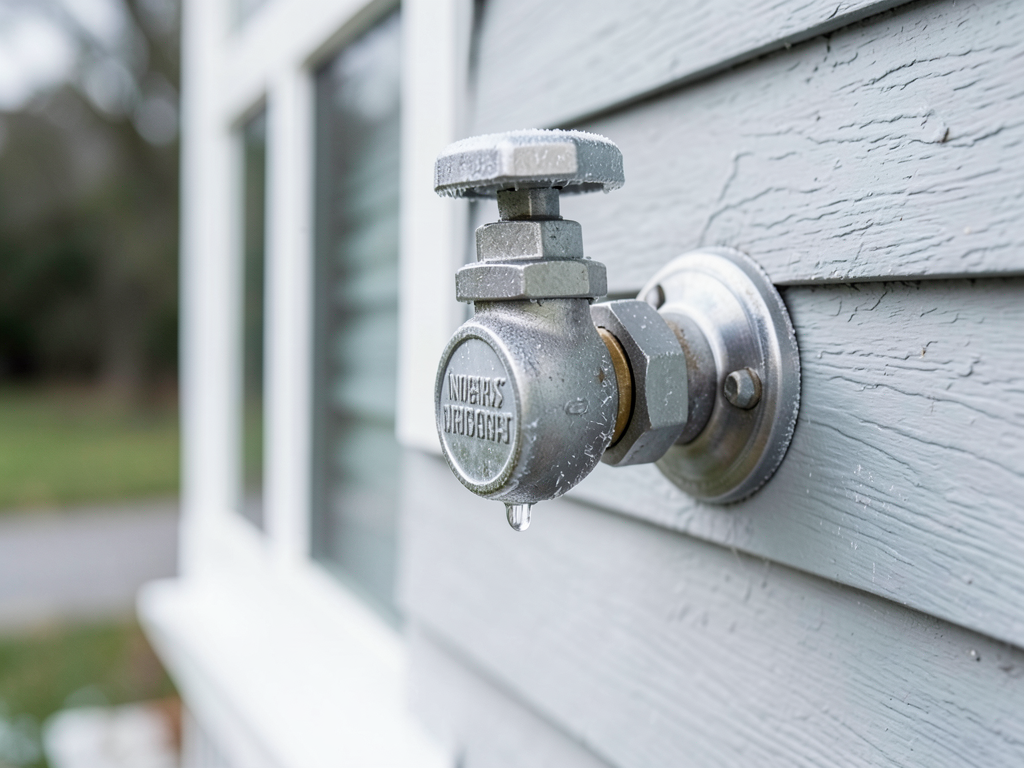
The Hidden Cost of Leaving Your Garden Hose Connected During an Indianapolis Winter

The Hidden Cost of Leaving Your Garden Hose Connected During an Indianapolis Winter Every fall Indianapolis homeowners face the same…

What to Do When Your Toilet Overflows and Drips Through the Ceiling in Fishers

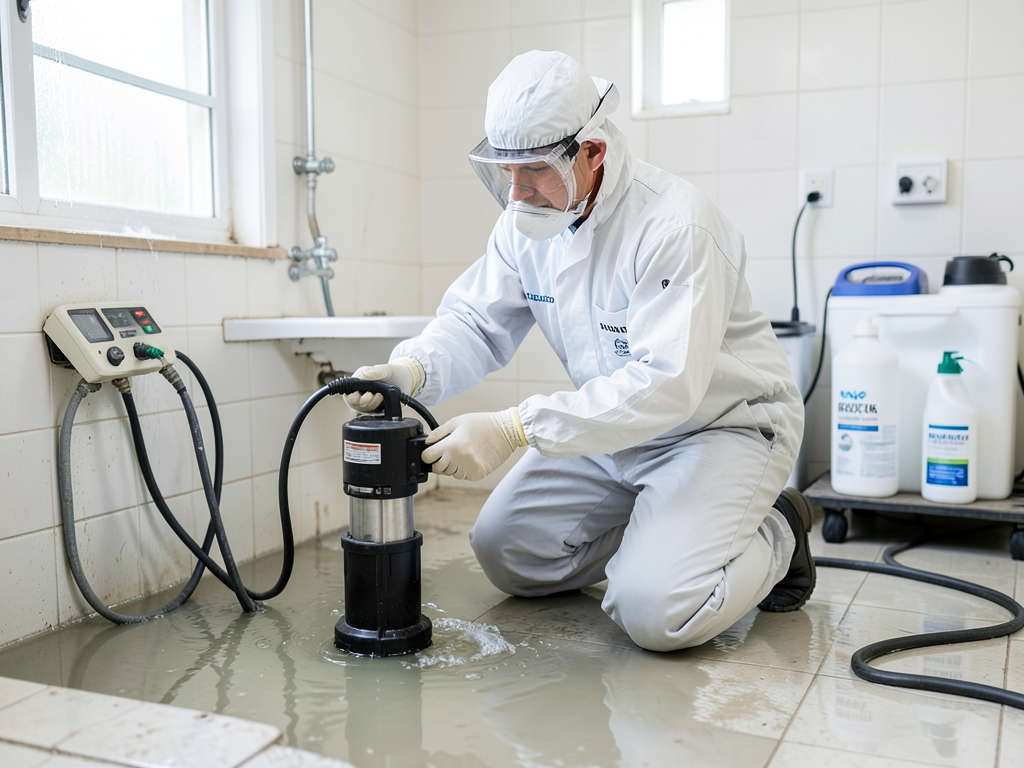
What to Do When Your Toilet Overflows and Drips Through the Ceiling in Fishers Water from a toilet overflow creates…

How Your Refrigerator Ice Maker Can Quietly Flood Your Kitchen in Carmel

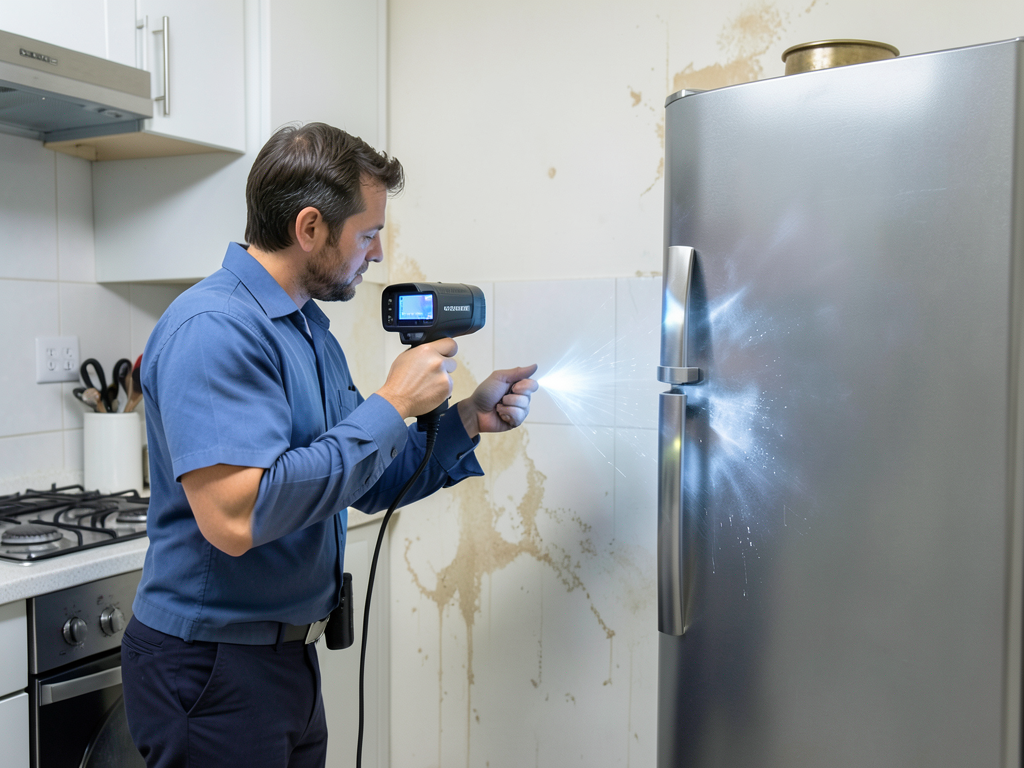
How Your Refrigerator Ice Maker Can Quietly Flood Your Kitchen in Carmel Your refrigerator's ice maker can leak for weeks…

Contact Us

Water spreads through hardwood in hours. Mold grows within 48 hours. Every minute counts. Call Apex Water Damage Restoration Indianapolis at (317) 703-7676 right now. Our crews are standing by with industrial drying equipment. We will have your floors drying before dinner time.