menu

Crawl Space Cleanup & Encapsulation in Indianapolis | Permanent Moisture Control and Structural Protection

Professional crawl space remediation that eliminates humidity damage, stops mold growth, and protects your foundation from Indianapolis's freeze-thaw cycles and seasonal water intrusion.

Slider Image 1
Slider Image 2
Slider Image 3
Slider Image 4
Slider Image 5
Slider Image 7
Slider Image 8
Slider Image 9
Slider Image 10
Slider Image 11

Why Indianapolis Crawl Spaces Fail Without Proper Encapsulation

Indianapolis sits in a high water table zone with clay-heavy soil that expands when wet and contracts when dry. This constant movement cracks foundation walls and creates gaps where groundwater seeps into crawl spaces. Add in our humid summers and freeze-thaw cycles that repeat 30 to 40 times each winter, and you get the perfect environment for crawl space failure.

Vented crawl spaces, common in homes built before 2000, pull humid outdoor air into the space during summer. That moisture condenses on cool floor joists and ductwork, creating ideal conditions for mold colonization and wood rot. In winter, those same vents let frigid air in, freezing any standing water and causing pipe bursts.

The clay soil around Indianapolis also holds water against foundation walls after heavy rain. Without proper crawl space waterproofing, hydrostatic pressure forces that water through cracks and porous concrete. Over time, you get standing water, damaged insulation, and compromised structural members.

Most homeowners notice the problem when they see sagging floors, smell musty odors upstairs, or find their energy bills climbing. These symptoms signal that your crawl space has become a humidity chamber that is actively damaging your home. Crawl space sealing services and vapor barrier installation address the root cause by creating a controlled environment that blocks moisture at every entry point.

The longer you wait, the more expensive the fix becomes. What starts as minor moisture intrusion becomes full crawl space restoration once floor joists rot and mold spreads to living areas.

Why Indianapolis Crawl Spaces Fail Without Proper Encapsulation
How Professional Crawl Space Encapsulation Stops Water Damage

How Professional Crawl Space Encapsulation Stops Water Damage

Crawl space encapsulation is not just laying down plastic sheeting. It is a multi-layer system that transforms your crawl space into a dry, conditioned zone that protects your home's structure.

We start with complete water removal and debris extraction. Any standing water gets pumped out, damaged insulation gets torn out, and contaminated materials get bagged and removed. You cannot encapsulate over existing moisture or compromised materials.

Next, we address active water intrusion. If groundwater enters through foundation cracks or failed mortar joints, we install a perimeter drainage system with a sump pump. This captures water before it pools on the crawl space floor. For homes with significant hydrostatic pressure, we add exterior waterproofing membrane to foundation walls.

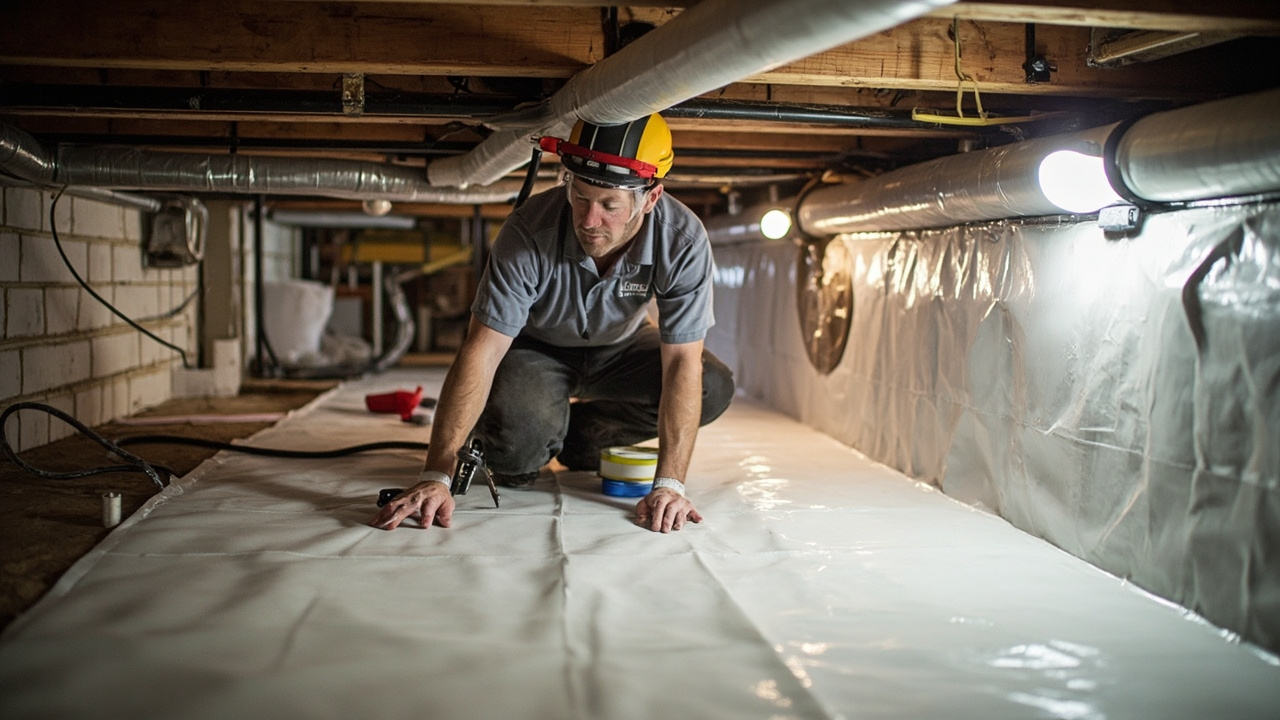
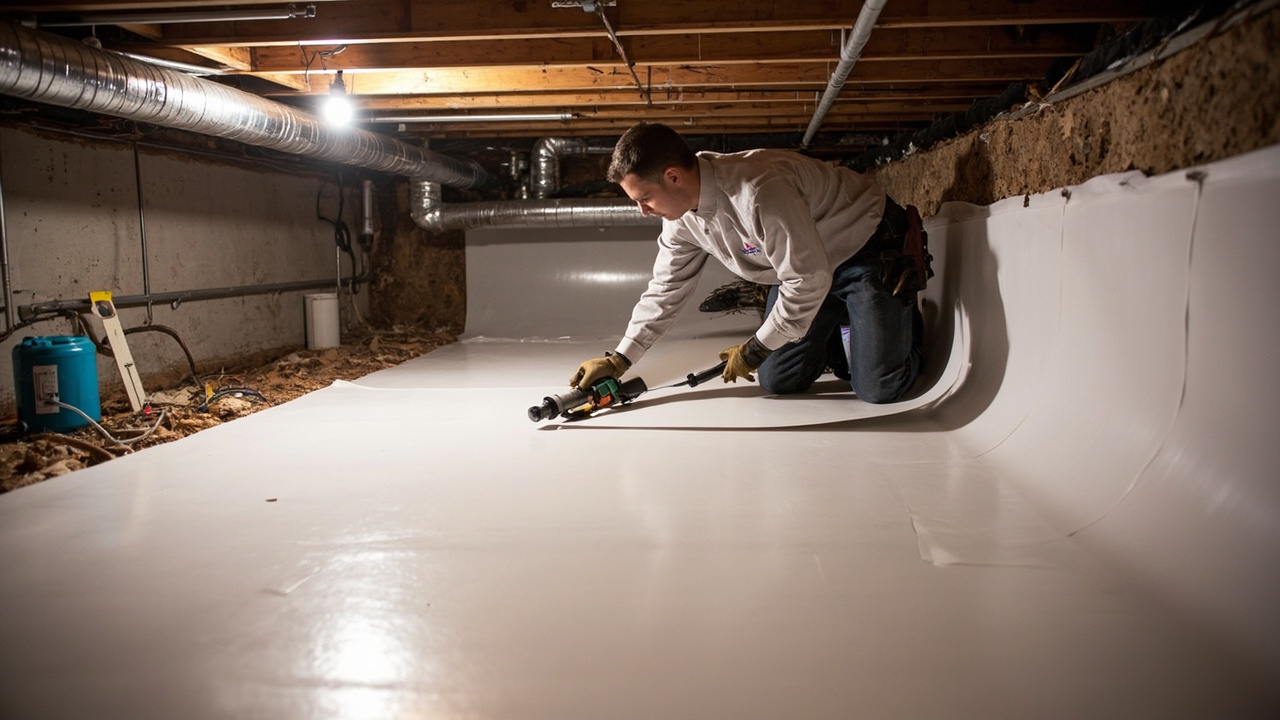
The vapor barrier is the core component. We use reinforced polyethylene sheeting, typically 10 to 20 mil thick, that gets fastened to foundation walls and sealed at every seam with waterproof tape. The barrier covers the entire floor and runs six to eight inches up the walls, creating a continuous moisture shield. Cheap barriers tear easily and allow ground moisture to pass through.

We seal all crawl space vents permanently. Open vents defeat the purpose of encapsulation by allowing humid outdoor air inside. We also insulate foundation walls with closed-cell foam board, which adds an R-value and stops condensation on cold concrete.

Finally, we install a commercial-grade dehumidifier designed for crawl spaces. This unit maintains relative humidity below 55 percent, the threshold where mold cannot grow. The system ties into your home's drainage so you never empty a bucket.

What Happens During Your Crawl Space Transformation

Crawl Space Cleanup & Encapsulation in Indianapolis | Permanent Moisture Control and Structural Protection
01

Complete Inspection and Moisture Assessment

Our technician enters your crawl space with moisture meters, thermal imaging cameras, and air quality monitors to identify every water source and damage zone. We document the condition of floor joists, insulation, and foundation walls. We measure relative humidity levels and check for mold growth. You get a detailed report with photos that shows exactly what needs repair before encapsulation begins. This diagnostic phase prevents future callbacks and ensures we address underlying problems.
02

Water Removal and Structural Repair

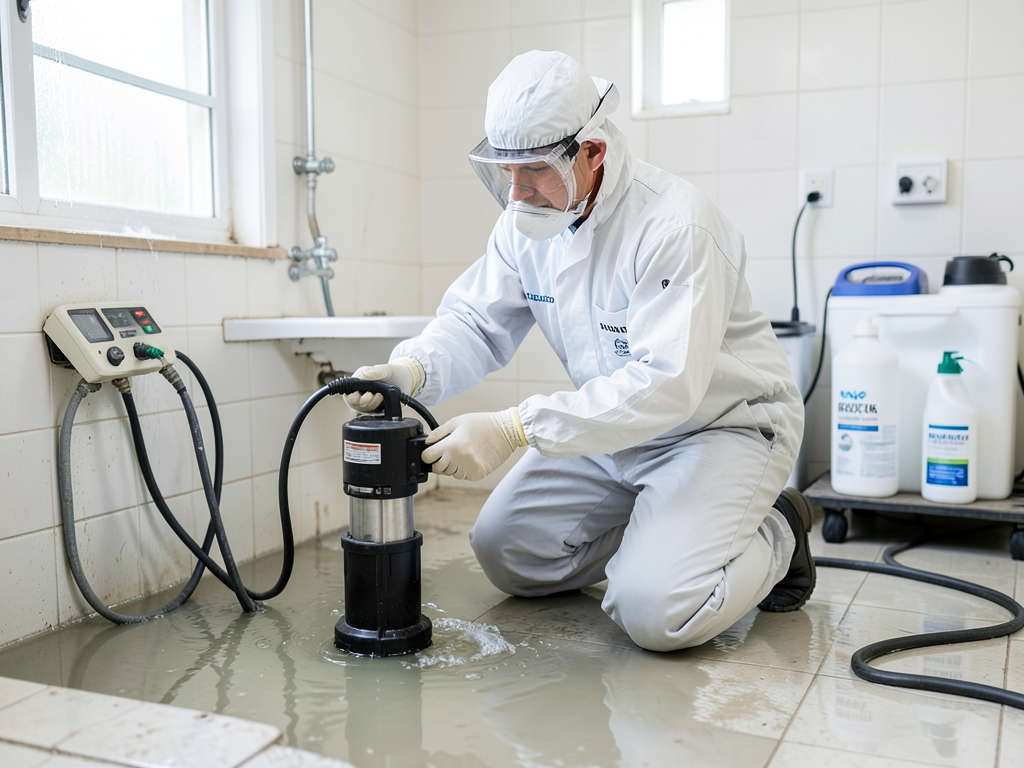
We extract all standing water using submersible pumps and remove damaged insulation, debris, and contaminated materials. If floor joists show rot or structural damage, we sister new lumber alongside compromised members to restore load-bearing capacity. Foundation cracks get sealed with hydraulic cement or epoxy injection. We install drainage systems or sump pumps if needed to handle ongoing groundwater intrusion. This phase ensures your crawl space has a clean, sound base for encapsulation materials.
03

Vapor Barrier Installation and Climate Control

We roll out reinforced vapor barrier across the entire crawl space floor and up foundation walls, sealing every seam and penetration. All vents get sealed permanently with foam board and mastic. Foundation walls receive closed-cell insulation. We install a self-draining dehumidifier that maintains optimal humidity levels year-round. The finished space becomes a controlled environment that protects your home's structure and improves indoor air quality. You can use the space for storage without worrying about moisture damage.

Why Indianapolis Homeowners Trust Apex Water Damage Restoration for Crawl Space Work

Crawl space encapsulation requires understanding local soil conditions, water table depths, and building construction methods common to central Indiana. Homes in Broad Ripple, Fountain Square, and Irvington have different foundation types and drainage challenges than newer builds in Fishers or Carmel. We have worked in all of them.

We know that Indianapolis homes built before 1950 often have limestone block foundations that absorb water differently than poured concrete. We adjust our waterproofing approach based on your foundation material. We also understand that clay soil around Indianapolis creates seasonal foundation movement that can stress improperly installed vapor barriers.

Our technicians receive ongoing training in structural drying, mold remediation, and moisture control systems. We use commercial-grade equipment designed for crawl space environments, not residential dehumidifiers you buy at hardware stores. Our vapor barriers meet or exceed building code requirements for crawl space encapsulation.

We work directly with your insurance company if water damage triggered the need for crawl space cleanup. We document everything with photos and moisture readings, which helps claims get approved faster. We also provide detailed estimates that break out each component of the work so you understand exactly what you are paying for.

Most crawl space companies subcontract the actual labor. We employ our own technicians who show up in marked vehicles and carry company identification. You get the same crew from start to finish, which ensures quality control and accountability.

We serve the greater Indianapolis metro, including Hamilton, Hendricks, and Marion counties. Our response time averages under two hours for emergency water extraction, and we schedule encapsulation projects based on your timeline.

What to Expect During Crawl Space Encapsulation

Project Timeline and Scheduling

Most crawl space encapsulation projects take two to four days depending on square footage and the extent of repairs needed. Emergency water extraction happens within hours of your call. We schedule the inspection within 24 hours and provide a written estimate within two business days. Once you approve the work, we typically start within a week. We work during normal business hours unless you request otherwise. If we discover additional damage during the project, we stop and get your approval before proceeding. You know the timeline upfront and we hit our deadlines.

Initial Crawl Space Evaluation

The inspection takes 45 minutes to an hour. Our technician measures humidity levels, checks for standing water, inspects floor joists for rot, and identifies all moisture entry points. We use thermal imaging to find hidden water intrusion and moisture meters to measure saturation levels in wood and concrete. We test for mold and check HVAC ducts for damage. You get a written report with photos that explains what we found and what needs to happen. The inspection fee applies toward your project cost if you move forward with encapsulation.

Final Results and Performance

When we finish, your crawl space is dry, clean, and climate-controlled. The vapor barrier is sealed at every seam with no gaps or tears. All vents are permanently closed and insulated. The dehumidifier is installed and running at optimal settings. You will notice improved indoor air quality within days as musty odors disappear. Floor temperatures become more consistent and energy bills typically drop 10 to 15 percent. We provide documentation showing final humidity levels and moisture readings. The space is safe for storage and your home's structure is protected from moisture damage.

Maintenance and Ongoing Monitoring

Your crawl space dehumidifier requires minimal maintenance. The unit self-drains into your home's plumbing system, so you never empty a reservoir. We recommend changing the air filter every six months and checking the condensate line annually. We offer annual inspection services where we verify that humidity levels remain stable, check the vapor barrier for damage, and ensure the dehumidifier is functioning correctly. Most crawl space encapsulation systems last 20 years or more with proper maintenance. We provide phone support if you notice any changes in performance or have questions about your system.

Frequently Asked Questions

You Have Questions,
We Have Answers

How much does it typically cost to encapsulate a crawl space? +

Crawl space encapsulation costs vary based on size, moisture levels, and existing damage. Most Indianapolis homeowners pay between several thousand dollars for basic projects to more for complex installations requiring drainage systems or structural repairs. Factors include vapor barrier thickness, dehumidifier installation, insulation needs, and accessibility. Older homes in historic Indianapolis neighborhoods often need more prep work due to settling foundations or prior moisture damage. Clay soil common in central Indiana can cause ongoing moisture issues that affect pricing. Get a detailed inspection first to identify mold, standing water, or foundation cracks that impact the final cost.

Is it worth it to encapsulate a crawlspace? +

Yes, encapsulation is worth it for most Indianapolis homes. It reduces humidity that fuels mold growth, lowers heating and cooling costs by sealing air leaks, and protects floor joists from rot. Indianapolis experiences high summer humidity and cold winters, both of which stress unconditioned crawl spaces. Encapsulation improves indoor air quality since up to 50 percent of your home's air originates below. It also increases resale value and prevents pest infestations. If you notice musty odors, sagging floors, or high energy bills, encapsulation addresses root causes rather than masking symptoms.

What does crawl space encapsulation include? +

Crawl space encapsulation includes sealing the area from ground moisture and outside air. It starts with debris removal, mold remediation if needed, and drainage installation to redirect water. A thick vapor barrier covers the floor and walls, sealed at all seams and penetrations. Vents get sealed or closed to prevent humid outdoor air entry. Insulation may be added to rim joists or walls. A dehumidifier maintains ideal humidity levels year-round. In Indianapolis, installations often address clay soil moisture and seasonal temperature swings. The process creates a controlled environment that protects your home's structure and improves energy efficiency.

Is it worth it to clean a crawl space? +

Cleaning a crawl space is worth it when you address contamination, pest infestations, or moisture damage. Indianapolis crawl spaces accumulate mold, rodent droppings, fallen insulation, and standing water that compromise air quality and structural integrity. Cleaning removes these hazards before encapsulation or repairs. If you smell mustiness upstairs, notice increased allergy symptoms, or see visible mold during inspection, cleaning becomes necessary. It also reveals hidden problems like plumbing leaks or foundation cracks. Pairing cleanup with encapsulation prevents future contamination. Skipping this step means sealing problems inside, which worsens over time and reduces encapsulation effectiveness.

What are the negatives of crawl space encapsulation? +

Crawl space encapsulation drawbacks include upfront costs and the need for ongoing dehumidifier maintenance. If installed incorrectly, trapped moisture can worsen problems rather than solve them. Indianapolis homes with active plumbing leaks or foundation cracks need those fixed first, or encapsulation fails. Dehumidifiers require electricity and periodic emptying or drain line monitoring. Some older homes need additional structural work before encapsulation, adding expense. If your crawl space floods regularly due to poor grading or drainage, encapsulation alone won't fix the issue. You must address water intrusion sources first, or the vapor barrier simply traps water underneath.

Will insurance cover crawl space encapsulation? +

Homeowners insurance rarely covers crawl space encapsulation because insurers classify it as preventive maintenance, not sudden damage repair. However, if water damage from a covered peril like a burst pipe or storm flooding requires cleanup and restoration, insurance may pay for remediation that leads to encapsulation. In Indianapolis, policies typically exclude gradual moisture damage, mold from ongoing humidity, or maintenance neglect. If encapsulation is part of restoring your home after a covered loss, document everything and work with your adjuster. Some policies offer limited mold coverage riders that might apply to cleanup preceding encapsulation.

What are the downsides of encapsulation? +

Encapsulation downsides mirror those of any sealed system. It requires proper installation to avoid trapping moisture, which accelerates rot and mold. Dehumidifiers need maintenance, filter changes, and electricity. Indianapolis homeowners with seasonal flooding or poor exterior drainage must fix those issues first. If foundation cracks or plumbing leaks exist, encapsulation can hide them until damage worsens. The initial investment is significant, and DIY mistakes can create bigger problems than you started with. Encapsulation also commits you to maintaining a conditioned space. If you shut off the dehumidifier long-term, humidity rebounds quickly in Indiana's climate.

Can I write off crawl space encapsulation? +

You may write off crawl space encapsulation if it qualifies as a medical expense or energy efficiency improvement. Medically necessary mold remediation and encapsulation can be deductible if prescribed by a doctor for respiratory conditions, subject to IRS thresholds. Energy tax credits occasionally apply to insulation or moisture control upgrades, but rules change yearly. Rental property owners can depreciate encapsulation as a capital improvement. For most Indianapolis homeowners, encapsulation is not immediately deductible but may increase home value and reduce energy costs long-term. Consult a tax professional familiar with Indiana regulations to determine eligibility based on your situation.

How much does it cost to insulate a 1000 sq ft crawl space? +

Insulating a 1,000 square foot crawl space varies based on insulation type, location, and existing conditions. Foam board, spray foam, and fiberglass batts all carry different price points. Indianapolis projects often combine insulation with vapor barriers and dehumidifiers for complete moisture control. Accessibility affects labor costs. Tight crawl spaces or those with obstacles like ductwork take longer. Clay soil moisture and cold Indiana winters make proper insulation critical for energy savings and comfort. Expect costs to increase if mold remediation, pest removal, or structural repairs are needed first. Get multiple quotes detailing materials and scope to compare accurately.

What are the disadvantages of encapsulation? +

Encapsulation disadvantages include upfront expense, ongoing dehumidifier operation, and the risk of improper installation trapping moisture. Indianapolis homes with unresolved drainage problems, foundation cracks, or plumbing leaks can experience worse damage if those issues aren't fixed first. Encapsulation creates a sealed environment that requires monitoring. Power outages or dehumidifier failures can spike humidity quickly in Indiana's muggy summers. Some crawl spaces need significant prep work like debris removal, mold treatment, or floor leveling before encapsulation begins. If you sell your home, buyers may not understand the system's maintenance needs, potentially affecting negotiations.

How Indianapolis Clay Soil and Seasonal Water Tables Impact Crawl Space Integrity

The heavy clay soil throughout Marion County expands up to 10 percent when saturated and shrinks as it dries. This cycle repeats with every rain event and creates ongoing stress on foundation walls. Homes in low-lying areas near Fall Creek, White River, or Eagle Creek face higher water tables that push groundwater into crawl spaces during spring thaws and heavy summer storms. Indianapolis gets 42 inches of rain annually, with peak rainfall in May and June. Without proper crawl space waterproofing and vapor barrier installation, that moisture enters through foundation cracks and porous concrete. The freeze-thaw cycles we experience from November through March crack concrete and split mortar joints, creating new entry points for water each winter. Crawl space sealing services must account for this ongoing foundation movement.

Indianapolis building codes require crawl space encapsulation to meet specific vapor permeance ratings and mechanical ventilation standards. We stay current with Marion County building department requirements and pass inspections on the first attempt. Our familiarity with local foundation types, from limestone block basements in historic neighborhoods to poured concrete in newer developments, means we choose the right waterproofing approach for your home. We understand which areas of Indianapolis experience the worst drainage problems and how to design crawl space remediation systems that handle local conditions. Choosing a provider who works exclusively in central Indiana means you get solutions designed for your specific climate and soil conditions.
Water Damage Restoration Services in The Indianapolis Area

We are proud to serve the entire Indianapolis area and surrounding communities, providing rapid-response water damage restoration right where you need it most. Our central location allows us to deploy our 24/7 emergency teams quickly across the region. View our service area on the map below and remember that wherever you are in the Indianapolis metropolitan area, Apex Water Damage Restoration Indianapolis is ready to deliver expert and trustworthy service to secure your home or business.

Address:
Apex Water Damage Restoration Indianapolis, 6767 E Washington St, Indianapolis, IN, 46219

Additional Services We Offer

Our news updates

Latest Articles & News from The Blogs

The Hidden Cost of Leaving Your Garden Hose Connected During an Indianapolis Winter Every fall Indianapolis homeowners face the same…

The Hidden Cost of Leaving Your Garden Hose Connected During an Indianapolis Winter

The Hidden Cost of Leaving Your Garden Hose Connected During an Indianapolis Winter Every fall Indianapolis homeowners face the same…

What to Do When Your Toilet Overflows and Drips Through the Ceiling in Fishers

What to Do When Your Toilet Overflows and Drips Through the Ceiling in Fishers Water from a toilet overflow creates…

How Your Refrigerator Ice Maker Can Quietly Flood Your Kitchen in Carmel

How Your Refrigerator Ice Maker Can Quietly Flood Your Kitchen in Carmel Your refrigerator's ice maker can leak for weeks…

Contact Us

Stop crawl space moisture from damaging your home's structure and indoor air quality. Call (317) 703-7676 now for a comprehensive crawl space evaluation. We respond within two hours and provide written estimates within 48 hours.