


Brownsburg sits in Hendricks County where clay-heavy soil creates poor drainage conditions around foundations. When spring storms drop heavy rainfall, this soil expands and pushes water toward basements and crawl spaces rather than absorbing it. Properties near White Lick Creek face seasonal flooding risk, while homes built in the 1970s and 1980s throughout neighborhoods like Williams Creek and Northfield often have aging sump pumps that fail during peak demand.
Indiana's freeze-thaw cycle creates another hazard. Temperatures swing from below freezing to 50 degrees within days, causing pipes in exterior walls and unheated garages to burst. Brownsburg's mix of ranch homes and split-levels means many properties have plumbing running through vulnerable crawl spaces where insulation degrades over time.
The local water table rises during wet seasons, putting pressure on foundation waterproofing systems that were installed 30 to 40 years ago. When these systems fail, water seeps through foundation cracks and creates ideal conditions for mold growth within 24 to 48 hours. Quick response matters because Brownsburg's humidity levels during summer months accelerate microbial growth once materials get wet. Professional extraction and dehumidification must start immediately to prevent permanent damage to drywall, insulation, and structural framing.
Apex Water Damage Restoration Indianapolis maintains staging equipment and response vehicles positioned to reach Brownsburg properties within one hour of your emergency call. Our crews carry truck-mounted extraction units that remove standing water faster than portable equipment, and we deploy commercial-grade dehumidifiers rated for Indiana humidity levels to dry structures completely.
We staff IICRC-certified water damage technicians who understand how water travels through Brownsburg's common home construction types. Ranch homes with concrete slab foundations require different drying strategies than split-levels with crawl spaces. Our technicians use moisture meters and thermal cameras to map water migration patterns through walls and under flooring, finding hidden saturation that leads to mold growth if missed.
Insurance coordination separates our service from basic water removal companies. We photograph damage conditions, document moisture readings, and provide detailed scope reports that satisfy insurance adjusters. Our technicians understand Indiana insurance requirements and communicate directly with your carrier to prevent claim delays or denials. We also work with local Brownsburg plumbers and contractors when water damage reveals underlying issues like failed supply lines or damaged subfloors that need repair beyond water extraction.
Speed matters in water damage, but so does thorough drying. We monitor moisture levels daily until all building materials return to dry standard, preventing callback situations where mold appears weeks later because drying was incomplete. Our equipment stays on your property until the job is done right, not just until visible water disappears.

Our emergency dispatch operates around the clock with crews staged to reach Brownsburg addresses in under one hour. We answer calls immediately and deploy technicians with truck-mounted extraction equipment to start water removal while damage is still containable. Fast response stops water from spreading to unaffected areas and reduces total restoration costs.

We document every aspect of water damage with photos, moisture readings, and detailed reports that insurance companies require for claim approval. Our technicians communicate directly with adjusters and provide scope documentation that prevents disputes over coverage. We understand Indiana insurance processes and work to maximize your claim payout while minimizing your out-of-pocket costs.
Every crew member holds current certification from the Institute of Inspection Cleaning and Restoration Certification in water damage restoration. Our technicians train continuously on moisture detection technology, drying science, and microbial remediation protocols. This certification ensures we follow industry standards that protect your property and meet insurance company requirements for professional restoration work.
We monitor moisture levels in walls, floors, and substructures daily until all materials reach dry standard. Our equipment remains on site until thermal imaging and moisture meters confirm complete drying, preventing mold growth that appears when restoration companies remove equipment too early. You receive documentation showing your property returned to pre-loss moisture conditions.
Water damage restoration involves more than pumping out standing water. Complete mitigation requires emergency water extraction, structural drying, humidity control, content salvage, antimicrobial treatment, and reconstruction of damaged building materials. Each water loss presents different challenges based on the water source, how long it sat, and what building materials absorbed moisture.
Apex Water Damage Restoration Indianapolis provides end-to-end water damage remediation for Brownsburg residential and commercial properties. Our service categories address different damage scenarios, from burst pipes and appliance failures to storm flooding and sewage backups. We handle clean water losses from supply line breaks differently than contaminated water from washing machine overflows or toilet backups.
Our technicians assess water category and contamination level immediately upon arrival, then deploy appropriate extraction methods and safety protocols. Category 1 clean water receives different treatment than Category 3 sewage contamination, which requires antimicrobial agents and disposal of porous materials that cannot be sanitized. We also coordinate with local plumbers to repair the water source, whether that means fixing a burst pipe, replacing a failed water heater, or addressing foundation seepage issues. Complete restoration means stopping the water intrusion, removing all moisture, treating affected materials, and repairing structural damage so your property returns to pre-loss condition.
Emergency water extraction removes standing water from flooded basements, saturated carpets, and waterlogged rooms using truck-mounted pumps and portable extractors. Our crews respond immediately to water losses from burst pipes, appliance failures, sump pump malfunctions, and storm flooding. Speed matters because water spreads rapidly through flooring, wicks up drywall, and saturates insulation. We deploy submersible pumps for deep standing water and weighted extraction wands for carpets and padding. This service includes emergency board-up if needed and temporary power setup for drying equipment.
Structural drying eliminates moisture from walls, subfloors, framing, and insulation using commercial dehumidifiers and air movers positioned based on moisture mapping. Our technicians monitor drying progress daily with thermal cameras and moisture meters, adjusting equipment placement to target stubborn wet areas. This service prevents mold growth, wood rot, and structural weakening that occur when materials stay damp. We continue drying until all building components return to normal moisture content, providing documentation that satisfies insurance requirements and prevents future problems from incomplete drying.
Mold remediation removes microbial growth that develops when water damage sits for more than 48 hours or when previous water losses were not dried completely. Our technicians contain affected areas with physical barriers, use HEPA filtration to capture airborne spores, remove contaminated materials that cannot be cleaned, and treat surfaces with antimicrobial agents. We address hidden mold growth behind walls and under flooring discovered through thermal imaging. This service includes moisture source correction to prevent recurrence and clearance testing to verify successful remediation.
Brownsburg's weather patterns and housing stock create predictable water damage scenarios that affect properties throughout the area. Spring storms overwhelm aging drainage systems, winter freeze-thaw cycles burst exposed pipes, and summer humidity accelerates mold growth in damp basements. Many Brownsburg homes were built between 1970 and 1990 when construction standards differed from today's building codes, leaving properties vulnerable to water intrusion.
Foundation waterproofing systems installed 30 to 40 years ago degrade and fail, allowing groundwater seepage during heavy rain periods. Clay soil common throughout Hendricks County expands when wet and contracts when dry, creating pressure on foundation walls and opening cracks where water enters. Sump pumps that worked fine for decades suddenly fail during peak demand, flooding finished basements in neighborhoods near White Lick Creek and throughout the Williams Creek area.
Interior water losses stem from aging plumbing, water heater failures, and appliance malfunctions. Supply lines to washing machines and dishwashers develop pinhole leaks or burst, releasing hundreds of gallons before homeowners discover the problem. These issues compound during extreme cold when pipes in exterior walls or crawl spaces freeze and rupture, flooding multiple rooms. Understanding these common patterns helps homeowners recognize warning signs and respond quickly when water damage occurs.
Groundwater pushes through foundation cracks and failed waterproofing systems during heavy rain periods, flooding finished basements and damaging flooring, drywall, and stored belongings. Clay soil around Brownsburg properties holds water rather than draining it away, creating hydrostatic pressure against foundation walls. This water finds any weakness in foundation waterproofing and seeps through, often appearing at the floor-wall joint or through cracks in poured concrete.
Supply lines in exterior walls, unheated garages, and crawl spaces freeze when temperatures drop below 20 degrees, then burst when thawing begins and water pressure returns. Split-level homes common in Brownsburg have plumbing running through vulnerable areas where heat does not reach. A single burst pipe releases gallons per minute, flooding multiple rooms before the main water shutoff stops the flow. The damage often extends beyond visible areas into wall cavities and subfloors.
Sump pumps fail when needed most, during heavy rainfall that overwhelms the system or when power outages disable the pump. Many Brownsburg homes rely on sump systems installed decades ago that have never been serviced or replaced. Float switches stick, motors burn out, and discharge lines freeze or clog. When the sump pump fails, water fills the pit and overflows onto basement floors, saturating carpets and damaging finished living spaces.
Water heaters, washing machines, and dishwashers develop leaks that go unnoticed until significant damage occurs. Supply line connections corrode and fail, releasing water continuously until someone discovers the problem. Water heaters installed in upstairs closets or finished basements flood multiple levels when tanks rupture. Washing machine hoses burst during fill cycles, dumping 50 gallons or more onto laundry room floors that drain into adjacent rooms and down to lower levels through wall cavities.
Water damage creates chaos and panic. Your basement is flooded, water is spreading across your floors, and you need help immediately. When you call Apex Water Damage Restoration Indianapolis at (317) 703-7676, you reach a live person who dispatches a crew to your Brownsburg property right away.
Our emergency response system activates within minutes of your call. We gather critical information about your water loss, send a crew from our nearest staging location, and provide immediate guidance on safety concerns and damage mitigation steps you can take while waiting for our arrival. Our dispatch team stays in contact with you until our technicians knock on your door.
Upon arrival, our crew performs a rapid damage assessment using moisture detection equipment to identify all affected areas, including hidden water behind walls and under flooring. We explain what we found, outline the restoration process, and start water extraction immediately. There is no delay while we wait for authorization or prepare equipment, everything needed to begin emergency mitigation is on our trucks.
We handle insurance notification and documentation from the start, photographing damage conditions and recording moisture readings that support your claim. You receive clear communication about what happens next, how long drying will take, and what costs to expect. Our goal is to remove uncertainty during a stressful situation by providing professional service and transparent information throughout the restoration process.
When you call our emergency line, we answer immediately and dispatch a crew to your location within minutes. Our technicians arrive at Brownsburg properties within 60 minutes, not hours or the next day. We understand that every minute of delay allows water to spread and damage to worsen. Our rapid response stops active water intrusion, extracts standing water, and begins structural drying before moisture penetrates deeper into building materials. You receive a call when our crew is en route with an accurate arrival time.
Our technicians use thermal imaging cameras and moisture meters to map water damage throughout your property, finding hidden saturation in walls, under flooring, and in ceiling cavities. We explain exactly what damage exists, what restoration work is needed, and what the process involves. You receive straightforward information about timeline and costs without pressure or confusion. We answer your questions, explain insurance procedures, and provide written documentation of all findings. Our goal is to eliminate uncertainty so you understand what to expect at each step.
Our equipment stays on your property until moisture levels return to normal in all affected materials. We visit daily to check drying progress, adjust equipment positioning, and record moisture readings that track improvement. You receive regular updates on drying status and projected completion time. When we remove our equipment, you get documentation proving all areas reached dry standard. This thorough approach prevents mold growth and structural damage that occur when restoration companies remove equipment too early based on visual inspection alone.
Water damage restoration follows a systematic process designed to remove moisture completely and return your property to pre-loss condition. Our approach addresses immediate emergency needs first, then focuses on thorough drying and final restoration.
Our crew arrives within 60 minutes to assess damage scope and begin immediate water removal. We use truck-mounted extraction units to remove standing water from flooded areas, then deploy weighted extraction tools to pull water from carpets, padding, and upholstery. Technicians identify the water source, stop active intrusion if possible, and coordinate with plumbers when needed. We remove saturated contents from affected areas and relocate them for drying or disposal. Emergency board-up and temporary power setup occur if required.
After water extraction, we position commercial dehumidifiers and air movers throughout affected areas based on moisture mapping from thermal cameras. Equipment runs continuously to pull moisture from building materials and circulate dry air. Our technicians visit daily to monitor progress with moisture meters, adjust equipment placement, and document drying rates. We open wall cavities if necessary to dry framing and insulation. This phase continues until all materials reach normal moisture content, typically three to five days depending on damage extent.
Once drying is complete, we remove equipment and begin reconstruction of damaged building materials. This includes replacing drywall, installing new flooring, repainting, and restoring your property to pre-loss condition. If mold remediation was needed, we conduct clearance testing to verify successful treatment. You receive final documentation including all moisture readings, photos of restoration work, and certificates of completion. Our work is guaranteed, and we coordinate final insurance paperwork to close your claim.
Professional water damage restoration follows specific technical standards established by the Institute of Inspection Cleaning and Restoration Certification and documented in the IICRC S500 Standard for Water Damage Restoration. These protocols govern how technicians classify water contamination, measure moisture levels, select drying equipment, and verify successful restoration.
Water damage is categorized by contamination level. Category 1 clean water from supply line breaks requires basic extraction and drying. Category 2 gray water from appliance overflows contains contaminants requiring sanitization of affected surfaces. Category 3 black water from sewage backups or flood water demands removal of porous materials and antimicrobial treatment because contamination cannot be adequately cleaned from drywall, insulation, or carpeting.
Moisture measurement drives restoration decisions. Technicians use pin-type and pinless moisture meters to measure water content in wood, drywall, and concrete. Readings above 15 percent in wood framing indicate saturation requiring active drying. Thermal imaging cameras detect temperature differentials caused by evaporative cooling, revealing hidden moisture behind walls and under flooring that moisture meters cannot directly measure.
Psychrometric calculations determine proper dehumidifier capacity and air mover positioning based on room volume, temperature, and humidity levels. Commercial dehumidifiers are rated by water removal capacity per day and must be matched to the affected area size. Low-grain refrigerant dehumidifiers work best in standard conditions, while desiccant dehumidifiers are deployed when temperatures drop below 60 degrees or for dense materials like hardwood and plaster.
Indiana building codes require proper ventilation during drying to prevent indoor air quality issues. We monitor humidity levels to maintain 30 to 50 percent relative humidity during restoration, preventing microbial growth while ensuring efficient drying. Equipment placement follows specific patterns to create optimal airflow across wet surfaces, with air movers positioned at 45-degree angles to walls and dehumidifiers centrally located to process the maximum air volume.
Documentation requirements include initial moisture readings, daily monitoring logs, and final dry standard verification. Insurance carriers require this documentation to process claims and verify that restoration work met industry standards. Proper documentation also protects homeowners from future liability if moisture issues reappear because the original restoration was incomplete or improperly performed.
All water damage technicians must complete IICRC Water Damage Restoration certification covering contamination categories, moisture detection, drying science, and antimicrobial treatment protocols. Certification requires passing written exams demonstrating knowledge of industry standards and proper restoration techniques. Our technicians maintain current certification through continuing education and recertification every two years. This training ensures consistent application of proven methods that protect property and occupant health during restoration work.
Water damage restoration costs depend on water volume, contamination category, affected area size, materials damaged, and drying time required. Category 3 sewage contamination costs more than clean water because contaminated materials must be removed rather than dried. Hardwood flooring and plaster require longer drying times than carpet and drywall. Insurance typically covers sudden water losses like burst pipes but may exclude damage from long-term leaks or lack of maintenance. Emergency response during nights and weekends may include premium dispatch fees.
Most water damage drying takes three to five days depending on materials affected and environmental conditions. Wood framing must reach below 15 percent moisture content to prevent mold growth and structural weakening. Concrete requires several weeks to dry completely but can be surface-dried in days for safe occupancy. Drywall is considered dry when readings return to baseline levels matching unaffected areas. We monitor humidity and moisture daily, removing equipment only after all materials meet dry standards verified by calibrated meters.
Indiana insurance policies generally cover sudden and accidental water damage but exclude flooding, which requires separate flood insurance. Homeowners must document damage immediately with photos and detailed loss descriptions. Professional restoration companies provide scope reports, moisture readings, and equipment logs that satisfy adjuster requirements. Most policies cover emergency mitigation costs without prior approval, but full restoration requires adjuster inspection and claim approval. We work directly with insurance companies to streamline this process and maximize claim reimbursement.
This video explains professional water damage restoration procedures for Brownsburg Indiana properties, covering emergency water extraction, structural drying techniques, moisture detection methods, and mold prevention protocols. Viewers learn about IICRC restoration standards, insurance claim requirements, and local factors affecting water damage in Hendricks County including clay soil drainage issues, freeze-thaw pipe bursts, and foundation waterproofing failures. The video details what homeowners should expect during the restoration process and how professional water mitigation protects property value.
Apex Water Damage Restoration Indianapolis serves all Brownsburg neighborhoods and the greater Hendricks County area with rapid emergency response and professional water damage mitigation. Our crews respond to properties throughout the original downtown Brownsburg area near Main Street and Green Street, where older homes face foundation seepage and aging plumbing issues common to properties built in the 1960s and 1970s.
We regularly serve the Williams Creek neighborhood and developments along Northfield Drive where split-level homes and ranch properties experience crawl space flooding during heavy spring rains. The Cardinal Crossing and Lincoln Trail subdivisions built in the 1980s and 1990s see water heater failures and burst supply lines in homes approaching 30 to 40 years old. Our technicians understand the construction methods and vulnerable points common to properties throughout these areas.
Properties near White Lick Creek and along Ronald Reagan Parkway face seasonal flooding concerns when storm drainage systems overflow or when the creek exceeds capacity during sustained rain periods. We also serve commercial properties along Interstate 74 and State Road 267, responding to water losses in retail spaces, offices, and industrial facilities requiring rapid restoration to minimize business interruption.
Our service area extends beyond Brownsburg proper to neighboring communities including Avon, Pittsboro, and Danville throughout Hendricks County. We understand how local soil conditions, water tables, and construction practices affect water damage risk throughout the region. Whether your property is near the Brownsburg Sports Center, in residential areas south of County Road 300, or in commercial districts along Northfield Drive, our response time remains under one hour with fully equipped crews ready to handle any water damage scenario.
We maintain relationships with local plumbers, electricians, and contractors throughout Brownsburg who assist with source repairs and reconstruction when water damage reveals underlying building system failures. Our familiarity with Hendricks County permitting requirements, inspection procedures, and building codes ensures restoration work meets local standards. This local knowledge combined with rapid response capability makes us the preferred water damage restoration provider for Brownsburg property owners and insurance agents serving the community.
Most water damage restoration companies in Brownsburg respond within 60 to 90 minutes of your call. Emergency services operate 24 hours a day, seven days a week. Response time depends on current weather conditions, traffic, and crew availability. Quick response matters because water spreads fast and causes more damage each hour. The first 24 hours are critical for preventing secondary damage like mold growth and structural issues. When you call, provide your address and describe the water source. Teams arrive with extraction equipment ready to start immediately.
Water damage restoration pricing in Brownsburg varies based on damage extent, affected square footage, and water category. Clean water from supply lines costs less to remediate than contaminated water from sewage backups. Small bathroom leaks affecting one room differ significantly from basement floods affecting multiple areas. Most companies provide free inspections and detailed estimates before starting work. Get written quotes from three local companies. Ask about included services like moisture testing, antimicrobial treatment, and follow-up inspections. Insurance coverage often reduces your out-of-pocket expenses.
Homeowners insurance typically covers sudden and accidental water damage in Brownsburg. Burst pipes, appliance malfunctions, and storm damage usually qualify for coverage. Flood damage requires separate flood insurance through the National Flood Insurance Program. Gradual damage from neglected maintenance or slow leaks gets denied. Document everything with photos and videos before cleanup starts. Contact your insurance agent immediately after discovering damage. Your restoration company works directly with insurance adjusters to streamline claims. Keep all receipts and communication records throughout the process.
Most water damage restoration companies in Brownsburg respond within 60 to 90 minutes of your call. Emergency services operate 24 hours a day, seven days a week. Response time depends on current weather conditions, traffic, and crew availability. Quick response matters because water spreads fast and causes more damage each hour. The first 24 hours are critical for preventing secondary damage like mold growth and structural issues. When you call, provide your address and describe the water source. Teams arrive with extraction equipment ready to start immediately.
Water damage restoration pricing in Brownsburg varies based on damage extent, affected square footage, and water category. Clean water from supply lines costs less to remediate than contaminated water from sewage backups. Small bathroom leaks affecting one room differ significantly from basement floods affecting multiple areas. Most companies provide free inspections and detailed estimates before starting work. Get written quotes from three local companies. Ask about included services like moisture testing, antimicrobial treatment, and follow-up inspections. Insurance coverage often reduces your out-of-pocket expenses.
Homeowners insurance typically covers sudden and accidental water damage in Brownsburg. Burst pipes, appliance malfunctions, and storm damage usually qualify for coverage. Flood damage requires separate flood insurance through the National Flood Insurance Program. Gradual damage from neglected maintenance or slow leaks gets denied. Document everything with photos and videos before cleanup starts. Contact your insurance agent immediately after discovering damage. Your restoration company works directly with insurance adjusters to streamline claims. Keep all receipts and communication records throughout the process.
Water damage restoration in Brownsburg homes takes three to seven days for standard cases. Small jobs with minimal water finish in two to three days. Extensive flooding with structural damage needs two to three weeks. The timeline includes water extraction, drying, cleaning, and restoration phases. Drying alone takes three to five days depending on humidity levels and airflow. Homes with carpet, hardwood, or drywall damage need more time. Your technician monitors moisture levels daily using specialized meters. Complete restoration including repairs and painting adds extra time.
Brownsburg water damage restoration companies use industrial-grade water extractors to remove standing water quickly. High-powered air movers create airflow to speed drying. Commercial dehumidifiers pull moisture from air and materials. Moisture meters and thermal imaging cameras detect hidden water in walls and floors. HEPA air scrubbers remove airborne contaminants and odors. Technicians use antimicrobial treatments to prevent mold growth. Specialized equipment includes truck-mounted extractors, injection drying systems, and injectidry floor mat systems. Professional-grade equipment works faster and more effectively than consumer rentals.
Staying in your Brownsburg home during water damage restoration depends on damage severity and affected areas. Minor water damage confined to one room allows you to stay. Extensive damage requiring power shutoffs or affecting multiple rooms makes staying unsafe. Sewage backups and contaminated water require temporary relocation. Loud equipment running 24 hours makes sleeping difficult. Restoration companies set up equipment to minimize disruption when possible. Children and pets should stay elsewhere during active restoration. Your technician assesses safety concerns and recommends the best approach for your situation.
Choose a Brownsburg water damage restoration company with 24-hour emergency response and local presence. Verify they have proper training credentials and industry certifications. Read online reviews on Google and social media platforms. Ask neighbors and friends for recommendations. Get written estimates from at least three companies before deciding. Check how long they have served Brownsburg specifically. Ask about their equipment quality and drying process. Confirm they work with insurance companies and assist with claims. Response time matters, so choose a company with nearby facilities and available crews.
Brownsburg water damage restoration technicians should hold certification from the Institute of Inspection, Cleaning and Restoration Certification. IICRT offers specialized credentials in water damage restoration, applied structural drying, and odor control. Technicians need training in proper moisture detection, equipment operation, and safety protocols. Additional credentials include mold remediation certification and hazardous materials handling. Look for companies with certified technicians rather than untrained workers. Proper training ensures effective drying, prevents secondary damage, and protects your home. Ask to see certification cards before work begins.
Professional water damage restoration in Brownsburg prevents mold growth when completed properly and quickly. Mold spores begin growing within 24 to 48 hours in wet conditions. Technicians extract water immediately and use dehumidifiers to lower humidity below 60 percent. Air movers increase circulation and speed drying. Moisture meters verify materials reach safe dryness levels before equipment removal. Antimicrobial treatments inhibit mold on affected surfaces. Complete drying prevents future mold problems. Delayed or incomplete drying leads to hidden mold growth inside walls and under floors.
Burst pipes cause most water damage in Brownsburg homes during winter months when temperatures drop below freezing. Appliance failures including washing machines, dishwashers, and water heaters create significant damage. Sump pump failures during heavy rain lead to basement flooding. Roof leaks from missing shingles or ice dams allow water intrusion. Clogged gutters overflow and damage foundations. Sewage backups occur when main lines block or overwhelm during storms. HVAC condensation leaks affect ceilings and walls. Toilet supply line failures flood bathrooms quickly. Regular maintenance prevents many common water damage causes.
Water damage restoration in Brownsburg homes takes three to seven days for standard cases. Small jobs with minimal water finish in two to three days. Extensive flooding with structural damage needs two to three weeks. The timeline includes water extraction, drying, cleaning, and restoration phases. Drying alone takes three to five days depending on humidity levels and airflow. Homes with carpet, hardwood, or drywall damage need more time. Your technician monitors moisture levels daily using specialized meters. Complete restoration including repairs and painting adds extra time.
Brownsburg water damage restoration companies use industrial-grade water extractors to remove standing water quickly. High-powered air movers create airflow to speed drying. Commercial dehumidifiers pull moisture from air and materials. Moisture meters and thermal imaging cameras detect hidden water in walls and floors. HEPA air scrubbers remove airborne contaminants and odors. Technicians use antimicrobial treatments to prevent mold growth. Specialized equipment includes truck-mounted extractors, injection drying systems, and injectidry floor mat systems. Professional-grade equipment works faster and more effectively than consumer rentals.
Staying in your Brownsburg home during water damage restoration depends on damage severity and affected areas. Minor water damage confined to one room allows you to stay. Extensive damage requiring power shutoffs or affecting multiple rooms makes staying unsafe. Sewage backups and contaminated water require temporary relocation. Loud equipment running 24 hours makes sleeping difficult. Restoration companies set up equipment to minimize disruption when possible. Children and pets should stay elsewhere during active restoration. Your technician assesses safety concerns and recommends the best approach for your situation.
Choose a Brownsburg water damage restoration company with 24-hour emergency response and local presence. Verify they have proper training credentials and industry certifications. Read online reviews on Google and social media platforms. Ask neighbors and friends for recommendations. Get written estimates from at least three companies before deciding. Check how long they have served Brownsburg specifically. Ask about their equipment quality and drying process. Confirm they work with insurance companies and assist with claims. Response time matters, so choose a company with nearby facilities and available crews.
Brownsburg water damage restoration technicians should hold certification from the Institute of Inspection, Cleaning and Restoration Certification. IICRT offers specialized credentials in water damage restoration, applied structural drying, and odor control. Technicians need training in proper moisture detection, equipment operation, and safety protocols. Additional credentials include mold remediation certification and hazardous materials handling. Look for companies with certified technicians rather than untrained workers. Proper training ensures effective drying, prevents secondary damage, and protects your home. Ask to see certification cards before work begins.
Professional water damage restoration in Brownsburg prevents mold growth when completed properly and quickly. Mold spores begin growing within 24 to 48 hours in wet conditions. Technicians extract water immediately and use dehumidifiers to lower humidity below 60 percent. Air movers increase circulation and speed drying. Moisture meters verify materials reach safe dryness levels before equipment removal. Antimicrobial treatments inhibit mold on affected surfaces. Complete drying prevents future mold problems. Delayed or incomplete drying leads to hidden mold growth inside walls and under floors.
Burst pipes cause most water damage in Brownsburg homes during winter months when temperatures drop below freezing. Appliance failures including washing machines, dishwashers, and water heaters create significant damage. Sump pump failures during heavy rain lead to basement flooding. Roof leaks from missing shingles or ice dams allow water intrusion. Clogged gutters overflow and damage foundations. Sewage backups occur when main lines block or overwhelm during storms. HVAC condensation leaks affect ceilings and walls. Toilet supply line failures flood bathrooms quickly. Regular maintenance prevents many common water damage causes.
We are proud to serve the entire Indianapolis area and surrounding communities, providing rapid-response water damage restoration right where you need it most. Our central location allows us to deploy our 24/7 emergency teams quickly across the region. View our service area on the map below and remember that wherever you are in the Indianapolis metropolitan area, Apex Water Damage Restoration Indianapolis is ready to deliver expert and trustworthy service to secure your home or business.
Address:
Brownsburg, IN, 46112

Why Your Bottleworks District Shop Needs a Water Emergency Plan Before the Next Flash Flood\nThe Bottleworks District sits in a low-lying area near Fall Creek, making it particularly vulnerable to flash flooding during heavy Indiana…
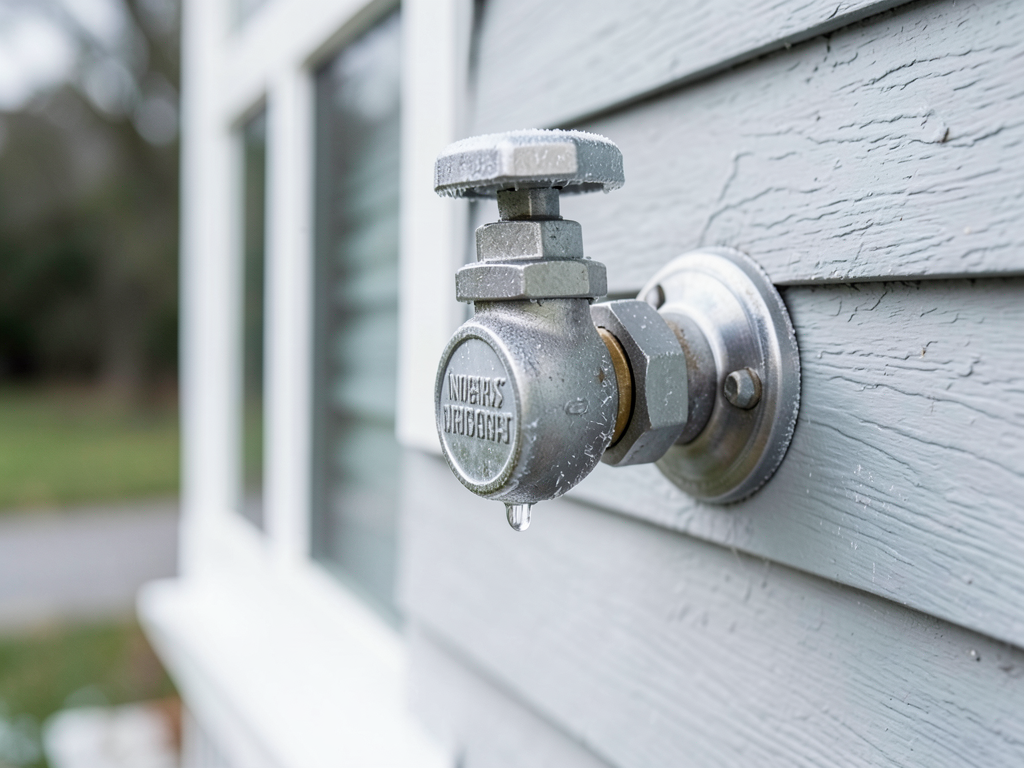
The Hidden Cost of Leaving Your Garden Hose Connected During an Indianapolis Winter Every fall…
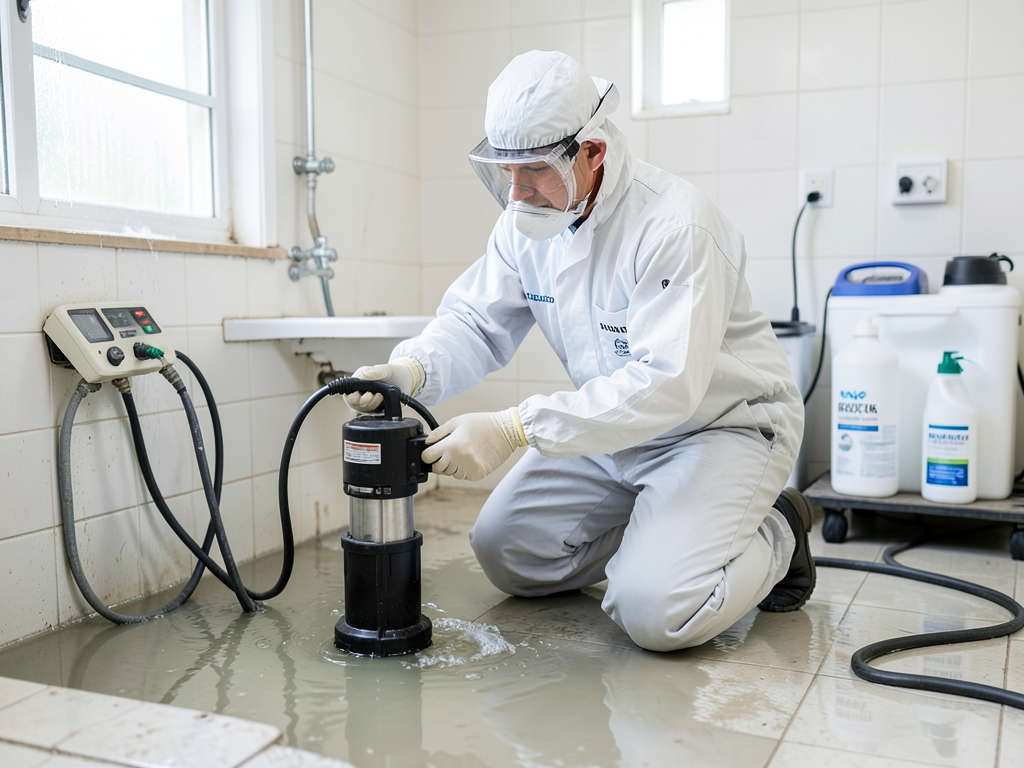
What to Do When Your Toilet Overflows and Drips Through the Ceiling in Fishers Water…
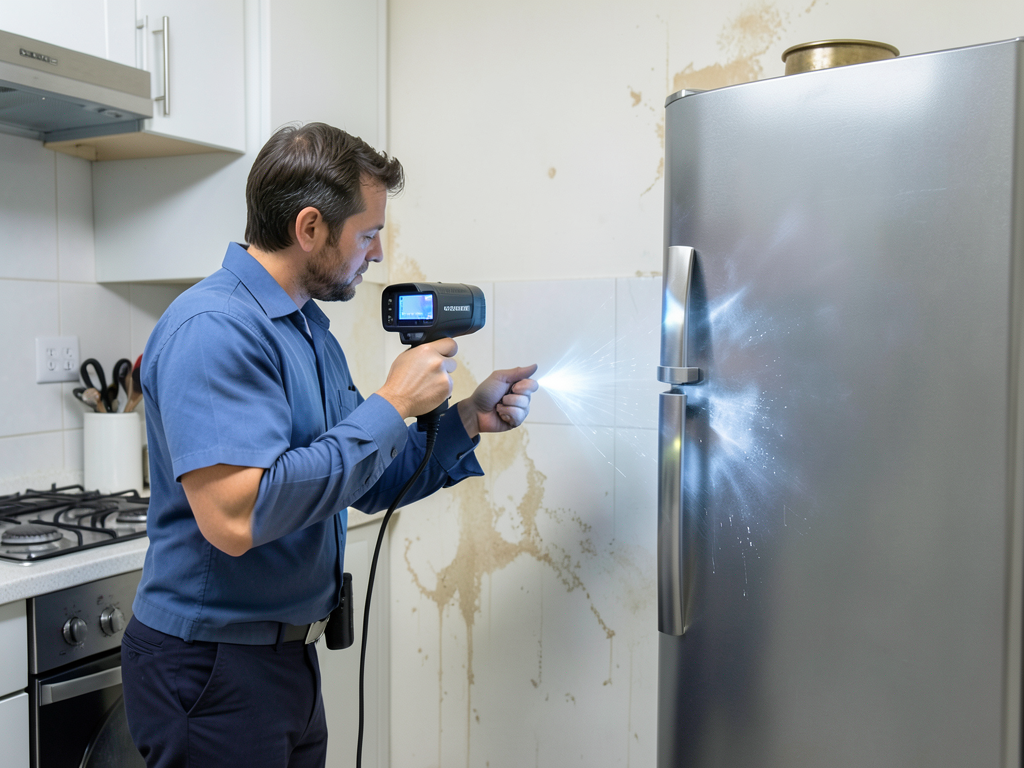
How Your Refrigerator Ice Maker Can Quietly Flood Your Kitchen in Carmel Your refrigerator's ice…
Water damage spreads every minute you wait. Our crews are standing by 24/7 to respond to your Brownsburg property. Call (317) 703-7676 now for immediate dispatch. We arrive within 60 minutes, start water extraction immediately, and work directly with your insurance company.