menu

Commercial Mold Remediation in Indianapolis – Minimizing Downtime for Industrial and Office Properties

Fast-track mold mitigation protocols and commercial mold abatement strategies designed for large-scale facilities across Indianapolis. We prioritize business continuity, regulatory compliance, and minimal operational disruption.

Slider Image 1
Slider Image 2
Slider Image 3
Slider Image 4
Slider Image 5
Slider Image 7
Slider Image 8
Slider Image 9
Slider Image 10
Slider Image 11

Mold Growth in Indianapolis Commercial Properties: A Liability You Cannot Ignore

Indianapolis sits in a humid continental climate zone where summer dew points regularly exceed 65 degrees and winter freeze-thaw cycles create condensation problems in poorly insulated commercial structures. Warehouses along the White River corridor, office complexes in Broad Ripple, and manufacturing facilities near the airport face persistent moisture intrusion from roof leaks, HVAC condensate line failures, and groundwater seepage through basement walls.

When mold colonizes a commercial space, you face three immediate threats. First, employee health complaints trigger OSHA documentation requirements and potential workers' compensation claims. Second, visible mold growth during client visits damages your brand reputation and can void lease agreements. Third, delayed commercial mold removal allows spore spread through shared HVAC systems, contaminating multiple suites or production areas.

Indiana commercial property owners must address mold within the framework of local building codes and EPA guidelines. Business mold remediation is not a cosmetic issue. It is a compliance issue. Mold releases mycotoxins that compromise indoor air quality and can lead to litigation if occupants develop respiratory conditions. The longer you delay commercial mold cleanup, the more invasive the remediation becomes. Surface cleaning does not eliminate mold embedded in drywall, insulation, or subfloor materials.

You need a commercial mold mitigation partner who understands the operational stakes. Downtime equals lost revenue. We coordinate work during off-hours, stage containment zones to isolate affected areas, and deploy industrial dehumidifiers to restore safe humidity levels quickly.

Mold Growth in Indianapolis Commercial Properties: A Liability You Cannot Ignore
Our Commercial Mold Abatement Protocol: Containment, Removal, and Air Quality Restoration

Our Commercial Mold Abatement Protocol: Containment, Removal, and Air Quality Restoration

Commercial mold remediation requires a methodical approach that balances thoroughness with speed. We do not apply residential protocols to commercial spaces. The scale, ventilation complexity, and regulatory requirements demand specialized equipment and trained technicians.

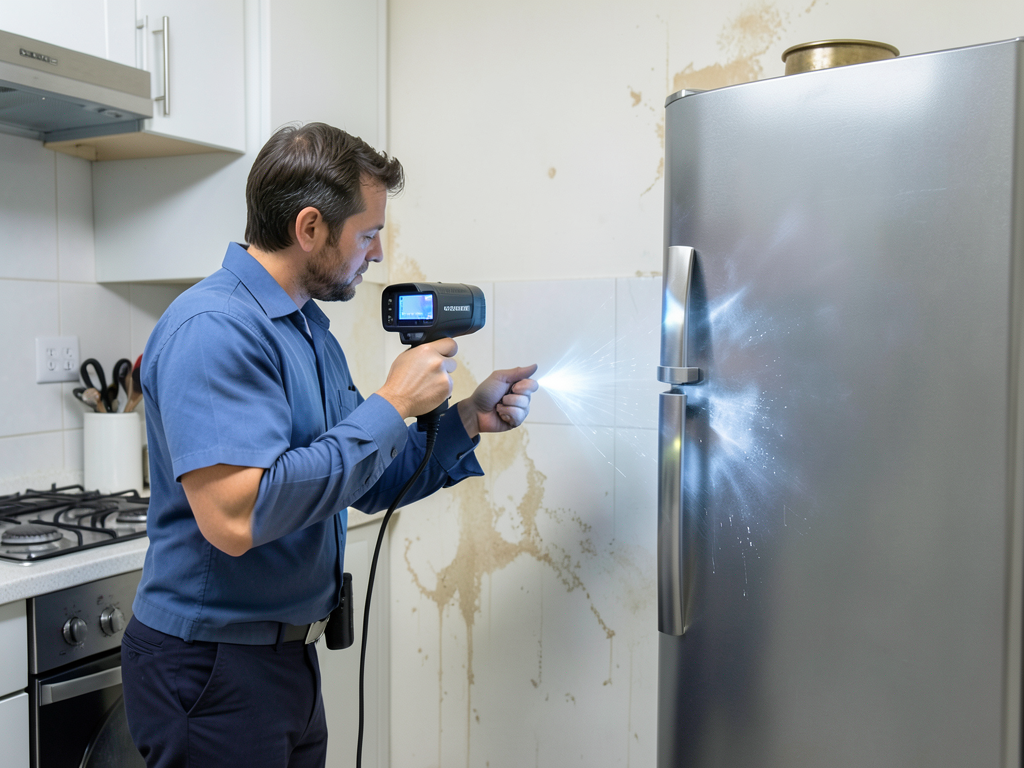
Our process begins with thermal imaging and moisture mapping to identify hidden water sources feeding mold growth. Mold does not grow without moisture. If we only remove visible mold without addressing the underlying water intrusion, you will face recontamination within weeks. We use infrared cameras to detect wet insulation behind walls, saturated ceiling tiles, and condensation inside ductwork.

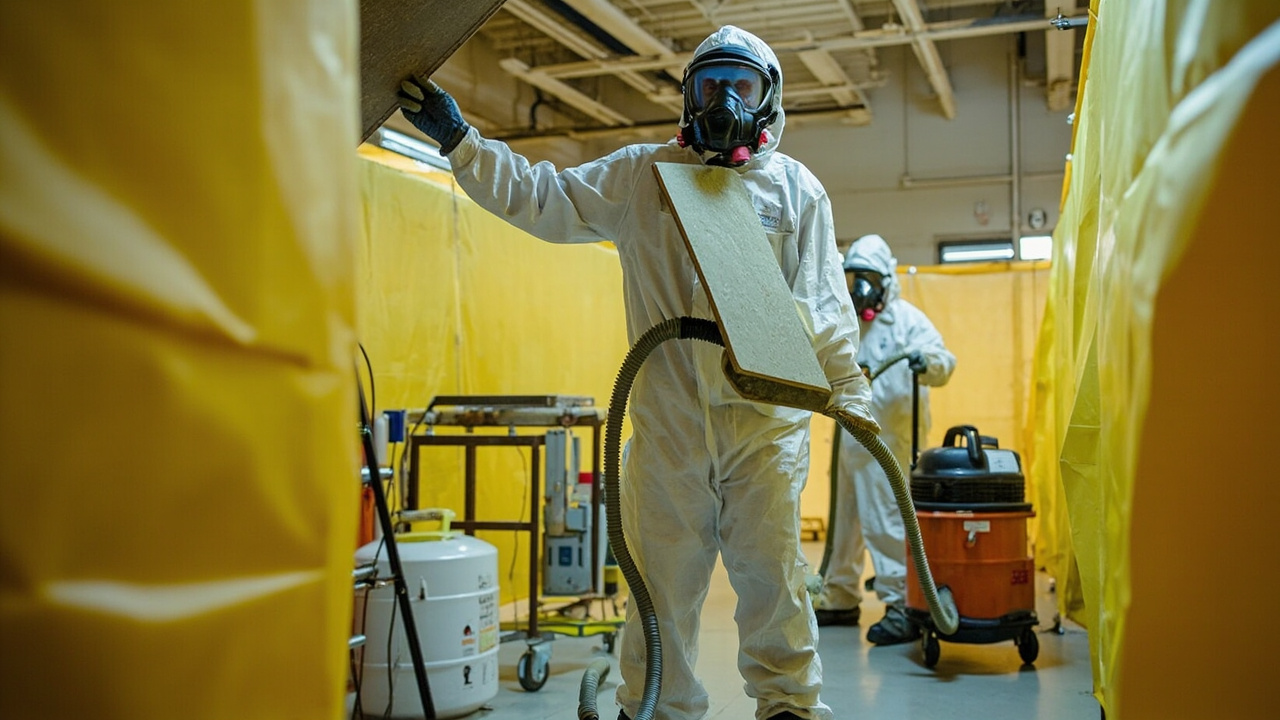
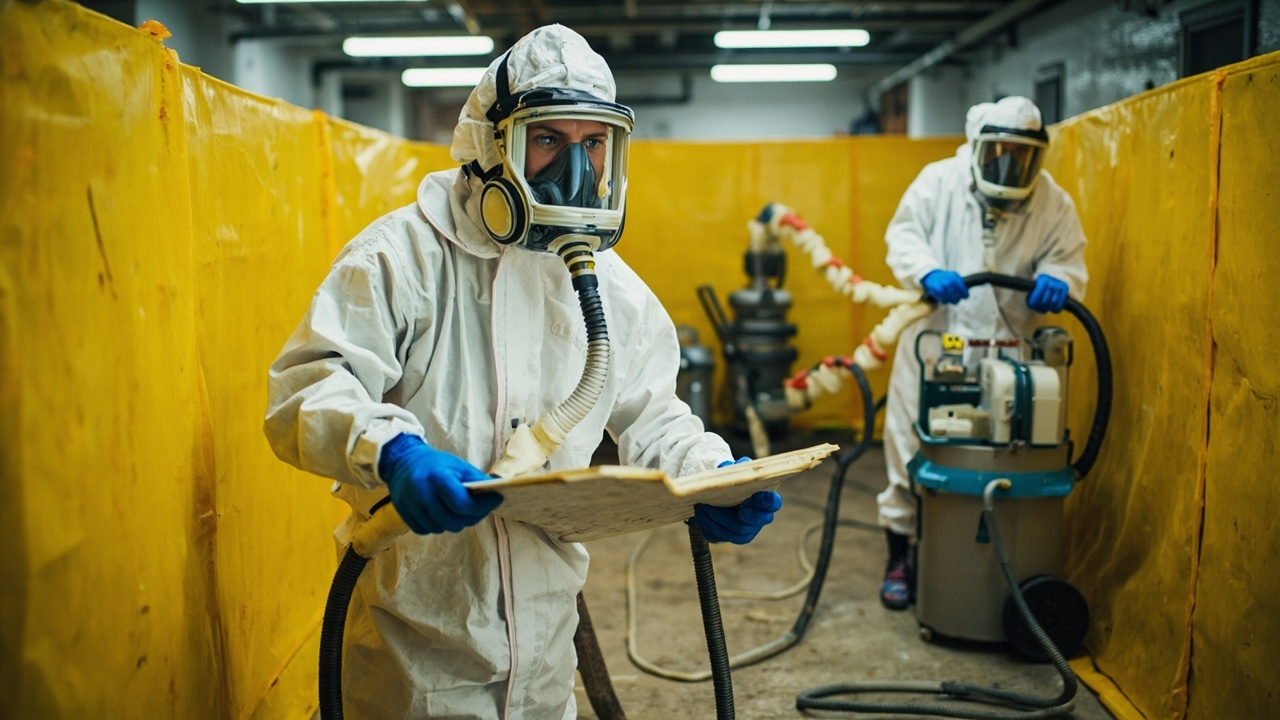
Next, we establish negative air pressure containment zones using HEPA-filtered air scrubbers. This prevents cross-contamination during demolition. We remove porous materials like drywall, insulation, and ceiling tiles that cannot be salvaged. Non-porous surfaces like metal studs and concrete receive antimicrobial treatment with EPA-registered fungicides.

Air quality testing is non-negotiable in commercial mold abatement. We measure airborne spore counts before, during, and after remediation to verify clearance levels meet AIHA and IICRC standards. This documentation protects you during inspections and provides evidence of due diligence if tenant complaints arise.

We coordinate with your facility manager to schedule work around production shifts, tenant occupancy, or retail hours. Our crews work in stages to keep portions of your building operational. For properties with complex HVAC systems, we clean and seal ductwork to eliminate spores circulating through air handlers. The final phase includes installing commercial-grade dehumidifiers and vapor barriers to prevent future moisture accumulation.

What Happens During Your Commercial Mold Remediation Project

Commercial Mold Remediation in Indianapolis – Minimizing Downtime for Industrial and Office Properties
01

Site Assessment and Containment

Our team conducts a full building inspection using moisture meters and thermal imaging to map contamination boundaries. We document findings with photos and spore samples for baseline air quality data. Containment barriers go up immediately to isolate affected zones from occupied areas. This includes sealing HVAC vents and installing zippered access points to maintain negative air pressure throughout demolition.
02

Material Removal and Treatment

We remove all porous materials compromised by mold colonization, including drywall, insulation, ceiling tiles, and carpeting. Non-porous surfaces receive antimicrobial treatment with commercial-grade fungicides. HEPA vacuums capture airborne spores during demolition. All waste is bagged, sealed, and disposed of per EPA guidelines. We coordinate debris removal to avoid disrupting parking areas or loading docks during business hours.
03

Verification and Restoration Prep

Post-remediation air sampling confirms spore counts have returned to acceptable levels. We provide a clearance certificate documenting compliance with IICRC S520 standards. The site is then ready for reconstruction. We repair underlying moisture issues, whether that means rerouting condensate lines, sealing foundation cracks, or upgrading roof flashing. This prevents mold recurrence and protects your investment long-term.

Why Indianapolis Business Owners Trust Apex Water Damage Restoration for Mold Mitigation

You need a commercial mold removal partner who understands Indianapolis building stock and local regulatory expectations. Many commercial properties in downtown Indianapolis were constructed between 1960 and 1980, an era when vapor barriers and HVAC design were less sophisticated. These buildings are prone to moisture intrusion through aging roofing membranes, corroded plumbing risers, and inadequate ventilation in interior spaces.

We have remediated mold in Indianapolis office towers, manufacturing facilities near I-465, and retail centers throughout Marion County. This local experience means we understand the specific challenges of your property type. We know which inspectors enforce Indiana Building Code Chapter 13 most strictly and how to document compliance for insurance claims and tenant disputes.

Our crew arrives with industrial equipment sized for commercial applications. Residential dehumidifiers cannot handle the cubic footage of a warehouse or multi-story office building. We deploy trailer-mounted desiccant dehumidifiers, truck-powered air scrubbers, and commercial-grade negative air machines that process thousands of cubic feet per minute. Speed matters. The faster we dry and decontaminate your space, the sooner you resume normal operations.

We also coordinate with your insurance adjuster to streamline claims processing. Commercial mold claims involve higher stakes than residential cases. Insurers scrutinize documentation closely. We provide detailed moisture logs, photo evidence, and third-party air quality reports that satisfy underwriter requirements and expedite payment.

Apex Water Damage Restoration Indianapolis operates with full liability coverage for commercial projects. We maintain compliance with OSHA safety protocols and provide certificates of insurance upon request. You face enough risk running your business. Your remediation contractor should not add to it.

What to Expect When You Hire Us for Commercial Mold Cleanup

Response Time and Scheduling

We provide on-site assessment within 24 hours of your call. Commercial mold mitigation often requires off-hours work to avoid disrupting operations. We schedule demolition and containment setup during evenings or weekends if needed. For properties with continuous operations, we phase the work to keep critical areas functional. Our project manager coordinates with your facilities team to minimize impact on employees, tenants, or customers. Larger projects receive a dedicated site supervisor who remains on location throughout active remediation.

Assessment and Scope Documentation

Our initial inspection includes thermal imaging, moisture testing, and visual documentation of all affected areas. We provide a written scope of work detailing the extent of contamination, materials requiring removal, and estimated timeline. Air sampling establishes baseline spore counts for comparison after remediation. This documentation is critical for insurance claims and regulatory compliance. You receive copies of all testing reports, photos, and moisture logs. Transparency eliminates disputes about scope creep or billing.

The Final Deliverable

Your project concludes with a clearance certificate confirming airborne spore levels meet AIHA and IICRC guidelines. We provide post-remediation air quality reports from an independent third-party laboratory. The site is left clean, dry, and ready for reconstruction. All containment barriers are removed and disposed of properly. We coordinate with your general contractor to ensure a smooth handoff for any rebuild work. The final walkthrough includes a debrief on moisture prevention strategies to protect your property moving forward.

Ongoing Monitoring and Prevention

Commercial properties benefit from preventive moisture monitoring. We install hygrometers in high-risk areas like mechanical rooms, basements, and restrooms to track humidity trends. Regular HVAC maintenance and roof inspections catch problems before they escalate into mold events. We offer annual moisture audits for properties with a history of water intrusion. These proactive measures reduce the likelihood of future mold growth and lower long-term maintenance costs. You also receive a detailed remediation report for your property files, useful during tenant audits or property sales.

Frequently Asked Questions

You Have Questions,
We Have Answers

What do professionals use for mold remediation? +

Professionals use HEPA-filtered air scrubbers to capture airborne spores, industrial dehumidifiers to control moisture, and antimicrobial agents registered with the EPA. Containment barriers with negative air pressure prevent cross-contamination into unaffected areas of your facility. Technicians remove porous materials like drywall and insulation that cannot be salvaged. Non-porous surfaces get treated with specialized biocides. Moisture meters and thermal imaging cameras locate hidden water sources feeding the growth. In Indianapolis commercial buildings, professionals address HVAC system contamination to prevent recirculation. Documentation includes pre-remediation testing, containment protocols, and post-clearance verification to satisfy insurance carriers and regulatory compliance requirements.

How much does professional mold removal cost? +

Commercial mold removal costs vary based on square footage affected, contamination severity, and building access challenges. Small containment areas in office buildings cost less than warehouse-scale projects. Factors include labor hours for containment setup, disposal of contaminated materials, HVAC cleaning, and required clearance testing. Indianapolis projects involving older buildings near downtown often encounter additional structural complications that increase scope. Insurance coverage reduces out-of-pocket expense for most commercial property owners. Expect detailed written estimates that break down containment, remediation, disposal, and restoration phases. Budget for potential business interruption costs during multi-day projects. Request itemized proposals from certified firms to compare scope accuracy.

Is professional mold removal worth it? +

Professional removal protects your liability exposure and prevents health code violations that shut down operations. DIY attempts in commercial spaces spread spores through HVAC systems, contaminating entire buildings. Professionals document the process for insurance claims and legal protection if tenant health complaints arise. Indianapolis commercial properties face humidity fluctuations that accelerate regrowth without proper moisture control. Certified technicians identify hidden colonization behind walls and above ceilings that visual inspection misses. The cost of professional remediation is minimal compared to lawsuit defense, tenant relocation expenses, or permanent structural damage. Your certificate of occupancy and lease agreements often require professional verification of safe indoor air quality.

How much does full mold remediation cost? +

Full commercial remediation costs depend on contamination extent, building size, and operational downtime requirements. Projects requiring after-hours work to maintain business continuity cost more than daytime scheduling. Scope includes initial assessment, containment construction, material removal, antimicrobial treatment, HVAC cleaning, disposal, and clearance testing. Multi-story Indianapolis buildings require specialized equipment access and additional containment protocols. Budget increases when asbestos or lead paint exists in older structures, requiring abatement before mold work begins. Insurance adjusters review scope documentation to determine coverage. Full-scale warehouse or retail remediation involves different cost structures than office tenant spaces. Get written estimates detailing each phase before work begins.

What kills mold permanently? +

Nothing kills mold permanently without eliminating the moisture source. Antimicrobial treatments kill existing colonies, but spores remain dormant everywhere. If humidity returns above 60 percent or leaks reoccur, growth resumes within 48 hours. Professionals apply EPA-registered fungicides to non-porous surfaces after removing contaminated porous materials. Indianapolis commercial buildings must maintain HVAC systems that control humidity year-round. Dehumidification, proper ventilation, and leak repairs prevent recurrence. Encapsulants seal treated surfaces to inhibit future colonization. The key is ongoing moisture management through building envelope maintenance, not just chemical application. Regular HVAC filter changes and condensate drain maintenance stop moisture accumulation before problems develop.

How do Japanese bathrooms not get mold? +

Japanese bathrooms use quick-drying materials like synthetic resin panels instead of porous drywall, eliminating moisture absorption. Powerful exhaust fans vent humidity immediately after bathing. Fixtures drain completely without standing water. Floor drains handle overflow and cleaning water. Indianapolis commercial restrooms can adopt similar strategies: upgrade to moisture-resistant wall panels, install high-CFM exhaust fans on timers, eliminate grout lines where possible, and specify antimicrobial surface treatments during construction. Regular squeegee protocols after cleaning reduce surface moisture. The design philosophy prioritizes rapid drying over absorbent materials. Commercial facilities benefit from touchless fixtures that reduce splashing and motion-activated ventilation that removes humidity before condensation forms.

Can you permanently get rid of black mold? +

You eliminate existing black mold colonies through proper removal of contaminated materials and treatment of affected surfaces. However, spores exist everywhere naturally. Preventing recurrence requires permanent moisture control. Remove drywall, insulation, and ceiling tiles that absorbed water. Treat framing and concrete with antimicrobial solutions. Fix the leak, improve ventilation, and maintain indoor humidity below 50 percent. Indianapolis commercial buildings need regular roof inspections and HVAC maintenance to prevent moisture intrusion. Black mold returns if water problems persist. Focus on building envelope integrity and mechanical system performance. Professional remediation combined with preventive maintenance stops regrowth. Insurance often covers initial removal but not recurring problems from deferred maintenance.

What are signs of mold exposure? +

Employees may report respiratory irritation, persistent coughing, eye discomfort, or headaches that improve when away from the building. Visible growth on walls, ceilings, or HVAC vents indicates airborne spore levels warrant concern. Musty odors signal hidden colonization behind finishes. Water stains from roof leaks or plumbing failures create conditions for growth within 48 hours. Indianapolis commercial property managers should document tenant complaints and arrange air quality testing when patterns emerge. Liability increases when you ignore reported symptoms. Medical documentation from multiple occupants strengthens the case for immediate professional assessment. OSHA guidelines require employers to address indoor air quality complaints. Early intervention prevents health code violations and workers compensation claims.

Why is mold remediation so expensive? +

Remediation costs reflect labor-intensive containment construction, specialized equipment rental, hazardous material disposal fees, and liability insurance. Technicians build negative pressure enclosures with multiple airlocks to prevent cross-contamination. HEPA filtration equipment runs continuously during multi-day projects. Contaminated materials require special disposal at approved facilities. Indianapolis projects often involve coordination with building management for after-hours access to minimize business disruption. Clearance testing by third-party industrial hygienists verifies safe reoccupancy. Insurance covers professional work but rarely reimburses DIY attempts. The expense protects your commercial property value and prevents larger costs from tenant lawsuits, code violations, or structural deterioration. Proper documentation satisfies insurance carriers and regulatory agencies.

How hard is it to win a mold lawsuit? +

Winning mold lawsuits requires proving the property owner knew about moisture problems and failed to act, directly causing tenant health damages. You need medical documentation linking specific health conditions to exposure, air quality testing showing elevated spore levels, and evidence of ignored maintenance requests. Indianapolis commercial cases involve examining lease agreements, maintenance records, and complaint histories. Defendants win when they show prompt remediation response or prove pre-existing health conditions. Commercial tenant cases are harder than residential because business interruption claims require proving causation. Insurance coverage disputes add complexity. Most cases settle before trial. Strong documentation of maintenance efforts and rapid response to water intrusion reports provides your best defense.

Why Indianapolis Humidity and Building Age Make Commercial Mold Abatement Critical

Indianapolis experiences an average of 84 days per year with relative humidity above 80 percent, creating ideal conditions for mold colonization in poorly ventilated commercial spaces. The combination of summer humidity and aging HVAC systems in older downtown buildings leads to condensation on ductwork and interior walls. Many commercial properties near the White River or Fall Creek face additional moisture challenges from high water tables and seasonal flooding. This makes routine inspections and prompt commercial mold removal essential for property managers and business owners who want to avoid costly remediation and tenant complaints.

Indianapolis building inspectors follow Indiana Code Title 22 for indoor air quality in commercial spaces. Properties with documented mold issues may face compliance orders or fines if remediation is delayed. Local expertise matters. We understand Marion County permit requirements, coordinate inspections with city officials, and provide documentation that satisfies insurance underwriters and legal counsel. Choosing a remediation contractor familiar with Indianapolis regulations reduces your liability and ensures the work meets local standards the first time.
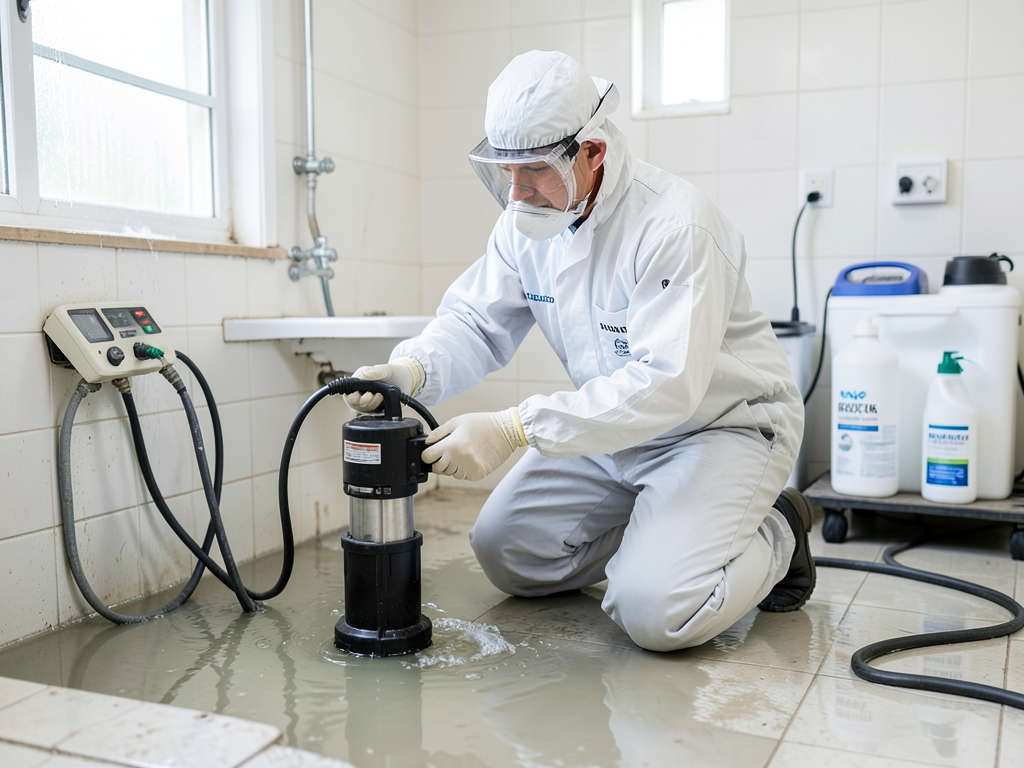
Water Damage Restoration Services in The Indianapolis Area

We are proud to serve the entire Indianapolis area and surrounding communities, providing rapid-response water damage restoration right where you need it most. Our central location allows us to deploy our 24/7 emergency teams quickly across the region. View our service area on the map below and remember that wherever you are in the Indianapolis metropolitan area, Apex Water Damage Restoration Indianapolis is ready to deliver expert and trustworthy service to secure your home or business.

Address:
Apex Water Damage Restoration Indianapolis, 6767 E Washington St, Indianapolis, IN, 46219

Additional Services We Offer

Our news updates

Latest Articles & News from The Blogs

Is Crawl Space Encapsulation Worth the Investment for Your Home in Wynnedale? Crawl space encapsulation can save Wynnedale homeowners thousands…

Is Crawl Space Encapsulation Worth the Investment for Your Home in Wynnedale?

Is Crawl Space Encapsulation Worth the Investment for Your Home in Wynnedale? Crawl space encapsulation can save Wynnedale homeowners thousands…

How to Decide Which Water Damaged Items to Keep and Which to Throw Away

How to Decide Which Water Damaged Items to Keep and Which to Throw Away When water floods your Indianapolis home…

Battery Backup vs Water Powered Sump Pumps for Your Near Eastside Basement

Why Your Near Eastside Basement Needs a Reliable Backup Sump Pump Living in the Near Eastside means dealing with Indianapolis's…

Contact Us

Mold does not wait. Every day of delayed commercial mold mitigation increases contamination, liability, and downtime. Call Apex Water Damage Restoration Indianapolis at (317) 703-7676 for an immediate assessment. We answer 24 hours a day and dispatch crews across Marion County.