
menu

Storm Flooding Emergency Service in Indianapolis – 60-Minute Response Time, 24/7 Dispatch

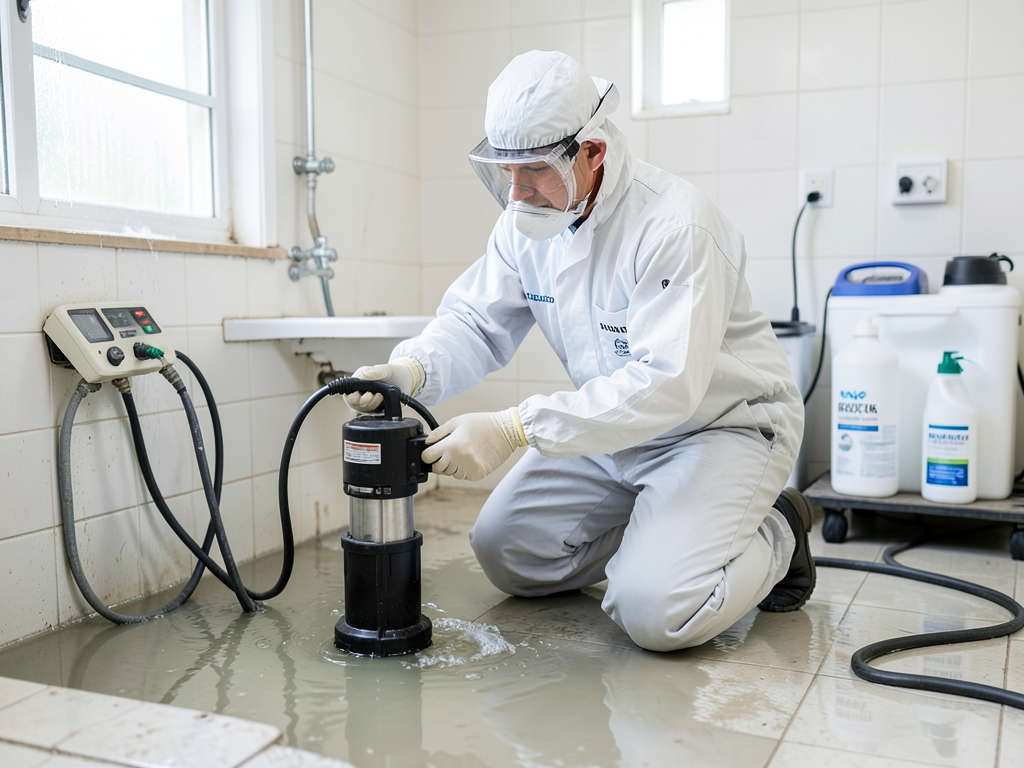
When storm flooding hits your Indianapolis property, Apex Water Damage Restoration Indianapolis deploys certified technicians within the hour to stop water infiltration, extract standing flood water, and prevent structural collapse before irreversible damage occurs.

Slider Image 1
Slider Image 2
Slider Image 3
Slider Image 4
Slider Image 5
Slider Image 7
Slider Image 8
Slider Image 9
Slider Image 10
Slider Image 11

Why Indianapolis Storm Flooding Demands Immediate Professional Intervention

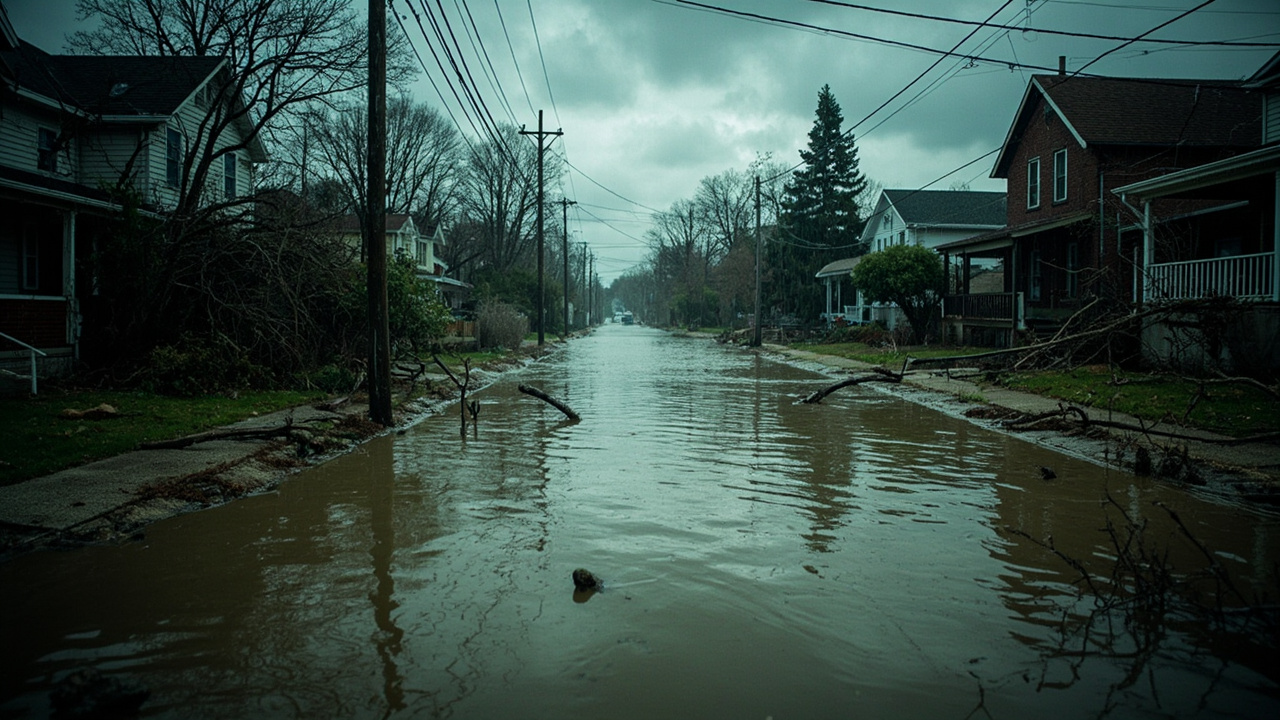
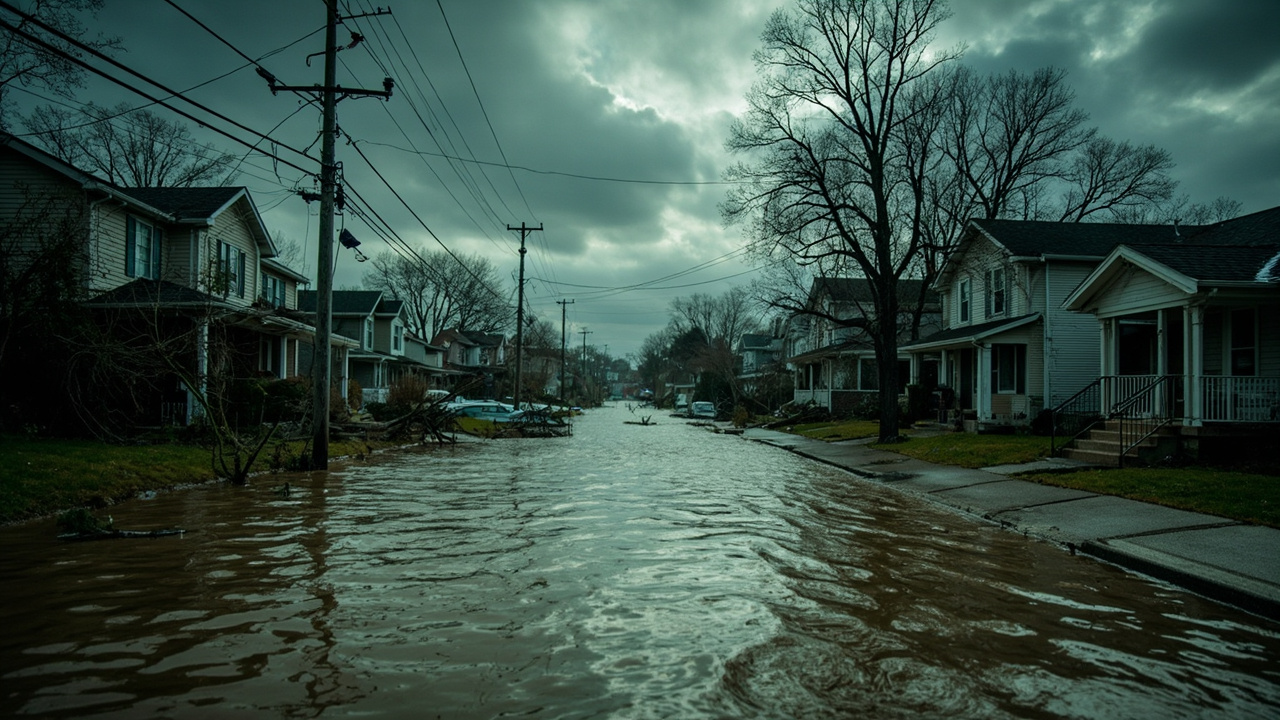
Indianapolis sits in a flood-prone basin where the White River and Fall Creek converge, making properties vulnerable to rapid water intrusion during severe thunderstorms and spring runoff events. The city's aging combined sewer system can overwhelm during heavy precipitation, pushing contaminated backflow into basements and crawl spaces across neighborhoods like Broad Ripple, Irvington, and Fountain Square.

You are dealing with more than standing water. Storm flooding carries sediment, bacteria, chemicals, and raw sewage. Within 24 hours, Class 3 water contamination begins breeding E. coli and mold spores. Within 48 hours, drywall wicks moisture vertically, wood framing swells, and electrical systems corrode. Hardwood floors cup. Carpet padding disintegrates. Insulation becomes a biohazard.

Indianapolis's clay-heavy soil compounds the problem. Once saturated, the ground loses load-bearing capacity, allowing hydrostatic pressure to crack foundation walls and push water through basement seams. Emergency storm damage restoration requires immediate water extraction using truck-mounted pumps capable of removing thousands of gallons per hour, not shop vacuums.

Urgent flood cleanup services must address the source, the spread, and the contamination simultaneously. You need rapid storm water extraction paired with antimicrobial treatment and structural drying using commercial dehumidifiers and air movers. Waiting for water to recede naturally guarantees mold colonization, wood rot, and insurance claim complications. Every hour you delay adds days to the drying timeline and thousands to the repair bill.

Why Indianapolis Storm Flooding Demands Immediate Professional Intervention
How Professional 24/7 Flood Water Removal Stops Damage Progression

How Professional 24/7 Flood Water Removal Stops Damage Progression

Apex Water Damage Restoration Indianapolis uses a three-phase containment protocol designed specifically for Indianapolis's storm flooding patterns. We do not simply pump water and leave. We execute a complete mitigation sequence that arrests damage at the cellular level.

Phase one is source isolation and bulk extraction. Our technicians identify active intrusion points, whether foundation cracks, window well failures, or sewer backups, and stop inflow using temporary barriers and backflow valves. Truck-mounted extractors pull standing water at rates exceeding 200 gallons per minute, far surpassing portable units. We document pre-loss moisture content using thermal imaging and pin-type moisture meters to establish drying benchmarks for insurance adjusters.

Phase two is contaminant neutralization. Storm water is Category 3 contaminated water. We apply EPA-registered antimicrobial agents to all affected surfaces, then remove unsalvageable materials like soaked insulation, baseboards, and carpet padding. Porous materials retain pathogens even after drying. We do not gamble with your family's health by attempting to salvage compromised materials.

Phase three is precision structural drying. We position low-grain refrigerant dehumidifiers and axial air movers based on psychrometric calculations, creating controlled evaporation environments. Our equipment runs continuously while technicians monitor moisture levels twice daily using moisture mapping protocols. Drying is complete only when wood framing, subfloors, and wall cavities return to 12 percent moisture content or lower, verified by deep-probe meters. This prevents hidden mold growth that appears weeks later behind walls.

What Happens When You Call for Emergency Flood Repair

Storm Flooding Emergency Service in Indianapolis – 60-Minute Response Time, 24/7 Dispatch
01

Immediate Dispatch and Assessment

Within 60 minutes of your call, a two-person rapid response team arrives with extraction equipment, moisture detection tools, and containment supplies. The lead technician conducts a Category classification assessment, identifies all affected zones using infrared cameras, documents the extent of intrusion with photos and moisture readings, and explains the mitigation plan before any equipment deployment. You receive a detailed scope of work and timeline within the first hour onsite.
02

Water Extraction and Containment

Technicians deploy truck-mounted extractors and submersible pumps to remove standing water, then establish containment zones using vapor barriers and negative air pressure to prevent cross-contamination into unaffected rooms. All contents are inventoried and relocated to dry areas. Antimicrobial treatment begins immediately on exposed surfaces. Damaged materials like saturated drywall and insulation are removed and staged for disposal. The area is prepped for controlled drying within the first four hours.
03

Structural Drying and Verification

Industrial dehumidifiers and air movers run continuously for three to seven days, depending on the extent of saturation and building materials affected. Technicians return daily to rotate equipment, take moisture readings, and adjust airflow patterns. Drying is complete when all structural components reach equilibrium moisture content, verified through direct measurement. You receive a final moisture report and certificate of completion that satisfies insurance documentation requirements and proves your property is safe for reconstruction.

Why Indianapolis Property Owners Choose Apex Water Damage Restoration for Storm Flooding Emergencies

Storm flooding in Indianapolis is not a once-a-decade event. It is an annual threat driven by the city's geography and aging infrastructure. You need a restoration partner who understands how White River floodplain dynamics, combined sewer overflow patterns, and Marion County drainage limitations create unique vulnerability corridors across the metro area.

Apex Water Damage Restoration Indianapolis has responded to hundreds of storm flooding emergencies in neighborhoods from Butler Tarkington to Garfield Park. Our technicians know which streets flood first during heavy rain, which basements are prone to sump pump failures, and how Indianapolis's clay soil affects foundation water intrusion. We work directly with local insurance adjusters who recognize our documentation standards, which accelerates your claim approval and reduces out-of-pocket expenses.

Our equipment inventory includes redundant backup systems. If a dehumidifier fails at 2 a.m., we swap it out within the hour, not the next business day. We maintain relationships with Indianapolis-area plumbers, electricians, and mold remediators, allowing us to coordinate multi-trade responses when storm damage affects mechanical systems or requires immediate electrical shutoffs.

You are not hiring a national franchise dispatcher routing your call to an unknown subcontractor. You are hiring a local Indianapolis team with response vehicles staged across Marion County. We arrive faster, we know the terrain, and we understand the specific failure modes of homes built in different eras across different Indianapolis neighborhoods. When minutes determine whether your hardwood floors survive or your drywall needs replacement, local expertise is not a luxury. It is a necessity.

What to Expect During Emergency Storm Damage Restoration

Response Time and Availability

Apex Water Damage Restoration Indianapolis operates 24 hours a day, 365 days a year, including holidays. When you call our emergency line at (317) 703-7676, you speak directly to a dispatch coordinator who deploys the nearest response team immediately. Most Indianapolis-area properties receive onsite arrival within 60 to 90 minutes, even during overnight hours or severe weather conditions. Our technicians carry fully stocked response vehicles equipped with extraction pumps, air movers, dehumidifiers, moisture meters, and antimicrobial agents, allowing us to begin mitigation the moment we arrive. No waiting for equipment rentals or second trips.

Initial Assessment and Scope Development

The lead technician conducts a room-by-room inspection using thermal imaging cameras and moisture meters to identify all affected areas, including hidden saturation inside wall cavities and beneath flooring. You receive a written scope of work detailing the water category classification, the extent of damage, which materials require removal, the estimated drying timeline, and the equipment deployment plan. We photograph all damage and document moisture readings for insurance purposes. This assessment is completed during the first onsite visit and provided to you before any restoration work begins, giving you full transparency into the process.

Drying Results and Final Verification

Professional structural drying is complete when all building materials return to their pre-loss moisture content, typically between 12 and 15 percent for wood framing and subfloors. Our technicians take daily moisture readings and adjust equipment positioning to optimize evaporation rates. You receive a final drying report that includes moisture maps, equipment logs, and before-and-after readings for every affected area. This documentation proves to insurance carriers and future buyers that drying was performed to IICRC S500 standards, protecting your property value and preventing future mold claims. Restoration contractors cannot begin reconstruction until this verification is complete.

Insurance Coordination and Documentation

We work directly with your insurance carrier to streamline the claims process and ensure you receive full coverage for emergency storm damage restoration. Our technicians document all damage using industry-standard protocols recognized by major insurers, including timestamped photos, moisture readings, and detailed loss inventories. We provide itemized estimates and communicate directly with adjusters to answer technical questions about water category classification, structural drying requirements, and material removal necessity. Most clients experience faster claim approvals and higher settlement amounts when professional documentation supports their loss. We do not bill you until insurance approval is confirmed whenever possible, reducing your upfront financial burden during an already stressful emergency.

Frequently Asked Questions

You Have Questions,
We Have Answers

What are the emergency procedures for flooding? +

If flooding hits your Indianapolis home, act fast. First, shut off electricity at the breaker if you can do so safely. Never touch electrical equipment while standing in water. Move to higher ground immediately if water is rising. Do not walk or drive through floodwater. Once safe, call a licensed water damage restoration company available 24/7. Document damage with photos for insurance. Remove standing water quickly to prevent mold growth, which thrives in Indianapolis humidity. Time matters. Within 24 to 48 hours, mold can colonize, turning a flood into a health hazard.

How to apply for FEMA $750? +

FEMA Serious Needs Assistance provides $750 for immediate needs after a declared disaster. To apply, register with FEMA within 60 days of the disaster declaration. Go to DisasterAssistance.gov or call 1-800-621-3362. You need your Social Security number, address of the damaged property, insurance information, and bank account details for direct deposit. Indianapolis residents affected by federally declared disasters like severe storms or White River flooding may qualify. The $750 is an advance, not the total assistance. FEMA will assess your full damages separately for additional housing or repair funds.

Is flooding considered an emergency? +

Yes. Flooding is a life-threatening emergency. It causes more deaths than tornadoes or lightning in the United States. In Indianapolis, flash floods from severe thunderstorms or White River overflow can turn streets into rivers in minutes. Six inches of moving water can knock you down. Twelve inches can carry a vehicle away. Floodwater carries sewage, chemicals, and debris, creating serious health risks. Structural damage and electrical hazards compound the danger. If your home floods, treat it as urgent. Call emergency services if lives are at risk, then contact a restoration company immediately to mitigate damage.

Who do you call if your house is flooding? +

Call 911 first if anyone is in immediate danger. Once safe, contact a 24/7 emergency water damage restoration company serving Indianapolis. Do not wait for your insurance adjuster to arrive. Delays worsen damage and increase mold risk, especially in Indianapolis humidity. A certified restoration team will extract water, set up drying equipment, and document losses for your insurance claim. If flooding results from a burst pipe, shut off your main water supply. For sewer backups common in older Indianapolis neighborhoods, avoid contact with contaminated water. Professional help stops damage from spreading and protects your health.

What are 5 emergency procedures? +

Five critical flood emergency procedures are: One, evacuate to higher ground if water is rising or authorities order it. Two, shut off electricity at the main breaker panel if safe to do so. Three, never walk or drive through floodwater, even if it looks shallow. Four, call 911 if anyone needs rescue. Five, document all damage with photos and videos for insurance before cleanup begins. Indianapolis residents near Fall Creek or Eagle Creek should monitor weather alerts during severe storms. Acting fast reduces property damage and keeps your family safe during flooding emergencies.

What are 10 items in an emergency kit for flood? +

A flood emergency kit for Indianapolis homes should include: bottled water for three days, non-perishable food, flashlight with extra batteries, battery-powered weather radio, first aid kit, prescription medications, hygiene items, copies of insurance documents in waterproof bags, cash, and a phone charger. Add items specific to Indianapolis weather like warm blankets for winter flooding and cooling towels for summer storms. Store your kit above ground level. Basements in Indianapolis are vulnerable to sewer backups and groundwater seepage. Keep the kit accessible so you can grab it fast if evacuation orders come.

What is the average FEMA flood payout? +

FEMA flood assistance averages around $5,000 to $10,000 per household, but payouts vary widely based on damage severity and individual circumstances. This is a grant, not insurance. FEMA assistance covers temporary housing, essential home repairs, and personal property losses not covered by insurance. Indianapolis residents should understand FEMA aid is meant to make your home safe and habitable, not restore it to pre-flood condition. Maximum assistance is capped at around $40,000 for all needs. Always apply even if you have insurance. FEMA may cover expenses your policy excludes, like temporary relocation costs.

What is the SBA $10,000 grant? +

The SBA disaster loan program offered up to $10,000 in advance funds during COVID-19, but that program ended. The SBA does provide low-interest disaster loans for physical damage and economic injury after declared disasters. Indianapolis homeowners and renters affected by flooding may qualify for loans up to $200,000 to repair real estate and $40,000 to replace personal property. These are loans you repay, not grants. Interest rates are typically around 2 to 4 percent. You must apply through the SBA after registering with FEMA. This helps cover costs FEMA grants do not fully address.

Why did I receive $700 from FEMA? +

FEMA Serious Needs Assistance provides a one-time $700 payment for immediate disaster-related needs like food, water, medicine, or fuel. Indianapolis residents receive this after a federally declared disaster if they register with FEMA and qualify based on damage assessments. The payment comes quickly to address urgent expenses while FEMA reviews your full claim. It is not a loan. You do not repay it. However, receiving $700 does not mean your case is closed. FEMA continues evaluating your damage for additional housing assistance, home repair funds, or other support based on your documented losses and insurance coverage.

Who is liable for flooding? +

Liability for flooding depends on the cause. Homeowners are typically liable for interior flooding from burst pipes or appliance failures. In Indianapolis, municipalities may be liable if storm sewer backups or drainage system failures cause flooding, but sovereign immunity often limits claims. Neighboring property owners can be liable if their negligence, like blocking drainage or improper grading, causes water to flow onto your lot. Landlords are liable for tenant flooding due to maintenance neglect. Insurance companies cover damages per your policy terms. Document everything. If liability is unclear, consult an Indianapolis attorney experienced in property damage claims.

How Indianapolis's Combined Sewer System Increases Storm Flooding Contamination Risk

Indianapolis operates one of the largest combined sewer systems in the United States, mixing stormwater runoff with sanitary sewage in the same underground pipes. During heavy rain events, this system overwhelms, causing combined sewer overflows that push contaminated water back into basements through floor drains, toilets, and foundation cracks. Unlike clean rainwater flooding, CSO backups contain raw sewage, industrial chemicals, and biological pathogens, requiring immediate Category 3 emergency flood cleanup services. Properties in older neighborhoods like Fountain Square, Bates Hendricks, and Holy Cross are particularly vulnerable due to infrastructure installed before modern separation standards. Professional rapid storm water extraction must include antimicrobial treatment and contaminated material removal, not just pumping.

Indianapolis property owners face unique flooding challenges that require local expertise, not generic national franchise protocols. Apex Water Damage Restoration Indianapolis understands how Marion County's flat topography, clay soil composition, and aging drainage infrastructure create predictable failure patterns across different neighborhoods. Our technicians know which streets flood during moderate rain, which basements are prone to sump pump failures, and how to navigate insurance claims with local adjusters familiar with Indianapolis's recurring storm flooding issues. We maintain staging locations across the metro area specifically to reduce response times during widespread weather events when every restoration company is overwhelmed. Choosing a local Indianapolis emergency flood repair company means faster arrival, better documentation, and technicians who understand your property's specific vulnerabilities.
Water Damage Restoration Services in The Indianapolis Area

We are proud to serve the entire Indianapolis area and surrounding communities, providing rapid-response water damage restoration right where you need it most. Our central location allows us to deploy our 24/7 emergency teams quickly across the region. View our service area on the map below and remember that wherever you are in the Indianapolis metropolitan area, Apex Water Damage Restoration Indianapolis is ready to deliver expert and trustworthy service to secure your home or business.

Address:
Apex Water Damage Restoration Indianapolis, 6767 E Washington St, Indianapolis, IN, 46219

Additional Services We Offer

Our news updates

Latest Articles & News from The Blogs

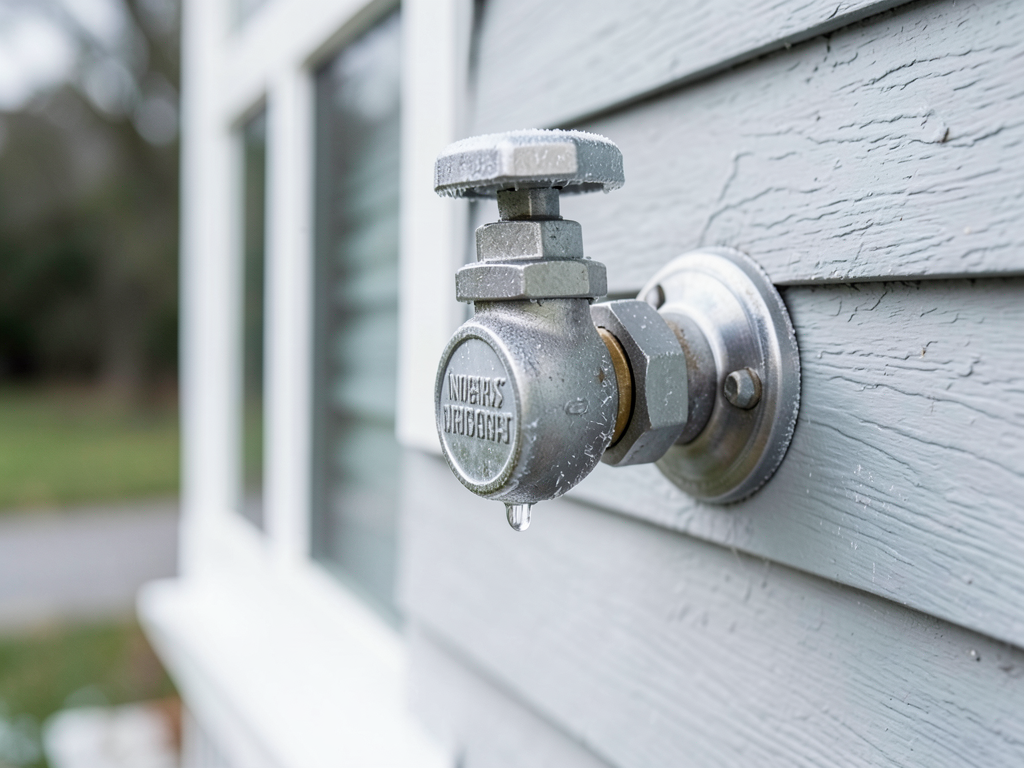
The Hidden Cost of Leaving Your Garden Hose Connected During an Indianapolis Winter Every fall Indianapolis homeowners face the same…

The Hidden Cost of Leaving Your Garden Hose Connected During an Indianapolis Winter

The Hidden Cost of Leaving Your Garden Hose Connected During an Indianapolis Winter Every fall Indianapolis homeowners face the same…

What to Do When Your Toilet Overflows and Drips Through the Ceiling in Fishers

What to Do When Your Toilet Overflows and Drips Through the Ceiling in Fishers Water from a toilet overflow creates…

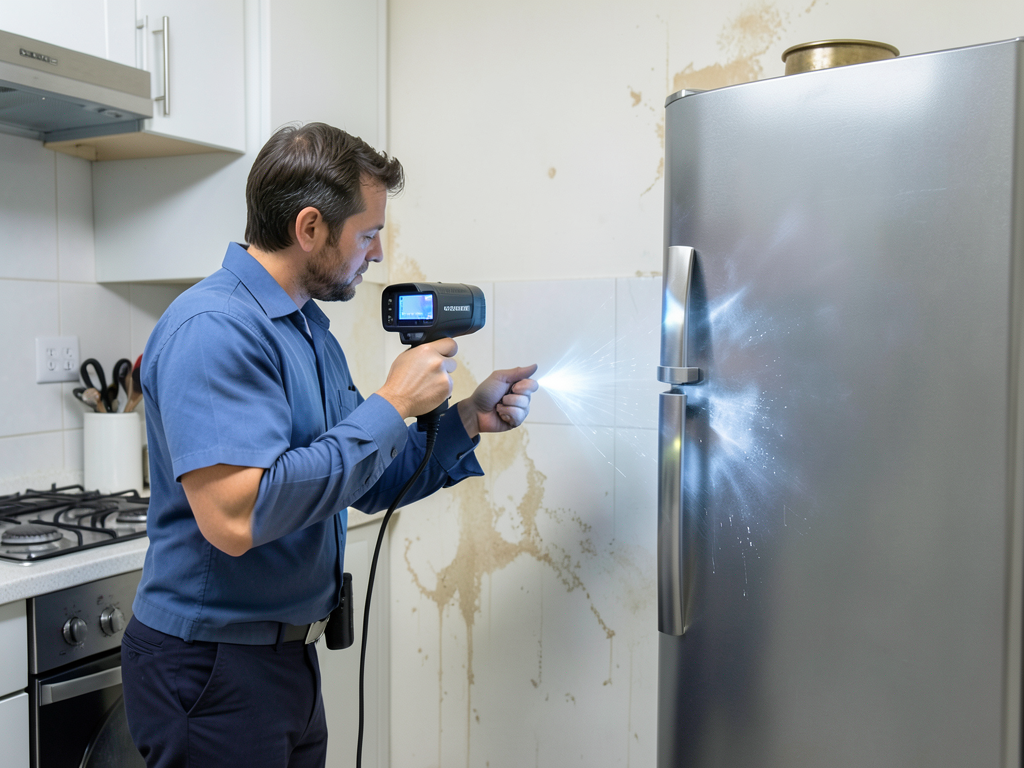
How Your Refrigerator Ice Maker Can Quietly Flood Your Kitchen in Carmel

How Your Refrigerator Ice Maker Can Quietly Flood Your Kitchen in Carmel Your refrigerator's ice maker can leak for weeks…

Contact Us

Every minute you wait allows contaminated water to spread deeper into your walls, floors, and foundation. Call (317) 703-7676 now for 60-minute emergency dispatch. Our Indianapolis rapid response team is standing by 24/7 with truck-mounted extraction equipment and industrial drying systems ready to deploy to your property immediately.