menu

Allergic Reactions in Home in Indianapolis – Expert Diagnosis and Complete Mold Remediation

When household mold allergies disrupt your family's health, Apex Water Damage Restoration Indianapolis delivers thorough moisture source identification, professional containment, and complete allergen elimination to restore safe indoor air quality in your home.

Slider Image 1
Slider Image 2
Slider Image 3
Slider Image 4
Slider Image 5
Slider Image 7
Slider Image 8
Slider Image 9
Slider Image 10
Slider Image 11

Why Indianapolis Homes Trigger Indoor Mold Symptoms

You notice the pattern. Sneezing fits that start the moment you walk through the front door. Congestion that clears up when you leave for work. Itchy eyes that worsen overnight. These are not random allergic reactions. They are indoor mold symptoms tied directly to moisture problems inside your Indianapolis home.

Indianapolis sits in a humid continental climate zone. Summer humidity regularly pushes past 70 percent. Basements in older Fountain Square and Broad Ripple homes were built before modern vapor barriers became standard. Foundation walls absorb groundwater. Crawl spaces trap moisture. HVAC systems struggle to dehumidify effectively during July and August. The result is a perfect breeding ground for household mold allergies.

Water damage allergy triggers do not always announce themselves with visible black spots. Mold grows behind drywall. It colonizes inside ductwork. It thrives under bathroom tile grout. You smell the musty odor but cannot locate the source. Your family suffers from mildew allergic reactions, chronic coughs, and sinus pressure that never fully resolves.

The freeze-thaw cycle compounds the problem. January temperatures drop below freezing 25 nights per month on average. Pipes burst in unheated rim joists. Ice dams form on north-facing rooflines. When the thaw arrives, water seeps into wall cavities and attic insulation. By March, spores colonize the damp materials. By May, your family experiences full-blown mold exposure symptoms.

Ignoring the problem does not make it disappear. Spore counts increase exponentially. Cross-contamination spreads through forced air systems. Children and elderly family members face the highest risk. Professional intervention stops the cycle.

Why Indianapolis Homes Trigger Indoor Mold Symptoms
How We Eliminate Water Damage Allergy Triggers at the Source

How We Eliminate Water Damage Allergy Triggers at the Source

Generic cleaning does not resolve mold exposure symptoms. Surface scrubbing pushes spores deeper into porous materials. Bleach masks the odor temporarily but fails to kill subsurface colonies. DIY remediation often worsens cross-contamination. You need source elimination, not cosmetic fixes.

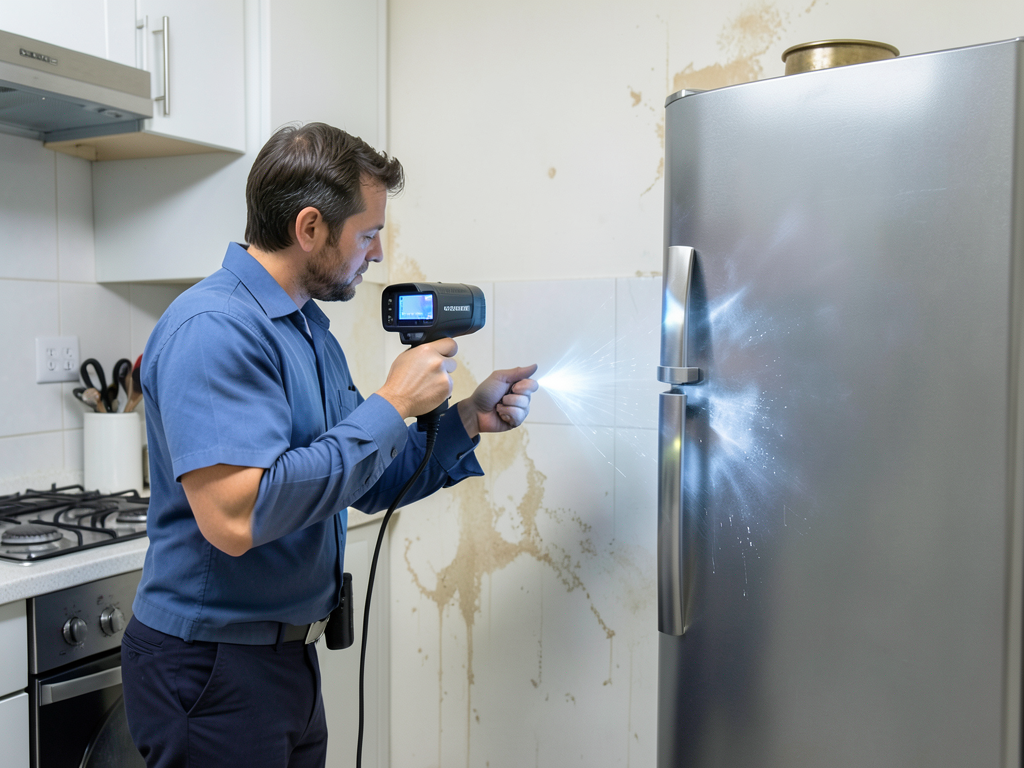
Apex Water Damage Restoration Indianapolis uses thermal imaging to map moisture intrusion paths. Infrared cameras reveal temperature differentials inside wall cavities. We identify hidden leaks behind shower pans, under slab foundations, and around window flashings. Moisture meters quantify saturation levels in wood framing and drywall. We document readings before remediation begins.

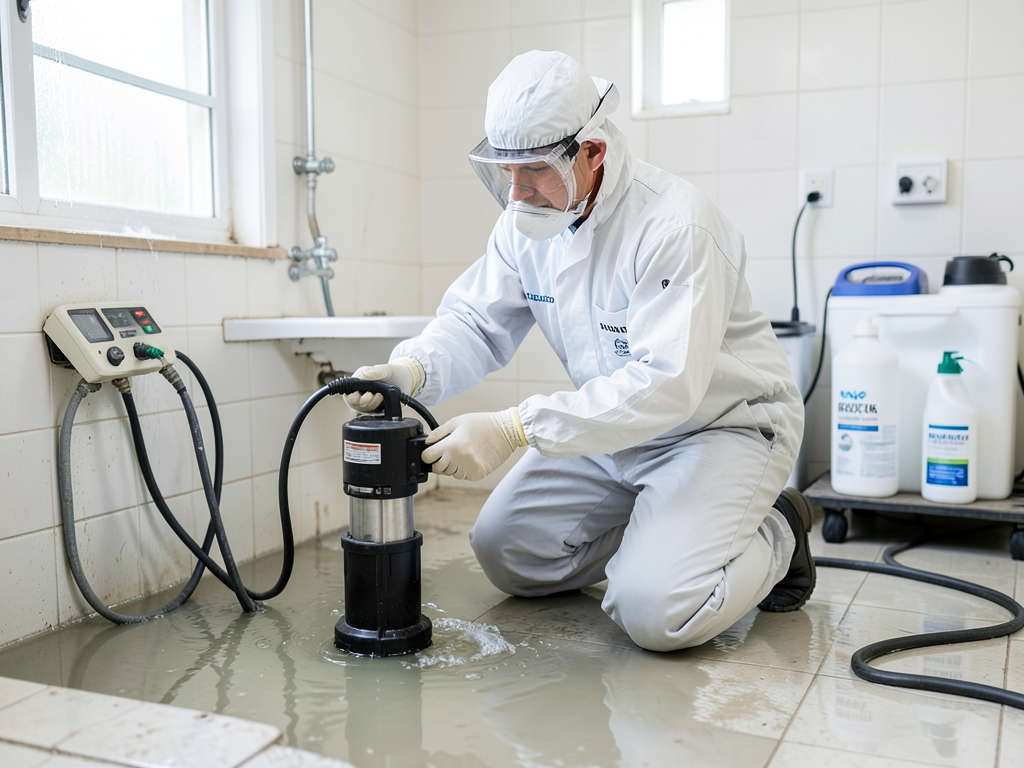
Containment prevents spore migration during removal. We establish negative air pressure zones using HEPA-filtered air scrubbers. Polyethylene barriers isolate work areas from living spaces. This protects unaffected rooms from airborne contamination. We remove water-damaged materials down to the framing. Wet drywall gets stripped to the studs. Soaked insulation gets bagged and disposed of properly. Subflooring damaged by Category 2 or Category 3 water gets replaced entirely.

Antimicrobial treatments kill remaining colonies on non-porous surfaces. We apply EPA-registered fungicides to concrete, metal ductwork, and framing lumber. HEPA vacuums capture surface spores before encapsulation. After treatment, we verify remediation success using post-clearance air sampling. Independent labs analyze spore counts. We provide documentation showing your indoor air quality meets or exceeds acceptable thresholds.

Structural drying eliminates the moisture that caused the problem. Commercial dehumidifiers pull humidity below 50 percent. Air movers accelerate evaporation in wall cavities. We monitor progress daily using calibrated hygrometers. Drying continues until materials reach equilibrium moisture content. Only then do we begin reconstruction.

What Happens During Mold Remediation and Allergen Removal

Allergic Reactions in Home in Indianapolis – Expert Diagnosis and Complete Mold Remediation
01

Moisture Source Investigation

We begin by identifying every active water intrusion point in your home. Thermal cameras scan exterior walls, rooflines, and foundation perimeters. Moisture meters probe suspect areas around plumbing fixtures, HVAC condensate lines, and basement sump pump pits. We trace the moisture path from entry point to affected materials. This diagnostic phase prevents recurrence after remediation is complete. You receive a detailed moisture map showing problem zones.
02

Containment and Safe Removal

Containment barriers go up before any material removal begins. HEPA air scrubbers create negative pressure inside the work zone. This prevents spores from migrating into bedrooms, kitchens, or living areas. We remove contaminated drywall, insulation, and flooring in sealed bags. Non-porous surfaces get treated with antimicrobial solutions. Framing lumber gets HEPA vacuumed and encapsulated. Every step follows IICRC S520 mold remediation standards. Your family stays safe during the entire process.
03

Verification and Restoration

Post-remediation air sampling confirms spore counts return to normal levels. Independent labs analyze samples and provide clearance documentation. Structural drying equipment remains onsite until moisture readings stabilize below 15 percent. We replace removed materials with mold-resistant drywall and treated lumber. Final HVAC duct cleaning removes any remaining particulates. You move back into a home with verified safe air quality. Your household mold allergies stop triggering the moment you walk through the door.

Why Indianapolis Families Trust Local Mold Remediation Experts

Out-of-town restoration companies miss the details that matter in Indianapolis homes. They do not recognize the foundation designs common in Meridian-Kessler bungalows. They misdiagnose moisture problems in Butler-Tarkington crawl spaces. They underestimate the vapor pressure that builds in basements during spring thaw cycles. You need a team that understands local construction methods and seasonal water intrusion patterns.

Apex Water Damage Restoration Indianapolis has remediated mold in every neighborhood from Irvington to Broad Ripple. We know which local builders used substandard vapor barriers in the 1970s. We recognize the ductwork designs that trap condensation in split-level ranch homes. We understand how Indianapolis's clay soil shifts during wet seasons, creating foundation cracks that channel groundwater into basements.

Local expertise means faster diagnosis and fewer return trips. We carry the equipment needed for Indianapolis-specific problems. Thermal cameras calibrated for our humidity ranges. Dehumidifiers sized for basement square footage common in Fountain Square. Antimicrobial products effective against the mold species prevalent in Central Indiana's climate. We do not waste your time ordering specialty tools or researching local building codes onsite.

Insurance claims move faster when adjusters recognize the restoration company. Indianapolis adjusters know our documentation standards. They trust our moisture readings and air quality reports. They approve our remediation scope without lengthy disputes. You get faster claim resolution and quicker return to normal life.

We live in the neighborhoods we serve. Our technicians understand the urgency when a family cannot breathe safely in their own home. We prioritize emergency calls from Indianapolis residents. We arrive prepared to contain the problem immediately, not schedule a follow-up visit days later.

What to Expect During Professional Mold Remediation

Emergency Response Time

We dispatch technicians within two hours of your call during business hours. Emergency response runs 24/7 for active water intrusion events. Initial containment begins the same day to prevent spore migration. Thermal imaging and moisture mapping typically finish within three hours onsite. You receive a written remediation plan before we begin material removal. Most residential remediation projects reach the drying phase within 48 hours of initial contact. Timeline depends on contamination extent and moisture source complexity, but we prioritize speed to minimize your family's exposure.

Comprehensive Moisture Assessment

Thermal imaging scans every exterior wall, roofline transition, and foundation perimeter. Moisture meters probe drywall, framing, and subflooring in affected rooms and adjacent spaces. We inspect attic ventilation, crawl space vapor barriers, and HVAC condensate drainage. Plumbing fixtures get pressure tested if leak activity is suspected. You receive a detailed report showing moisture readings, thermal images, and identified intrusion points. This diagnostic phase ensures we address root causes, not surface symptoms. Assessment typically takes two to four hours depending on home size and access limitations.

Verified Air Quality Results

Post-remediation air sampling provides objective proof of successful allergen removal. Independent labs analyze spore counts and species identification. We compare post-remediation samples to outdoor control samples and industry baseline standards. You receive lab reports showing your indoor air quality meets acceptable thresholds. HEPA filtration continues until sample results confirm clearance. Structural drying equipment remains onsite until moisture readings stabilize below 15 percent equilibrium. We document the entire process with photos, moisture logs, and air quality reports. Your family moves back into a home with verified safe conditions.

Post-Remediation Monitoring

We provide moisture monitoring protocols to prevent recurrence. You learn which areas require seasonal humidity control and how to identify early warning signs of moisture intrusion. We recommend dehumidifier placement and settings for basement and crawl space environments. HVAC duct cleaning removes residual particulates from air distribution systems. We inspect repairs 30 days after project completion to verify moisture levels remain stable. If you notice returning symptoms, we perform complimentary moisture checks within the first 90 days. Education prevents future problems. You gain the knowledge to maintain healthy indoor air quality year-round.

Frequently Asked Questions

You Have Questions,
We Have Answers

What could be causing allergies in my house? +

Common culprits include dust mites thriving in Indianapolis humidity, pet dander, mold spores from water intrusion, and cockroach droppings. Older homes near downtown may have poor ventilation that traps allergens. Water damage in basements or crawl spaces creates ideal conditions for mold growth. HVAC systems recirculate particles if filters are neglected. Carpeting and upholstered furniture trap allergens. Indianapolis homes built before 1980 often lack proper moisture barriers, allowing dampness that feeds mold colonies. Check hidden areas like behind walls, under sinks, and in attics where leaks go unnoticed.

How do I figure out what I am allergic to in my house? +

Start with your doctor for skin prick or blood tests to identify specific allergens. Track symptoms in a journal, noting when reactions worsen. Inspect your home room by room for visible mold, water stains, or pest evidence. Use elimination testing by removing suspected items like rugs or houseplants. Professional mold testing identifies hidden colonies common in Indianapolis basements due to clay soil moisture. Check HVAC ducts for accumulated dust and mold. Test humidity levels. Levels above 60 percent encourage dust mites and mold. Consider professional allergen testing for conclusive results.

How to manage an allergic reaction at home? +

Remove yourself from the trigger immediately. Wash exposed skin and rinse nasal passages with saline solution. Take antihistamines as directed on packaging. Apply cool compresses to irritated skin or eyes. Use air purifiers with HEPA filters to reduce airborne allergens. For severe reactions with breathing difficulty, use your prescribed epinephrine injector and call 911. Clean surfaces with damp cloths to trap rather than scatter allergens. Monitor symptoms closely. If reactions persist after leaving the environment, contact your doctor. Address the source, whether mold, dust, or pet dander, to prevent recurrence.

How do you treat an allergy cough? +

Drink plenty of fluids to thin mucus and soothe throat irritation. Use over-the-counter antihistamines to reduce histamine response. Try cough suppressants containing dextromethorphan for dry coughs or expectorants for productive coughs. Run a humidifier to ease airway irritation, but keep levels below 50 percent to avoid mold growth common in Indianapolis homes. Honey can coat the throat and reduce coughing. Sleep with your head elevated. Identify and eliminate the allergen source, whether dust, mold, or pet dander. If coughing persists beyond two weeks, see your doctor to rule out infection.

How to test your house for allergens? +

Hire a professional indoor air quality specialist to collect samples from dust, air, and surfaces. DIY test kits for mold and dust mites are available at hardware stores, but results are less reliable. Professionals use particle counters to measure airborne allergens. In Indianapolis, focus on basements and crawl spaces where moisture accumulates due to clay soil and high water tables. Inspect HVAC systems for mold and dust buildup. Check humidity levels with a hygrometer. Test after water damage or flooding. Visible mold or musty odors indicate immediate testing needs.

What could I be allergic to in my own house? +

Dust mites in bedding and furniture, pet dander even from homes without current pets, mold from hidden water damage, cockroach allergens in older homes, and pollen tracked indoors. Chemicals in cleaning products, fragrances, and air fresheners trigger reactions. Mold thrives in Indianapolis homes with basement moisture or roof leaks. Latex in gloves or mattresses, formaldehyde in pressed wood furniture, and volatile organic compounds from new carpeting cause sensitivities. Even houseplants harbor mold in soil. Poor ventilation concentrates these allergens indoors. Older homes near Fountain Square often have multiple allergen sources from aging infrastructure.

Do air purifiers help allergies? +

Yes, when used correctly. HEPA filters capture 99.97 percent of particles down to 0.3 microns, including pollen, dust mites, pet dander, and some mold spores. Place units in bedrooms and main living areas. Change filters regularly per manufacturer instructions. Air purifiers do not remove allergens settled on surfaces, so combine with regular cleaning. They work best in sealed rooms. Indianapolis humidity requires models with dehumidifying features or separate dehumidifiers to prevent mold. Purifiers cannot fix underlying moisture problems or mold colonies. Address water damage first, then use purifiers to maintain air quality.

Can mold cause allergic reactions? +

Absolutely. Mold releases spores and mycotoxins that trigger allergic reactions including sneezing, congestion, itchy eyes, skin rashes, and respiratory distress. People with asthma face severe reactions. Indianapolis homes are prone to mold due to humid summers, basement moisture, and freeze-thaw cycles that crack foundations. Hidden mold behind walls or under flooring from past water damage causes chronic symptoms. Black mold (Stachybotrys) is particularly problematic. Even dead mold triggers reactions. Professional remediation removes mold colonies safely. Cleaning visible mold yourself may spread spores. Address water intrusion sources to prevent regrowth.

Why am I congested in my house but not outside? +

Your home likely has concentrated allergens that outdoor air dilutes. Poor ventilation traps dust, mold spores, and pet dander indoors. Indianapolis homes sealed tight for heating and cooling efficiency limit fresh air exchange. Older homes near Broad Ripple or Irvington may have hidden mold from past water damage. Carpeting and fabric furniture trap allergens. Your HVAC system may recirculate contaminated air if filters are dirty. Dust mites thrive in indoor humidity. Outdoor exposure allows your immune system a break from indoor triggers. Professional air quality testing identifies specific indoor allergens causing your symptoms.

How do you flush an allergic reaction out of your system? +

Drink water to help your body process and eliminate histamines. Take antihistamines to block the allergic response. Shower to remove allergens from skin and hair. Use saline nasal rinses to flush allergens from nasal passages. Eat foods with quercetin like apples or onions, which have natural antihistamine properties. Get fresh air away from the allergen source. Your body typically clears allergens within hours to days depending on exposure severity. Rest supports immune function. For persistent reactions, see your doctor. Eliminate the allergen source in your home to prevent continued exposure and repeated reactions.

How Indianapolis Humidity and Freeze-Thaw Cycles Create Chronic Mold Problems

Indianapolis averages 73 percent relative humidity during July and August. Basements in homes built before 1980 rarely include interior drainage systems or vapor barriers on foundation walls. Clay soil prevalent throughout Marion County absorbs water during spring rains, then expands against foundation walls. Hydrostatic pressure forces groundwater through mortar joints and foundation cracks. Winter freeze-thaw cycles worsen the damage. January temperatures drop below freezing an average of 25 nights. Pipes in unheated rim joists burst. Ice dams form on north-facing rooflines. When temperatures rise above 40 degrees in February, trapped ice melts into wall cavities and attic insulation. By April, mold colonies establish themselves in damp materials.

Indianapolis building codes updated drainage requirements in 1995, but older homes in Fountain Square, Broad Ripple, and Irvington lack modern moisture management systems. Local restoration expertise matters when you face chronic mold problems tied to pre-code construction. We understand which neighborhoods face the highest risk from clay soil expansion. We recognize foundation designs that channel water into basement living spaces. We know how to retrofit older homes with vapor barriers and drainage solutions that meet current standards. National restoration chains lack this neighborhood-specific knowledge. You need technicians who have remediated hundreds of Indianapolis basements and understand local moisture patterns.
Water Damage Restoration Services in The Indianapolis Area

We are proud to serve the entire Indianapolis area and surrounding communities, providing rapid-response water damage restoration right where you need it most. Our central location allows us to deploy our 24/7 emergency teams quickly across the region. View our service area on the map below and remember that wherever you are in the Indianapolis metropolitan area, Apex Water Damage Restoration Indianapolis is ready to deliver expert and trustworthy service to secure your home or business.

Address:
Apex Water Damage Restoration Indianapolis, 6767 E Washington St, Indianapolis, IN, 46219

Additional Services We Offer

Our news updates

Latest Articles & News from The Blogs

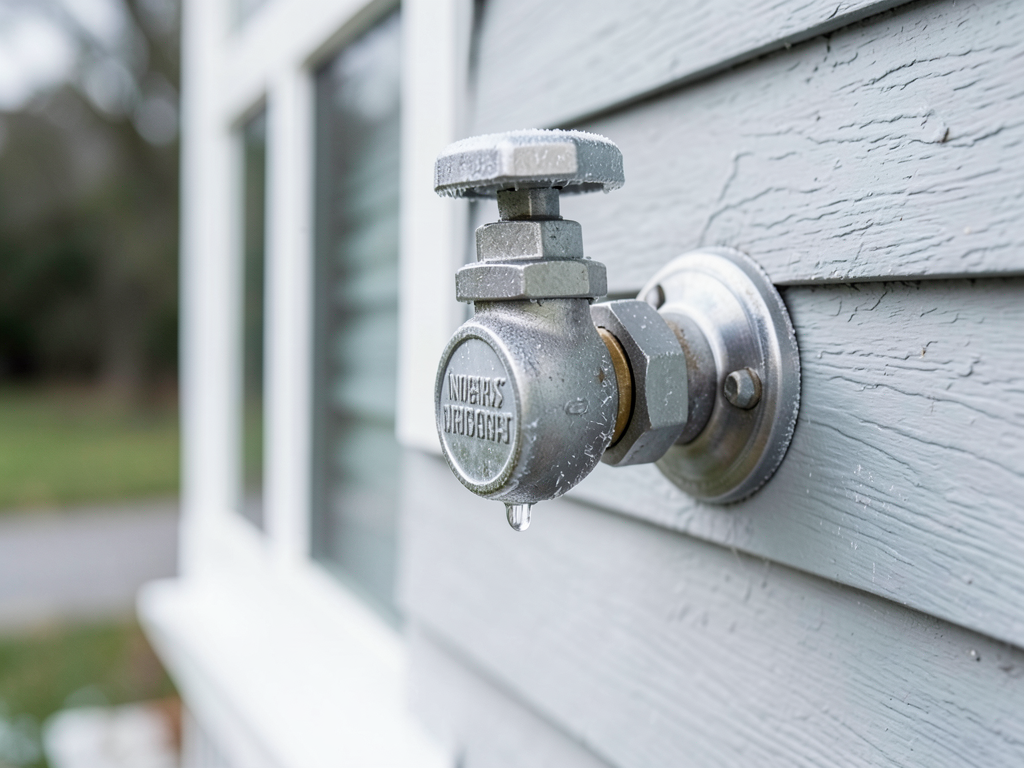
The Hidden Cost of Leaving Your Garden Hose Connected During an Indianapolis Winter Every fall Indianapolis homeowners face the same…

The Hidden Cost of Leaving Your Garden Hose Connected During an Indianapolis Winter

The Hidden Cost of Leaving Your Garden Hose Connected During an Indianapolis Winter Every fall Indianapolis homeowners face the same…

What to Do When Your Toilet Overflows and Drips Through the Ceiling in Fishers

What to Do When Your Toilet Overflows and Drips Through the Ceiling in Fishers Water from a toilet overflow creates…

How Your Refrigerator Ice Maker Can Quietly Flood Your Kitchen in Carmel

How Your Refrigerator Ice Maker Can Quietly Flood Your Kitchen in Carmel Your refrigerator's ice maker can leak for weeks…

Contact Us

Your family deserves to breathe safely inside your own home. Call Apex Water Damage Restoration Indianapolis now at (317) 703-7676. We dispatch technicians within two hours to identify moisture sources and begin containment. Stop the sneezing, congestion, and chronic sinus pressure. Get verified results, not temporary fixes.