


Noblesville sits in Hamilton County where White River flooding, basement seepage, and storm water intrusion create constant threats to residential properties. The heavy clay soil common throughout the Noblesville area prevents proper drainage, pushing water toward foundations instead of away from them. Spring thaw cycles combined with summer thunderstorms mean homes near Potter's Bridge Park and along Cicero Creek experience recurring moisture problems that most restoration companies don't understand.
Indiana's humidity levels create secondary problems after the initial water event. Without proper drying protocols, moisture trapped in wall cavities and subflooring leads to mold growth within 48 hours. Homes built in older Noblesville neighborhoods near the courthouse square often have limestone foundations that wick moisture, while newer construction in areas like Harbour Trees and Fox Prairie use oriented strand board that degrades quickly when wet. The freeze-thaw cycles we experience from November through March cause pipe bursts in attics and crawl spaces, flooding homes when residents are least prepared. Your water damage restoration provider needs to understand these regional factors to dry your property correctly the first time.
Apex Water Damage Restoration Indianapolis has restored over 3,000 properties across Hamilton County since our founding, giving us deep knowledge of how water behaves in Noblesville homes. We maintain response vehicles stationed north of Indianapolis so we can reach properties in Noblesville within an hour of your call, not the three to four hours you'll wait for companies based downtown.
Our technicians carry moisture meters calibrated for Indiana's seasonal humidity fluctuations and thermal imaging cameras that detect hidden water in wall cavities before it causes structural damage. We don't subcontract any work. The crew that answers your emergency call is the same team that completes your restoration, so there's no communication breakdown or finger-pointing when problems arise.
We've built relationships with every major insurance carrier operating in Hamilton County. Our estimators write claims using Xactimate software with pricing specific to Noblesville zip codes, which means fewer disputes and faster approvals. We photograph and document everything, providing the evidence your adjuster needs to approve your claim on the first submission.
Our equipment inventory includes truck-mounted extraction units that pull thousands of gallons per hour, not the small shop-vacs that other companies use. We deploy desiccant dehumidifiers for large losses and low-grain refrigerant units for targeted drying. Every job gets a drying plan based on psychrometric calculations, not guesswork. We monitor moisture levels daily and don't leave your property until testing confirms complete dryness. That's why we maintain a 98 percent customer satisfaction rating and why Noblesville homeowners call us first when water strikes.

We stage response vehicles in northern Indianapolis specifically to serve Noblesville, allowing us to arrive onsite within 60 minutes of your call. Our rapid response stops water from spreading into unaffected areas, reducing total damage and lowering your claim costs. When basement flooding threatens your furnace or water pours through ceilings, an hour matters.

We work directly with your insurance carrier from first call to final invoice. Our estimators submit detailed loss documentation using Xactimate software, the same platform adjusters use, eliminating disputes over pricing or scope. You'll never chase paperwork or wonder if your claim will be approved. We handle the entire insurance process while you focus on getting your life back to normal.
Every technician on our crew holds current IICRC certification in water damage restoration and applied structural drying. This isn't just a piece of paper. It means our team understands psychrometrics, proper drying protocols, and antimicrobial treatment standards. We follow the IICRC S500 Standard for water damage restoration on every job, ensuring your property is dried correctly and safely.
We've restored properties in every Noblesville neighborhood from historic homes downtown to new construction in Harbour Trees. We understand the clay soil drainage problems, the basement seepage issues near White River, and the construction methods used in different eras. This local knowledge means faster, more accurate restoration because we've seen your exact situation before.
Water damage restoration requires more than just drying wet materials. Effective water damage mitigation involves immediate water removal, structural drying using commercial equipment, content restoration, and rebuilding damaged areas. Apex Water Damage Restoration Indianapolis provides the complete spectrum of water damage cleanup services under one roof, eliminating the need to coordinate multiple contractors during an already stressful situation.
Our service approach separates water damage restoration into three distinct phases based on urgency and complexity. Emergency water extraction happens first, stabilizing your property and preventing additional damage. Structural drying and dehumidification follow, using scientific monitoring to confirm complete moisture removal. Finally, our reconstruction team repairs and rebuilds damaged areas, returning your property to pre-loss condition. This integrated approach means one company handles your entire claim from emergency call to final walkthrough. You'll work with the same project manager throughout the process, ensuring clear communication and consistent quality. We coordinate all phases of water damage remediation so you don't have to manage multiple vendors or worry about who's responsible when problems arise.
When water floods your property, immediate extraction prevents additional damage and reduces total restoration costs. Our truck-mounted extraction units remove thousands of gallons per hour from basements, crawl spaces, and living areas. We extract standing water, then remove saturated padding, insulation, and materials that can't be dried. Our crews work fast to pull furniture and belongings out of affected areas, preventing permanent damage to your possessions. Emergency water removal also stops contamination from spreading when sewage backups or appliance failures introduce category 2 or category 3 water into your home.
Removing standing water is just the first step. Moisture trapped in wall cavities, subflooring, and structural framing causes long-term damage and creates conditions for mold growth. Our IICRC-certified technicians use moisture meters and thermal imaging to map wet areas, then develop a drying plan based on psychrometric calculations. We deploy air movers to create airflow across wet surfaces and commercial dehumidifiers to remove moisture from the air. Daily monitoring tracks moisture levels until testing confirms complete dryness. This scientific approach to structural drying prevents callbacks and ensures your property is actually dry, not just surface dry.
Water damage often requires removing drywall, flooring, trim, and other building materials to dry structural components properly. Once drying is complete, our licensed reconstruction team rebuilds affected areas to match your existing finishes. We replace drywall, tape and finish seams, apply texture and paint, install new flooring, and reinstall trim work. Our reconstruction services also include plumbing repairs, electrical work, and HVAC modifications needed after water damage. You'll work with one company from emergency through completion, eliminating coordination headaches and ensuring warranty coverage across all phases of your restoration project.
Noblesville's location along White River, combined with heavy clay soil and seasonal weather patterns, creates specific water damage challenges for residential properties. Understanding these common problems helps homeowners recognize warning signs before minor issues become major losses. Spring flooding affects properties near White River and Cicero Creek, while summer storms overwhelm gutters and drainage systems. Winter pipe bursts happen suddenly when temperatures drop below freezing for extended periods.
The clay soil throughout Hamilton County prevents proper water absorption, pushing storm water and snowmelt toward foundations instead of allowing it to percolate down. This creates hydrostatic pressure against basement walls and causes seepage through foundation cracks. Homes in older neighborhoods near downtown often have limestone foundations that wick moisture from the ground, creating persistent dampness even without active leaks. Newer construction uses modern waterproofing, but builder-grade materials and workmanship don't always hold up to Noblesville's soil and weather conditions. Recognizing these problems early and calling for professional water damage mitigation prevents small issues from becoming insurance claims.
Clay soil prevents proper drainage around foundations, creating hydrostatic pressure that forces water through cracks and joints in basement walls. Seepage often appears after heavy rain or during spring thaw when the ground is saturated. Left unaddressed, persistent moisture damages stored items, creates musty odors, and promotes mold growth in finished basements. Professional water damage cleanup includes identifying entry points and recommending permanent waterproofing solutions.
Indiana's winter temperature swings cause pipes in attics, crawl spaces, and exterior walls to freeze and rupture. Water sprays under pressure until someone shuts off the main valve, flooding multiple rooms and soaking insulation, drywall, and ceilings. Frozen pipes often burst when homeowners are away, allowing water to run for hours before discovery. Quick response and immediate water extraction prevent extensive structural damage and mold contamination.
Water heaters, washing machines, dishwashers, and supply lines fail without warning, releasing hundreds of gallons into living spaces. A burst water heater in a basement can flood finished areas and damage furnaces or electrical panels. Washing machine supply line failures on second floors send water through ceilings into rooms below. These failures often happen when homeowners are away, allowing water to spread throughout the property before anyone notices the problem.
Noblesville's summer thunderstorms deliver intense rainfall that overwhelms gutters and drainage systems, pushing water into basements and crawl spaces. Roof damage from wind or ice allows water to enter attics and soak insulation and ceilings. White River flooding affects properties in low-lying areas, bringing contaminated water that requires specialized cleanup protocols. Storm-related water damage often affects multiple areas of a home simultaneously, requiring comprehensive water damage remediation services.
Water damage emergencies are stressful. You're dealing with property damage, worried about costs, and unsure what happens next. At Apex Water Damage Restoration Indianapolis, we follow a clear process that takes the uncertainty out of water damage restoration. From your first call to project completion, you'll know exactly what's happening and why.
When you call our emergency line, you'll speak with a live person who takes your information and dispatches our nearest crew immediately. We ask about the water source, affected areas, and any safety concerns so our technicians arrive prepared with the right equipment. You'll receive a call from your crew chief within minutes confirming estimated arrival time. Once onsite, we assess damage, explain what needs to happen, and start emergency services immediately. We handle insurance notifications and documentation from the beginning, so you're not left figuring out the claims process alone. Our goal is to make the restoration process as smooth as possible during an already difficult situation.
You'll speak with a live person when you call our emergency line, not an answering service or voicemail system. We dispatch crews immediately and provide an estimated arrival time within minutes. Your crew chief calls before arriving to confirm they're en route and to answer any questions. Once onsite, we walk you through the damage, explain what needs to happen, and start emergency water extraction right away. You'll receive daily updates during the drying process and know exactly when we'll be onsite each day.
We provide written estimates before starting non-emergency work so you know what to expect. Our estimators explain what's covered by insurance and what's not, eliminating surprises down the road. We work directly with your insurance adjuster, providing the documentation and evidence needed to support your claim. You'll never wonder about billing or chase paperwork. We handle the insurance coordination so you can focus on getting your home back to normal. Any disputes about coverage happen between us and the carrier, not you.
We don't consider a job complete until you're satisfied with the results. After structural drying is verified through moisture testing, our reconstruction team rebuilds affected areas to match your existing finishes. We schedule a final walkthrough where you inspect all work and approve completion. Any concerns are addressed immediately, not after we've packed up and left. You'll receive documentation of all work performed, moisture readings confirming dryness, and warranty information for reconstruction services. Our goal is complete satisfaction, not just finishing another job.
We've refined our restoration process through thousands of water damage projects across Hamilton County. This systematic approach ensures nothing gets missed and every property gets dried correctly the first time.
Our crew arrives onsite within 60 minutes and immediately assesses the damage. We identify the water source, shut off supply lines if needed, and classify the water category. Our technicians photograph damage for insurance documentation, then deploy extraction equipment to remove standing water. We pull saturated materials like padding and insulation that can't be saved, move furniture and contents out of affected areas, and set up containment barriers to prevent cross-contamination. Emergency services stabilize your property and stop damage from spreading.
After extraction, our technicians use moisture meters and thermal imaging to map wet materials. We remove baseboards to allow airflow into wall cavities, drill weep holes if needed for drainage, and deploy air movers and dehumidifiers based on a calculated drying plan. Our team returns daily to take moisture readings, adjust equipment placement, and empty dehumidifier tanks. We track progress using psychrometric calculations and don't remove equipment until moisture testing confirms complete dryness. This scientific approach prevents mold growth and ensures successful drying.
Once drying is verified, our licensed reconstruction team rebuilds affected areas. We replace drywall, insulation, flooring, and trim to match your existing finishes. Our carpenters, painters, and finish specialists restore your property to pre-loss condition. We coordinate any plumbing, electrical, or HVAC repairs needed after water damage. The final step is a walkthrough where you inspect all work and approve completion. You'll receive documentation of moisture testing, photos of the restoration process, and warranty information for all reconstruction work.
Effective water damage restoration requires understanding building science, psychrometrics, and material behavior when exposed to moisture. Amateur approaches or inexperienced contractors often leave properties surface dry while moisture remains trapped in wall cavities, subflooring, and structural framing. This hidden moisture leads to mold growth, wood rot, and structural damage that emerges weeks or months after the initial loss.
The Institute of Inspection Cleaning and Restoration Certification publishes the S500 Standard for Professional Water Damage Restoration, which establishes protocols for moisture assessment, water classification, structural drying, and final verification. IICRC-certified technicians understand these standards and apply them on every project. Water is classified into three categories based on contamination level. Category 1 water comes from clean sources like supply lines or water heaters. Category 2 water contains contamination from washing machines, dishwashers, or toilet overflow without feces. Category 3 water is grossly contaminated from sewage backups, flooding, or prolonged standing water. Each category requires specific safety protocols and cleaning procedures.
Structural drying involves more than setting up fans and hoping for the best. Proper drying requires calculating the grains per pound of moisture in the air, measuring temperature and relative humidity, and determining the specific evaporation rate needed to achieve dryness within industry timelines. Our technicians use moisture meters to measure water content in building materials and track progress daily. Thermal imaging cameras detect moisture behind walls and in ceiling cavities where visible inspection can't reach. We deploy the right combination of air movers for evaporation and dehumidifiers for moisture removal based on room volume, materials affected, and ambient conditions. This scientific approach based on psychrometric principles ensures complete drying and prevents mold contamination. Indiana's high humidity levels during summer months make proper dehumidification even more important. Without adequate moisture removal from the air, structural materials can't dry properly regardless of how many fans are running.
The IICRC S500 Standard establishes protocols for professional water damage restoration including safety procedures, water classification, structural drying timelines, and antimicrobial treatment. Technicians must complete classroom training and pass written exams to earn certification. Our entire crew maintains current IICRC certification in Water Damage Restoration and Applied Structural Drying, ensuring every project meets industry standards. This certification means your restoration follows proven protocols, not guesswork or shortcuts that lead to problems later.
Water damage restoration costs depend on the volume of water, how long it sat before mitigation started, the category and class of water damage, and which building materials were affected. A basement flood with clean water caught early costs less than sewage backup that sat overnight. Hardwood floors and plaster walls cost more to restore than carpet and drywall. Insurance typically covers sudden losses like burst pipes but may exclude seepage or maintenance issues. We provide detailed estimates using Xactimate software so you understand exactly what work is needed and what it costs.
Most water damage drying takes three to five days depending on materials affected and ambient conditions. Hardwood floors and plaster require longer drying times than carpet and drywall. Summer's high humidity slows evaporation compared to winter's dry air. Occupied properties take longer to dry than vacant ones because residents need access to affected areas. We monitor moisture levels daily and only remove equipment once testing confirms complete dryness. Rushing the process or removing equipment early leads to mold growth and callbacks.
Professional water damage restoration companies in Indiana must carry general liability insurance, workers compensation coverage, and commercial auto insurance. Reconstruction work requires proper state licensing and building permits. We maintain all required insurance coverage and licensing, protecting you from liability if someone is injured working on your property. Our technicians are employees, not subcontractors, so you're protected by our workers compensation policy. Always verify that your restoration contractor carries proper insurance before allowing them to start work on your property.
This video explains professional water damage restoration services in Noblesville, Indiana. Topics covered include emergency water extraction, structural drying protocols, IICRC certification standards, insurance coordination, and reconstruction services. Viewers learn about water damage risks specific to Noblesville properties including clay soil drainage issues, seasonal flooding patterns, and construction methods that affect restoration approaches. The video details the three-phase restoration process from emergency response through final reconstruction and explains how professional water damage mitigation prevents mold growth and structural damage.
Apex Water Damage Restoration Indianapolis proudly serves all of Noblesville and the surrounding Hamilton County area. Our rapid response capability means we reach properties throughout the greater Noblesville metro within 60 minutes, regardless of whether you're located in historic downtown near the courthouse square or in newer developments on the north side.
We regularly respond to water damage emergencies in established neighborhoods like Harbour Trees, Fox Prairie, and Hazel Dell Estates where newer construction uses modern building techniques but can still experience water damage from appliance failures, roof leaks, and plumbing issues. The mature trees throughout these areas look beautiful but can damage sewer lines and gutters, contributing to basement flooding during heavy storms. Properties near Potter's Bridge Park and along Cicero Creek face elevated flood risk during spring thaw and summer thunderstorms when water levels rise quickly.
Historic homes in central Noblesville near the downtown district present unique restoration challenges. These properties often feature limestone foundations, plaster walls, and hardwood floors that require specialized drying techniques different from modern construction. We've restored dozens of historic properties in the Seminary Park area and understand how to dry these homes without causing additional damage to irreplaceable materials. Our team knows which materials can be saved and which must be replaced based on the age and construction method of your specific property.
The east side of Noblesville near State Road 37 includes a mix of residential and commercial properties. We serve both, responding to water damage in retail spaces, office buildings, and manufacturing facilities in addition to homes. Commercial water damage often requires after-hours service to minimize business interruption, and our crews are available around the clock to meet your schedule. Properties along Pleasant Street and east toward Fishers experience water damage from aging infrastructure and storm water drainage issues common throughout this transitional area.
Western Noblesville toward Westfield includes neighborhoods like Deer Path and Stony Creek where newer construction on clay soil creates unique drainage challenges. We've restored properties throughout these developments and understand the specific water intrusion patterns caused by Hamilton County's soil conditions. Our knowledge of local construction practices, soil types, and weather patterns means faster, more accurate restoration because we've seen your exact situation before. Whether you're dealing with basement seepage, storm flooding, or appliance failures, Apex Water Damage Restoration Indianapolis brings local expertise and rapid response to every Noblesville property we serve.
Water damage repair costs in Noblesville vary based on severity and source. Minor leaks affecting a single room typically run lower, while basement flooding or burst pipe damage costs more due to structural drying and material replacement. Category 1 clean water (supply lines) costs less to mitigate than Category 3 contaminated water (sewage backups). Factors include square footage affected, drywall removal, flooring replacement, and mold prevention. Most Noblesville homes face costs ranging from a few hundred for localized issues to several thousand for whole-home extraction and restoration. Insurance coverage significantly impacts your out-of-pocket expense.
Yes. Professional water damage restoration in Noblesville protects your property investment and prevents catastrophic secondary damage. Water migrates through walls, subfloors, and insulation within hours. Without proper extraction and structural drying, you face mold growth, wood rot, foundation settling, and electrical hazards. Noblesville's humid climate accelerates microbial growth, making quick action critical. DIY efforts miss hidden moisture trapped in wall cavities or beneath flooring. Professional restoration includes thermal imaging, commercial dehumidification, and antimicrobial treatment. The cost of restoration is always less than replacing rotted framing, remediating extensive mold, or selling a compromised home.
Water remediation is the immediate emergency response: stopping the water source, extracting standing water, and preventing further damage. Think of it as triage. Water restoration is the complete rebuild: drying structural materials, removing damaged drywall or flooring, treating for mold, and returning your Noblesville property to pre-loss condition. Remediation happens first, usually within 24 hours. Restoration follows once moisture levels normalize. Many companies handle both phases. If you call immediately after a pipe burst or storm flooding, you need remediation first. Restoration brings your home back to livable condition.
Water damage repair costs in Noblesville vary based on severity and source. Minor leaks affecting a single room typically run lower, while basement flooding or burst pipe damage costs more due to structural drying and material replacement. Category 1 clean water (supply lines) costs less to mitigate than Category 3 contaminated water (sewage backups). Factors include square footage affected, drywall removal, flooring replacement, and mold prevention. Most Noblesville homes face costs ranging from a few hundred for localized issues to several thousand for whole-home extraction and restoration. Insurance coverage significantly impacts your out-of-pocket expense.
Yes. Professional water damage restoration in Noblesville protects your property investment and prevents catastrophic secondary damage. Water migrates through walls, subfloors, and insulation within hours. Without proper extraction and structural drying, you face mold growth, wood rot, foundation settling, and electrical hazards. Noblesville's humid climate accelerates microbial growth, making quick action critical. DIY efforts miss hidden moisture trapped in wall cavities or beneath flooring. Professional restoration includes thermal imaging, commercial dehumidification, and antimicrobial treatment. The cost of restoration is always less than replacing rotted framing, remediating extensive mold, or selling a compromised home.
Water remediation is the immediate emergency response: stopping the water source, extracting standing water, and preventing further damage. Think of it as triage. Water restoration is the complete rebuild: drying structural materials, removing damaged drywall or flooring, treating for mold, and returning your Noblesville property to pre-loss condition. Remediation happens first, usually within 24 hours. Restoration follows once moisture levels normalize. Many companies handle both phases. If you call immediately after a pipe burst or storm flooding, you need remediation first. Restoration brings your home back to livable condition.
Floor repair costs depend on material type and damage extent. Waterlogged carpet with intact padding may only need extraction and drying. Hardwood flooring in Noblesville homes often requires sanding and refinishing if cupping occurs, or full replacement if boards buckle. Laminate and engineered wood rarely survive saturation and need replacement. Tile floors usually survive, but grout and subfloor damage add costs. Expect charges for moisture testing, subfloor drying, and disposal. Small areas cost less than whole-room replacements. Always address subfloor moisture, or new flooring will fail within months.
Most homeowner policies in Noblesville cover sudden and accidental water damage, like burst pipes, appliance malfunctions, or storm-related roof leaks. Insurance typically pays for extraction, drying, and restoration. They exclude gradual damage from neglect, like slow leaks you ignored, or flooding from external sources (you need separate flood insurance). Sewage backups may require an endorsement. File claims immediately and document everything with photos. Restoration companies work directly with adjusters and understand policy language. Deductibles apply, but coverage usually handles the majority of professional mitigation and repair costs for covered perils.
Drywall replacement after water damage in Noblesville depends on linear footage and wall height. Standard half-inch drywall costs include removal of wet material, disposal, hanging new sheets, taping, mudding, and texture matching. If water wicked up two feet from floor level, you replace that section plus a safety margin. Whole-room drywall replacement costs more due to labor and finishing. Insulation replacement behind walls adds expense. Painting is separate. Always remove wet drywall within 48 hours to prevent mold colonization. Costs scale with the number of affected rooms and ceiling involvement.
Insurance pays for water damage restoration if the cause is covered under your policy. Sudden internal failures like burst supply lines, water heater ruptures, or washing machine hose breaks typically qualify. Noblesville homeowners get coverage for storm damage when wind-driven rain enters through roof damage. Policies exclude maintenance issues, like old pipes that finally failed due to corrosion, or flooding from White River overflow (requires flood insurance). Sewer backups need specific endorsements. Review your declarations page. Most claims pay after your deductible, covering mitigation, drying, demolition, and reconstruction for covered water events.
Call a water restoration company immediately when you discover standing water, ceiling stains, soaked flooring, or after any plumbing failure in your Noblesville home. Do not wait. Mold begins growing within 24 to 48 hours in Indiana's humidity. You need professional help if water affects multiple rooms, comes from contaminated sources like sewage, or if you cannot locate the source. Also call after storms cause roof leaks or basement seepage. Quick response limits damage spread and reduces overall restoration costs. If your shop vac cannot handle the volume, you need commercial extraction equipment.
Mold spores begin colonizing within 24 to 48 hours after water exposure in Noblesville's humid climate. Visible growth appears within 48 to 72 hours on porous materials like drywall, insulation, and wood. High indoor humidity above 60 percent accelerates growth. Flooded basements, trapped moisture in wall cavities, or wet crawlspaces create ideal conditions. Temperature matters, warm environments speed colonization. This tight timeline makes immediate water extraction and structural drying critical. Once mold establishes, you need separate remediation. Professional restoration prevents this by reducing moisture levels below mold thresholds within 24 hours.
First, stop the water source if possible: shut off the main valve or individual supply line. Move valuables and furniture from wet areas. Do not enter standing water if electrical outlets are submerged. Contact a Noblesville water restoration company immediately for emergency extraction. Document damage with photos for insurance. Remove small items and wet fabrics to prevent dye transfer. Open windows if weather permits to increase airflow. Do not use household vacuums on standing water. Avoid pulling up carpet yourself as improper removal damages subfloors. Professional extraction within hours prevents mold and limits structural damage.
Floor repair costs depend on material type and damage extent. Waterlogged carpet with intact padding may only need extraction and drying. Hardwood flooring in Noblesville homes often requires sanding and refinishing if cupping occurs, or full replacement if boards buckle. Laminate and engineered wood rarely survive saturation and need replacement. Tile floors usually survive, but grout and subfloor damage add costs. Expect charges for moisture testing, subfloor drying, and disposal. Small areas cost less than whole-room replacements. Always address subfloor moisture, or new flooring will fail within months.
Most homeowner policies in Noblesville cover sudden and accidental water damage, like burst pipes, appliance malfunctions, or storm-related roof leaks. Insurance typically pays for extraction, drying, and restoration. They exclude gradual damage from neglect, like slow leaks you ignored, or flooding from external sources (you need separate flood insurance). Sewage backups may require an endorsement. File claims immediately and document everything with photos. Restoration companies work directly with adjusters and understand policy language. Deductibles apply, but coverage usually handles the majority of professional mitigation and repair costs for covered perils.
Drywall replacement after water damage in Noblesville depends on linear footage and wall height. Standard half-inch drywall costs include removal of wet material, disposal, hanging new sheets, taping, mudding, and texture matching. If water wicked up two feet from floor level, you replace that section plus a safety margin. Whole-room drywall replacement costs more due to labor and finishing. Insulation replacement behind walls adds expense. Painting is separate. Always remove wet drywall within 48 hours to prevent mold colonization. Costs scale with the number of affected rooms and ceiling involvement.
Insurance pays for water damage restoration if the cause is covered under your policy. Sudden internal failures like burst supply lines, water heater ruptures, or washing machine hose breaks typically qualify. Noblesville homeowners get coverage for storm damage when wind-driven rain enters through roof damage. Policies exclude maintenance issues, like old pipes that finally failed due to corrosion, or flooding from White River overflow (requires flood insurance). Sewer backups need specific endorsements. Review your declarations page. Most claims pay after your deductible, covering mitigation, drying, demolition, and reconstruction for covered water events.
Call a water restoration company immediately when you discover standing water, ceiling stains, soaked flooring, or after any plumbing failure in your Noblesville home. Do not wait. Mold begins growing within 24 to 48 hours in Indiana's humidity. You need professional help if water affects multiple rooms, comes from contaminated sources like sewage, or if you cannot locate the source. Also call after storms cause roof leaks or basement seepage. Quick response limits damage spread and reduces overall restoration costs. If your shop vac cannot handle the volume, you need commercial extraction equipment.
Mold spores begin colonizing within 24 to 48 hours after water exposure in Noblesville's humid climate. Visible growth appears within 48 to 72 hours on porous materials like drywall, insulation, and wood. High indoor humidity above 60 percent accelerates growth. Flooded basements, trapped moisture in wall cavities, or wet crawlspaces create ideal conditions. Temperature matters, warm environments speed colonization. This tight timeline makes immediate water extraction and structural drying critical. Once mold establishes, you need separate remediation. Professional restoration prevents this by reducing moisture levels below mold thresholds within 24 hours.
First, stop the water source if possible: shut off the main valve or individual supply line. Move valuables and furniture from wet areas. Do not enter standing water if electrical outlets are submerged. Contact a Noblesville water restoration company immediately for emergency extraction. Document damage with photos for insurance. Remove small items and wet fabrics to prevent dye transfer. Open windows if weather permits to increase airflow. Do not use household vacuums on standing water. Avoid pulling up carpet yourself as improper removal damages subfloors. Professional extraction within hours prevents mold and limits structural damage.
We are proud to serve the entire Indianapolis area and surrounding communities, providing rapid-response water damage restoration right where you need it most. Our central location allows us to deploy our 24/7 emergency teams quickly across the region. View our service area on the map below and remember that wherever you are in the Indianapolis metropolitan area, Apex Water Damage Restoration Indianapolis is ready to deliver expert and trustworthy service to secure your home or business.
Address:
Noblesville, IN, 46060

Why Your Bottleworks District Shop Needs a Water Emergency Plan Before the Next Flash Flood\nThe Bottleworks District sits in a low-lying area near Fall Creek, making it particularly vulnerable to flash flooding during heavy Indiana…
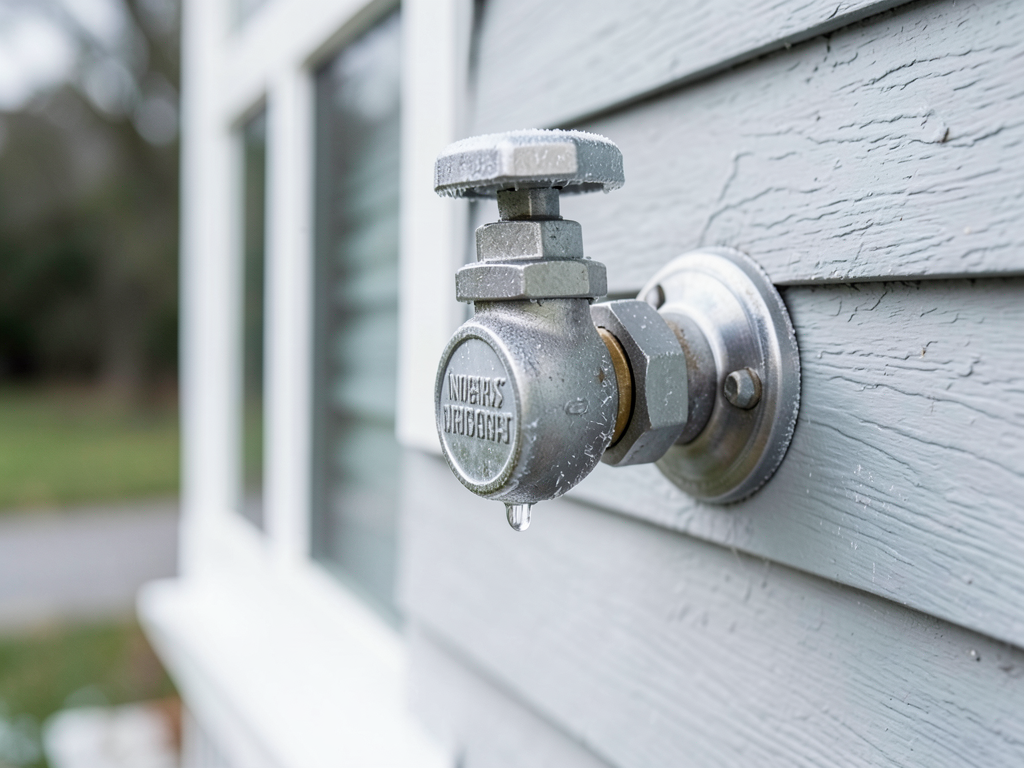
The Hidden Cost of Leaving Your Garden Hose Connected During an Indianapolis Winter Every fall…
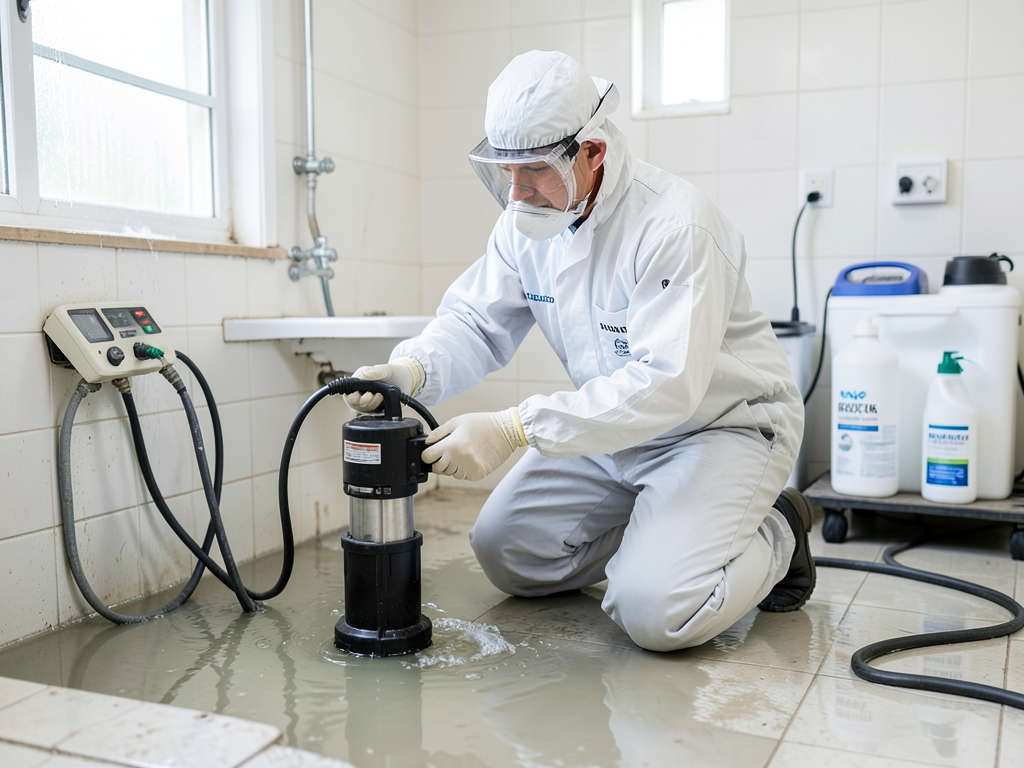
What to Do When Your Toilet Overflows and Drips Through the Ceiling in Fishers Water…
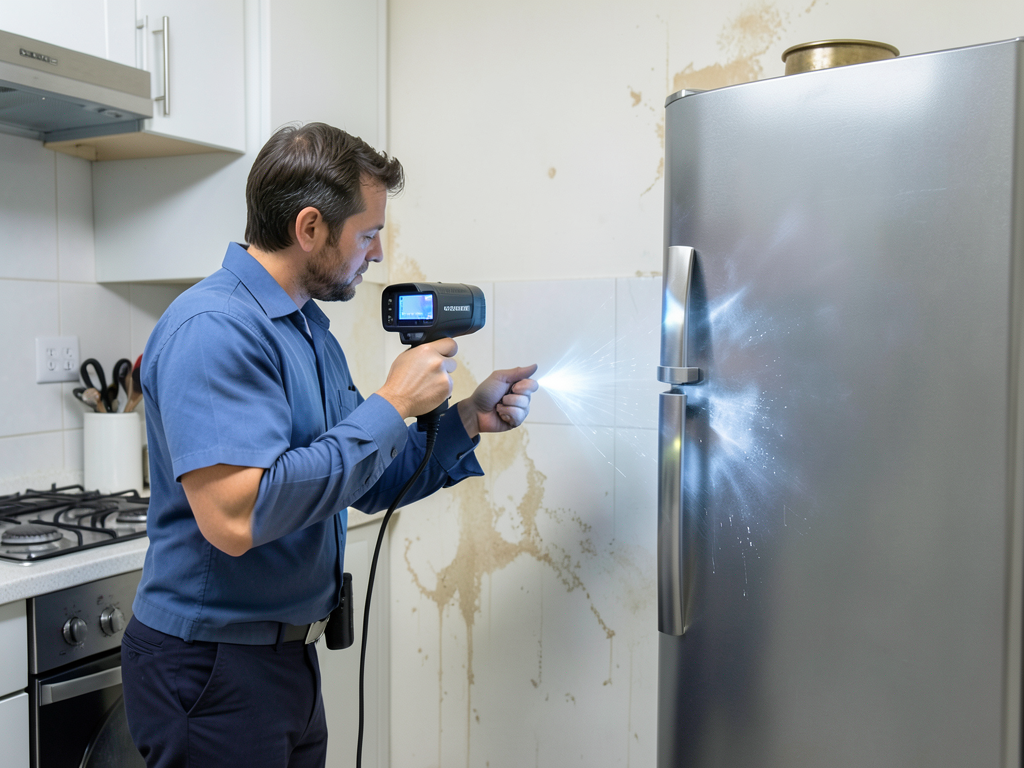
How Your Refrigerator Ice Maker Can Quietly Flood Your Kitchen in Carmel Your refrigerator's ice…
Water damage gets worse every hour. Call Apex Water Damage Restoration Indianapolis now at (317) 703-7676 for 60-minute emergency response in Noblesville. Our crews are ready to stop the damage and start your restoration right now.