menu

Black Mold Symptoms in Indianapolis – Get Expert Diagnosis and Proper Remediation Before Health Risks Escalate

Apex Water Damage Restoration Indianapolis identifies signs of black mold exposure fast, protects your family from toxic mold health effects, and eliminates stachybotrys chartarum at the source with proven containment protocols.

Slider Image 1
Slider Image 2
Slider Image 3
Slider Image 4
Slider Image 5
Slider Image 7
Slider Image 8
Slider Image 9
Slider Image 10
Slider Image 11

Indianapolis's Humidity and Aging Infrastructure Create Perfect Conditions for Black Mold Growth

You wake up with a headache that won't quit. Your kids are coughing more than usual. You smell something musty in the basement, but you can't pinpoint where it's coming from. These are signs of black mold exposure, and they're common in Indianapolis homes built before updated vapor barrier standards.

Indianapolis sits in a humid continental climate zone. Summer humidity regularly exceeds 70 percent. Older homes in Broad Ripple, Fountain Square, and Irvington were built before modern moisture management techniques. Crawl spaces sit directly on clay soil that holds water. Basements flood during spring thaw cycles. Roof leaks go unnoticed for months in attics with poor ventilation. This combination creates breeding grounds for stachybotrys chartarum, the black mold species linked to serious health problems.

Black mold poisoning symptoms start subtle. You might dismiss them as allergies or stress. Persistent coughing, wheezing, sinus congestion, skin rashes, chronic fatigue, difficulty concentrating. Children and people with compromised immune systems face greater black mold health risks. Long-term exposure can trigger respiratory infections, asthma attacks, and neurological issues.

The problem is not just the visible mold on your bathroom ceiling. Black mold grows inside wall cavities where water leaked months ago. It spreads through HVAC ducts. It colonizes wet insulation after a pipe burst you thought was properly dried. Toxic mold health effects come from inhaling spores you cannot see. By the time you notice symptoms, contamination is already widespread. Indianapolis residents need professional assessment, not guesswork.

Indianapolis's Humidity and Aging Infrastructure Create Perfect Conditions for Black Mold Growth
How We Identify Black Mold and Stop It from Spreading

How We Identify Black Mold and Stop It from Spreading

We don't spray bleach on surface mold and call it fixed. That approach kills surface growth but leaves the colony alive inside porous materials. Apex Water Damage Restoration Indianapolis uses containment protocols and source elimination to stop black mold for good.

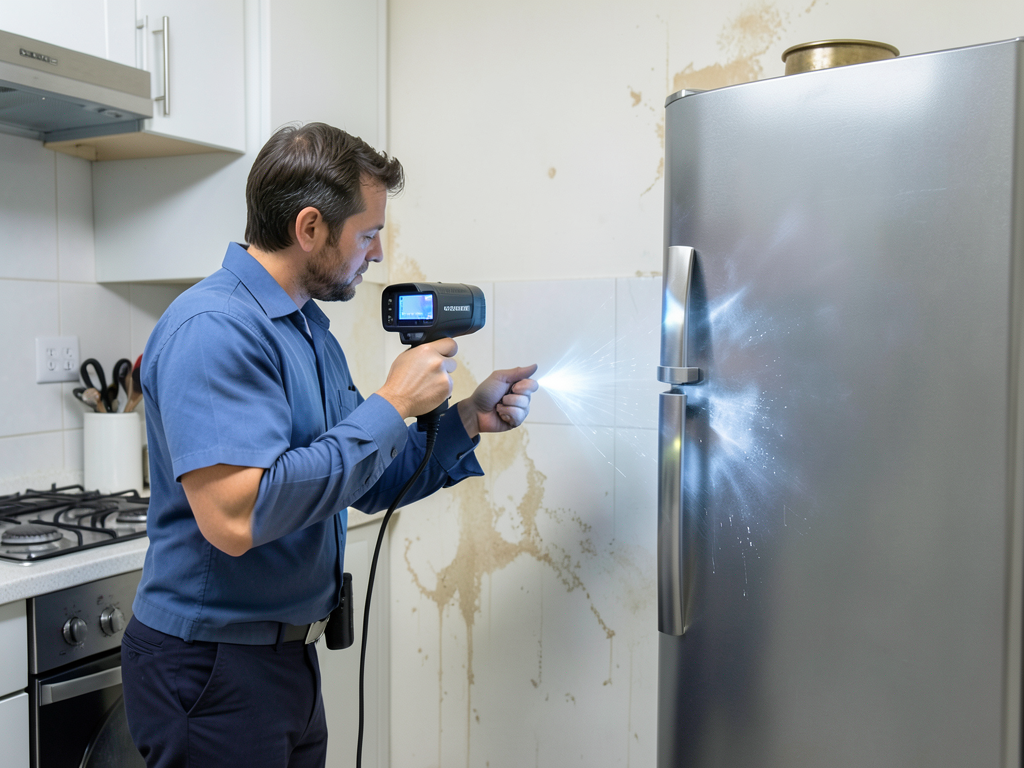
First, we perform moisture mapping with thermal imaging cameras and penetrating moisture meters. Black mold requires sustained moisture above 60 percent relative humidity. We find hidden water sources. Condensation on cold water pipes. Groundwater seeping through foundation cracks. Roof leaks saturating attic insulation. We measure moisture levels in drywall, framing, and subfloors to identify every contaminated zone.

Next, we establish negative air containment. We seal off affected areas with polyethylene barriers and run HEPA-filtered negative air machines. This prevents spores from spreading to clean areas during remediation. We create negative pressure so air flows into the work zone, not out. This is critical in homes with forced-air heating systems that can distribute spores throughout the house.

We remove contaminated materials completely. Drywall, insulation, carpeting, anything porous that absorbed mold gets bagged and disposed of properly. We don't try to clean it. Stachybotrys chartarum penetrates deep into cellulose materials. HEPA vacuuming and antimicrobial treatment come after removal, targeting remaining spores on structural framing and concrete. We then dry the structure to below 16 percent moisture content using commercial dehumidifiers and air movers. No moisture, no mold regrowth. Finally, we verify clearance with post-remediation air sampling and surface testing before reconstruction begins.

What Happens During Your Black Mold Assessment and Remediation

Black Mold Symptoms in Indianapolis – Get Expert Diagnosis and Proper Remediation Before Health Risks Escalate
01

Initial Health and Property Evaluation

We start with a detailed interview about your symptoms and when they started. We map your home's moisture history, noting any previous flooding, leaks, or HVAC issues. Our technicians inspect likely contamination zones including basements, crawl spaces, attics, bathrooms, and areas near plumbing. We use moisture meters and thermal imaging to detect hidden water damage. You get a written assessment identifying contamination severity, health risks, and recommended scope of work before any remediation starts.
02

Containment and Safe Removal

We establish full containment with sealed barriers and negative air pressure. Our crew wears respirators and protective suits. We remove all contaminated materials, double-bag them, and dispose of them according to EPA guidelines. HEPA vacuums capture airborne spores during demolition. We treat structural surfaces with antimicrobial solutions. Air scrubbers run continuously. We monitor airborne spore counts to ensure contamination stays contained. Your family stays out of the work area until clearance testing confirms the space is safe.
03

Drying and Clearance Testing

After removal, we dry all structural materials to optimal moisture levels using industrial dehumidifiers and targeted airflow. We fix the original water source, whether that's regrading drainage, sealing foundation cracks, or repairing roof penetrations. Before we close walls, an independent hygienist performs clearance testing. Air samples and surface swabs confirm spore counts are back to normal background levels. You receive lab reports and a certificate of completion. Only then do we rebuild with mold-resistant materials and proper vapor barriers.

Why Indianapolis Homeowners Trust Apex Water Damage Restoration for Black Mold Problems

Most mold companies in Indianapolis are restoration contractors who added mold services as an afterthought. We are water damage and mold remediation specialists first. We understand that black mold is a symptom of a water problem. If you don't fix the water intrusion, mold comes back in six months.

We know Indianapolis construction. Homes in Meridian-Kessler have limestone foundations that wick moisture. Bungalows in Fountain Square have minimal crawl space ventilation. Post-war homes in Broad Ripple have outdated plumbing that leaks behind walls. We have seen the basement flooding patterns along Fall Creek and Pleasant Run. We know which neighborhoods sit in clay soil with poor drainage. This local knowledge matters when we diagnose why your home has chronic moisture problems.

We communicate clearly with your insurance adjuster. Black mold claims get denied when contractors don't document properly or when they try to bundle non-covered repairs into the claim. We photograph everything. We separate covered water damage restoration from non-covered mold remediation. We write detailed scope documents that adjusters understand. Most of our clients get their claims approved because we know how to present the loss correctly.

You will not get a bait-and-switch estimate. We assess the full scope upfront. If we find additional contamination during demolition, we stop and get your approval before proceeding. We explain what needs removal and what can be cleaned in place. We do not upsell unnecessary air duct cleaning or whole-house fogging treatments. We focus on source elimination and moisture control. Our goal is to fix the problem once, not create a recurring service relationship.

What to Expect When You Call Apex Water Damage Restoration Indianapolis

How Quickly We Respond

We schedule initial assessments within 24 hours of your call. If you are experiencing severe symptoms or have immunocompromised family members, we prioritize your evaluation. Most assessments take 60 to 90 minutes. You receive a written report and remediation plan the same day. If you approve the scope, we start containment and removal within 48 hours. Emergency situations, like mold discovered during active water damage, get immediate containment. We stock containment supplies and negative air machines on every truck. Time matters when spores are spreading.

The Assessment Process Explained

The Quality of Our Remediation Work

We follow IICRC S520 standards for mold remediation. Our technicians hold certifications in applied microbial remediation and water damage restoration. We use commercial-grade HEPA filtration, not consumer equipment. Containment barriers are six-mil polyethylene, sealed with professional-grade tape. We document every phase with photos and moisture readings. You receive a full project binder with before and after documentation, lab reports, and moisture logs. We do not subcontract the work. Our trained crew handles your project from start to clearance. Quality control happens at every phase, not just at the end.

Preventing Future Mold Growth

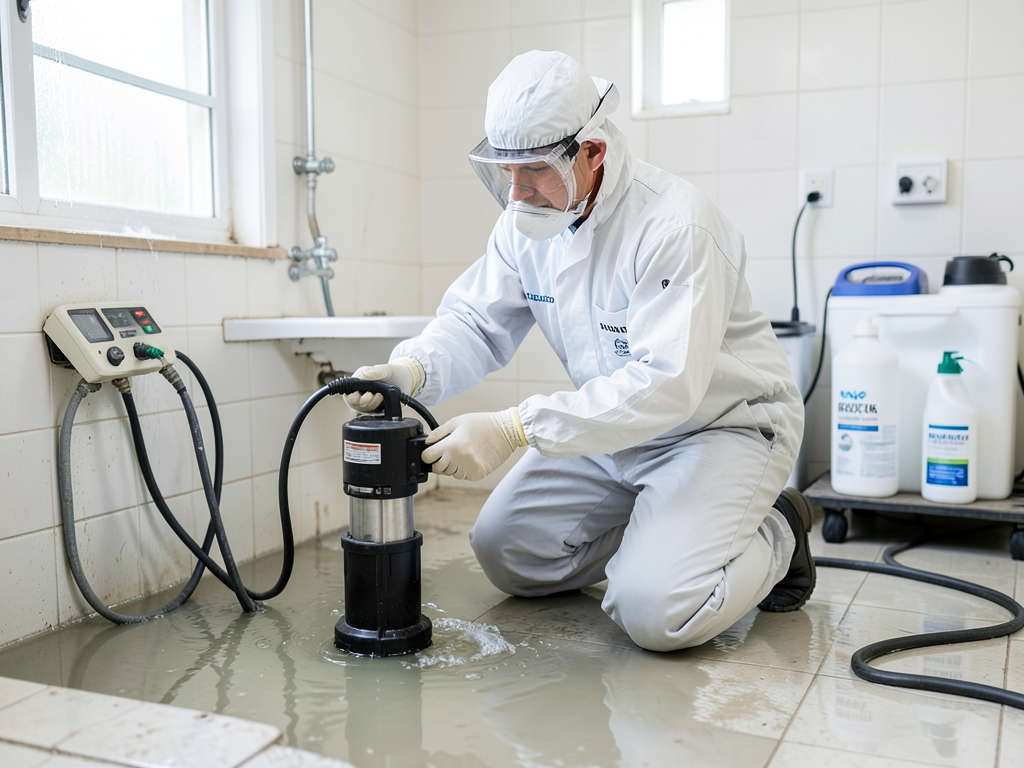
Remediation is only half the solution. We identify and fix the moisture source. That might mean regrading soil away from your foundation, installing a sump pump, sealing crawl space vents, or upgrading bathroom exhaust fans. We provide a written moisture management plan specific to your home. After remediation, we offer optional follow-up inspections at 30 and 90 days to verify moisture levels remain low and no regrowth has occurred. We also provide education on humidity control, proper ventilation, and early warning signs to watch for. Our goal is to keep you mold-free long-term.

Frequently Asked Questions

You Have Questions,
We Have Answers

How long does it take to recover from mold toxicity? +

Recovery time from mold toxicity varies by exposure level and your immune system. Mild cases may improve within days after removing yourself from the contaminated environment. Severe exposure can take weeks or months. Indianapolis residents dealing with basement moisture or HVAC system contamination need professional remediation first. Your body cannot heal if you continue breathing spores. See a doctor if symptoms persist beyond two weeks after mold removal. Focus on eliminating the source, not just treating symptoms. Clean air, hydration, and medical guidance speed recovery. Do not attempt DIY removal of large infestations.

What does mold poisoning feel like? +

Mold poisoning feels like prolonged flu symptoms that never resolve. You may experience persistent headaches, brain fog, fatigue that sleep does not fix, and difficulty concentrating. Respiratory symptoms include chronic coughing, wheezing, or throat irritation. Some people develop skin rashes or watery eyes. Indianapolis humidity creates ideal conditions for mold growth, especially in basements and crawl spaces. The symptoms worsen when you are home and may improve when you leave the property. If you feel sick indoors but better outdoors, suspect mold exposure. These symptoms mimic allergies but persist year-round.

How do you know if you have black mold? +

Black mold appears as dark greenish-black patches with a slimy texture when wet. Check behind toilets, under sinks, around window frames, and in basement corners. Indianapolis homes with poor ventilation or past water damage show mold on drywall, ceiling tiles, or wood surfaces. You may smell a musty, earthy odor before seeing visible growth. Look for water stains, peeling paint, or warped walls as indicators. Condensation on windows or pipes signals moisture problems. If you see fuzzy growth or discoloration spreading, assume mold until proven otherwise. Professional testing identifies the specific species.

How to detox from black mold exposure? +

Detoxing from black mold requires eliminating the source first. Leave the contaminated space immediately and hire professionals to remove the mold. Your body needs clean air to heal. Drink plenty of water to flush mycotoxins through your kidneys. Eat antioxidant-rich foods like leafy greens and berries. Consider air purifiers with HEPA filters in your temporary living space. Indianapolis residents should address basement humidity or roof leaks causing the growth. Consult a doctor about binders or supplements that support liver function. Detox fails if you return to a moldy environment. Fix the moisture problem permanently.

What kills black mold? +

Professional remediation kills black mold through containment, HEPA filtration, and antimicrobial treatment. Bleach does not work on porous surfaces like drywall or wood. EPA-registered fungicides penetrate deeper but require proper application. Indianapolis homeowners dealing with significant growth need containment barriers to prevent spore spread during removal. Affected materials often require disposal, not cleaning. You cannot paint over mold or mask it with air fresheners. The key is eliminating moisture at the source through dehumidification, ventilation improvements, or leak repairs. Surface cleaning misses hidden colonies inside walls or HVAC systems. Professional equipment removes airborne spores.

How do I check if I have mold toxicity? +

Check for mold toxicity by reviewing your symptoms and environment together. Track when symptoms worsen and where you spend time. Persistent respiratory issues, cognitive problems, or unexplained fatigue suggest exposure. Inspect your Indianapolis home for visible mold, water damage, or musty odors. A physician can order urine mycotoxin tests or blood work checking inflammatory markers. Environmental testing identifies mold species in your home. Document symptoms in a journal noting severity and location. If multiple household members show similar symptoms, environmental contamination is likely. Medical diagnosis combined with professional mold inspection provides the clearest answer.

What are the 10 warning signs of mold toxicity? +

Ten warning signs of mold toxicity include chronic fatigue, headaches, difficulty concentrating, memory problems, respiratory issues like coughing or wheezing, sinus congestion, skin rashes, joint pain, digestive problems, and sensitivity to light or sound. Indianapolis residents may notice symptoms worsen during humid summer months when mold growth accelerates. You may feel anxious or depressed without clear cause. Sleep disturbances and frequent infections signal weakened immunity. Symptoms persist despite treatment for allergies or other conditions. If three or more signs appear together and improve away from home, suspect mold exposure. Professional inspection confirms the source.

Can I test myself for mold exposure? +

You can test yourself for mold exposure through at-home urine mycotoxin tests available online. These kits measure toxin levels your body is processing. Results take one to two weeks. Blood tests checking immunoglobulin reactions to mold are available through physicians. Environmental testing of your Indianapolis home identifies contamination sources but does not measure your body burden. Self-testing provides clues but requires professional interpretation. Symptoms combined with visible mold in your home offer strong evidence without testing. A doctor specializing in environmental illness provides the most thorough assessment. Home test kits vary in accuracy and cost.

How quickly can black mold affect you? +

Black mold can affect you within 24 to 48 hours of exposure if you have mold allergies or asthma. Sensitive individuals experience immediate respiratory symptoms. Healthy people may not notice effects for weeks or months of chronic exposure. High spore concentrations during remediation cause rapid reactions. Indianapolis homes with sudden water damage from burst pipes or roof leaks create fast-growing mold within 48 hours. Symptoms depend on exposure duration, spore concentration, and your immune health. Infants, elderly residents, and those with compromised immunity react faster. Even brief exposure to heavy contamination triggers symptoms in vulnerable people.

What is commonly mistaken for black mold? +

Mildew, dirt buildup, soot, and certain bacterial growth get mistaken for black mold. Mildew appears gray or white and wipes away easily. Black mold penetrates surfaces and feels slimy. Dirt accumulation in corners or behind furniture lacks the fuzzy texture. Soot from candles or fireplaces smears when touched. Efflorescence, white mineral deposits from water evaporation, appears on concrete in Indianapolis basements and resembles mold. Dark grout staining in bathrooms mimics mold patterns. Some non-toxic mold species look similar to toxic varieties. Professional testing identifies the exact species. Visual inspection alone cannot confirm black mold.

Why Indianapolis's Humidity and Older Housing Stock Increase Black Mold Health Risks

Indianapolis averages 186 humid days per year. Summer dew points regularly hit 65 to 70 degrees, creating indoor relative humidity above 60 percent without mechanical dehumidification. Many homes built before 1980 lack proper vapor barriers in crawl spaces and basements. The city's clay soil drains poorly, leading to chronic foundation moisture. Freeze-thaw cycles crack foundations, allowing groundwater intrusion. These conditions create persistent dampness that black mold needs to colonize and spread. Homes in historic districts like Lockerbie Square and Old Northside face additional challenges because preservation guidelines limit exterior moisture control modifications. Understanding these local factors is critical to effective remediation.

We work regularly with Indianapolis building inspectors and insurance adjusters. We understand Marion County health department requirements for mold disclosure during property sales. We know which local contractors properly install vapor barriers and which cut corners. Our team has remediated mold in century-old homes, 1950s ranch houses, and new construction with builder defects. We have relationships with local hygienists, industrial engineers, and restoration suppliers. When you hire Apex Water Damage Restoration Indianapolis, you get a team that knows how buildings fail in this climate and how to fix them correctly. We are not a national franchise following a generic playbook.
Water Damage Restoration Services in The Indianapolis Area

We are proud to serve the entire Indianapolis area and surrounding communities, providing rapid-response water damage restoration right where you need it most. Our central location allows us to deploy our 24/7 emergency teams quickly across the region. View our service area on the map below and remember that wherever you are in the Indianapolis metropolitan area, Apex Water Damage Restoration Indianapolis is ready to deliver expert and trustworthy service to secure your home or business.

Address:
Apex Water Damage Restoration Indianapolis, 6767 E Washington St, Indianapolis, IN, 46219

Additional Services We Offer

Our news updates

Latest Articles & News from The Blogs

Is Crawl Space Encapsulation Worth the Investment for Your Home in Wynnedale? Crawl space encapsulation can save Wynnedale homeowners thousands…

Is Crawl Space Encapsulation Worth the Investment for Your Home in Wynnedale?

Is Crawl Space Encapsulation Worth the Investment for Your Home in Wynnedale? Crawl space encapsulation can save Wynnedale homeowners thousands…

How to Decide Which Water Damaged Items to Keep and Which to Throw Away

How to Decide Which Water Damaged Items to Keep and Which to Throw Away When water floods your Indianapolis home…

Battery Backup vs Water Powered Sump Pumps for Your Near Eastside Basement

Why Your Near Eastside Basement Needs a Reliable Backup Sump Pump Living in the Near Eastside means dealing with Indianapolis's…

Contact Us

Black mold health risks increase the longer you wait. Call Apex Water Damage Restoration Indianapolis now at (317) 703-7676. We will assess your home, identify contamination sources, and give you a clear remediation plan. Protect your family today.