menu

Cupping or Buckling Wood Floors in Indianapolis – Expert Diagnosis and Permanent Moisture Control

When warped hardwood flooring signals hidden water intrusion, you need technicians who understand Indianapolis humidity patterns, basement moisture cycles, and how to prevent recurring floor failure through proper drying and moisture mapping.

Slider Image 1
Slider Image 2
Slider Image 3
Slider Image 4
Slider Image 5
Slider Image 7
Slider Image 8
Slider Image 9
Slider Image 10
Slider Image 11

Why Indianapolis Wood Floors Cup, Peak, and Buckle

Walk across your floor and feel the ridges. That is cupping. Look down the hallway and see peaks forming at the joints. That is buckling. Both mean the same thing: moisture is trapped beneath or within the wood.

Indianapolis sits in a climate where humid summers and freeze-thaw winter cycles drive moisture into crawl spaces and basements. When sump pumps fail, appliance supply lines rupture, or foundation cracks allow groundwater seepage, that water migrates upward through concrete slabs or subfloors. The wood absorbs it. The grain swells. The boards expand against each other. Eventually, physics wins. The floor lifts, warps, or separates.

You see swollen wood planks because the moisture content has exceeded 12 percent. You see lifting floorboards because the fasteners cannot hold against the hydraulic pressure of expanding fibers. You see peaking hardwood joints because adjacent boards are pushing into each other with thousands of pounds of force. You see raised wood floor edges because the perimeter is drying faster than the center, creating uneven tension.

Warped hardwood flooring does not fix itself. Turning up the air conditioning or opening windows will not reverse structural deformation. The moisture source must be identified, eliminated, and the subfloor and wood must be dried in controlled stages to prevent cracking or permanent deformation. Ignoring cupping leads to delamination, mold growth beneath the flooring, and eventual replacement instead of restoration.

If you see or feel uneven wood surfaces, you have active or recent water intrusion. The question is not whether you need help. The question is whether the subfloor and framing are also compromised.

Why Indianapolis Wood Floors Cup, Peak, and Buckle
How We Restore Cupped and Buckled Floors Without Replacement

How We Restore Cupped and Buckled Floors Without Replacement

We do not sand first. We do not dry blindly. We map the moisture.

Our technicians use pinless moisture meters and thermal imaging cameras to measure moisture content at multiple depths: surface, mid-grain, and subfloor. This tells us whether the water source is above the floor, below it, or both. We document moisture gradients across the room to identify where water entered and where it pooled.

Once we know the source, we eliminate it. That may mean repairing a leaking drain line, sealing a foundation crack, installing a vapor barrier over exposed soil in a crawl space, or redirecting exterior drainage away from the foundation. We do not dry the floor until the source is controlled. Otherwise, the floor will cup again in six months.

Controlled drying is the difference between restoration and replacement. We use low-grain refrigerant dehumidifiers and air movers positioned to create balanced airflow across the floor surface and subfloor cavity. We monitor moisture levels daily. We adjust equipment placement to prevent over-drying, which causes the opposite problem: cracking and gapping.

If the cupping is caught early, the wood will flatten as it dries. If the floor has been wet for weeks, we may need to remove baseboards, relieve expansion pressure, and allow the floor to acclimate over 10 to 14 days before re-fastening lifted sections. If the subfloor is plywood or OSB and has delaminated, we replace only the damaged sections and re-install the hardwood.

We do not guess. We measure, document, and adjust. That is how you save a floor instead of replacing it.

What Happens When You Call for Cupped Floors

Cupping or Buckling Wood Floors in Indianapolis – Expert Diagnosis and Permanent Moisture Control
01

Moisture Mapping and Source Identification

We arrive with moisture detection equipment and begin scanning the affected area and adjacent rooms. Thermal imaging shows temperature differentials that indicate hidden water. Pinless meters measure moisture content without damaging the floor. We check subfloors, walls, and crawl spaces. We identify whether the water is rising from below, leaking from above, or condensing due to humidity. You get a written moisture map within the first hour.
02

Controlled Structural Drying

Once the source is repaired, we position dehumidifiers and air movers to create controlled evaporation. We set target drying goals based on wood species, floor thickness, and subfloor material. We monitor daily and adjust airflow to prevent over-drying or uneven drying. If the floor is severely buckled, we may relieve expansion pressure by removing baseboards or drilling small relief holes in the subfloor to allow trapped moisture to escape. Drying takes 7 to 14 days depending on severity.
03

Floor Re-Acclimation and Final Inspection

After the wood reaches equilibrium moisture content, we inspect for permanent deformation. Minor cupping often resolves on its own. Severe buckling may require sanding, re-fastening, or replacing individual boards. We re-install baseboards, check floor flatness with a straightedge, and provide a final moisture report. You get documentation for insurance and a maintenance plan to prevent recurrence. The floor is stable, safe, and ready for foot traffic.

Why Indianapolis Property Owners Choose Apex Water Damage Restoration

We are not a flooring company that dabbles in water damage. We are water damage specialists who understand how moisture moves through Indianapolis homes.

Indianapolis sits on clay and silt soils that hold water. When it rains, that water moves laterally until it finds a path into your basement or crawl space. We have seen hundreds of cupped floors in Broad Ripple bungalows, Fountain Square historic homes, and Castleton subdivisions. We know that older homes often lack vapor barriers, newer homes may have improperly graded drainage, and slab-on-grade construction is vulnerable to hydrostatic pressure during wet seasons.

We understand local building practices. We know that many Indianapolis homes have combination subfloors, where tongue-and-groove hardwood sits directly on joists with no plywood underlayment. We know that crawl spaces in pre-1980 homes often have exposed dirt and inadequate ventilation. We know that sump pump failures during spring storms are the leading cause of basement water intrusion in Marion County.

That local knowledge matters when we are deciding whether to dry in place or remove sections of flooring. It matters when we are recommending vapor barriers, encapsulation, or exterior drainage solutions. It matters when we are explaining to your insurance adjuster why subfloor replacement is necessary and not optional.

Apex Water Damage Restoration Indianapolis operates with certified water damage technicians who hold IICRC certifications and use calibrated equipment. We document everything. We communicate with insurance carriers. We do not upsell unnecessary services, and we do not downplay hidden damage to close a job faster.

You get honest assessments, transparent timelines, and floors that stay flat after we leave.

What to Expect When We Restore Your Warped Floors

Response Time and Availability

We dispatch within two hours of your call during business hours and within four hours for after-hours emergencies. Cupped floors are not a true emergency like a burst pipe, but they indicate an ongoing moisture problem that will worsen if ignored. We prioritize diagnostic visits for active water intrusion. If your floor is buckling and you hear cracking sounds, we treat it as urgent and expedite the visit. Most initial assessments are completed within 90 minutes. Equipment is deployed the same day if drying is approved.

Diagnostic Process and Assessment

You get a thorough inspection, not a glance and a quote. We use thermal imaging to scan walls and subfloors for hidden moisture. We measure moisture content in multiple locations using pinless and pin-type meters. We inspect crawl spaces, basements, and attics if necessary. We check plumbing, HVAC condensate lines, and exterior drainage. You receive a written moisture map, a source identification report, and a drying plan. If the floor is beyond restoration, we tell you immediately. You will know the full scope before we begin work.

Quality of Restoration and Final Results

Our goal is to return your floor to pre-loss condition without replacement. We dry the wood slowly to prevent cracking. We monitor moisture levels until they match the surrounding unaffected areas. We re-fasten lifted boards, replace damaged subfloor sections, and refinish only if necessary. You get a floor that is flat, stable, and safe. If cupping was minor and caught early, the floor often returns to normal without sanding. If buckling caused permanent deformation, we replace only the damaged boards and blend the finish to match the existing floor.

Prevention and Long-Term Monitoring

Fixing the floor is only half the job. We provide a written prevention plan that addresses the moisture source. That may include vapor barrier installation, crawl space encapsulation, sump pump upgrades, or exterior drainage correction. We recommend humidity monitoring in basements and crawl spaces if the home is prone to seasonal moisture swings. We provide re-inspection services if you want confirmation that the floor has remained stable after six months. You also receive documentation for insurance and future property transactions.

Frequently Asked Questions

You Have Questions,
We Have Answers

What is the difference between wood buckling and cupping? +

Cupping happens when the edges of wood planks rise higher than the center, creating a concave shape. This occurs when moisture penetrates the bottom of the board faster than the top. Buckling is more severe. The planks lift completely off the subfloor, often breaking free from fasteners. Buckling results from extreme moisture exposure or prolonged water damage. In Indianapolis, basement flooding or plumbing leaks commonly cause cupping, while buckling typically follows major water events like sump pump failures during spring storms. Both require professional moisture assessment to prevent subfloor damage and mold growth.

What does a buckled hardwood floor look like? +

A buckled hardwood floor shows visible warping and separation from the subfloor. Planks appear raised, sometimes several inches off the ground. You might see gaps between boards or notice planks that move underfoot. The floor surface looks uneven and wavy. In severe cases, boards crack or splinter at fastener points. Indianapolis homes with crawl spaces or basements often experience buckling after prolonged humidity exposure or water intrusion. The damage extends beyond surface aesthetics, indicating serious moisture problems in the subfloor structure. Walking on buckled floors feels unstable and creates hollow sounds from the air pockets underneath.

Will my cupped wood floors flatten? +

Cupped floors may flatten if you address the moisture source quickly. The wood needs time to dry evenly from both sides. This process takes weeks or months depending on severity and Indianapolis humidity levels. Remove the water source first, then control indoor humidity between 30-50 percent. Use dehumidifiers and fans to promote even drying. Minor cupping often resolves naturally. Moderate to severe cupping might leave permanent damage even after drying. Do not sand cupped floors immediately. The boards could reverse-cup during drying, creating crowning. Professional moisture testing determines if natural flattening is possible.

What does cupping look like on a wood floor? +

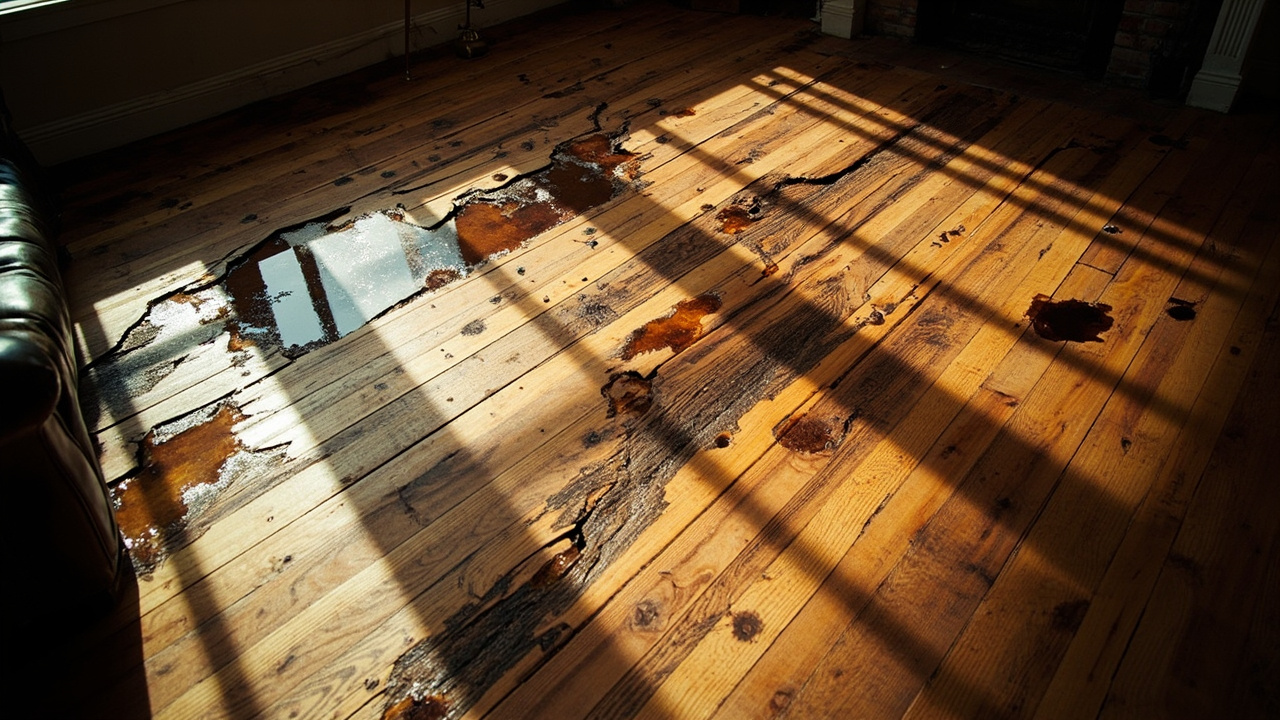
Cupping creates a washboard appearance across your floor. Each plank curves upward at the edges with a dip in the center. Run your hand across the boards and you feel the raised seams between planks. The floor looks wavy under angled light. Severe cupping shows gaps between board centers and the subfloor. In Indianapolis homes, cupping often appears first near exterior walls, bathrooms, or basement stairways where moisture intrusion starts. The concave shape traps dirt in the center grooves, making the damage more visible over time. Multiple adjacent boards cup together, creating distinct troughs across the floor surface.

Can cupped hardwood floors be repaired? +

Yes, but success depends on damage severity and how quickly you act. First, eliminate the moisture source and dry the subfloor completely. Minor cupping may reverse naturally with proper humidity control. Moderate cupping often requires professional sanding and refinishing after the wood stabilizes. Severe cupping might need board replacement. Indianapolis humidity swings between seasons complicate repairs, so timing matters. Wait until moisture content stabilizes before refinishing. Professionals use moisture meters to confirm the wood reaches equilibrium with your indoor environment. Rushing repairs before complete drying causes new problems. Some antique or engineered floors have limited sanding depth.

Will buckled hardwood floors go back to normal? +

Buckled floors rarely return to normal without intervention. The extreme moisture that causes buckling damages wood fibers permanently. Even after drying, planks remain warped or cracked. You must remove and replace affected boards in most cases. The subfloor needs inspection and drying before reinstallation. Indianapolis homes with recurring groundwater issues need moisture barrier upgrades to prevent repeat buckling. Some solid hardwood floors tolerate one buckling event if caught early and dried properly. Engineered wood buckles more easily and recovers less often. Professional water damage restoration includes subfloor assessment, which is critical for long-term stability and preventing mold growth.

How Indianapolis Humidity Cycles Drive Seasonal Floor Cupping

Indianapolis experiences extreme humidity swings between winter and summer. Summer months bring 70 to 80 percent relative humidity, while winter heating systems drop indoor humidity below 30 percent. Wood floors respond by expanding in summer and contracting in winter. When a moisture source is present, such as a leaking foundation or failed sump pump, the seasonal expansion accelerates. Floors that cup slightly in July may buckle by August if the moisture source is not eliminated. Homes in low-lying areas near the White River or Fall Creek are particularly vulnerable to groundwater intrusion during heavy rain events, which are increasing in frequency due to shifting weather patterns.

Apex Water Damage Restoration Indianapolis understands Marion County building codes and local construction methods. Many Indianapolis homes were built before modern vapor barrier requirements, leaving crawl spaces and basements vulnerable to moisture intrusion. We work with local insurance adjusters who understand the clay soil composition and seasonal water table fluctuations unique to central Indiana. Our technicians are trained to recognize the specific moisture pathways common in Indianapolis homes, whether it is hydrostatic pressure through poured concrete foundations or capillary action through block walls. Choosing a local provider means faster response times, familiarity with regional construction practices, and accurate moisture source identification.
Water Damage Restoration Services in The Indianapolis Area

We are proud to serve the entire Indianapolis area and surrounding communities, providing rapid-response water damage restoration right where you need it most. Our central location allows us to deploy our 24/7 emergency teams quickly across the region. View our service area on the map below and remember that wherever you are in the Indianapolis metropolitan area, Apex Water Damage Restoration Indianapolis is ready to deliver expert and trustworthy service to secure your home or business.

Address:
Apex Water Damage Restoration Indianapolis, 6767 E Washington St, Indianapolis, IN, 46219

Additional Services We Offer

Our news updates

Latest Articles & News from The Blogs

The Hidden Cost of Leaving Your Garden Hose Connected During an Indianapolis Winter Every fall Indianapolis homeowners face the same…

The Hidden Cost of Leaving Your Garden Hose Connected During an Indianapolis Winter

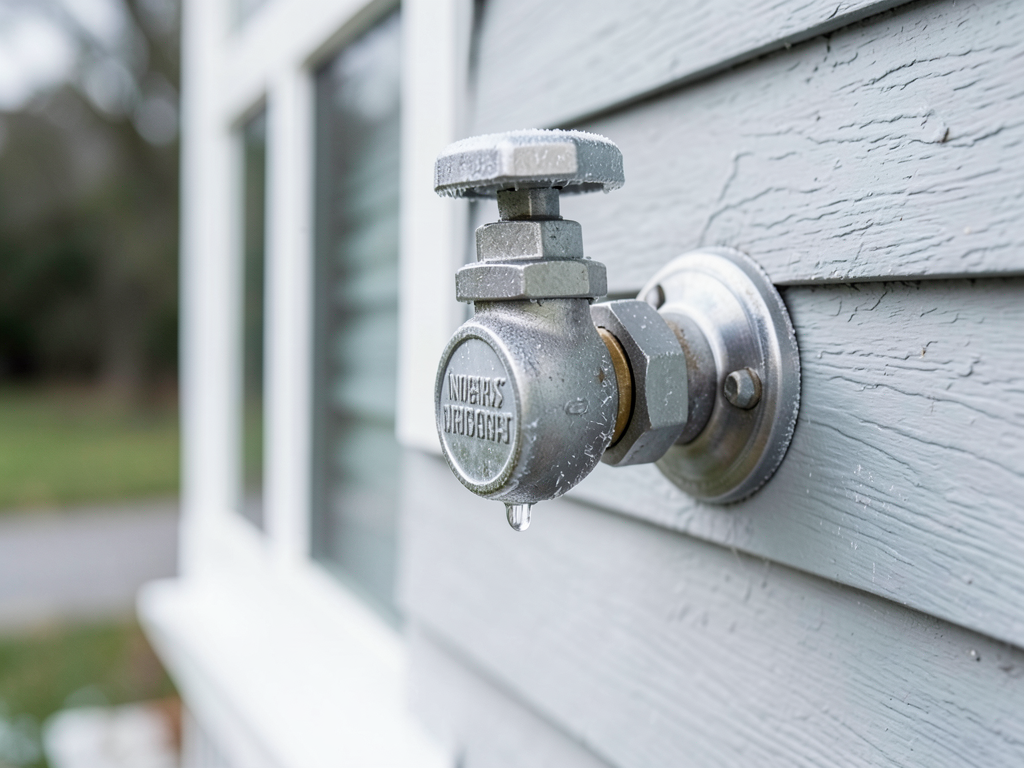
The Hidden Cost of Leaving Your Garden Hose Connected During an Indianapolis Winter Every fall Indianapolis homeowners face the same…

What to Do When Your Toilet Overflows and Drips Through the Ceiling in Fishers

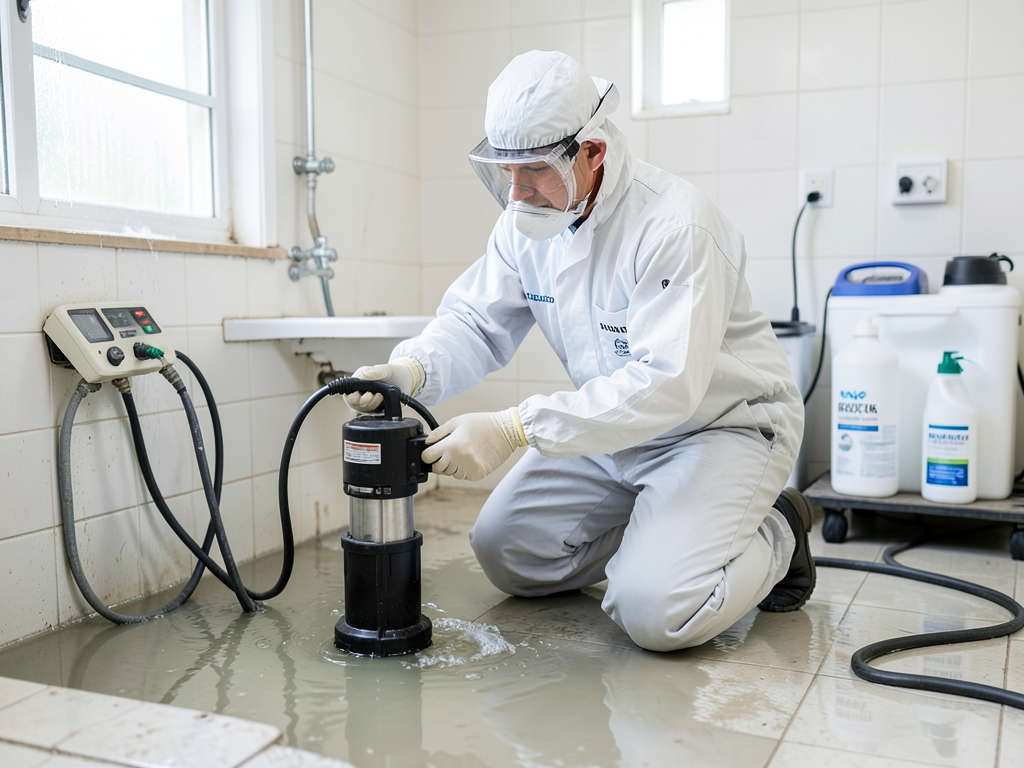
What to Do When Your Toilet Overflows and Drips Through the Ceiling in Fishers Water from a toilet overflow creates…

How Your Refrigerator Ice Maker Can Quietly Flood Your Kitchen in Carmel

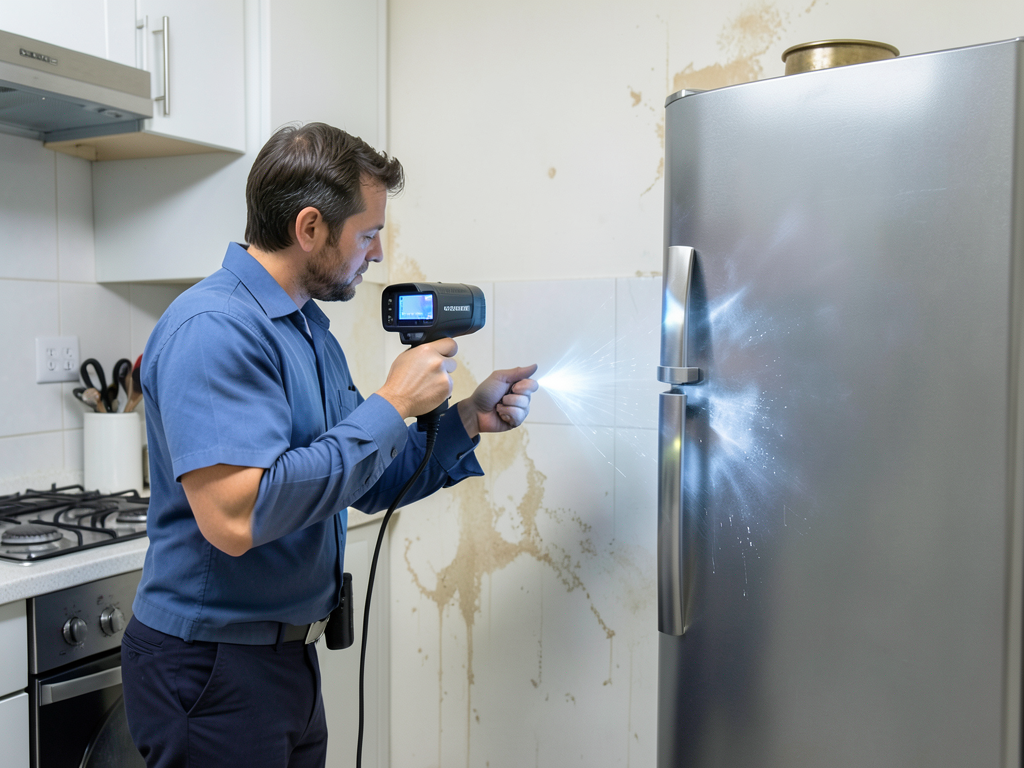
How Your Refrigerator Ice Maker Can Quietly Flood Your Kitchen in Carmel Your refrigerator's ice maker can leak for weeks…

Contact Us

Cupped floors get worse, not better. Call Apex Water Damage Restoration Indianapolis at (317) 703-7676 for same-day moisture assessment and controlled structural drying. We diagnose the source, eliminate the moisture, and restore your floor before permanent damage occurs.