menu

Warehouse Flood Restoration in Indianapolis – Industrial-Grade Recovery That Keeps Operations Running

When floodwater threatens your warehouse or distribution center, every hour of downtime costs revenue. We deploy commercial-grade extraction systems and rapid-response teams to restore your facility and minimize business interruption across Indianapolis.

Slider Image 1
Slider Image 2
Slider Image 3
Slider Image 4
Slider Image 5
Slider Image 7
Slider Image 8
Slider Image 9
Slider Image 10
Slider Image 11

Why Indianapolis Warehouses Face Unique Flood Recovery Challenges

Indianapolis sits at the confluence of the White River and Fall Creek, with flat topography that creates natural drainage challenges across the metro area. When severe weather hits, warehouses in the Plainfield logistics corridor and the I-70 distribution hub face rapid water accumulation that can infiltrate loading docks, compromise inventory, and halt operations within hours.

The city's concentration of manufacturing and distribution facilities means warehouse flood events carry high financial stakes. A single flooded distribution center can disrupt supply chains across the Midwest. Industrial water damage cleanup requires capacity and speed that residential services cannot provide.

Indianapolis's clay-heavy soil compounds the problem. Poor drainage around warehouse foundations creates hydrostatic pressure that forces water through floor cracks and expansion joints. Facilities near Eagle Creek or along the White River floodplain face additional risk during spring thaw and summer storm events.

Commercial flood remediation demands specialized equipment. Standard extraction tools cannot handle the volume of water in a 50,000-square-foot facility. You need truck-mounted extractors, industrial dehumidifiers rated for large air volumes, and containment strategies that protect undamaged sections while crews work.

Warehouse water mitigation is not residential water removal scaled up. It requires understanding OSHA safety protocols, managing hazardous material exposure, coordinating with your insurance adjuster, and working around your operational schedule. The longer water sits on concrete floors, the more it migrates into walls, damages racking systems, and creates liability exposure.

Why Indianapolis Warehouses Face Unique Flood Recovery Challenges
How Industrial Flood Recovery Differs From Standard Water Removal

How Industrial Flood Recovery Differs From Standard Water Removal

Distribution center water removal starts with containment. We establish isolation zones using vapor barriers and negative air pressure systems to prevent cross-contamination between flooded and dry areas. This allows you to maintain partial operations while remediation proceeds.

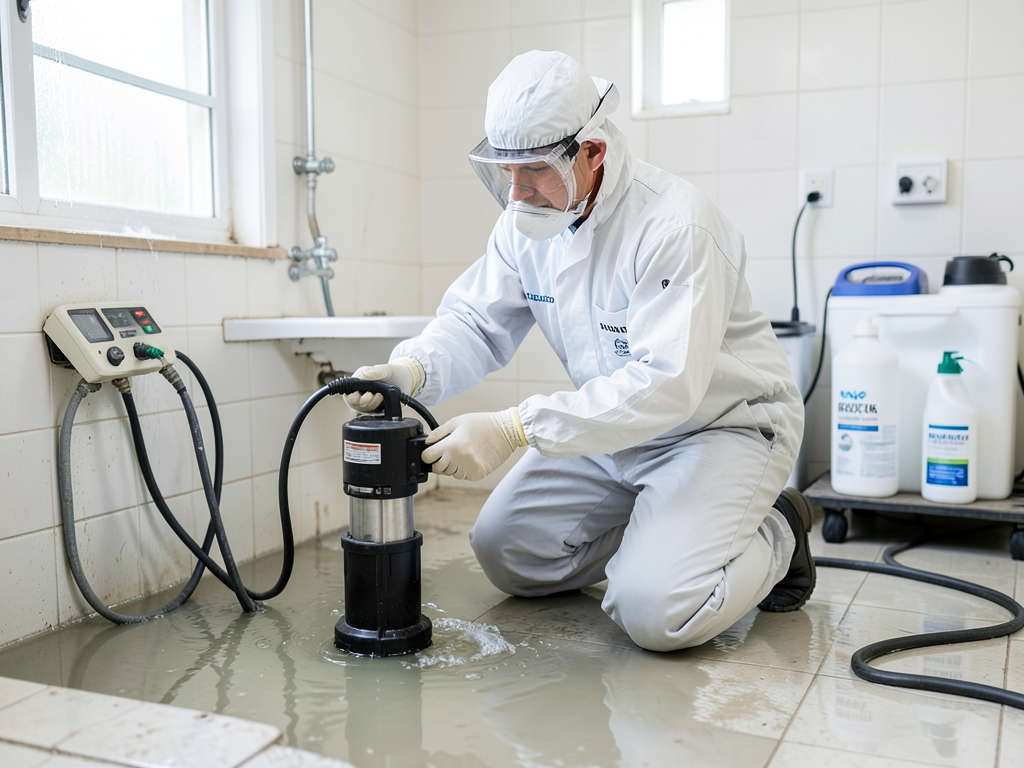
Our extraction process uses trailer-mounted pumps capable of removing thousands of gallons per hour. We deploy weighted extractors across concrete floors to pull water from porous surfaces and beneath racking systems. For facilities with floor drains, we use high-velocity air movers to accelerate evaporation before water can seep into subflooring or damage electrical systems in floor boxes.

Industrial flood recovery requires psychrometric monitoring. We place data loggers throughout the facility to track humidity levels, temperature gradients, and moisture content in structural materials. This data tells us when drying is complete and prevents premature closure that leads to secondary mold growth.

We coordinate with your facilities team to identify priority zones. If your shipping department must stay operational, we focus extraction efforts there first. If certain inventory is salvageable, we create climate-controlled drying zones to prevent further loss.

Warehouse water mitigation involves documenting everything for your insurer. We photograph damage patterns, log equipment placement, track moisture readings, and provide daily progress reports. This documentation supports your claim and demonstrates due diligence in minimizing loss.

Our teams understand industrial electrical systems. We coordinate with electricians to safely de-energize affected areas, document equipment exposure, and provide drying recommendations for motors, control panels, and distribution gear. This prevents equipment failure weeks after the event when moisture causes corrosion.

What Happens During Your Warehouse Flood Restoration

Warehouse Flood Restoration in Indianapolis – Industrial-Grade Recovery That Keeps Operations Running
01

Emergency Assessment and Containment

Our team arrives within hours to assess flood extent and establish safety zones. We identify electrical hazards, document damage patterns, and map water migration paths. Containment barriers go up immediately to isolate affected areas from operational spaces. We coordinate with your team to understand critical inventory locations and operational priorities before extraction begins.
02

High-Volume Water Extraction

Truck-mounted extractors remove standing water from floors, loading docks, and storage areas. We use weighted extraction tools on concrete to pull moisture from porous surfaces and prevent subsurface migration. Industrial dehumidifiers and air movers create controlled drying conditions. Psychrometric monitoring tracks humidity levels and ensures complete moisture removal before we move equipment.
03

Verification and Facility Turnover

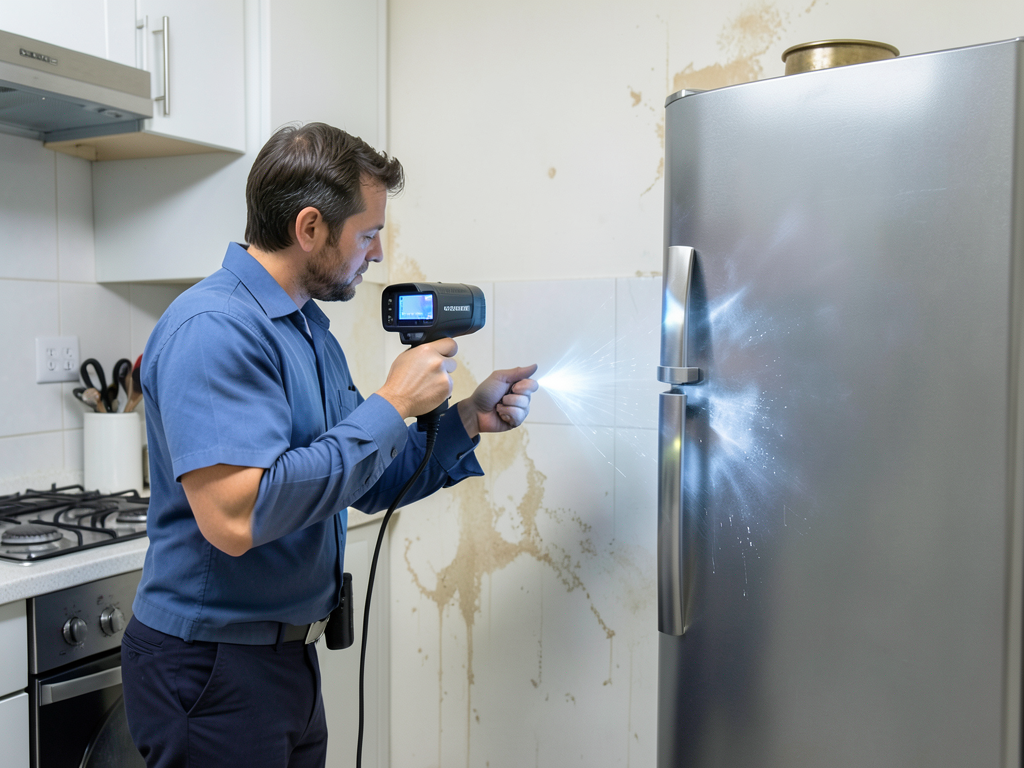
We conduct final moisture testing using thermal imaging and penetrating meters to verify all structural materials meet industry drying standards. You receive detailed documentation including moisture logs, equipment placement records, and photographic evidence for insurance purposes. We coordinate with your facilities team on any necessary repairs and provide recommendations to prevent future flooding.

Why Indianapolis Warehouse Operators Choose Apex Water Damage Restoration

Industrial flood recovery requires understanding Indianapolis's commercial landscape. We know the Plainfield logistics corridor faces drainage challenges during spring storms. We understand that facilities along Holt Road and in the Airport South Industrial Park deal with high water tables. We have restored warehouses in Whitestown, Cumberland, and Speedway, and we know how quickly water can compromise operations in these areas.

Apex Water Damage Restoration Indianapolis maintains equipment inventory that residential contractors cannot match. Our trailer-mounted extractors, commercial dehumidifiers, and negative air machines are designed for facilities exceeding 20,000 square feet. We can deploy multiple crews simultaneously to address large-scale events without sacrificing quality.

We coordinate with Indianapolis building inspectors and understand local code requirements for commercial facilities. If flood damage requires repairs to electrical systems or structural components, we know what inspections your facility needs before reopening. This prevents delays and keeps you compliant with city regulations.

Our teams understand the financial pressure of warehouse downtime. We work around your schedule, deploy night crews when necessary, and prioritize zones based on your operational needs. If you need to maintain partial shipping capacity, we create isolation zones that allow limited operations while remediation proceeds.

We document everything for your insurer. Indianapolis commercial policies require detailed loss documentation. We provide moisture logs, equipment manifests, photographic evidence, and daily progress reports that support your claim and demonstrate mitigation efforts. This documentation often accelerates claim processing and reduces disputes.

Industrial water damage cleanup is not a residential service scaled up. It requires different equipment, different safety protocols, and different coordination. We bring that capacity to every job.

What to Expect During Your Warehouse Restoration Project

Rapid Response and Mobilization

We deploy emergency response teams 24 hours a day across Indianapolis. When you call, we dispatch crews immediately with trailer-mounted extraction equipment and industrial drying systems. Most warehouse sites receive initial assessment within two hours of contact. We understand every hour of delay increases water migration, inventory loss, and business interruption costs. Our teams arrive ready to contain damage and begin extraction without waiting for additional equipment or personnel.

Comprehensive Damage Assessment

Our initial assessment maps water migration patterns, identifies contamination risks, and prioritizes extraction zones based on your operational needs. We use thermal imaging to locate hidden moisture in walls, beneath flooring, and around loading dock areas. You receive a detailed scope of work that outlines extraction procedures, estimated drying time, and equipment deployment plans. This assessment includes photographic documentation and moisture readings that support your insurance claim and provide baseline data for tracking restoration progress.

Complete Moisture Removal and Verification

We do not consider a project complete until moisture levels meet industry standards for commercial facilities. Our teams conduct multi-point testing using penetrating moisture meters and thermal imaging to verify all structural materials are dry. You receive final documentation showing moisture readings, equipment run times, and verification that your facility meets IICRC standards for structural drying. This documentation protects you from liability if secondary damage appears later and provides evidence of proper mitigation for your insurer.

Ongoing Support and Prevention Planning

After restoration, we provide recommendations to prevent future flooding based on what we observed during your project. This includes drainage improvements around loading docks, floor drain maintenance, and moisture monitoring strategies for high-risk areas. We remain available for follow-up inspections and can conduct periodic moisture checks in vulnerable zones. If your facility experiences another event, we already have your site data and can mobilize faster. Many Indianapolis warehouse operators keep our contact information posted in their facilities management offices.

Frequently Asked Questions

You Have Questions,
We Have Answers

How much does a water restoration company charge? +

Warehouse flood restoration costs vary by damage extent, water category, and square footage. Clean water extraction typically costs less than sewage contamination cleanup. You pay for emergency water removal, structural drying, dehumidification equipment, antimicrobial treatment, and repairs. Indianapolis warehouses with concrete slab foundations may require specialized moisture detection equipment to prevent long-term issues. Most commercial restoration companies charge per square foot or hourly rates plus equipment fees. Request itemized estimates from multiple contractors. Costs range significantly based on whether you need basic extraction or full reconstruction. Document everything for insurance claims and tax deductions.

What's the difference between remediation and restoration? +

Remediation removes contamination and returns your warehouse to a safe, clean state. This includes water extraction, antimicrobial treatment, mold removal, and structural drying. Restoration rebuilds damaged structures to pre-loss condition. This means replacing drywall, flooring, electrical systems, and inventory shelving. For Indianapolis warehouses, remediation addresses immediate threats like standing water and humidity that can warp wooden pallets or corrode metal racking. Restoration follows remediation and handles reconstruction. Most commercial projects require both phases. You cannot restore until you properly remediate. The distinction matters for insurance coverage, as policies may cover one but limit the other.

How do restoration companies get paid? +

Commercial restoration companies bill insurance carriers directly or invoice property owners. For insured Indianapolis warehouse losses, contractors typically file claims on your behalf and receive payment after adjuster approval. You pay your deductible upfront. For uninsured losses, you pay directly via invoice terms, often net 30 or net 60 for commercial clients. Some contractors require deposit payments before mobilizing equipment. Large warehouse projects may use progress billing tied to completion milestones. Payment structures depend on project scope and your relationship with the contractor. Always get written estimates and payment terms before work begins to avoid disputes.

Is water damage restoration worth it? +

Professional warehouse flood restoration protects your business continuity and asset value. Unmitigated water damage leads to structural deterioration, mold growth, inventory loss, and liability exposure. Indianapolis warehouses face high humidity that accelerates microbial growth if you delay drying. Professional restoration minimizes downtime, documents losses for insurance and tax purposes, and ensures code compliance. The cost of proper restoration is substantially less than complete facility replacement or prolonged operational shutdown. You also avoid potential OSHA violations from unsafe working conditions. For commercial properties, restoration is a business necessity, not optional. Delayed response multiplies total costs exponentially.

Does insurance pay for water restoration? +

Commercial property insurance typically covers sudden and accidental water damage, including burst pipes, roof leaks, and storm flooding. Your policy determines coverage limits and exclusions. Indianapolis warehouses need flood insurance separately if located in FEMA flood zones near White River or Fall Creek. Insurance pays for remediation and structural repairs but may exclude certain items like landscaping or exterior grading. Business interruption coverage helps offset lost revenue during restoration. File claims immediately and document all damage with photos and detailed inventories. Adjusters evaluate claims based on professional restoration estimates. Deductibles apply. Review your policy annually to ensure adequate coverage for your warehouse value and contents.

Do you need a license for water restoration? +

Indiana does not require a specific water restoration license, but reputable contractors carry proper business licenses, liability insurance, and workers compensation coverage. Professional certifications from IICRC demonstrate technical competency in water damage restoration, structural drying, and microbial remediation. Indianapolis commercial projects may require contractors to pull permits for structural repairs or electrical work, which necessitate trade-specific licenses. Verify your contractor holds applicable trade licenses for reconstruction phases. Check references and insurance certificates before signing contracts. Unlicensed operators create liability risks and may void insurance claims. Professional restoration companies maintain multiple certifications and insurance policies to protect your warehouse investment.

Why is remediation so expensive? +

Commercial remediation costs reflect specialized equipment, labor intensity, and liability management. Industrial dehumidifiers, air movers, moisture meters, and thermal imaging cameras require significant capital investment. Indianapolis warehouse projects demand rapid response teams available around the clock. Technicians need training in safety protocols, contamination control, and structural drying science. Disposal of contaminated materials follows EPA regulations with associated fees. Insurance documentation requires detailed reporting and project management overhead. Large-scale water extraction in warehouses involves substantial equipment mobilization costs. You pay for expertise that prevents further damage and ensures proper remediation. Cutting corners creates larger problems. Professional remediation protects your business from catastrophic losses.

What are the 4 types of remediation? +

The four remediation categories correspond to water contamination levels. Category 1 involves clean water from supply lines or rain. Category 2 is gray water containing contaminants from appliances or floor drains. Category 3 is black water from sewage or flooding that requires extensive decontamination. Category 4 addresses specialty situations requiring unique protocols. Indianapolis warehouses storing food products or pharmaceuticals face stricter remediation standards regardless of water category. Each category demands different safety equipment, disposal methods, and drying protocols. Understanding these distinctions helps you communicate with insurance adjusters and ensures contractors follow appropriate remediation procedures for your specific warehouse contamination scenario.

What are the two types of restoration? +

Restoration divides into structural restoration and contents restoration. Structural restoration repairs building components including walls, floors, ceilings, electrical systems, and HVAC infrastructure. This work requires trade licenses and building permits in Indianapolis. Contents restoration salvages inventory, equipment, documents, and furnishings through specialized cleaning, drying, and decontamination. For warehouses, contents restoration may include dehumidifying packaged goods, cleaning metal shelving, or documenting unsalvageable inventory for insurance claims. Some items require off-site restoration in controlled environments. The two restoration types often occur simultaneously but involve different contractors and skill sets. Comprehensive warehouse flood recovery addresses both structural integrity and inventory preservation.

What is the 2 year rule for contractors? +

The two year rule typically refers to contractor warranty periods or insurance claim filing deadlines. In Indiana, construction defect claims must be filed within two years of discovery under certain statutes. For warehouse restoration, this means documenting completion dates and maintaining records. Some insurance policies require you to report latent damage within two years of the initial loss. Commercial property owners should understand relevant limitation periods for both contractor performance issues and insurance claims. The specific application varies by contract type and insurance policy language. Always review warranty terms and claim filing deadlines with your Indianapolis restoration contractor and insurance carrier upfront.

Why Indianapolis Warehouse Districts Require Specialized Flood Response

Indianapolis's position as a Midwest logistics hub creates unique challenges for warehouse flood restoration. The concentration of distribution facilities along the I-70 and I-465 corridors means flood events can disrupt regional supply chains. Facilities in the Plainfield logistics corridor sit on flat terrain with clay soil that drains poorly, creating standing water problems during heavy rain. The White River floodplain extends into industrial areas near Harding Street and Kentucky Avenue, putting older warehouse districts at risk during spring flooding. These conditions demand rapid commercial flood remediation that prevents inventory loss and maintains supply chain continuity.

Indianapolis warehouse operators need contractors who understand commercial timelines and insurance requirements. City building codes require specific inspections after significant water damage to electrical and structural systems. Local insurers expect detailed documentation of mitigation efforts and moisture verification before authorizing repairs. Apex Water Damage Restoration Indianapolis has worked with facilities managers across Marion County and understands these local requirements. We coordinate with your insurance adjuster, document damage according to local claim standards, and ensure your facility meets city code before reopening.
Water Damage Restoration Services in The Indianapolis Area

We are proud to serve the entire Indianapolis area and surrounding communities, providing rapid-response water damage restoration right where you need it most. Our central location allows us to deploy our 24/7 emergency teams quickly across the region. View our service area on the map below and remember that wherever you are in the Indianapolis metropolitan area, Apex Water Damage Restoration Indianapolis is ready to deliver expert and trustworthy service to secure your home or business.

Address:
Apex Water Damage Restoration Indianapolis, 6767 E Washington St, Indianapolis, IN, 46219

Additional Services We Offer

Our news updates

Latest Articles & News from The Blogs

Is Crawl Space Encapsulation Worth the Investment for Your Home in Wynnedale? Crawl space encapsulation can save Wynnedale homeowners thousands…

Is Crawl Space Encapsulation Worth the Investment for Your Home in Wynnedale?

Is Crawl Space Encapsulation Worth the Investment for Your Home in Wynnedale? Crawl space encapsulation can save Wynnedale homeowners thousands…

How to Decide Which Water Damaged Items to Keep and Which to Throw Away

How to Decide Which Water Damaged Items to Keep and Which to Throw Away When water floods your Indianapolis home…

Battery Backup vs Water Powered Sump Pumps for Your Near Eastside Basement

Why Your Near Eastside Basement Needs a Reliable Backup Sump Pump Living in the Near Eastside means dealing with Indianapolis's…

Contact Us

Flood damage costs you money every hour your facility stays offline. Call Apex Water Damage Restoration Indianapolis now at (317) 703-7676 for immediate deployment. We bring industrial-grade extraction equipment and experienced crews to your site within hours.