menu

Understanding Categories of Water in Indianapolis – Expert Classification Guide for Safer Water Damage Restoration

Learn how IICRC water categories directly impact health risks and restoration costs in your Indianapolis property, and why proper classification is critical before any mitigation work begins.

Slider Image 1
Slider Image 2
Slider Image 3
Slider Image 4
Slider Image 5
Slider Image 7
Slider Image 8
Slider Image 9
Slider Image 10
Slider Image 11

Why Water Quality Classifications Matter for Indianapolis Property Owners

Not all water damage is the same. When your basement floods or a pipe bursts, the type of water contamination determines everything: health risks, repair complexity, and final costs. The Institute of Inspection, Cleaning and Restoration Certification establishes three distinct water damage categories based on contamination levels.

Indianapolis's unique climate challenges make proper classification urgent. Our humid summers accelerate bacterial growth in standing water. The freeze-thaw cycles common to central Indiana cause sudden pipe failures that release different types of water contamination. A burst supply line carries different risks than a backed-up sewer, yet both create emergencies that demand fast, informed action.

Water quality classifications break down into three categories. Category 1 water originates from sanitary sources like supply lines or rainwater. Category 2 contains significant contamination from sources like washing machines or dishwashers. Category 3 carries grossly unsanitary matter from sewage backups or floodwater.

Here's what most Indianapolis residents miss: water contamination levels change over time. Clean water sitting in your crawl space for 48 hours becomes Category 2 as bacteria multiply. That's why speed matters. The longer you wait, the higher the category climbs, and restoration costs follow.

Understanding IICRC water categories protects your family and your investment. Misidentifying the water type leads to inadequate cleaning, hidden mold growth, and health problems that surface months later. Your insurance adjuster uses these same classifications to determine coverage. Getting it right from the start makes the difference between a complete recovery and a costly mistake.

Why Water Quality Classifications Matter for Indianapolis Property Owners
How Professional Technicians Classify Water Contamination

How Professional Technicians Classify Water Contamination

Water category assessment begins the moment technicians arrive. We identify the source, measure contamination indicators, and evaluate exposure duration. This protocol follows IICRC S500 standards, the industry benchmark for water damage restoration.

Category 1 classification requires verification that water originated from a sanitary source and has not contacted contaminated surfaces. We test for chemical markers and inspect the affected area for cross-contamination. A clean supply line break in your kitchen starts as Category 1, but if that water spreads to areas with dust, debris, or building materials, the classification escalates.

Category 2 water contains biological or chemical contaminants that cause discomfort or illness if contacted or consumed. Washing machine overflows, aquarium spills, and toilet bowl water without feces fall into this category. Our technicians use moisture meters and thermal imaging to track migration patterns, because Category 2 water spreading through wall cavities picks up additional contaminants from insulation and drywall.

Category 3 represents grossly contaminated water from sewage, rising floodwater, or any liquid that has contacted soil or waste material. This classification demands full personal protective equipment during assessment. We test for pathogens, measure pH levels, and document contamination spread for insurance purposes.

The assessment process takes 30 to 60 minutes for most residential properties. We document findings with photos, moisture readings, and written reports. This documentation protects you during insurance claims and guides our restoration protocol. Each category requires different equipment, antimicrobial treatments, and disposal procedures. Skipping proper classification puts occupants at risk and violates industry standards.

What Happens During Water Category Assessment in Your Home

Understanding Categories of Water in Indianapolis – Expert Classification Guide for Safer Water Damage Restoration
01

Source Identification and Testing

Technicians locate the water origin point and trace contamination pathways through your property. We use moisture detection equipment to map the full extent of water migration. Source identification determines the baseline category before time-based degradation occurs. Physical water samples may be collected for laboratory analysis if the source remains unclear or multiple water types have mixed.
02

Contamination Level Documentation

We measure specific contamination indicators including microbial presence, chemical composition, and particulate matter. Digital photography captures affected areas and source conditions. Moisture readings are recorded at multiple depths in building materials. This documentation establishes the water quality classification and justifies the restoration approach to your insurance carrier. Time stamps prove when degradation began.
03

Category Assignment and Protocol

The final category assignment dictates every subsequent restoration decision. Category 1 water allows for material drying and cleaning. Category 2 requires antimicrobial treatment. Category 3 demands removal of porous materials like drywall, insulation, and carpeting. You receive a written classification report with photos, moisture maps, and recommended actions. This report becomes your roadmap through the entire restoration process.

Why Indianapolis Residents Trust Local Expertise for Water Classification

Water damage restoration in Indianapolis requires understanding how our local environment affects contamination patterns. The White River and Fall Creek create flood zones where Category 3 water becomes common during spring storms. Our clay-heavy soil prevents proper drainage, causing basement seepage that picks up soil contaminants and elevates initial categories.

Indianapolis building stock presents unique assessment challenges. Homes in Broad Ripple and Irvington feature century-old plumbing systems where supply line failures mix with contaminated crawl space conditions. Downtown commercial properties in older buildings deal with combined sewer systems where heavy rain causes backflow events. These local conditions require technicians who recognize Indianapolis-specific contamination patterns.

Apex Water Damage Restoration Indianapolis employs IICRC-certified technicians who complete continuing education on water quality classifications annually. We maintain relationships with local laboratories for rapid testing when category assignment remains uncertain. Our equipment inventory includes the thermal imaging cameras and moisture detection tools necessary for accurate assessments in Indianapolis's humid climate.

We work directly with insurance adjusters from companies familiar with Indianapolis claims. They trust our category classifications because we follow documentation standards that withstand scrutiny. Our reports include enough detail to prevent claim denials while remaining clear enough for homeowners to understand their situation.

Local expertise means understanding Marion County health department requirements for Category 3 water disposal. We know which materials must be bagged and removed versus which can be treated in place. This knowledge prevents code violations and protects your property value during resale. Restoration companies from outside the area often miss these local regulatory nuances, creating problems that surface during future inspections or transactions.

What to Expect When Categories of Water Are Assessed in Your Property

Assessment Speed and Scheduling

Water category assessment happens within the first hour of our arrival. Emergency calls receive response within 60 to 90 minutes across Indianapolis and surrounding communities. We operate 24 hours daily because water contamination levels increase with every passing hour. Night and weekend assessments follow the same thorough protocol as weekday jobs. You receive preliminary category classification on-site, with written confirmation within 24 hours. This speed prevents category escalation and limits secondary damage that increases restoration costs.

On-Site Evaluation Process

Technicians conduct room-by-room moisture mapping using calibrated detection equipment. We photograph source points, affected materials, and contamination spread patterns. You walk through findings with the lead technician who explains category assignment in plain language. Questions about health risks, material salvageability, and insurance implications are answered on-site. The evaluation includes air quality assessment if mold growth has begun. You receive transparent explanations about why specific materials must be removed versus dried in place.

Classification Report Deliverables

Written reports include category assignment with supporting evidence, moisture mapping diagrams, and photographic documentation. Each affected area receives individual assessment rather than applying a single category to the entire property. Reports specify which building materials require removal, treatment, or drying based on contamination levels. Cost estimates reflect category-specific protocols. Insurance companies receive reports in their preferred format with all necessary supporting documentation. You keep copies of all findings for your records and future property disclosures.

Post-Restoration Verification Testing

Category 2 and 3 water events require post-restoration verification to confirm contamination elimination. We conduct final moisture readings to verify materials have reached acceptable dry standards. Air quality testing confirms no mold spore elevation exists. Surface sampling proves antimicrobial treatments achieved sanitary conditions. You receive clearance documentation showing your property meets health and safety standards. This verification protects against future liability and provides peace of mind that hidden contamination will not resurface.

Frequently Asked Questions

You Have Questions,
We Have Answers

What are the 5 types of water? +

In water damage restoration, professionals classify water into three main categories, not five. Category 1 is clean water from supply lines or rain. Category 2 is gray water containing contaminants like washing machine discharge. Category 3 is black water with dangerous pathogens from sewage or flooding. Indianapolis homes face all three types during storms or pipe failures. The category determines the cleanup approach and safety precautions needed. Misidentifying water type leads to health risks and incomplete restoration. Always have a certified technician assess the damage after any water intrusion in your Indianapolis property.

What is category 1, 2, and 3 water? +

Category 1 water is clean and comes from supply lines, faucets, or rainwater. It poses no immediate health threat but becomes Category 2 if left standing for 48 hours. Category 2 water contains contaminants like detergents or urine. It requires careful handling and sanitization. Category 3 water is grossly contaminated with sewage, floodwater, or bacteria. This black water demands full protective equipment and aggressive remediation. Indianapolis properties commonly encounter Category 3 water during spring flooding near White River or Fall Creek. Each category requires different extraction methods, drying protocols, and disposal procedures to protect your family and restore your home safely.

What are the 7 forms of water? +

The seven forms of water refer to its physical states, not restoration categories. Water exists as solid ice, liquid water, and water vapor. It also appears as clouds, rain, snow, and hail. This question confuses scientific states with restoration classifications. For water damage purposes in Indianapolis, focus on the three contamination categories instead. Category 1 is clean, Category 2 is gray, and Category 3 is black water. Understanding contamination levels matters more than physical forms when your basement floods or pipes burst. The category determines cleanup costs, safety requirements, and restoration time for your Indianapolis property.

What are the three categories of water? +

The three categories of water in restoration are Category 1, Category 2, and Category 3. Category 1 is clean water from sanitary sources like supply lines. Category 2 is gray water with chemical or biological contamination from appliances or fixtures. Category 3 is black water loaded with pathogens from sewage backups or flooding. Indianapolis homes experience all three types depending on the water source. A broken toilet supply line creates Category 1 damage. A washing machine overflow produces Category 2 water. Sewage backups or river flooding near Broad Ripple generate Category 3 emergencies requiring specialized cleanup and safety protocols.

What are the 7 types of water? +

The seven types of water typically refer to drinking water classifications like tap, mineral, spring, well, purified, distilled, and sparkling water. This differs completely from water damage categories used in restoration. For Indianapolis property owners facing water damage, only three categories matter. Category 1 is clean water from pipes or rain. Category 2 is contaminated gray water from appliances. Category 3 is hazardous black water from sewage or flooding. Focus on these restoration categories when dealing with basement flooding, burst pipes, or storm damage. The contamination level determines the safety measures and restoration methods needed for your Indianapolis home.

What are the 8 types of water? +

Eight types of water classifications mix drinking water varieties with damage categories. For restoration purposes in Indianapolis, ignore beverage types. Only three water damage categories exist. Category 1 is clean water from supply lines or precipitation. It turns into Category 2 after 48 hours or contact with building materials. Category 2 is gray water from dishwashers, washing machines, or toilet overflow without feces. Category 3 is black water from sewage, flooding, or standing water with microbial growth. Indianapolis properties need proper assessment after any water intrusion. The category determines extraction methods, drying time, material removal requirements, and health precautions during restoration.

How Indianapolis Sewer Systems and Soil Conditions Affect Water Categories

Indianapolis operates combined sewer systems in older neighborhoods where storm drains and sanitary sewers share infrastructure. Heavy rainfall events overwhelm capacity, causing sewage backups that create instant Category 3 contamination in basements. The clay soil prevalent throughout Marion County compounds this problem by preventing absorption, directing excess water toward foundation walls and basement floors. These soil conditions mean surface water quickly becomes contaminated as it picks up bacteria and debris before entering your property. Understanding this local reality explains why Indianapolis water damage frequently escalates to higher categories faster than in areas with better drainage and separate sewer systems.

Restoration companies serving Indianapolis must understand local municipal codes governing contaminated water disposal and building material removal. Marion County Health Department regulations specify handling procedures for Category 3 materials that differ from surrounding counties. Our technicians maintain current knowledge of these requirements through ongoing training and direct relationships with local code enforcement. This local expertise prevents violations that delay insurance payments or create legal liability. When you choose Indianapolis-based restoration professionals, you gain access to established relationships with local adjusters, inspectors, and health officials who expedite approvals and clearances.
Water Damage Restoration Services in The Indianapolis Area

We are proud to serve the entire Indianapolis area and surrounding communities, providing rapid-response water damage restoration right where you need it most. Our central location allows us to deploy our 24/7 emergency teams quickly across the region. View our service area on the map below and remember that wherever you are in the Indianapolis metropolitan area, Apex Water Damage Restoration Indianapolis is ready to deliver expert and trustworthy service to secure your home or business.

Address:
Apex Water Damage Restoration Indianapolis, 6767 E Washington St, Indianapolis, IN, 46219

Additional Services We Offer

Our news updates

Latest Articles & News from The Blogs

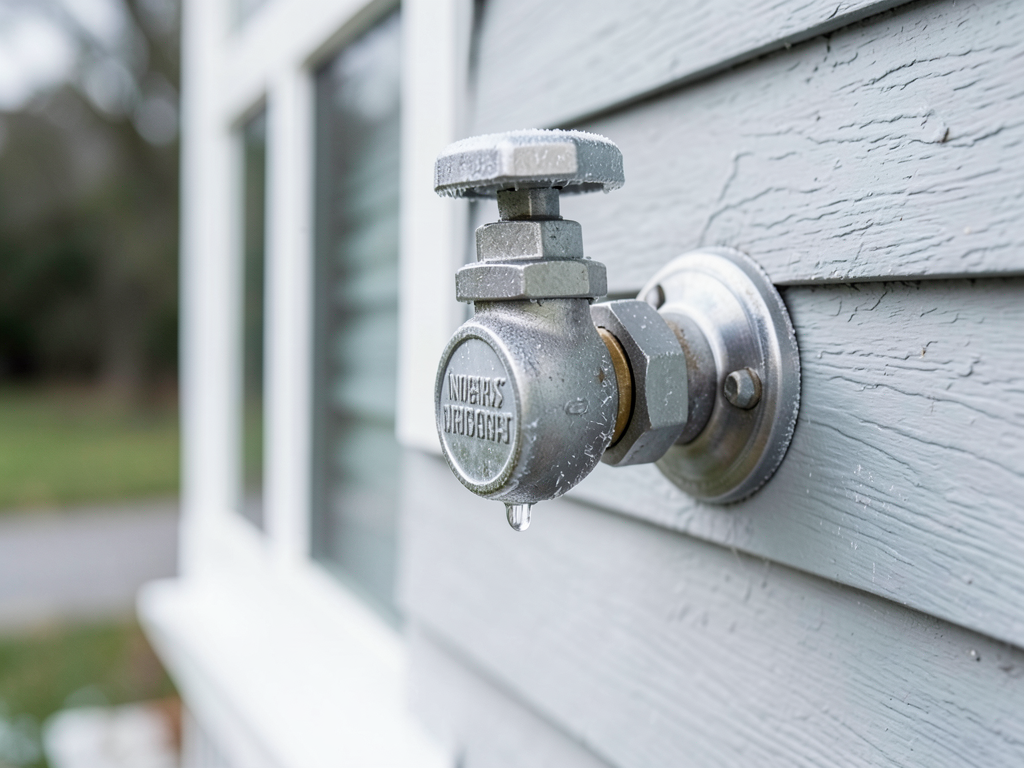
The Hidden Cost of Leaving Your Garden Hose Connected During an Indianapolis Winter Every fall Indianapolis homeowners face the same…

The Hidden Cost of Leaving Your Garden Hose Connected During an Indianapolis Winter

The Hidden Cost of Leaving Your Garden Hose Connected During an Indianapolis Winter Every fall Indianapolis homeowners face the same…

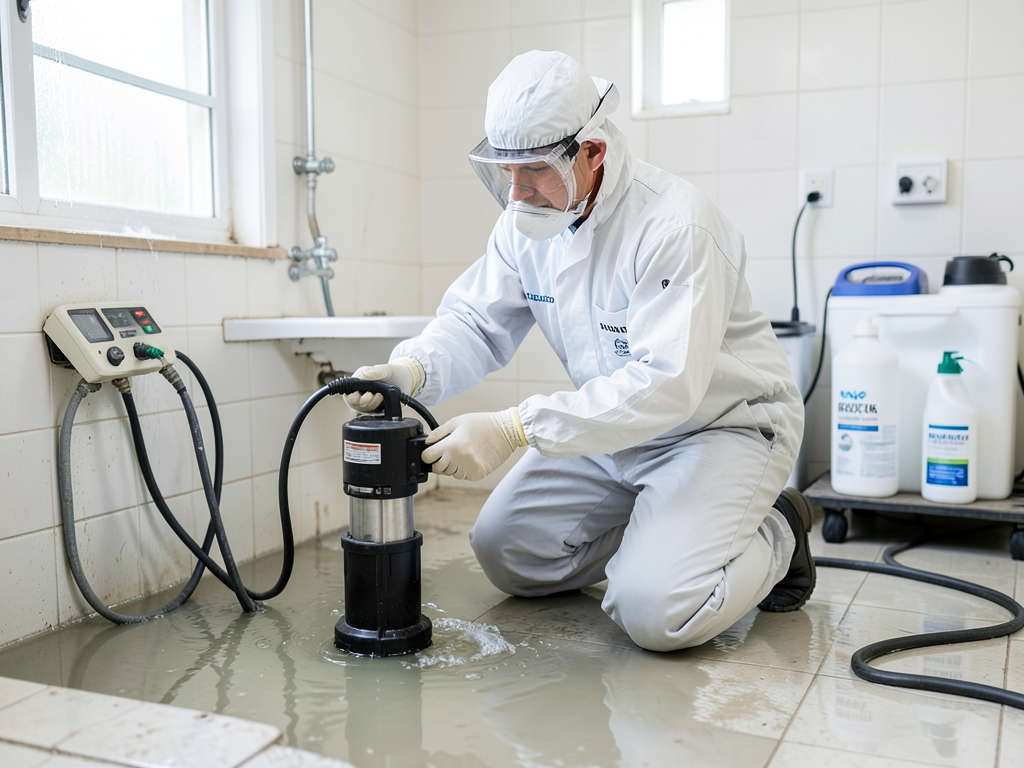
What to Do When Your Toilet Overflows and Drips Through the Ceiling in Fishers

What to Do When Your Toilet Overflows and Drips Through the Ceiling in Fishers Water from a toilet overflow creates…

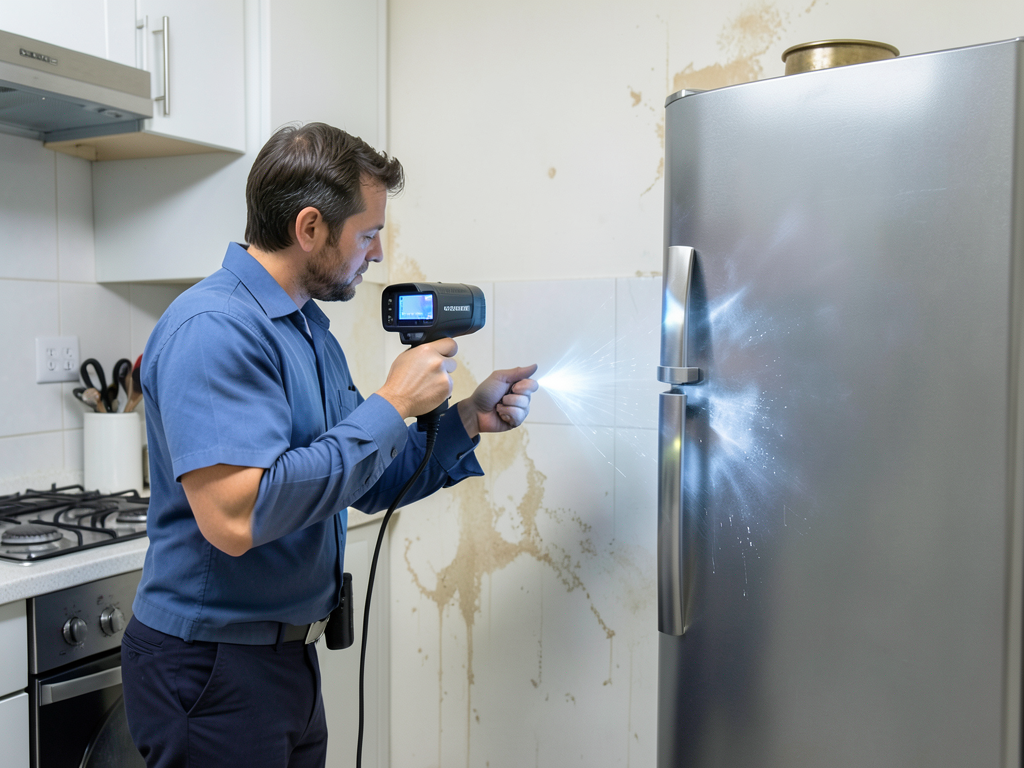
How Your Refrigerator Ice Maker Can Quietly Flood Your Kitchen in Carmel

How Your Refrigerator Ice Maker Can Quietly Flood Your Kitchen in Carmel Your refrigerator's ice maker can leak for weeks…

Contact Us

Water contamination levels increase every hour. Protect your family and property with professional assessment from Apex Water Damage Restoration Indianapolis. Our IICRC-certified technicians respond 24 hours daily. Call (317) 703-7676 now for immediate category classification and restoration guidance.