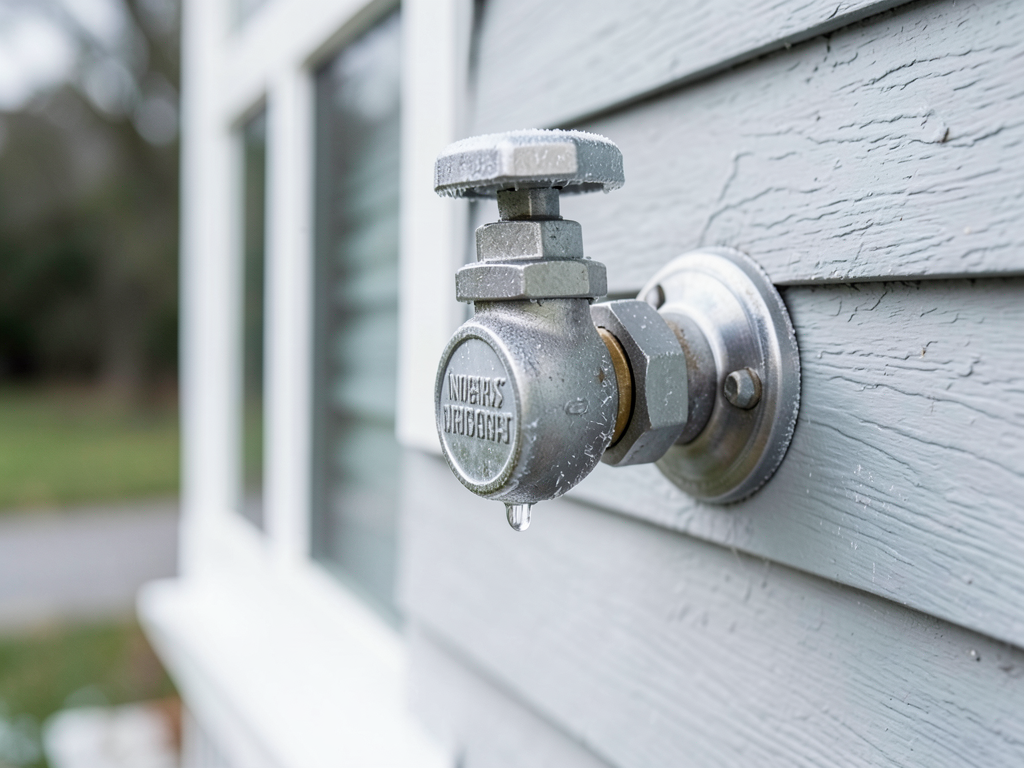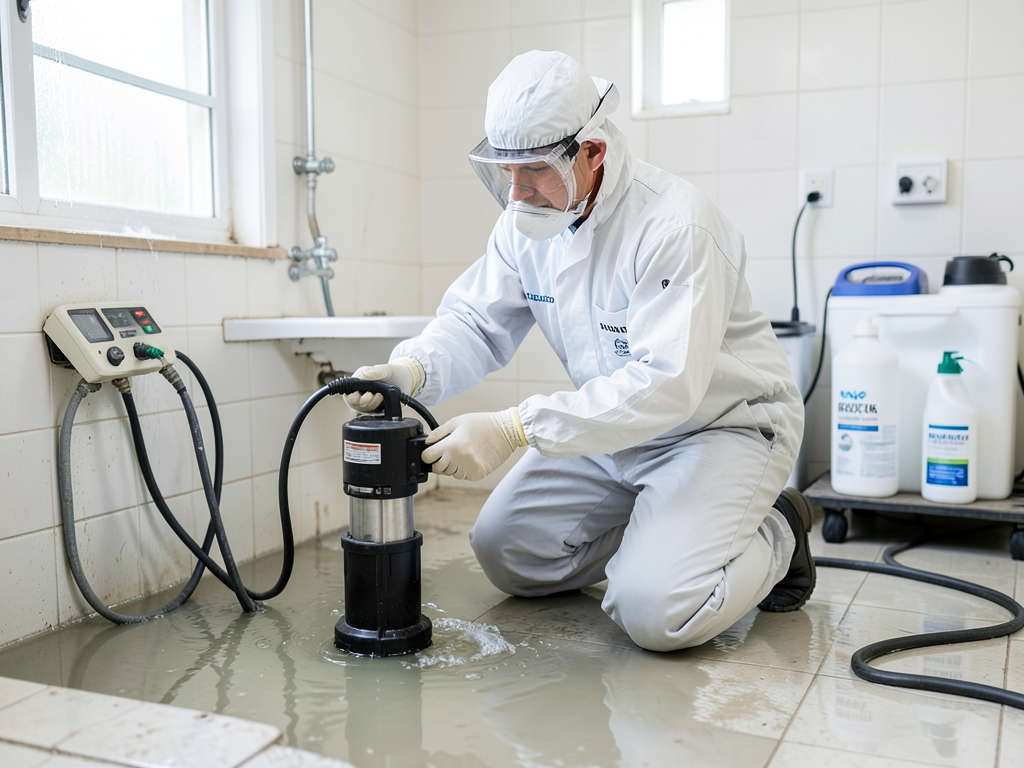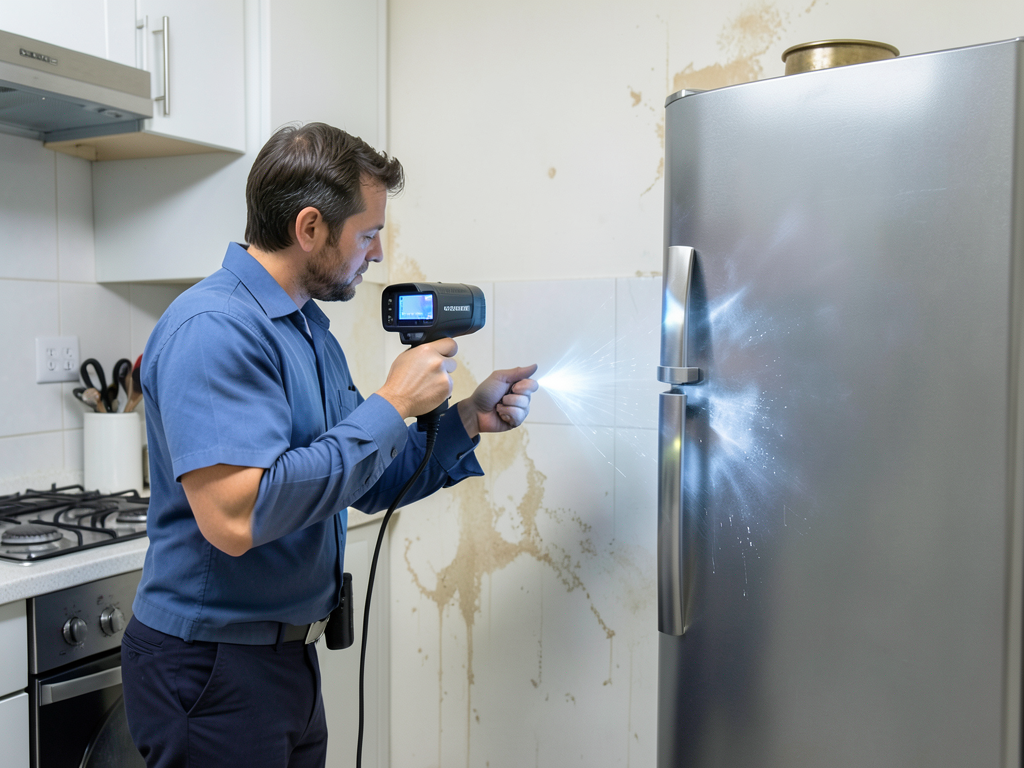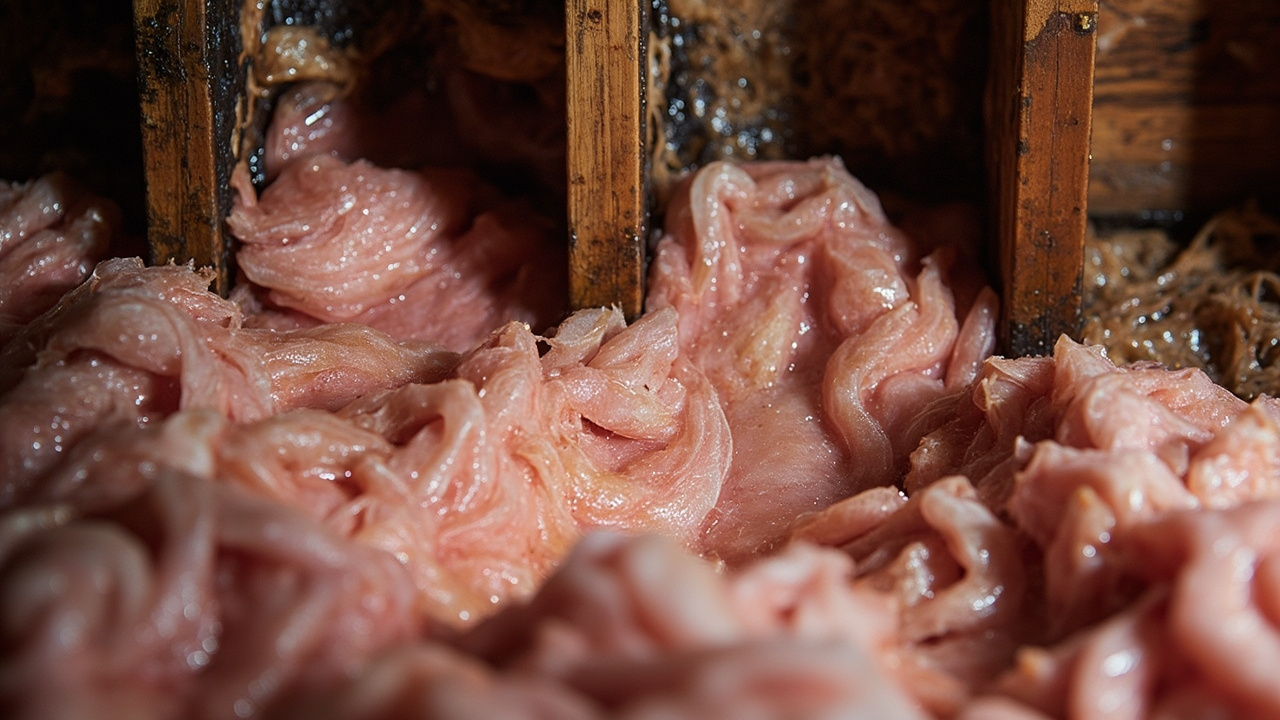
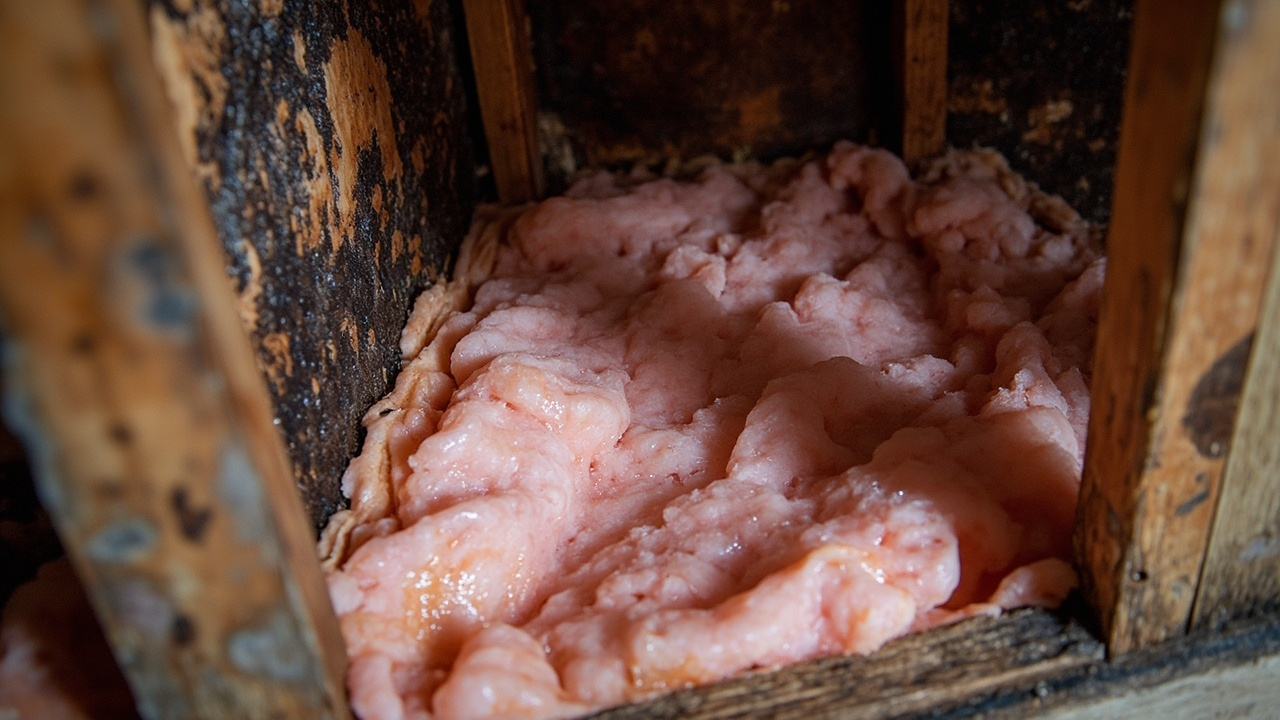
Indianapolis averages 77 percent relative humidity in summer months, and our clay soil retains moisture year-round, creating ideal conditions for basement and crawlspace condensation. When warm, humid air contacts cold surfaces in poorly ventilated attics or crawlspaces, it condenses directly into fiberglass or cellulose insulation. Winter brings freeze-thaw cycles that crack flashing and create ice dams along eaves, forcing meltwater under shingles and into attic insulation. Homes near White River or Fall Creek face additional risk from seasonal flooding that pushes groundwater into basements, saturating sill plate insulation. These localized conditions make soggy insulation a recurring problem in older Indianapolis neighborhoods where vapor barriers were not standard practice.
Indianapolis building codes now require proper attic ventilation and vapor barriers, but thousands of homes predate these standards. We work with local building inspectors to ensure all insulation replacements meet current Indiana Residential Code requirements for thermal performance and moisture control. Our team has remediated water damaged insulation in over 600 Indianapolis homes, from Historic Lockerbie Square bungalows to new construction in Fishers. This local expertise means we recognize the warning signs specific to Indianapolis architecture and climate, allowing us to prevent future saturation through proper ventilation design and material selection.