menu

Steps to Take After a Flood in Indianapolis – Your Complete Recovery Checklist for Water Damage

From immediate safety protocols to insurance documentation, this guide walks Indianapolis homeowners through every critical action needed to protect your property, minimize structural damage, and start the restoration process correctly after flooding.

Slider Image 1
Slider Image 2
Slider Image 3
Slider Image 4
Slider Image 5
Slider Image 7
Slider Image 8
Slider Image 9
Slider Image 10
Slider Image 11

Why Flooding Hits Indianapolis Properties Differently

Indianapolis sits at the confluence of multiple waterways, including the White River and Fall Creek, making properties across Fountain Square, Broad Ripple, and the near-westside particularly vulnerable during heavy spring rains. The combination of clay-heavy soil and older combined sewer systems in historic neighborhoods means water does not drain quickly. It sits. It seeps. And it causes damage fast.

When floodwater enters your home, you face a ticking clock. The first 24 to 48 hours determine whether you are looking at surface cleanup or structural demolition. Porous materials like drywall and insulation absorb water within minutes. Hardwood floors cup and buckle. Mold spores begin colonizing damp surfaces in as little as 48 hours, especially in Indianapolis's humid summers.

Knowing what to do after a house flood can mean the difference between salvaging your belongings and filing a total loss claim. You need a post-flood recovery checklist that accounts for immediate actions after flooding, not generic advice that ignores local flood patterns. Indianapolis homeowners face unique challenges, from navigating Marion County floodplain regulations to dealing with basement seepage common in Irvington and Butler-Tarkington homes built before modern waterproofing standards.

The water damage clean up steps you take in the first hours matter more than anything that happens later. Your guide to handling flood damage starts the moment the water stops rising, and every decision you make either limits the destruction or lets it compound.

Why Flooding Hits Indianapolis Properties Differently
The Critical First Actions That Prevent Secondary Damage

The Critical First Actions That Prevent Secondary Damage

The moment floodwater recedes, most homeowners want to rush back inside. That instinct can kill you. Before you enter any flooded structure, you must verify electrical safety. If water reached outlets, breaker panels, or appliances, the entire building is a live electrical hazard. Contact Indianapolis Power & Light or a licensed electrician to assess safety before entering.

Once safe entry is confirmed, your priority shifts to documentation and stabilization. Use your phone to photograph and video everything before you move a single item. Insurance adjusters need to see the water line on walls, damaged furniture in place, and the full scope of loss. Move quickly through each room, capturing wide shots and close-ups of damaged areas.

Next comes water extraction. Standing water continues destroying materials every minute it remains. If you have a wet-dry vacuum, start removing water immediately. Open windows and doors to create airflow, but only if outdoor humidity is lower than indoor levels. In Indianapolis's muggy summer months, bringing in outside air can actually slow drying and accelerate mold growth.

Remove soaked materials that cannot be saved. Carpet padding, drywall that stayed wet for more than 48 hours, and any insulation that absorbed water must go. These materials become mold factories. Professionals use moisture meters to measure water content in framing lumber and subfloors, determining what can dry in place versus what requires removal.

Salvageable items need immediate attention. Wood furniture should be dried slowly to prevent warping. Electronics must stay off until professionally cleaned. Documents and photos can often be freeze-dried if handled quickly. The water damage clean up steps you take now determine what you keep and what you lose permanently.

What Happens During Professional Flood Recovery in Indianapolis

Steps to Take After a Flood in Indianapolis – Your Complete Recovery Checklist for Water Damage
01

Emergency Assessment and Extraction

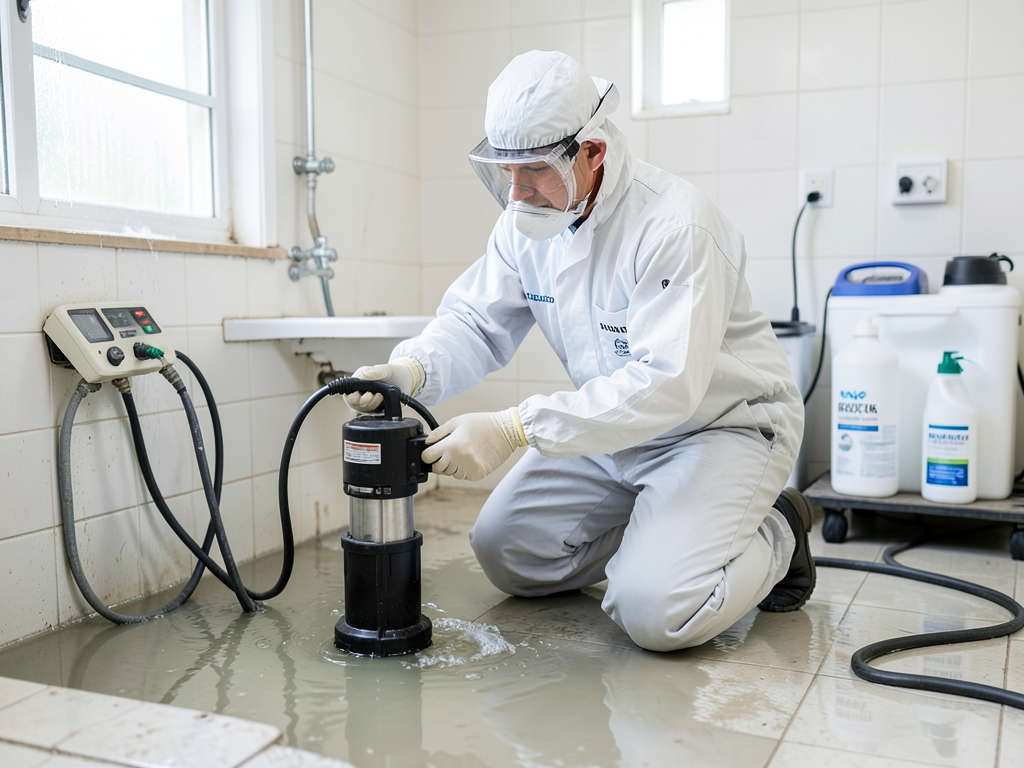
Apex Water Damage Restoration Indianapolis dispatches within one hour of your call. Technicians arrive with truck-mounted extraction units and portable pumps capable of removing thousands of gallons per hour. We map moisture levels throughout your property using thermal imaging and pin-type moisture meters, identifying hidden water trapped in wall cavities and beneath flooring. This initial assessment determines the full scope of drying needed and what materials require immediate removal to prevent further loss.
02

Structural Drying and Dehumidification

We install industrial dehumidifiers and air movers strategically positioned based on airflow science and psychrometry. This is not random fan placement. We calculate grain depression and vapor pressure to create optimal drying conditions for Indianapolis's climate. Hardwood floors get specialty drying mats that pull moisture from below. We monitor progress daily using moisture meters, adjusting equipment until all materials reach dry standard, typically 12 to 15 percent moisture content for wood framing.
03

Sanitization and Restoration Preparation

Once structures are dry, we apply antimicrobial treatments to all affected surfaces. Floodwater carries sewage, chemicals, and bacteria that leave contamination behind even after water is gone. We fog enclosed spaces and spray porous materials with EPA-registered disinfectants. Final moisture readings are documented for your insurance claim. We provide detailed scope of loss reports that contractors use for reconstruction estimates, ensuring nothing is missed when rebuilding begins.

Why Indianapolis Homeowners Choose Local Flood Restoration Experts

National franchise operations staff their flood calls with whoever is available. That means you might get a team from Carmel working a Fountain Square basement who has never dealt with the combined sewer backups common in older Indianapolis neighborhoods. Local expertise matters when floodwater contamination includes sewage from antiquated infrastructure.

Apex Water Damage Restoration Indianapolis operates exclusively in Marion County and surrounding areas. Our technicians know which neighborhoods flood during White River overflow events. We understand the construction methods used in Meridian-Kessler homes from the 1920s versus the newer developments in Fishers. That knowledge changes how we approach drying and what we look for in hidden damage.

We also maintain direct relationships with Indianapolis insurance adjusters. When you file a claim with State Farm, Allstate, or Indiana Farm Bureau, the adjuster assigned to your loss has likely worked with our team before. This familiarity speeds approvals and reduces claim disputes. We document using the Xactimate estimating software that adjusters use, speaking their language and presenting damage in formats they accept without question.

Our response time beats national competitors because our trucks are already in your area. We do not dispatch from a call center in another state. When you call our direct line, you reach our Indianapolis office, and our crews roll from local staging areas within the hour.

Local companies survive on reputation. We cannot afford poor work because every job impacts our standing in neighborhoods where we have completed dozens of restorations. You will see our yard signs throughout Broad Ripple, Irvington, and downtown districts, proof that your neighbors trusted us when their properties flooded.

What Indianapolis Homeowners Should Expect During Flood Restoration

How Quickly Can Restoration Start

We arrive within 60 minutes for emergency flood calls anywhere in Marion County. Our trucks carry extraction equipment, moisture detection tools, and initial drying equipment so work begins immediately, not after a return trip for gear. Most residential extractions finish within three to six hours depending on square footage and water depth. Drying equipment gets installed the same day, and we leave it running continuously until moisture levels drop to safe ranges. You are not waiting days for the process to start while water continues destroying your property.

The Initial Damage Assessment Process

Before we remove the first gallon of water, our technicians walk your entire property with thermal imaging cameras and moisture meters. We document baseline readings in every affected room, photograph damage from multiple angles, and create a moisture map showing where water traveled, including areas you cannot see. This assessment takes 30 to 45 minutes and produces the documentation your insurance company requires. We explain findings in plain language, showing you exactly what is wet, what can be saved, and what requires removal. You receive a written scope of damage before any work begins.

The Quality of Final Results

Proper drying leaves no lingering moisture that causes problems later. We dry structures to IICRC S500 standards, which specify exact moisture content levels for different building materials. Wood framing must reach 12 to 15 percent moisture content. Concrete slabs must drop below four percent on a calcium chloride test. We document final readings with calibrated meters and provide certification that drying is complete. This matters when you sell your home years later. Buyers doing mold inspections will find no hidden moisture damage if the original drying was done correctly by trained technicians.

What Happens After Drying Is Complete

Once structures are dry and sanitized, we provide detailed reports for your insurance claim and reconstruction contractor. These reports list every damaged material, document moisture readings throughout the drying process, and include photographs showing progression from initial damage to dry conditions. Your contractor uses this information to bid repairs accurately. We remain available to answer questions from adjusters and contractors during rebuilding. If any moisture issues appear during reconstruction, we return to re-evaluate at no additional charge. The relationship does not end when equipment gets picked up.

Frequently Asked Questions

You Have Questions,
We Have Answers

How Indianapolis's Combined Sewer Systems Complicate Flood Cleanup

Older Indianapolis neighborhoods including Fountain Square, Bates-Hendricks, and parts of Broad Ripple operate on combined sewer systems where stormwater and sewage flow through the same pipes. During heavy rain events, these systems overflow, sending diluted sewage into basements through floor drains and foundation cracks. This means what looks like clean rainwater flooding your basement may actually contain raw sewage and associated pathogens. Standard water damage protocols are insufficient for sewage contamination. You need Category 3 water treatment, which involves complete removal of porous materials that contacted floodwater, antimicrobial treatment of all surfaces, and specialized cleaning methods for salvageable belongings. Indianapolis homeowners must understand this contamination risk when deciding what to save and what to discard after flooding.

Marion County floodplain regulations affect reconstruction after flood damage. Properties in designated floodplains face specific building code requirements for repairs, including elevation standards and flood-resistant materials. Local restoration companies familiar with Indianapolis building codes help homeowners navigate these requirements during the insurance claim process. Out-of-state companies miss these details, leading to code violations discovered during final inspections. Working with Indianapolis-based professionals who maintain relationships with Marion County building inspectors ensures your restoration meets local requirements the first time. This local knowledge prevents reconstruction delays and additional costs from failed inspections or non-compliant repairs.
Water Damage Restoration Services in The Indianapolis Area

We are proud to serve the entire Indianapolis area and surrounding communities, providing rapid-response water damage restoration right where you need it most. Our central location allows us to deploy our 24/7 emergency teams quickly across the region. View our service area on the map below and remember that wherever you are in the Indianapolis metropolitan area, Apex Water Damage Restoration Indianapolis is ready to deliver expert and trustworthy service to secure your home or business.

Address:
Apex Water Damage Restoration Indianapolis, 6767 E Washington St, Indianapolis, IN, 46219

Additional Services We Offer

Our news updates

Latest Articles & News from The Blogs

The Hidden Cost of Leaving Your Garden Hose Connected During an Indianapolis Winter Every fall Indianapolis homeowners face the same…

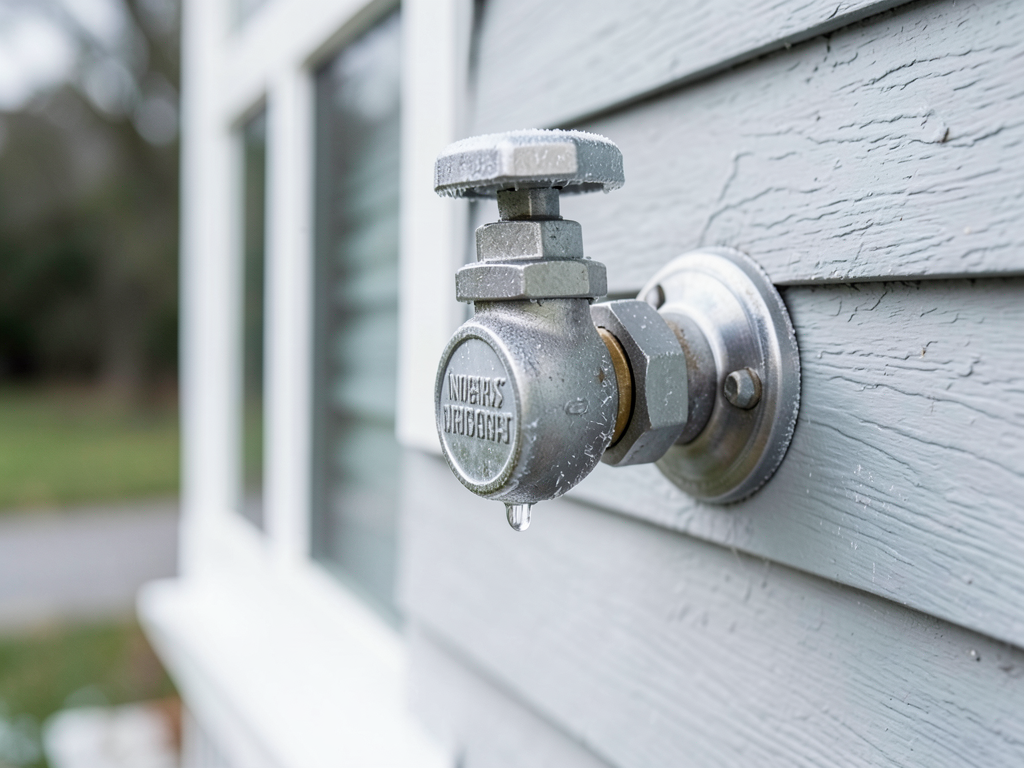
The Hidden Cost of Leaving Your Garden Hose Connected During an Indianapolis Winter

The Hidden Cost of Leaving Your Garden Hose Connected During an Indianapolis Winter Every fall Indianapolis homeowners face the same…

What to Do When Your Toilet Overflows and Drips Through the Ceiling in Fishers

What to Do When Your Toilet Overflows and Drips Through the Ceiling in Fishers Water from a toilet overflow creates…

How Your Refrigerator Ice Maker Can Quietly Flood Your Kitchen in Carmel

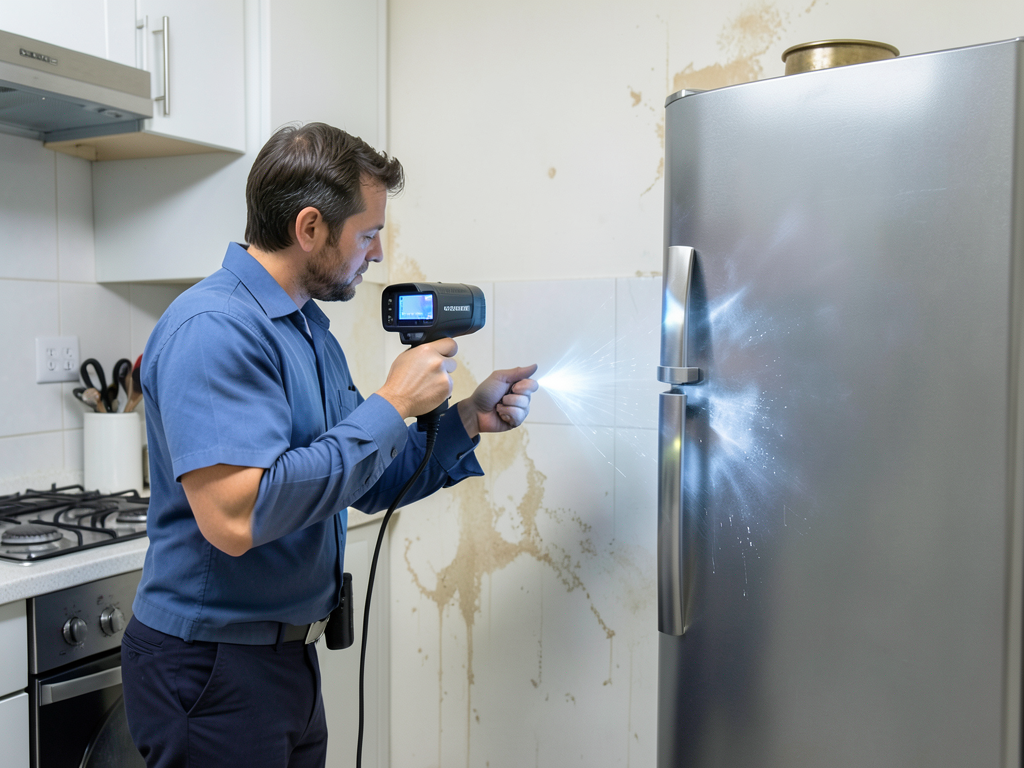
How Your Refrigerator Ice Maker Can Quietly Flood Your Kitchen in Carmel Your refrigerator's ice maker can leak for weeks…

Contact Us

Every hour you wait allows more damage to develop. Call Apex Water Damage Restoration Indianapolis right now at (317) 703-7676 for immediate dispatch. Our crews are standing by 24 hours a day, seven days a week, ready to start your recovery within the hour.