menu

Visible Mold Growth on Walls in Indianapolis – Expert Diagnosis and Safe Removal Before Health Risks Escalate

Our certified remediation specialists identify the moisture source feeding your mold patches on sheetrock, eliminate fungal growth on wall surfaces at the root, and restore indoor air quality using EPA-approved protocols specific to Indianapolis building materials.

Slider Image 1
Slider Image 2
Slider Image 3
Slider Image 4
Slider Image 5
Slider Image 7
Slider Image 8
Slider Image 9
Slider Image 10
Slider Image 11

Why Indianapolis Homes Battle Black Mold Spots on Drywall Year After Year

You walked into the spare bedroom and saw it. Dark patches creeping across the drywall near the baseboard. Black mold spots on drywall that were not there last month. Now you are wondering if it is dangerous, where it came from, and whether you can just paint over it.

Indianapolis's humid summers and temperature swings create the perfect breeding ground for fungal growth on wall surfaces. When indoor humidity exceeds 60 percent for more than 48 hours, mold spores activate and colonize porous materials like sheetrock and drywall paper. The freeze-thaw cycles we experience between November and March worsen the problem. Ice dams form on roofs, water seeps into exterior walls, and condensation builds inside wall cavities. By the time visible mildew on painted walls appears, the colony has been growing for weeks behind the surface.

Many homes in Broad Ripple, Irvington, and Fountain Square were built before modern vapor barriers became standard. These older structures have minimal moisture control in wall assemblies. Add in basement humidity from groundwater infiltration through limestone foundations, and you get wall mold infestation in bedrooms, closets, and along exterior walls. The white paint hides early growth until black mold patches on sheetrock break through. At that point, surface cleaning does not solve the problem. The moisture source remains active, and the colony regenerates within days.

Why Indianapolis Homes Battle Black Mold Spots on Drywall Year After Year
How We Stop Mold Growth at the Source and Restore Wall Integrity

How We Stop Mold Growth at the Source and Restore Wall Integrity

We do not spray bleach and call it done. Bleach kills surface mold but does not penetrate porous materials like drywall. The mycelium network remains alive inside the wall, and visible growth returns within a week. Our approach addresses the root cause, removes contaminated material, and eliminates the moisture condition that allowed mold to colonize in the first place.

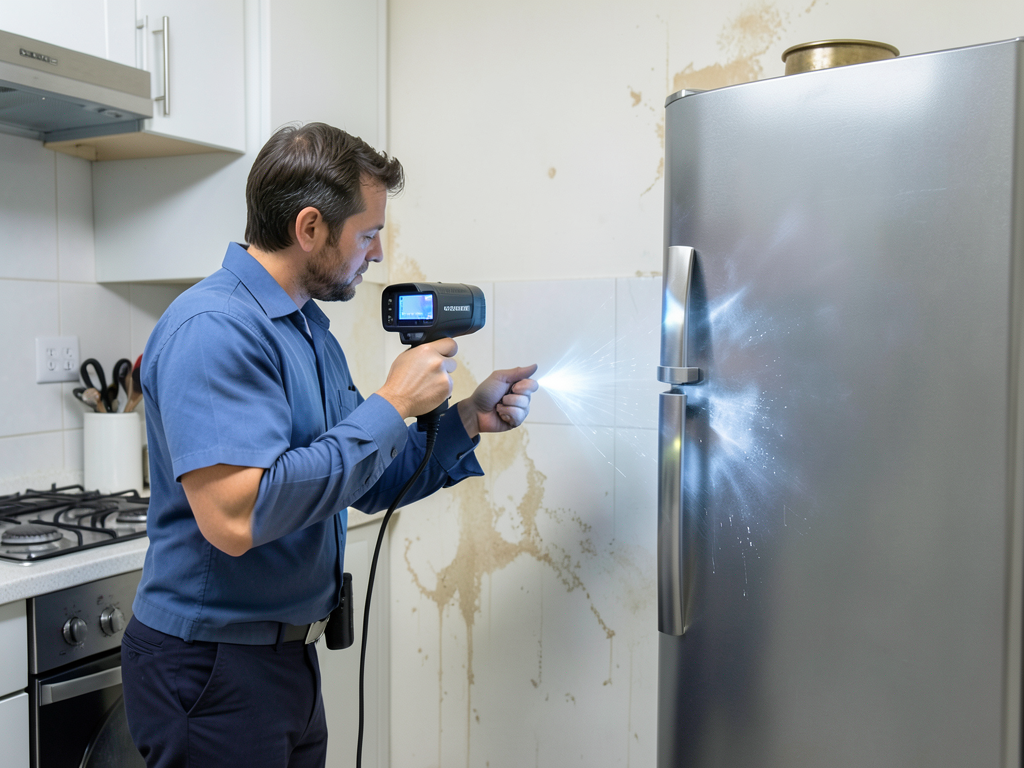
We start with moisture mapping using thermal imaging cameras and pin-type moisture meters. This reveals hidden water intrusion behind walls, under baseboards, and inside cavities where you cannot see. We identify whether the source is a roof leak, failed window flashing, condensation from poor ventilation, or groundwater wicking through foundation walls. Once we pinpoint the moisture entry, we stop it. That might mean resealing exterior cladding joints, rerouting gutter downspouts away from the foundation, or installing a vapor barrier in a crawl space.

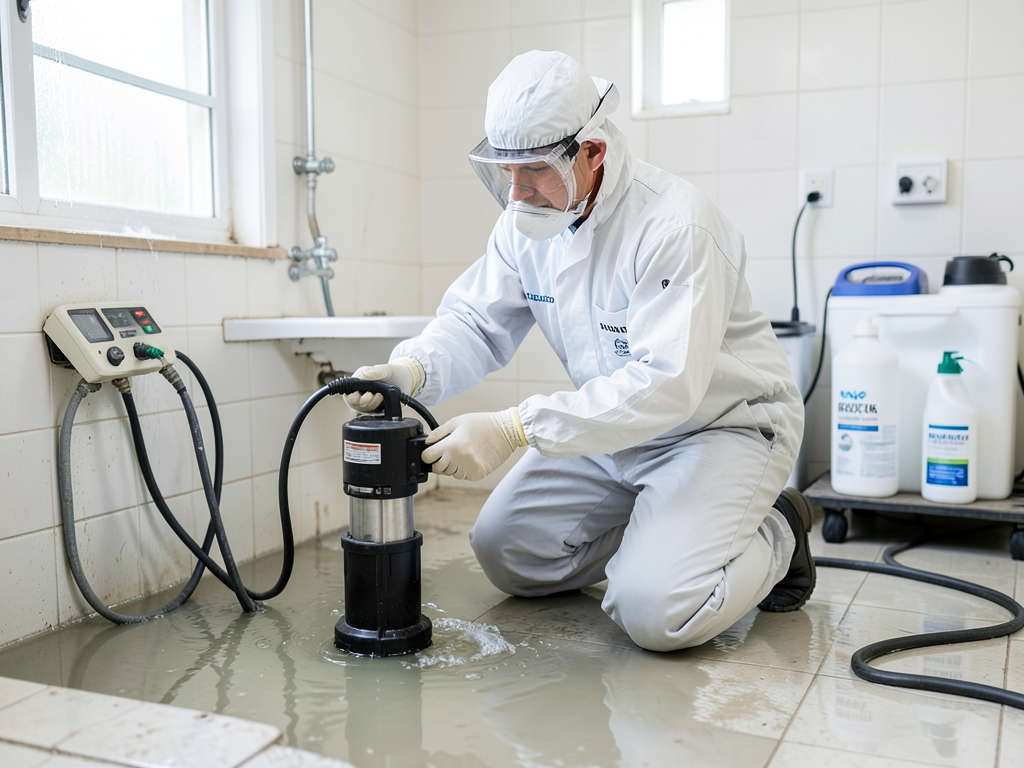
Next, we contain the work area using polyethylene sheeting and negative air pressure to prevent cross-contamination. We remove all contaminated drywall, insulation, and baseboard trim. Mold spreads through airborne spores, so containment prevents colonies from establishing in other rooms during demolition. After removal, we treat framing members with antimicrobial solutions and verify moisture content below 16 percent before reconstruction. We then install mold-resistant drywall, which uses fiberglass mat facing instead of paper, and apply mold-inhibiting primer before final paint. This creates a wall assembly that resists future colonization even if minor moisture intrusion occurs.

What Happens During Professional Mold Remediation

Visible Mold Growth on Walls in Indianapolis – Expert Diagnosis and Safe Removal Before Health Risks Escalate
01

Moisture Source Investigation

We use infrared thermal imaging and calibrated moisture meters to scan walls, ceilings, and floors. This identifies hidden water intrusion points that caused the mold outbreak. We trace leaks back to their origin, whether that is a roof penetration, failed sealant joint, or condensation problem. You receive a written moisture map showing all affected areas, not just the visible mold patches on sheetrock you called about.
02

Containment and Safe Removal

We seal off the work area with 6-mil polyethylene barriers and establish negative air pressure using HEPA-filtered air scrubbers. This prevents mold spores from spreading to clean areas during demolition. All contaminated drywall, insulation, and trim gets removed and bagged in sealed containers. We treat exposed framing with antimicrobial solutions, then verify all materials are dry before moving forward. You see documentation of moisture levels at every stage.
03

Rebuild and Prevention

We install mold-resistant materials including fiberglass-faced drywall and mold-inhibiting primer. All seams are sealed, and ventilation gaps are addressed to prevent future condensation. After reconstruction, we run a final air quality test using spore trap sampling to confirm clearance. You receive a full remediation report with before-and-after moisture readings, photos, and clearance documentation. The space is ready for occupancy the same day we finish.

Why Indianapolis Homeowners Choose Apex Water Damage Restoration for Mold Problems

Mold remediation is not a DIY project. It requires containment protocols, personal protective equipment, and an understanding of building science. Cut corners, and you spread spores throughout your home or leave the moisture source active. The colony returns within weeks, and you have spent money twice.

Apex Water Damage Restoration Indianapolis employs IICRC-certified technicians trained in applied structural drying and mold remediation. We understand how Indianapolis's climate and building stock create unique mold challenges. Homes in historic districts like Lockerbie Square and Old Northside have plaster walls over wood lath, which requires different remediation techniques than modern drywall. Basements in Meridian-Kessler often have limestone foundation walls that wick moisture through capillary action, requiring vapor barriers and drainage corrections. We have worked in every neighborhood across Marion County and know how local construction methods impact mold growth patterns.

We also coordinate directly with your insurance carrier. Most homeowners policies cover mold remediation if the growth resulted from a covered peril like a burst pipe or roof leak. We document the loss, provide detailed scope of work, and communicate with adjusters to streamline your claim. You focus on getting your home back to normal. We handle the paperwork.

Our service vehicles carry industrial dehumidifiers, thermal imaging cameras, moisture meters, HEPA air scrubbers, and antimicrobial treatments. We do not need to rent equipment or wait for shipments. When you call, we arrive prepared to start remediation the same day. Speed matters. Every additional day of moisture exposure allows fungal growth to spread deeper into wall cavities and across additional surfaces.

What You Can Expect When You Call Apex Water Damage Restoration Indianapolis

Rapid Response and Availability

We answer calls 24 hours a day, seven days a week. Mold remediation is not an emergency service like water extraction, but moisture damage continues every hour contamination remains active. We schedule inspections within 24 hours of your call. Most residential mold projects take between two and four days from containment to final clearance, depending on the extent of contamination and drying time required for structural materials. You receive a project timeline during the initial assessment, so you know exactly when work begins and when your home is habitable again. We do not leave jobs half-finished or disappear between phases.

Comprehensive Assessment and Scope

Our initial inspection includes moisture mapping, visual assessment of all affected areas, and identification of the water source. We check adjacent rooms, floors above and below, and concealed spaces like wall cavities and attic areas. Mold rarely stays confined to the area where you first noticed it. We provide a written scope of work detailing all materials requiring removal, structural repairs needed, and prevention measures to stop recurrence. You receive photos, moisture readings, and a clear explanation of what caused the problem. No guesswork. No surprises once demolition starts. You approve the scope before we proceed.

Clean, Safe, Documented Results

We complete every project with post-remediation verification. This includes final moisture readings confirming all materials are below 16 percent moisture content and a visual inspection of reconstructed areas. On request, we arrange third-party air quality testing using certified industrial hygienists. Spore trap samples are analyzed in an accredited laboratory, and you receive a clearance report showing your indoor air quality matches or exceeds outdoor baseline levels. The rebuild is finished to match existing finishes, and we remove all debris and equipment from your property. You get a clean, dry, mold-free space ready for immediate use.

Prevention Guidance and Follow-Up

Mold grows when moisture and organic material meet. Eliminate moisture, and mold cannot colonize. After remediation, we provide written recommendations for preventing future growth. This includes guidance on indoor humidity control, ventilation improvements, and maintenance tasks like cleaning gutters and inspecting roof flashing. We identify risk areas in your home where condensation or water intrusion is likely and explain how to monitor those zones. If you experience any concerns after project completion, we return to reassess at no charge. Our goal is permanent resolution, not repeat service calls.

Frequently Asked Questions

You Have Questions,
We Have Answers

What to do if I see mold on my wall? +

Stop using the area and ventilate the room if possible. Do not touch or disturb the mold, as this releases spores into the air. Identify the moisture source. Check for leaks, condensation, or water intrusion from Indianapolis' frequent freeze-thaw cycles that crack foundations. Small patches under 10 square feet can sometimes be cleaned with proper protection, but larger growth requires professional assessment. Mold often grows inside walls where you cannot see it. A certified mold remediation specialist will test the air quality, locate hidden growth, and remove contaminated materials safely. Do not wait. Mold spreads quickly in humid conditions.

Can mold make a baby cough? +

Yes. Babies have developing immune systems and smaller airways, making them vulnerable to mold exposure. Mold spores and mycotoxins can irritate respiratory passages, triggering persistent coughing, wheezing, or congestion. If your baby coughs frequently at home but improves elsewhere, mold may be the culprit. Check nurseries, basements, and areas near exterior walls where Indianapolis' humidity and temperature swings cause condensation. Black mold and other toxic species pose serious risks to infants. If you suspect mold, remove your baby from the space and consult a pediatrician. Get a professional mold inspection to identify the source and remediate it completely.

Can mold cause twitching? +

Mold exposure can affect the nervous system in sensitive individuals. Mycotoxins produced by certain mold species may cause neurological symptoms, including muscle twitching, tremors, headaches, and difficulty concentrating. While not common, prolonged exposure to high mold levels has been linked to these reactions. If you experience unexplained twitching and have visible mold in your Indianapolis home, the connection is worth investigating. Consult a doctor to rule out other causes. Meanwhile, avoid the moldy area and get a professional mold assessment. Air quality testing will reveal spore concentration and mold type, helping you understand the health risk and take action.

Is a little mold on walls okay? +

No. Visible mold on walls signals a bigger moisture problem. What you see on the surface is just the beginning. Mold colonies grow inside drywall, insulation, and wall cavities where humidity accumulates. Indianapolis homes face high moisture levels from summer humidity and winter condensation. Even small patches indicate ongoing water intrusion or poor ventilation. Mold damages building materials, weakens structural integrity, and releases spores that spread to other rooms. It also triggers allergies, asthma, and respiratory issues. Do not ignore it. Address the moisture source immediately and have a professional evaluate the extent of contamination before it becomes a costly repair.

How Indianapolis's Humidity and Older Housing Stock Fuel Mold Growth on Interior Walls

Indianapolis averages 72 percent relative humidity during summer months, and dew points regularly exceed 65 degrees between June and August. When outdoor air infiltrates through poorly sealed building envelopes, that moisture condenses on cooler interior surfaces like exterior walls and basement foundations. Homes built before 1980 often lack continuous vapor barriers in wall assemblies, allowing humid air to reach the back side of drywall where it condenses against cooler sheathing. Combine that with Indianapolis's clay-heavy soil, which retains water and increases hydrostatic pressure against foundation walls, and you create conditions where visible mildew on painted walls becomes a chronic problem in basements and first-floor rooms along exterior walls.

Apex Water Damage Restoration Indianapolis has worked in every neighborhood from Butler-Tarkington to Garfield Park. We understand how local construction practices impact mold risk. Homes in Irvington often have unvented crawl spaces that allow ground moisture to migrate into floor systems. Properties near White River or Fall Creek face higher groundwater tables that increase basement humidity. We know which foundation types are common in each area and how to address moisture intrusion specific to Indianapolis building methods. When you hire a local remediation company, you get technicians who have solved the exact problem you are facing in homes just like yours.
Water Damage Restoration Services in The Indianapolis Area

We are proud to serve the entire Indianapolis area and surrounding communities, providing rapid-response water damage restoration right where you need it most. Our central location allows us to deploy our 24/7 emergency teams quickly across the region. View our service area on the map below and remember that wherever you are in the Indianapolis metropolitan area, Apex Water Damage Restoration Indianapolis is ready to deliver expert and trustworthy service to secure your home or business.

Address:
Apex Water Damage Restoration Indianapolis, 6767 E Washington St, Indianapolis, IN, 46219

Additional Services We Offer

Our news updates

Latest Articles & News from The Blogs

Is Crawl Space Encapsulation Worth the Investment for Your Home in Wynnedale? Crawl space encapsulation can save Wynnedale homeowners thousands…

Is Crawl Space Encapsulation Worth the Investment for Your Home in Wynnedale?

Is Crawl Space Encapsulation Worth the Investment for Your Home in Wynnedale? Crawl space encapsulation can save Wynnedale homeowners thousands…

How to Decide Which Water Damaged Items to Keep and Which to Throw Away

How to Decide Which Water Damaged Items to Keep and Which to Throw Away When water floods your Indianapolis home…

Battery Backup vs Water Powered Sump Pumps for Your Near Eastside Basement

Why Your Near Eastside Basement Needs a Reliable Backup Sump Pump Living in the Near Eastside means dealing with Indianapolis's…

Contact Us

Visible mold means hidden growth. Every day you wait, the colony spreads deeper. Call Apex Water Damage Restoration Indianapolis at (317) 703-7676 for a same-day inspection. We identify the moisture source, contain the contamination, and restore your walls safely.