menu

Does Insurance Cover Mold in Indianapolis? Get Clear Answers Before Filing Your Claim

Understanding homeowners insurance mold coverage in Indianapolis can save you thousands. Learn exactly what mold damage your policy covers, what it excludes, and how to navigate mold remediation insurance claims before water damage turns into a coverage nightmare.

Slider Image 1
Slider Image 2
Slider Image 3
Slider Image 4
Slider Image 5
Slider Image 7
Slider Image 8
Slider Image 9
Slider Image 10
Slider Image 11

Why Mold Coverage Confuses Indianapolis Homeowners

You discover black spots spreading across your basement wall after spring flooding. Your first thought is insurance. Your second thought is panic when you read the fine print.

Indianapolis's humid summers and rapid temperature swings create ideal conditions for mold growth. The White River and Fall Creek flood regularly, and our clay soil traps moisture against foundations. When water intrudes, mold can colonize within 24 to 48 hours. The question is not if mold will grow, but whether your policy will pay for removal.

Most homeowners insurance policies in Indianapolis do cover mold damage, but only under specific conditions. The critical factor is sudden and accidental water damage. If a pipe bursts in your Broad Ripple home and mold grows from that water, property insurance mold coverage typically applies. If mold results from long-term leaks, poor ventilation, or deferred maintenance, your claim will be denied.

Insurance companies distinguish between covered perils and excluded maintenance issues. A storm that rips off shingles and lets rain soak your attic qualifies. A slow roof leak you ignored for six months does not. Understanding this distinction before you file determines whether does home insurance pay for mold removal in your situation.

Many Indianapolis policies include mold coverage limits, often capped at $5,000 to $10,000. Some carriers exclude mold entirely unless you purchase a rider. Reading your declarations page and endorsements tells you exactly where you stand before disaster strikes.

Why Mold Coverage Confuses Indianapolis Homeowners
How Mold Claims Get Approved or Denied

How Mold Claims Get Approved or Denied

Insurance adjusters look for one thing: causation. They want to know if mold resulted from a covered water event or from neglect. Your documentation makes or breaks your claim.

When water damage occurs, photograph everything immediately. Capture the water source, the extent of saturation, and any visible mold growth. Take photos before you move anything. This visual timeline proves the sudden nature of the event and establishes that you acted quickly.

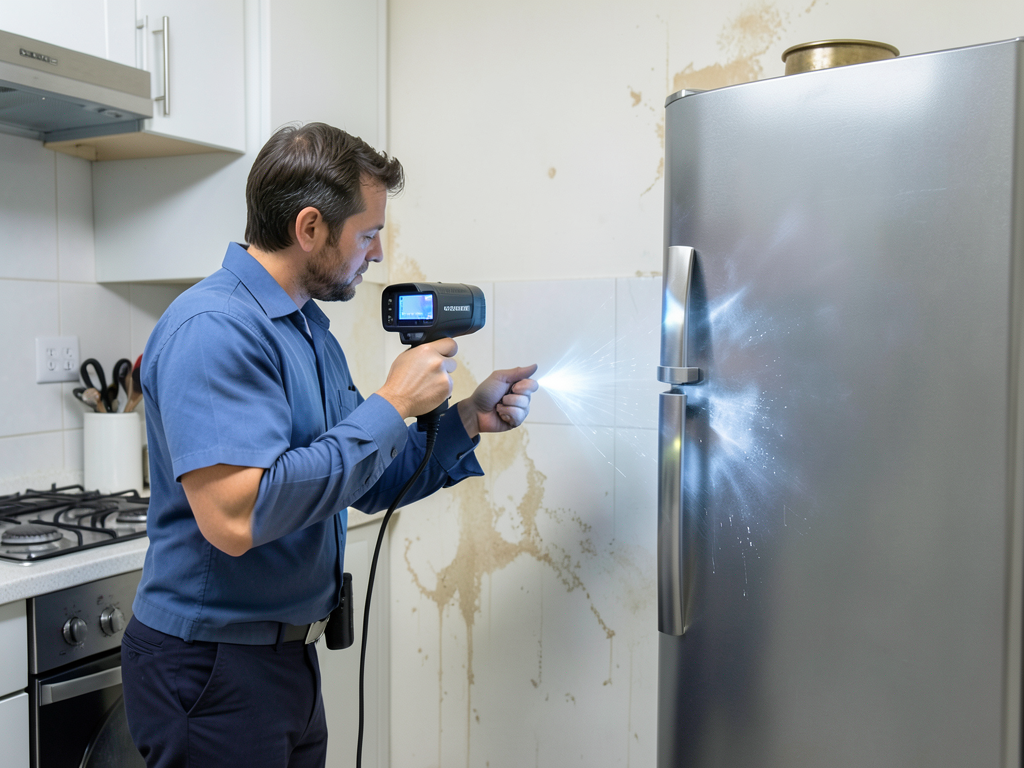
Next, document your response. Call a water damage restoration company within hours, not days. Apex Water Damage Restoration Indianapolis uses moisture meters and thermal imaging to map the full extent of water intrusion. These reports become evidence that you mitigated damage promptly, which insurers require under your policy's duties after loss clause.

The adjuster will inspect for pre-existing conditions. They check for water stains, previous repairs, and maintenance records. If your HVAC system leaked for months and mold spread through ducts, they classify this as maintenance failure. If a sump pump failed during a storm and your finished basement flooded, this qualifies as sudden mechanical failure from a covered event.

Mold remediation insurance claims require professional testing. Surface sampling and air quality tests identify the mold species and concentration levels. Insurance companies want lab reports, not guesses. Stachybotrys chartarum, the toxic black mold, triggers health concerns that strengthen claims. Aspergillus or Penicillium species are common but still require professional removal.

Timing dictates approval. File your claim immediately after discovering water damage, even if mold has not yet appeared. Waiting weeks to report the loss suggests you were aware of the problem and failed to act, which voids coverage.

How to File a Mold Insurance Claim That Gets Paid

Does Insurance Cover Mold in Indianapolis? Get Clear Answers Before Filing Your Claim
01

Document the Water Source

Before calling your insurer, photograph the water intrusion point and all affected areas. Capture timestamps on your phone. Locate the source, whether a burst pipe, roof leak, or appliance failure. Insurance adjusters need proof that water damage was sudden and accidental, not the result of neglect. Save all repair invoices and plumber reports that identify what failed and when.
02

Hire Professional Testing

Contact a certified industrial hygienist or mold inspector to conduct air sampling and surface testing. Lab results identify mold species and spore concentrations, which insurers require for claims exceeding basic coverage limits. Professional documentation separates valid claims from maintenance disputes. Request a detailed report with photographs, moisture readings, and remediation recommendations. This report becomes your primary claim evidence.
03

Coordinate Remediation and Payment

Once your claim is approved, schedule mold remediation immediately. Insurance companies expect you to prevent further damage, which means removing mold-infected materials quickly. Work with a restoration company that invoices insurance directly and understands policy language. Apex Water Damage Restoration Indianapolis handles adjuster communications, provides detailed scope documents, and ensures your claim covers all necessary work, from containment barriers to HEPA filtration.

Why Indianapolis Policies Differ From National Standards

Indiana insurance regulations allow carriers to limit mold coverage more aggressively than some neighboring states. After Hurricane Katrina in 2005, insurers nationwide began restricting mold claims due to massive payouts. Indiana adopted these limitations quickly, and most policies issued after 2006 include explicit mold exclusions or sub-limits.

Your Indianapolis policy likely contains ISO form language that covers mold only when it results from water damage caused by a specified peril. These perils include fire suppression discharge, appliance overflow, plumbing leaks, and storm damage. What is excluded matters more: ground water seepage, sewer backups without a rider, condensation, humidity, and any mold resulting from flooding as defined by the National Flood Insurance Program.

If you live near the White River, Eagle Creek Reservoir, or in flood-prone neighborhoods like Riverside or Broad Ripple, your homeowners policy will not cover mold from river flooding. You need separate flood insurance through FEMA, and even that policy excludes mold unless the flood caused structural damage that made the building uninhabitable.

Many Indianapolis carriers now offer mold endorsements that increase coverage limits to $25,000 or $50,000. These riders add $50 to $150 to annual premiums but provide critical protection in a city where spring storms and summer humidity create constant mold risk. Check with your agent about riders for water backup, sump pump failure, and enhanced mold limits.

Apex Water Damage Restoration Indianapolis works directly with local insurance adjusters and understands the specific policy language used by State Farm, Nationwide, and Indiana Farm Bureau. We provide detailed estimates that align with insurance scope formats, which speeds approval and prevents underpayment disputes.

What Happens During a Mold Insurance Inspection

Adjuster Response Time

Most Indianapolis insurers dispatch an adjuster within 24 to 72 hours of your claim filing. Emergency water damage claims get priority, especially after widespread storm events. The adjuster inspects the water source, measures moisture levels, and photographs affected areas. They determine if the loss qualifies as sudden and accidental. During peak storm seasons, when multiple claims flood the system, response times can stretch to five days. Do not wait for the adjuster to begin mitigation. Your policy requires you to prevent further damage, which means calling a restoration company immediately. Document your mitigation efforts with photos and invoices to ensure reimbursement.

Mold Testing and Lab Analysis

Adjusters often require third-party mold testing before approving remediation costs. A certified mold inspector collects air samples and surface swabs, then sends them to a lab for species identification and spore count analysis. Labs typically return results in three to five business days. The report identifies whether mold is pathogenic, allergenic, or toxigenic. High concentrations of Stachybotrys, Chaetomium, or Fusarium species justify aggressive remediation and strengthen your claim. Insurers use these reports to determine coverage limits and verify that mold resulted from a covered water event, not long-term humidity or maintenance neglect.

Scope and Payment Process

Once your claim is approved, the insurer issues a scope of work outlining covered repairs and a payment schedule. Most policies pay actual cash value upfront, which deducts depreciation from material costs. You receive replacement cost value after repairs are completed and you submit final invoices. Deductibles apply, typically $500 to $2,500 depending on your policy. If your mold damage exceeds policy sub-limits, you pay the difference out of pocket. Work with a restoration company that understands insurance billing and can negotiate line items with adjusters to maximize your payout and minimize disputes.

Post-Remediation Clearance Testing

After mold remediation is complete, a third-party inspector conducts clearance testing to verify that spore counts have returned to normal levels. This involves air sampling in remediated areas and comparing results to outdoor baseline samples. Labs process clearance tests within 48 hours. If spore counts remain elevated, additional remediation is required before the space is considered safe. Most insurance policies cover one round of clearance testing as part of the remediation claim. If re-testing is needed due to incomplete work, costs may fall to the homeowner or contractor. Always request clearance documentation for your records and future property transactions.

Frequently Asked Questions

You Have Questions,
We Have Answers

Should I tell my insurance company about mold? +

Yes. Report visible mold to your insurance company promptly, but frame it correctly. Most policies cover mold only if it results from a covered peril like burst pipes or sudden storm damage. Document the mold with photos and note any recent water events. In Indianapolis, insurance adjusters look for proof of a sudden incident, not gradual neglect. If you suspect a leak caused the growth, say so. Failing to report can void future claims. Be honest but strategic. Your adjuster needs a clear timeline linking water damage to mold growth.

Can you claim for mold on house insurance? +

You can claim mold if it stems from a covered water event, not gradual maintenance neglect. Most Indianapolis homeowners policies cover mold remediation up to a sub-limit, often $5,000 to $10,000, if caused by sudden plumbing failures, storm damage, or appliance leaks. If mold results from chronic humidity, poor ventilation, or a roof leak you ignored, your claim will likely be denied. Review your policy declarations page for mold exclusions and sub-limits. Many Indianapolis homes face basement moisture issues due to clay soil and high water tables, which are not covered.

How long does it take for mold to spread in walls? +

Mold spreads fast in favorable conditions. In Indianapolis homes, especially during humid summer months or after a basement flood, mold can colonize drywall, insulation, and studs within 24 to 48 hours. Behind walls, mold spreads undetected for weeks or months. High moisture, poor airflow, and organic materials like drywall accelerate growth. Once spores enter wall cavities, they travel through gaps, cracks, and HVAC ductwork. If you had a water event, assume mold is growing inside walls within two days. Immediate drying is critical to prevent widespread contamination.

What is an example of a mold claim for insurance? +

A common mold claim involves a burst washing machine hose that floods a laundry room. Water seeps into drywall and baseboards. The homeowner notices a musty smell two weeks later and finds black mold behind the wall. The claim includes water extraction, drying, mold remediation, and drywall replacement. The adjuster confirms the sudden pipe failure and approves remediation costs up to the policy sub-limit. In Indianapolis, sump pump failures during heavy spring rains often trigger similar claims. The key is proving the mold resulted from a sudden, covered event, not gradual seepage.

Will my rates go up if I file a mold claim? +

Filing a mold claim may increase your premiums, depending on your insurer and claim history. In Indiana, insurers review your claims frequency and severity during renewal. A single mold claim tied to a burst pipe may not spike rates significantly, but multiple water-related claims flag you as high-risk. Some insurers may non-renew your policy or exclude mold coverage entirely. If your mold issue costs less than your deductible plus expected rate increases, paying out-of-pocket is often smarter. Ask your agent to run a claims impact analysis before filing.

What to do if you can't afford mold removal? +

If you cannot afford professional mold removal in Indianapolis, act fast to prevent spread. For small areas under 10 square feet, scrub non-porous surfaces with detergent and water, then dry thoroughly. Remove porous materials like drywall or carpet yourself. Rent a HEPA vacuum and dehumidifier from a local equipment supplier. Apply for emergency home repair grants through Indianapolis Neighborhood Housing Partnership or Habitat for Humanity if you qualify. Some restoration companies offer payment plans. Do not ignore widespread mold. It damages your home and health. Delaying professional help worsens the problem and cost.

What does it cost to get rid of black mold? +

Black mold removal costs vary widely based on severity and location. Small bathroom patches may cost a few hundred dollars if you clean them yourself. Extensive contamination in basements, crawlspaces, or behind walls runs several thousand dollars. In Indianapolis, typical remediation projects range from minimal for isolated spots to significant for whole-home contamination. Costs include containment, air scrubbing, removal of affected materials, antimicrobial treatment, and reconstruction. Factors include square footage, material types, and accessibility. Get multiple quotes from licensed remediators. Insurance may cover part of the cost if linked to a covered water event.

How much does it cost to fix damp issues in a house? +

Fixing damp issues in Indianapolis homes depends on the source. Basement waterproofing with interior drains and sump pumps ranges from moderate to substantial investments. Exterior grading corrections, gutter repairs, or downspout extensions cost less. Crawlspace encapsulation with vapor barriers and dehumidifiers sits mid-range. Indianapolis clay soil shifts and holds moisture, creating persistent basement seepage. A comprehensive fix includes identifying water entry points, improving drainage, and controlling humidity. Many homes need both structural fixes and mechanical dehumidification. Costs scale with severity. Address moisture early to prevent expensive mold remediation and structural damage.

What are the signs of mold in a house? +

Mold signs in Indianapolis homes include visible black, green, or white patches on walls, ceilings, or grout. You may smell a persistent musty, earthy odor, especially in basements or bathrooms. Peeling wallpaper, bubbling paint, or discolored drywall indicate hidden moisture and likely mold. Water stains, condensation on windows, or warped flooring signal high humidity. Health symptoms like coughing, sneezing, or headaches worsen indoors. Check behind appliances, under sinks, and in crawlspaces. Indianapolis humidity and clay soil create ideal mold conditions. If you see or smell mold, investigate immediately.

Will mold go away if it dries out? +

No. Mold does not die when it dries out. It becomes dormant. Dry mold spores remain on surfaces and reactivate when moisture returns. In Indianapolis homes, humidity fluctuates seasonally, creating cycles of dormancy and growth. Dead mold is still allergenic and must be physically removed. Simply drying the area stops active growth but does not eliminate contamination. You must clean or remove affected materials. Mold-damaged drywall, insulation, and carpet should be discarded. Surface mold on non-porous materials like tile can be scrubbed away. Drying is step one. Removal is step two.

How Indianapolis Humidity and Clay Soil Create Mold Insurance Disputes

Indianapolis sits in a humid continental climate zone with summer dew points regularly exceeding 65 degrees, which creates perfect conditions for mold growth in poorly ventilated spaces. Our clay-heavy soil retains moisture against foundations, and French drains often clog with sediment during spring rains. When basements flood or foundation walls wick moisture, mold spreads quickly. Insurance adjusters know this, and they scrutinize claims carefully to separate sudden water events from chronic moisture problems. If your sump pump failed during a storm, you have a strong claim. If your basement stays damp year-round because of poor grading, insurers classify that as maintenance neglect and deny mold coverage.

Working with a local Indianapolis restoration company gives you an advantage during claims disputes. Apex Water Damage Restoration Indianapolis understands how local adjusters interpret policy language and what documentation they require. We know that Monroe County and Marion County building codes require vapor barriers and proper drainage around foundations, and we reference these standards in our remediation reports. We also understand that many older Indianapolis homes in Fountain Square, Irvington, and Butler-Tarkington were built before modern moisture control standards, which makes proving sudden water intrusion more challenging. Our detailed moisture mapping and thermal imaging provide the evidence adjusters need to approve claims in homes with complex water intrusion patterns.
Water Damage Restoration Services in The Indianapolis Area

We are proud to serve the entire Indianapolis area and surrounding communities, providing rapid-response water damage restoration right where you need it most. Our central location allows us to deploy our 24/7 emergency teams quickly across the region. View our service area on the map below and remember that wherever you are in the Indianapolis metropolitan area, Apex Water Damage Restoration Indianapolis is ready to deliver expert and trustworthy service to secure your home or business.

Address:
Apex Water Damage Restoration Indianapolis, 6767 E Washington St, Indianapolis, IN, 46219

Additional Services We Offer

Our news updates

Latest Articles & News from The Blogs

Is Crawl Space Encapsulation Worth the Investment for Your Home in Wynnedale? Crawl space encapsulation can save Wynnedale homeowners thousands…

Is Crawl Space Encapsulation Worth the Investment for Your Home in Wynnedale?

Is Crawl Space Encapsulation Worth the Investment for Your Home in Wynnedale? Crawl space encapsulation can save Wynnedale homeowners thousands…

How to Decide Which Water Damaged Items to Keep and Which to Throw Away

How to Decide Which Water Damaged Items to Keep and Which to Throw Away When water floods your Indianapolis home…

Battery Backup vs Water Powered Sump Pumps for Your Near Eastside Basement

Why Your Near Eastside Basement Needs a Reliable Backup Sump Pump Living in the Near Eastside means dealing with Indianapolis's…

Contact Us

Do not file a mold claim without understanding your coverage. Call Apex Water Damage Restoration Indianapolis at (317) 703-7676 for a free insurance consultation. We review your policy language, assess your damage, and help you document everything correctly before the adjuster arrives.